

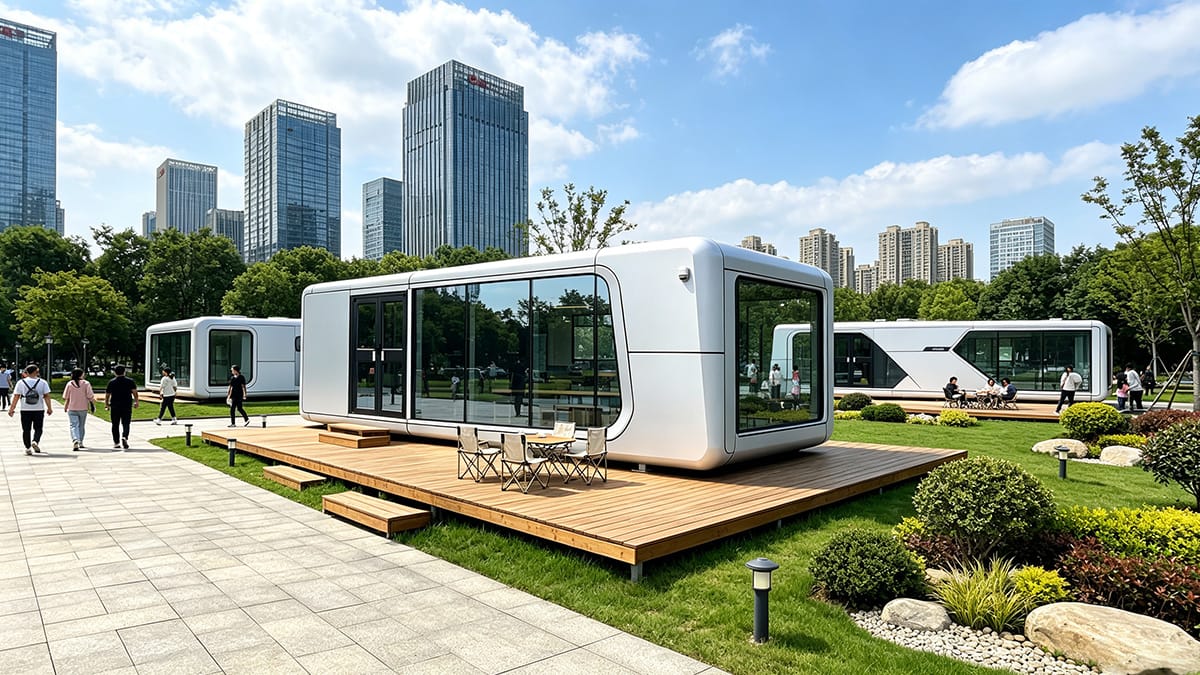
05 May How to Choose the Best Foundation for Your Capsule Tiny House
You want the best capsule tiny house foundation, but there’s no one-size-fits-all answer. Your site conditions, soil type, and climate shape your choice. You might pick screw piles, piers, concrete slabs, blocks, or raft systems. Each option fits different needs. Ready to compare? You’ll find practical tips that make tiny living easier.
Key Takeaways
Think about how you live when picking a foundation. Decide if you want to stay in one spot or move a lot. This choice changes what kind of foundation you need.
Plan your money carefully for your foundation. Some choices, like pier systems, cost less. Concrete slabs last longer but cost more.
Look at local rules and permits before you build. Knowing zoning laws helps you avoid fines. It also makes sure your tiny house is safe.
Check your land closely. Look at the soil and how water drains. This helps make sure your foundation is strong and safe.
Talk to local experts for help with your land. Their advice can help you make good choices. It can also help you avoid expensive problems.
Factors Affecting Capsule Tiny House Foundation Choice
Lifestyle and Mobility
How you live affects your foundation choice. If you want to move your house a lot, pick a foundation that is easy to put in and take out. Many people with capsule homes like simple living and care about nature. They do not need much space. Some people want to stay in one place. Others want to travel and see new places. Think about what you want to do in the future. Do you want to stay or move around? Your answer will help you choose the right foundation.
Common lifestyle scenarios:
Living alone or with a partner
Choosing to live with less stuff
Caring about the environment
Wanting to move again later
Budget and Costs
Money is important when you plan your foundation. Some foundations cost more to put in and fix. If you want to save money, you can use a pier or block system. Concrete slabs cost more but last longer. Try to match your budget with what you need for comfort and safety.
Tip: Think about how much you will spend now and later for repairs.
Regulations and Permits
Check the rules before you start building. Zoning laws can say where you can put your tiny house. Some places have a minimum size for houses. You might need to show your plans and get a permit first. The kind of foundation you use can change what permits you need. A permanent foundation usually needs a building permit. A movable home may only need DMV registration.
Type of Tiny House | Permit Process | |
|---|---|---|
Stick-built/site-constructed | Permanent foundation | Normal building permit process |
Manufactured houses | State-approved foundation | Regulated by HUD |
Factory-built houses | Permanent foundation | Inspected by HCD |
Transportable Housing Units/RVs | Not required to be permanent | Registered through DMV |
Climate and Soil
The weather and soil at your site are important. If you live where there are storms or earthquakes, you need a strong foundation. Good insulation and air tightness keep your house comfy all year. The type of soil helps your foundation stay strong. Thick, packed soil is best for support. Make sure water can drain away from your house.
Note: Always check your site before you pick a foundation. This step helps you avoid mistakes and keeps your house safe.
Capsule Tiny House Foundation Types Compared
 Picking the right capsule tiny house foundation helps you live better. It keeps your home safe. You need a foundation that matches your needs, your site, and your budget. Let’s check the main choices for capsule houses and see how they work.
Sizing Tip:
Make your foundation at least 3 feet bigger than your capsule house. This extra space makes your house stable. It also keeps water away from your walls.
Screw Pile Foundation
Screw pile foundations are good for capsule houses that need fast setup. They work well on tricky soil. You can put in screw piles quickly. You do not need big machines. The piles twist into the ground. You do not dig big holes. This method is great if you want a temporary capsule tiny house foundation. It is also good if you plan to move your home later.
Screw piles do not disturb the ground much. They are quick to install.
You mark the ground, put the piles in, and adjust them.
Beams go on top of the piles to hold your capsule house.
Works well in bad soil or for temporary homes.
Pros:
Quick to install
Easy to take out
Good for soft or wet soil
Does not mess up the site much
Cons:
Not good for heavy capsule houses
May need more insulation in cold places
Best for:
Temporary capsule houses
Sites with bad soil
People who want easy foundation setup
Pier Foundation
Pier foundations use concrete or steel posts to hold up your capsule house. You put the piers in the ground. Beams go across the tops. This lifts your home off the ground. It helps water drain and keeps moisture away. You install piers by digging holes and setting posts. Then you attach beams.
Pros:
Simple to install
Good for uneven ground
Lets air move under your capsule house
Easy to fix
Cons:
Not as strong as slabs for heavy capsule houses
May move in soft soil
Best for:
Capsule houses on sloped sites
People who want to move their house later
Places with mild weather
Concrete Slab Foundation
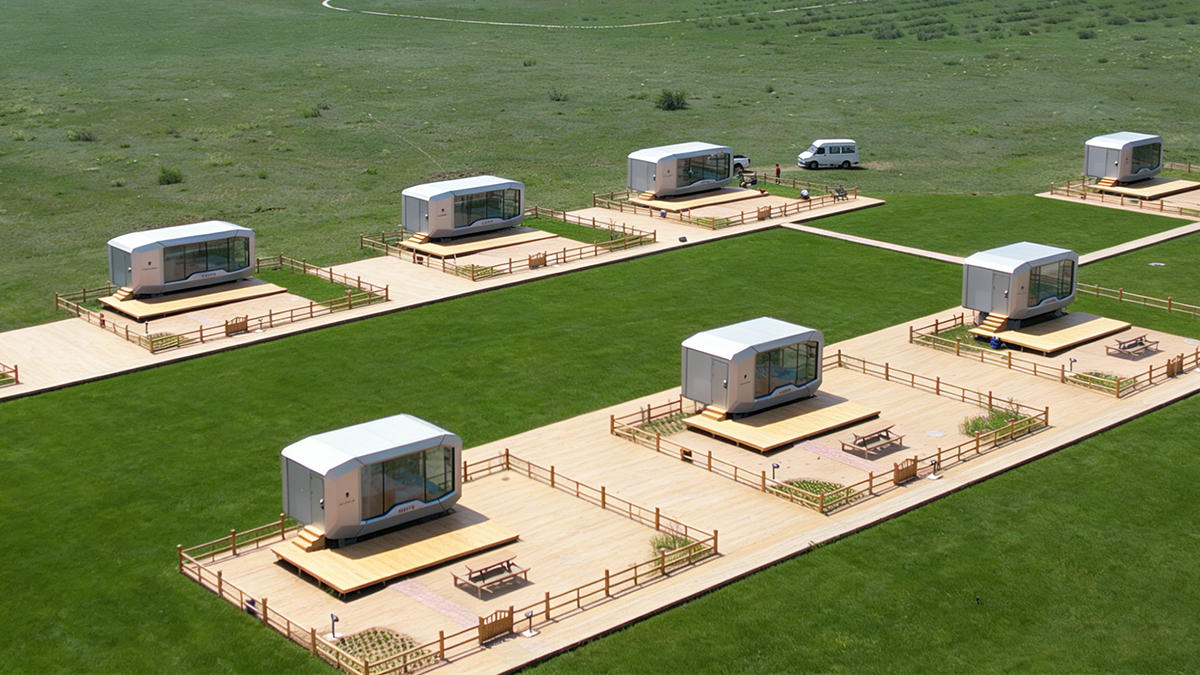 Concrete slabs give your capsule tiny house foundation a strong, lasting base. You pour concrete over a flat spot. Then you set your capsule house on top. This works best for capsule houses that stay in one place. You must prepare the site, add gravel for drainage, and pour the slab.
Pros:
Strong and lasts long
Good for heavy capsule houses
Easy to clean under the house
Lasts many years
Cons:
Costs more to install
Hard to move your capsule house later
Needs careful site work
Best for:
Permanent capsule houses
Sites with solid soil
People who want strong foundation supports
Block Foundation
Block foundations use concrete blocks stacked to make walls under your capsule house. You build the blocks in a trench. Beams go on top. This works well for capsule houses that need a simple, cheap foundation. You install blocks by digging, stacking, and leveling.
Pros:
Cheap to install
Easy to build
Good for small capsule houses
Can add insulation between blocks
Cons:
Not as strong as slabs
May crack in freeze-thaw weather
Needs careful leveling
Best for:
Capsule houses with small budgets
Sites with firm soil
People who want basic foundation setup
Raft Foundation
 Raft foundations spread the weight of your capsule house over a wide area. You pour a thick slab of concrete with extra steel bars. This works well for capsule houses in flood-prone or soft soil places. You must add gravel beds and grade the site to manage water. Raft foundations give you a lasting, energy-saving base.
Raft foundations give a strong base in soft soils. This is important for flood-prone places.
Drainage and moisture control matter. Use gravel beds and grading to handle water.
For floods, you can lift capsule houses on stilts or piers.
Pros:
Handles soft or wet soil
Good for flood-prone sites
Saves energy
Spreads weight evenly
Cons:
Costs more to install
Needs expert design
Hard to move capsule houses later
Best for:
Capsule houses in flood zones
Sites with soft soil
People who want lasting foundation supports
Foundation Type | Installation Speed | Cost | Mobility | Soil Suitability | Best For |
|---|---|---|---|---|---|
Screw Pile | Fast | Moderate | High | Poor/Soft | Temporary capsule houses |
Pier | Moderate | Low | High | Uneven/Firm | Movable capsule houses |
Concrete Slab | Slow | High | Low | Stable | Permanent capsule houses |
Block | Moderate | Low | Medium | Firm | Budget capsule houses |
Raft | Slow | High | Low | Soft/Flood-prone | Flood-prone capsule houses |
Note:
Always check your site and soil before you pick a capsule tiny house foundation. The right choice keeps your capsule house safe and dry.
Legal and Site Considerations
 Permits and Codes
 Permits and Codes
You must check local rules before you build capsule houses. Each city or county has its own codes. These codes keep you safe and protect your home. If you skip permits, you could get fined or need to fix your work. Many capsule houses have trouble with permits. This happens because they use special parts or different designs.
Here’s a quick look at common mistakes during capsule houses installation:
Violation Type | Description |
|---|---|
Safety Glass | Imported capsule houses often fail inspections due to non-compliant safety glass. |
Egress Window | Many designs use fixed glass or small porthole windows that do not meet emergency exit requirements. |
Door Security | Exterior doors must be secure and meet local wind load ratings. |
Foundation Requirement | To qualify as an ADU, the unit must be anchored to a permanent foundation, requiring building permits. |
You should always ask your local building office about needed permits. If your capsule houses will stay in one place, you must anchor them and pass checks. For movable capsule houses, you may need DMV registration instead. Make sure your windows and doors follow safety rules. If you want your capsule houses as an ADU, you must follow extra codes.
Tip: Keep all your papers ready. This helps you pass checks faster and avoid waiting.
Site Assessment
Before you build, you need to check your land. Walk around and look at the ground. Is it flat or does it slope? Does water drain away well? You want to avoid floods and shifting soil. Capsule houses need a strong spot to sit on. If you skip this step, your capsule houses could have problems later.
Here’s what you should check for capsule houses installation:
Soil type: Is it firm or soft?
Drainage: Does water pool after rain?
Access: Can trucks reach your site for installation?
Environmental impact: Will installation harm plants or wildlife?
You can ask a local expert to help check your site. They know what works best for capsule houses. If you plan ahead, you save money and avoid mistakes. A good site makes building easier and keeps your capsule houses safe.
Note: Site checks are not just for big homes. Capsule houses need careful planning, too.
Making the Right Foundation Decision
Choosing the right foundation is important for your capsule tiny house. You need to think about your site, your budget, and how you want to live. Look at the soil and weather where you will build. Make sure your foundation fits your needs. Ask experts if you are not sure. Take your time and plan well. This helps your capsule tiny house stay safe and strong.
You have a lot to think about before you pick a foundation for your capsule tiny house. Look at your site, your budget, and your plans for the future.
Zoning laws and building codes shape what you can build and where. Always check these rules before you start.
Local foundation experts know your land and can spot problems early.
They help you follow local rules and make your project go smoothly.
Good planning means your tiny house will last longer and stay safe.
If you want the best results, talk to a pro and start your site check today. Smart choices now lead to a strong, comfy home for years.
FAQ
What foundation works best if I want to move my capsule tiny house later?
You should pick screw piles or piers. These let you remove your house more easily. They work well for people who want to travel or might move in the future.
Can I build a capsule tiny house foundation myself?
You can build simple foundations like blocks or piers if you have basic tools and skills. For concrete slabs or raft foundations, you should hire a pro. Safety matters most.
How do I know if my soil is good for building?
Dig a small hole and check if the soil feels firm and dry. Soft or wet soil needs special foundations. You can ask a local expert for a quick soil test.
Do I always need a permit for my tiny house foundation?
Most places require a permit for permanent foundations. Movable homes may need DMV registration instead. Always check with your local building office before you start.