
12 Mar A Complete Guide to Buying Tiny House Pods in 2026
Are you thinking about buying a tiny house pod in 2026? First, decide how much money you can spend. Check the rules in your area. Many people like tiny house pods. They give you a simple life and cost less than normal houses. Before you buy one, remember these important things:
Local rules are important. Some tiny house pods need permits. Others do not.
You will pay for insurance, maintenance, and utilities every month.
The design, off-grid features, and layout change the price and comfort.
Know what you want and what is allowed where you live.
Key Takeaways
Make sure you set a budget before you buy. Think about all costs, like insurance and utilities. This helps you avoid any surprises.
Look up local zoning laws and rules. Knowing what you can do saves you time and money.
Pick prefab or custom tiny house pods for your needs. Prefab pods are faster to set up. Custom pods let you choose more details.
Think about eco-friendly features for your tiny house pod. Solar panels and energy-saving appliances save money. They also help the environment.
Read reviews and ask questions before you pick a builder. A good builder gives you quality and help after you buy.
What Are Tiny House Pods?
Defining Tiny House Pods and Granny Pods
Tiny house pods are small homes you can put in your yard. They have everything you need in one space. You get a bedroom, bathroom, and kitchen inside. Some people call them granny pods if older family members live there. Granny pods let you care for family close by. Tiny house pods come in many styles and sizes. You can pick a modern look or a cabin style. Most pods come ready to use. This means you do not have to build much. You can move in quickly and start living.
Benefits of Tiny Living
Tiny house pods give you more than just a place to stay. You can save money and use less energy. Many people like tiny house pods for a simple life. You also help the planet by using fewer things. Here are some top benefits:
Benefit | Description |
|---|---|
Care for elderly family members | Granny pods let you care for older family at home. This helps keep them safe from germs. |
Rental properties | You can rent out granny pods for vacations or short stays. This helps you make extra money. |
Expand usable living space | These homes give older people a small space to live. They can stay in their own community. |
Tip: You can make money by renting out tiny house pods. You also get more space without leaving your area.
Who Should Consider a Tiny House Pod?
You may wonder if a tiny house pod is right for you. Many people think tiny house pods are a good fit. These groups often choose them:
Single-person households
Couples without children
Retirees
People pick tiny house pods for many reasons. You may want a home that costs less or uses less energy. You may want a home that fits your life as it changes. Tiny house pods can be a smart choice for you.
Types of Tiny House Pods in 2026
 Prefab vs. Custom Tiny House Pods
 Prefab vs. Custom Tiny House Pods
When you look at tiny house pods, you have two main options. You can choose prefab pods or custom pods. Prefab pods, like Boxabl, come with a set look. Custom pods, such as MagicBox, let you change almost everything. Here is a simple chart to show the differences:
Feature | Prefab (Boxabl) | Custom Tiny House (MagicBox) |
|---|---|---|
Customization | Limited, cookie-cutter design | Highly customizable to your needs |
Production Speed | Long waitlist, can take years | Immediate factory production |
Adaptability to Terrain | Rigid design, may not fit all land | Tailored to your land |
Mobility | Permanent structures | Tiny houses on wheels available |
Material Choice | Standard materials | Sustainable and high-end materials |
Aesthetic | Predictable, identical units | Personal taste and lifestyle |
Tip: If you want your tiny homes in las vegas to look how you like, custom pods give you more choices. Prefab pods are good if you want something fast and easy.
Off-Grid and Eco-Friendly Options
You might want your tiny house pod to use less energy or work off the grid. Many tiny homes in las vegas now have eco-friendly features. You can find pods with solar panels, wind turbines, and rainwater systems. Some pods use recycled materials. Here are some examples:
Tiny House Pod | Eco-Friendly Features |
|---|---|
Ecocapsule | Solar and wind power, rainwater harvesting, insulated walls |
WaterNest 100 | Solar power, 98% recycled materials, floating design |
MercuryHouseOne | Solar energy, mobile design |
Blob VB3 Mobile | Mobile, kitchenette, bathroom, mixed materials |
G-PODs | Solar power, customizable interiors, water-resistant |
Drop XL | Off-grid, wood, glass, steel, transportable |
Alpine Capsule | Solar panels, wind turbine, blends with environment |
Rolling Stones capsule | Rainwater harvesting, solar panels, wind turbine, recycled materials |
Note: These features can help you save money and protect the earth. Many tiny homes in las vegas use solar power and recycled things.
Tiny Homes in Las Vegas and Other Locations
Tiny homes in las vegas are very popular now. You see them in cities, suburbs, and deserts. People like them because they cost less and are easy to set up. You can get prefab pods that are ready to move in. You can also get custom pods made for your land. Many tiny homes in las vegas use eco-friendly designs. Some pods can work off the grid, which helps if you live far from the city. You can also find tiny homes in las vegas with wheels, so you can move them. Many builders offer tiny homes in las vegas that come fast. There are more choices now than ever before.
Block Quote: “Tiny homes in las vegas give you freedom, style, and a smart way to live small.
Legal and Zoning for Tiny House Pods
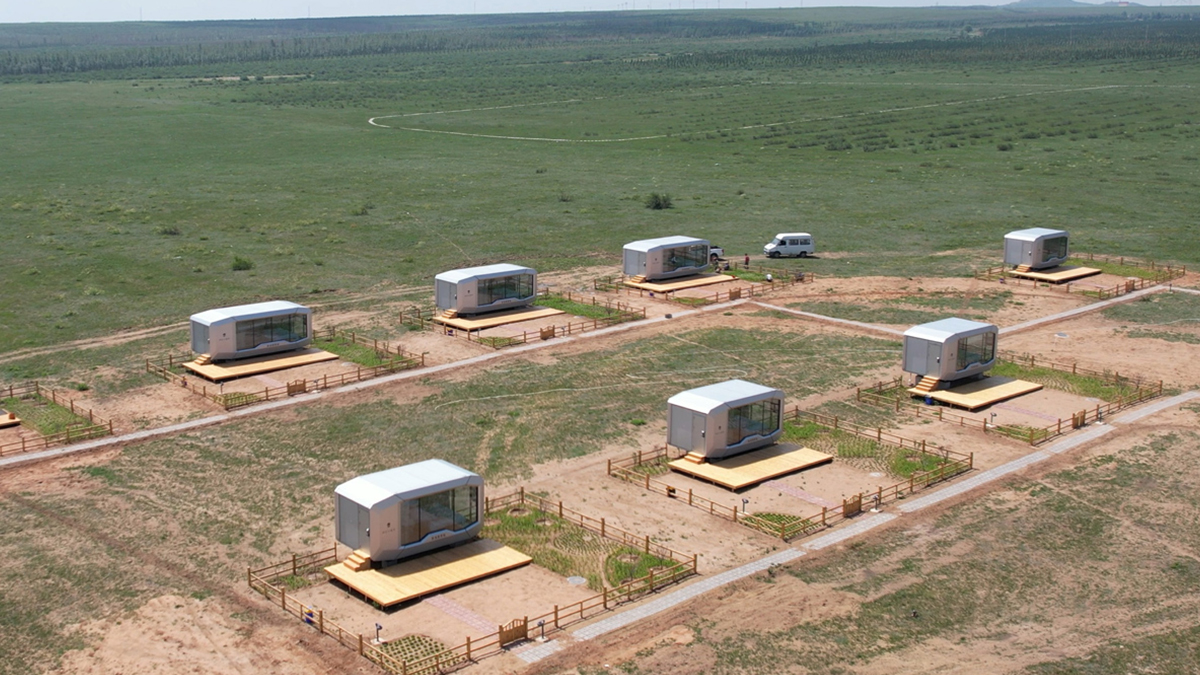 When you buy a tiny house pod, you need to know the legal aspects and zoning rules in your area. These rules can change a lot from one place to another. If you skip this step, you might face big problems later. Let’s break down what you need to check before you set up your tiny home.
State and Local Regulations
Every state and city has its own rules for tiny house pods. Some places welcome them, while others make it tough. You should always check both state and local laws before you buy or place your pod. Here’s a quick look at the most important regulations you might see in 2026:
Regulation Type | Key Points |
|---|---|
Up to 10 units near transit hubs; SB123 allows up to 12 units with lot splits | |
Tiny House Classification | Rules differ for homes on wheels and those on foundations |
Local Zoning | Local zoning and building codes decide if you can have a tiny house pod |
Most areas in the U.S. use building and zoning laws. These laws can change by state, county, or city. Many places still don’t have clear rules for tiny house pods, but this is starting to change as more people want to live small. When you plan your tiny home, always look at local laws, building codes, and zoning rules. These can be very different depending on where you live.
Tip: Ask your city or county office about tiny house pods before you buy. This can save you time and money.
Permits and Compliance
You can’t just drop a tiny house pod anywhere. You need the right permits to stay legal. The type of permit depends on your state and the kind of pod you have. For example, South Dakota asks for a building permit if your tiny house is at least 190 square feet. You also need 50 extra square feet for each person living there. Your pod must meet building codes and be in a neighborhood that allows them.
Here’s what you should do to stay compliant:
Figure out if your pod is on wheels or a permanent foundation.
Check your local zoning and building codes.
Get the right permits, like building, plumbing, or electrical.
Follow state housing codes, such as IRC standards.
Plan for water, power, and waste systems.
Think about registering your pod as an adu.
Some states have special rules for adu units. You might need to show plans, pay fees, or get inspections. Always keep your paperwork in order. If you skip a step, you could face fines or have to move your pod.
Zoning Challenges and ADU Rules
Zoning can be tricky for tiny house pods. Many cities and towns have not caught up with the tiny home trend. This means you might run into problems with where you can put your pod. Here are some common challenges:
Challenge Type | Description |
|---|---|
Local governments may not have enough rules for tiny homes, making things confusing. | |
Classification Issues | Tiny homes often don’t fit old building codes, which makes getting permits harder. |
Zoning Definitions | City planners struggle to decide where tiny homes belong, trying to keep neighborhoods safe. |
ADU rules play a big part in where you can place your tiny house pod. Local zoning laws can decide if you can have a pod at all. In cities, you might see strict rules about how tall your pod can be or what it should look like. Rural areas may give you more freedom, but you still need to follow rules about things like septic systems and fire safety.
ADU regulations often say you can only put a pod on the same lot as a single-family home. This can limit your options.
If your tiny house pod is on wheels, it might count as a recreational vehicle. This can make the legal process even harder.
You should always check adu rules before you buy. Some places let you have up to 10 adu units near transit hubs. New laws like SB123 may let you split your lot and add even more units. This gives you more choices, but you still need to follow all the rules.
Note: Zoning and adu rules can change fast. Stay updated by talking to your local planning office or checking their website.
If you follow these steps, you can avoid most legal headaches. You’ll know where you can put your tiny house pod and how to keep it there for years to come.
Key Features and Customization
Essential Features in Tiny House Pods
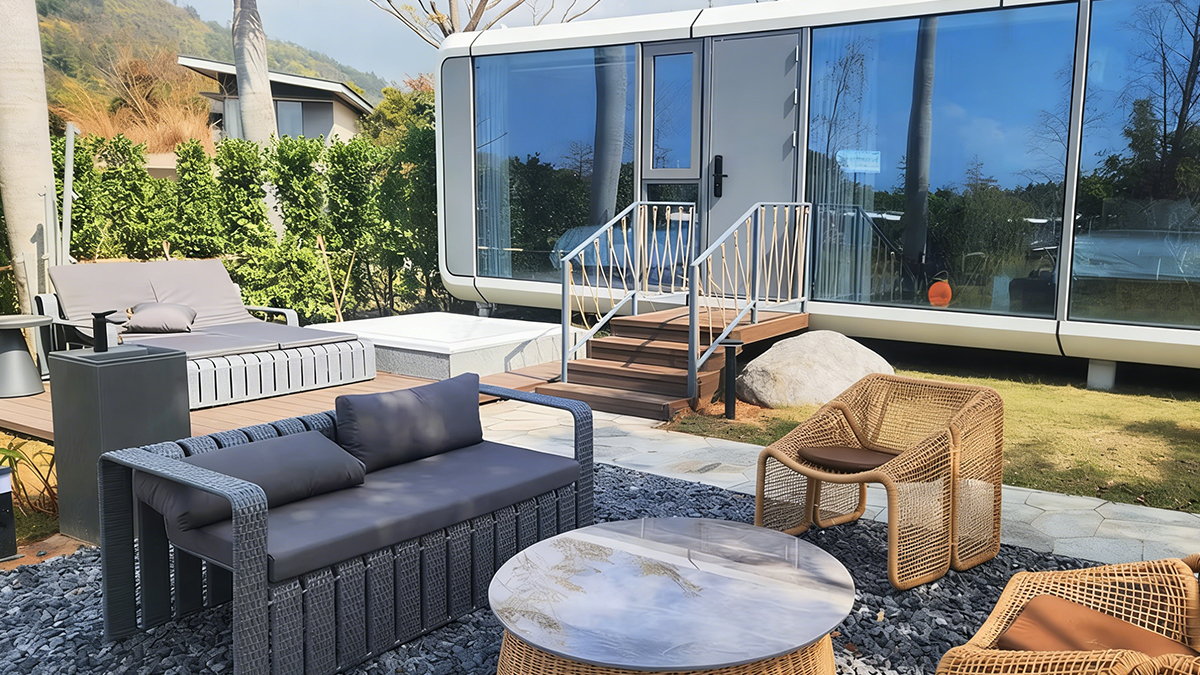 Essential Features in Tiny House Pods
When you look at tiny homes, you want to make sure they have the right features. Most tiny house pods come with a sleeping area, a kitchen, and a bathroom. You might find energy-saving appliances and smart home systems. Some pods include solar panels or rainwater collection. These features help you live comfortably and save money. You can also get heating and cooling systems that work well in small spaces. Many tiny homes use clever storage solutions, so you can keep your things organized. If you want a pod for an older family member, look for easy access and safety rails.
Tip: Always check if your tiny house pod has the features you need before you buy. This makes your life easier and helps you avoid extra costs.
Layouts—Lofts, Ground Floors, and More
Tiny homes offer many layout choices. You can pick a pod with a loft for sleeping or a ground-floor bedroom. Some granny pods use every inch of space for comfort. Here are some popular layouts you might see in 2026:
Granny pods with sleeping areas, kitchens, and bathrooms.
A 390 sq. ft. cottage-style pod with a living room, kitchen, and a cozy bedroom that opens to the backyard.
A 276 sq. ft. pod with a kitchenette, full bathroom, and an open living area that works as a bedroom or studio.
You can choose a layout that fits your needs. Some tiny homes have open plans, while others use walls to separate rooms. Lofts give you extra space for storage or sleeping. Ground-floor layouts work well for people who want easy access.
Customization Limits and Options
You might want to change your tiny house pod to fit your style. Many builders offer customisation, but there are limits. You can pick finishes, flooring, and smart systems. Some parts, like the floor plan grid or plumbing stack, stay fixed. Here’s a table to show what you can change and what stays the same:
Flexible Options | Fixed Options | |
|---|---|---|
Structural | Roof pitch (±5°), exterior cladding | Floor plan grid, load-bearing walls |
Mechanical/Electrical | Heat pump, solar-ready features | Electrical panel, plumbing stack |
Interior | Cabinet finishes, flooring types | Bathroom fixture rough-ins, kitchen cutouts |
Smart Systems | Energy monitoring, voice-assistant | Core network, sensor placement |
You get a lot of choices, but some things cannot change. Customisation lets you make your tiny homes feel unique. You can add smart features or pick eco-friendly materials. Always ask your builder what you can change before you order.
Tiny House Pod Costs and Reviews
Price Ranges and Cost Factors
When you start looking at tiny house pods, you notice the price can change a lot. The cost depends on the size, where you want to live, and how fancy you want your pod to be. You might see a small pod for $15,000, but a bigger one with more features can reach $258,000. Take a look at this table to see how size affects the cost:
Size (sq ft) | Price Range ($) |
|---|---|
100 | 15,000 – 43,000 |
200 | 30,000 – 86,000 |
300 | 45,000 – 129,000 |
400 | 60,000 – 172,000 |
500 | 75,000 – 215,000 |
600 | 90,000 – 258,000 |
You also need to think about other things that change the cost. Pods in big cities usually cost more than those in small towns. If you want a pod with a fancy design, the cost can go up by 20-40%. Materials matter too. Basic materials keep the cost lower, but premium materials can add $50,000 or more. Some people build their own pods to save money, but custom builds cost more because you get to pick everything.
Tip: Always compare the cost of different pods before you buy. Ask yourself what features you really need and what you can skip.
Hidden and Ongoing Expenses
Buying a tiny house pod is not just about the first cost. You need to plan for monthly and yearly costs that come after you move in. Some costs are easy to miss if you only look at the price tag. Here’s a table that shows the main expenses you should expect:
Expense Type | Tiny House Costs | RV Costs |
|---|---|---|
Initial Investment | $30,000 – $70,000 (up to $180,000) | $10,000 – $300,000 |
$250 – $1,500 (lot rent) | $825 – $3,000 | |
Utility Costs | Varies by location, often municipal | $100 – $300 (many included) |
Maintenance Costs | Similar to traditional homes | $250 – $500 annually |
You pay for land or lot rent every month. Utility costs change depending on where you live and how your pod connects to water and power. Maintenance costs can surprise you, especially if your pod uses special materials. Insurance is another cost you need to remember. Tiny house pods often have insurance costs like regular homes. If you skip these costs in your budget, you might run into trouble later.
Monthly living expenses can go up if you rent land instead of owning it.
Utility costs depend on your setup. Pods with solar panels may have lower costs, but you still pay for water and waste.
Maintenance and insurance costs are part of owning any home, even a tiny one.
Note: Always ask your builder or seller about hidden costs. Make sure you know what you will pay each month before you buy.
Reviews and Value Comparison
You want to know if a tiny house pod is worth the cost. Reading reviews helps you see what other buyers think. Many people say pods like Capsule Castle save money and install quickly. Marco Silva likes the lower costs and fast setup. Yuki Tanaka points out the unique design and how easy it is to add pods to his real estate projects. Maria Kostas shares that the modular design cut her costs and made visitors happier. Carlos Garcia says the setup is simple and the quality is high, which makes these pods a good choice for backyard homes.
Quick installation and lower costs make some brands stand out.
Unique designs and modular features help you save on construction cost.
Easy setup and good quality get high marks in reviews.
You should always read reviews before you buy. Look for comments about cost, setup, and long-term value. Some pods cost more up front but save you money over time. Others have lower costs but may need more repairs. Reviews help you spot these differences.
Alert: Financing can be hard for tiny house pods. Many banks do not offer loans for pods, and resale value can be lower than regular homes. Think about these drawbacks before you buy.
If you take time to research costs and read reviews, you can find a tiny house pod that fits your budget and your needs.
Choosing a Builder or Manufacturer
Researching Tiny House Pod Builders
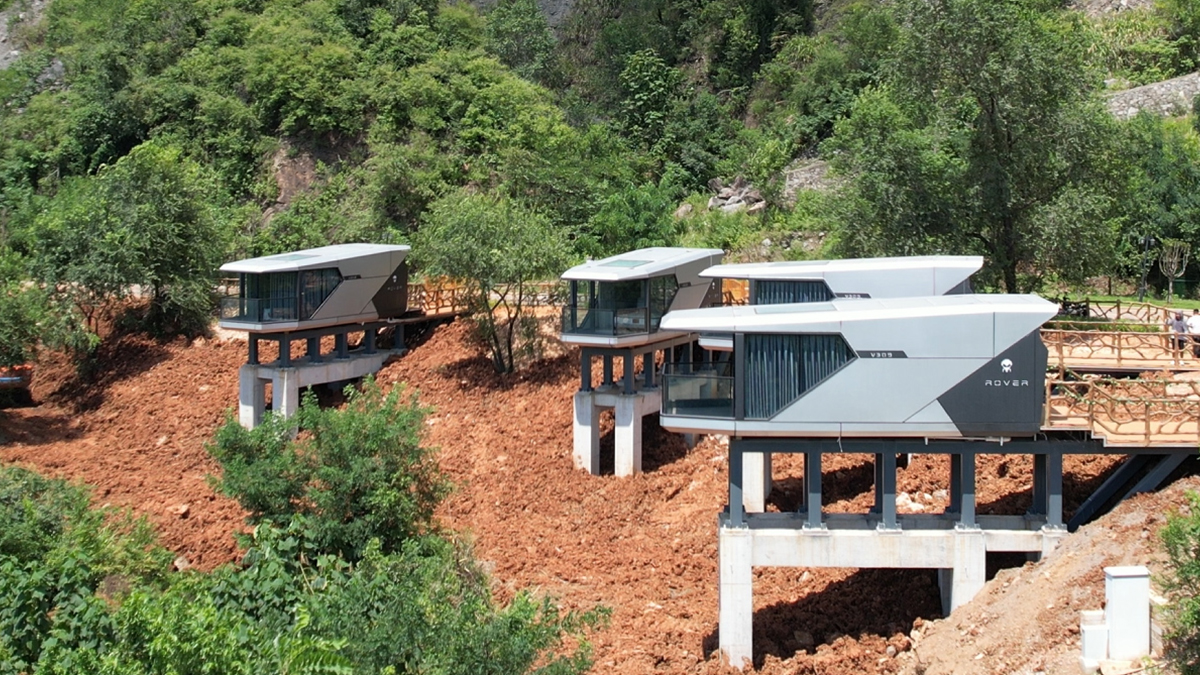 Researching Tiny House Pod Builders
Choosing the right builder makes everything easier. You want a builder who has done this before. Tiny Building Experts is a top choice in 2026. They are in Colorado Springs. Austin and Tracy started the company. They have built more than 400 tiny homes. They know all about tiny home codes and safety rules. Their company also helps young people who need support. They build a tiny home village for them. If you live in Colorado, you can get a 15-year RV loan with good rates. Here is what they offer:
Feature | Details |
|---|---|
Company Name | Tiny Building Experts |
Location | Colorado Springs, Colorado |
Founders | Austin and Tracy |
Certifications | Pacific West Associates (tiny homes on wheels) |
Experience | 400+ tiny homes built |
Specialization | Tiny home codes, safety standards |
Community Project | Tiny home village for at-risk youth |
Services Offered | Custom trailers, steel kits, shells, turn-key homes, consulting, loans |
Financing Options | 15-year RV loan (Colorado residents) |
Tip: Always make sure your builder has the right papers and has finished many projects.
What to Look for in Reviews
Reviews can help you find the best builders. They also help you avoid problems. You want proof that the builder delivers on time. Good builders help you after you buy your pod. Look for builders who let you change the design. Here are things to check:
Can you add more space later?
Can you pick your own style?
Does the builder have proof of delivery?
Will they help you after you buy?
You should also check if others trust the builder. The builder should use strong materials and good insulation. They must follow local rules. They should make sure the pod is waterproof and safe from fire. Here is a table to help you compare:
Criteria | Description |
|---|---|
Agency recognition | Listed with California Department of Housing |
Structural durability | Long-lasting materials and methods |
Customization options | Flexible design and features |
Compliance | Meets local codes and standards |
Insulation | Quality materials for comfort |
Waterproofing | Sealed joints and drainage |
Fire resistance | Class A/B rated materials |
After-sales support | Reliable help after purchase |
Questions to Ask Before Buying
Ask your builder these questions before you buy:
How thick is the steel frame or container?
What kind of insulation do you use?
Can I change the layout later?
How do you keep water out?
Are your materials safe from fire?
Is the pod ready for solar power?
Will you help me after I buy?
Note: Good builders answer your questions and show proof. If they do not answer, find a different builder.
Site Prep and Installation
Preparing Land for Tiny House Pods
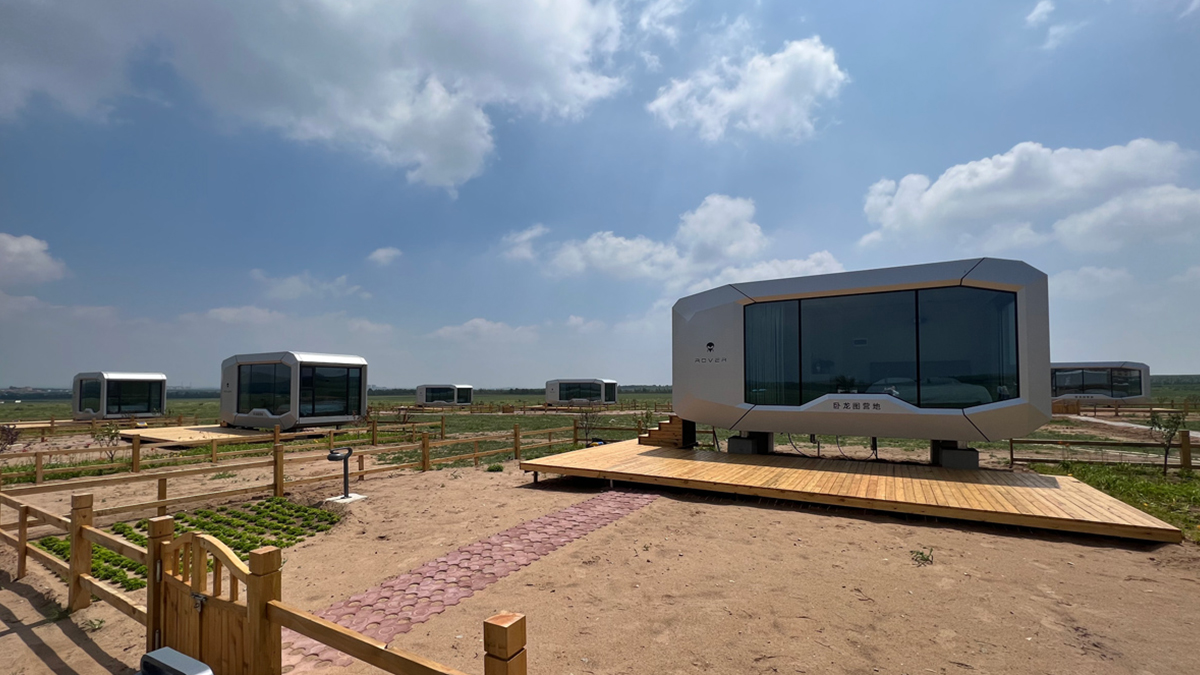 Preparing Land for Tiny House Pods
Getting your land ready for a tiny house pod is a big step. You want everything to go smoothly when your pod arrives. Here’s a simple way to prepare your site:
Pick a Foundation: You can choose a concrete slab for a strong base. If your land slopes, a pier foundation works well.
Set Up Utilities: Make sure you have connections for electricity, water, and sewer before installation. This saves you time later.
Check Access: Delivery trucks need space to reach your site. Measure the width and height of your driveway. Make sure the ground is firm and the truck can turn easily.
Tip: If you plan ahead, you avoid delays and extra costs.
Utility Connections and Off-Grid Setups
You need to think about how your tiny house pod will get water, power, and handle waste. Here’s a quick look at your options:
Requirement Type | Description |
|---|---|
Water System | Connect to city water or use a well. Off-grid setups can use water tanks. |
Waste Water Management | Use a septic system or connect to city sewer. Match your setup to your main house. |
Power Sources | Use grid-tied solar or connect to permanent power for your appliances. |
Leave space for solar panels and batteries. Choose energy-saving appliances for off-grid living. |
Note: Off-grid setups need extra planning. Make sure you have enough space for solar panels and batteries.
Delivery and Final Inspection
When your tiny house pod arrives, you want everything to be ready. The delivery team will place your pod on the foundation. You should check the pod for damage and make sure all systems work. Walk through the pod and test the lights, water, and appliances. If you see any problems, tell the builder right away.
Inspect the exterior for cracks or leaks.
Test all utility connections.
Make sure doors and windows open easily.
Alert: Always do a final inspection before you sign off on the delivery.
Zoning and Placement Tips
Placing your tiny house pod in the right spot matters. You want easy access to public transport, stores, and jobs. Think about who will live in the pod and what services they need. If you build a tiny home village, decide if it will be permanent or temporary. Check the costs for building and keeping up the site. Make sure your placement follows local zoning rules and supports fair housing.
Decide if your pod is for short-term or long-term living.
Make sure you have the right services for your residents.
Plan for both building costs and ongoing expenses.
Tip: Good placement helps your tiny house pod fit into the community and makes life easier for everyone.
Financing and Insurance for Tiny House Pods
Financing Options and Challenges
You might think getting money for a tiny house pod is simple. In 2026, you have more ways to get a loan than before. But you still face some problems. Big banks like Commonwealth Bank give loans up to 120% of your land’s value. They also offer up to 60% of the build contract price. Some lenders, like Great Escape Finance, focus on prefab builds. You can also try RV loans, home equity loans, or even crowdfunding.
Here are some facts you should know: Your tiny house usually must be on a foundation for most loans. Many lenders want you to borrow at least $50,000. This makes it hard if your pod is small. You also need to follow zoning rules and own the land before you get a loan.
Tip: Talk to lenders early. Ask them about the rules for tiny house pods in your area.
Insurance for Tiny House Pods
Insurance keeps your tiny house pod safe and gives you peace of mind. In 2026, you can pick from many types of coverage. Look at this table to see what you can get:
Type of Insurance | Coverage Options |
|---|---|
All Risk Coverage | Protection against many risks |
Replacement Cost Settlement | Full replacement value for damaged items |
Personal Property Coverage | Covers your belongings inside the pod |
Power Generator & Solar Equipment | Protection for renewable energy systems |
Towing & Storage | Coverage for moving and storing your pod |
Fire Department Charges | Pays for fire department services |
Sewer Backup | Covers sewer-related damages |
Watercraft | Insurance for watercraft linked to your pod |
Trip Collision Coverage | Covers damage during transport |
Theft Coverage | Protection against theft of contents or the pod |
Note: Always check what each policy covers. Some work better for off-grid pods or pods on wheels.
Budgeting for Tiny Living
Living in a tiny house means you need a smart budget. You can use zero-based budgeting. This means you give every dollar a job until nothing is left. The 50/30/20 rule helps too. Spend 50% on needs, 30% on wants, and use 20% to save or pay off debt.
Here are some tips to help you manage your money: Use apps and online banking to track spending and set alerts. Add a “fun money” section and a buffer for surprises. Check your budget every month and change it if your money changes. Set SMART goals so you know what you want to achieve.
Block Quote: “A good budget helps you enjoy tiny living without big money worries.”
Common Mistakes to Avoid
Ignoring Legal Requirements
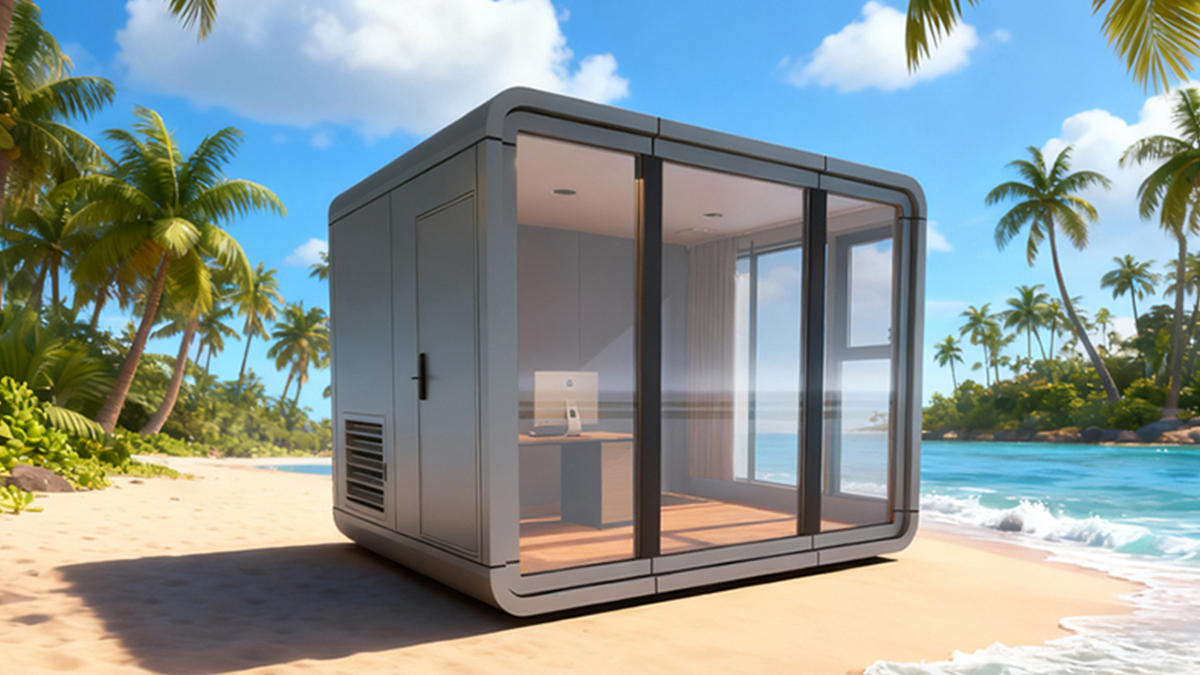 Ignoring Legal Requirements
You might be happy about getting a tiny house pod. But if you skip legal steps, you can get into trouble. Many cities do not have clear rules for tiny homes. Some places call them fancy RVs, which makes zoning hard. You must check your local laws before you buy. Some towns do not let people live in tiny homes all the time. If you do not follow the rules, you could get fined or have to move your pod. Always ask your local office about zoning and permits. This step keeps you from having problems later.
Tip: Do not think your tiny house pod is legal just because it fits in your yard. Rules are different in every place.
Underestimating Costs
Tiny house pods seem cheap, but costs can add up fast. You pay less to fix things than in a big house. For example, a new water heater costs less in a tiny home. Still, you need to save money for insurance, bills, and repairs. Some people forget about these costs. Insurance can be hard to get because the market changes a lot. You might pay more if your pod is like an RV or if prices drop. Always plan for monthly bills and surprise repairs.
Here are some costs people forget:
Hooking up utilities and paying bills each month
Insurance for special tiny homes
Fixing and updating your pod over time
Paying to rent or buy land
Note: Write down all the costs before you buy. This helps you not get surprised later.
Overlooking Resale and Customization Limits
You might want to sell your tiny house pod one day. The market for tiny homes is still new. It is hard to know if your pod will be worth more or less later. Custom features make your pod special, but they can make it harder to sell. Some people want a simple pod. Others want fancy things. If you add too many personal touches, it may be hard to find a buyer. Think about what future buyers might want when you change your pod.
Mistake | Why It Matters |
|---|---|
Over-customizing | Makes it harder for others to like it |
Ignoring resale value | Prices can go up or down |
Skipping research | You could lose money or regret your choice |
Block Quote: “Smart planning helps you avoid mistakes and enjoy tiny living for years.”
Ready to buy your tiny house pod? Start by checking local laws and zoning rules. Set your budget and stick to it. Pick a builder you trust. Review features and costs before you decide. If you follow these steps, you can avoid surprises and enjoy your new space.
Tip: Tiny living gives you freedom and flexibility. Make smart choices and enjoy the journey!
FAQ
How do you buy a tiny house pod in 2026?
First, check the local rules for tiny house pods. Set how much money you can spend. Look for builders who sell granny pods or accessory dwelling units. Compare what each builder offers and their prices. Ask if they use eco-friendly materials or have green options. Make sure the pod matches your way of living.
What makes tiny house las vegas options popular?
Tiny house las vegas choices are popular because they cost less and are good for the planet. Many homes have eco-friendly features. People like tiny living in las vegas because the weather is great for solar power. Builders have granny pods and accessory dwelling units for different needs.
Can you use granny pods as accessory dwelling units?
Yes, granny pods can be used as accessory dwelling units. These tiny homes are good for family or guests. Many cities let you put them on your land. You get more space without buying a new house. Granny pods help you care for loved ones and enjoy tiny living.
What are the best areas to live with a tiny house?
The best places for tiny houses have easy zoning rules. Tiny house las vegas gives you many choices. Look for neighborhoods that allow accessory dwelling units and granny pods. Pick places close to stores and things you need. Choose a spot that fits your life.
Are tiny house pods a good investment for sustainable living?
Tiny house pods are a smart choice if you want to live green. You save money on bills. Many pods use eco-friendly materials. Granny pods and accessory dwelling units help you live simply. Tiny living is good for the earth and helps you save money.