
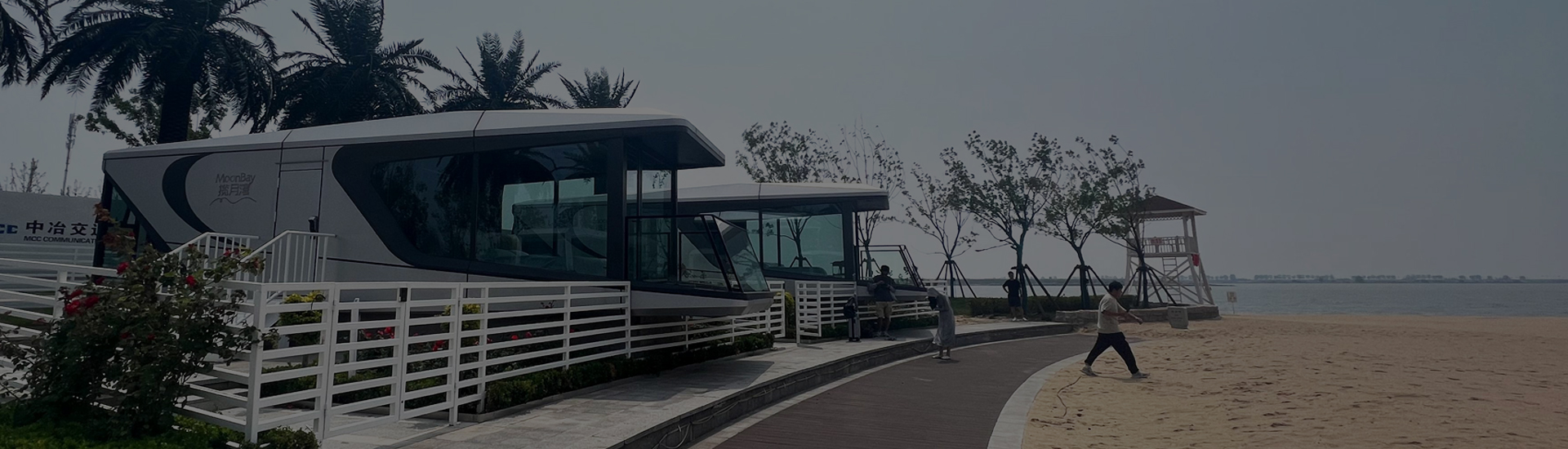
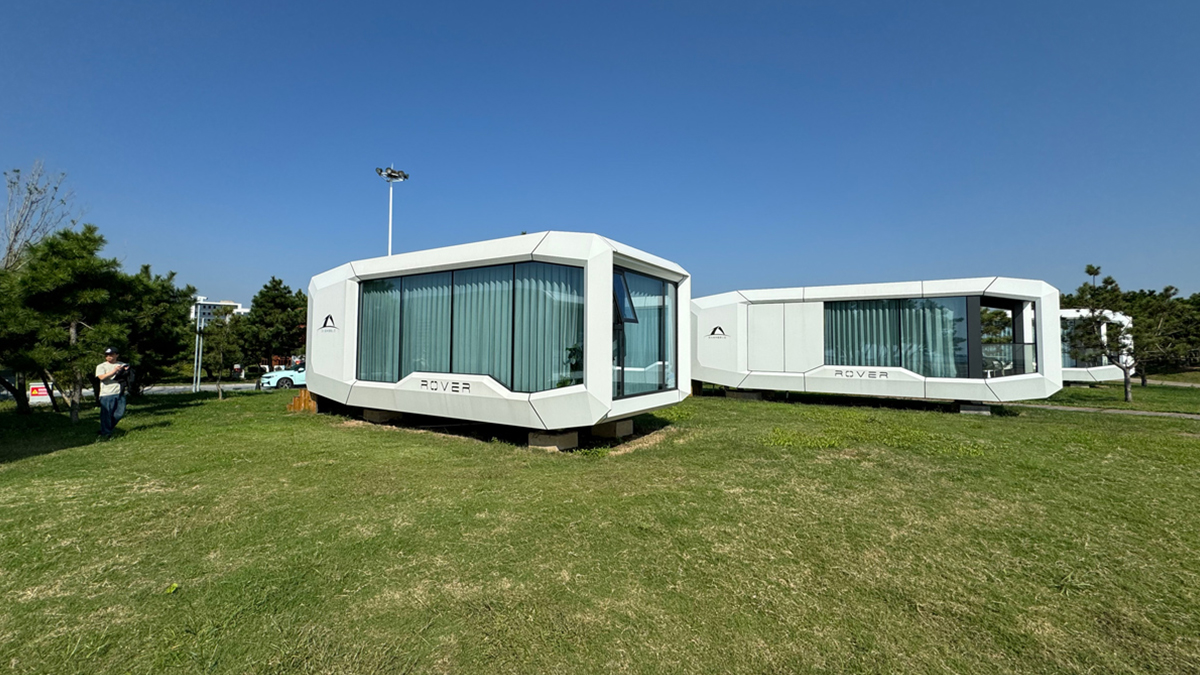
13 Mar Tiny House Pods Compared to Glamping Pods and Park Models
You may see more people looking for new ways to live and travel now. Tiny house pods, glamping pods, and park models all have special features. These choices are getting more popular very quickly. Experts think the market will grow by 9.1% each year. The market could reach USD 11.1 billion by 2030:
Metric | Value |
|---|---|
Projected CAGR (2024-2030) | 9.1% |
Expected Market Size by 2030 | USD 11.1 billion |
Glamping pods have real beds, heat, and electricity. These things help you feel comfortable. Park models have kitchens and bathrooms. This makes them good for families. Tiny house pods might not have as many features. You should pick what fits your needs best.
Key Takeaways
Tiny house pods are flexible and have smart designs. They work well for many living situations. Glamping pods give comfort while you are in nature. They have real beds and things that make camping cozy. Park models feel like real homes. They have full kitchens and bathrooms. They are good for living in for a long time. Think about your budget and what you need before you choose. Decide between tiny house pods, glamping pods, and park models. Always check the rules and permits in your area before you buy a pod. This helps you follow the law.
What Are Tiny House Pods and Pod Homes?
Tiny House Pods Explained
You may notice that tiny house pods focus on practicality and comfort. These small structures use a “less is more” approach. You get a space that feels open and useful, even with a small footprint. Many models use modular designs. This means you can connect or stack them to create more space when you need it. You will find that these pods use lightweight materials, which makes moving them easier.
Here are some key features you might see:
Prefabricated parts that reduce building time on your site.
Flexible layouts for different needs.
Efficient use of every inch of space.
You can check out the typical dimensions in the table below:
Characteristic | Details |
|---|---|
Typical Size | ~8.5 m × 3.3 m × 3.2 m |
Floor Area |
|
Occupancy | Designed for 2–4 people |
Weight | ~6.8–7.5 tons |
Larger Model Size | ~38 m² |
Pod Homes Overview
Pod homes give you a modern way to live with flexibility. You can use them as a main home, a guest house, or even a vacation spot. Many people like pod homes because you can expand them easily. You might start with one unit and add more as your needs change. Prefabricated production means you spend less time waiting for your home to be ready. Lightweight materials also make it simple to move your pod home to a new location.
Tip: If you want a home that grows with you, pod homes offer a smart solution.
Granny Pod Basics
Granny pods help families care for aging parents or loved ones who need extra support. You can place a granny pod in your backyard, so your family member stays close but still has privacy. These pods often look like small bungalows on the outside. Inside, you get a space that feels like a hotel suite, with a bedroom, bathroom, and kitchenette.
Here are some features you may find in a granny pod:
Wide doorways and ramps for wheelchairs or walkers.
Safety items like grab bars and non-slip floors.
Smart technology for health monitoring.
The table below shows more details:
Feature | Description |
|---|---|
Accessibility | Wide doorways, ramp access, and open floor plans for mobility aids like wheelchairs and walkers. |
Safety | Includes grab bars, non-slip flooring, and specialized bathroom fixtures for enhanced safety. |
Technology | Optional health monitoring systems and smart home features for convenience and safety. |
Granny pods usually offer up to 440 square feet of living space. You get safety features like hand railings and lighted floorboards to help prevent falls.
Glamping Pods and Other Pod Types
 Glamping Pods Features
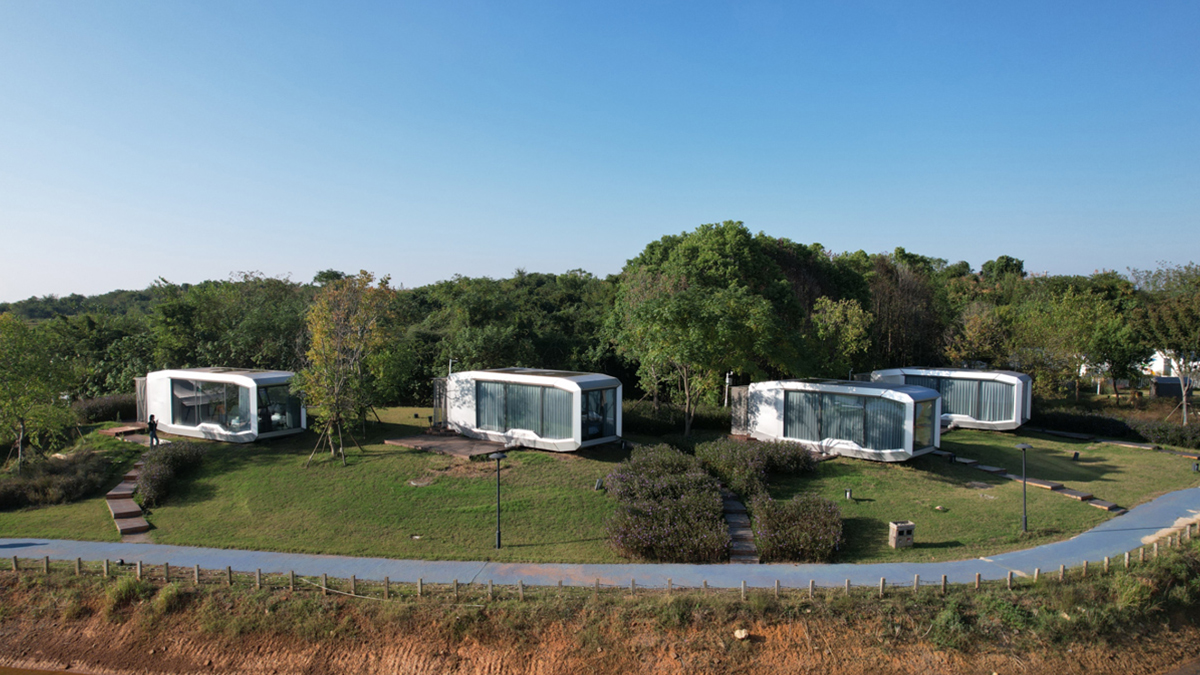 Glamping Pods Features
If you want camping with more comfort, glamping pods are a good choice. These pods keep you warm because they have strong insulation. You sleep on a real bed with soft pillows and blankets. Electric heaters or wood stoves make the pod cozy. At night, you use electric or solar lights. Many glamping pods have a small kitchen area. You might see a kettle, a mini-fridge, or a full kitchenette. Some fancy pods have private bathrooms with a toilet, sink, and shower. Storage space helps you keep your things neat. Outside, you can sit on a patio, relax by a fire pit, or cook on a barbecue.
Feature | Description |
|---|---|
Comfortable sleeping | Beds with mattresses and bedding for restful nights |
Heating and lighting | Electric heaters, wood stoves, and powered lighting |
Kitchen facilities | Kettle, mini-fridge, or full kitchenette |
En-suite bathroom | Toilet, sink, and shower in luxury pods |
Storage space | Shelves, drawers, and hooks for organization |
Outdoor amenities | Patios, seating, fire pits, and barbecues |
Tip: Glamping pods are great for families and couples. You get comfort and convenience. It feels like a hotel in nature.
Conestoga Wagons and Capsule Houses
You may see Conestoga wagons at some campgrounds. These wagons look old but have modern comforts inside. You get a bed, heat, and sometimes a small bathroom. Capsule houses are different. They use a compact design. You sleep in a small, private space with basic things. Capsule houses are good for short trips or solo travelers. You get privacy and safety in a tiny area.
Conestoga wagons give you a special, themed stay.
Capsule houses focus on privacy and smart use of space.
Modular and Urban Pods
If you live in a city, modular and urban pods are new options. You pay less than for a regular apartment. You can live close to work or school. Pod buildings make less waste and use less energy. Many pod communities let you rent month-to-month. This helps students and gig workers. You meet people from many backgrounds and cultures. Good security systems keep you safe. The design gives you privacy and support from neighbors.
Cheap living near city centers
Less waste and better for the environment
Flexible rental choices
Different people and cultures together
Better security and privacy
Note: Modular and urban pods help you save money and live in great places. You also help the planet by picking energy-saving homes.
Park Models Overview
Park Model Features
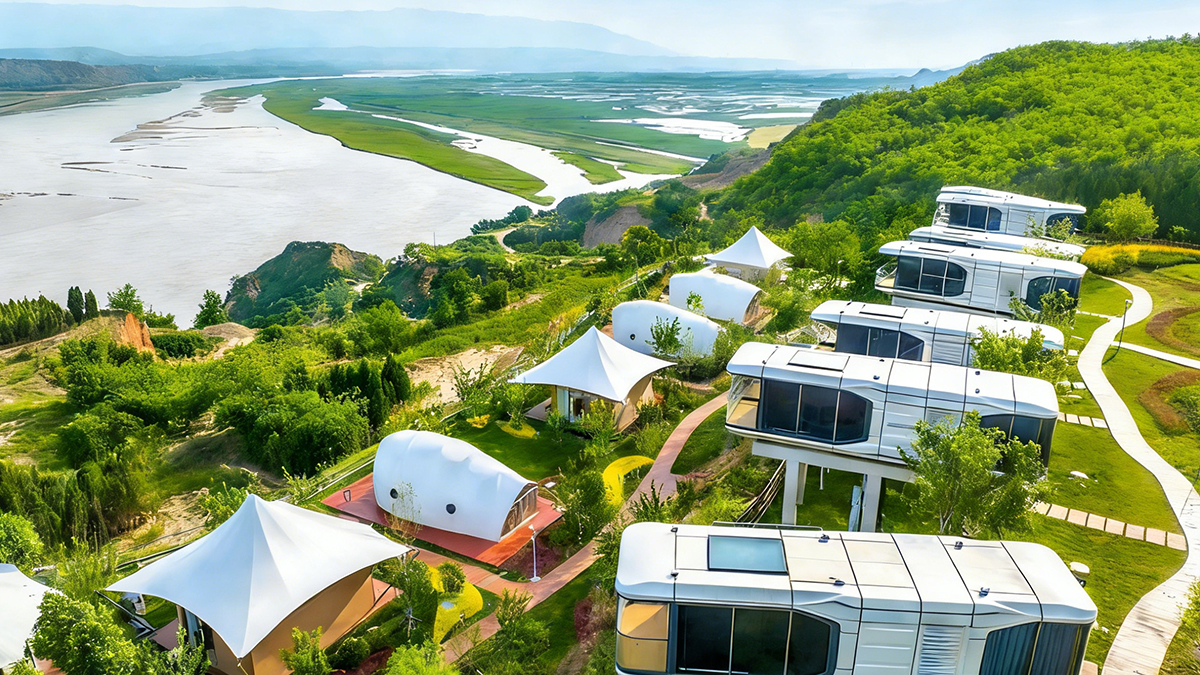 Park Model Features
You may want a home that feels like a real house but stays small and easy to manage. Park models give you that experience. These homes usually measure 400 square feet or less. You get an open floor plan, which makes the space feel bigger. Most park models include a full kitchen with standard appliances. You can cook meals just like you would in a regular house. Bathrooms come complete with showers, so you do not have to give up comfort.
Many park models use multi-purpose furniture and built-in storage. You can find fold-down tables and Murphy beds that help you save space. Some models have loft areas for sleeping or extra storage. This makes park models a smart choice if you want to use every inch of your home.
Here is a quick look at what you get in most park models:
Feature/Amenity | Description |
|---|---|
Size | Typically measures 400 square feet or less |
Layout | Open floor plans for a spacious feel |
Furniture | Multi-purpose furniture and built-in storage |
Kitchen | Full kitchens with standard appliances |
Sleeping Areas | Separate sleeping areas or lofts |
Bathroom | Complete bathrooms with showers |
Space Efficiency | Fold-down tables and Murphy beds |
Tip: Park models give you the comfort of a traditional home in a smaller, more efficient package.
Park Models vs. Tiny House Pods
You may wonder how park models compare to tiny house pods. Park models are classified as RVs. You usually find them in campgrounds or RV parks. You can use them for vacations or seasonal stays. Local rules for park models are clear and often easier to follow.
Tiny house pods face different rules. Some towns have strict zoning laws. You may need special permits to live in a tiny house pod full-time. Park models are designed for recreation, while tiny house pods can serve as your main home.
Park models are RVs and follow campground rules.
Tiny house pods face stricter local zoning laws.
Park models work best for seasonal or vacation use.
Tiny house pods can be your main home but may need more permits.
You should think about how you want to use your space before you choose. Park models offer comfort and easy placement for short-term living. Tiny house pods give you more options for permanent homes but may require extra steps.
Key Differences
Size and Space
Size and space are not the same for each type. Park models have the most room. Most park models give you up to 400 square feet. In Florida, some park models reach 500 square feet. These homes are about 10 to 12 feet wide. They are 30 to 40 feet long. Some park models are even longer than 44 feet. This much space can fit a family of six.
Tiny house pods have less space than park models. They are good for two to four people. These pods use smart layouts to save space. Every inch is used well. Glamping pods are the smallest. Most glamping pods have 100 to 200 square feet. They work best for two people. Sometimes, they can fit up to six guests.
Here is a quick comparison:
Type of Pod | Size Range |
|---|---|
Park Model | Up to 400 sq ft (500 sq ft in FL) |
| 10′-12′ wide, 30′-40′ long (up to 44+ feet) |
Tiny House Pod | Usually 28-38 sq m (301-409 sq ft) |
Glamping Pod | 100-200 sq ft |
Park models: Most space, best for families.
Tiny house pods: Medium space, good for couples or small families.
Glamping pods: Smallest space, best for couples or short stays.
Amenities and Comfort
Amenities help make these homes feel cozy. Park models feel like real houses. You get a full kitchen and a bathroom with a shower. There are separate sleeping areas. Many park models have furniture that saves space. Some even have lofts for extra beds or storage.
Tiny house pods have many comforts in a small space. You may find queen-sized beds and electric lights. Some have wood stoves or electric heaters. Some pods have full bathrooms and kitchenettes. These features help you live well in a small home.
Glamping pods are made for short stays. You sleep on real beds with soft blankets. Electric heaters or wood stoves keep you warm. Many glamping pods have electric lights and small kitchens. Some fancy glamping pods have private bathrooms or hot tubs. Some are pet-friendly or use solar power.
Here is a table of common amenities and their impact on comfort:
Amenity | Description | |
|---|---|---|
Queen-sized beds | Provides a comfortable sleeping arrangement for restful nights. | Enhances sleep quality and overall comfort. |
Electric lighting | Ensures visibility and creates a cozy atmosphere. | Improves usability and ambiance. |
Heating options | Includes wood stoves or electric units to maintain warmth. | Essential for comfort in colder seasons. |
Full bathrooms | Equipped with running water, showers, and sinks for hygiene. | Increases convenience and comfort during stays. |
Hot tubs | Available in some models for relaxation after outdoor activities. | Adds a luxury element to the experience. |
Pet-friendly designs | Incorporates fenced areas or built-in crates for pets. | Allows for a more inclusive experience for pet owners. |
Solar power options | Enables charging devices and powering amenities off-grid. | Enhances connectivity and comfort in remote areas. |
Insulation and climate control are important too. Glamping pods often have better insulation than basic camping pods. Park models and tiny house pods also have good insulation. They have heating or cooling to keep you comfy in any season.
Mobility and Placement
How easy it is to move and place these homes matters. Glamping pods are easy to move, like sheds. You need three feet of space on all sides for delivery. You can put them almost anywhere. This lets you move them with the seasons.
Tiny house pods are also easy to move. You can take them to new places if you want. These pods often do not have strict zoning rules. This makes them good for people who want to try new ways of living.
Park models need more setup. You must connect them to power, water, and sewer. Most park models need a 100-amp electrical hookup. These needs limit where you can put them. You usually see park models in campgrounds or resorts. Local rules may also affect where you can place a park model.
Here is a table to help you compare:
Type | Mobility Options | Placement Flexibility |
|---|---|---|
Glamping Pods | Can be moved easily like a shed; requires 3’ clearance on all sides during delivery. | Can be placed almost anywhere, allowing for seasonal repositioning for different experiences. |
Park Model Homes | Requires electrical, water, and sewer hookups; needs 100 amp service for electricity. | Limited placement due to utility requirements; must connect to existing systems. |
Tiny House Pods | Often designed for easy relocation; may not need permanent hookups. | More flexible placement; fewer zoning restrictions in many areas. |
Note: Park models have special rules and may be called RVs or manufactured homes. Tiny house pods may have easier zoning rules. Glamping pods can be placed like sheds, so you have more choices.
Cost Comparison
The price for each type is very different. Park models cost the most. Prices start at about $30,000. Some park models cost up to $200,000. These homes have the most space and features.
Tiny house pods usually cost less than park models. You pay for smart design and flexibility. The price depends on size, materials, and features. Many people pick tiny house pods to save money and try something new.
Glamping pods have the lowest starting price. You can buy a basic glamping pod for $975 to $2,106. The price goes up if you add things like bathrooms or kitchens. Glamping pods are good for short stays or as rentals.
Here is a quick look at the price ranges:
Type of Pod | Price Range |
|---|---|
Park Model | |
Glamping Pod | $975 – $2,106 (foundation only) |
Tiny House Pod | Varies, usually less than park models |
Think about your budget and what you want. Park models give you the most space and comfort. Tiny house pods are a good mix of price, features, and flexibility. Glamping pods let you try a new way of living for less money.
Pros and Cons
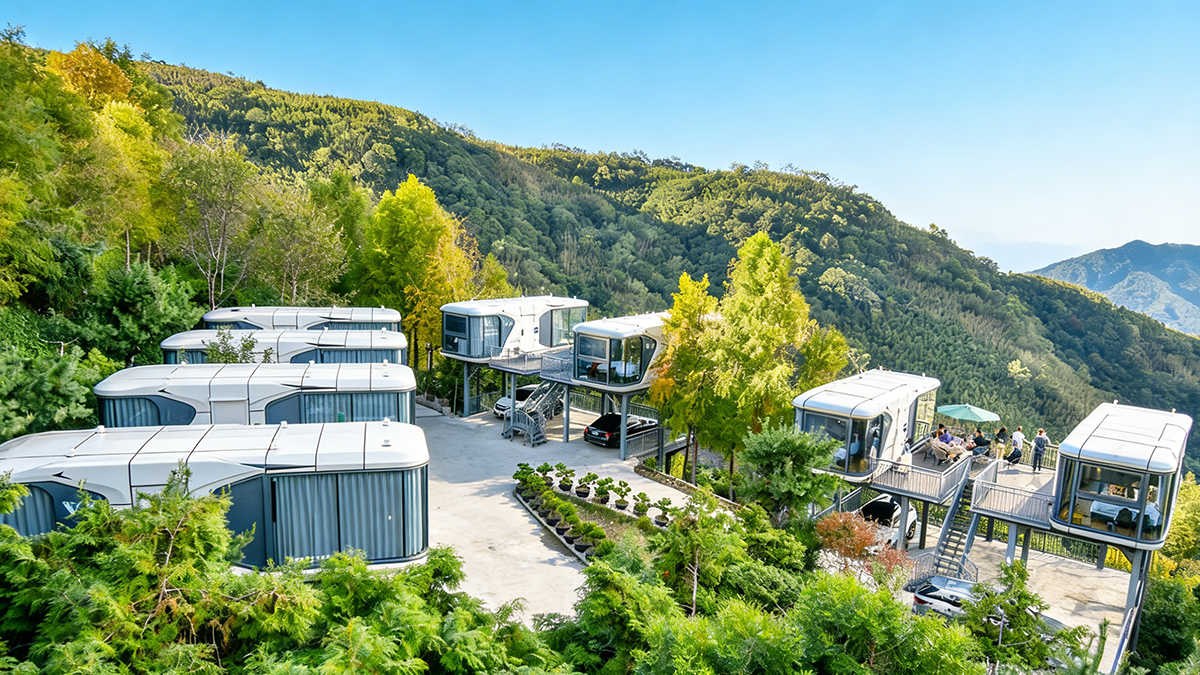
Tiny House Pods Pros & Cons
Tiny house pods are popular because they are built in factories. This helps you set them up quickly and save money. You can use these pods as your main home or for guests. The design makes it easy to move your pod if you want to live somewhere else. These pods are good for the planet because they use less energy.
Here is a table that shows the main good and bad points:
Advantages | Disadvantages |
|---|---|
Fast installation | Limited interior space |
Sustainability | Climate limitations |
Flexible use scenarios | Resale difficulties |
Cost-effectiveness | Regulatory challenges |
Some rules can make it hard to own a tiny house pod. You might have trouble with building codes. Bad weather can make living in a pod less comfortable. The small space can feel tight if you live there all the time. Selling your pod can be tough because not many people buy them.
Glamping Pods Pros & Cons
Glamping pods let you enjoy nature with comfort and little work. These pods are made in factories and are easy to set up. They use materials that are better for the earth and cost less than cabins. You can use glamping pods for trips, rentals, or for guests.
Look at the main good and bad things about glamping pods:
Advantages | Disadvantages |
|---|---|
Quick Installation | Size Limitations |
Eco-Friendly Design | Transportation Challenges |
Cost-Effective Compared to Traditional Construction | Zoning Uncertainty |
Versatile Use | Maintenance Needs |
Some people do not like hearing animals or bugs at night. You might get bitten by insects or hear other people close by. It can be hard to move the pod if your site is far away. You need to take care of the pod to keep it nice.
Park Models Pros & Cons
Park models feel like real homes and give you more space. You get a kitchen, bathroom, and places to sleep. These homes last longer than most pods. Some park models made from strong materials can last over 20 years with little work.
Here is a table that shows how long they last and how much care they need:
Pod Type | Lifespan | Maintenance Requirements |
|---|---|---|
Wooden Glamping | 10–15 years | Needs sealing and treatment |
Composite/Aluminum | 20+ years | Minimal maintenance, regular inspections |
Treehouse Pods | 25+ years | Basic upkeep and seasonal checks |
You must follow special rules about where you put park models. They cost more than other pods. You need to hook them up to water and power, so you cannot put them just anywhere. Checking your park model often helps it last longer.
Tip: Park models are a good pick if you want a home that lasts and feels comfy for many years.
Best Uses and Users
Ideal Uses for Tiny House Pods
Tiny house pods can be used in many ways. Families use them to keep loved ones close. Many people pick them as granny pods for older family members. You can put a pod home in your backyard. This helps you care for aging parents and gives them privacy. Some families use pod homes for more than one generation. You can also use a pod as a guest house or a quiet office.
Here is a table that shows how tiny house pods are used:
Use Case | Description |
|---|---|
Granny Pods / Elder Cottages | Small homes for older family members, giving them freedom and help nearby. |
Modular Living Pods | Sections that can be added or changed for different layouts. |
Off-grid Pods | Homes with solar panels and rainwater systems for green living. |
Urban Micro Pods | Stackable units that save space in cities. |
Office Pods | Quiet places to work, set up in yards or hotels. |
Sleeping Pods | Small spaces for resting, good for airports or hostels. |
Glamping Pods | Fancy outdoor homes with modern comforts, great for eco-resorts. |
Toilet & Shower Pods | Bathroom units for events or short-term housing. |
Kitchen Pods | Kitchens for outdoor meals or parties. |
Bathroom Pods | Ready-made bathrooms for hotels or campsites. |
Tip: Tiny house pods are flexible. You can use them for elder care, as an office, or for extra space.
Who Should Choose Glamping Pods
Glamping pods are good for people who want comfort in nature. You get a real bed, heat, and lights. People who love the outdoors but dislike sleeping on the ground like these pods. Families pick glamping pods for fun and easy vacations. You may want a cozy place but do not want to camp rough. Groups who want a modern and comfy place also enjoy glamping pods.
Outdoor fans who want camping with comfort
Families who want fun and easy trips
Travelers who want comfort but still enjoy nature
People or groups who want adventure and luxury together
Note: Glamping pods are great for eco-resorts, campgrounds, and anyone who wants a hotel-like stay in nature.
Park Models for Long-Term Living
Park models are good if you want a home that feels permanent. These homes have more space and features than most pods. You get a full kitchen, a real bathroom, and separate sleeping areas. Smart layouts and furniture help you use space well. You can change the inside to fit your needs. Park models are made for long-term use and follow safety rules. Many people use them for elder care or as their main home.
Feature | Description |
|---|---|
Efficient Use of Space | Smart layouts and furniture make small areas work well. |
Full Kitchens | Kitchens with regular appliances for cooking. |
Separate Sleeping Areas | Lofts or special spaces for sleeping and privacy. |
Complete Bathrooms | Bathrooms with showers for comfort. |
Customizable Interiors | You can change the inside to match what you like. |
Park models are a smart pick if you want a home for long-term living, elder care, or a comfy place for your family.
Choosing the Right Pod
Questions to Consider
 Questions to Consider
You want to make a smart choice when picking between tiny house pods, glamping pods, and park models. Start by asking yourself some key questions. These questions help you match your needs, budget, and lifestyle to the right option.
What is the cost of each option? Glamping pods cost less. Park models give you more luxury but cost more.
What are the installation requirements? Glamping pods need only an electrical hookup. Park models need electrical, water, and sewer hookups.
What utilities are needed? Glamping pods use fewer utilities. Park models need more.
What is the intended use? Will you use it for vacations, as a main home, or as a rental?
What are the site conditions? Check the land and access for delivery and setup.
What are the size requirements? Think about how many people will use the space and if you want to expand later.
What is the budget? Include delivery, setup, and utility costs.
What is the build quality? Ask about materials and warranties.
What is the assembly process? Find out if you get a DIY kit or if the company installs it for you.
Does it comply with local regulations? Make sure your choice meets building codes and zoning laws.
Tip: Always check local rules before you buy. Some areas have strict codes for prefabricated homes and park models.
Matching Needs to Pod Types
You can match your lifestyle, budget, and plans to the best pod or model. Use the table below to compare your needs with what each type offers.
Tiny House Pod | Glamping Pod | Park Model RV | |
|---|---|---|---|
Pod Size | Good for 2–4 people; easy to expand | Best for 1–2 people; compact | Up to 6 people; most spacious |
Design and Layout | Modular, flexible, modern | Simple, cozy, nature-focused | Feels like a small house; open floor plan |
Quality and Durability | High with good insulation; check manufacturer | Varies; ask about materials | Strong; built for long-term use |
Budget | Mid-range; cost-effective for main or guest home | Lowest cost; great for short stays | Highest cost; luxury and long-term value |
Additional Features | Solar panels, smart tech, energy-saving options | Basic or luxury upgrades available | Full kitchen, bath, climate control |
You should also think about how long you want your pod to last and what rules you must follow. Here is a quick guide:
Classification | Typical Lifespan | Required Certifications | Insurance Implications | Permitting Timeline (Avg.) |
|---|---|---|---|---|
IRC-Compliant Tiny House (on foundation) | 50+ years | IRC Appendix Q, local approval | Standard property insurance | 4–6 months |
Park Model RV (ANSI A119.5) | 25–35 years | ANSI, state RV registration | Specialized RV insurance | 6–10 weeks |
Temporary Structure (under 120 days) | 5–10 years | Engineer’s letter | Limited coverage | 2–4 weeks |
Note: Prefabricated homes like tiny house pods and park models often need more paperwork and insurance than glamping pods.
Quick Decision Checklist
You can use this checklist to help you decide:
Confirm the maximum size and height allowed by your local code.
Check the soil and foundation needs for your site.
Map out where you will connect to power, water, and sewer.
Think about the weather in your area and how it may affect your pod.
Review any special rules for historic or protected areas.
You should also learn from others. For example, one group switched to locally made timber-frame glamping pods after facing high maintenance costs with their first choice. They saw fewer problems and happier guests. This shows that checking build quality and long-term value matters.
Choosing the right pod means thinking about your daily life, your budget, and your plans for the future. Prefabricated homes give you many choices, but you must match the features to your needs for the best results.
You have many choices for alternative living. Tiny house pods give you flexibility and smart design. Glamping pods offer comfort in nature. Park models provide affordable homes under 400 square feet with strong investment potential. You should match your needs to the right pod. To get started:
Research local suppliers and visit sites for ideas.
Choose durable pods from trusted brands.
Check local permits and building codes before you buy.
Take time to explore your options or talk to experts for the best results.
FAQ
What is a granny pod and how does it work?
A granny pod is a small home you place in your backyard. You use it to keep family members close. You get a private space with a bedroom, bathroom, and kitchen. You can care for loved ones while giving them independence.
Why should you choose a granny pod over other options?
You pick a granny pod if you want privacy and safety for aging parents. You can check on them easily. You save money compared to nursing homes. You also keep your family together. A granny pod gives comfort and support.
How do you set up a granny pod on your property?
You start by checking local rules. You need space in your yard. You connect the granny pod to water, power, and sewer. You may need a permit. You can buy a ready-made granny pod or build one with a kit.
What features make a granny pod safe for seniors?
You find wide doors, ramps, and non-slip floors in a granny pod. You get grab bars in the bathroom. Some granny pods have smart devices for health checks. You can add alarms and cameras for extra safety.
Can you use a granny pod for other purposes?
You can use a granny pod as a guest house, office, or rental. You get a flexible space. You can move the granny pod if you change homes. You can even use a granny pod for college students or as a quiet studio.