

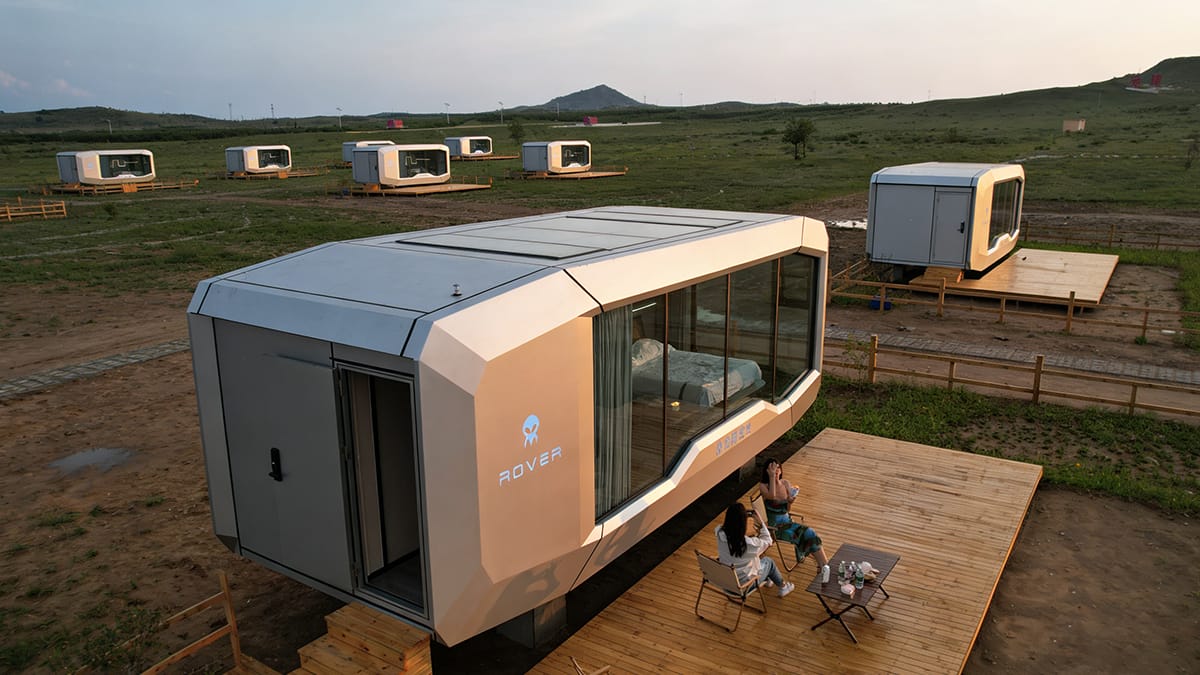
06 May Capsule Tiny House Laws and Regulations Explained
You might ask if capsule tiny houses are legal in the United States. In most places, capsule tiny house legal status is determined by following specific rules. Every state has its own laws, and each city can impose additional regulations. Capsule houses can be classified as RVs or accessory dwelling units. It’s essential to review zoning laws, building codes, and permits. Since laws vary by location, always consult with local officials or experts before you build or buy a capsule tiny house.
Look at all the local laws for your address regarding capsule tiny house legalities.
Ask your city or county office about capsule tiny house legal regulations.
Key Takeaways
Always look at local laws before you buy or build a capsule tiny house. Rules are different in each state and city.
Know what type your capsule home is. It might be an RV, ADU, or modular home. Each type has its own rules.
Talk to local officials about zoning and building codes. This can help you stay safe and follow the law.
Keep up with new laws. Zoning and building codes can change and may affect your plans.
Think about other choices if capsule homes are not allowed. You could try temporary homes or shared land communities.
Is a Capsule Tiny House Legal?
National Overview
Capsule tiny house legal status is not the same everywhere. It depends on where you live. Some states changed their laws to help people find cheaper homes. California, Texas, and Colorado let capsule tiny houses in some places. These states use capsule homes legal to fix housing shortages. Big cities like New York City and Chicago have strict rules. They do not allow fixed capsule homes for long stays.
Note: Always check your state and city laws before buying a capsule tiny house. Rules can change fast. What works in one place may not work somewhere else.
Here is a quick look at how rules are different:
California, Texas, and Colorado changed zoning laws for capsule tiny houses.
New York City and Chicago have strict codes and rules, so it is hard to live in capsule tiny houses there.
Tiny homes in the US face different legal problems in each place. States and cities make their own laws. You must research carefully.
Why Local Laws Matter
Local laws are important for capsule tiny house legal status. Each city or county makes its own zoning rules. These rules decide where you can put a capsule tiny house and how you can use it. Zoning laws are tricky because every place has its own rules. If you learn these rules early, you can avoid expensive mistakes.
Zoning laws are different in each place. They affect where capsule houses can go.
Building codes and property rules decide if you can live in capsule houses.
You must classify your unit the right way to follow local laws.
Knowing these legal rules is important before you buy a capsule house.
Check local laws before starting any project. Some places let capsule tiny houses be RVs or accessory dwelling units. Others do not allow them at all. If you follow the laws and get permits, you have a better chance of approval.
Tip: Call your local zoning office or building department. Ask about capsule homes legal rules and what steps you need to take.
You can avoid trouble by learning about tiny homes in the US and how local laws affect your plans. Always stay informed and ask questions to make sure your capsule tiny house legal process goes well.
Capsule Homes Legal Categories
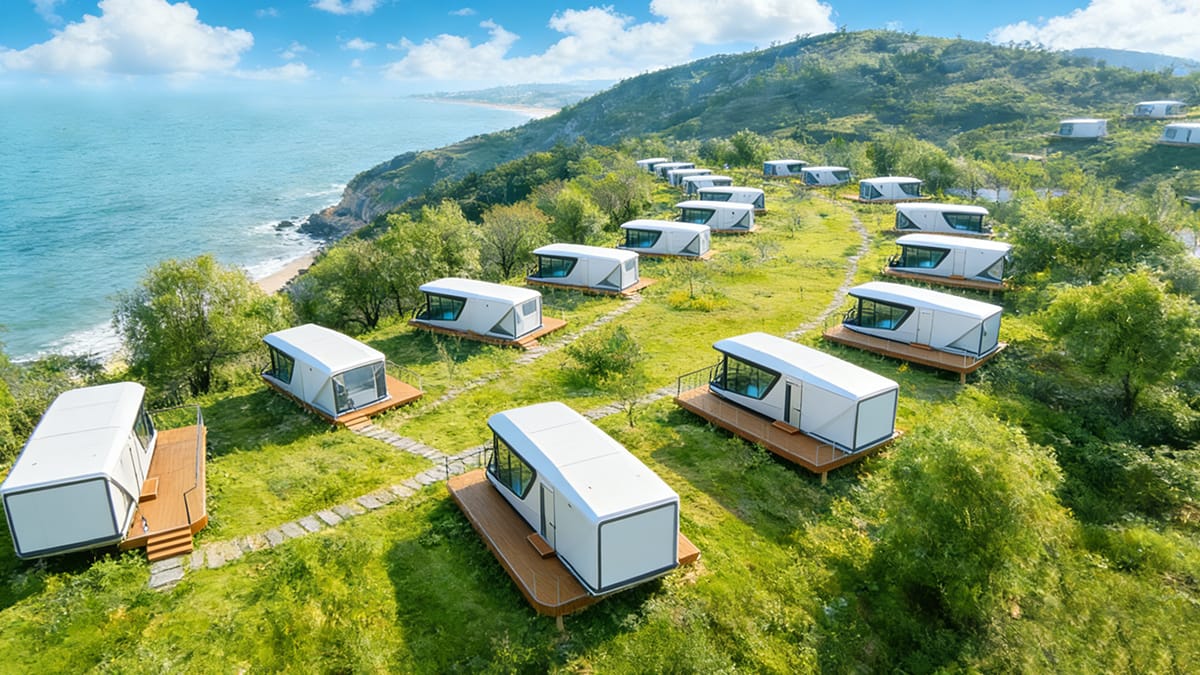
 RVs, ADUs, and Other Types
 RVs, ADUs, and Other Types
Most cities and states put capsule homes into three main groups. These groups help you know what rules you must follow. Each group has its own set of rules and needs.
Here is a table that shows the main legal groups for capsule homes:
Legal Category | Description |
|---|---|
Recreational Vehicles (RVs) | Must follow certain zoning laws and rules for moving and short-term living. |
Extra permanent homes on a lot, hooked up to utilities, and legal for living all the time. | |
State-certified Modular Construction | Must meet state rules and building codes for safety and being eco-friendly. |
Capsule tiny houses with wheels and a VIN are often called RVs. These homes can move and usually stay in RV parks. Most places do not let you live in them all the time. If you want your capsule home to be an ADU, you must take off the wheels and put it on a solid base. ADUs must connect to city water, sewer, and power, and follow strict building rules. You can live in them full-time or rent them if you meet all the rules.
ADUs must be permanent and connect to water, sewer, and power.
RVs can stay on wheels and use hookups for a short time.
Modular capsule homes must pass state checks and follow building codes.
How you label your home changes your insurance and taxes. If your capsule home is an RV, you need RV insurance. If it is an ADU, you need homeowners insurance. You may not get a mortgage, so you might need a personal loan. Capsule homes often have lower property taxes because they are small. You may need a special insurance company for your capsule home.
Tip: Always ask your insurance company what coverage you need for your capsule home.
Zoning and Land Use Rules
Zoning rules are very important for where you can put your capsule tiny house. These rules decide if you can live in your home all the time, how big it can be, and what it should look like. Every city and county has its own zoning rules and laws. You must follow these rules to keep your home legal.
Here is a table that shows common zoning rules for capsule homes:
Category | Description |
|---|---|
Location Regulations | Rules about where capsule houses can go, often only in certain areas. |
Size Limitations | Cities set the smallest and biggest size for homes to fit in with the neighborhood. |
Design Requirements | Rules about how the outside looks and what materials you use to keep the area looking nice. |
Utilities & Safety Standards | Must follow rules for plumbing, power, and waste systems to live there legally. |
You must check if your land is zoned for tiny homes in the US. Some places only let capsule homes in certain areas or on big lots. Many cities have size rules for tiny homes. Your home must meet these rules to get approved. Some places want your home to look a certain way or use certain materials. You must also hook up to city utilities and pass safety checks.
Land use rules decide if you can live full-time in a capsule home. If your home is on a foundation, it is real property. If it is on wheels, it is personal property, like an RV. ADU laws now let more people put tiny homes in their yards, but you must follow all local rules and codes.
Note: Zoning and land use rules change often. Always talk to your local zoning office before you buy or build a capsule tiny house.
By learning about these groups and rules, you can make good choices and stay out of legal trouble. Always check the newest laws and rules in your area before you start your capsule tiny house journey.
Tiny Homes in the US: Zoning and Codes
Building Code Requirements
 Building Code Requirements
If you want to build a capsule tiny house, you need to know about building permits. Each city and state has its own rules. You must follow these rules to keep your home safe and legal. Most tiny houses have to meet certain requirements before you get a permit. Here is a table that shows the main requirements for tiny homes in the US:
Requirement | Description |
|---|---|
Structural Integrity | The structure must withstand local weather conditions and natural hazards. |
Fire Safety | Must include smoke detectors, fire-resistant materials, and accessible exits. |
Ventilation | Proper airflow prevents humidity, mold growth, and poor indoor air quality. |
Insulation | Adequate insulation stabilizes interior temperatures and improves energy efficiency. |
Plumbing & Electrical Safety | All connections must meet national and local standards to prevent leaks, hazards, or system failures. |
Check all requirements before you start building. This helps you avoid problems with permits and rules later.
Permit and Inspection Process
Zoning and codes can seem hard, but you can follow easy steps. You need permits before you build or move in. Here are the steps for getting a permit:
Talk to local officials about building permits.
Get zoning approval.
Make sure you have environmental clearance.
You must do these steps to follow all laws. During the permit process, different groups will check your home. The Department of Labor & Industries checks tiny homes called Factory Assembled Structures. Other inspectors look at building codes, plumbing, and electrical safety. Here is a table that shows who does inspections:
Agency | Responsibility |
|---|---|
Department of Labor & Industries | Inspecting tiny homes classified as Factory Assembled Structures (FAS) during the permitting process. |
Compliance with Building Codes | Ensuring tiny homes meet the Washington State Building Code, including IRC, Plumbing, and Electrical Codes. |
Always ask your city or county office about permits and rules. This helps you avoid legal trouble and keeps your project safe. If you follow all the rules, you can enjoy your tiny house without worry.
Legalizing Your Capsule: Challenges and Alternatives
Common Compliance Issues
 Common Compliance Issues
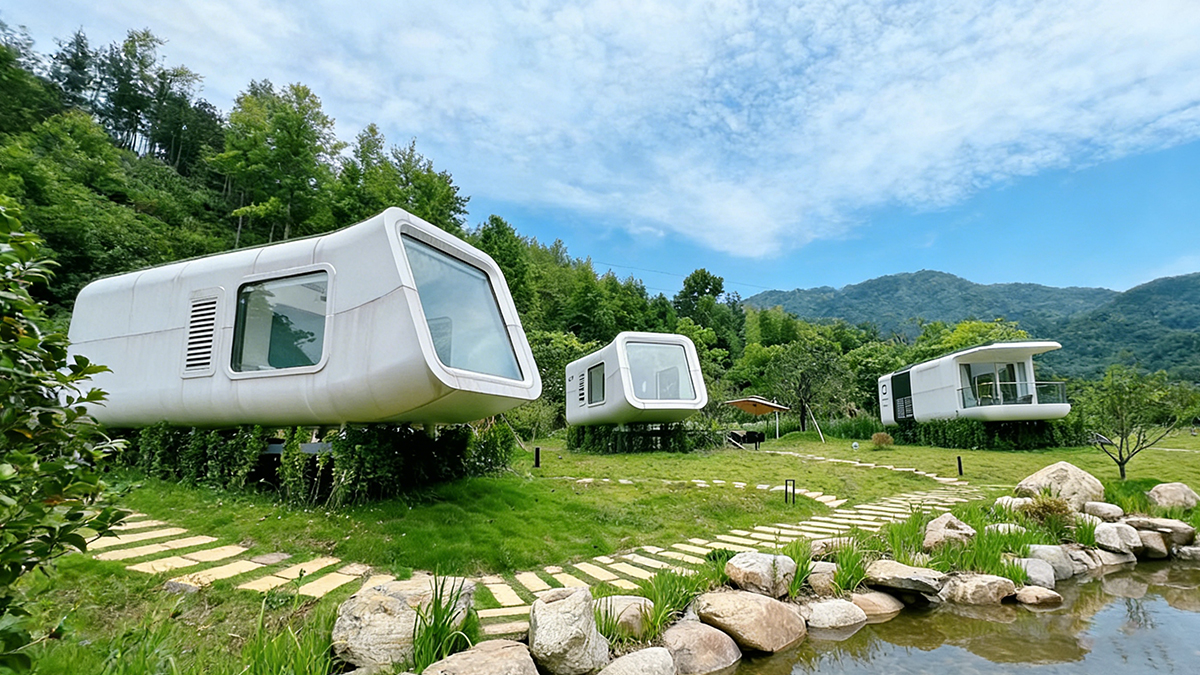
When you try to make your capsule house legal, you may face problems. Many capsule houses do not meet local rules because of zoning laws. Most zoning laws in the US require homes to be a certain size. Capsule houses are often too small to meet these rules. Building codes are different in every city, so it is hard to know which rules to follow. If your capsule house has wheels, it might be called a recreational vehicle. This makes it hard to get permits for living in it full-time. You must check the laws in your state and city before you start.
Minimum size rules often stop capsule houses from getting approved.
Cities have their own building codes and restrictions.
Getting permits for capsule houses on wheels is difficult.
Design Upgrades for Approval
You can fix many legal problems by making smart changes to your capsule house. Talk to your local officials about zoning laws and what you need to do. A licensed contractor can help you know what upgrades are needed. You may need to add new features or use different materials to follow local rules. Always check if you need a permit for your capsule house. These steps help you use your capsule house legally and avoid trouble.
Ask local authorities for their requirements.
Get help from a licensed contractor.
Look at zoning rules before making changes.
Alternatives if Capsule Homes Aren’t Allowed
If you cannot get approval for your capsule house, you still have choices. Tiny capsule homes on wheels can be used as temporary homes. Modular or detachable capsule houses can be set up and taken down easily. This helps in places with strict rules. Some people join shared land or cooperative communities that already allow capsule houses. These communities have finished the legal process and follow state laws for tiny homes in the US.
Tiny capsule homes on wheels are flexible.
Modular capsule houses are good for short stays.
Shared land communities allow capsule houses and follow legal rules.
Capsule houses usually have set prices, while tiny homes in the US can cost more or less depending on materials and location. Making your capsule house legal may be easier than other options, but always check local rules first.
Before you buy a capsule tiny house, check your local laws. Rules for zoning, building codes, and utilities are different everywhere. You should:
Look at zoning rules to see if small homes are okay.
Get permits so your home is safe.
Ask local officials and experts for help.
If you know the rules, you can avoid expensive problems. Always make sure your capsule tiny house is legal before you build or buy.
FAQ
Can you live in capsule homes full-time in the US?
You can live in capsule homes full-time in some parts of the US. Zoning rules decide if you can stay year-round. Some cities allow capsule homes as permanent homes. Always check local zoning and regulations before you move in.
Do capsule homes need to follow building codes in the US?
Capsule homes must follow building codes in the US. Each city has its own rules. You need to meet safety standards. Zoning laws also affect what you can build. Ask your local office about the codes for capsule homes.
Where can you place capsule homes in the US?
You can place capsule homes in areas with the right zoning. Some places allow capsule homes in backyards as ADUs. Others only allow them in special zones. Always check the zoning map for your city or county in the US.
What are the main zoning issues for capsule homes in the US?
Zoning issues for capsule homes in the US include minimum size, lot size, and location. Some cities have strict zoning for capsule homes. You may need a permit. Always review local zoning before you buy land for capsule homes.
Are capsule homes allowed in every state in the US?
Capsule homes are not allowed in every state in the US. Zoning and regulations change from place to place. Some states welcome capsule homes. Others have strict rules. Always check with your local zoning office before you plan to live in capsule homes.