
11 Mar Pros and Cons of Living in a Tiny House Pod
Is living in a space that feels cozy and efficient something you dream about? Imagine waking up in a compact home where bills stay low and you spend less time cleaning. Many people find that living in tiny house pods changes their routine, saves money, and helps the planet. You might pay only $500 a month for utilities and upkeep, compared to the $2,000 you’d spend in a traditional home. Take a look at how monthly utility costs can drop:
Size Category | Estimated Monthly Utilities |
|---|---|
Under 200 sq ft | $25 – $60 |
200–400 sq ft | $40 – $90 |
400–700 sq ft | $70 – $140 |
700–1,000 sq ft | $110 – $200 |
Tiny house pods give you a unique way to live simply, cut expenses, and feel more connected to your space.
Key Takeaways
Tiny house pods help you save a lot of money. You may pay only $25 to $200 for utilities. The cost depends on the size of your pod.
Living in a tiny house pod means you have less stuff. You keep only what you really need. This can help you feel less stressed. It can also help you think more clearly.
These homes are easy to move. You can take your pod to a new place anytime. This gives you more choices about where to live.
Tiny house pods are good for the planet. They use materials that do not harm the earth. They also have things like solar panels to save energy. This helps you lower your impact on nature.
Think about the small space and less privacy before you choose a tiny house pod. These things can change how comfortable you feel and how you live.
Tiny House Pods Overview
What Are Tiny House Pods?
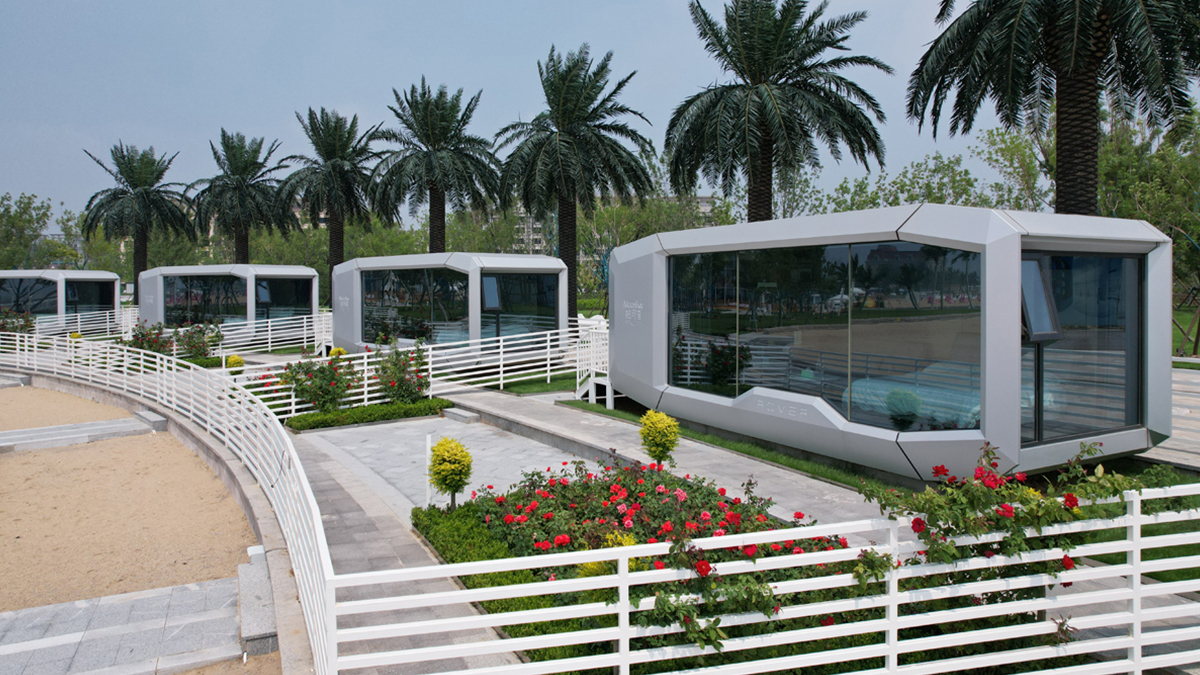
You may ask how tiny house pods are not like other small homes. Tiny house pods are small, modular spaces that use smart design. They are often pre-built, so you can set them up fast. Most tiny house pods are between 80 and 105 square feet. This is smaller than most standard tiny houses. For example, a WorkPod Versatile has 105 square feet. A WorkPod mini gives you only 80 square feet. Standard tiny houses are usually 100 to 400 square feet. This shows how tiny house pods use every bit of space.
Model | Dimensions | Floorspace |
|---|---|---|
WorkPod Versatile | 8’4”W x 12’6”L | 105 square feet |
WorkPod | 8.5’W x 12’L | 102 square feet |
WorkPod mini | 8’7”W x 9’L | 80 square feet |
Standard Tiny Houses | Ranges from 100 to 400 square feet | N/A |
Key Features of Pod Homes
Pod homes are special because they use space very well. You get a bed, a small kitchen, and a bathroom in one area. Most pod homes use green building ideas, like triple-glazed windows and safe insulation. Many pod homes have solar panels or small wind turbines. This means you can make your own energy. The materials often include recycled steel and bamboo floors. These choices are good for the planet.
Here are some things that make pod homes different:
Feature | Description |
|---|---|
Mobility | You can move pod homes to new places when you want. |
Sustainability | Pod homes use solar panels and eco-friendly tools to save energy. |
Efficient Design | Every part of a pod home has a use, so no space is wasted. |
Pod homes help you live with less stuff. You keep only what you need. This makes your space feel open and peaceful.
Who Chooses Pod Homes?
Pod homes are popular with people who want a simple life. You might like pod homes if you want to save money or have less clutter. Some people pick pod homes to help the planet. Many choose pod homes for lower mortgage payments or no mortgage at all. Utility bills are low, so you can spend money on fun things.
People who like pod homes often want:
A minimalist lifestyle that keeps only what matters.
A tidy space that helps people feel close.
A way to lower their effect on the environment.
Pod homes are good for one person, couples, or small families. If you want to live simply and make smart choices, pod homes could be right for you.
Pros of Tiny House Pods
 Affordability and Lower Costs
 Affordability and Lower Costs
You might wonder how much money you can save. The answer is, you can save a lot. Tiny house pods cost less than regular homes. You pay less to buy one, and bills are lower too. You also spend less on fixing things. Look at this table to see how a tiny home costs compared to a condo:
CRITERIA | ONE-BEDROOM CONDO | TINY HOME |
|---|---|---|
PURCHASE PRICE | $150,000 | $150,000 + GST |
INTEREST RATE | 2.5% | 5.5% |
TERM OF LOAN | 25 years | 20 years |
DOWN PAYMENT | $7,500 | $5,000 |
CMHC FEES | $5,700 | $0 |
GST | $0 | $7,500 |
TOTAL LOAN AMOUNT | $148,200 | $152,500 |
Mortgage/Loan | $792 | $1,044 |
Fees/Rent | $310 | $400 |
Utilities | $75 | $150 |
Total | $1,177 | $1,594 |
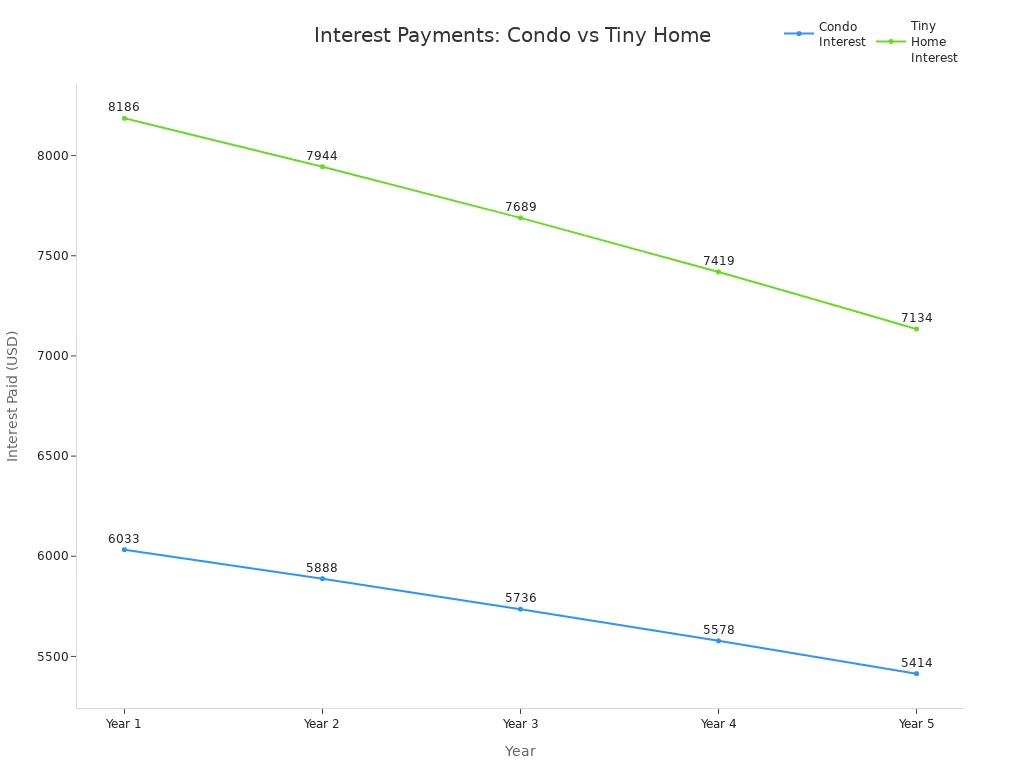
Living in a tiny house pod means you pay less for bills. The small space uses less energy, so you save money. You also do not spend much on repairs. Tiny house pods are a smart way to save money and live simply.
Minimalist Lifestyle Benefits
Tiny house pods help you live with less stuff. You only keep what you really need. This makes you feel lighter and less worried. Small spaces make you pick your things carefully. You start to live in a more thoughtful way.
You can think better in a calm space.
You feel more in charge of your home.
Living in a tiny house pod helps you enjoy moments, not things. Getting rid of extra stuff feels good. Your home feels open and peaceful. This way of living helps you focus on what matters most.
Less Cleaning and Maintenance
Cleaning a tiny house pod is fast and easy. You do not spend much time sweeping or dusting. Most people say tiny prefab homes are easier to care for. You can finish chores in just a few minutes.
Here are some things you need to do to keep your pod nice:
Seal around doors, windows, and vents.
Watch for leaks and plumbing problems.
Keep food sealed and clean up crumbs.
Check the outside of your pod often.
Use screens to keep bugs out.
Deep clean once each season.
Tip: With less to clean, you have more time for fun and friends.
Flexibility and Mobility
Tiny house pods let you move if you want. You can take your pod to a new place. This is great if you want a change or need to move for work. Moving a tiny house pod is easy if you follow these steps:
Requirement | Description |
|---|---|
Trailer Type | |
Securing Items | Tie down your things so they do not break. |
Weather | Check the weather before you move. |
Permits | Get a permit if your pod is very wide. |
Roadworthiness | Make sure your trailer has a license plate. |
This freedom lets you change where you live as you need. You can live near nature, move for a job, or join a tiny home group.
Sustainability and Environmental Impact
If you care about the planet, tiny house pods are a good choice. They use less energy and fewer materials than big homes. You help the earth by picking a pod built with green ideas.
Good insulation keeps your pod warm or cool and saves energy.
Energy-saving lights and appliances use less power.
Solar panels let you make your own energy.
Pod homes use recycled and renewable materials like bamboo and steel.
Prefab panels make less waste when building.
Pods are small, so you use less energy for heat and light. This means you use less and make less pollution. Many pods use green materials like cork, bamboo, and recycled wood. Some use special panels and boards to last longer and save energy.
Note: Picking a tiny house pod helps you live green. You protect the earth and have a comfy, smart home.
You can see that living in a tiny house pod is about more than saving money. You get a simple life, spend less time on chores, and help the planet. Tiny house pods let you live with purpose and use your space well.
Cons of Tiny House Pods
Limited Space and Storage
 Limited Space and Storage
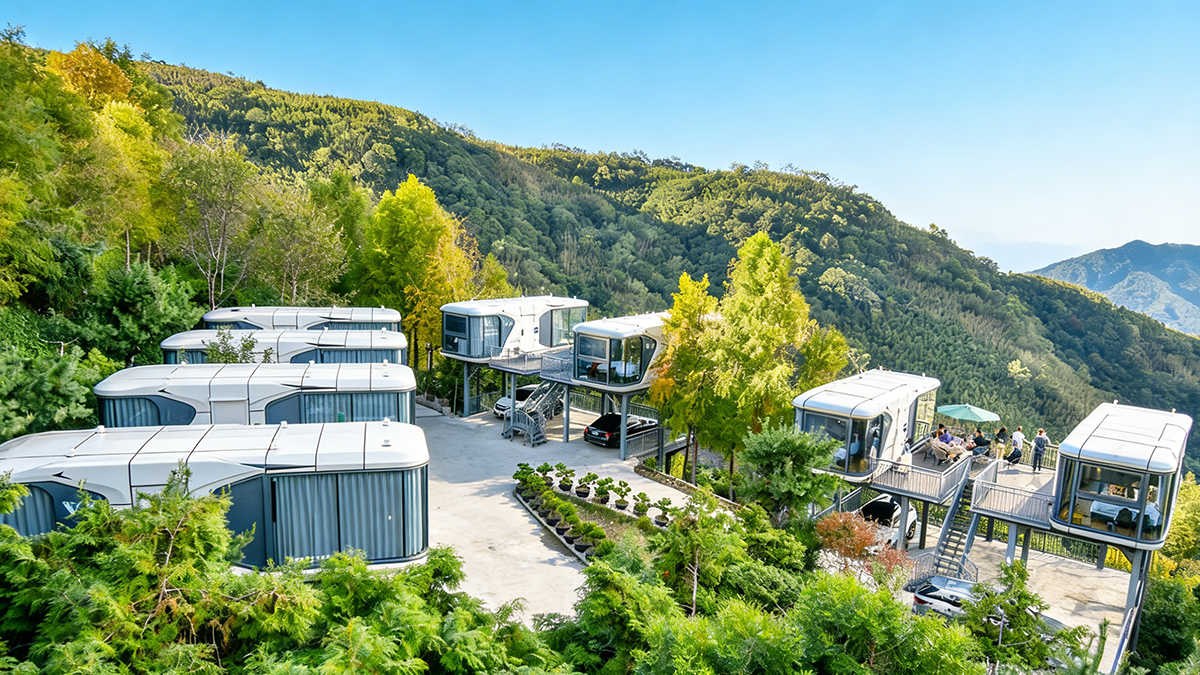
You might love the idea of living small, but limited living space can feel tough. Tiny house pods give you less room for your stuff. You need to think about every item you own. Most residents in modular homes use smart tricks to manage storage. You can try digital options for books and photos. You might use shelves, under-bed drawers, and wall hooks to save space. Regularly sorting your things helps keep clutter away. If you have hobbies or sports gear, you may need to store them elsewhere. This drawback means you must stay organized and make hard choices about what to keep.
Privacy and Comfort Issues
Living in modular homes means you share close quarters. Privacy can be a challenge, especially if you live with others. You might hear every sound or feel crowded. Comfort and adaptability depend on how well the pod is designed.
According to Jeni Cross, the look and feel of your living space matter a lot. People feel better in rooms with nice views and good design. If your pod feels cramped or dark, you may not feel comfortable.
Studies show that kids who grow up in crowded homes may struggle in school and later in life. Families need to think about how limited space affects everyone.
Claudia Solari says it’s hard to know if crowding or other things like money cause discomfort. You might feel fine in a small pod, but others may not.
If you value privacy and comfort, this drawback could be a big deal.
Zoning and Legal Challenges
You may face legal hurdles when you choose modular homes. Many cities do not have clear rules for tiny house pods. You might find it hard to get permits or connect to utilities. Some places treat pods as RVs or sheds, not homes. This can lead to confusion and delays.
Lack of clear definitions |
Confusion over regulations |
Compliance with various standards |
Delays in affordable housing solutions |
Increased costs associated with compliance |
Limited financing options |
Risk of eviction for homeowners |
Proliferation of misinformation |
Scarcity of legal places to reside |
Unclear construction guidelines |
Building codes for tiny house pods are different from regular homes. Here are some things you need to know:
Common areas need to be at least 6’8″ high, bathrooms at least 6’4″.
You need at least one emergency exit window.
Many pods use ladders or stairs for lofts.
Backyard pods, called ADUs, must meet state codes and connect to utilities.
These rules can make it hard to set up your pod. You might spend extra time and money to meet all the standards. This drawback can slow down your plans and add stress.
Fewer Customization Options
You may want your modular home to reflect your style. Tiny house pods offer some choices, like eco-friendly materials, big windows, smart tech, and space-saving furniture. You can pick wood or metal for the outside. You might add skylights or special finishes.
Eco-friendly materials like recycled wood.
Large windows and skylights for light.
Smart technology for better living.
Space-saving furniture and storage.
Different exterior designs.
Still, customization has limits. If you make your pod too unique, it may not appeal to future buyers. Neutral designs and flexible layouts attract more people. This drawback can affect resale value and your ability to change things later.
Lifestyle Adjustments
Living in modular homes means you need to change your habits. You may need to cook in a small kitchen or share a bathroom. You might miss having a big yard or extra rooms. You must get used to less privacy and less storage. Some people find it hard to host guests or work from home. You need to plan your day and use your space wisely. These lifestyle adjustments can feel hard at first. If you love having lots of room, this drawback might make tiny house pods less appealing.
Tip: Try spending a weekend in a small cabin or pod before you commit. You’ll learn what works for you and what doesn’t.
Living in a tiny house pod comes with real cons. You face limited space, privacy issues, legal challenges, fewer ways to customize, and big lifestyle changes. Think about these drawbacks before you decide if this way of living fits your needs for comfort and adaptability or sustainability.
Is a Tiny House Pod Right for You?
Who Benefits Most?
 Who Benefits Most?
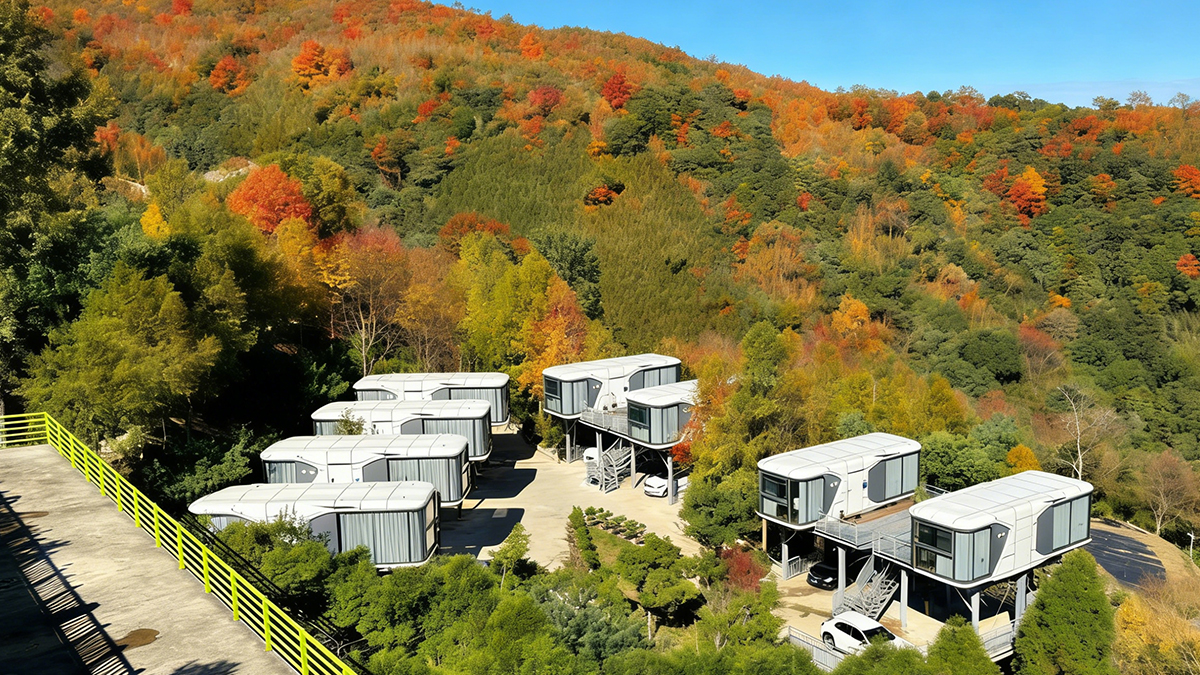
You might ask if micro homes fit your life. Many people join the tiny house movement to feel less stress and have more freedom. If you like living with just what you need, you may do well in a small space. People who live alone, couples, and small families often pick micro homes. They like that these homes use space well and cost less. Micro homes are also good if you care about the earth or want to be near nature. People who want to clean less and explore more often choose tiny homes. If you want to move easily, micro living can help you try new places.
Key Questions to Consider
Before you start living small, ask yourself some key questions. These will help you see if a tiny house pod is right for you.
Does the builder have good experience and can they show their work?
Do they use green materials and energy-saving tools?
What extras can you add to make your home comfy?
How does the builder fix problems during building?
You should also think about these things:
Factor | Description |
|---|---|
Check your local rules and HOA for zoning laws. | |
Environmental Alignment | Pick land that fits your life, like city or country. |
Land Type | Wooded, water, or city lots can change your micro home life. |
Utility Access | Make sure you have water, power, and other basics you need. |
Community Aspects | The people and places near you can shape your tiny house life. |
Tips for Transitioning
Moving to a micro home takes some planning. Here are tips to help you switch to a tiny house pod:
Think about how much space you need each day.
Choose if you want your home on wheels or on a base.
Pick a design that works for your weather.
Check the laws and codes before you begin.
If you build it yourself, pick a plan you can handle.
Use built-in furniture to save space.
Choose green materials to save money and help the earth.
Plan your budget for all costs, like supplies and permits.
Decide early if you want to live off-grid or use city power.
Tip: Try staying in a small space for a weekend to see how you like it. You may find new ways to enjoy tiny living and make the change easier.
Micro homes give you a new start if you want a simple, green, and free life. If you ask good questions and plan well, you can enjoy micro living and join the tiny house movement with confidence.
Tiny house pods give you lower costs, less cleaning, and a chance to live green. You also face tight spaces, privacy issues, and legal hurdles. While these homes offer quick shelter, experts say they do not fix bigger housing problems. Think about your goals and what matters most to you. Ask yourself if the benefits fit your lifestyle. 🏡
Before you decide, picture your daily life in a tiny pod. Will you feel happy and comfortable, or will you miss extra space?
FAQ
What makes capsule houses different from regular tiny homes?
Capsule houses use smart design to fit lots in a small space. You get a bed, kitchen, and bathroom all inside one capsule. These homes are easy to move and set up fast. Capsule houses often use eco-friendly materials and save energy.
Can you live in a capsule all year round?
You can live in a capsule all year if you pick the right one. Many capsule houses have good insulation and heating. Some use solar panels for power. You stay warm in winter and cool in summer. Always check if your capsule protects you from bad weather.
Tip: Try living in a capsule for a weekend first.
How do you keep your things organized in capsule houses?
Capsule houses need smart storage ideas. You use shelves, hooks, and drawers under the bed. Many capsules have built-in furniture. You keep only what you need inside. Staying organized helps your capsule feel open and neat.
Are capsule houses legal everywhere?
Capsule houses have rules in many places. Some cities treat capsules like RVs or sheds. You need to check local laws before you buy one. Some capsules need special permits. Always ask about capsule rules in your area.
Place | Capsule House Rules |
|---|---|
City | May need permits |
Suburbs | Check with HOA |
Rural | Easier for capsule houses |
Do capsule houses help the environment?
Capsule houses use less energy and fewer materials than big homes. Many use solar panels and recycled parts. Living in a capsule means you make less waste. Capsule houses help you live green and protect nature.
Note: Capsule houses are a smart choice if you care about the planet.