
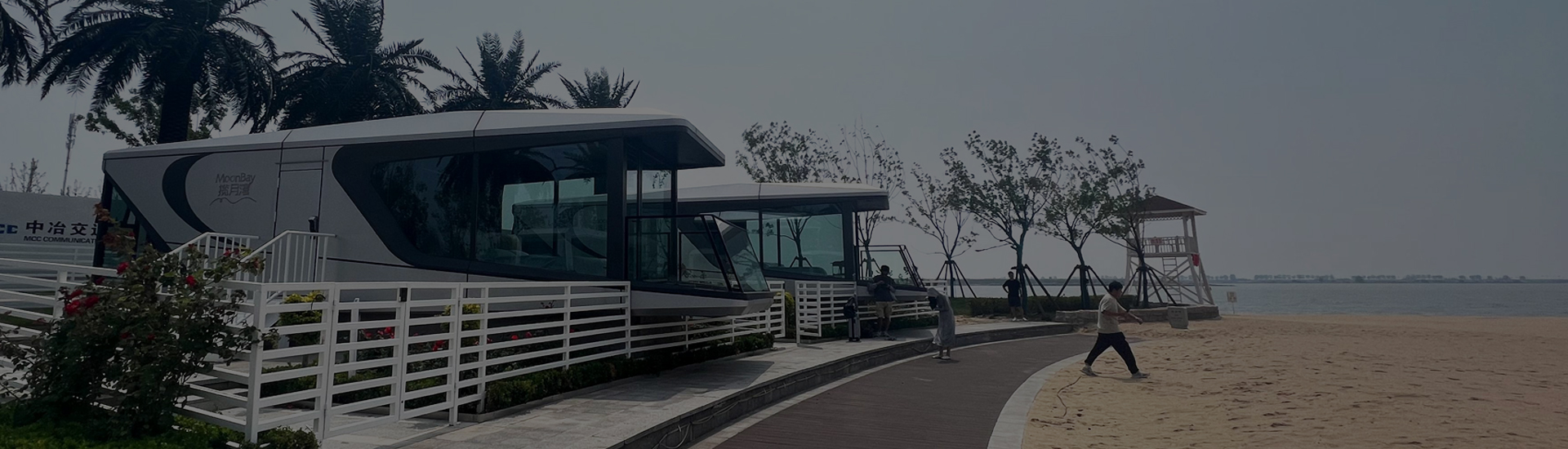
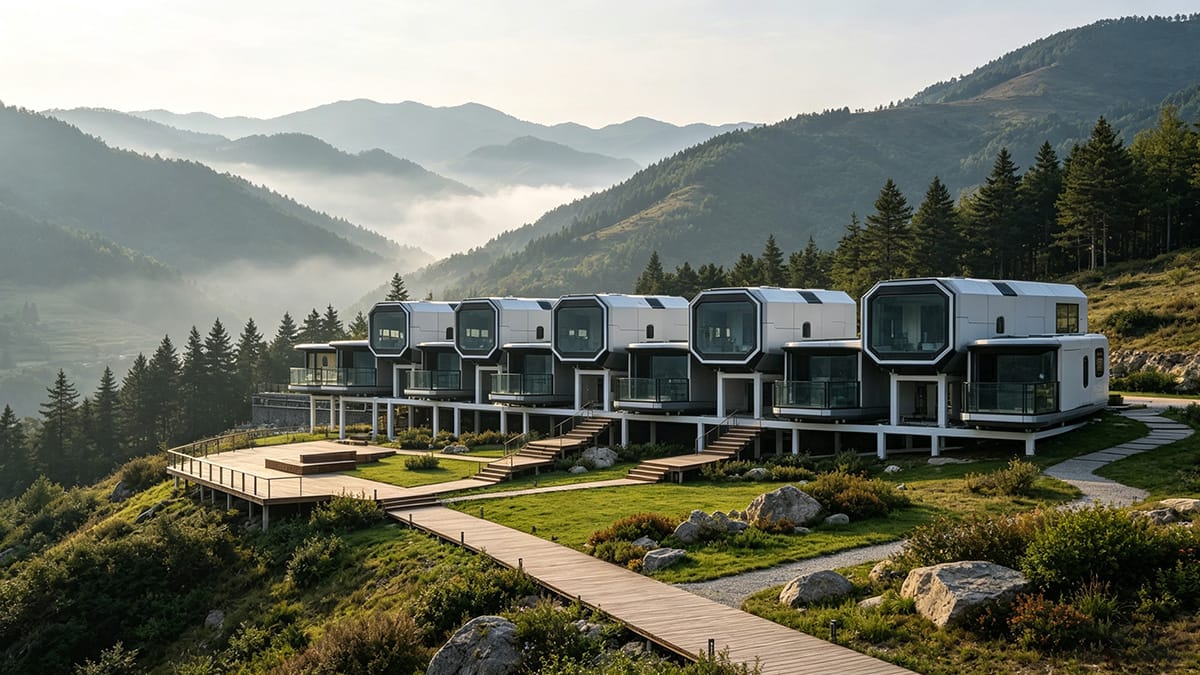
24 Mar 9 Essential Tips for Buying and Installing Resort Capsule Houses
You should make good choices when buying Resort Capsule Houses. First, think about your weather and what materials you need. Watch out for extra costs that you do not expect. Safety and comfort are very important. Always check local rules and permits before you begin. Many people skip these steps and have problems. They may pay more for the site, miss utility connections, or choose the wrong manufacturer. If you follow the right tips, you will not make these mistakes. You will have an easy process.
Key Takeaways
Look at different models and materials before you buy a Resort Capsule House. This helps you pick what works best for you.
Always check the rules and permits in your area. Doing this stops expensive mistakes and keeps your project going.
Plan for extra costs like permits, connecting utilities, and upkeep. Knowing these costs helps you not get surprised later.
Choose a good spot that is easy to reach and safe. Picking the right place makes your capsule house better and guests happier.
Use strong materials that can handle bad weather. This keeps your capsule house safe and comfy no matter the climate.
Research Resort Capsule Houses & Materials
Compare Models and Features
You need to pick the right Resort Capsule House. Look at different models and see what they have. Some companies make houses for luxury and comfort. Others build houses for bad weather or emergencies. Here is a table of top manufacturers:
Manufacturer | Specialization | Key Features | Durability |
|---|---|---|---|
Sun Rises Group Limited | Resort Market | Luxury, blends with nature, tourist appeal | Focus on vacation housing |
Emergency Capsule Shelters Ltd. | Disaster-resistant, quick setup, basic survival | Built for extreme conditions |
Sun Rises Group Limited has fancy choices for guests who want a nice stay.
Emergency Capsule Shelters Ltd. is good if you need strong shelters fast for rough weather.
Assess Material Quality and Frame Strength
Always check the materials and frame strength before buying. Strong materials help your capsule house last longer. This is important in cold or windy places. Here is a table to compare:
Feature | Capsule Castle | Competitors |
|---|---|---|
Steel Thickness | 50–80mm pipes | |
Coating | High-temp fluorocarbon, 30-yr | Basic aluminum, 10–15 yr |
Wind Resistance | Level 8–10 | Below Level 8 |
Capsule Castle uses thick steel and special coatings. This gives you better protection and less work to fix things. Look for global certifications. These help you get permits and insurance more easily.
Check Insulation, Windows, and Heating
If you want to use Resort Capsule Houses in cold places, insulation is very important. Good insulation keeps the inside warm and saves energy. Here are some things to look for:
Strong materials for tough weather
Parts that do not rust for long life
Great insulation for warmth
Sound insulation for quiet stays
Protection for water systems in cold
Tip: Ask about solar glass windows and heating options. These features help save energy and keep you comfortable in cold weather.
Budgeting and Hidden Costs
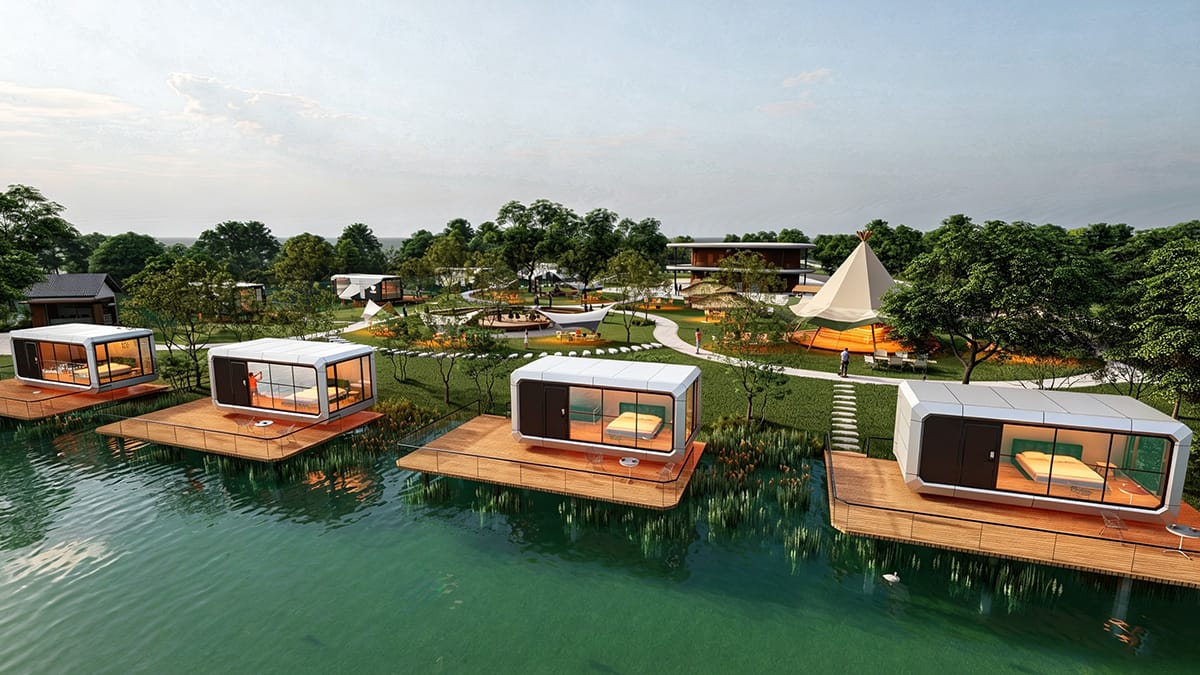
 Calculate Purchase and Installation Expenses
 Calculate Purchase and Installation Expenses
It is important to know the price before buying Resort Capsule Houses. The cost changes depending on the size and type. Look at this table to see the prices:
Type of House | Price Range (USD) | Quantity Range |
|---|---|---|
Luxury Expandable Container House | $4,300 – $5,100 | 1 – 100+ Sets |
Eco-Friendly Compact Capsule House | $15,000 – $35,000 | 1 Piece |
Super Big and Luxury Capsule Living House | $18,000 – $28,000 | 1 Piece |
You must pay for delivery, crane setup, and utility connections. If your site is far or hard to reach, shipping costs more. You may need skilled workers and special tools.
Include Permits, Utilities, and Upgrades
Permits and utility hookups are not always in the main price. You have to pay for building permits, water, electricity, and sewage. If there is no city sewer, you need a septic system. Upgrades like smart home features and mini appliances cost extra. Here are some hidden costs:
Hidden Cost | Description | Estimated Cost |
|---|---|---|
Sewer connections | Septic system setup if city sewer is unavailable | $3,000 to $15,000 |
Internet and phone lines | Installation based on location | $200 to $2,000 |
Built-in Cabinets and Storage | Fixed storage solutions | $1,000 to $5,000 |
Mini Appliances setup | Compact appliances for efficiency | $1,000 to $4,000 |
Smart Home Features | Modern convenience devices | $500 to $2,000 |
Tip: Ask your supplier what is included in the price. This helps you avoid surprises later.
Plan for Maintenance and Unexpected Fees
You need to plan for regular costs. Maintenance keeps your capsule house safe and nice. Property taxes, insurance, and inspections are part of your budget. Some fees show up when you do not expect them. Here are things that can change your budget:
Shipping costs for faraway sites
Custom designs and special materials
Meeting safety rules
Advanced building methods
If you plan for these costs, you will not feel stressed. Your project will stay on track.
Site Selection and Preparation
Evaluate Resort Location and Access
 Evaluate Resort Location and Access
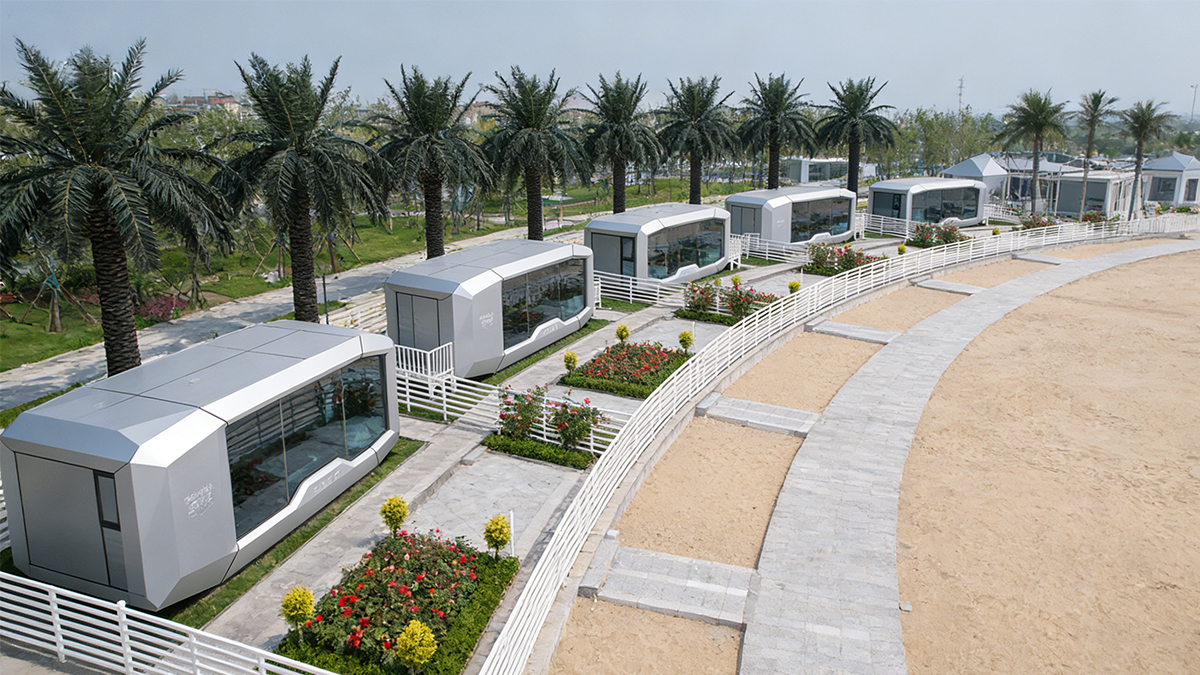
You want your capsule house in the best spot. Start by checking if the location is easy to reach. Think about how trucks and cranes will get there. If the road is narrow or steep, delivery might cost more. Look at the view, too. A great view can make your guests happy and boost your rental value. Make sure the area is safe from floods, landslides, or strong winds. If you pick a remote spot, you may need off-grid power or water solutions.
Here’s a quick guide to help you compare locations:
Criteria | What to Look For |
|---|---|
Steel frames last longer and resist rust. | |
Insulation R-Value | High R-values keep the house warm in cold places. |
Window Quality | Dual-pane or triple-pane windows save energy and let in fresh air. |
Utility Integration | Check if you can connect to water, power, and heating easily. |
Location & Environmental Conditions | Watch for harsh weather, wind, or steep land. |
Uneven or Sloped Terrain | Adjustable foundations help on tricky ground. |
Remote Locations | Off-grid options like solar panels may be needed. |
Analyze Soil, Drainage, and Environment
Soil and drainage matter a lot. You should test the ground before you build. Soft or sandy soil might need a stronger base. If water pools after rain, you could have problems later. Good drainage keeps your capsule house dry and safe. Trees and plants nearby can give shade and privacy, but roots can damage foundations. Always check for local wildlife, too. Some animals might dig or nest under your house.
Tip: Ask a local expert to check the soil and drainage. This step can save you money and trouble.
Plan Landscaping and Outdoor Space
A nice outdoor area makes your capsule house feel special. You can add a deck, a fire pit, or a small garden. Paths and lighting help guests move around safely at night. Use native plants because they need less water and care. If you want to rent your house, think about adding picnic tables or hammocks. These small touches make a big difference.
Plant trees for shade and wind protection 🌳
Use gravel or stone for easy paths
Add outdoor seating for guests to relax
A well-planned site gives you comfort, safety, and a better guest experience.
Permits and Regulations
Check Local Codes and Resort Policies
You must follow all rules for your Resort Capsule House. Each city and resort has its own codes. Some places let you have accessory dwelling units, but others do not. Always ask your local office before you buy or build. Resorts may have extra rules about where your house goes or how it looks.
Here’s a simple table of building code requirements:
Aspect | Requirement |
|---|---|
Glass Fittings | Use ANSI-certified glass only. |
Egress Hinges | Bedroom windows need heavy-duty egress hinges. |
Door Locks | Upgrade to Grade 2 or 3 residential mortise locks. |
Bathroom Hardware | Use Stainless Steel 304 hinges and water-tight seals. |
Railing Height | Deck railings must be at least 42 inches tall. |
Sliding Door Tracks | Use industrial-grade rollers for heavy doors. |
Structural Connections | Install hold-down brackets for wind and earthquakes. |
Make sure ADUs are allowed in your area. | |
Foundation Decision | Pick permanent or temporary foundations based on your plan. |
Local Retrofit | Update electrical and hardware to meet city codes after delivery. |
Tip: Ask your resort manager for their list of rules. This helps you avoid mistakes and saves time.
Secure Building Permits
You need a permit before you start building. Permits prove your project is safe. The process can take time, but it stops fines and delays. Bring your house plans, site map, and other papers the city needs. Some places want proof of insurance or a small fee.
Here’s a checklist to help you:
Go to your city or county office.
Ask for a list of needed documents.
Submit your plans and wait for approval.
Keep your permit at the site while building.
If you skip this step, you may have to change or move your house later.
Ensure Safety and Accessibility Compliance
Safety and accessibility are important for everyone. You want your capsule house to be safe and easy to use. Many places need special features for safety and for people with disabilities.
Check these common standards:
Category | Standard Description |
|---|---|
Accessibility | ADA-compliant options for public or group use. |
Safety | Locking doors, security camera support, and anti-theft anchors. |
You can ask your supplier for these features. If you rent your house, these upgrades help you get more guests and better reviews.
Note: Following these rules keeps your house legal and safe for everyone.
Installation Logistics
Arrange Delivery and Crane Setup
 Arrange Delivery and Crane Setup
Moving your Resort Capsule House needs good planning. First, call a trucking company to bring your house from the port. These houses are very heavy. You need a crane to lift them safely. Most capsule houses weigh between 6 and 10 tons. Hire a crane service with a crane that lifts at least 25 tons. This keeps people safe and stops damage to your house.
Here’s a quick look at the main steps:
Step | Description |
|---|---|
Transportation Phase | The capsule house comes to the port. Then a truck takes it to your site. |
Lifting Stage | A crane service unloads and puts the house in place. Use a crane with at least 25-ton capacity. |
Installation Phase | A contractor builds the foundation and connects utilities. |
Tip: Book your crane and truck early. Waiting too long can cause delays, especially when it is busy.
Schedule Professional Installation
You want your capsule house set up right. Work with a contractor who knows these homes. The contractor will make the foundation level and strong. They connect water, power, and sewage lines. If you skip this step or use workers without training, you may have problems later. A professional team works faster and safer.
Hire a contractor who has worked with modular or capsule homes.
Look at their reviews and ask for photos of their work.
Make sure they follow all local building codes.
Prepare for Weather Challenges
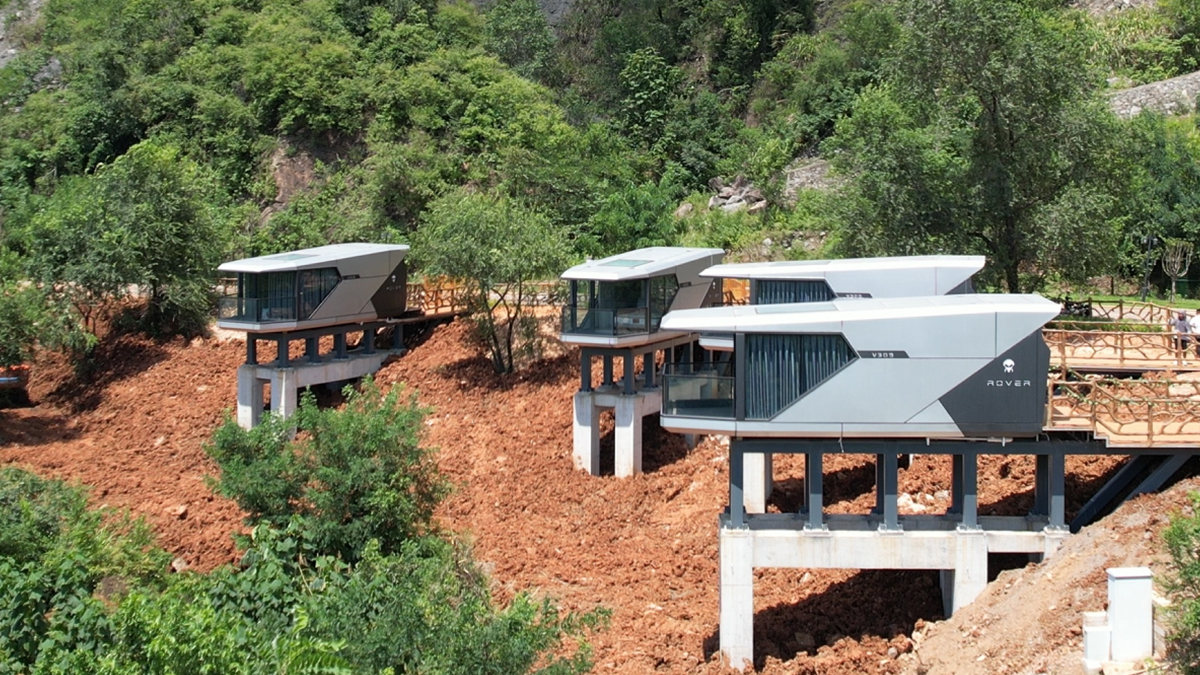
Weather can change your plans quickly. Rain, snow, or wind can slow delivery and installation. Always check the weather before you start work. If your site has harsh weather, you may need stilts or special foundations.
When building on stilts in places with bad weather, work with a contractor who knows how to make the foundation strong and safe.
You can save time and money by planning for weather delays. Keep extra tarps and tools ready. Tell your team about weather risks before work starts. This helps protect your house and keeps everyone safe.
Utility Connections
Plan Electrical, Water, and Sewage
You want your Resort Capsule House to feel cozy. You need to plan for electricity, water, and sewage before moving in. Think about where you want outlets and lights. Make sure you have enough for your needs. Plan for water pipes, sewage lines, gas, and internet cables. Good planning keeps your house safe and easy to use.
If your capsule house stays in one spot, a maintenance-free water system is best. You can connect to city water, a well, or your main house if it is close. For sewage, use the city sewer or a septic tank. Always follow local building codes when setting up these systems. This helps you avoid problems and keeps everything working well.
Tip: Ask your installer about the best way to connect utilities. They know what works in your area.
Verify Resort Infrastructure Compatibility
Not every resort has the same setup. Some places have strong power lines and fast internet. Others use solar panels or have limited water. Check what the resort offers before buying your capsule house. This helps you avoid surprises later.
Here’s a table showing how capsule houses fit different places:
Application Type | Description |
|---|---|
Luxury Glamping & Eco-Resorts | Nature views, great insulation, eco-friendly features |
Hotels & Boutique Accommodations | Fast guest room expansion, modern style |
Private Villas & Backyard Spaces | Extra living space, guest suites, peaceful retreats |
Temporary & Project Housing | Quick setup for workers or events |
Unique Rental Properties | Fun tiny homes for Airbnb, high returns |
Capsule houses work in many places. Make sure your house matches the resort’s power, water, and sewage systems.
Consider Solar and Off-Grid Options
Sometimes, you want to build in a remote spot. Maybe you like the mountains or a quiet forest. In these places, you might not have city power or water. Solar panels can give you electricity. Rainwater tanks and composting toilets help with water and waste. These off-grid options make your capsule house work almost anywhere.
Solar panels for power ☀️
Rainwater collection for fresh water
Composting toilets for waste
If you plan ahead, you can enjoy comfort even far from the city. Off-grid living saves money and helps the environment.
Customizing for Comfort
Choose Interior Layout and Furnishings
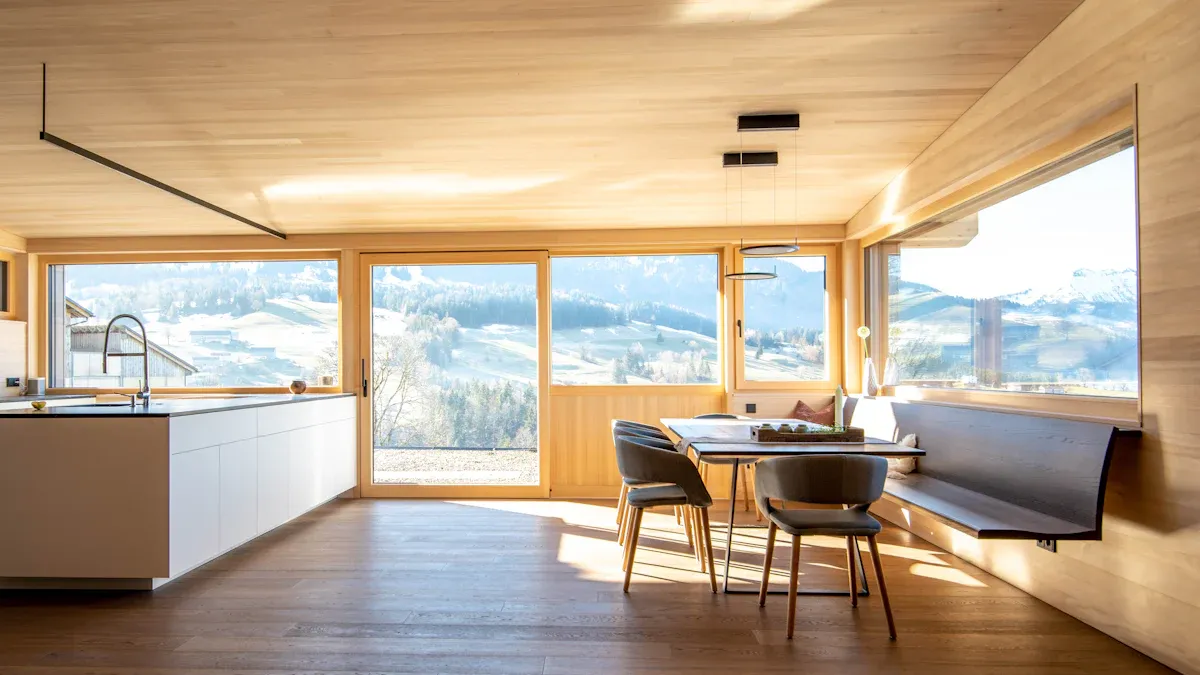
You want your Resort Capsule House to feel cozy. Pick a layout that works for you. Some layouts have open areas for relaxing. Others use smart storage to keep things neat. You can get beds that fold up or sofas that become beds. Add shelves and cabinets for easy storage. Choose furniture that is small and easy to move. Soft chairs and rugs make the house feel warm. Use bright colors and sunlight to make the space look bigger.
Tip: Try moving your furniture around before you buy it. This helps you see what fits best and keeps your space comfortable.
Add Guest-Friendly Features
Guests like privacy and comfort. Make your capsule house special by adding features guests want. Here are the top things people ask for:
Easy setup without big building work
Extra space that adds value
You can also add these popular features:
Feature | Description |
|---|---|
Use nice materials for a stylish look and feel. | |
Smart Technology | Install Wi-Fi devices for convenience and security. |
Outdoor Extensions | Add decks or porches for relaxing outside. |
Accessibility Features | Make the space easy for everyone to use, including guests with mobility needs. |
Small size makes cleaning easy.
Cool design gives your guests a unique stay.
Adapt for Seasonal or Year-Round Use
You can use Resort Capsule Houses in any season. For winter, add thick insulation and heated floors. In summer, use fans and air conditioning. Pick windows that open for fresh air. Install blackout curtains for privacy and comfort. If you want to rent all year, choose materials that resist moisture and mold. Outdoor spaces like decks are great in warm months. You can add fire pits or heaters for cold nights.
Note: Plan your upgrades based on your weather. This keeps your capsule house comfortable all year.
Maintenance and Weather Resistance
Taking care of your Resort Capsule House helps it last longer. You can keep it strong and comfy if you use good materials. A simple plan makes it easy to handle bad weather.
Select Weatherproof Materials
You want your capsule house to be safe from rain, snow, wind, and sun. Pick tough materials that do not break easily. Here’s a table to show what works well:
Material Type | Description |
|---|---|
Fights off rust and handles heavy stress. | |
Weather-resistant composite panels | Protects the outside from harsh weather and lasts a long time. |
Insulated metal panels | Keeps heat in or out, saving energy in extreme climates. |
Double/triple-glazed windows | Stops heat loss, blocks noise, and keeps the inside cozy. |
Capsule houses with these materials can stand up to strong winds and earthquakes. Good insulation, like polyurethane foam, keeps the inside warm or cool in any weather.
Plan Routine Inspections
Check your capsule house often to find small problems early. You do not need special tools. Just look around every few months. Here are some things to do:
Walk around and look for cracks or leaks.
Make sure windows and doors close tightly.
Check the roof and gutters for leaves or damage.
Test smoke alarms and carbon monoxide detectors.
Clean air filters and vents for fresh air.
Tip: Write down when you check things. This helps you remember what you did and when.
Protect Against Local Climate
Every place has different weather. You can keep your capsule house safe with a few easy steps. Here’s a table with some ideas:
Strategy | Description |
|---|---|
Use the right insulation for your climate zone to keep energy bills low. | |
Sealant Maintenance | Check and reapply sealants around windows and doors every 6 months to stop water leaks. |
Surface Treatments | Put UV-resistant coatings on metal and water sealers on wood to prevent sun and rain damage. |
Roof and Drainage | Make sure your roof slopes well and drains water away to stop leaks and puddles. |
If you do these things, your Resort Capsule House will stay safe, dry, and comfy anywhere you put it. 🏠🌦️
Insurance, Taxes, and Resale Value
Research Insurance for Capsule Houses
 Research Insurance for Capsule Houses
You need insurance to protect your capsule house. Insurance helps pay for repairs if something bad happens. There are different kinds of insurance. Each one covers something different. Here’s a simple table:
Insurance Type | Coverage Details |
|---|---|
Renter’s Insurance | Covers guests’ things and accidents in capsule communities. |
Homeowner’s Insurance | Pays for fire, theft, weather damage, and injuries for permanent homes. |
Specialty Policies | Protects special homes and tech systems. |
Renter’s insurance helps if you rent your capsule house. It covers your guests’ stuff and accidents. Homeowner’s insurance pays for fire, storms, or theft. Specialty policies protect smart tech or unique features. Ask your insurance agent which plan is best for you.
Tip: Make sure your insurance covers weather and tech systems. This can save you money on repairs.
Understand Property Taxes and Fees
You should learn about taxes and fees before buying. Property taxes depend on where your capsule house is placed. Some places charge less for tiny homes. Others treat them like regular houses. You may pay extra for permits, resort fees, or utility hookups. Ask your local tax office how much you need to pay. Keep records of payments so you do not get surprised later.
Property taxes can change every year.
Resort fees might cover upkeep or amenities.
Permit fees depend on your city or county.
Note: Planning for taxes and fees helps keep your budget safe.
Evaluate Long-Term Value
You want your capsule house to keep its value. Many things affect resale value. Location is very important. If your house is in a popular area with good amenities, buyers pay more. Build quality matters too. Strong materials and good insulation attract higher offers. Neutral designs are liked by more people than wild colors or custom layouts. Energy-saving features like solar panels make your house special.
Factor | Description |
|---|---|
Location | Houses in good, legal areas with amenities keep value better. |
Build Quality | Well-built homes with strong materials get higher offers. |
Customization | Simple designs are liked by more buyers than very personal interiors. |
Energy Efficiency | Solar panels, good insulation, and low bills help sell your house. |
Target Market | Young workers, retirees, eco-friendly buyers, and investors affect demand. |
If you plan ahead, your capsule house can be a smart investment. Buyers want comfort, strength, and low bills. You can raise resale value by keeping your house nice and picking upgrades that last.
You can make your Resort Capsule House project a success if you plan ahead. Do your research, set a clear budget, and follow all local rules. Choose strong materials like steel or aluminum, and look for energy-saving features such as solar glass. Make sure your layout fits your needs and check that your house can handle your local weather. If you want extra help, talk to experts or visit model units before you decide. These steps help you avoid surprises and enjoy your new space with confidence.
FAQ
How long does it take to install a Resort Capsule House?
You can usually finish installation in one to three days. If weather is bad or the site is hard to reach, it might take longer. Plan ahead and book your crew early.
Do I need special tools or skills to maintain my capsule house?
You do not need special tools. You can handle most tasks with basic items like a screwdriver, wrench, and cleaning supplies. For big repairs, call a pro.
Can I move my capsule house to a new location?
Yes, you can move most capsule houses. You need a truck and a crane. Check the weight and size before you plan the move. Ask your supplier for help.
What is the best way to keep my capsule house warm in winter?
You should use thick insulation, double-glazed windows, and a small electric heater. Close doors and windows tight. Add rugs for extra warmth.