


02 Feb Are Capsule Houses Legal in Australia?
Are capsule houses legal in Australia? You should know that laws in Australia depend on what you call these homes.
If you say it is a caravan, mobile home, or tiny house, you have to follow different rules.
Local councils choose if you can live there, and they make size and use limits.
Rules are not the same in every state or council.
Always check if you want to stay for a short time or forever.
Key Takeaways
Capsule houses can be called caravans or tiny homes. This changes if they are legal or not. You should always check what your area says.
Local councils make rules for capsule houses. These rules include how big they can be and who can live there. Ask your council before you build anything.
National laws say capsule houses must be safe and well-designed. They must follow the National Construction Code (NCC).
Zoning laws tell you where you can put a capsule house. You need to know your land’s zoning type to stay out of trouble.
You must get all needed permits and approvals before you move in or rent a capsule house. This will help you avoid legal problems.
Are Capsule Houses Legal in Australia?
National Laws and NCC Compliance
You might wonder, are capsule houses legal in australia? The answer depends on how you classify your capsule house. Most councils treat capsule houses as caravans or tiny homes. If you want to live in one, you must follow national laws and building codes. The National Construction Code (NCC) sets rules for safety, health, and design. You need to make sure your capsule house meets these standards.
Capsule houses must fit within strict size limits. The NCC and local councils use these limits to decide if your home is safe and legal. Here is a table showing the maximum size allowed for capsule houses in Australia:
Dimension | Maximum Size |
|---|---|
Height | 4.3 m |
Width | 2.5 m |
Length | 9 m |
If your capsule house is larger than these limits, you may not get approval. You must also check if your home can be moved or if it stays in one place. The NCC has rules for both types. You need to follow fire safety, plumbing, and electrical standards. If you ignore these rules, you risk fines or removal.
Council Approval and Local Rules
Are capsule houses legal in australia in every council? No, each council has its own rules. You must ask your local council before you buy or build a capsule house. Councils decide where you can put your home and how long you can live there. Some councils allow you to live in a capsule house for up to two years without a permanent permit. Others require you to apply for approval right away.
You need to check zoning laws. Some areas only allow capsule houses for short stays, like holidays or emergencies. Other places let you live there full-time, but you must follow strict rules. Councils may ask for plans, safety checks, and proof that your home fits the size limits. If you want to stay longer than two years, you must get a special permit.
Are capsule houses legal in australia for families or just singles? Councils may set limits on how many people can live in one capsule house. You must also follow rules about parking, waste, and water. If you break these rules, you may have to move your home or pay a fine.
Are capsule houses legal in australia for permanent living? You need to check both national and local rules. The NCC gives you the main standards, but councils have the final say. Always ask your council before you start building or moving in.
Are capsule houses legal in australia for short-term use? Many councils allow short stays, but you must still follow safety and size rules. If you want to live there long-term, you need extra approval.
Tip: Always talk to your local council before you buy or build a capsule house. This helps you avoid problems and makes sure your home is legal.
Tiny House Regulations and State Differences
 State and Territory Rules
 State and Territory Rules
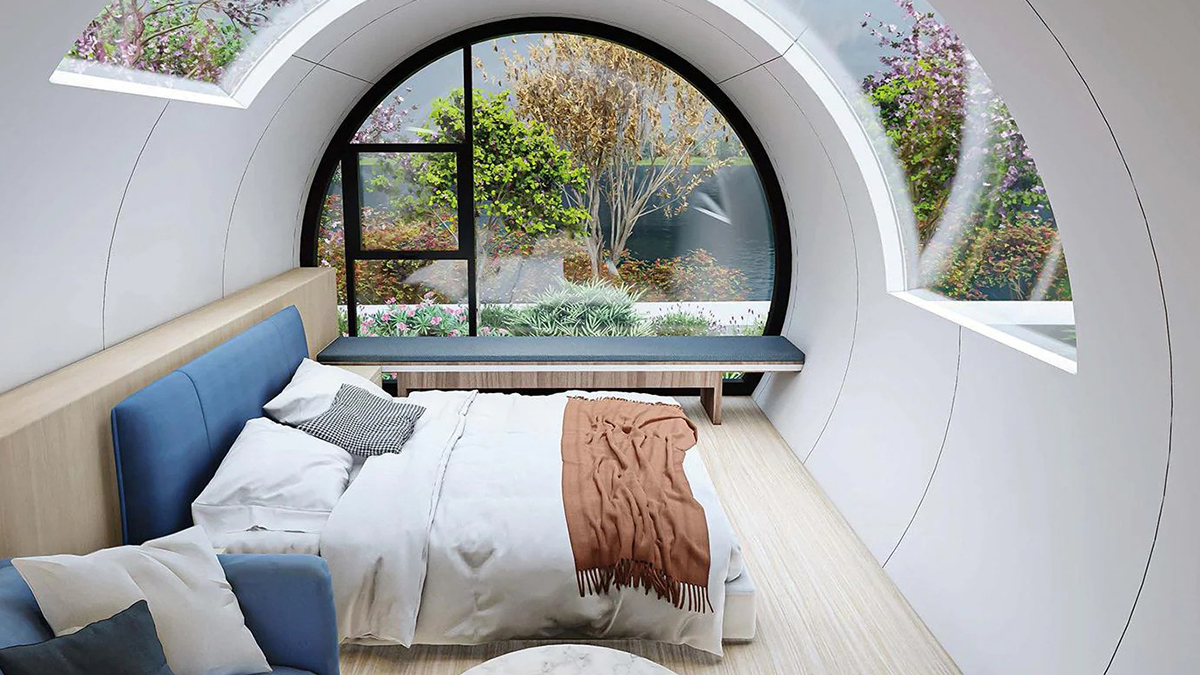
Tiny house rules are not the same everywhere in Australia. Each state and territory makes its own rules for tiny house on wheels and capsule houses. Some places let you live in a tiny house on wheels more easily. Other places have harder rules to follow. You need to ask your local council before you build or move in.
In New South Wales, rules focus on safety and who can live there. You must keep your tiny house on wheels in good shape. You can only have one tiny house on wheels or capsule house on your land. You must live close to your main house, and only you or your family can stay there. Victoria and Queensland have their own rules for tiny houses. Some councils let you use a tiny house on wheels for a short time, but not forever. In Western Australia, you may need a special permit for a tiny house on wheels.
Tip: Always talk to your local council about tiny house rules before you buy or build a tiny house on wheels. This helps you avoid trouble and keeps your tiny homes legal.
Key Requirements for Tiny Homes Legal Status
You must follow important rules to make your tiny homes legal. These rules help keep you safe and protect your home. Tiny house rules often have size limits, safety checks, and rules about who can live there. You must keep your tiny house on wheels clean and safe. Councils may want proof that your tiny house on wheels is safe from fire and has good plumbing.
Here is a table that shows the main rules for a tiny house on wheels or capsule house in New South Wales:
Requirement | Description |
|---|---|
Occupancy | Must be used with the owner’s main house and only by the landowner or family. |
Limit | Only one caravan is allowed on the land. |
Condition | Must be kept safe and healthy. |
You must follow these tiny house rules to keep your tiny homes legal. Other states have different rules, but most councils want you to keep your tiny house on wheels safe and clean. You need to check if you need a permit for your tiny house on wheels. Some councils want building plans and safety checks before you can move in.
Note: Tiny house rules change a lot. You must check with your local council often to keep your tiny homes legal.
Council Permits and Approval Process
Zoning and Planning Permissions
You must check zoning rules before you put a capsule house. Councils use zoning to pick where homes can go. Zoning types decide if you get council approval for your capsule house. In a residential zone, you can use a capsule house as a guest house or small extra unit. Mixed-use zones are good for short-term rentals or tourism. Rural zones let you live off-grid or in small groups. Commercial zones sometimes let you use capsule houses for offices or worker housing, but not always for living.
Here is a table that shows common zoning types and what they mean for capsule houses:
Zoning Category | Description |
|---|---|
Residential Zones (R1, R2, R3) | Let you use capsule houses as guest houses or extra units if you follow the rules. |
Mixed-use Zones | Good for capsule houses used for renting, tourism, or short stays. |
Rural or Agricultural Zones | Give you more choices for capsule house groups or off-grid living. |
Commercial Zones | Sometimes let you use capsule houses as offices or worker homes, but not always for living. |
Size, Height & Placement Restrictions | You must follow size, height, and placement rules. |
Tip: Always ask your council about zoning before you try to get council approval. This helps you avoid mistakes and saves time.
Steps to Obtain Council Permits
You must follow steps to get a permit for your capsule house. Councils want to see that your home follows all rules. Here are the main steps you need to do:
Check Zoning: Make sure your land is the right type for capsule houses.
Prepare Documents: Get your plans, safety checks, and proof your house fits size and health rules.
Submit Application: Fill out the form and send it to your council for council approval.
Wait for Review: Councils look at your plans and may ask for more information.
Get Inspection: Your capsule house may need a safety check before you get council approval.
Receive Permit: If you pass all steps, you get a permit to put your capsule house there.
You need council approval at every step. If you skip a step, you may not get your permit. Councils want you to follow all rules to keep your home safe. Always keep copies of your permit and other papers. If you change your capsule house, you may need new council approval.
Note: Getting council approval takes time. Start early and ask questions if you need help.
Expandable Container Homes and Other Types
Classification and Legal Considerations
 Classification and Legal Considerations
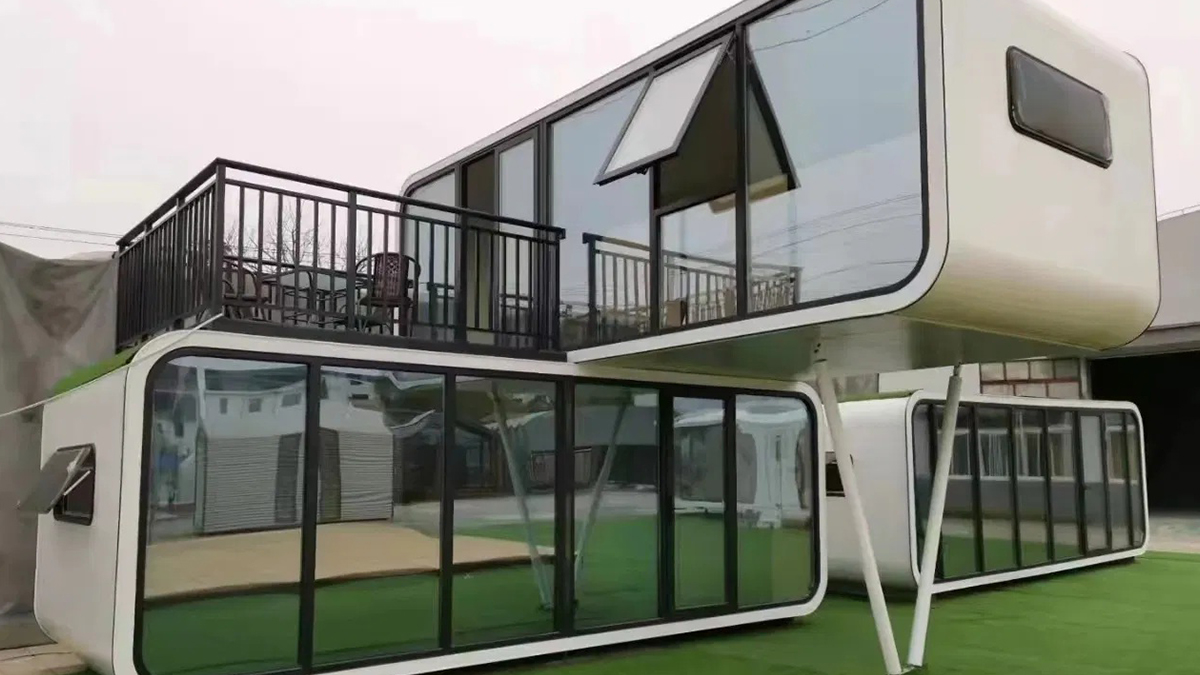
You can see expandable container homes in many parts of Australia. Councils and states use different names for these homes. Some call them relocatable buildings, transportable dwellings, or modular homes. You must follow strict rules if you want to live in one.
Expandable container homes must follow the National Construction Code (NCC). Councils also want engineering certification and structural drawings. You need to show your home can handle wind and snow. If you live in a bushfire zone, you need a Bushfire Attack Level (BAL) check. Energy efficiency is important, so you must prove your home meets these rules.
Here is a table that shows how councils classify expandable container homes and what you need for approval:
Classification Type | Compliance Requirements |
|---|---|
Relocatable buildings | Must comply with NCC |
Transportable dwellings | Local council planning schemes must be followed |
Modular or prefabricated homes | Bushfire, wind, and energy ratings are necessary |
Queensland | More flexible rules in rural and regional areas |
Victoria | Approval needs lots of documentation |
NSW | Common for granny flats and studios, not full homes |
South Australia & WA | Supportive in non-metro zones |
Engineering certification | Required by most councils |
Structural drawings | Needed for compliance |
Wind & snow load ratings | Required where needed |
Energy efficiency compliance | Must be shown |
Bushfire Attack Level (BAL) | Assessment needed in some areas |
Design considerations | Proper design for compliance |
Note: Always check with your local council before you buy or build expandable container homes. Rules can change in different places.
Differences from Capsule and Tiny Houses
Expandable container homes look different from capsule houses and tiny homes. You can fold or expand these homes to make more space. Capsule houses and tiny homes usually stay the same size. Councils often treat capsule houses as caravans or tiny homes. Expandable container homes need more paperwork and safety checks.
It can be easier to get approval for capsule houses in some places. Expandable container homes need engineering reports and energy ratings. Tiny homes and capsule houses have strict size limits. Expandable container homes can be bigger, but you must show they are safe and strong.
Here are some key differences:
Expandable container homes need more engineering and design checks.
Capsule houses and tiny homes have smaller size limits.
Councils may allow expandable container homes in rural zones more often.
Tiny homes and capsule houses may be used for short stays, while expandable container homes can be permanent.
Tip: Always ask your council which rules you need to follow for your home type. This helps you avoid mistakes and keeps your home legal.
Practical Steps for Compliance
Consulting Local Authorities
 Consulting Local Authorities
You should talk to your local government office first. They will tell you what rules you must follow. You need to get some things ready before you visit or call them. The table below shows what you should bring:
Step | Description |
|---|---|
Preparing tools | Gather foundation supports, construction tools, and components from the manufacturer. |
Obtaining permits | Secure all necessary permits, including building permits and zoning approvals, from local authorities. |
Understanding regulations | Familiarize yourself with local laws, zoning laws, building codes, and safety regulations. |
When you meet with the office, explain your capsule house. Bring drawings and details about your home. Tell them if you want to live there, rent it, or use it for something else. Ask if your land is zoned for modular or prefabricated homes, relocatable buildings, or transportable dwellings. You might need to get ready for a site check. Keep all your papers safe so you can show them later if needed.
Tip: Always ask if you need more permits for how you want to use your capsule house.
Avoiding Common Pitfalls
Many people make mistakes when they try to get approval. You can stop problems if you know what to watch out for:
If you do not know your supplier well, you may get confused about the product.
If you do not talk clearly, your project can be delayed.
Some suppliers do not follow local rules, so you may have to fix things.
If you move things by yourself, you could lose items or make mistakes.
You should check your suppliers and make sure they follow all rules. Always check that your home meets local standards. Stay in touch with your council and ask questions if you are not sure. Good planning helps you finish faster and saves money.
Note: If you follow these steps, it is easier to get approval and enjoy your new home.
You need to look at state and council rules first. Every place has its own laws and approval steps. These homes can be set up fast and changed to fit your needs. This helps you save money and time. People use these homes for granny flats, eco-retreats, or offices at home. If you want more help, you can:
Check a legal checklist for capsule houses.
Talk to your local council about zoning and building codes.
Do the permit steps for your area.
FAQ
Can you live in a capsule house full-time in Australia?
You can live in a capsule house full-time if your local council approves it. Some councils only allow short stays. Always check with your council before you move in.
Do you need a permit for a capsule house?
You need a permit for most capsule houses. Councils want to see your plans and safety checks. You must follow local rules to get approval.
What is the size limit for capsule houses?
Dimension | Maximum Size |
|---|---|
Height | 4.3 m |
Width | 2.5 m |
Length | 9 m |
You must keep your capsule house within these limits for legal approval.
Are capsule houses safe during storms?
Capsule houses must meet safety standards.
You should check for wind and weather ratings.
Councils may ask for engineering reports.
Can you rent out a capsule house on your property?
You can rent out a capsule house if your council allows it. Some councils have rules for renting. Always ask your local council before you start renting.