
06 Aug Pros and Cons of Camping Capsule Houses for Modern Living
Is a camping capsule house for modern living a good choice for contemporary life? More people in Europe are opting for these small homes each year. Here is how the numbers compare:
Housing Type | Popularity | Adoption Rates |
|---|---|---|
Capsule Houses | High in Germany, Netherlands, Sweden | |
Traditional Homes | Needs some updates | People like them in different ways |
Think about what you want and need before you decide if this trend of camping capsule houses for modern living is right for you.
Key Takeaways
Capsule houses cost less than regular homes. They are good for people who want to save money.
These homes are good for the environment. They use materials that do not harm nature. They also save energy and help the planet.
Capsule houses are easy to move. You can take your home with you if you need to.
Living in a capsule house means you have less stuff. It helps you keep only what is important. Your home will not be messy.
Before you get a capsule house, check the local rules. This helps you avoid problems with the law. Make sure the house is right for your life.
Capsule Houses Overview
What Is a Capsule House?
Capsule houses are small homes. They use smart designs to fit everything inside. The space feels neat and easy to use. These homes are modular, portable, and light. You can use one by itself or connect more for extra room. People call them capsule homes or micro homes because they are tiny and clever.
Here’s a quick look at what makes a capsule house special:
Characteristic | Description |
|---|---|
Modular Design | Units can be alone or joined for bigger spaces. |
Compact Space Utilization | Fits 1-4 people with smart storage ideas. |
Short Construction Cycle | Built in 15-25 days, with 1-3 days needed on-site. |
Customizable Functions | You can add things like air conditioning or a mini-kitchen. |
Unique Aesthetic Appeal | Modern style that looks cool anywhere. |
Modular and Portable Features
Capsule houses show how modular living works. You can move them almost anywhere you want. Their light weight makes moving simple. Installation is fast, so you save money and time. These homes fit many needs. You might use one for camping, as an office, or for guests. Capsule houses change to fit your life.
You get comfort and flexibility for modern homes.
Eco-friendly materials help the planet.
Portability lets you move your home when you need.
Relevance to Modern Living
Capsule houses match today’s housing trends. Many people want simple and green homes. High real estate prices make small homes popular. Capsule houses are a smart choice for these problems. They work well in cities with little space and in the countryside where setup is easy.
Evidence Type | Description |
|---|---|
Urban Preference | Over 60% of city people like smaller, smarter homes. |
Sustainability | Capsule houses help green goals and fix shortages. |
Capsule homes and micro homes help you live with less stuff and more freedom. They show how capsule houses fit modern life. You get a home that matches your values and needs.
Pros and Cons of Capsule Houses
 Pros of Capsule Houses
 Pros of Capsule Houses
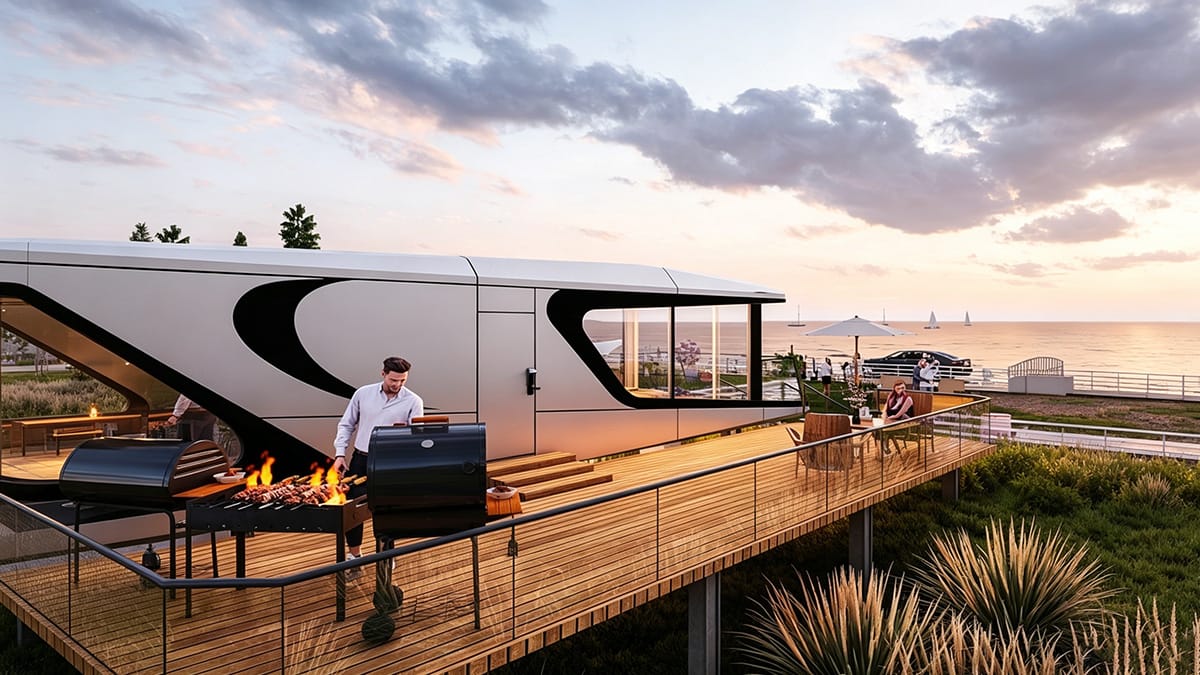
A camping capsule house has many good points. These homes are different from regular houses. Here are some main pros you might see:
Advantage | Description |
|---|---|
Sustainability | Capsule houses use eco-friendly materials and energy-saving technology, so you help the planet while living. |
Minimalism | The small size encourages you to keep only what you need, making life simple and less stressful. |
Affordability | These homes cost less than most traditional houses, so you can enter the housing market without huge loans. |
Space Optimization | Every inch is used smartly, which helps solve housing shortages in crowded cities. |
Mobility | You can move many capsule homes easily, which is great if your job or life changes often. |
Capsule houses are cheaper than most regular homes. Most basic models cost between $30,000 and $100,000. This is much less than a normal house in the U.S. Even if extra costs make it $90,000 to $130,000, it is still cheaper. You might need a personal loan because banks do not always give normal mortgages for these homes.
These homes use space very well. Capsule houses have smart things like foldable furniture. You can cook, sleep, and relax in one small area. The space feels open, not crowded. This makes them great for busy cities.
Capsule homes last a long time. Most last 30 to 50 years if you take care of them. Good materials help them stay strong. You spend less time and money fixing things. This gives you more time to enjoy your home.
Here are the top pros of capsule houses:
They cost less than most homes
Space is used in a smart way
They use eco-friendly materials
You can move them and set them up fast
They need little care and last a long time
Tip: Capsule houses are a smart pick if you want a cheap home that fits a busy life.
Cons of Capsule Houses
You should also think about the bad sides. Capsule houses have some real problems. They may not work for everyone.
Drawback | Description |
|---|---|
You may find it hard to fit all your belongings, especially if you have a family or lots of stuff. | |
Privacy concerns | Thin walls and small rooms mean you hear more noise and get less personal space. |
Regulatory and zoning issues | Some cities have strict rules, so you might face delays or extra costs when setting up your capsule house. |
Comfort and adaptability | The small size can make daily living less comfortable, especially if you need more room or special features. |
Living with less space can be hard for some people. If you have many hobbies or need a work area, it may not fit. Privacy is also a problem. Thin walls let sound pass through. You might hear your family or neighbors more.
Rules can be tough. Many places do not have clear laws for capsule houses. You might spend more time and money on permits. Changing your home to fit your needs can also cost more. This makes them less cheap.
Most capsule houses are easy to care for. But if you pick cheap materials, you may need more repairs. Not all capsule houses are made the same. Good quality is important.
Here are some cons to remember:
Small spaces can feel crowded
Privacy is low in open layouts
Local rules can slow your plans
Custom upgrades can cost more
Some people do not like living with less stuff
Note: Think about what you need before you pick a capsule house. The good and bad points depend on what matters most to you.
Environmental Sustainability and Efficiency
Eco-Friendly Materials
 Eco-Friendly Materials
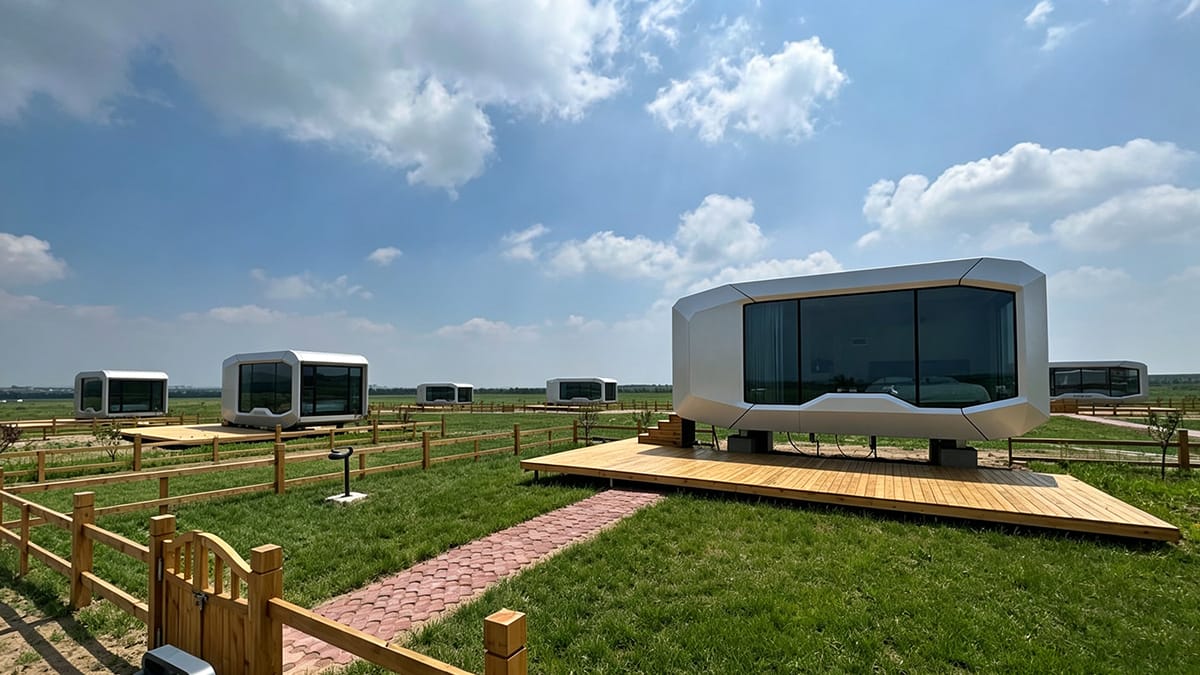
Choosing capsule houses helps the environment right away. Most builders use things like recycled steel, bamboo, or strong panels. These materials last a long time. They do not hurt the earth as much as normal building supplies. Your home stays strong in bad weather and over many years. This focus on sustainability means your home matches your values. Capsule houses often use safe paints and finishes. These are good for you and the planet. You can feel proud that your home is part of a bigger green movement.
Energy Efficiency
Capsule houses are great at saving energy. You use less power to heat or cool your home. The insulation works better than in most regular homes. Many capsule houses have solar panels or smart systems. These help you save even more energy. Look at this table to see the difference:
Feature | Capsule Homes | Traditional Homes |
|---|---|---|
Energy Consumption Reduction | Higher energy consumption | |
Insulation Efficiency | Reduces energy needs by up to 60% | Standard insulation |
Renewable Energy Integration | Integrated solar panels, 6kW | Typically not included |
You can see that capsule houses help you spend less money on bills. They also lower your impact on the planet. This makes them a smart pick for people who care about the earth.
Minimal Waste
Capsule houses help make less waste. Builders make most parts in a factory. This means they only use what they need. It can cut down on waste by up to 80% compared to regular homes. Here’s how you help the planet:
Less trash ends up in landfills.
You use fewer resources.
Building is faster and cleaner.
Living in a capsule house means you help the planet every day. Your choices protect the earth and help make a better future.
Mobility and Installation
Easy Relocation
You want a home that moves with you. Capsule houses make this possible. You can set up your capsule house in just one day. This is much faster than most tiny houses, which often need days to get ready after moving. You do not need to worry about heavy equipment or long waits. The design makes moving simple and stress-free.
You can install a capsule house almost anywhere with little preparation.
Moving your home is easy, so you can change locations when you want.
Capsule houses give you modern comforts in a small space, making camping feel like home.
The strong materials protect you from bad weather, so you stay safe and dry.
The eco-friendly design helps you camp in a way that is good for the planet.
You might use a capsule house for a camping trip, a remote office, or even as a quick solution after a disaster. The modular design lets you add or remove units as your needs change. This flexibility gives you more control over your living space.
Plug-and-Play Setup
Capsule houses use a plug-and-play system. This means you do not need to build much on-site. Most of the work happens in the factory. When your capsule house arrives, you just connect it to power and water. The setup is fast and easy.
Installation Time | Description |
|---|---|
Typical installation duration for capsule houses on a prepared foundation. |
You save money because you do not need many workers or special tools. The quick setup also means less noise and mess in your area. You can start living in your new space almost right away.
Tip: If you want a home that moves with you and sets up fast, a capsule house is a smart choice. You get comfort, speed, and less hassle every time you move.
Comfort and Space Challenges
Living Space Limitations
 Living Space Limitations
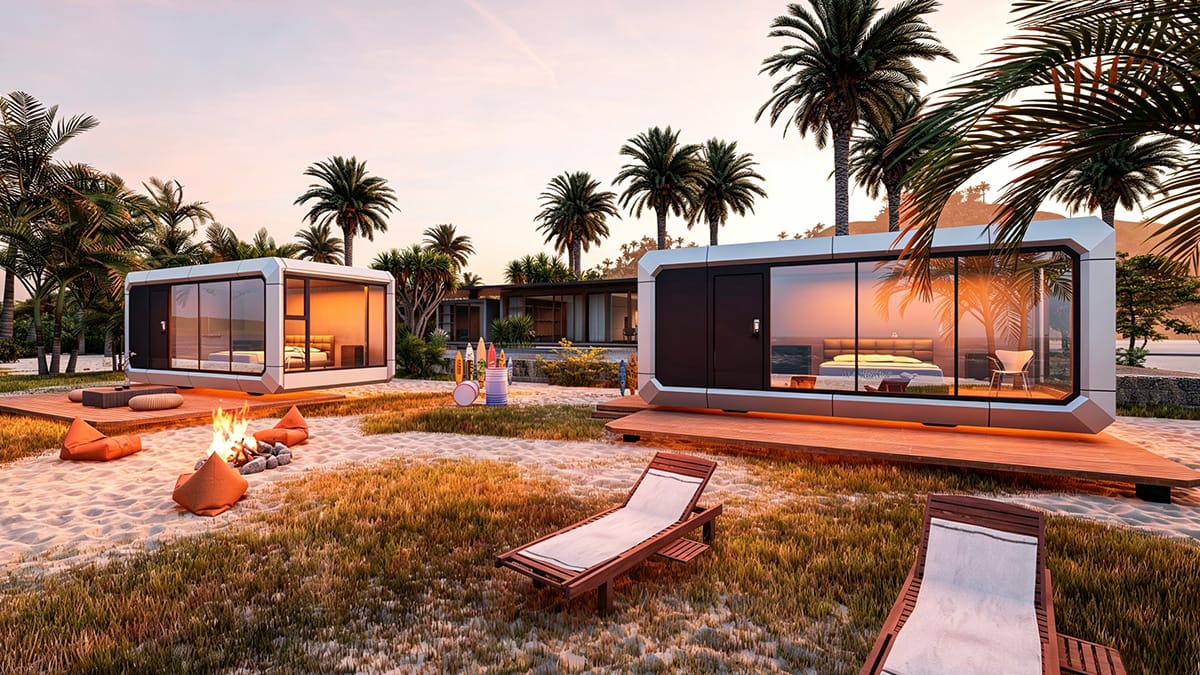
When you step into a capsule house, you notice the small size right away. You have to think about every item you bring inside. If you love collecting things or need space for hobbies, you might feel cramped. The compact design works well for short trips or simple living, but it can feel tight if you want to spread out. Many people enjoy the cozy feeling, but others miss having extra rooms or a big kitchen. You may find it hard to fit all your belongings, especially if you have a family. Capsule houses push you to live with less, which can be freeing or frustrating, depending on your style.
Tip: Try to keep only what you need. This helps you enjoy the space and avoid clutter.
Privacy Issues
Privacy can be a real challenge in capsule houses. You often see open-plan layouts with few walls. This means you hear more sounds from other people. You get less personal space, and noise travels easily. Compared to other small homes, capsule houses usually have thinner walls. You might notice that you hear voices, music, or even footsteps more than you would in a regular house. Some small homes offer private corners or separate rooms, but capsule houses focus on shared space. If you value quiet time or need a place to work, you may want to think about how this setup fits your needs.
Less personal space can make you feel exposed.
Adaptability for Long-Term Use
You might wonder if capsule houses work for long-term living. Some models, like the E40 and T40PF, come with kitchens and bathrooms. These features make daily life easier. Capsule homes use sustainable materials and smart technology to help with energy use. You can find options with good insulation and moisture resistance, so you stay comfortable in different climates. Many capsule houses can handle snow, rain, or heat for years. They fit well in backyards or on new land, giving you flexible living spaces. Still, the minimal design may not suit everyone. If you want to change your space often or need lots of storage, you could feel limited over time.
Note: Think about your future needs. Capsule houses offer comfort and flexibility, but they may not match every lifestyle for the long haul.
Regulations and Customization
Zoning and Legal Barriers
You may be excited to set up your capsule house. Local rules can make things slow. Many cities have strict zoning laws. These laws decide where you can put your home. They also say how big your house must be. Some places want homes to be at least 400 square feet. This means your capsule house might not be allowed. You should check height limits, too. If your capsule house is too tall, you could have trouble.
Land rules are important as well. Some land is only for temporary homes. Other land is for permanent houses. You need to know the difference before you buy or build. You may need to keep your capsule house far from other buildings. Safety standards matter a lot. If your capsule house does not meet these rules, you could get fined or have to move it.
Here’s a quick look at common barriers:
Barrier Type | Description |
|---|---|
Minimum House Size | Restrictions on the smallest allowable size (e.g., 400 sq ft) |
Height Limits | Regulations on how tall the structure can be |
Land Usage Type | Designation of land as residential or temporary |
Distance from Other Buildings | Requirements for spacing between structures |
Building Safety Standards | Compliance needed to avoid permit rejection, fines, or removal |
Tip: Always check local zoning laws before you buy a capsule house. This helps you avoid surprises and keeps your plans on track.
Customization Costs
You may want your capsule house to feel special. Custom features like smart lighting or fancy kitchens can make your home unique. These upgrades sound cool, but they cost a lot. Basic prefab capsule houses cost $100 to $200 per square foot. Custom designs cost $200 to $350 per square foot. Your total price could double if you add upgrades.
Let’s compare the costs:
Type of House | Cost per sq. ft. | Average Investment |
|---|---|---|
Prefab capsule house | $100 to $200 | $30,000 to $60,000 |
Custom capsule house | $200 to $350 | $60,000 to $100,000 |
You might think capsule houses are cheap. High-end upgrades can change that fast. If you want special features, plan your budget carefully.
Note: Customizing your capsule house lets you show your style, but it can make your home less affordable. Decide what matters most to you before you start.
Real-Life Applications
Camping and Outdoor Use
 Camping and Outdoor Use
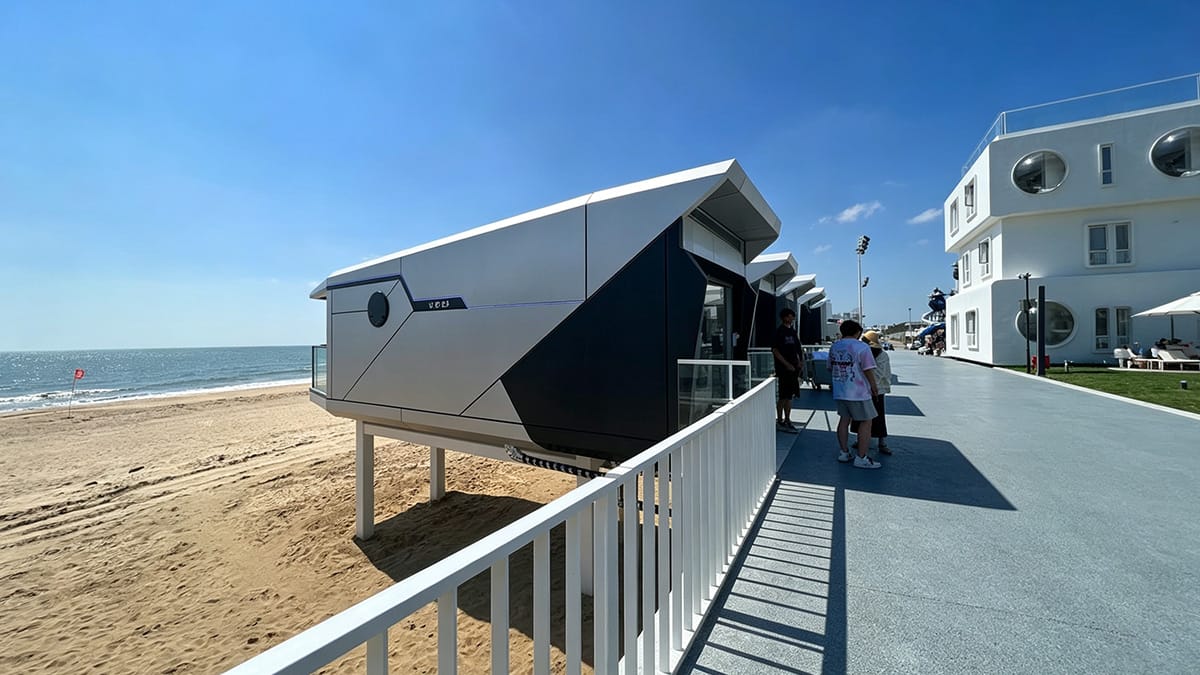
If you like being outside, you might want comfort too. Capsule houses make camping feel fancy and nice. These small homes can handle bad weather and keep you safe. You can enjoy nature and still have modern things. Many models use solar panels and collect rainwater. This helps the planet while you relax.
Feature | Description |
|---|---|
Durability | Made from strong materials that can handle tough weather. |
Comfort | Gives you modern comfort and lets you stay close to nature. |
Sustainability | Uses green technology like solar panels and rainwater systems. |
Capsule homes let you camp almost anywhere you want. You can set them up fast and move them easily. This makes camping outside simple and fun.
Urban Micro-Housing
Cities are getting bigger, and finding a home is hard. Capsule houses help with these problems. You can move them, stack them, or connect them together. This makes them great for busy cities. They cost 30–50% less than most city apartments, so you save money.
Aspect | Details |
|---|---|
Modularity | Easy to move, build, and change how they look. |
Cost-effectiveness | Costs less than most other homes in the city. |
Community integration | Often part of shared spaces, so people can meet and talk. |
Impact on vacancy rates | Berlin had 25% fewer empty homes after using capsule houses. |
You get a smart and cheap way to live in the city. These homes help more people find places to live and make new friends.
Disaster Relief
When disasters happen, people need safe homes fast. Capsule houses are very helpful in these times. In Sichuan, workers put up 200 units in just a few days for families who lost their homes. You can move these homes quickly and build them almost anywhere. Relief teams pick capsule houses because they are easy to move and set up.
Fast homes for families who need help
Quick to set up in emergency places
Easy to move to new spots
Long-Term Living
You might ask if a capsule house is good for living a long time. Many people use them as their main homes. They last for many years and do not need much fixing. You can add more units if your family gets bigger. Some people like the simple life and small bills. Others wish they had more space. Capsule houses are best if you want a modern and flexible home and care about smart living.
Tip: Think about what you need every day before picking a capsule house for long-term living. They give you freedom and help you save money, but you need to like simple living.
Choosing a Camping Capsule House for Modern Living
Assessing Needs
 Assessing Needs
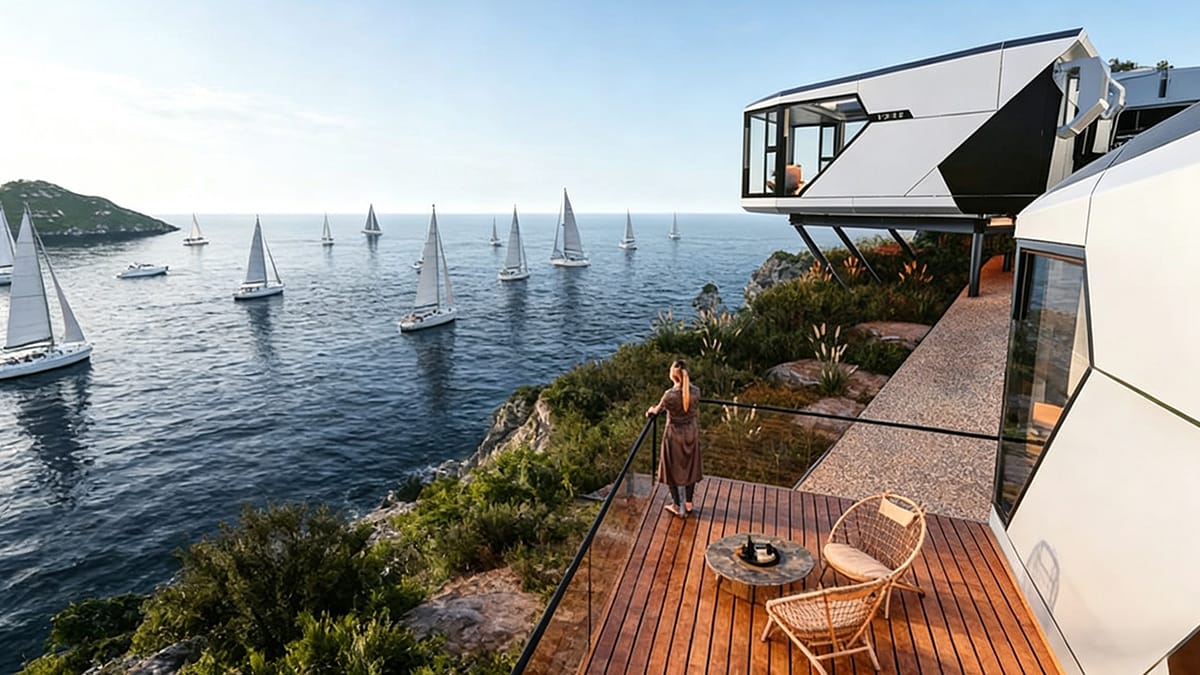
Before you pick a camping capsule house for modern living, think about what you really want. Do you plan to use it for weekend trips, or do you want to live in it full-time? Make a list of your must-haves. Maybe you want a great view, easy access to the city, or a spot near fun places. You should also think about the weather in your area and how it might affect your comfort.
Here’s a table to help you check the most important factors:
Factor | Description |
|---|---|
Scenic Appeal | Pick a place with beautiful views for a better experience. |
Accessibility | Make sure you can get there easily and safely. |
Climate Considerations | Check if the weather will be comfortable for you. |
Regulatory Aspects | Learn about local rules before you buy. |
Local Attractions | Choose a spot near things you enjoy. |
Sustainability | Look for eco-friendly options to save money and help the planet. |
Market Demand | Think about what other people like if you plan to rent it out. |
Tip: Write down your top three needs before you start shopping for capsule houses.
Evaluating Features
Not all capsule houses are the same. You want one that fits your life. Look for smart home features like phone entry or voice control. Check if the design uses space well. Some models let you change the layout or add a kitchen. Strong materials like stainless steel keep your home safe and looking good.
Here’s a quick guide to key features:
Feature | Description |
|---|---|
Smart Home Technologies | Use your phone or voice to control your home. |
Efficient Space Usage | Every inch counts, so look for clever storage and layouts. |
Durability | Strong materials mean your home lasts longer. |
Customization Options | Pick a layout and features that match your style and needs. |
Note: Try out the controls and walk through the space before you decide.
Navigating Regulations
You need to know the rules before you set up a camping capsule house for modern living. Zoning laws and building codes can change from place to place. Some areas do not allow small homes, or they have rules about where you can put them. Property rights can also limit your choices. Always talk to local officials and ask questions. If you feel unsure, get advice from a lawyer who knows about housing laws. This step helps you avoid problems later.
Callout: Checking the rules first saves you time and money. Never skip this step when choosing capsule houses.
You’ve seen the ups and downs of camping capsule houses. They offer smart space, eco-friendly materials, and easy moves. You might face tight rooms, privacy issues, and tricky rules. Are capsule houses practical? If you want a simple, flexible home, they can work well. Before you decide, check your needs, your budget, and local laws.
Remember: Your lifestyle matters most. Take time to weigh what fits you best.
FAQ
What can you fit inside a camping capsule house?
You can fit a bed, a small kitchen, a bathroom, and some storage. Many designs use foldable furniture. You get the basics for daily life, but you need to keep things simple.
How long does it take to set up a capsule house?
Most capsule houses set up in 1 to 3 days. The parts arrive ready to go. You just connect water and power. You can move in almost right away.
Can you live in a capsule house all year?
Yes, you can live in one all year. Good insulation and heating keep you warm in winter. Some models work well in hot or cold places. You need to pick the right features for your climate.
Are capsule houses safe in bad weather?
Capsule houses use strong materials. They can handle wind, rain, and snow. Some models even resist earthquakes. Always check the safety rating before you buy.
Do you need special land for a capsule house?
You need to check local rules. Some places allow capsule houses anywhere. Other places have strict zoning laws. Always ask before you set up your home.