
02 Jul 7 Reasons Why Capsule Houses Are a Sustainable Choice for Hospitality
You see more people want sustainability in hospitality, and capsule houses in hospitality are a smart way to help the environment. Many travelers now seek eco-friendly choices, which is evident in how they book accommodations. Capsule houses utilize eco-friendly materials and can save up to 30% on maintenance costs. The future of glamping requires innovative ideas like capsule houses in hospitality, as they offer better energy use and lower utility bills. Glamping becomes easier and greener with the introduction of capsule houses.
Sustainability Metric | Capsule Houses in Hospitality | Traditional Hotels |
|---|---|---|
Energy Efficiency | 65% more energy-efficient | Less efficient |
Use of Eco-Friendly Materials | Yes | Varies |
Operational Cost Savings | Higher maintenance costs | |
Solar Panel Efficiency | Cuts electricity costs by 20-30% | Not commonly used |
Preference for Eco-Conscious Options | 81% of travelers prefer | N/A |
Key Takeaways
Capsule houses can cut maintenance costs by 30%. This makes them a good choice for saving money in hospitality.
These eco-friendly places use recycled materials. They also use designs that save energy. This helps lower their carbon footprint.
Capsule houses use space very well. They let more guests stay in smaller rooms. This is great for cities with little space.
Smart technology in capsule houses makes guests feel comfortable. It also uses less energy. This means lower utility bills.
More people want to travel in ways that help the planet. Capsule houses are a good pick for travelers who care about the environment.
Space Efficiency in Capsule Houses
 Maximizing Hospitality Space
 Maximizing Hospitality Space
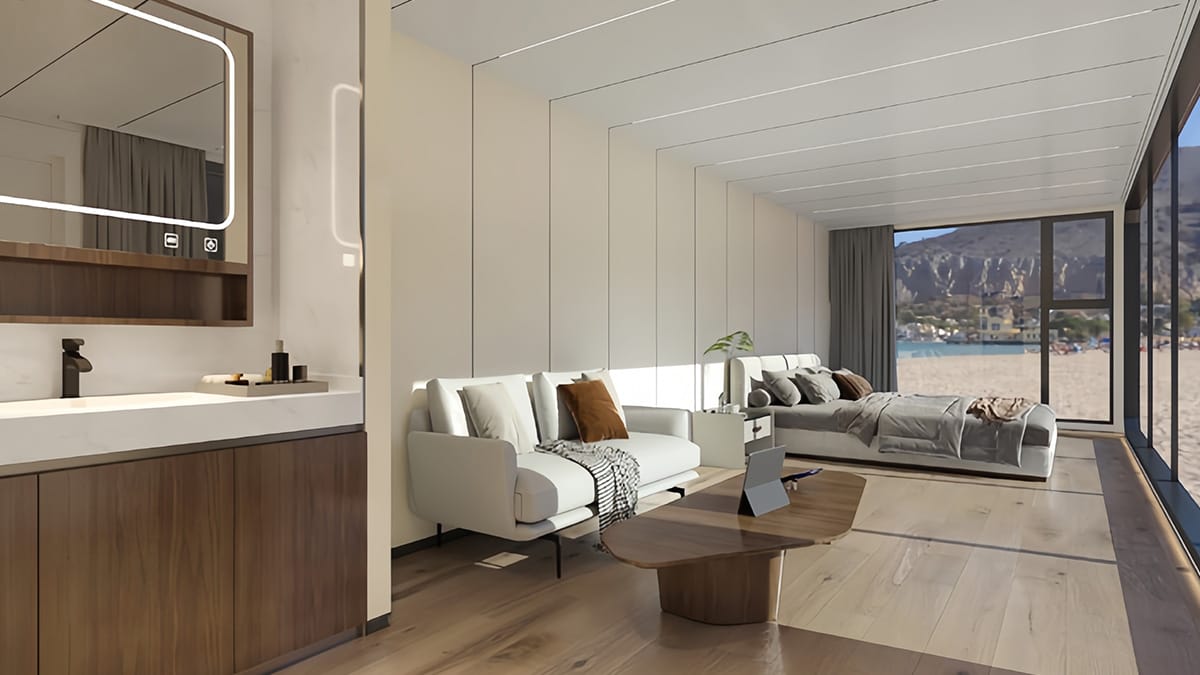
It is important to use every bit of space in hospitality. Capsule houses have a small design that helps use space well. Each capsule is about 30 to 50 square feet. Regular hotel rooms are much bigger, about 200 to 400 square feet. This means you can fit more people in the same building. For example, a building with 2,000 square feet can hold 40 to 60 capsules. You can have more guests without needing extra land.
Accommodation Type | Average Size (sq ft) |
|---|---|
Capsule House | 30 to 50 |
Hotel Room | 200 to 400 |
Capsule houses use smart ideas to make the most of space. They have vertical storage, double-deck beds, and small appliances. These things help give comfort and privacy in a small spot. Each capsule has lights, air flow, and power.
Vertical storage uses ladders and shelves to save space.
Double-deck capsules stack beds to fit more people.
Small appliances work well but do not take up much room.
Lower Land and Utility Use
Capsule houses help you use less land and save on bills. You do not need a big lot to have many guests. This is good in cities where land costs a lot. The small size means you use less energy for heat, air, and lights. Many capsule houses use green materials and save energy. Some even have solar panels to use less electricity.
You can also run capsule houses without city water or power. This means you do not need to connect to city pipes or wires. You spend less money and help the planet. Capsule houses show how to use space well and save resources at the same time.
Cost Savings in Capsule Houses
Affordable Construction and Operation
Capsule houses help you save a lot of money. They cost much less to build than regular hotels. Most capsule houses cost between $30,000 and $120,000 to make. A basic prefab capsule hotel costs $30,000 to $70,000. Custom capsule houses can cost up to $130,000. Prefab capsule hotels are also faster to build. They take 40% less time than normal hotels. This means you pay less for workers and open your business sooner.
Here is a quick look at the cost differences:
Accommodation Type | Typical Unit Cost | Construction Time | Construction Waste |
|---|---|---|---|
$8,000 – $50,000 | Short | Zero | |
Traditional Houses/Hotels | Over $200,000 | Long | 10-15% of budget |
Prefab capsule hotels use modular designs and recycled materials. This keeps costs down and makes less waste. You also pay less for each square foot. Capsule houses cost about $150 for each square foot. Traditional homes can cost $175 for each square foot. The factory process is simple and avoids extra costs and delays.
Reduced Maintenance Costs
Running prefab capsule hotels costs less every day. Capsule houses use less water and power, so bills are lower. The small size means you need fewer workers. This saves money on staff. Many amenities are included in the price, so guests do not get surprise charges.
Capsule houses have energy-saving systems. These systems help you save money each day. Factory-built prefab capsule hotels make almost no waste. Leftover materials can be recycled in the factory. This focus on saving and being efficient makes capsule houses a smart choice for hospitality.
Tip: If you pick prefab capsule hotels, you can spend less on running costs and save money for a long time. You also help the planet by being greener.
Environmental Sustainability Benefits
Eco-Friendly Materials and Design
 Eco-Friendly Materials and Design
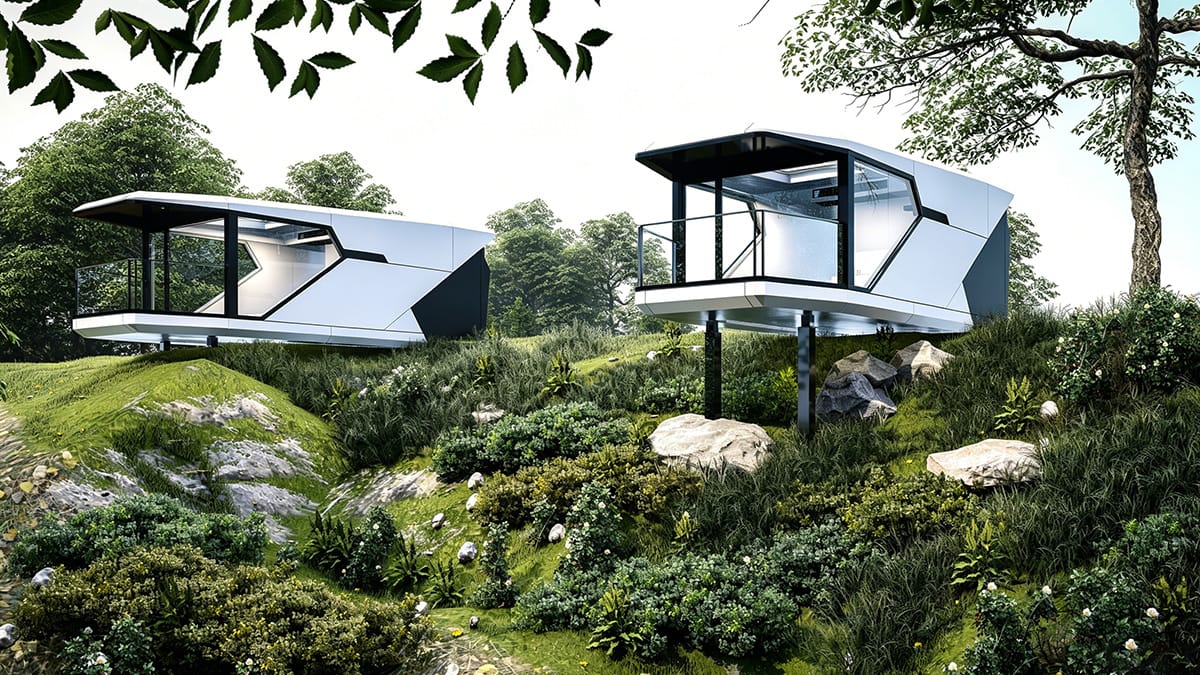
Choosing capsule houses helps the environment. These homes use eco-friendly materials that protect nature. Many capsule houses use recycled steel from old shipping containers. This steel is strong and good for the planet. Some capsule houses use wood from forests that are cared for. Aluminum parts are used, and you can recycle them later. Capsule houses often use materials that can be recycled or renewed. This focus on eco-friendliness helps the planet each time you build or stay in one.
Capsule houses have smart design features. The walls and roof have great insulation. Insulation keeps heat inside in winter and outside in summer. You do not need much energy for heating or cooling. Energy-efficient lighting is another important feature. These lights use less electricity and last longer than regular bulbs. All these features make the space comfortable and good for the environment.
Note: Using eco-friendly materials and smart design lowers your impact on the environment and supports sustainability.
Lower Carbon Footprint
Capsule houses help lower your carbon footprint in many ways. Building them makes very little waste. Factories use recycled composites and low-impact insulation. This means you throw away less material. Capsule houses are smaller and use fewer resources, so there is less pollution.
Many capsule houses let you live off-grid. You can add solar panels or wind turbines to make your own energy. Some models have water recycling systems. These systems clean and reuse water, which saves natural resources. Capsule houses like the Ecocapsule use only solar and wind power. You can move them easily and set them up in different places. They have advanced systems for heating, air, and water. You can use them as a cottage, a pop-up hotel, or a charging station for electric cars.
When you pick capsule houses, you support an eco-friendly way to travel and live. You help the environment by using less energy, making less waste, and choosing renewable energy sources.
Smart Technology and Guest Comfort
Energy Efficiency Features
Capsule houses use smart technology to save energy and keep you comfy. They have lights that turn on or off when you walk in or out. Climate controls let you pick the right temperature without wasting power. Energy management systems watch how much electricity you use and help you use less.
Here is a table with smart features and what they do:
Feature | Benefit |
|---|---|
Automated lighting systems | Optimizes energy use based on occupancy |
Climate controls | Reduces energy use with efficient temperature |
Energy management systems | Tracks and manages energy usage |
Advanced insulation systems | Lowers heating and cooling needs |
LED lighting packages | Uses less electricity |
Energy Star appliances | Makes your stay more energy efficient |
Smart thermostats | Keeps temperature just right |
Solar panels | Uses renewable energy for power |
Capsule houses often have solar panels and LED lights. These things help you use less energy and pay lower bills. You can change settings with your phone or by talking. This makes it simple to save power. All the energy-saving systems work together to keep you cozy and use less electricity.
Enhanced Privacy and Security
Capsule houses keep you safe and give you privacy with new technology. Staff are there all day if you need help. Cameras watch shared spaces to protect everyone. You get lockers for your stuff, so your things are safe.
Capsule houses have thick walls and triple glass to block noise. These features help you feel safe and quiet. The design gives you your own space, even if the area is small. You can enjoy comfort, save energy, and feel calm during your stay.
Tip: Capsule houses mix energy-saving tech with smart safety to give you a private, safe, and comfy place to stay.
Market Appeal of Capsule Houses in Hospitality
Attracting Eco-Conscious Travelers
 Attracting Eco-Conscious Travelers
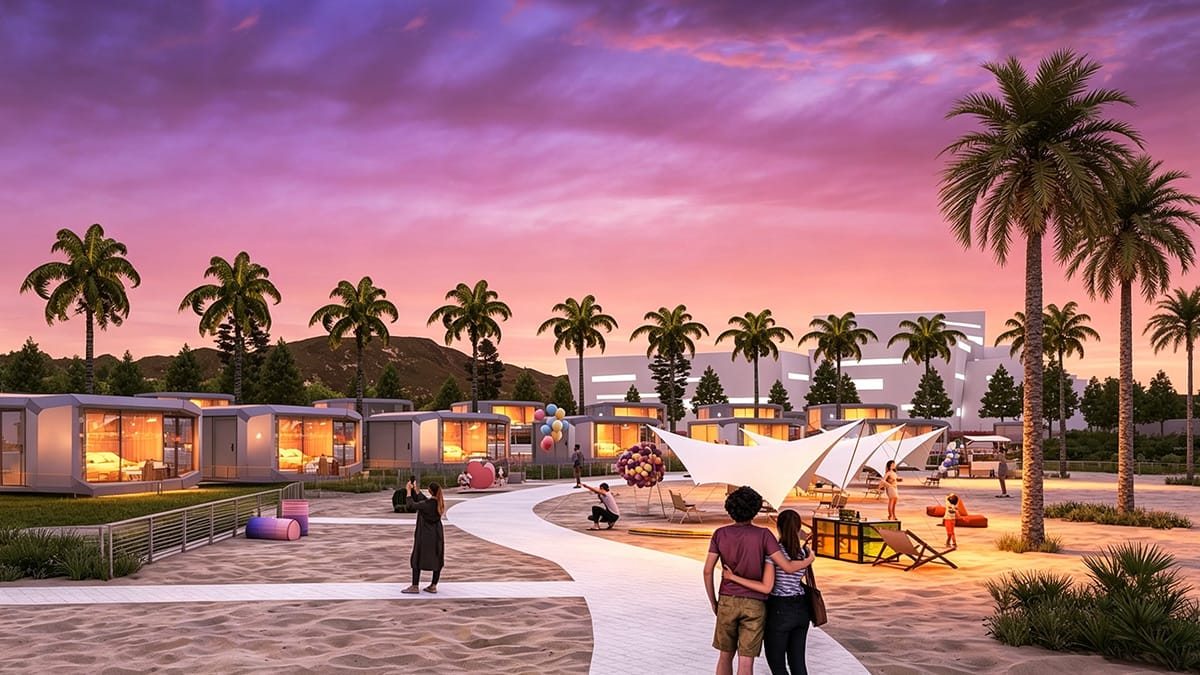
More travelers want places that are good for the planet. Capsule houses in hospitality are a great fit for this. They use recycled steel and wood to help nature. These homes have energy-saving systems that cut heating and cooling bills. Capsule houses need less land, so they do not hurt the environment. You can put prefab capsule hotels in faraway places without causing damage. This makes them great for eco resorts and glamping in the future.
Capsule houses in hospitality bring in guests who care about the earth. Many people want hotels with solar panels, smart lights, and water-saving tools. You find these features in prefab capsule hotels. Guests also like places with organic food, towel reuse, and electric car charging. Capsule houses give you all these things in a small, modern home.
Here is a quick look at how capsule houses compare to other lodging options:
Feature | Capsule Houses | Other Lodging Options |
|---|---|---|
Affordability | Budget-friendly | Often more expensive |
Environmental Design | Promotes green living | Varies widely |
Space Efficiency | Compact living space | Typically larger and less efficient |
Modern Amenities | Includes Wi-Fi, air conditioning | May lack modern features |
Privacy | Offers private sleeping areas | Shared accommodations common |
Capsule houses in hospitality also help glamping become more popular. You get a special stay that feels like camping but is more comfy and private. This makes them a top pick for people who care about the planet.
Versatile Rental Options
Capsule houses in hospitality are very flexible. You can use prefab capsule hotels for many kinds of guests. Solo travelers like the low price and privacy. Business guests enjoy comfort and being close to city centers. Digital nomads want Wi-Fi and a quiet place to work. Prefab capsule hotels give all these things.
Here is how different travelers benefit from capsule houses:
Traveler Segment | Key Needs | Capsule House Appeal |
|---|---|---|
Solo Travelers | Affordability, convenience, privacy | Cost-effective, compact, and secure accommodations |
Business Guests | Easy access to business districts, comfort | Well-suited for short-term stays and dynamic schedules |
Digital Nomads | Unique experiences, flexibility | Compact spaces with essential amenities for work and leisure |
You can rent prefab capsule hotels for one night or for a month. This helps you welcome more guests. The market for capsule houses in hospitality is growing quickly. Experts think it could be worth over $500 million in ten years. This shows that more people want prefab capsule hotels for glamping and travel.
Prefab capsule hotels also help glamping by being modular, mobile, and eco-friendly. You can move them to new places or use them for special events. This makes them a smart pick for people who want to try glamping or run a cool hotel.
Tip: If you want more guests and want to follow new trends, try adding capsule houses in hospitality to your property. You will make eco-conscious travelers happy and offer flexible rental choices for glamping in the future.
You can see that capsule houses are good for the planet. They use less energy than other homes. This helps you save money and makes guests happy. Here is a simple chart to show the differences:
Housing Type | Construction Energy | Operational Energy | Total Carbon Footprint |
|---|---|---|---|
Traditional Home | High | High | 48–60 tons CO₂/year |
Tiny Home | Moderate | Moderate | 18–25 tons CO₂/year |
Space Capsule | Low | Low | 8–12 tons CO₂/year |
Capsule houses have smart things like solar panels. They also use battery storage and collect rainwater. These features help you spend less and care for nature. Think about using capsule houses for your next hotel. You can help make travel better for the earth.
FAQ
What makes capsule houses eco-friendly?
Capsule houses use recycled steel and energy-saving lights. They have smart insulation to keep heat in or out. These choices help the planet by making less waste. They also save energy every day.
How do capsule houses save money for owners?
Owners spend less to build and run capsule houses. Prefab designs need fewer workers and materials. Water and electricity bills stay low because of efficient systems.
Are capsule houses comfortable for guests?
Guests get privacy and climate control in capsule houses. They have cozy beds, Wi-Fi, and quiet rooms. Smart technology helps make your stay nice and easy.
Can capsule houses work in different locations?
You can put capsule houses in cities, forests, or by beaches. Their modular design lets you move them without trouble. You can use them in many places and not hurt nature.