

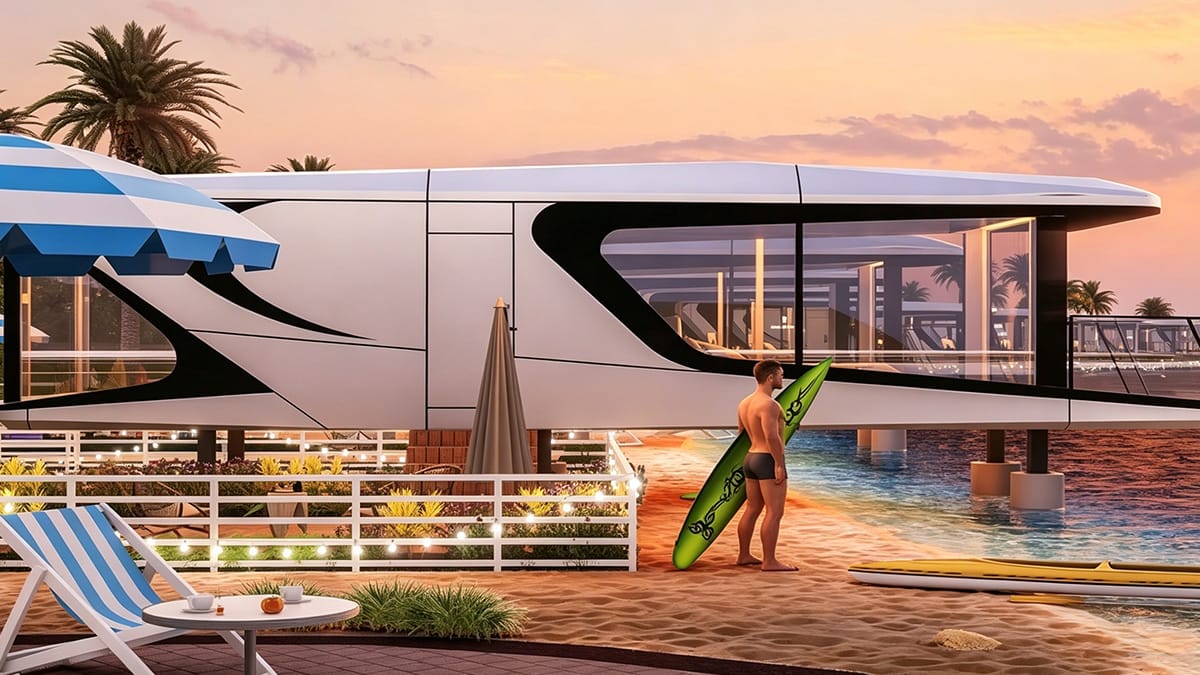
08 Jun Living in a Space Capsule House The Real Pros and Cons
So, is living in a space capsule house practical or worth your time? If you want a unique home that saves on cost and helps the planet, you might find it exciting. Many people love space capsule houses for their small footprint and clever use of space. Here’s what you’ll notice most:
Pros: cost-effectiveness, smart space use, mobility, eco-friendly living, and low upkeep.
Cons: tight living space, less privacy, tricky rules, comfort issues, and questions about resale value.
You’ll get a real mix of ups and downs—just like any home, but in a smaller package.
Key Takeaways
Space capsule houses are a cheaper way to live. You can save money when you buy one. You also pay less for water and electricity.
The smart design uses space well. You can use furniture for more than one thing. There are smart places to store your stuff. This makes small rooms feel bigger.
Living in a capsule house is good for the planet. It uses materials that are better for the earth. It also uses less energy to help the environment.
Think about the problems with small space and privacy. These things can change how comfortable you feel. They can also change how you live.
Stay in a capsule hotel or tiny home for a short time. This helps you know if you like this way of living. Try it before you decide to move in for good.
Practicality of Space Capsule Houses
Is Capsule Living Realistic?
You might wonder if a space capsule house can really work for daily life. The answer depends on your needs and where you live. These homes use smart design to fit everything you need into a small area. You get a bed, a kitchen, a bathroom, and even a spot to relax. The layout feels different from a regular apartment, but you can still enjoy comfort if you like cozy spaces.
Space capsule houses use strong materials like fire-resistant panels and corrosion-proof shells. The inner frame can handle earthquakes and wild weather. You can live in one even if you face hot summers or freezing winters. The insulation keeps you warm or cool, so you do not have to worry about extreme temperatures.
Here’s a quick look at what makes a space capsule house practical in different climates:
Factor | Description |
|---|---|
Material Performance | Outer shell made of corrosion-resistant FRP or fire-resistant composite panels. |
Structural Integrity | Inner frame designed to withstand seismic activity and extreme weather conditions. |
Insulation Capabilities | Capable of maintaining comfort in temperature variations from -30°C to 50°C. |
You can set up a space capsule house almost anywhere. Some people use them in cities, while others place them in the countryside or by the coast. You can even stack or link them together for more space. If you want to move, you can take your home with you. That makes these houses flexible and fun.
Everyday Experience
Living in a space capsule house feels different from a regular home. You get less space, but you do not lose out on comfort if you use the space well. The furniture often folds or slides away. You can turn your bed into a sofa or hide your table when you do not need it. Every inch counts, so you will find clever storage in the walls and under the floor.
You control many things with your phone. The lights, the heat, and even the air can adjust with a tap. Smart systems help you save energy and keep your bills low. The house uses LED lights and solar panels. The insulation cuts heating and cooling costs by up to 40%. You also get water-saving taps and rainwater collection, which helps the planet and your wallet.
Space capsule houses use recycled materials, so you lower your carbon footprint. You can feel good about your impact on the earth. These homes often meet green building standards, so you know they are safe and eco-friendly.
You might worry about privacy or noise. The walls use high-quality materials to block sound. You get your own space, even if you live close to others. Some people say it feels like living in a tiny hotel room, but with more style and control.
If you want to save on cost, a space capsule house can help. You spend less on heating, cooling, and repairs. You do not need to buy much furniture. You can even add more units if your family grows or your needs change.
Tip: Try a short stay in a capsule hotel or a tiny home before you buy a space capsule house. You will see if the lifestyle fits you.
Space capsule houses work best for people who like simple living and want to save money. You get a modern, green home that fits your life. If you want lots of space or love big gatherings, you might feel cramped. But if you want a smart, flexible, and affordable home, a space capsule house could be just right.
Pros of Space Capsule Houses
 Affordability
 Affordability
You might wonder if a space capsule house saves money. The answer is yes. These homes cost much less than regular houses in big cities. You pay less at first, and you keep saving later. Utility bills are lower because the design uses energy well. Property taxes are also less. You get more for your money and a better return.
Here’s a quick look at how costs compare:
Housing Type | |
|---|---|
Space Capsule House | $20,000 – $100,000 |
Traditional Homes | High upfront costs |
Tiny Houses | Average $67,000 |
Container Homes | $25,000 – $250,000 |
You can find flexible ways to pay. Some companies let you pay nothing down, approve you fast, and offer creative plans. You can lease a capsule house or get a loan that fits your budget. This makes owning a home easier, especially if you want to start small or need a business space.
Tip: Look for energy-saving features in a space capsule house. You will save even more each month.
Space capsule homes can be up to 30% cheaper than regular homes.
Energy efficiency means you spend 40-50% less on bills.
You pay less for utilities and maintenance over time.
Space Optimization
Space capsule houses are great at using space well. Your home feels bigger than it looks. Designers use every inch wisely. You see tall storage, foldable walls, and furniture that changes. Beds turn into desks, tables fold away, and hidden storage keeps things neat. You can use outdoor space for different activities.
Design Feature | Description |
|---|---|
Vertical Storage Solutions | Maximizes height with ladder-accessible compartments, improving efficiency. |
Multifunctional Furniture | Furniture that serves multiple purposes, such as sofa beds and foldable tables, enhances usability. |
Natural Light Enhancement | Panoramic windows and ventilation systems create a sense of spaciousness and comfort. |
Smart Technology Integration | Compact smart home technologies enhance functionality without taking up additional space. |
Open Floor Plan | Eliminates unnecessary walls, promoting airflow and a sense of spaciousness. |
Built-in Storage Solutions | Incorporates storage within the design to maximize space utilization. |
Compact Appliances | Deliver full functionality while consuming less space than traditional options. |
Advanced Materials | Lightweight composites and sound-dampening materials improve comfort and efficiency. |
Flexible Room Configurations | Adaptable spaces that change according to lifestyle needs throughout the day. |
Integrated Water and Waste Systems | Innovative engineering allows for minimal footprint while maintaining functionality. |
Designers use modular ideas to make every corner useful. You get efficient space, so you do not feel cramped. If you like small living or want a home that adapts, a capsule house is smart.
Tall storage makes rooms more efficient.
Furniture that changes helps in small spaces.
Modular furniture lets you change your room fast.
Environmental Sustainability
If you care about the planet, a space capsule house is a good choice. These homes use eco-friendly materials like aviation-grade aluminum, galvanized steel, and insulated panels. The materials last long and can be recycled. Modular construction cuts waste by up to 60%. Less trash goes to landfills.
Housing Type | |
|---|---|
Traditional Home | 48–60 tons CO₂/year |
Tiny Home | 18–25 tons CO₂/year |
Space Capsule | 8–12 tons CO₂/year |
You can add solar panels and smart tech to control energy and water use. This helps you live greener. You use less energy, make less pollution, and help the earth. If you want to live sustainably, a capsule house is a great start.
Galvanized steel can be recycled and lowers repair costs.
Polyurethane insulation keeps your home comfy and cuts pollution.
Modular building reduces waste and protects the environment.
Energy Efficiency
You save lots of energy in a space capsule house. The special shape and strong insulation keep your home warm in winter and cool in summer. You use up to 65% less energy than a regular apartment. This means lower bills and a smaller carbon footprint.
Space capsule homes have advanced insulation and design.
You need less heating and cooling, so you save money.
Solar panels and smart systems help you use only what you need.
If you want a micro home that supports the planet, energy efficiency is a big win.
Smart Home Features
You get modern smart home features in a space capsule house. You can control lights, climate, and security with your phone. Automated climate systems cut energy costs by 20-30%. You can check your energy use and change settings from anywhere.
Automated lights and climate controls make life easier.
Security systems keep you safe.
IoT sensors and battery systems make your home reliable.
You also get big windows with motorized privacy controls and adaptive lighting. These features make your home feel modern and comfy. If you love technology, you will enjoy living in a capsule house.
Low Maintenance
You spend less time and money on upkeep in a space capsule house. The materials are tough and resist bad weather. You do not worry about rust, leaks, or repairs. Most capsule houses use galvanized steel and insulated panels, so they last longer and need less care.
Feature | Space Capsule Houses | Traditional Homes |
|---|---|---|
Maintenance Costs | Generally lower due to durable materials | Typically higher due to varied materials and upkeep requirements |
Durability | Built with weather-resistant materials | Varies widely, often less durable |
Repair Needs | Less frequent repairs needed | More frequent repairs required |
Upkeep | Minimal upkeep required | Regular maintenance and upgrades needed |
You get more free time and peace of mind. If you want a home that is easy to care for, a capsule house is a smart pick.
Note: Low maintenance means you can enjoy your home more and fix it less.
The pros of space capsule houses make them a top choice for people who want to save money, use space well, help the planet, and live in a modern way.
Cons of Space Capsule Houses
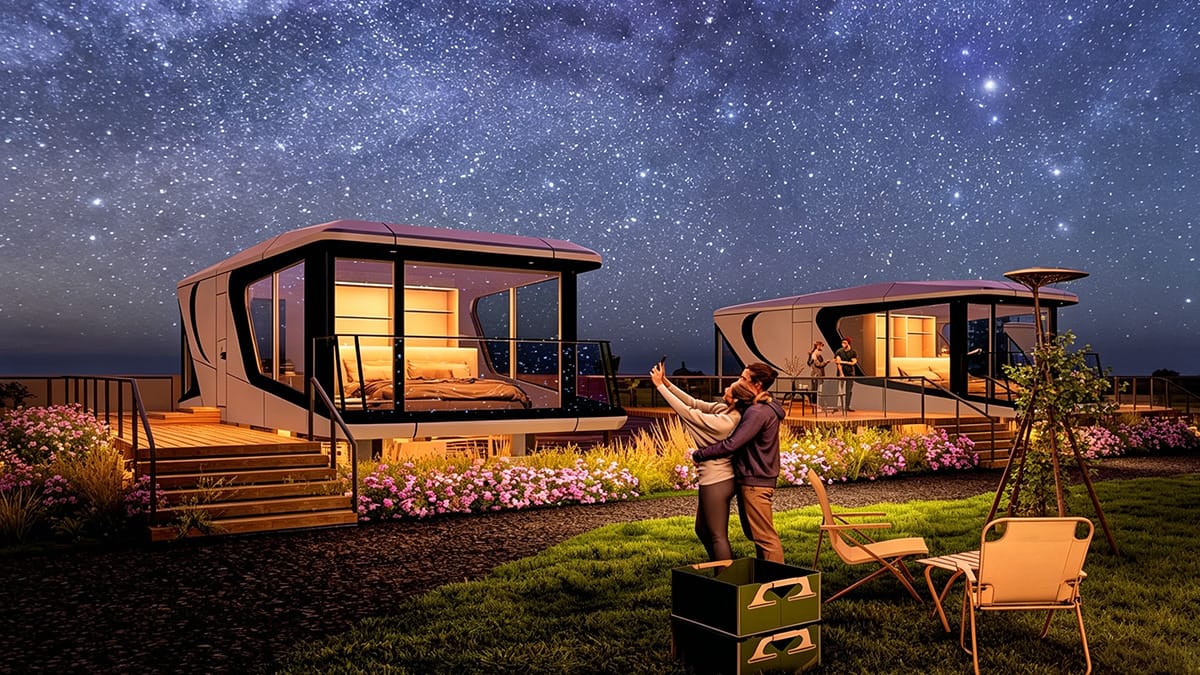 When you think about living in a capsule house, you should know the challenges. These homes have good points, but they also have some downsides. Let’s look at the main cons you might deal with.
Limited Space
You will see the small space right away. Capsule houses come in different sizes, but even the biggest ones are smaller than regular homes. Here’s a simple breakdown:
Size Tier | Square Footage | Typical Occupancy | Key Features |
|---|---|---|---|
Small | 96—250 sq ft | 1—2 occupants | Foldable beds, integrated wet pods, loft storage |
Medium | 251—400 sq ft | 2—3 occupants | Kitchenettes, multi-functional furniture, zoned living |
Large | 401—500 sq ft | Small families | Separate bedrooms, living areas, balconies |
Custom | 500+ sq ft | Flexible configurations | Bespoke layouts with premium amenities |
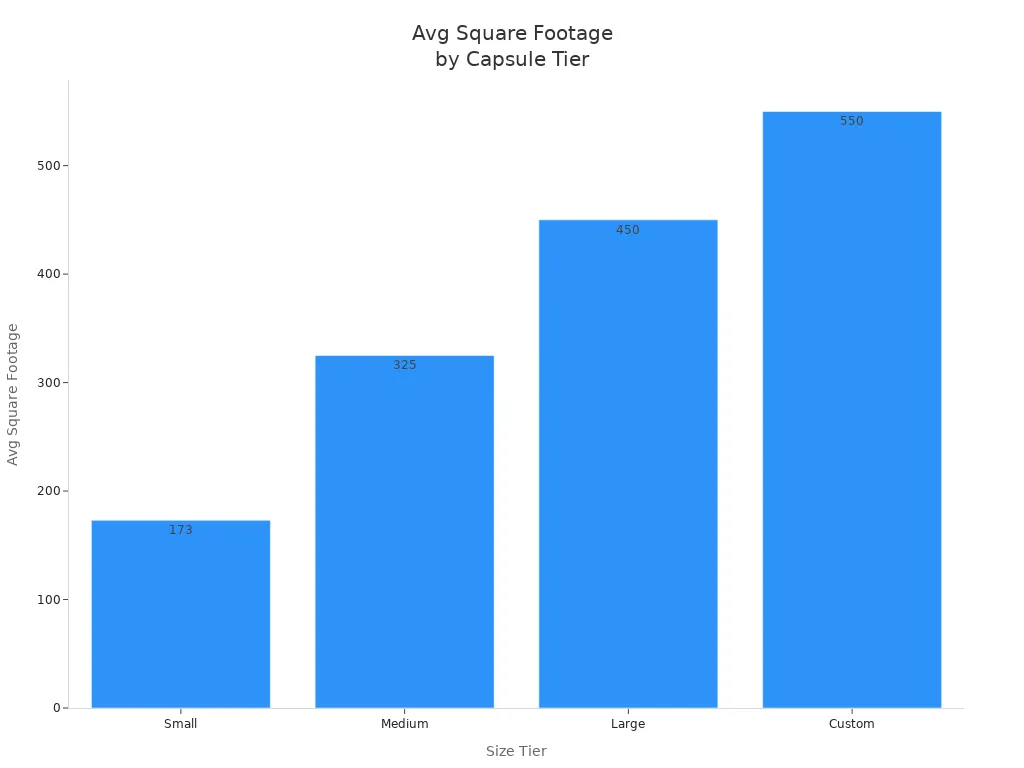
If you pick a small capsule house, you might live in less than 250 square feet. Designers use foldable beds and small bathrooms to save space. You get tall storage and furniture that changes shape, but you still need to change your habits. In medium-sized homes, movable walls let you make different areas for sleeping, eating, or working. This helps, but you may still feel crowded, especially if you share your space.
Most people only use a few rooms in their regular home each day. Capsule houses focus on the spaces you use most, like the kitchen and bedroom. You won’t find extra rooms or unused corners. You need to stay neat and use built-in storage to keep things tidy. If you like to collect stuff or need lots of room, the small space can be hard.
Tip: Keep only what you use often. Donate or store the rest to make your space feel bigger.
Privacy Issues
Privacy can be a big problem in a capsule house. Even though the walls block sound well, you still live close to others if you are in a capsule community. Here’s how privacy compares:
Housing Type | Sound Insulation | Privacy Rating | Neighbor Distance | Living Comfort |
|---|---|---|---|---|
Space Capsule House | Excellent | High | Variable | Superior |
Tiny House | Good | Medium | Close | Good |
You get better soundproofing than many tiny homes, but you might still hear your neighbors. If you live alone, you may not mind. If you share your capsule house or live in a group, you might want more space between you and others. Sometimes, thin walls let in noise from outside or nearby units. You may also feel like you have less personal space, especially if you work or study at home.
Note: If privacy matters to you, look for capsule houses with extra soundproofing or pick a spot farther from busy areas.
Comfort Challenges
Comfort is important, and capsule houses can make this tricky. Many people say the small space feels cramped after a while. Most capsule houses have an inside area of 20–25 square meters. That’s enough for one or two people, but it can feel tight if you stay inside for a long time.
Some common comfort problems include:
Insulation problems: Standard capsule houses sometimes have weak insulation. You might feel too hot in summer or lose heat fast in winter.
Soundproofing: The soundproofing is better than some micro-apartments, but not as good as a regular house. You may hear noises from outside or other units.
Space: The small area means you need to use every inch wisely. You might have to fold up your bed or table every day to make room.
Designers try to help by using furniture that changes and built-in storage. You can fold your bed into the wall or turn your table into a desk. This helps, but you still need to change your routine. If you like to spread out or have friends over, you may find the space limiting.
Callout: If you want more comfort, look for capsule houses with better insulation and climate control. Some models offer upgrades that make a big difference.
Regulatory Barriers
You might face rules that make it hard to own or place a capsule house. Many cities have zoning laws that require a minimum size for homes. Capsule houses often do not meet these rules. Getting a building permit can be tough, especially in cities where the codes do not fit this kind of home.
Here are some common barriers:
Local zoning laws may require more square footage than your capsule house offers.
Building permits can take a long time or cost more because the rules are not made for capsule homes.
Some places need extra safety tests and certifications, which can delay your project and raise the cost.
You must follow local codes for safety, electricity, plumbing, and fire protection.
Zoning rules may limit where you can put your home or how close it can be to other buildings.
If you want to live in a capsule house, you need to check the rules in your area first. Some places welcome these homes, but others make it hard to get started.
Tip: Talk to local officials before you buy or build. This can save you time and money later.
Living in a capsule house gives you freedom but also brings challenges. The cons—like limited space, privacy issues, comfort problems, and rules—are real. You need to think about these before you decide if this lifestyle fits you.
Real-Life Uses of Capsule Houses
Urban Solutions
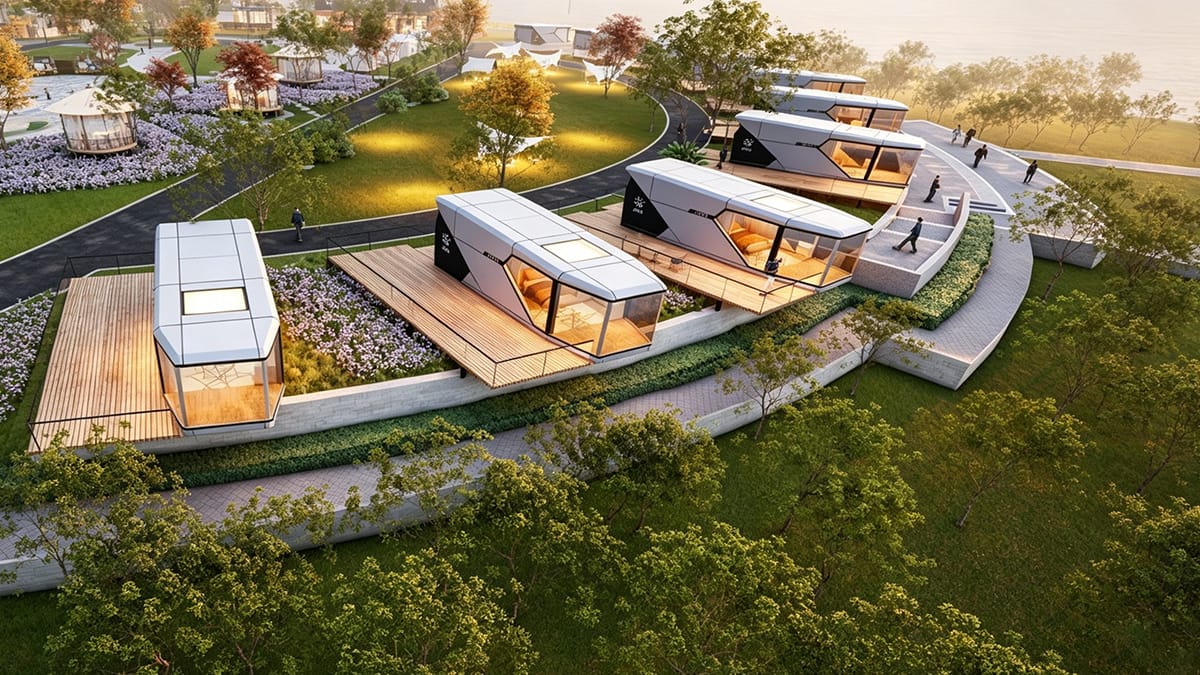 Urban Solutions
Capsule house designs are showing up in many cities now. These homes help with problems like crowded places and high rent. City planners use capsule houses to make cities better for everyone. You might see them in small spaces, on rooftops, or in parking lots. They fit where regular homes cannot go.
Cities often use capsule houses for people who need a place fast. After a disaster, you can stay in a capsule house while your home is fixed. Some cities put capsule houses near schools or hospitals. Students and workers can live there without paying a lot. Capsule houses also help cities use less land and fewer resources.
Tip: In a busy city, try a capsule house for a short stay or as your first home.
Who Benefits Most
You may ask who likes living in capsule houses the most. People who want small, flexible homes often pick capsule houses. Young workers, students, and travelers find them just right. If you move a lot or need a place for a short time, a capsule house is a good choice.
Families who want to live smaller or greener also like them. You can use capsule houses as guest rooms, offices, or vacation spots. People who care about the planet like capsule houses because they help save energy and cut waste. If you want a simple life, a capsule house can change to fit what you need.
Group | How Capsule Houses Help |
|---|---|
Students | Affordable, close to campus |
Young Professionals | Flexible, easy to relocate |
Disaster Victims | Quick, safe temporary accommodation |
Urban Planners | Supports sustainable urban development |
Families | Extra space, guest rooms |
Capsule houses work for many people. You get a smart, new kind of home that fits your life and helps your city.
Capsule House Living Tips
Choosing the Right Capsule House
Start by thinking about what you need most. Your home should match your lifestyle and follow local rules. Always check the zoning laws and building codes in your area. Ask about community rules and see what neighbors think. Here’s a table to help you look at the legal parts:
Legal Aspect | Description |
|---|---|
Shows what permits you need for your area | |
Building codes | Lists safety and size rules to follow |
Local ordinances | Community rules that affect your plans |
Inspections | Checks to make sure your home is safe |
Community feedback | Shows if people like or dislike the idea |
Think about things like how strong the materials are and if they are good for the planet. Decide if you want just one unit or a setup you can change later. Make a budget and think about how much money you might save in the future. Some capsule houses cost more at first because of better materials, but you save money over time.
Maximizing Small Spaces
You can make your small home feel bigger with smart ideas. Start by cleaning up and getting rid of things you do not use. Use tall shelves and hidden spots to store your stuff. Pick furniture that does more than one job, like a bed that turns into a sofa. Modular designs let you move things around when you need to.
Get rid of things you do not need to save space.
Buy furniture that can be used in different ways.
Use tall shelves to store more things.
Tip: Keep your home neat and simple. You will feel happier and more relaxed.
Adapting to Capsule Living
Living in a capsule house means you need to change some habits. It takes time to get used to living in a small space. Doing things outside and using extra modules can help you feel less closed in.
“It takes time to get used to small spaces. Try going outside or adding more space if you need it. Some people like small homes, but others who are used to big houses may find it hard.”
You may have smaller parties or spend more time outside. Living close to others means you need to talk and listen well. Think about yourself and if this way of living is right for you. Studies show people in capsule houses feel less stress and enjoy a calm, green home. The simple style helps you focus and makes your home feel peaceful.
Future of Capsule Houses
Trends and Innovations
 Trends and Innovations
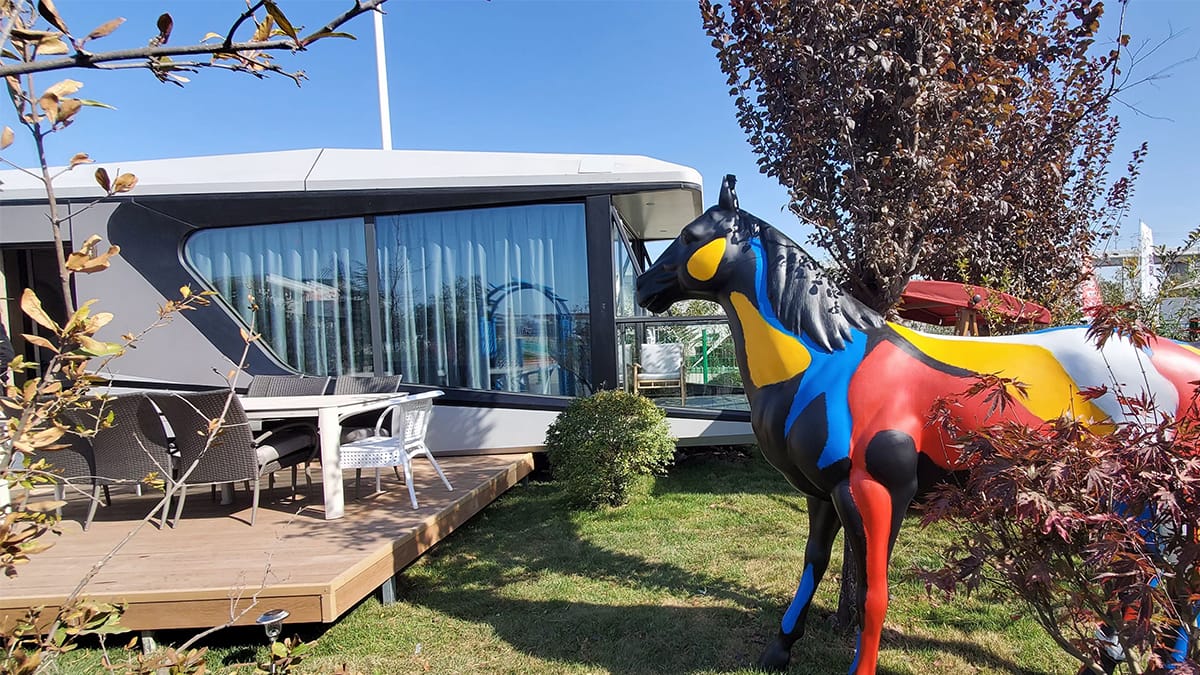
You may ask what will happen next with capsule houses. The future looks fun and full of new ideas. Designers use shapes that look like spaceships. These homes have simple outsides that are easy to spot. Builders use cool tools like 3D printing and prefabrication. These ways help build homes faster and for less money.
Here are some trends you will see:
Smart home tech lets you use your phone to control things.
Modular designs let you add or take away rooms as you need.
Futuristic styles fit in cities or nature.
Community spaces help you meet and talk with neighbors.
Look at this table to see what is new:
Trend/Innovation | Description |
|---|---|
Sustainability | Focus on saving energy and using eco-friendly materials. |
Modularity | Easy to change or grow your home. |
Smart Technology Integration | Use smart devices for comfort and control. |
Aesthetic Appeal | Cool, modern looks for any place. |
Community-focused Designs | Shared areas for social life. |
3D Printing Advancements | Faster and easier building. |
Personalization Options | Custom features for your style and culture. |
Capsule houses are changing how people think about homes. You get more choices and better ways to use space. This makes you want to try new ways to live.
Environmental Sustainability in the Future
You will see more focus on helping the planet soon. Capsule houses use closed-loop recycling to make less trash. Builders reuse steel and aluminum many times. Many homes meet eco-friendly rules like ISO 14001.
Here’s how these homes help the earth:
Solar panels and energy-saving appliances cut your bills.
You use less energy and fewer resources than in a regular house.
Capsule houses let you change your space as your life changes. You can add a bedroom or office if you need it. This means less waste and more smart use of space.
Evidence Type | Description |
|---|---|
Closed-loop recycling | Reuses materials to make less trash. |
Material recycling | Uses recycled steel and aluminum for green building. |
You help shape the future by picking a capsule house. You support new tech that helps the planet and makes life easier. The future will bring smarter, greener, and more flexible homes for everyone.
You now know the main good and bad parts of living in a space capsule house. These homes let you save money and help the earth. They work well in cities. Sometimes you might feel crowded or wish for more privacy. Smart design makes these problems easier to handle. Look at this table to see important things to think about:
Factor | Description |
|---|---|
Size and Space Considerations | Using space wisely and clever storage help small homes feel bigger. |
Design and Layout Preferences | Bright lights and smart technology make your home comfy and cool. |
The Importance of Location | Think about the weather and how close you are to water and power. |
Budget Limitations | Choose cheaper materials to spend less money. |
Safety and Durability | Strong, weather-proof parts keep your home safe and lasting. |
Decide what matters most to you. Living in a capsule house could be a fun new experience!
FAQ
Can you live in a space capsule house year-round?
Yes, you can live in a space capsule house all year. The insulation keeps you warm in winter and cool in summer. You get comfort in most climates. Some models even handle extreme weather.
How do you get water and electricity in a capsule house?
You connect your capsule house to city utilities or use solar panels and rainwater systems. Many homes come with built-in plumbing and wiring. You can choose eco-friendly options if you want to save money.
Is it hard to clean a space capsule house?
Cleaning is easy. The small space means you spend less time on chores. Most surfaces wipe clean quickly. You do not need many cleaning supplies. You can keep your home neat with simple routines.
Can you move a capsule house to a new location?
You can move most capsule houses. The design lets you transport them by truck or crane. You set up your home in a new spot without much trouble. This makes capsule houses flexible and fun.
Are capsule houses safe during storms or earthquakes?
Capsule houses use strong materials and smart engineering. You get protection from storms and earthquakes. The frame resists shaking and wind. You stay safe in most weather conditions.