
07 Apr The Pros and Cons of Using Capsule Houses for Glamping in 2026
Wondering if a capsule house for glamping fits your 2026 adventure plans? You get a unique blend of affordability, smart use of space, and eco-friendly vibes. Many people love the privacy and comfort, but you might notice tight quarters and need time to adjust. Rules and building codes can slow things down. If you want something fresh and trendy, these tiny homes stand out in the world of glamping.
Key Takeaways
Capsule houses are comfortable and good for the environment. They are a popular choice for glamping in 2026. They give more privacy than regular sleeping pods. They also have more things to use inside. This makes guests enjoy their stay more. Capsule houses do not cost a lot to keep up. They also use less water and power. This helps you save money. The design lets you set them up fast. You can also move them to new places easily. This helps when guests want different things or if you change locations. Capsule houses are good for the planet. They use materials that do not harm nature. They also save energy. This is good for the earth and your money.
Capsule House for Glamping: What to Know
Key Features of Capsule Houses
When you think about glamping, you may imagine a tent or a cabin. Capsule houses are different and new in tourism. These homes are small and modern. They give you your own space with real walls and doors that lock. You get more space than a sleeping pod. Most capsule houses are between 20 and 60 square meters. This gives you room to move and relax, even though the house is small.
Capsule houses use smart design and technology. Here are some things you might find:
Advanced insulation with double tempered hollow low-E windows helps keep you warm in winter and cool in summer.
Smart home systems let you use your phone to control lights, locks, and temperature.
Modern design makes your stay look nice and feel new.
Eco-friendly materials help the environment.
Superior sound insulation keeps noise out, so you can have quiet time.
Comfort-focused amenities, like climate control and a small kitchen, make your stay simple.
You get both comfort and nature. Many people like how these homes mix comfort with a simple lifestyle.
Comparison with Other Glamping Options
Capsule houses give you more than just a bed. Here is how they compare to sleeping pods:
Feature | Capsule Houses | Traditional Sleeping Pods |
|---|---|---|
Space | Around 2 cubic meters | |
Privacy | Full walls, lockable doors | Minimal privacy |
Amenities | Climate control, kitchen, smart tools | Basic sleeping arrangements |
Sustainability | Recycled materials, lower carbon footprint | Standard construction methods |
If you want more privacy, better features, and a greener stay, capsule houses could be best for you. They are trendy and give you a special way to enjoy the outdoors.
Pros of Capsule Houses in Glamping Tourism
 Cost-Effective and Low Maintenance
 Cost-Effective and Low Maintenance
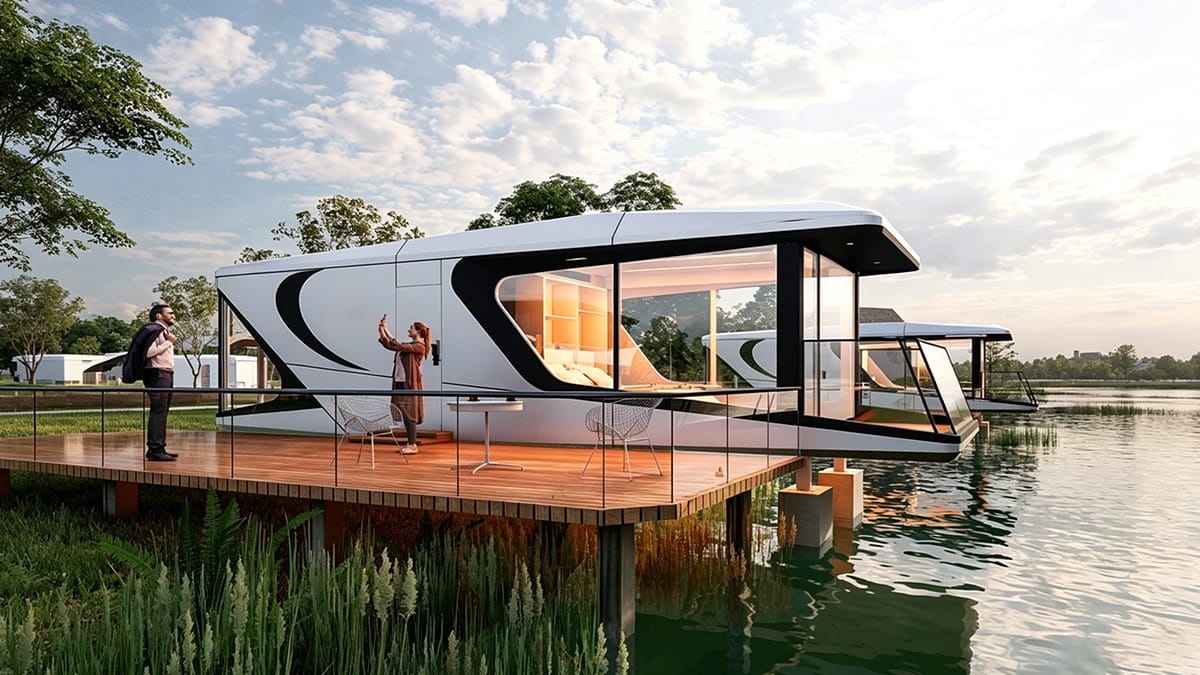
Capsule houses can save you a lot of money. They cost less to build and fix than regular glamping cabins or tents. Here are some things you should know:
Insurance for a capsule house is about $400 to $1,200 each year.
Property taxes are usually $500 to $3,000 per year.
It is smart to keep 10% of your budget for surprise costs.
Capsule houses also help you spend less on running your site. Look at this table to see how they compare:
Feature | Benefit |
|---|---|
Modular Design | Up to 60% faster setup, so you pay less for workers. |
Sustainability | Uses less energy, recycled materials, and makes less pollution. |
Maintenance & Repair Costs | $200–$2,000 each year, and powder-coated outsides last longer. |
Utility Bills | $100–$300 a month; off-grid options can save more money over time. |
Lifespan | Lasts 25–50+ years, so you do not need to replace them often. |
You get more value for your money and do not have to fix things as much. The good things about capsule houses are lower bills and less work to keep them nice.
Space Efficiency and Comfort
Capsule houses use space very well. You get more room to use than in many other glamping places. See these tables for a quick look:
Layout Feature | Dome House Capsule Hotel | Conventional Capsule Hotel |
|---|---|---|
Usable Floor Area (%) | 72–78 | |
Corner Utilization | High (curved, no wasted space) | Low (square corners wasted) |
Centralized Amenities | Easy | Hard |
Feature | Dome House Capsule Hotel | Rectangular Capsule Hotel |
|---|---|---|
Circulation Path Length | 20–30% shorter | Long hallways |
Storage Integration | Curved, under beds | Straight, separate |
Common Area Space Saved | 15–22% | 5–9% |
The layout makes every bit of space useful. You can move around easily, even though the house is small. Capsule houses are also comfy, like bigger glamping cabins. People who stay in them often give better reviews than those who stay in tents or pods. You get a cozy, private place that feels just right.
Glamping cabins last 10–15 years, but tents last only 3–5 years.
Cabins cost more each night, but you get more comfort and pay less to fix them.
Guests give capsule houses higher ratings on booking websites.
The good things are clear: you get comfort and smart design in a small space.
Mobility and Flexibility
Capsule houses are easy to move and set up. You can put them almost anywhere you want. This helps both owners and guests. The modular design lets you add more houses fast, sometimes 20 in less than two weeks. This means you can get ready for busy times or special events quickly.
Fast setup means you make money sooner.
You do not pay as much for workers because it is quick.
You can move capsule houses to places where more people want to stay.
Being able to move and change things makes capsule houses a smart pick if you want to keep up with new trends or what guests want.
Sustainability and Minimalist Appeal
Many people pick capsule houses because they are good for the planet. These homes use recycled stuff and save energy. They do not need much power to heat or cool, which is good for nature and your wallet. Here are some green features:
Environmental Benefit | Description |
|---|---|
Made with recycled steel and wood, so they are better for the earth. | |
Energy-efficient systems | Use less energy for heating and cooling, so you save power. |
Low impact on land | Need little building work, so the land stays natural. |
Perfect for remote areas | Do not harm the environment, so they are good for wild places. |
Use of renewable energy | Have solar panels to make their own electricity. |
Rainwater collection systems | Can catch and use rainwater for cleaning and washing. |
Capsule houses also help you live simply. You get a neat space with less stuff, so you can relax and think clearly. Lots of sunlight and fresh air make the house feel open and nice. Many guests say this simple style helps them feel calm and happy.
Aspect | Impact on Guest Satisfaction and Mental Well-Being |
|---|---|
Makes you feel peaceful and less stressed | |
Natural light and ventilation | Gives you clean air and a nice place to stay |
Focus on essential possessions | Helps you enjoy simple things and feel more content |
The good things about a simple, green capsule house are more than just saving money. You help the earth and enjoy a calm, tidy place.
Tip: If you want glamping that is modern, green, and peaceful, a capsule house could be just right for you.
Cons of Capsule Houses for Glamping
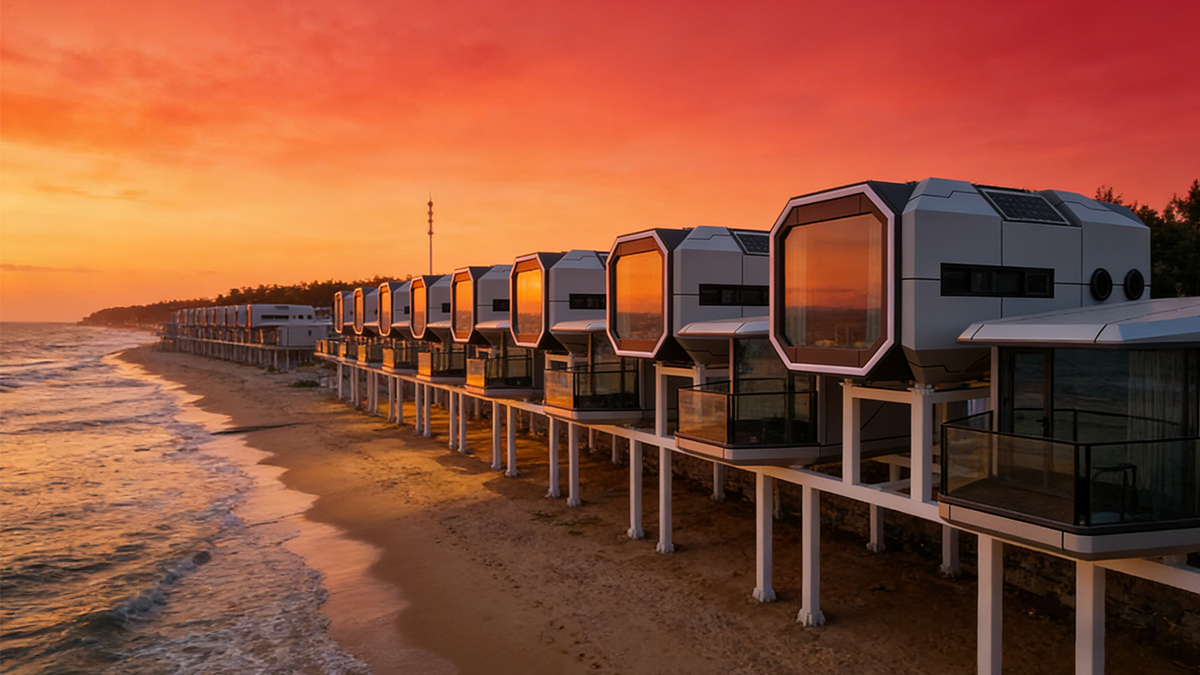 Capsule houses have good points, but there are also some problems. You should think about these before you decide to use them. These issues can change your experience, especially if you want to host families or groups. Local rules can also make things harder.
Limited Space for Groups
Capsule houses are small inside. Most are only 10 to 30 square meters. This makes it hard to fit many people. If you want to host a family or group, the space will feel tight. Guests might not like sharing bathrooms or using a small kitchen. There is not much room for storage, so it can get uncomfortable.
Rules and land laws can make things even harder. Some places need a big lot or limit how many houses you can have. Building codes may ask for special foundations. This is tough if the land is not flat. You might need extra permits or upgrades. This can slow down your plans and cost more money.
Privacy and Comfort Challenges
Privacy is sometimes a problem in capsule houses. The units are close together and small. You might hear noise from neighbors or outside. This can make it hard to sleep or relax. Many people say the sound insulation is not good, especially in busy glamping spots.
Even if you have a lockable door, the space is still small. You might feel crowded or not have enough privacy. This is a big deal if you want a quiet place. People like their own space, and when they do not have it, they are less happy.
Regulatory and Zoning Issues
Local rules can be hard for capsule house owners. Some places call these homes RVs, ADUs, or modular buildings. Each type has different rules. You often need to fill out paperwork before you buy a unit. You must check local laws to avoid problems.
Zoning laws say how far houses must be from property lines. They also set height limits, like under 16 to 25 feet. These rules can slow down or stop your project.
Local government rules also matter. You need building or living permits to use the house. Some places want permits for electric, water, or plumbing work. This can make your project take longer. Some land rules do not allow capsule houses at all, which makes it harder to set them up.
Psychological Adjustment to Small Living
Living in a capsule house means you need to think differently. The small space can feel tight, especially if you are used to bigger places. It can be hard to get used to less storage and being close to others.
Many people find small spaces need a new way of thinking. You have to like simple living and less space. Some people feel trapped or uncomfortable, especially if they stay a long time.
Moving to a small house can be tough for some guests. People who are used to big homes may feel closed in or upset at first. This is even more true for families or groups who want more room.
Practical Tips for Choosing a Capsule House
Assessing Needs and Budget
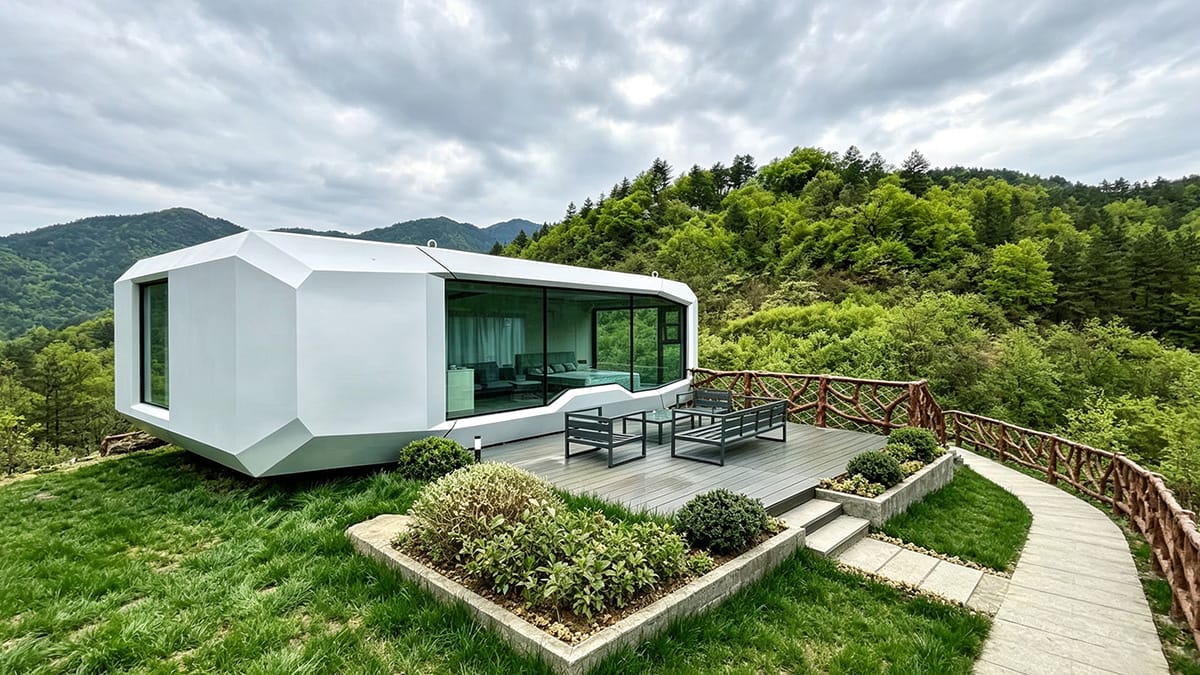 Assessing Needs and Budget
You want your glamping trip to fit your needs and money. First, think about how much space you need. Decide how you will use the space. Capsule houses have different foundation types. Look at this table to see which one works for your site:
Foundation Type | Description |
|---|---|
Pier foundations | Minimal ground disturbance, good for uneven land |
Concrete slabs | Maximum stability for permanent setups |
Skids or trailer bases | Easy to move, no permanent footings needed |
Storage is important in small homes. Plan where you will put your things. Maintenance is not the same as regular houses. Make sure you know what you will need to do. Heating, cooling, and sound insulation matter for comfort. You can pick things like underfloor heat, cross-vent ways, and layered walls for quiet nights.
Site and Location Factors
Capsule houses can go in many places. You can set them up in woods, on beaches, or in mountains. Some models have balconies so you can enjoy nature more. Almost two-thirds of glamping guests want eco certifications. Picking a green site can bring more visitors. Capsule houses use about 40% less space than cabins. You can fit more units and give better views. You can move them if you need to. This helps protect nature and lets you change for seasons.
Customization and Upgrades
You can make your capsule house feel unique. Flexible floor plans let you design the space for your needs. Upgrade choices include heated floors, voice-controlled AI, marble counters, touch screens, and LED lights. Check this table for ideas:
Customization Feature | Description |
|---|---|
Flexible Floor Plans | Spaces made just for you |
Upgrade Options | Heated floors, smart tech, luxury finishes |
Comfort and Aesthetics | Features for better comfort and style |
Eco-friendly upgrades like solar panels and rainwater systems help you save money and connect with nature.
Maintenance and Durability
Capsule houses last a long time if you care for them. They use strong materials like aviation-grade aluminum and anti-seismic steel. You get wind resistance up to 70 m/s and earthquake resistance up to magnitude 9. With good care, they can last over 50 years. They are also 65% more energy efficient than regular buildings. You spend less time and money fixing things. This lets you enjoy your glamping trip more.
Tip: Think about your needs, location, and how much you want to customize. Picking the right capsule house can make your glamping trip easy and fun.
Future of Capsule Houses in Glamping and Tourism
Trends for 2026 and Beyond
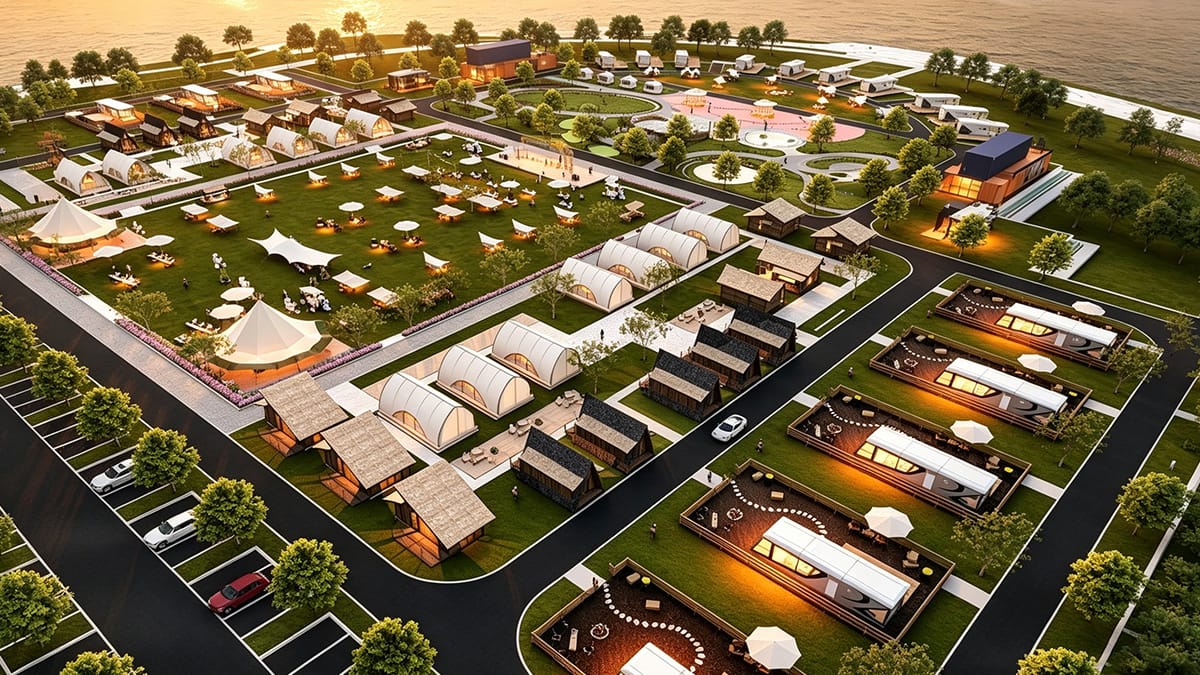 Trends for 2026 and Beyond
You may wonder what will happen next with capsule houses in glamping and tourism. The future looks bright and full of new ideas. Many young travelers want a cool place to stay that feels special and uses technology. You will see more capsule homes with smart features, like voice controls and apps. These upgrades make your stay easier and more fun.
Capsule houses use space in smart ways. You can find them in busy cities where land is expensive. Their modular design lets you set up or move them fast. This helps tourism operators keep up with trends and what guests want. Here are some trends you will see:
More people want stays that feel personal and use technology
Capsule homes showing up in cities with high land prices
Quick setup and easy moving to new places
Smart features that attract guests who love tech
Social media buzz from the cool look and branding
Capsule houses also help the environment. Many use eco-friendly materials and save energy. You help the planet while enjoying comfort and style.
Tourism operators like how fast they can start new capsule projects. They spend less money at first and can add more units when more guests come. Factory-built units mean better quality and less mess at the site.
Benefit | Description |
|---|---|
Faster project launch | Modular units can be ready much quicker than regular buildings. |
Minimal on-site construction | Less building work needed at your glamping site. |
Factory-built quality control | High standards for every capsule. |
Flexible expansion | Add more capsules as your business grows. |
Who Should Consider Capsule Houses?
Capsule houses are good for many people in hospitality and tourism. You may like them if you want a special place to stay or care about the environment. Here are some types of operators who benefit most:
Type of Operator | Description |
|---|---|
Resort Accommodations | Resorts that want to offer something special and modern. |
Glamping Sites | Places that mix camping with comfort and style. |
Rental Properties | Owners who rent out short-term micro homes for travelers. |
Outdoor Hotels | Hotels in nature that use eco-friendly materials and designs. |
Micro-Lodging Solutions | Budget-friendly options for guests who like small, efficient spaces. |
You may also like capsule homes if you want to try something new, live simply, or travel light. Capsule houses give you a cozy, modern space that feels different from regular hotels. If you value flexibility, comfort, and a strong connection to nature, these micro homes could be your next favorite way to travel.
Tip: If you want to stand out in hospitality or offer guests a fresh, eco-friendly stay, capsule houses are a smart choice for the future.
When you think about the good and bad sides of capsule houses for glamping, you notice they use space well, save energy, and look different from other homes. Here’s a simple table to help you see the differences:
Types | Pros | Cons |
|---|---|---|
Capsule house | Quick to build, costs less, saves energy, easy to move, cool style | Hard to get loans, not easy to sell, not much room |
Traditional home | Goes up in value, easy to get loans, can change the inside | Takes longer to build, costs more, uses more energy |
Think about what matters most to you before you choose. If you want lots of guests, care about the planet, and want a trip to remember, capsule houses are a great pick. If you need a bigger place or want to get a loan easily, you might like other choices better. Always check the rules in your area before you decide. Glamping will keep changing, so there may be new good and bad points in the future.
FAQ
 FAQ
FAQWhat makes capsule houses different from tiny homes?
You get a more compact, modular design with capsule houses. They focus on smart use of space and quick setup. Tiny homes often feel more like small traditional houses. Capsule houses usually offer more tech features and easy mobility.
Can you stay in a capsule house year-round?
Yes, you can! Most capsule houses have strong insulation and climate control. You stay warm in winter and cool in summer. Just check the model for weather ratings before you book or buy.
How do you keep your capsule house private?
You can use blackout curtains, soundproof panels, or privacy screens. Many capsule houses come with lockable doors and smart locks.
Tip: Ask about extra privacy features before you book your stay.
Is it hard to clean and maintain a capsule house?
No, it’s pretty easy! The small size means you clean up fast. Most surfaces wipe down quickly.
Use a handheld vacuum
Wipe with eco-friendly cleaners
Check seals and windows every month
broom