
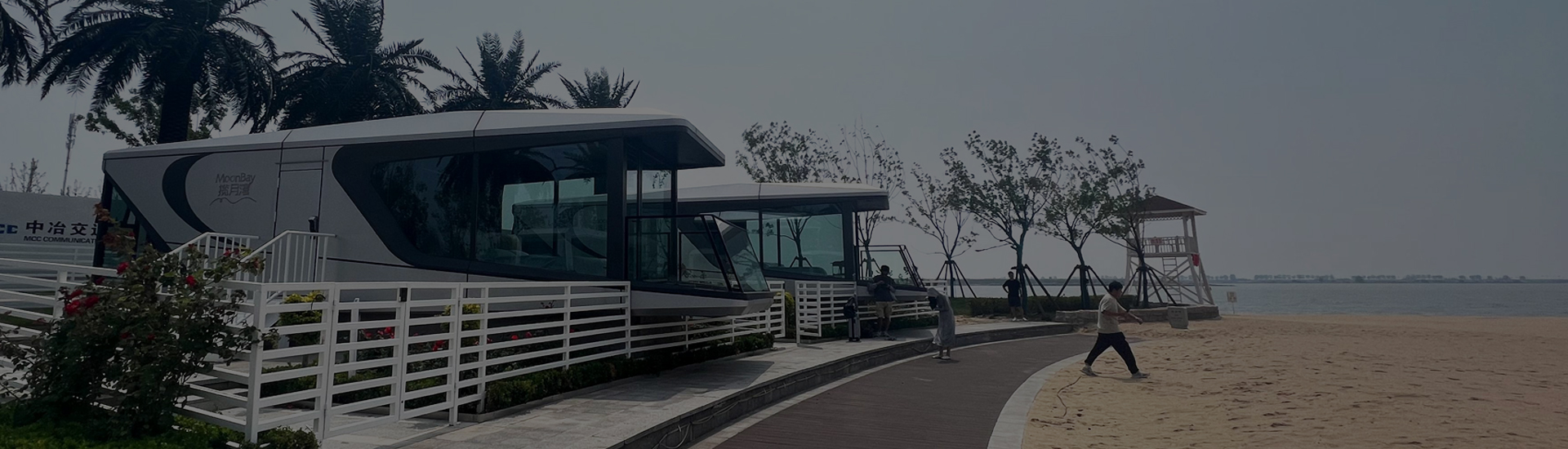
09 Jul Are Capsule Houses the Future of Affordable Living in 2026
You may ask if capsule houses can fix the housing problem in 2026. Home prices have gone up 60% since 2019. Many people now search for new ways to live. Look at how the costs compare:
Housing Type | Cost Range | Affordability Context |
|---|---|---|
Space Capsule House | $70,000 – $100,000 | Competes with tiny houses and container homes |
Tiny House | $67,000 | More affordable than traditional homes |
Container Home | $25,000 – $250,000 | Wide range, but can be affordable compared to median home prices |
US Median Home Price | > $400,000 | Indicates high traditional housing costs |
Capsule houses can help you spend less and live simply. Use this guide to check if these homes work for you.
Key Takeaways
Capsule houses cost less than regular homes. You save money when you buy them and pay bills. These homes use green materials. They also have energy-saving designs. This makes them good for the environment and helps them last longer. Capsule houses use space in a smart way. You get more room to use, even though the house is small. They are simple to move. You can set them up fast. This is great for people who travel or need a home quickly. Think about how much space and privacy you want. Capsule houses have less room and privacy than regular homes.
Capsule Houses Overview
 Origins and Design
 Origins and Design
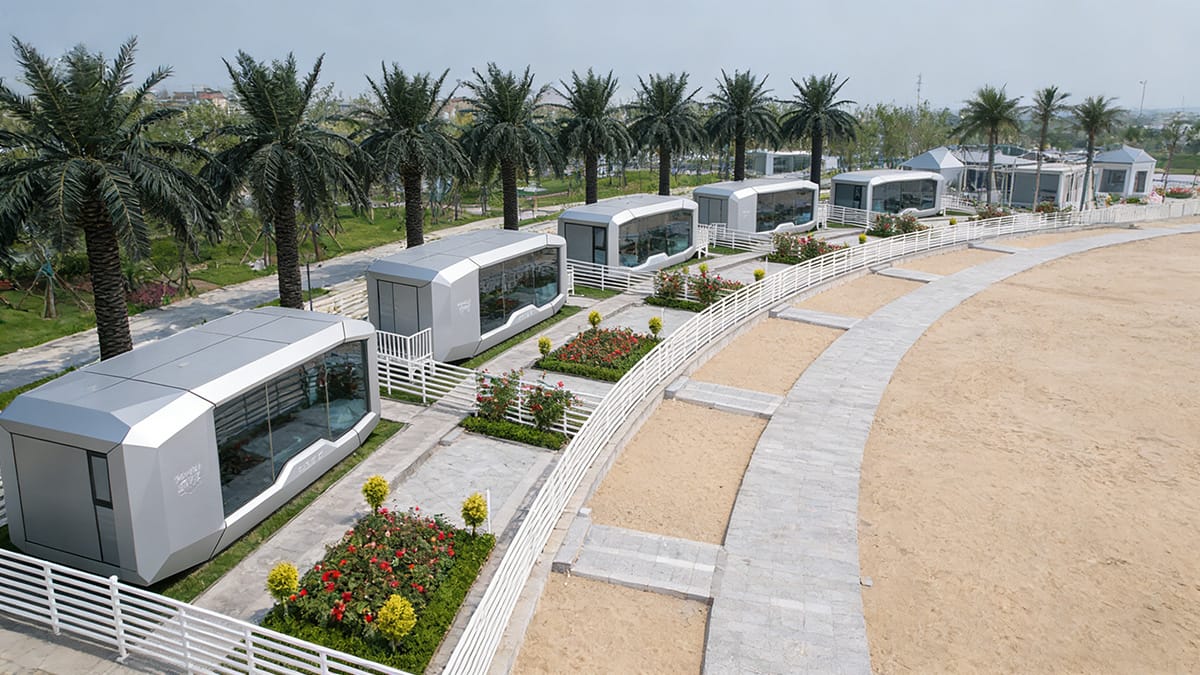
You may wonder how capsule houses started. People needed new ways to live. They wanted homes that were small and easy to move. These homes also use less space. The tiny house movement gave people ideas. Designers looked at space capsules for inspiration. That is why many capsule houses look modern and fun. New prefab home technology helped make these homes fast. Smart materials are used to build them. Capsule houses Japan showed how these homes fit in cities.
Capsule house design is different from regular homes. The layout is modular and uses all the space. You can sleep, shower, and cook in a small area. These homes are compact and save energy. You do not need much heating or cooling. Many prefab capsule houses let you pick what you want. You can choose features that fit your life. These homes have good insulation and energy-saving tech. Building is quick and saves time. It can be 40% faster than normal homes. Capsule living helps people feel part of a group.
Modular layouts help you use space for daily needs.
Small size means you use less energy.
You can make your capsule house your own.
These homes have insulation and energy-saving tools.
Prefab building is fast and saves time.
Capsule homes help people live together.
Who Should Consider Capsule Houses
Capsule houses are good for people who want simple lives. If you are single, young, or retired, you may like them. You may want a modular micro home if you like to move. You can also expand your prefab home if you need more space. Capsule living is great if you want less stuff. It gives you more freedom. If you travel a lot, these homes are a smart choice. They are also good if you need a home fast. Capsule houses are nice for people who care about the planet.
Tip: If you like simple living and want to save money, a capsule house could be right for you.
Capsule House Advantages
Affordability
You want a home that does not cost too much. Capsule houses are a cheaper way to own a home. You do not have to spend all your money. When you look at the price of a capsule house and a regular house, you see you can save a lot. In many places, capsule houses cost 20-30% less for each square foot. You also pay less for heating, cooling, and fixing things. These homes keep your bills low. You get to keep more of your money.
Here’s a quick look at how prices compare in different regions:
Region | Cost Multiplier | Typical Range |
|---|---|---|
West Coast | 1.3x | $260,000-$520,000 |
Northeast | 1.2x | $240,000-$480,000 |
Southeast | 1.0x | $200,000-$400,000 |
Midwest | 0.9x | $180,000-$360,000 |
Capsule houses usually come with what you need for daily life. You do not have to pay for extra things you may not use. Many people pick these homes because they want to save money and build for less. If you live alone, just started working, or are retired, you can enjoy capsule homes without a big loan.
Tip: Capsule houses help you live simply and save money.
Sustainability
If you want to help the Earth, capsule houses make it easy. Builders use green materials like recycled steel and insulation that breaks down. These materials help the planet and lower pollution. Many capsule homes have appliances that use less energy and water. You use less power and water every day.
Material | Benefits |
|---|---|
Steel | Strong, durable, flexible, and recyclable, contributing to sustainability. |
Glass | Energy-efficient, allows natural light, reducing the need for artificial lighting. |
Composite Materials | Lightweight, strong, resistant to corrosion, enhancing longevity. |
Insulation | Minimizes heat loss, improves energy efficiency, reducing environmental impact. |
Sustainable Features | Incorporates energy-efficient appliances and water-saving systems. |
Capsule houses are good for the planet and help you live green. You can feel proud that your home helps nature. These homes are great for people who want to waste less and care about the Earth.
Space Efficiency
Capsule houses use space in smart ways. You get more room to use than in most apartments. Designers use tall spaces, built-in shelves, and furniture that does more than one thing. You can pull out a bed at night and put it away in the morning. You find places to store things under the floor, on the walls, and even in the ceiling.
Feature | Capsule Houses | Conventional Apartments |
|---|---|---|
Usable Floor Area | 85% | |
Space Utilization | Vertical space, built-in storage | Limited vertical use |
Furniture | Multi-purpose | Single-purpose |
Design Philosophy | Maximizes functionality in minimal space | Often compartmentalized |
Storage Solutions | Under floor, wall-mounted, ceiling-based | Standard closets |
If you like to keep things simple, you will like how capsule houses use space. You do not need a big house to feel happy. Everything has a spot, and you can keep your home neat.
Portability and Flexibility
Capsule houses let you move when you want. If you like to travel or move for work, you can take your home with you. Many capsule homes are easy to move. You can use a truck or a shipping container. This is good for people who work online, move a lot, or want to try new places.
Capsule houses are easy to move.
You can take your home to new places.
Modular building keeps your home safe when you move.
You can change your home for different places.
The Apple Capsule House lets you move and still feel safe and comfy. Prefab mobile capsule houses give you lots of choices. You can go on new adventures and still have your home.
Note: Capsule living is great if you want to see new places or move for work.
Fast Construction
You do not have to wait a long time to move in. Capsule houses use building methods that are fast. Most capsule homes come already built. Workers can set them up in just 1–3 days with a crane. Regular homes take much longer to build.
Feature | Capsule Home | Traditional Construction |
|---|---|---|
Installation Speed | 1–3 days | Months to years |
Fast building means you can live in your home soon. If you need a home right away, a capsule house is a good choice. You save time and do not have to worry about long building jobs.
Callout: Fast, modular building lets you enjoy your home sooner.
Capsule houses mix low cost, green living, smart space, easy moving, and quick building. These things make them a great choice for people who want a simple and eco-friendly life.
Capsule House Drawbacks
Space and Comfort Limits
 Space and Comfort Limits
Capsule houses give you less space than normal homes. You have to fit all your things in a small area. If you own a lot, it is hard to store everything. The rooms are tight, so you may feel squished. Families may not like sharing such a tiny space. Moving around is not easy. Simple things like eating or sleeping can feel crowded. Some people feel trapped in these homes.
There is not much room for your stuff.
Small spaces are tough for families.
People who fear small spaces may feel bad.
It is hard to move, so daily life is less fun.
Tip: If you like big open rooms or need space for hobbies, a capsule house might not be best for you.
Privacy Concerns
Privacy is hard to get in capsule houses. The walls are thin, so you hear sounds from other places. It is tough to find quiet time alone. You do not get much personal space. Shared apartments have more private rooms. Capsule houses sometimes use curtains or walls that move. These do not block noise well. If you want peace and quiet, you may get upset. Living in a capsule house can make you feel watched.
Feature | Capsule Houses | Shared Apartments |
|---|---|---|
Privacy | More privacy with separate rooms | |
Customization | Moveable walls can help a little | Layouts usually do not change |
Community Aspect | Less private space for each person | More community feeling |
Note: Privacy is low, so think about how much alone time you need before picking a capsule house.
Legal and Zoning Issues
Capsule houses have rules about where you can put them. Local laws say how big and tall your home can be. Some places have special safety rules. For example, California wants homes safe from fires and earthquakes. Florida needs homes to stand up to strong winds. The Northeast has rules for heavy snow.
Challenge Type | Description |
|---|---|
Setbacks | Homes must be 5 to 10 feet from the edge of the land. |
Height Restrictions | Homes are often under 16-25 feet tall. |
Coverage Limitations | Homes cannot cover more than half the backyard. |
State-Specific Codes | California: fire/earthquake; Florida: wind; Northeast: snow |
Size rules limit how big your home is.
Your home must follow local design rules.
You must meet rules for water, power, and safety.
If your home does not follow the rules, you may pay more or wait longer. Always check the laws before you buy or build.
Callout: Legal problems can change your plans, so learn about the rules early.
Family Adaptability
Capsule houses can work for families if you plan well. If you have kids, you must think about space and safety. You may need bunk beds or safe places for kids to play. Some families use special layouts for sleeping. You can change the home to fit your family, but it takes work.
Capsule houses are not great for big families. It is hard to keep everyone happy in a small space. Kids need room to play and grow. With good planning, small families can live in a capsule house. Still, you must accept less space and privacy.
Tip: Families should pick designs that keep everyone safe and give enough room.
Potential Drawbacks of Capsule Homes
Capsule houses are good for the planet and build fast, but they have problems too. You get less space, less privacy, legal issues, and family limits. Think about what you need before you choose a capsule house.
Capsule Houses vs Traditional Homes
Cost and Financing
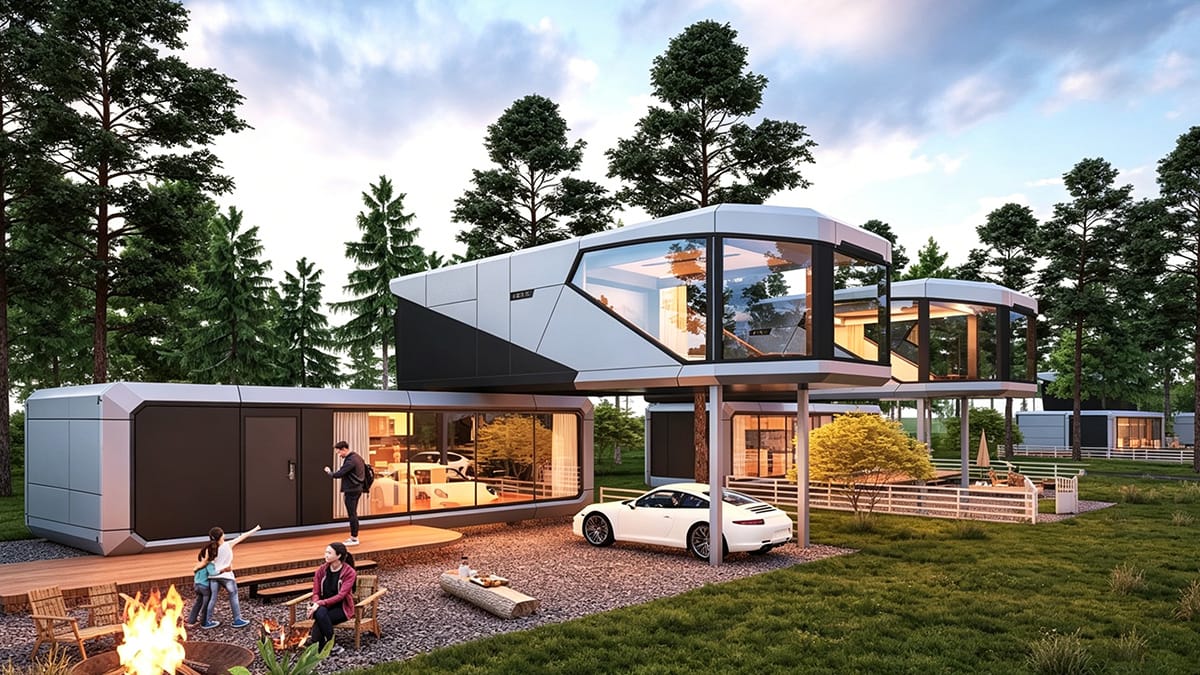 Cost and Financing
You want to know how much you will spend. Capsule houses cost less than regular homes. You pay lower property taxes because they are smaller. Insurance can be tricky and may need a special company. You might not get a normal mortgage for these homes. Most people use personal loans or pay with cash. Regular homes need big loans and higher taxes. If you want to save money, capsule houses are a good choice.
Lower property taxes
Limited mortgage options
Personal loans are common
Specialized insurance
Living Experience
Living in a capsule house feels different from a regular home. The space is small but cozy and fits your needs. Many young people like capsule homes because they are cheaper and use space well. Surveys say over 30% of young people want smaller homes. You can save up to half on your utility bills. If you need more room, you might feel crowded. Regular homes have more space but cost more to run.
Cozy and efficient
Popular with young people
Lower utility costs
Space can feel tight
Customization
Capsule houses let you change things to fit your style. You can pick the layout, colors, and smart features. Modular designs help you make your home work for your family. You can choose materials and furniture you like. You can add more storage or new tech. These homes cost between $8,000 and $50,000, so they are much cheaper than regular homes.
Modular layouts
Flexible space
Custom finishes
Smart home options
Energy Efficiency
Capsule houses use special insulation to save energy. They have layers that keep heat in or out. These homes are about 65% more energy efficient than regular houses. You will see lower bills each month.
Feature | Capsule Houses | Traditional Homes |
|---|---|---|
Energy Efficiency Rating | Exceeds by 30-40% | Varies, often needs upgrades |
Built-in Energy Features | Yes | Usually extra work |
Insulation Efficiency | Advanced insulation techniques | Standard materials |
Community vs Privacy
You may want to live near others or have your own space. Capsule houses often help people feel like a group. You share spaces and meet your neighbors. Privacy is less because the walls are thin. Regular homes give you more private rooms and quiet time. Think about what is most important to you.
Tip: If you like being around people, capsule houses are a good choice. If you need more privacy, regular homes may be better for you.
Global Capsule House Adoption
Urban and Tourism Uses
 Urban and Tourism Uses
Capsule houses are showing up in many cities now. Lots of countries think these homes are a smart way to help crowded cities. Germany, the Netherlands, and Sweden have many capsule houses. Their governments give help and make rules easier for these homes.
Country | Adoption Rate | Key Drivers |
|---|---|---|
Germany | High | Government incentives, progressive zoning laws |
Netherlands | High | Government incentives, progressive zoning laws |
Sweden | High | Government incentives, progressive zoning laws |
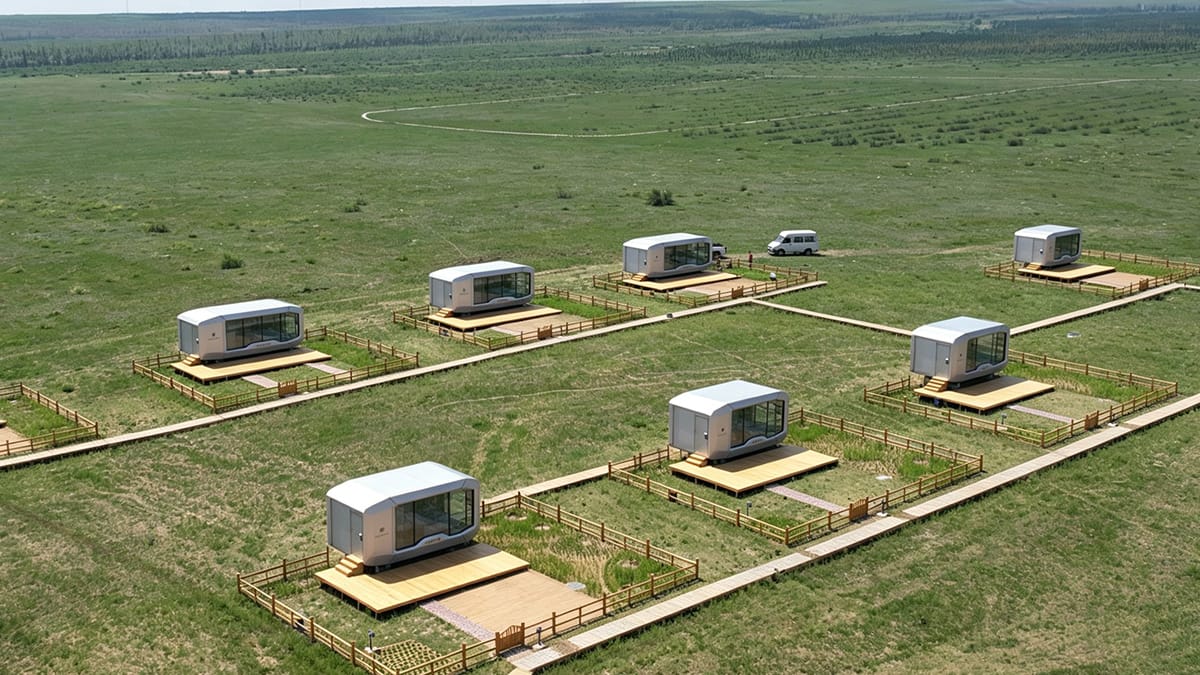
Capsule houses japan started this idea, but now Europe uses them too. Cities use capsule hotels for cheap, modern places to sleep. These hotels began as small pods in Japan. Now, they have Wi-Fi, fun things to do, and a cool place for travelers. You can also find capsule micro homes far from cities. These prefab homes use recycled stuff and often use solar power and composting toilets. Young travelers like meeting new people in these places. You can make friends and share spaces.
Capsule hotels give budget travelers a small, modern place to stay.
Many have Wi-Fi and fun things to do.
The idea is now popular all over the world.
Capsule micro homes use green materials and can work off-grid.
These homes let you enjoy nature and protect the earth.
Shared areas help guests meet and become friends.
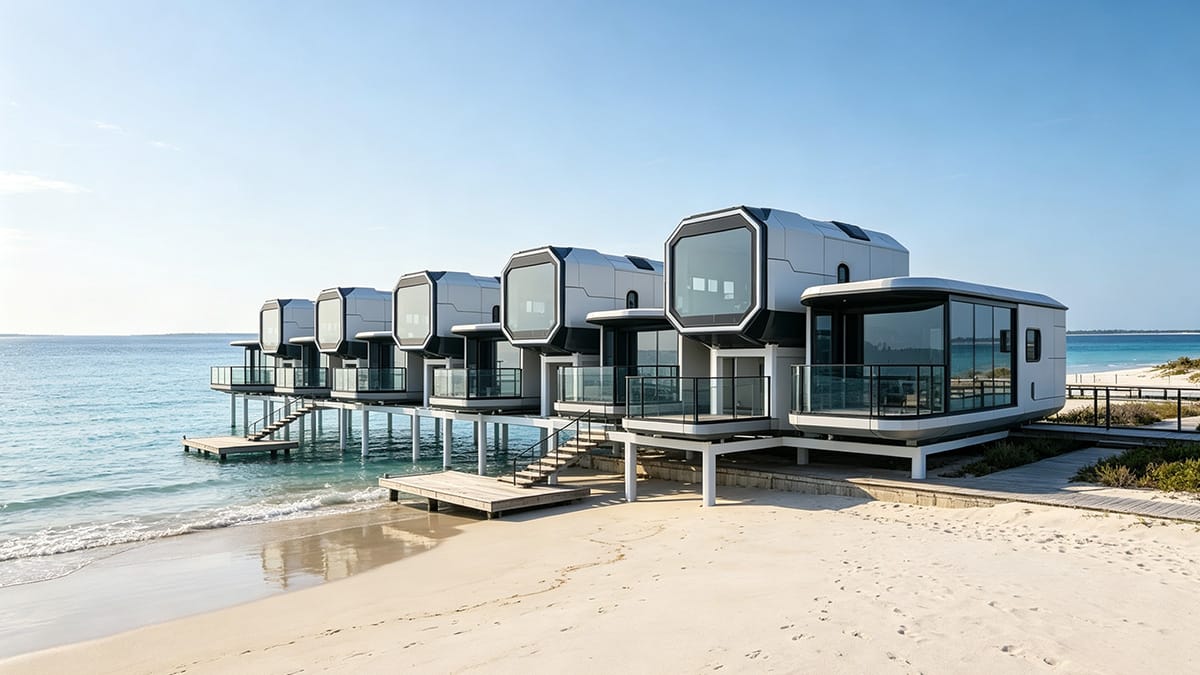
Floating and Futuristic Designs
Some people want to live on water or in homes that look new and different. The prefab home market now has floating capsule houses. You can see floating cabins in Georgia and even in Iraq. Some designers make wild ideas like floating or futuristic homes such as Tranquilair. These capsule house designs use new tech and help the planet. They show how prefab homes can change how we live. You get a home that is good for the earth and fun to live in.
Floating prefab homes let you live on water.
Futuristic capsule house designs use smart tech and cool shapes.
Many are made to save energy and help the planet.
These homes give a new way to live for people who want something special.
Capsule houses are getting more popular every year. You can find them in cities, in nature, and even on water. Prefab home designs keep changing, so you have more ways to choose how and where to live.
Buying a Capsule House
Budgeting and Costs
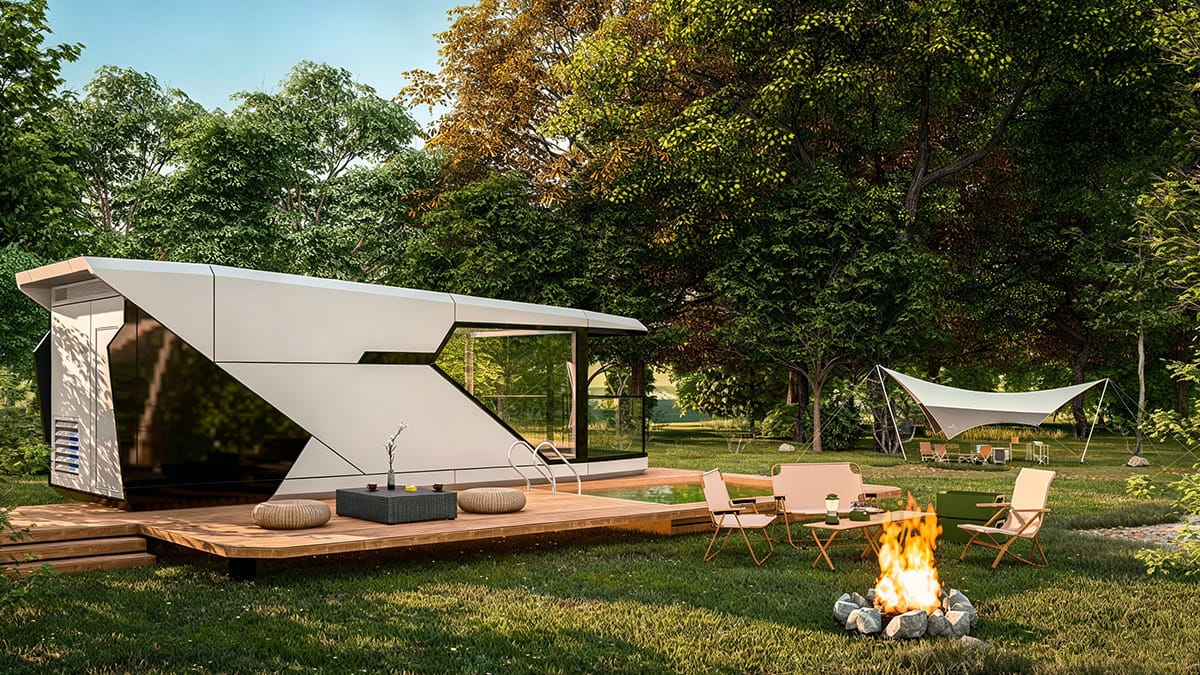 Budgeting and Costs
You want to know what a capsule house costs. First, pick the type you want. Prefab capsule houses are cheaper because factories build them. Customized capsule houses cost more, but you can choose the layout.
Type of Capsule House | Cost Range | Description |
|---|---|---|
Prefab capsule houses | $20,000 – $60,000 | Made in factories and put together at your site. |
Customized capsule houses | $60,000 – $100,000 | Designed for your style and needs. |
When you make your budget, add legal fees, land costs, and setup costs. Think about long-term costs like maintenance and utility bills. Planning ahead helps you avoid surprises.
Legal fees and permits
Moving and setup costs
Buying and preparing land
Tip: Write down all costs before you buy. This helps you stay on budget and not spend too much.
Land and Legal Requirements
You need to follow rules before you put up your capsule house. Check local zoning laws first. Talk to zoning officials about size and design rules. Get the right permits and organize your papers.
Find out local rules.
Ask local officials for help.
Check size and design limits.
Get the permits you need.
Prepare your documents.
Stay in touch with officials.
“Capsule houses must follow special building codes. These codes make sure homes are safe and good quality.”
Talk to builders or contractors. They can help with permits and fees.
Installation and Maintenance
You must get your land ready before installing your capsule house. Site work and foundation cost $15,000 to $35,000. Connecting utilities like water and power costs $12,000 to $25,000. Building permits cost $2,500 to $7,500.
Moving, setup, utilities, and upkeep are part of the total price.
Regular upkeep keeps your home safe and stops big repairs.
If you pick off-grid options, utility bills may be lower. Capsule houses have low upkeep costs, so many buyers like them.
Resale Value
You may wonder if your capsule house will keep its value. More people want unique and green homes now. As cities get crowded and prices go up, buyers look for cheaper homes. Capsule houses often keep their value better than regular homes, especially where people want affordable living.
Note: If you want to sell later, a capsule house can be a smart investment today.
A capsule house is good if you want to save money and live simply. It is also great if you care about the planet. You can set it up fast and use space in smart ways. The style looks modern and cool. But you might not have much privacy or space. Selling it later can be hard. Here’s a quick look:
Strengths | Limitations |
|---|---|
Sustainability | Lack of Privacy |
Affordability | Limited Space |
Space Efficiency | Resale Difficulty |
Mobility | Customization |
You should think about what you need and the rules where you live. Also, think about your daily life before you decide. This home is best for singles, young adults, or people who like simple living.
FAQ
Can you get a mortgage for a capsule house?
Most banks do not offer standard mortgages for capsule houses. You may need to use a personal loan or pay cash. Some lenders now offer special loans for prefab homes. Always check with your bank first.
Are capsule houses comfortable for year-round living?
Yes, you can live in a capsule house all year. Good insulation and smart heating or cooling keep you comfortable in most climates. You may need extra heating in very cold places.
Do you need special permits to install a capsule house?
You must check local zoning laws before you buy. Many cities require special permits for small or modular homes. Always talk to your local building office to avoid problems.
Can families live in capsule houses?
Small families can live in capsule houses with careful planning. You may need bunk beds or creative layouts. Large families might find the space too tight. Think about your needs before you decide.