
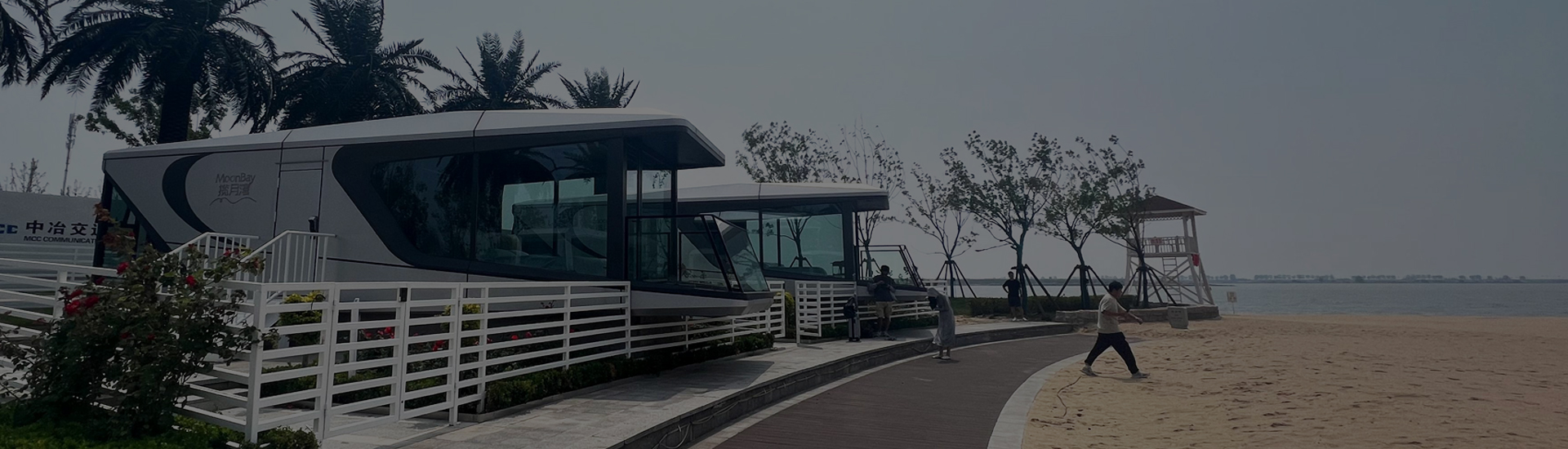
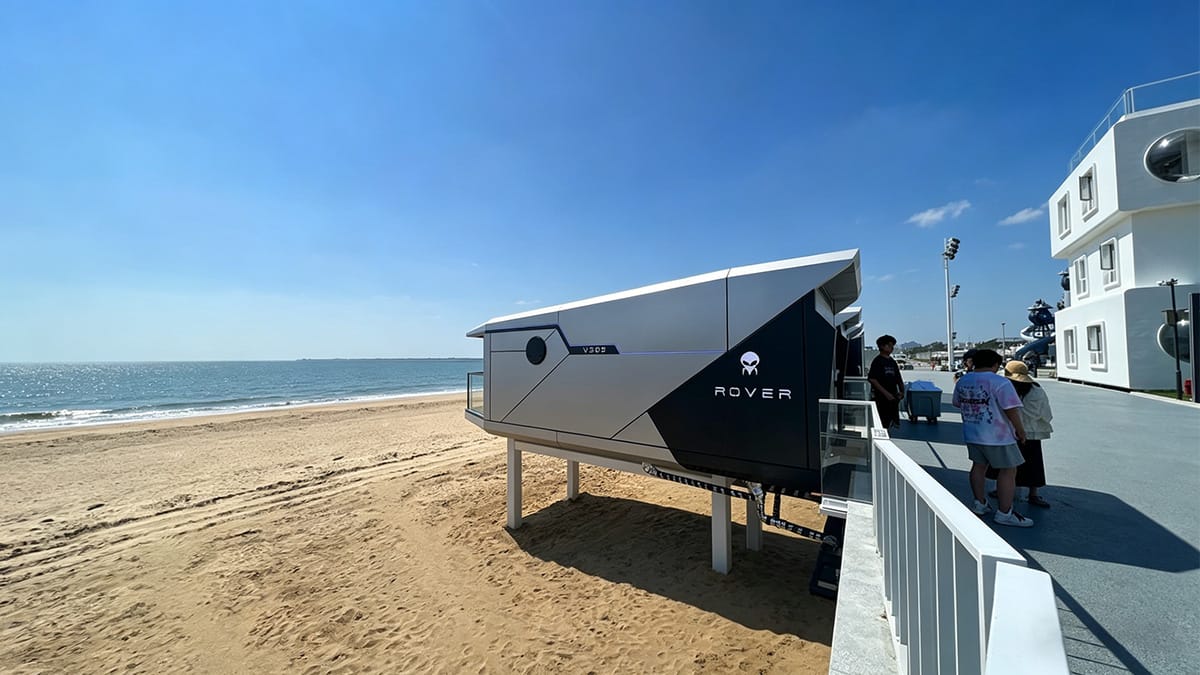
01 Jul Capsule Tiny Houses Applications in 2026
You will see capsule houses everywhere in 2026. People like them for many reasons:
The global capsule hotels market will reach USD 367.7 million this year.
Solo travelers are more than half of the buyers. Young adults (18–24) are leading this trend.
Asia Pacific has almost 59% of the market.
Here is why these homes are special:
Benefit | Description |
|---|---|
Reduced Construction Costs | Modular building saves money on workers and materials. |
Lower Utility Bills | Small sizes and smart designs keep bills low. |
Minimal Maintenance Costs | Strong materials mean less fixing and fewer problems. |
Quick Installation Timelines | You can set one up fast, sometimes in days or weeks. |
Sustainable Materials | Builders use recycled steel and water-saving fixtures to make less waste. |
Energy Efficiency | Insulated walls and solar panels help you use less energy and lower your carbon footprint. |
You also get new smart materials. These include thin, super-insulated walls and surfaces that fight germs or keep rooms comfy. Capsule houses make life easier, greener, and more flexible for you.
Key Takeaways
Capsule houses cost less and work well. They are a good choice for living in cities or traveling. These homes use materials that are good for the environment. They have smart designs that help you spend less on energy and repairs. Capsule houses can be used in many ways. They are good for people in cities, families in the country, and for emergency shelters. You can set up a capsule house fast. It only takes a few days to build one. This gives people a place to live right away. More people want capsule houses now. This means there are more choices and better features for people who want to buy one in the future.
Capsule Houses for Living
 Urban Residences
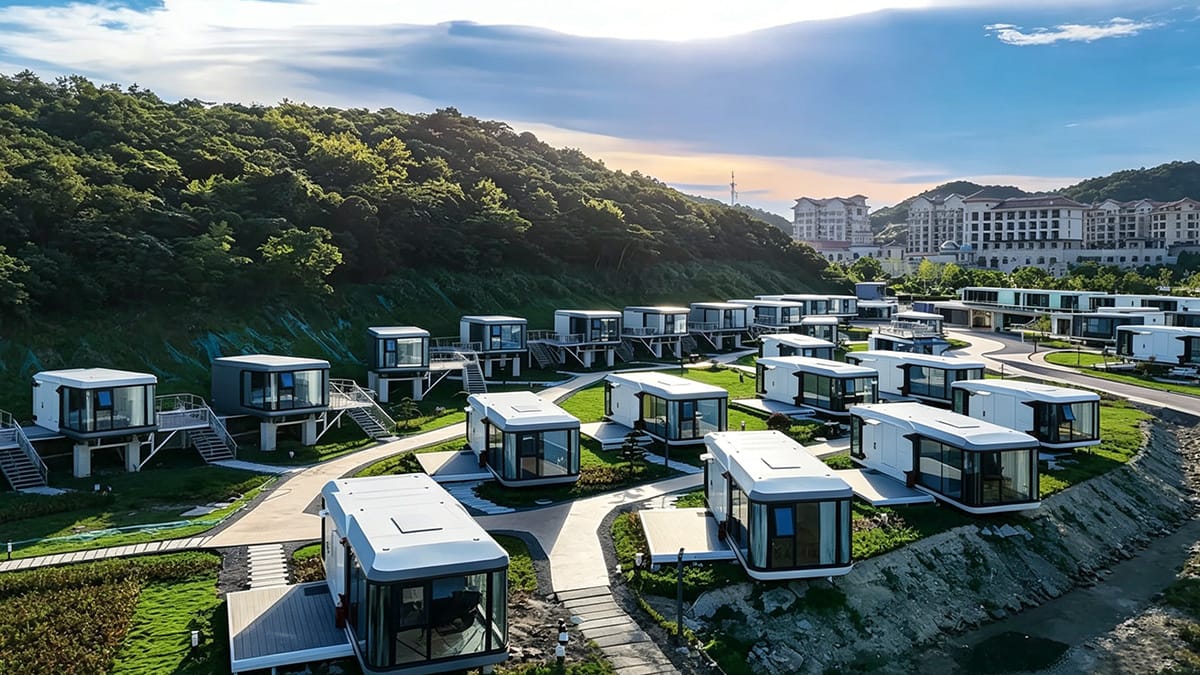 Urban Residences
Capsule houses are showing up in many cities now. They fit well with busy city life. These homes feel modern and use space well. Many people want smaller homes because city prices are high. You can live near work or fun places without paying a lot.
Here are the main reasons capsule houses are good for cities:
More people move to cities, so space is tight. You need homes that are small and not too expensive.
Home prices keep going up. Builders try new ways to make cheaper homes.
Technology makes these homes smarter. You can use your phone to control lights, heat, and locks.
People want homes that are simple and easy to change. You can move things around or even move your whole home.
Cities want more green homes. There are new rules that help people build smart, eco-friendly houses.
Capsule houses are liked by many people. Young adults and workers like how simple and easy they are. Older people like that they do not need much work. These homes have cool things like beds that fold up and tables that get bigger. Smart tech and energy-saving ideas help you live better and use less energy.
Tip: If you want to save money and live in a cool, new home, capsule houses are a great choice for city life.
Suburban and Rural Homes
You may think capsule houses are just for cities, but they work in the country too. Many places in California now let people build tiny homes. Cities like Fresno, Los Angeles, San Diego, Riverside, and Placer changed their rules. You can build a capsule house if you follow the rules.
The California Residential Code has a new part called Appendix Q. This helps people build homes under 400 square feet. You can add a capsule house to your land more easily. Families use them for extra space, for guests, or to rent out.
Capsule houses work for many ways of living. Older people pick them because they are easy to take care of. Young families use them because they cost less. The designs keep getting better. You see homes with smart furniture, solar panels, and strong walls. These things help you save money and energy.
Here’s a quick look at why capsule houses are good for suburbs and the country:
Reason | How It Helps You |
|---|---|
Updated Regulations | You can build safely and follow the law. |
Flexible Designs | You use the space for guests, family, or to rent. |
Efficient Features | You pay less for bills and repairs. |
Community Acceptance | More people like tiny homes in their area. |
Note: If you want a simple, low-cost home outside the city, capsule houses give you choices that work for you.
Capsule Houses in Hospitality
Tourism Projects
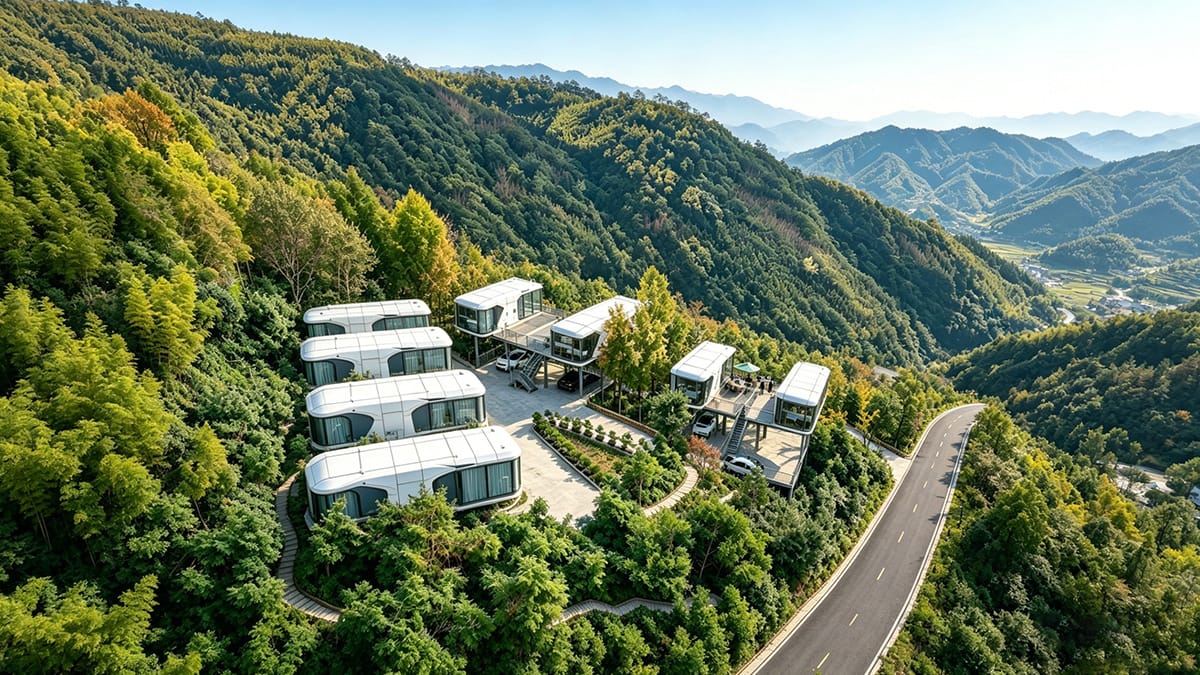 Tourism Projects
You might notice more capsule houses popping up in travel spots in 2026. These small homes are changing how you experience vacations. You can find them in many places:
Glamping parks
People love these homes because they blend with nature. Builders use recyclable and non-toxic materials. This helps keep the land beautiful and clean. You get to enjoy the outdoors without hurting the environment. Many travelers now want eco-friendly places to stay. Capsule houses meet this need and make your trip special.
You also save money. These homes cost less than big hotels. You still get comfort and privacy. Most have Wi-Fi and small kitchens. You can cook your own meals and stay connected. This makes your trip easy and fun.
Tip: If you want a cool place to stay that is good for the planet, try a capsule house on your next trip.
Capsule Hotels
Capsule hotels are changing the way you travel in cities. You get a private space that feels modern and safe. These hotels use space well, so you can stay in busy areas without paying a lot.
Here’s how capsule hotels compare to traditional hotels:
Metric | Capsule Hotels | Traditional Hotels |
|---|---|---|
Occupancy Rate | Varies widely, often lower in urban areas | |
Target Audience | Budget-conscious travelers, millennials | Broader demographic, often luxury-focused |
Amenities | Basic to extended, with tech integration | Full-service amenities, often more luxurious |
You get many benefits when you pick a capsule hotel:
You pay less but still get a clean, safe place to sleep.
You find all the basics, like Wi-Fi and sometimes a small kitchen.
You help the planet because these hotels use less energy and eco-friendly materials.
You enjoy smart designs and tech, like lights you control with your phone.
You can try fun features, like clear pods for stargazing or simple rooms for quiet time.
Capsule hotels work well in cities where space is tight. They fit in places where big hotels cannot. If you travel alone, you get privacy and security. You also stay close to shops, food, and fun things to do.
Travelers today want quick, easy stays with smart tech. Capsule hotels give you that. You get a new kind of lodging that feels fresh and exciting.
Note: If you want to save money and try something new, book a capsule hotel for your next city trip.
Emergency and Portable Housing
Crisis Shelters
 Crisis Shelters
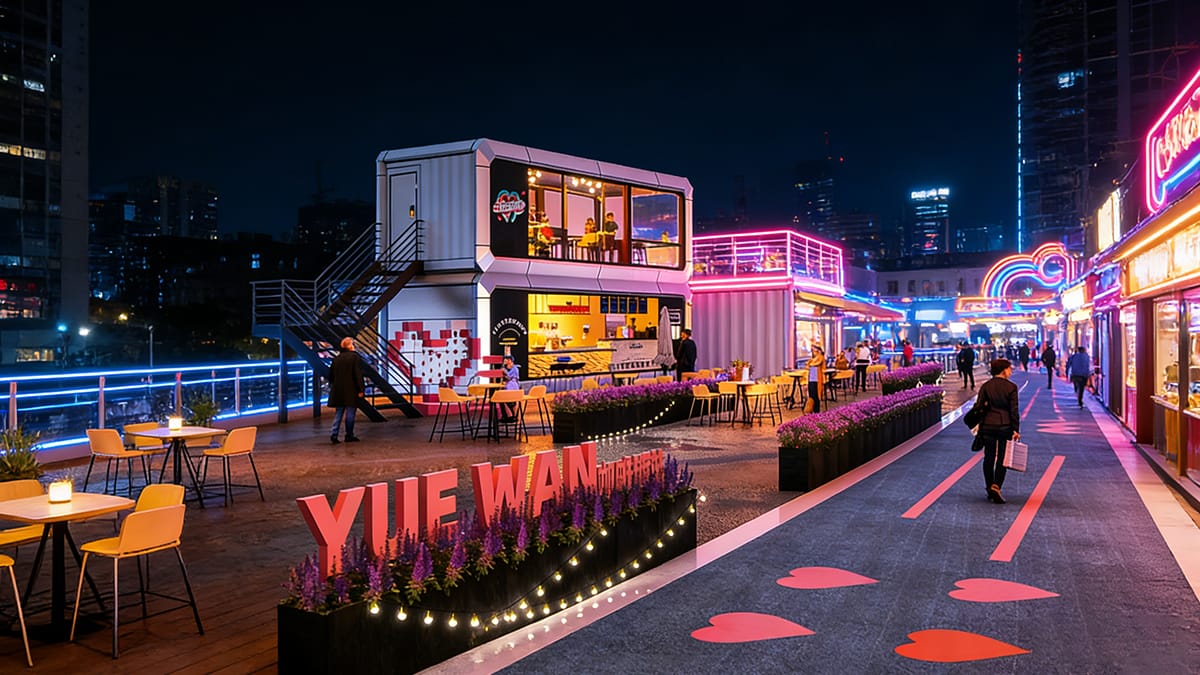
When disaster strikes, you need a safe place fast. Capsule houses step in as a smart solution. You can set them up quickly after storms, earthquakes, or fires. These shelters give you a strong roof and walls when you need them most.
Check out how they perform in real emergencies:
Evidence Type | Details |
|---|---|
Structural Performance | Capsule houses demonstrated very good performance in structural tests, withstanding significant loads. |
Transportation | Designed for quick loading and transport using open platform trucks, reducing shipping costs. |
Adaptability | Capsules can be transformed into sanitary units, providing essential facilities in disaster areas. |
You can see why rescue teams choose these shelters. They move easily by truck, so you get help faster. You can even turn them into bathrooms or medical rooms. That means you get more than just a place to sleep.
Capsule houses also stand up to tough weather. Here’s what makes them reliable:
They can handle wind speeds up to 70 meters per second (about 156 miles per hour). That means they can survive Category 4 hurricanes.
They are built to withstand earthquakes up to magnitude 9. You stay safer in shaky ground.
The materials bend and flex during ground shaking. This helps prevent big breaks or collapses.
Tip: If you want a shelter that keeps you safe in storms or quakes, these homes are a smart pick.
Rapid Deployment Units
Speed matters in emergencies. You don’t want to wait weeks for help. With capsule houses, you get rapid deployment units that arrive and set up in just hours. You can use them for field hospitals, command centers, or family shelters.
You don’t need special tools or a big team. The design lets you move and build quickly. You can stack or connect units for bigger spaces. This helps rescue teams work faster and keeps families together.
Capsule houses give you comfort and safety when you need it most. You get a warm, dry place to rest and recover. In 2026, more cities and aid groups trust these units to help people bounce back after disasters.
Outdoor and Recreational Capsule Houses
Camping Pods
 Camping Pods
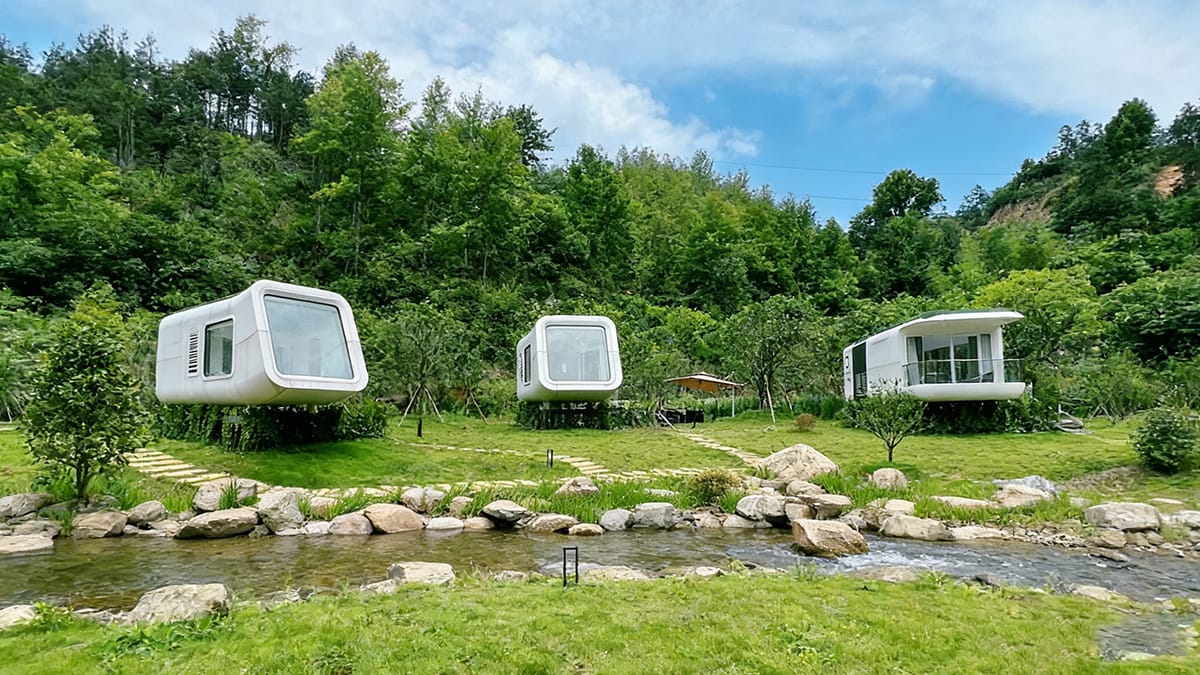
You want to be close to nature, but you like comfort too. Camping pods let you enjoy both. In 2026, these capsule houses make camping simple and fun. You do not need to set up a tent or sleep on hard ground. You get a warm pod with smart features.
Look at some popular camping pods and what they have:
Pod Name | Key Features | Target Audience |
|---|---|---|
Aurora Lux Cabin Pod | Feels fancy, eco materials, smart lights, private bathroom, king-size bed | Families, couples |
GeoNest XL Suite | Works all year, modern style, wellness and green features | Millennials, Gen Z travelers |
TimberHaven Retreat Pod | Rustic look, uses wood, smart layout | Families, groups |
Solaris Panorama Pod | Big glass windows, solar power, recycled materials | Scenic stay seekers |
Alpine Vista Modular Pod | Flexible layout, eco materials, strong against weather | Groups, families |
HavenSphere 360 Pod | Round shape, smart insulation | Couples, solo travelers |
ForestEdge Executive Pod | High-end features, private workspace, fast Wi-Fi | Business travelers, luxury guests |
Oasis Curve Deluxe Pod | Modern shape, smart lights, private bathrooms | Families, couples |
You can choose a pod that matches your style. Some pods have big windows for looking at stars. Others use smart lights and eco-friendly materials. There are pods for families, couples, or business trips. These pods make camping feel like a mini vacation.
Tip: Try a camping pod if you want an easy, comfy way to enjoy nature without losing modern perks.
Remote Retreats
You might want a quiet place far from the city. Capsule houses make remote retreats possible. You can stay in mountains, by lakes, or deep in woods. These homes use smart designs and green technology.
Here’s how capsule houses help eco-tourism and off-grid living:
Feature | Description |
|---|---|
Sustainable Accommodation | Modular and customizable for eco-conscious travelers. |
Green Technologies | Solar panels and rainwater collection for off-grid living. |
Unique Design | Efficient space use with low environmental impact. |
You get a cozy space that does not hurt nature. Solar panels give you power. Rainwater systems help you live off the grid. The smart layout makes every inch useful.
Capsule homes are great for short-term rentals.
Many eco-tourism spots use them to attract travelers.
Owners can charge more per night because of the special design.
You can relax, recharge, and enjoy nature. You help protect the planet at the same time. Remote retreats with capsule houses give you a special place to escape and explore.
Note: If you want a peaceful getaway that is good for you and the earth, a capsule retreat is a smart choice.
Market Trends in Capsule Houses
Design Evolution
 Design Evolution
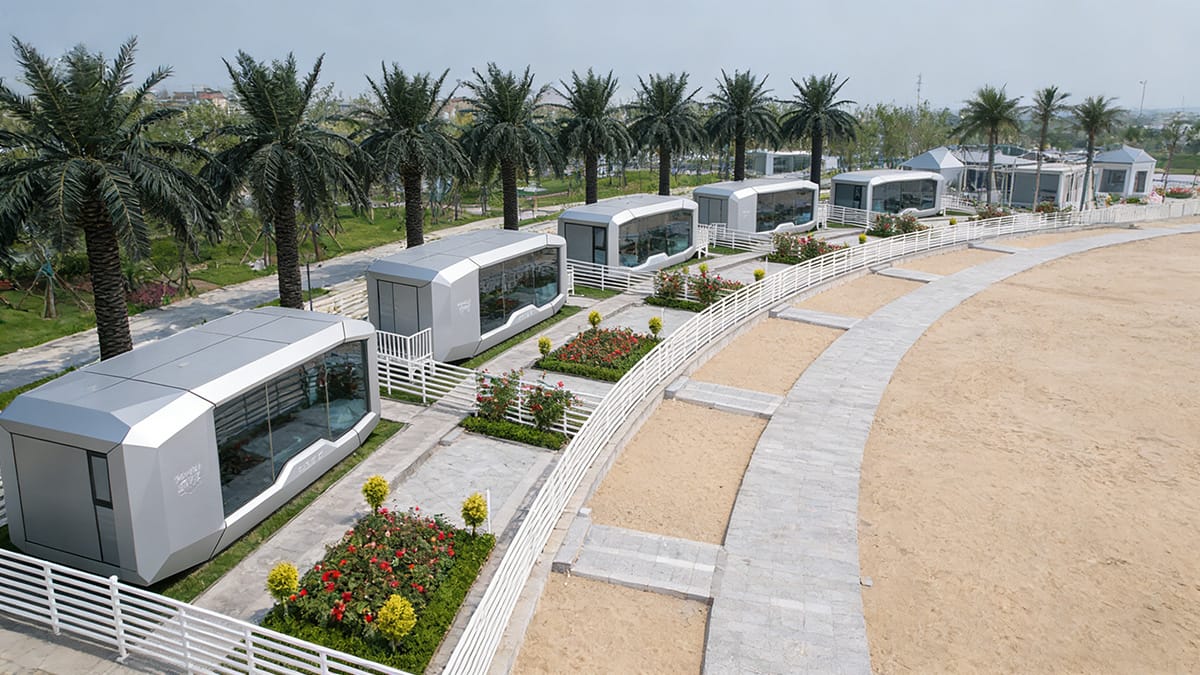
You see big changes in how capsule houses look and feel in 2026. Designers now mix style with function. You get homes that look elegant but still help the planet. Many new models use luxury finishes, like sleek wood panels and smart lighting. These touches make your space feel special, even if it is small.
You also notice more modular designs. You can move, stack, or link units together. Want a bigger kitchen or an extra bathroom? You just add a module. This flexibility helps you create a home that fits your needs. If you live in a city, you might see capsule houses set up as urban studios. These layouts use every inch of space and give you a cozy spot in busy neighborhoods.
Capsule houses now focus on efficiency and adaptability. You get smart storage, fold-away beds, and rooms that change with your day. This makes life easier, especially if you want to live simply but with style.
Tip: If you want a home that grows with you, look for modular capsule houses with customizable features.
Production and Demand
You see more companies building capsule houses every year. Big investments help factories make more units faster. For example, one company plans to spend over $130 million to boost its supply network. This will increase production by more than 60%. You get your home quicker, and prices stay fair.
People want these homes for many reasons. The global prefabricated housing market could reach over $210 billion by 2031. Capsule houses are the fastest-growing part of this market. You see strong demand because these homes are affordable and efficient. The tiny homes market is also growing fast, jumping from $8 billion in 2025 to over $12 billion by 2032.
You can expect more choices and better features as demand rises. Builders listen to what you want and keep improving designs.
Note: If you are thinking about a new home, now is a great time to explore capsule houses. The market is booming, and you have more options than ever.
Regulations for Capsule Houses
Zoning and Permits
 Zoning and Permits
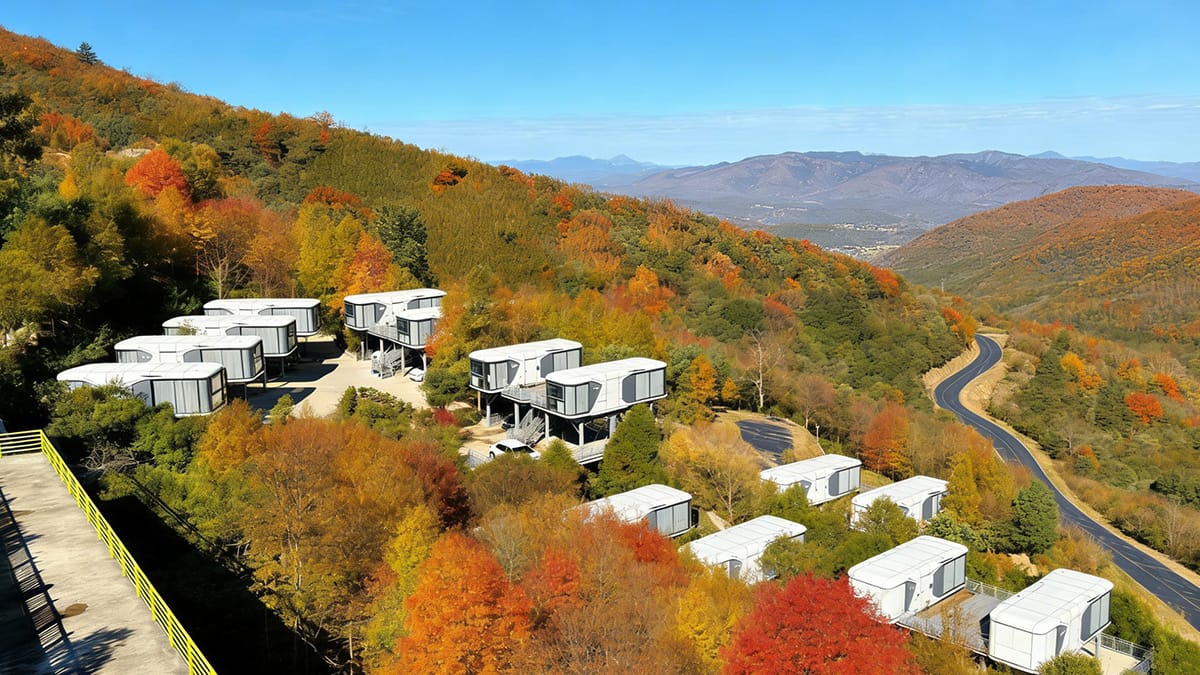
If you want a capsule house, you must know the rules. Zoning laws tell you where you can put your home. These laws are different in cities and in the country. Cities have strict rules about lot size, height, and parking. In rural areas, you get more choices. Some places let you build on bigger land with fewer limits.
Here’s a quick look at zoning types and what they mean:
Zoning Type | Description | Impact on Capsule Houses |
|---|---|---|
Residential | Lets capsule houses be main homes, ADUs, or temporary units. | Makes it easier to install your home. |
Agricultural/Rural | Gives more freedom, especially on big land. | More places to put your house without many rules. |
Commercial | Allows capsule houses for hotels, but with home rules. | Only for certain uses, which affects who can stay. |
Minimum Lot Size | Rules about how small a piece of land can be. | Can stop you from putting a capsule house in some spots. |
Density Limitations | Limits how many homes can be on one acre. | Makes it harder to have lots of capsule houses together. |
Height Restrictions | Sets how tall your house can be. | Changes how you design taller capsule houses. |
Coverage Ratios | Limits how much of your land you can build on. | Decides how big your capsule house can be. |
Parking Requirements | Says how many parking spots you need for each unit. | Changes how you plan and build your capsule house site. |
You need a permit before you build your house. Most cities want a site plan and drawings of your house. You send your application, wait for review, and then get approval. Sometimes, rules like lot size or density make things harder. These rules can slow down your project.
Tip: Always check your local zoning laws first. You will save time and avoid problems.
Legal Setup
Legal rules change depending on where you live. In the USA, every state has its own rules. Europe is starting to allow more capsule houses. Australia has tough rules, but you can build if you follow them. Asia has many different laws.
You must follow safety standards. Your house needs to be strong against storms and earthquakes. You need smoke detectors and fire-resistant materials. Licensed workers do plumbing and electrical jobs. Insulation and energy-saving features are important too.
Here’s a simple checklist for legal setup:
Make design plans with an architect.
Send your application with site and house details.
Wait for review and feedback from local officials.
Get approval and start building your house.
Sometimes, new bans or unclear rules pop up. You need to talk to local officials and other homeowners to learn the rules. Working together helps everyone stay safe and follow the law.
Note: If you follow all the steps and meet the rules, you can enjoy your new home without worry.
Sustainability Features
Integrated Solar Panels
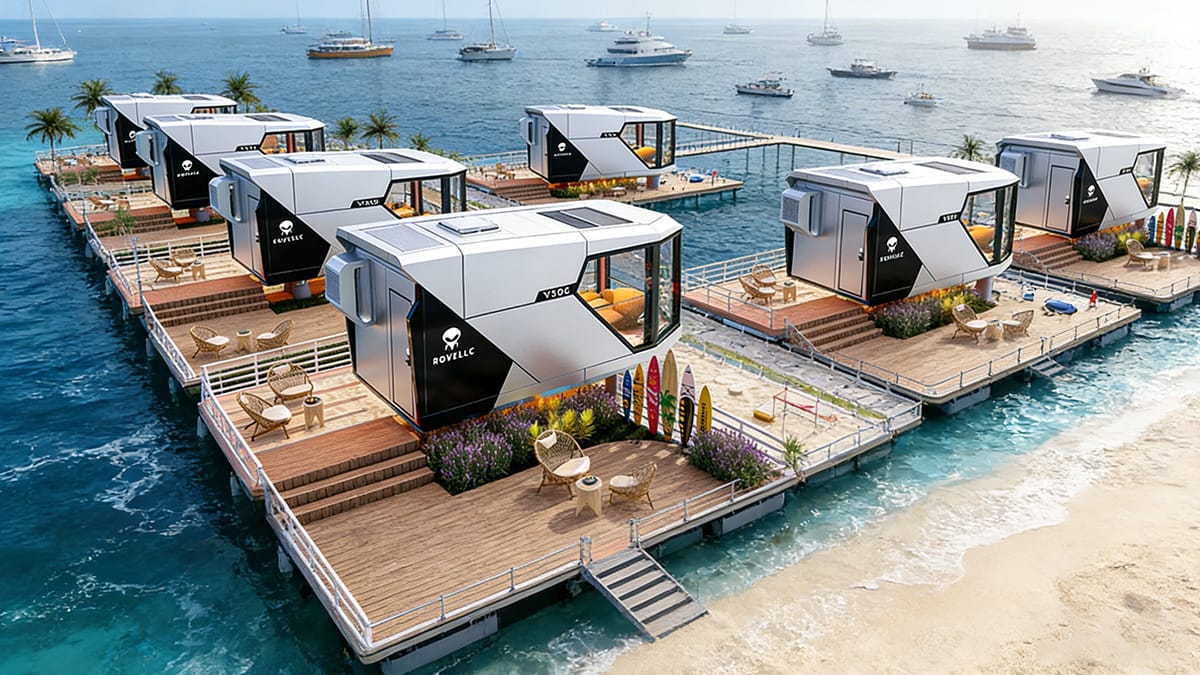 Integrated Solar Panels
You want your home to help you. In 2026, solar panels do this. They turn sunlight into power for your lights and phone. New panels use more sunlight, up to 23%. If you live in a sunny place, a small solar array gives you 4–6 kWh each day. That covers most of your daily needs.
AI tracking systems make solar panels work better. They boost power by up to 40%. You get steady energy, even when it is cloudy.
Capsule houses make more energy than they use. You can store extra power or send it back to the grid. Your home acts like a tiny power plant.
Solar-wind hybrids and smart batteries help you use almost no extra energy.
AI management systems keep your energy use smart.
You save money and help the earth. You also get more freedom. You can live off the grid and still have modern comforts.
Tip: If you want a home that gives you money back, pick a capsule house with solar panels.
Eco-Friendly Materials
You care about what is in your home. Builders use materials that protect the earth and keep you safe. Here are some things you might find in capsule houses:
Material | Benefit |
|---|---|
Keeps your home warm, weighs very little | |
Composite Panels | Light, strong, and great for insulation |
Engineered Wood | Durable, looks good, easy to use |
Double-Glazed Windows | Saves energy, lets in natural light |
Mineral Wool | Stops heat loss, resists fire and noise |
Polycarbonate Panels | Light, lets sunlight in softly |
Smart Building Systems | Automates energy-saving features |
You get a home that feels nice and helps the planet. These materials make your space cozy, quiet, and safe. You also help cut down waste and pollution.
Note: If you want to live greener, eco-friendly materials in capsule houses make it simple.
Choosing Capsule Houses
Features to Consider
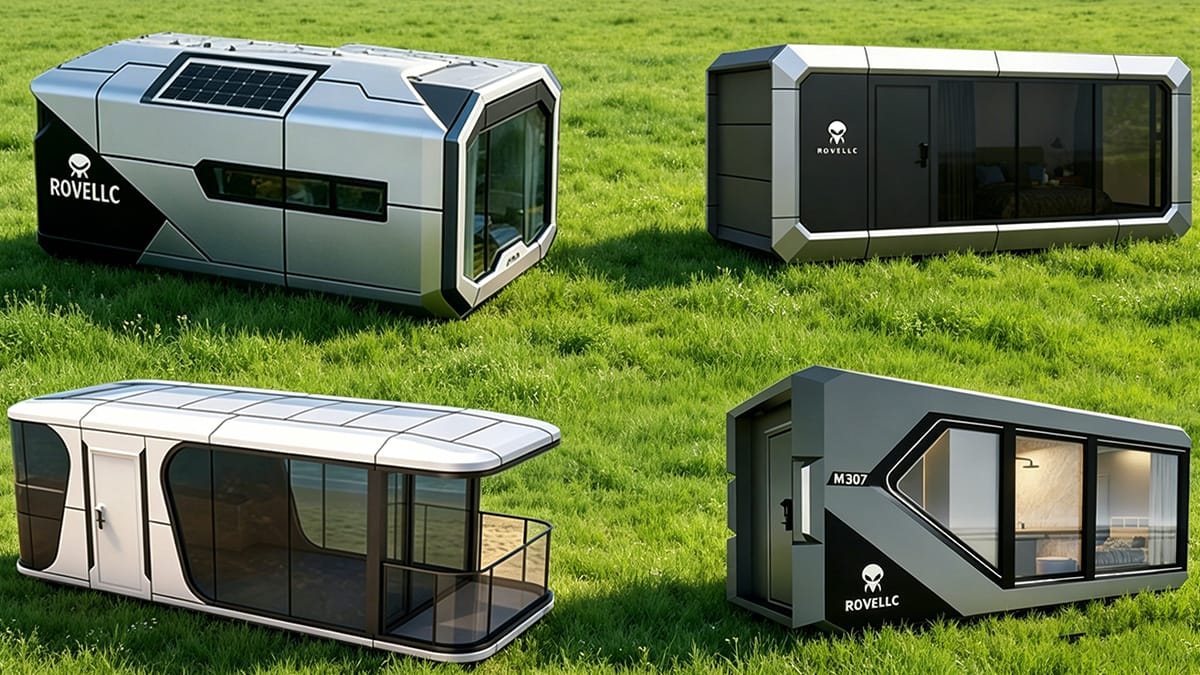 Features to Consider
When you look for the right capsule house, you want to make sure it fits your needs and keeps you safe. Start by checking if the house meets top safety and quality standards. Look for certifications like ISO 9001:2015 for quality, EN 14732 or AWS D1.1 for strong structure, and ASTM for good materials. Fire safety matters, so check for Class A1 or A2 rated materials. The house should handle at least 250 kg per square meter of live load. For comfort, you want good insulation (R-value of 3.5 or higher), tight air seals, and soundproofing of at least 55dB.
You also want features that match your lifestyle. Here are some things to look for:
Flexible layouts, like balconies or office pods
A choice of finishes, colors, and glass types
Smart home features, such as voice control and app management
Secure smart locks
Custom lighting options
Built-in or custom furniture
Internal or external stairs, if you want a two-story unit
Think about where you will use your capsule house. If you want a city studio, look for smart tech and storage. For a vacation spot, focus on eco-friendly features and easy setup. If you need a family home, check for more rooms and strong safety standards.
Tip: Make a list of your must-haves before you shop. This helps you find the best fit for your life.
Cost Analysis
Capsule houses save you money in many ways. They cost less to build because factories make most parts, so you pay for less labor and get your house faster. You also spend less on repairs and upkeep over time.
Here’s a quick look at costs in 2026:
Housing Type | Cost per Square Foot | Annual Maintenance Cost |
|---|---|---|
Space Capsule House | $350 – $500 | $500 – $1,200 |
Tiny House | $300 | $1,500 – $3,000 |
Container Home | $150 – $600 | $2,000 – $4,000 |
You see that capsule houses have lower yearly costs than most other small homes. You get long-term savings, even if the price per square foot is a bit higher than a tiny house. Lower maintenance means more money in your pocket each year.
Note: If you want a home that saves you money and fits your needs, capsule houses are a smart choice for many situations.
You will notice capsule houses changing lives in 2026. They help you save money and protect the earth. These homes work for many different needs. Here is how they make things better:
Environment Type | Impact Description |
|---|---|
Urban | Helping with housing shortages and giving places to stay for travelers and workers who move a lot. |
Rural | Making country life better with green choices. |
Emergency | Giving quick shelters in disasters, keeping people safe and helping the planet. |
You can find these homes in cities and in the countryside. They are even in places like the Za’atari Refugee Camp. If you want a smart and flexible home, now is a good time to see what capsule houses offer. The future is bright and full of new chances.
FAQ
What is a capsule tiny house?
You get a small, modular home that uses smart design and eco-friendly materials. Capsule houses fit many needs, like living, travel, or emergencies. You can set one up fast and move it easily.
How long does it take to install a capsule house?
Most capsule houses arrive ready to use. You can set up your home in days or weeks. Builders handle most work in the factory, so you save time on site.
Can you live in a capsule house year-round?
Yes, you can! Capsule houses use strong insulation and weatherproof materials. You stay warm in winter and cool in summer. Many models work well in all climates.
Are capsule houses safe during storms or earthquakes?
Capsule houses use tough materials and smart engineering. You get safety features like reinforced walls and flexible frames. Many homes withstand strong winds and earthquakes.
How much does a capsule tiny house cost?
Prices start around $350 per square foot. You pay less for maintenance and energy bills. Capsule houses cost less than most traditional homes over time.