
11 Jul Capsule Homes and Pop-Up Housing Options Compared in Australia
You can see the main differences between capsule homes and other pop-up housing in Australia by checking size, price, and how easy they are to move. Capsule homes usually have small spaces. Basic models start at $8,000 USD. Middle models have more living features. Fancy models can cost over $50,000 USD. You need to think about capsule homes Australia legal requirements, like building permits and council approval. These homes are good for singles or couples who want flexibility or short stays.
Key Takeaways
Capsule homes are small, new, and simple to move. They are great for one person or two people.
Tiny houses give you more privacy. They are good for living in for a long time. They usually cost less money.
Modular homes have more room. They work well for families. But they usually stay in one spot.
Granny flats do not cost a lot. They make your property worth more. They are good for extra family space.
You should always look at local council rules. Make sure you get the right permits before picking a home.
Capsule Homes and Pop-Up Housing Types in Australia
What Are Capsule Homes?
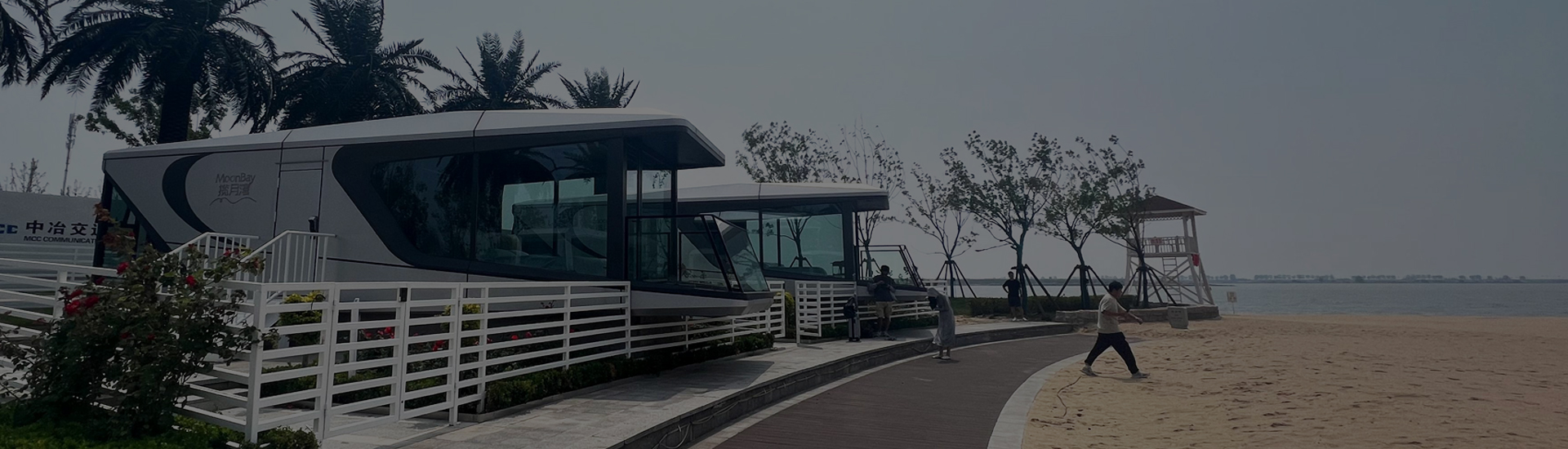
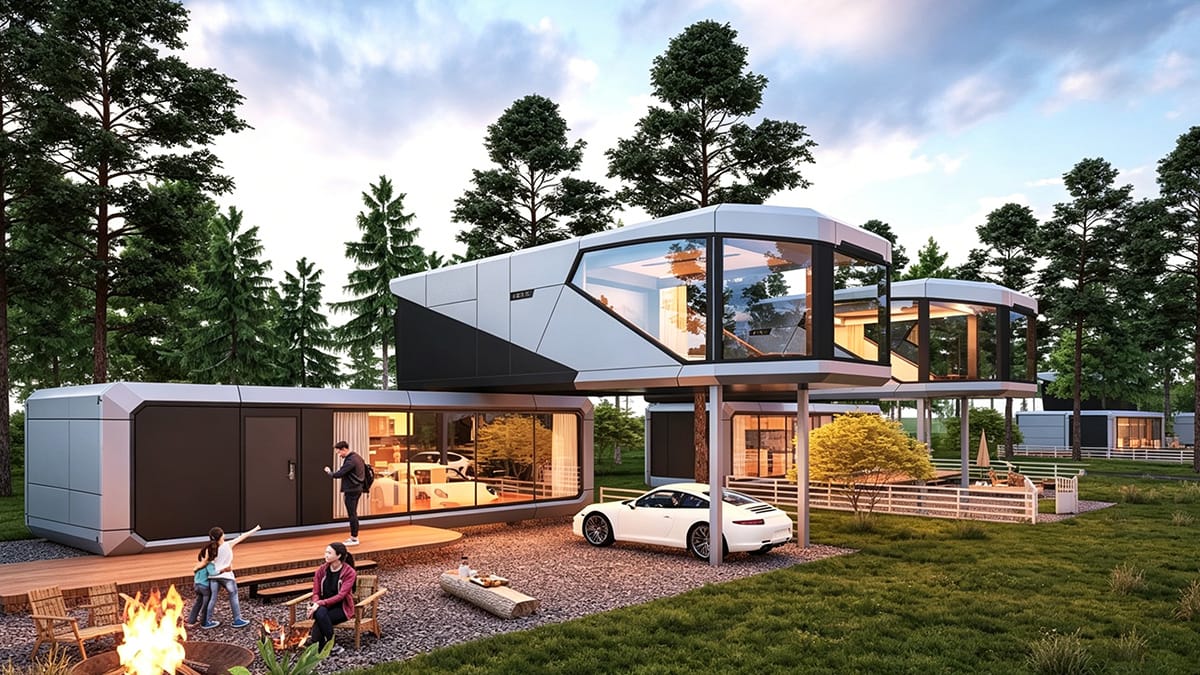
Capsule homes are small, modern pods for living. They use strong materials that do not rust. Some have solar panels ready to use. The space capsule house can handle earthquakes. The apple cabin is round and does not need a base. Container houses are made from tough steel. These homes are good for short stays or instead of hotels. They fit well in crowded cities. Many people pick capsule homes because they are small and easy to move.
Note: Capsule houses save space. You get beds, storage, and sometimes a tiny bathroom built in.
Description | |
|---|---|
Space Capsule House | Futuristic shell, solar-ready, corrosion-proof, earthquake-rated. |
Apple Cabin | Rounded prefab, stackable, no foundation needed. |
Container House | Steel, ISO 668 rated, earthquake & pressure resistant. |
Modular Building | Multi-storey modules for hotels, offices, and homes. |
Circular House | 360° panoramic design for glamping and eco-lodges. |
Soundproof Cabin | Acoustic wall panels for studios and offices. |
Tiny Houses Overview
Tiny houses are bigger than capsule homes. Most are between 100 and 400 square feet. You can live in a tiny house for a long time. Many have smart designs like loft beds and furniture that does more than one thing. You get more privacy in a tiny house than in a capsule home. Tiny houses are good for people who want a smaller home but still want to be comfortable. You can buy prefab tiny houses that are quick to set up. Many people in Australia pick tiny houses because they cost less than normal homes.
Tiny houses give you more privacy.
You can stay in a tiny house for many years.
Prefab tiny houses are easy to move.
Modular Homes Explained
Modular homes are built from parts made in a factory. Builders put these parts together to make bigger spaces. You can stack them or join them side by side. Modular homes can have more than one floor and are good for families or groups. This type of home is fast to build and saves money. Many use prefab materials, so there is less waste. You can use a modular home as your main house or as an office. Some look like big prefab tiny houses but have more space.
Granny Flats and Other Pop-Up Options
Granny flats are small homes built on the same land as a main house. You can use them for family, guests, or to rent out. Most granny flats use prefab parts so they go up fast. People like this option if they need more space but do not want to move. Other pop-up homes include circular houses for eco-lodges and soundproof cabins for music or work. Each prefab tiny house or pop-up home gives you a flexible choice instead of a normal house.
Granny flats are good for families who need more room.
Soundproof cabins are great for music or work.
Circular houses are fun for camping trips.
Key Features and Differences
 Build Methods and Materials
 Build Methods and Materials
Capsule houses use strong, modern materials. They often have aviation-grade aluminum that lasts over 30 years. This material does not get damaged by the sun. The steel frame is covered in a special layer to stop rust. Insulated panels keep the inside warm or cool and block noise. Tempered glass lets sunlight in and helps save energy. The floors are made from composite materials that do not get ruined by water. You can control lights and temperature with your phone using smart technology.
Material | Description |
|---|---|
Aviation-Grade Aluminum | Lightweight, strong, UV-resistant, durable for decades. |
Hot-Dip Galvanized Steel Frame | Corrosion-resistant, absorbs impact, ensures long-lasting structure. |
Insulated Panels | Keeps temperature steady, reduces noise, improves energy efficiency. |
Glass and Transparent Materials | Double-glazed, strong, secure, lets in light, saves energy. |
Composite Materials for Flooring | Water-resistant, durable, easy to clean, good for busy areas. |
Smart Technology Integration | Controls home systems, saves energy, boosts comfort. |
Tiny houses use lighter materials. These may not be as strong as capsule house materials. Modular homes use parts made in factories. They can have steel or wood frames. Granny flats use regular building materials, but some are prefab. Capsule homes last longer and save more energy than tiny houses.
Tip: Pick strong materials and good insulation if you want a home that lasts and feels nice.
Mobility and Flexibility
Capsule houses are easy to move and use in different ways. You can move them with a crane or trailer. They are not on wheels, but you can still relocate them. They stay steady for long stays. Tiny houses have wheels and are good for people who travel a lot. Modular homes can move, but most stay in one spot after setup.
Capsule houses: Move with crane or trailer, steady for long stays.
Tiny houses: On wheels, easy to move, good for travelers.
Modular homes: Can move, but usually stay in one place.
Capsule homes can be used as a main home, office, or guest house. The 20ft Apple Capsule Container House rolls easily and fits city life. You can change capsule homes to fit what you need. You can also set them up to live off-grid, so you do not need city power or water.
Cost and Affordability
Capsule houses in Australia cost $30,000 to $100,000. Prefab models cost $30,000 to $60,000, or $100 to $200 per square foot. Custom capsule homes cost $60,000 to $100,000, or $200 to $350 per square foot. Tiny houses cost less than normal homes, but prices change a lot. Modular homes cost more, but you get more space. Granny flats are cheap and make your property worth more.
Capsule houses: $30,000–$100,000, steady price, less waste.
Tiny houses: Prices change, many choices, often cheaper.
Modular homes: Cost more, more space.
Granny flats: Cheap, fast to build.
Capsule homes save money and energy. You pay less for bills because of their smart design and technology.
Sustainability and Resource Efficiency
Capsule homes are made to be good for the planet. They use recycled steel, safe wood, and insulation that is not toxic. Good insulation and special windows help save energy. Many capsule houses have solar panels and collect rainwater. You can live in a capsule house and help the environment.
Feature | Description |
|---|---|
Eco-friendly materials | Recycled steel, sustainable wood, biodegradable insulation. |
Energy efficiency | Advanced insulation, energy-efficient windows, LED lighting. |
Renewable energy systems | Solar panels, rainwater harvesting, less reliance on grid. |
Tiny homes and modular homes also try to be eco-friendly. You can pick what works best for your green goals. Capsule homes help you live on your own and care for the earth.
Comfort and Space
Capsule homes give you 100 to 500 square feet of space. They use smart designs to make every inch useful. People say capsule houses feel cozy and nice. You get new features and a cool, modern look. Tiny houses let you change things and are not expensive. Modular homes give you more room and are good for families.
Capsule homes: Small, high-tech, modern, comfy.
Tiny houses: Cheap, easy to change, personal.
Modular homes: Save energy, can be bigger, good for families.
Capsule homes use space well. You get comfort and everything you need in a small area. They use smart tech and solar panels to make life better and greener.
Installation and Setup
You must follow steps to put in a capsule house in Australia. First, pick the right base. You can use a concrete slab, piers and beams, or screw piles. Next, clear and level the ground. Mark the edges and dig if needed. Set the base with forms and metal bars or put in piers and piles. You need permits from the local council and must follow rules. Connect power, water, sewage, and gas.
Pick base: slab, piers and beams, or screw piles.
Level ground: clear the area, mark edges, dig.
Set base: use forms, metal bars, piers, or piles.
Get permits: building, zoning, and environment.
Connect utilities: power, water, sewage, gas.
Capsule homes are quick to set up. Tiny homes and modular homes also need permits and hookups. Capsule houses are easy to install and can be upgraded later, so they are a smart choice for green living.
Capsule Homes Australia Legal and Regulatory Factors
 Understanding capsule homes australia legal requirements is very important before you start your project. You must follow rules set by your local council and the national government. These rules help keep you safe and protect your investment.
Council Approval and Zoning
You need council approval for most capsule homes in Australia. Each city or town has its own rules. Here is a simple process you can follow:
Check zoning rules to see if your land allows capsule houses.
Prepare documents like plans, safety checks, and proof that your home meets size and health rules.
Submit your application to the local council.
Wait for the council to review your plans. They may ask for more information.
Arrange a safety inspection if needed.
Get your permit if you pass all steps.
Note: If you skip any step, you may face fines or be told to remove your home.
The type of land you own matters. Look at this table to see where capsule homes australia legal rules allow you to build:
Zoning Category | Description |
|---|---|
Residential Zones (R1, R2, R3) | Allow capsule houses as guest houses or extra units if rules are followed. |
Mixed-use Zones | Good for renting, tourism, or short stays. |
Rural or Agricultural Zones | Best for off-grid living or small groups of capsule homes. |
Commercial Zones | May allow offices or worker housing, not for living full-time. |
Size, Height & Placement Restrictions | You must follow special rules for size and placement. |
National Building Codes
Capsule homes australia legal rules say you must follow the Building Code of Australia (BCA). You also need to check the National Construction Code (NCC). These codes make sure your home is safe and strong. You may need an engineering certificate to show your home will not fall down. If you live in a bushfire area, you must get a Bushfire Attack Level (BAL) check.
Here is a quick look at what you need:
Follow the Building Code of Australia (BCA).
Check the National Construction Code (NCC).
Get council approval.
Do a bushfire check if needed.
Classification Type | Compliance Requirements |
|---|---|
Capsule homes | Must comply with the Building Code of Australia (BCA) |
Modular homes | Must adhere to National Construction Code (NCC) |
Local council approval | Needed for zoning and development |
Engineering certification | Needed for safety |
Bushfire Attack Level (BAL) | Needed in bushfire areas |
Legal Challenges for Capsule Houses
You may face some legal problems with capsule homes australia legal rules. You must follow zoning laws and building codes. You need all the right permits. Sometimes, councils say no to your plans. If you do not follow the rules, you may get a fine or have to move your home.
Capsule homes have different rules than tiny houses or modular homes. For example, if your capsule home is an Accessory Dwelling Unit (ADU), you must anchor it to the ground and connect it to power and water. If it is like an RV, you cannot live in it full-time on private land. Tiny houses and modular homes have their own rules, but you always need to check with your council.
Tip: Always talk to your local council before you buy or build. This will help you avoid problems later.
Suitability for Different Lifestyles
Singles and Couples
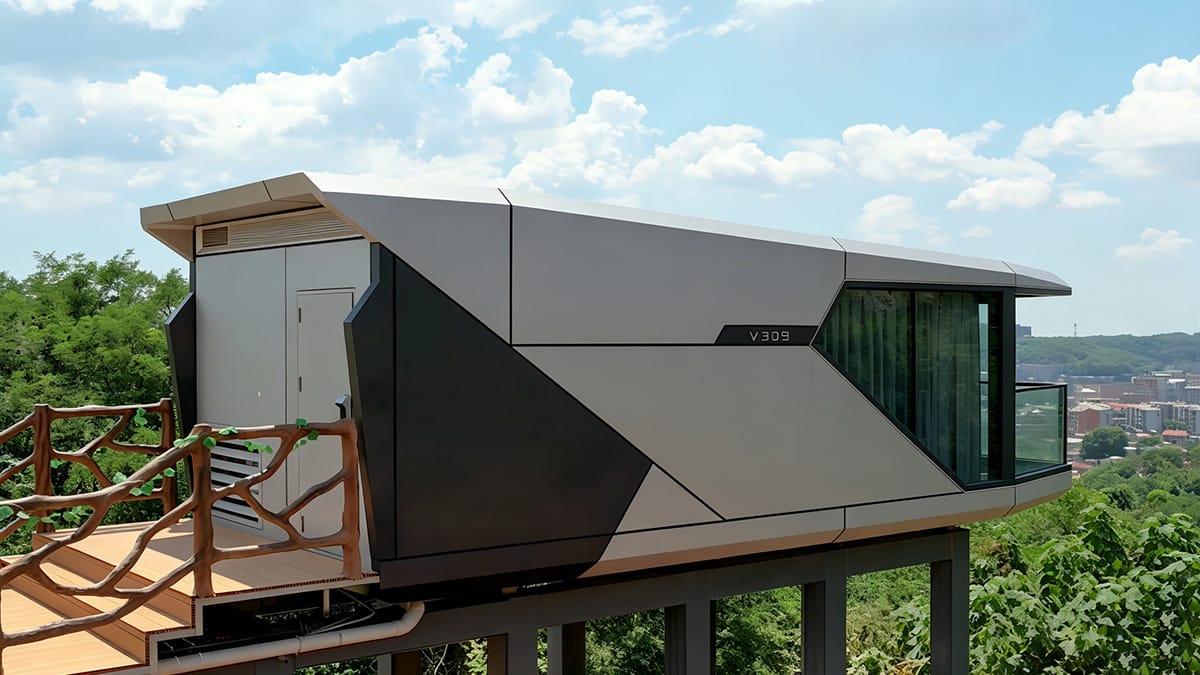 Singles and Couples
If you live alone or with a partner, capsule homes can fit your needs. You get a compact space that feels cozy and private. Many singles choose capsule homes because they want to save money and live simply. Couples often like the modern design and smart use of space. You can move your home if you change jobs or want a new view. Living off the grid becomes easier with solar panels and water tanks. Tiny houses also work well for singles and couples who want more room or a custom layout.
Families and Shared Living
Families need more space and privacy. Capsule homes may feel too small for parents and children. You might find it hard to store toys, clothes, and daily items. Modular homes or granny flats give you extra bedrooms and living areas. Tiny homes can work for small families if you use smart storage and flexible furniture. Shared living in capsule homes works best for short stays or as guest rooms, not as a main home for a family.
Urban vs Rural Use
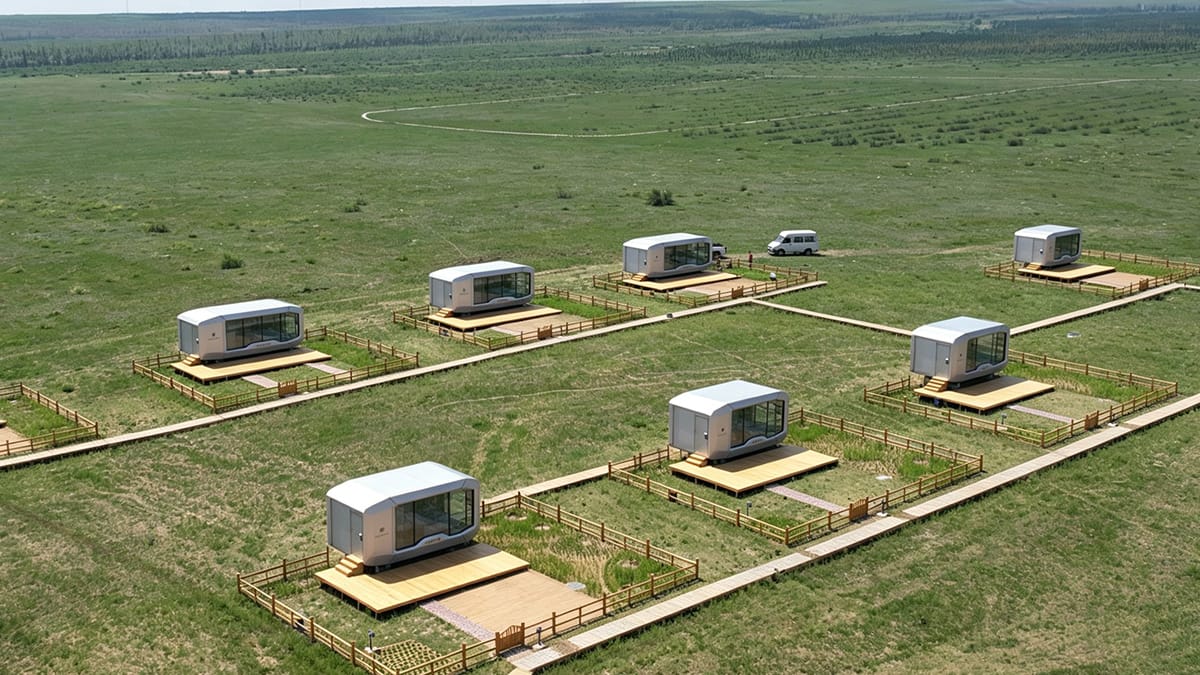
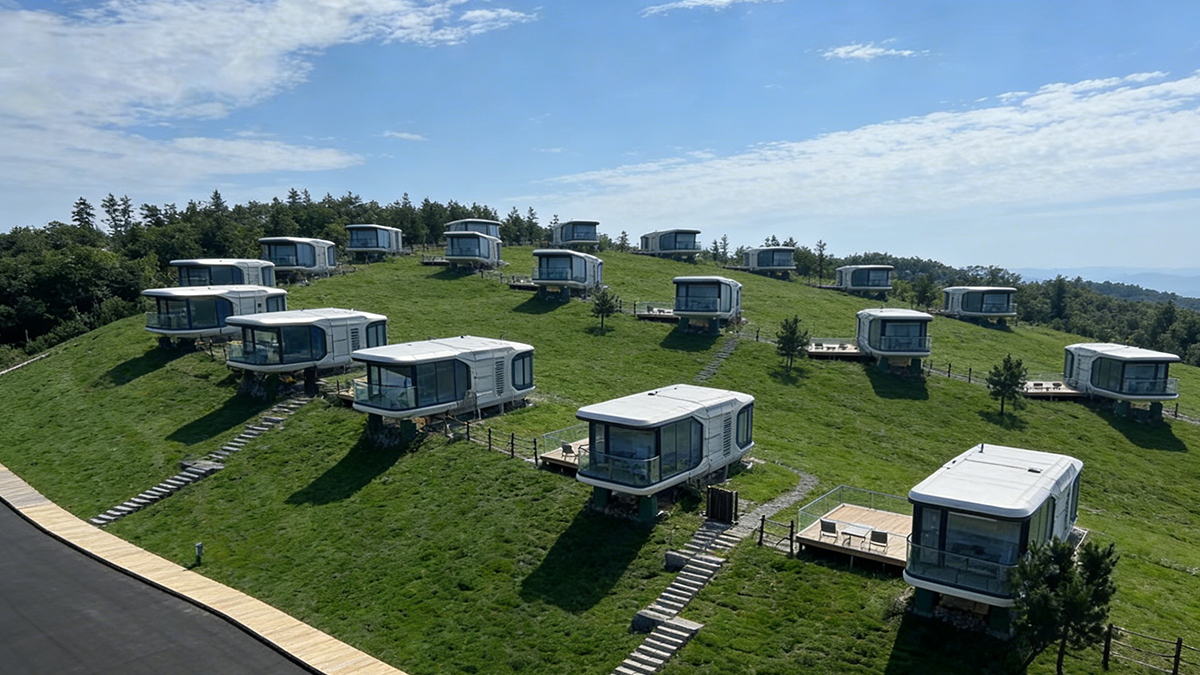
You can place capsule homes in cities or the countryside. In urban areas, you save space and live close to work or school. Capsule homes fit well on small lots or in backyards. In rural areas, you can set up your home off the grid. Solar power and rainwater tanks help you live without city utilities. Many people use capsule homes as weekend retreats or eco-friendly cabins. Tiny houses and modular homes also let you enjoy rural life with more comfort.
Short-Term vs Long-Term Living
Capsule homes shine for short-term stays. You get low costs, easy setup, and the freedom to move. Many people use them for holidays, work trips, or as guest houses. For long-term living, you need to think about comfort and space. Some people feel cramped after a while. Thin walls may not block noise well. Local rules may limit where you can stay long-term.
Here is a quick look at the pros and cons:
Advantage | Description |
|---|---|
Affordability | Lower costs make life easier. |
Sustainability | Eco-friendly materials and energy savings. |
Flexibility | Ability to relocate or adapt the home. |
Low Maintenance | Durable materials reduce upkeep. |
Compact Comfort | Efficient design maximizes comfort in small spaces. |
Note: Long-term residents may worry about durability, airflow, and privacy. You should check local rules before you plan to stay for years.
Tiny homes and modular homes offer more comfort for long-term living. You can pick the best option for your lifestyle and needs.
Innovations and Trends in Capsule Houses and Pop-Up Housing
Recent Innovations in Capsule Homes
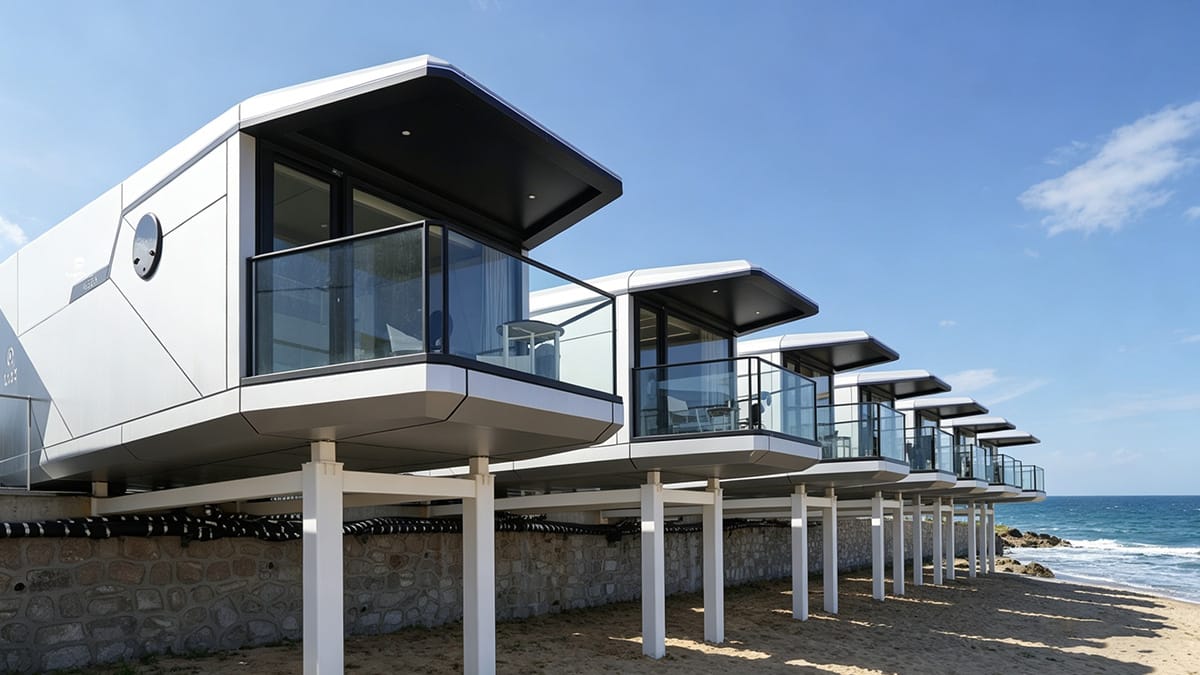 Recent Innovations in Capsule Homes
There are many new ideas for capsule homes in Australia. Builders want these homes to be better for the earth. Some capsule homes have modular designs. You can add or take away sections when you need to. Many homes use smart technology. You can use your phone to control lights and heat. Some models use eco-friendly materials to cut down on waste. These homes are also quick to put together. You can set up your home in just a few days.
New capsule homes focus on being good for the planet.
Modular designs make it easy to change your space.
Smart technology helps you live more easily.
Eco-friendly features protect nature.
Fast assembly saves time and work.
Some companies use 3d printing to make parts of capsule homes. This way, building costs less and goes faster.
Tip: If you want a home that is simple to move and build, look for these new features.
Trends in Pop-Up Housing Australia
There are new trends in pop-up housing in Australia. Many people pick capsule homes for glamping. These homes let you enjoy nature and stay comfy. More companies use capsule homes for workers in far places.
Glamping lets you camp with comfort and style.
Remote workforce housing keeps workers near their jobs.
More people want homes that use less energy and water. Builders now make pop-up homes to fit these needs. You will see more smart features and green materials soon.
Note: Look for new designs and ideas as more people want flexible homes.
Common Challenges and Solutions
Regulatory and Zoning Barriers
There are many rules for capsule homes in Australia. Each council has its own zoning laws and permits. Some places let you use capsule homes as guest houses. Other places do not allow them at all. You must check your local rules before building. You also need approval to connect to water and power. The table below lists the main problems:
Barrier Type | Description |
|---|---|
Varying Local Council Regulations | Zoning and permit rules are different everywhere. |
Integration with Utilities | You need approval to connect to main services. |
To avoid trouble, talk to your council early. Ask about zoning, permits, and how to connect utilities. You can hire someone local to help with forms. Tiny houses and modular homes have the same problems. Granny flats are easier if you follow the rules.
Access to Utilities
You need water, power, and sewage for your home. Capsule homes often use solar panels and rainwater tanks. You can connect to city utilities if you get permission. Tiny houses sometimes use off-grid systems. Modular homes and granny flats connect to main services. Plan your utility setup before you build. Ask your council about the rules for connecting.
Tip: Use solar panels and water tanks to live off-grid. This saves money and helps the planet.
Maintenance and Durability
Capsule homes use strong materials like steel and aluminum. These last a long time and need little care. Clean the outside and check for damage every year. Tiny houses use lighter materials and may need more repairs. Modular homes and granny flats use normal building materials. Keep your home in good shape by checking it often and fixing small problems fast.
Clean surfaces often.
Look for leaks or rust.
Fix small problems before they get worse.
Community Acceptance
Some neighbors may worry about new pop-up homes. They might think capsule homes look odd or lower house values. You can help by sharing your plans and showing the good things your home brings. Plant gardens or use nice designs to help your home fit in. Tiny houses and granny flats get more support if you explain their benefits.
Note: Talking with neighbors and councils helps your project go smoothly and builds trust.
Capsule Homes vs Other Pop-Up Options: Comparison Table
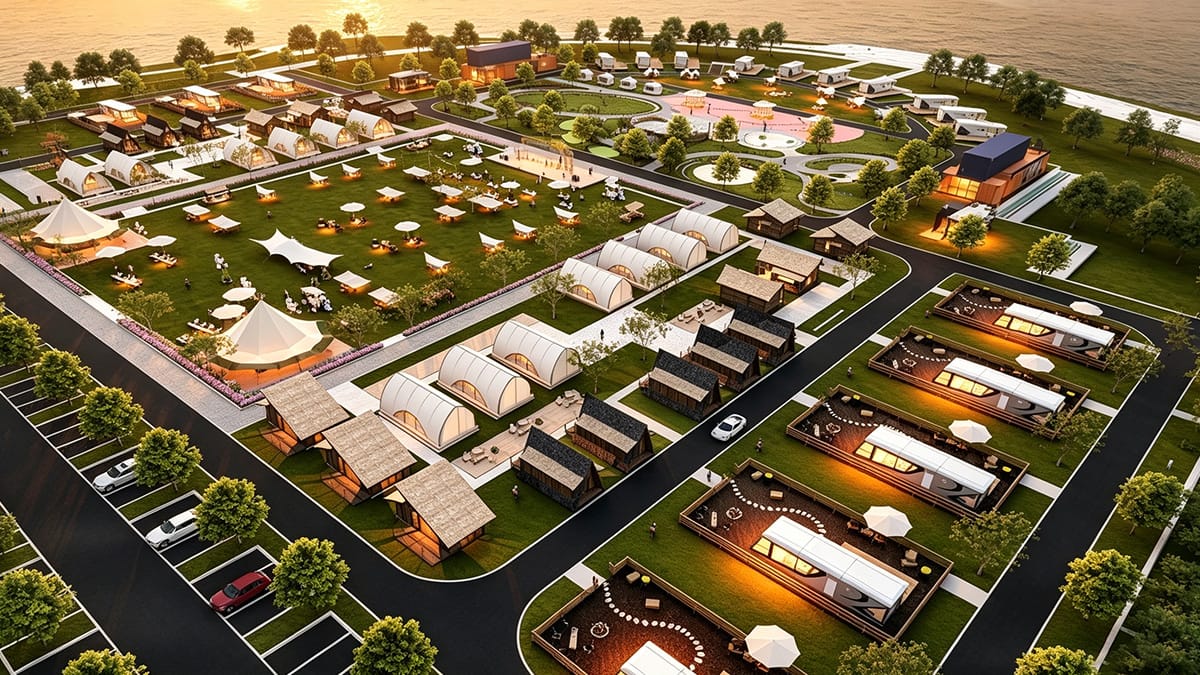 Picking a small home can be hard. You want to see how each type is different. This table shows the main points so you can compare fast.
Feature | Capsule Homes | Tiny Houses | Modular Homes | Granny Flats |
|---|---|---|---|---|
Size | 100–500 sq ft | 100–400 sq ft | 400–1,200+ sq ft | 300–800 sq ft |
Cost | $30,000–$100,000 | $40,000–$90,000 | $100,000–$300,000 | $80,000–$150,000 |
Mobility | Move with crane or trailer | On wheels, easy to tow | Usually fixed after setup | Fixed, not designed to move |
Legal Requirements | Council approval, BCA/NCC | Council approval, varies | Council approval, strict | Council approval, easier |
Best Use | Singles, short stays, off-grid | Singles, couples, travel, long-term | Families, main homes, offices | Family, rental, guest space |
Comfort | Compact, modern, smart tech | Cozy, flexible, personal | Spacious, more privacy | Home-like, private |
Sustainability | High, solar, rainwater | Good, depends on builder | Good, prefab options | Varies, some prefab options |
Capsule Homes vs Tiny Houses
You may not know if a capsule house or tiny house is better for you. Capsule homes look modern and have smart features. You can move a capsule house with a crane or trailer. Tiny houses have wheels, so you can pull them with a truck. Tiny houses feel more like a normal home inside. You can pick from many layouts and styles. Both need council approval, but tiny house rules change in different places.
Tip: Tiny houses are good if you want to travel a lot. Capsule homes are great if you want a small, high-tech space.
Capsule Homes vs Modular Homes
Sometimes you need more space for family or work. Modular homes have bigger rooms and more privacy. You can add bedrooms or offices if you need them. Capsule homes are best for singles or couples who want simple living. Modular homes cost more, but you get a big kitchen and bathroom. Both need council approval and must follow building codes.
Capsule Homes vs Granny Flats
Granny flats feel like a real home. You can use them for family or rent them out. Capsule homes are smaller and easier to move. Granny flats stay in one place. You need council approval for both types. Granny flats use regular building materials. Capsule homes use strong, modern materials and smart tech.
Note: Pick a capsule house if you want to move your home. Pick a granny flat if you want a space for family that stays put.
You can see how capsule homes, tiny houses, modular homes, and granny flats are not the same. Capsule homes are good for singles or couples who want a modern place and can move easily. Tiny houses are best for people who like to travel. Modular homes are better for families who need more room. Granny flats are helpful if you need space for family members.
Tip: Always look at your local council rules before you buy. Pick the home that fits your life and what you can spend. Are you ready to find a smart, small home? Begin your search today!
FAQ
What is the main benefit of a capsule home?
You get a compact, modern space that saves energy and money. Capsule homes use smart designs and strong materials. You can move them easily and set them up fast.
Do you need council approval for a capsule home in Australia?
Yes, you must get council approval before you install a capsule home. Each area has different rules. Always check with your local council first.
Can you live in a capsule home full-time?
You can live in a capsule home full-time if you meet local laws and building codes. Some areas only allow short stays. Always confirm with your council.
How do capsule homes handle utilities?
Capsule homes often use solar panels and rainwater tanks. You can connect to city utilities if you get permission. Plan your setup before you move in.
Are capsule homes good for families?
Capsule homes work best for singles or couples. Families may find the space too small. For more room, you can choose a modular home or a granny flat.