
31 May Can Capsule Houses Stand the Test of Time for Permanent Living?
Have you ever thought about living in a capsule house forever? Some people believe these small homes are only good for short trips. But today’s capsule houses surprise a lot of people. Builders use strong materials like anti-seismic galvanized steel and aviation-grade aluminum. This means these homes can last for many years. Here is how long they usually last:
Material Used | Expected Lifespan (Years) |
|---|---|
Galvanized Steel, Aluminum Frame |
You get comfort, safety, and save energy in a small home. If you want to live in a special way, a capsule house could be right for you for a long time.
Key Takeaways
Capsule houses can last 25 to 50 years or longer. They need good care and strong materials like galvanized steel and aluminum.
Good insulation in capsule houses keeps your home comfortable all year. It helps lower energy bills and is better for the environment.
Regular maintenance is very important. Check seals, clean surfaces, and fix small problems fast. This helps your home last longer.
Capsule houses are eco-friendly. They use less energy and fewer materials. This makes them a smart choice for modern living.
Before building, look up local zoning laws and building codes. Make sure your capsule house follows all rules.
Capsule House Durability for Long-Term Use
Material Quality and Lifespan
When you see a capsule house, you may ask how long it will last. The answer depends on what it is made of and how tough those materials are. Most capsule houses use strong materials like steel, aluminum, and composite panels. These materials help your small home stay safe and strong for many years. Some capsule houses use galvanized steel frames that do not rust or get damaged by bugs. If you live close to the ocean, aluminum frames are a good choice because they do not rust easily.
Here is a quick chart that shows the most common materials and how they help your capsule house last:
Material | Impact on Durability and Lifespan |
|---|---|
Steel | Makes the house strong and keeps out rust, water, and bugs, so it lasts a long time. |
Polyurethane Foam | Keeps the house warm or cool and saves energy, which helps the house last longer. |
Lightweight Composite Panels | Makes the house lighter and keeps it warm or cool, which helps it last longer. |
Engineered Wood | Makes the inside walls and floors last longer and look nice. |
Mineral Wool | Helps keep fire and noise out, so the house stays safe and quiet. |
Polycarbonate Panels | Are light and let in sunlight, which saves energy and keeps the house strong. |
If you take care of your capsule house, it can last 25 to 50 years or even more. The quality from the builder is important, so read reviews before you buy one.
Adaptability to Different Climates
Capsule houses work in many places because they are small and have good insulation. The walls and roof have layers that keep heat in or out. This keeps your home warm in winter and cool in summer. Good insulation is important if the weather changes a lot where you live. Polyurethane foam and mineral wool add extra protection, so your capsule house feels nice all year.
Importance of Maintenance
You want your capsule house to last a long time. The good news is these homes need less work than regular houses. Strong materials and a small size mean you do not have to fix things as much. Still, you should check the seals on doors and windows, clean the outside, and look for water drops inside. Here are some common problems and what causes them:
Issue | Cause |
|---|---|
Condensation Inside the Capsule | Not enough air flow or big temperature changes. |
Minor Cracks or Surface Damage | Something heavy hit it or the sun was too strong for a long time. |
Fading Exterior Color | The sun shines on it for many years. |
Door & Window Seal Deterioration | Seals get old or wet for a long time. |
Tip: Check your capsule house often and fix small problems quickly. This helps your home stay strong and comfy for many years.
Safety and Comfort in Capsule Houses
 Extreme Weather and Disaster Resilience
 Extreme Weather and Disaster Resilience
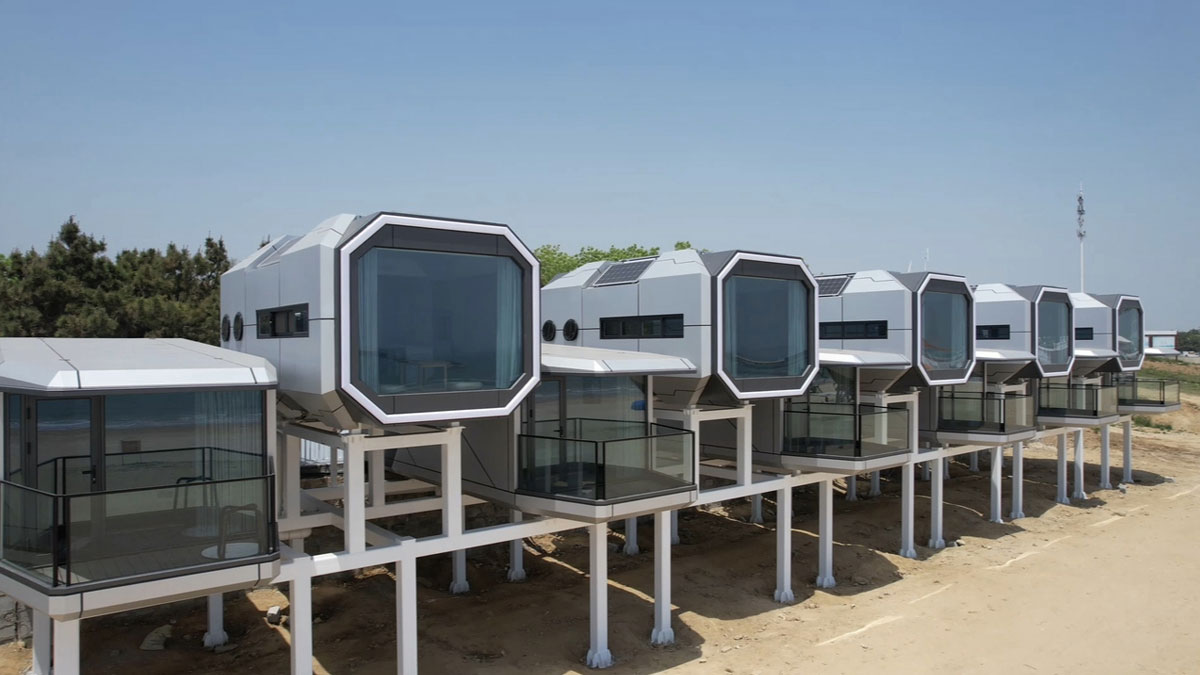
You may ask if a capsule house can protect you in storms or earthquakes. Many capsule houses are tested for safety before people live in them. Some can stand up to strong winds and big earthquakes. Look at this table to see how they do in disasters:
Disaster Type | Resistance Capability |
|---|---|
Hurricanes | |
Earthquakes | Magnitudes up to 9 |
Most builders get special safety certifications. These show the capsule house is built to high standards. Here are some important ones to know:
Certification | Importance |
|---|---|
ISO 9001 | Makes sure the builder has good quality systems |
CE | Shows the house follows health, safety, and environment rules in Europe |
SGS | Proves the house meets rules used around the world |
Tip: Always look for these certifications before you buy. They help you get insurance and make sure your home is safe for many years.
Daily Living Comfort
Living in a capsule house gives you a small, cozy space. It is good for people who like simple living. You will not have much clutter. Good insulation keeps you warm in winter and cool in summer. Many capsule houses have smart storage and big windows. This makes the space feel bright and open. If you like to focus on what is important, you may find this home very comfy.
Privacy and Security
Privacy feels different in a capsule house than in a regular house. The walls are thin, so you might hear sounds from outside or other homes. The open design means you have less private space. Some people find it hard to get quiet time. If you want more privacy, you can add curtains or soundproof panels. You can also pick a spot with fewer neighbors. How safe and private your home is depends on how you set it up and protect your space.
Energy Efficiency and Environmental Impact
Insulation and Utility Use
You want your capsule house to feel nice all year. Good insulation helps make this happen. The right insulation keeps your home warm in winter. It also keeps your home cool in summer. This means you do not need as much heating or cooling. You can save money on your energy bills.
Here are some top insulation materials you might find in capsule houses:
Insulated panels help hold up the house and keep it warm or cool.
Polyurethane foam (like Elastopor® H) stops heat from moving in or out.
Neopor® is light and keeps heat in, but does not use bad chemicals.
Micronal® PCM helps control heat, so you do not need as much air conditioning.
Springvale Platinum gives strong insulation and is better for the earth.
Insulated panels stop heat from leaving your house. You may see your energy bills go down. Some studies say phase change materials (PCMs) can lower energy use by up to 432.5 kWh. This saves you money and helps the planet. If you want your home to feel just right, use good insulation and energy-saving systems.
Tip: Check your capsule house’s insulation every year. Small repairs can help you save money and stay comfortable.
Eco-Friendly Features
Capsule houses are special because they are green. You use less energy since the space is small. You do not need many lights or much power for heat or air. This keeps your carbon footprint low for a long time.
Let’s compare capsule houses and traditional homes:
Feature | Capsule Houses | Traditional Homes |
|---|---|---|
Size | Small | Large |
Energy Use | Low | High |
Carbon Footprint | Lower | Higher |
Focus on Sustainability | Yes | Sometimes |
You help the earth when you pick a capsule house. The design uses insulation and other green features to save energy. If you care about the planet, this home makes it easy to help.
Maintenance, Costs, and Legal Factors
Routine Upkeep and Expenses
 Routine Upkeep and Expenses
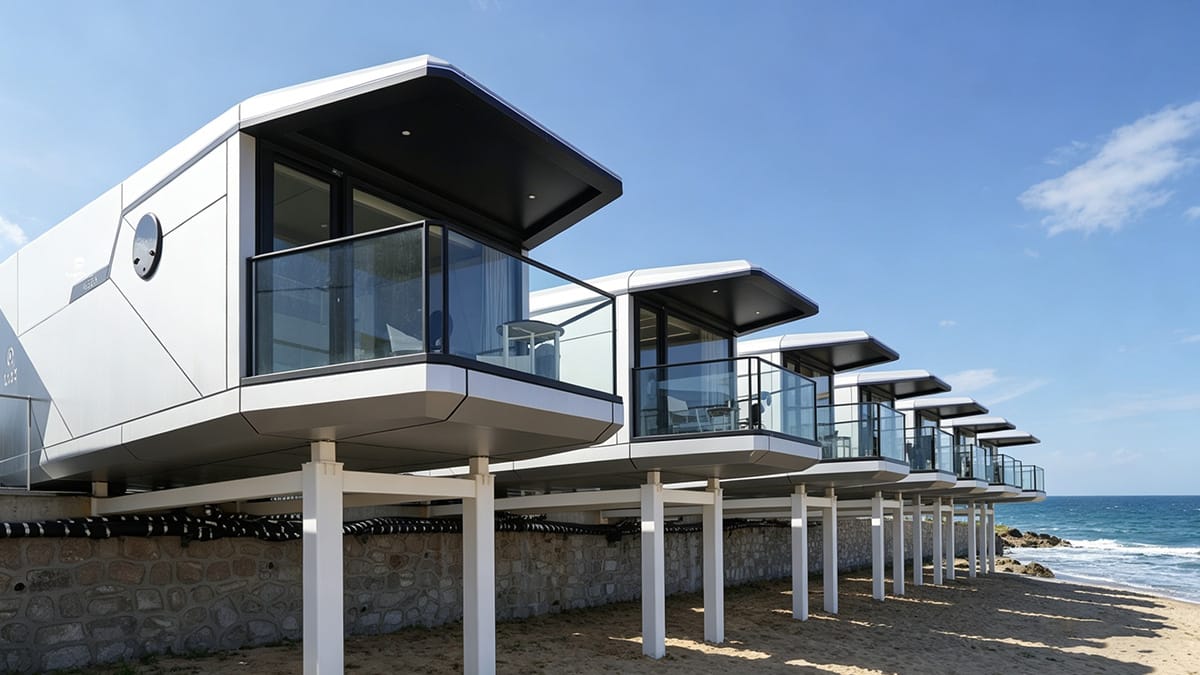
If you want to live in a capsule house for a long time, you might wonder how much work and money it takes to keep it nice. The good news is that these homes are easy to take care of. Builders use strong materials like steel and aluminum. These do not rust or wear out fast. Many capsule houses also use green composites that last a long time and do not break easily.
Here is a simple chart about yearly maintenance costs:
Type of Home | Annual Maintenance Cost |
|---|---|
Traditional Home | Higher than $1,500 |
You will pay less for repairs and cleaning than with a regular house. Most jobs are easy, like checking seals, wiping surfaces, and making sure things work. If you take care of your home, you can stop big problems and save money over time.
Tip: Make a list for your capsule house. Check it every few months to find small problems early.
Zoning and Building Codes
Before you put your capsule house somewhere, you need to know the local rules. Some places have strict zoning laws that say where you can put small homes. Building codes make sure your house is safe and comfy. You might also find rules in old neighborhoods or from HOAs that care about how homes look.
Here are some common legal problems you might see:
Barrier Type | Description |
|---|---|
Zoning Regulations | Some places do not let you have capsule houses or other small homes. |
Building Codes | Your house must follow safety and living rules. |
Aesthetic/Historic Districts | Local rules may not allow new or modern-looking homes. |
HOA and Deed Restrictions | Community rules can stop you if your house does not match the neighborhood style. |
You should always ask your city or county before you build. This helps you stay out of trouble and makes sure your plans work well.
Are Capsule Houses Suitable for Long-Term Living?
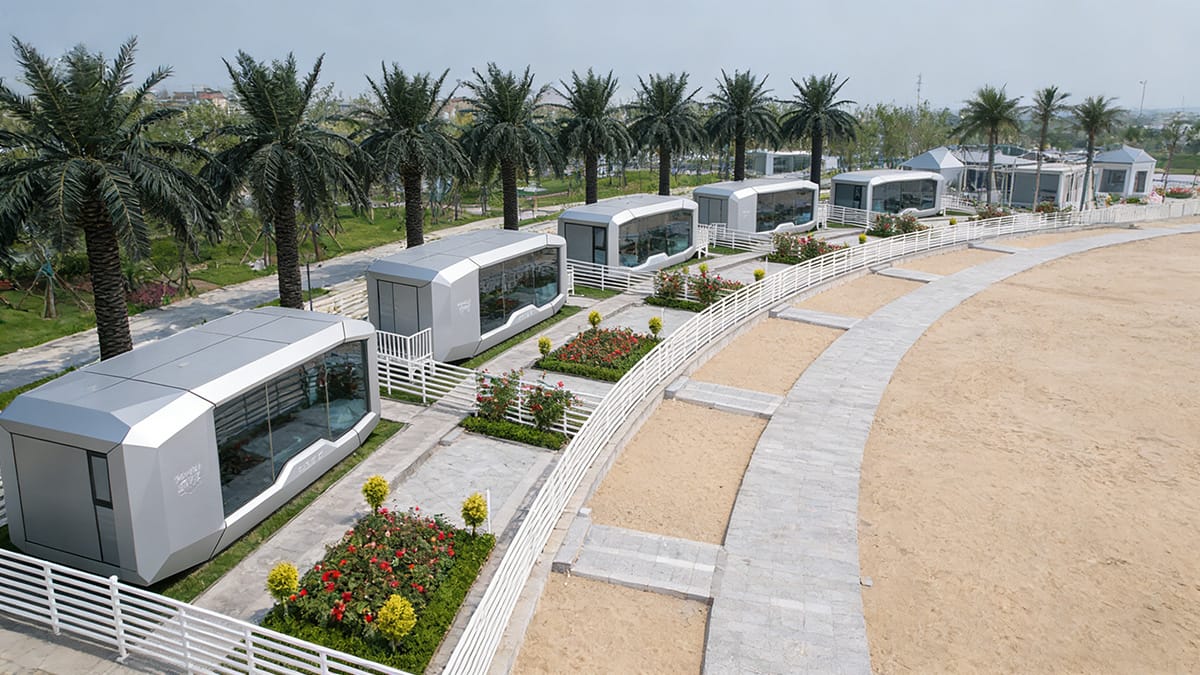 When you want a home that lasts, you want it to feel safe and easy to care for. You might wonder if a capsule house is good for living in for many years. Let’s see how these small homes work for long-term use and why they might fit your green lifestyle.
Comparison with Traditional and Tiny Homes
You may know about traditional homes. They use wood, bricks, and have lots of space. Tiny homes are smaller, but many use timber and simple materials. Capsule houses are different because they use advanced materials and smart designs. Here’s how they compare for long-term use and how well they work:
Capsule houses use aviation-grade aluminum and anti-seismic galvanized steel. These materials help the home last longer and stay strong in bad weather.
Traditional homes need more repairs. Their old materials and complex designs can cost more to fix over time.
Tiny homes often use timber. Timber can rot or get bugs, so you may need to fix things more.
Capsule houses have steel frames that can handle wind up to 110 miles per hour. This helps you feel safe during storms.
You spend less on repairs with capsule houses. The weather-resistant materials mean fewer problems and lower costs.
Modern building methods make capsule houses strong. Many come with warranties for 10 to 25 years, which shows they last a long time.
Capsule houses work well in many climates. Their insulation and design help you stay comfy wherever you live.
Tiny homes and traditional homes may not be as good at saving energy or handling bad weather.
Capsule houses are also a type of modular housing. You can move them, stack them, or change their layout. This makes them a good choice for long-term use, especially if you want a small home that can change with your needs.
Pros and Cons for Long-Term Residents
You want to know if a capsule house is a good choice for living in for many years. Let’s look at the main good and bad points for long-term use.
Advantages for Long-Term Residents
Advantage | Description |
|---|---|
Affordability | You spend less money than with a traditional home. Lower costs make life easier. |
Sustainability | Capsule houses use eco-friendly materials and save energy. You help the planet every day. |
Flexibility | You can put your home in many places. Move it or change it as your life changes. |
Low Maintenance | Strong materials mean you spend less time and money fixing things. |
Compact Comfort | Smart designs give you all the comfort you need, even in a small space. |
You also get other good things with a capsule house. You can live a green life with less waste and lower energy bills. The design helps you focus on what matters most. Many people pick capsule houses because they are good for the earth, save energy, and do not cost much to keep up. You can even change your space to fit your style.
Disadvantages for Long-Term Residents
Some people worry about how long capsule houses last, but new ones use strong materials for long-term use.
You might have problems with airflow. Good air is important for comfort and health in small spaces.
Not everyone thinks capsule houses are good for living in for many years. The small size can feel tight.
You may need to check local rules. Zoning and building codes can affect where you put your home.
Privacy can be hard in a small home. Thin walls and close neighbors may not be right for everyone.
When you think about living in a capsule house for a long time, you should think about what is most important to you. Do you want a green, easy-to-care-for home? Do you like the idea of living small? Capsule houses can be a good choice for many people, but you need to think about the good and bad points.
What Makes Capsule Houses a Practical Option for Long-Term Use?
You might pick a capsule house for many reasons:
You can change your space as your needs change.
Smart layouts and good insulation make it comfy.
Strong materials and weather resistance help you feel safe.
Eco-friendliness and energy savings help you live green.
Low maintenance costs save you time and money.
You can make your home special with custom options.
Some cities even give rewards for green micro homes. For example, Ann Arbor gives permits for granny pods and likes eco-friendly designs. Lansing and Flint have flexible rules and give grants for homes that follow the rules. These programs make capsule houses even better for long-term use.
Tip: If you want a home that helps you live green, works well, and keeps costs low, a capsule house could be a good choice for long-term living.
In the end, capsule houses are a good choice for long-term use if you care about the earth, want a home that can change, and want something easy to care for. They are a smart option for people who want a modern, small, and green way to live.
You’ve seen that a capsule house can last for decades if you take care of it and pick the right spot. Capsule houses help solve housing shortages because they use space well and cost less to build and maintain. If you’re thinking about this lifestyle, try these tips:
Check if capsule living fits your needs and habits.
Plan your site and utilities before you start.
Think about storage and how you’ll use your space.
Want to learn more? Look for local rules, talk to experts, and visit model homes.
FAQ
How long can a capsule house really last?
A capsule house can last from 25 to 50 years if you take care of it. Strong materials like steel and aluminum help your house stay safe for a long time.
Can you live in a capsule house during winter?
Yes, you can live in one during winter. Good insulation and weatherproofing keep you warm inside. If it gets very cold, you might want extra blankets or a small heater.
Is it hard to get insurance for a capsule house?
Getting insurance can be tough in some places. But now, many companies have plans for capsule houses. Always check for safety certifications before you buy one.
What utilities can you use in a capsule house?
You can use normal electricity, water, and internet in your home. Some people add solar panels or collect rainwater if they want to live off-grid.
Can you customize the inside of a capsule house?
Yes, you can make the inside your own. You can choose colors, storage, and how the rooms are set up. Many builders let you pick what fits your style and needs.