
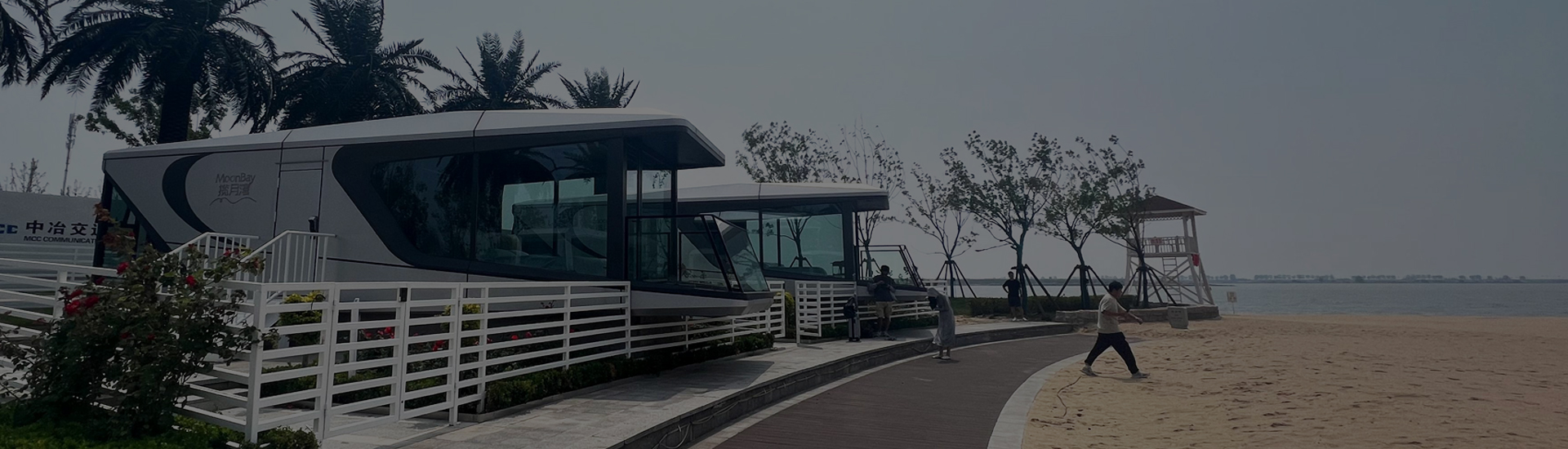
10 Jul Capsule Houses And Nature Meets Futuristic Living
Imagine waking up in a cool pod home. Sunlight shines through big windows. The forest is right outside your door. Capsule houses give you high-tech comfort. You can still be close to nature. More people pick these homes for something new. Cities now have smaller, walkable neighborhoods. Duplexes and fourplexes fit on regular streets. It is easy to live simply and stay close to your community.
Key Takeaways
Capsule houses mix new design with nature. They have big windows and use materials that are good for the Earth. This makes a nice place to live. These homes save energy and use smart technology. You can pay less for bills and help the planet. Capsule houses do not cost a lot. They are much cheaper than regular homes. Many people can buy them. They work well in cities. They fit in small places and give fast housing in busy areas. Living in a capsule house means you live more simply. You can focus on important things and still have modern things you like.
Capsule Houses: Nature & Futurism
Blending Modern Design with Nature
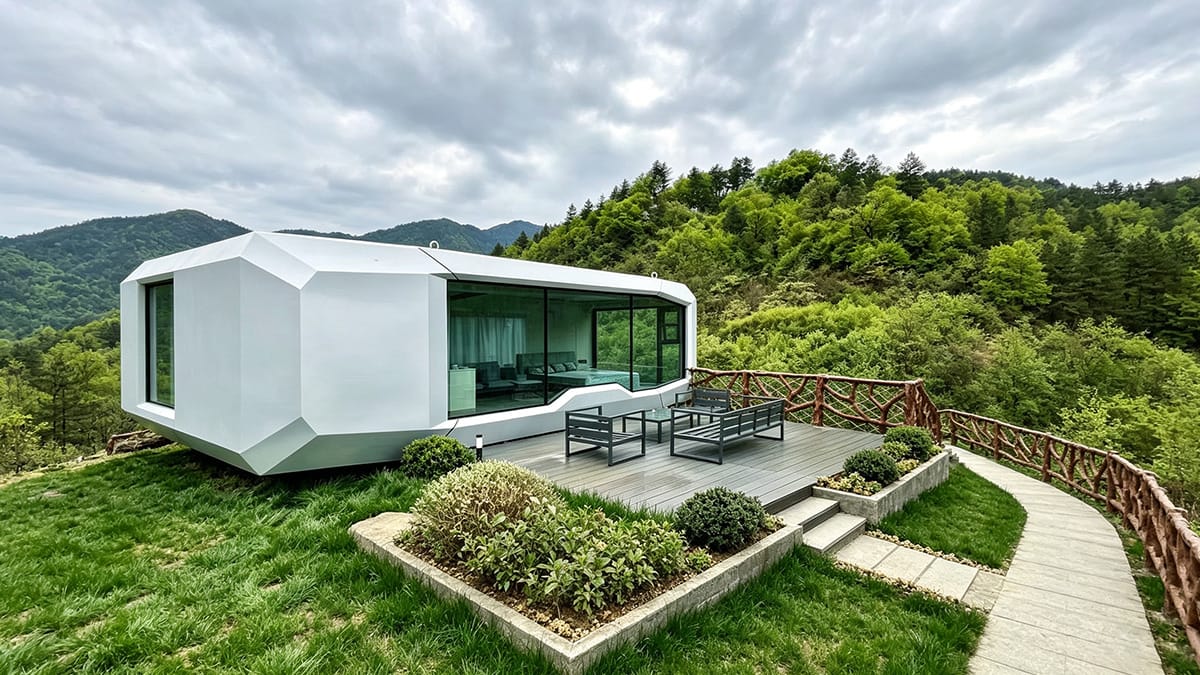
You might wonder how capsule houses can look so futuristic and still feel close to nature. Designers use smart ideas to make this happen. When you step inside, you see large windows and skylights. These features let in sunlight and give you a clear view of the outdoors. You feel like you are part of the landscape, not just looking at it.
Architects pick materials that are both strong and light. For example:
They use aerospace aluminum and carbon fiber. These materials keep the structure sturdy but not heavy.
Some builders choose recycled steel from old shipping containers. This helps the planet and gives each home a unique story.
Solar panels often sit on the roof. They collect sunlight and turn it into energy for your home.
Water-saving systems, like rainwater collectors and filters, help you use less water every day.
You get a home that looks like it belongs in a sci-fi movie, but it also fits right into the natural world around you.
Environmental Consciousness in Living
Living in capsule houses means you care about the environment. These homes use eco-friendly materials and energy-saving systems. You help the earth by choosing a house that leaves a smaller mark.
Here are some ways capsule houses protect nature:
Builders use fewer materials, so there is less waste.
The design needs only a little work on the land, so plants and animals can stay safe.
Smart home systems help you use less power and water.
The whole house is made to save energy, which means you use less and spend less.
Tip: If you want to lower your carbon footprint, capsule houses make it easy. You get comfort and style while helping the planet.
Capsule houses show you that you do not have to pick between modern living and caring for nature. You can have both. These homes prove that the future of housing can be green, smart, and beautiful.
What Are Capsule Houses?
 Definition and Origins
 Definition and Origins
You might wonder where capsule houses started. These homes have an interesting past. Many countries helped make their design special.
Japan began the trend with Metabolism. This style used buildings that could change and move. The Nagakin Capsule Tower in Tokyo was built in 1972. It had 140 small capsules you could switch or move.
China made capsule architecture go even further. Builders there use new technology and smart materials. Over time, these homes in China changed from simple boxes to high-tech places with smart features.
Capsule houses were first made to save space. Now, they give you a modern and green place to live.
Types: Prefab, Floating, and Space Capsule
There are different kinds of capsule houses. Each one is good for a different reason.
Prefab capsule houses are made in factories. Workers can build them fast, sometimes in just a few days. These homes are good for short trips or as rentals. They cost less and you can move them if you want.
Floating capsule houses are made for water. They float on lakes or rivers. You might see them as vacation rentals or fun places to relax by the water.
Space capsule houses look like something from a sci-fi movie. They have round walls and porthole windows. These homes use cool designs and smart tech to make life simple.
Here’s a quick look at how capsule and prefab houses are different:
Aspect | Capsule House | Prefab House |
|---|---|---|
Structure | Small modular unit | Bigger modular or panel-built home |
Price Range | $15,000 – $52,000 | $30,000 – $100,000+ |
Installation Time | 1–7 days | 2–8 weeks |
Mobility | High (can be moved) | Low (usually stays put) |
Customization | Some | A lot |
Best Use | Rental, vacation, short stays | Permanent homes |
Sci-Fi Aesthetics and Urban Appeal
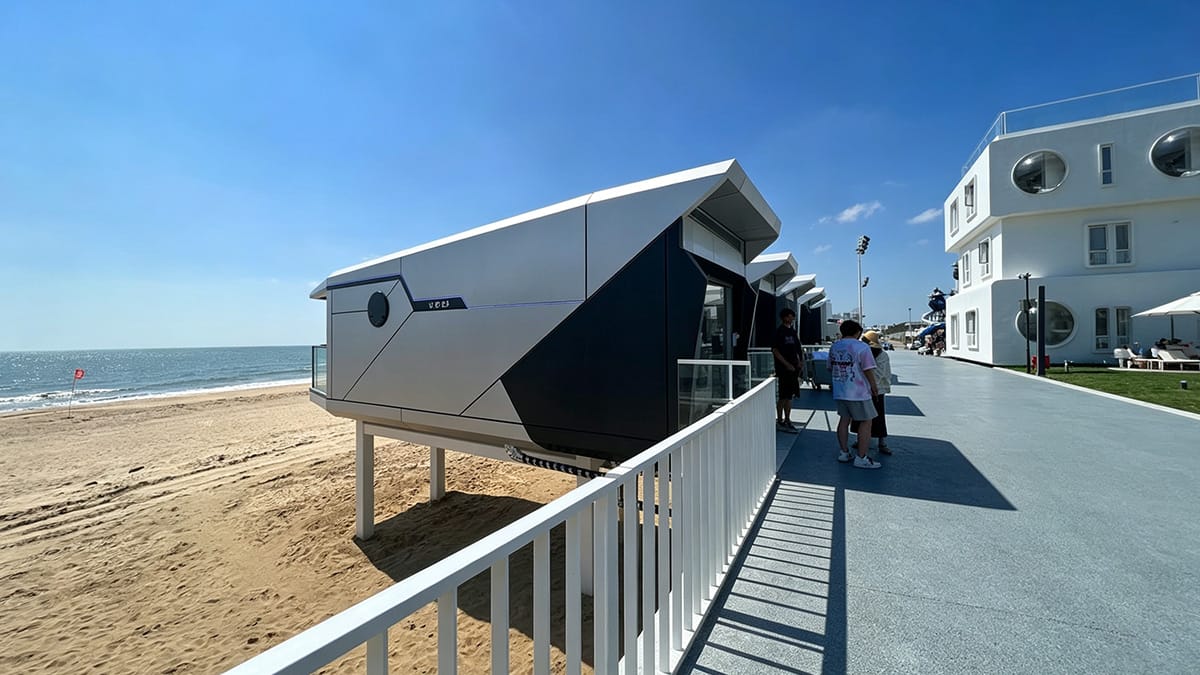
Capsule houses look cool and futuristic. You see smooth shapes, shiny metal, and big glass windows. Some even have round walls and porthole windows, just like a space capsule. These homes use smart technology to control lights and heat. You get a cozy space that feels modern and high-tech.
Even though these homes are small, you still have what you need. Designers use every bit of space. You can live in style and comfort, whether you are in the city or out in nature.
Design Principles of Capsule Houses
Compactness and Modularity
 Compactness and Modularity
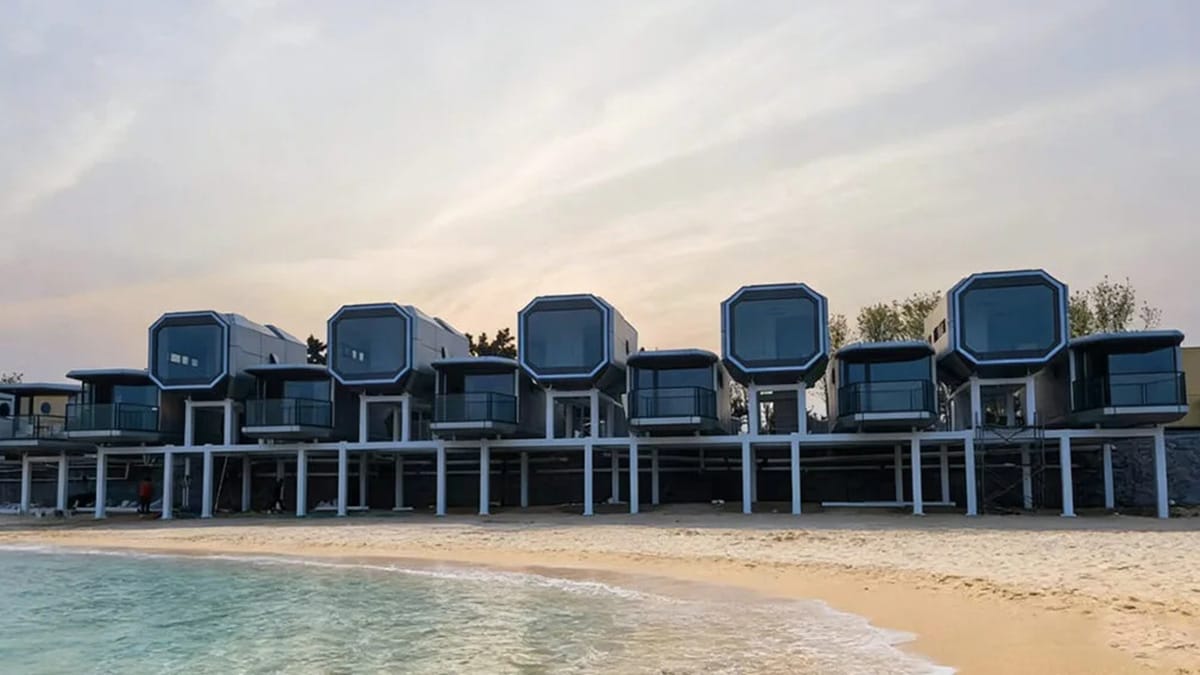
Capsule houses use smart design to make small spaces work well. Modular design is like using blocks to build your home. You can start with one unit and add more if you need space. Your home can grow if your family gets bigger. If you want less space, you can take away a module.
Feature | Description |
|---|---|
Customization | You can pick layouts that fit your family, making your home feel just right. |
Scalability | Add or remove rooms as your needs change. |
You can pick a small space for yourself or a bigger one for your family.
Compact layouts make cleaning easy and keep things neat.
More rooms give you privacy and comfort.
Large Windows and Skylights
Think about sunlight coming into your home every day. Capsule houses have big windows and skylights to bring in light. You get lots of sunlight, so your home feels bright and open. These windows let you see outside, whether you live near trees, water, or city lights.
Tip: Big windows and skylights help you save energy. You use less electricity because sunlight fills your home.
You can open windows to let in fresh air. Skylights bring light from above and make small rooms feel bigger. This makes you feel closer to nature.
Eco-Friendly Materials
Capsule houses use materials that are good for you and the earth. Builders pick strong and light materials like aerospace aluminum and carbon fiber. These keep your home sturdy and easy to move. Recycled steel from old shipping containers helps cut down on waste.
Here are some common materials and their benefits:
Material | Benefits |
|---|---|
Polyurethane Foam | Keeps your home warm or cool, adds little weight |
Engineered Wood | Lasts a long time, looks great inside |
Double-Glazed Windows | Saves energy, lets in lots of light |
Mineral Wool | Blocks noise, keeps heat in |
Polycarbonate Panels | Light, strong, lets in soft sunlight |
You get a home that is comfy, strong, and good for the planet.
Benefits of Capsule Houses
Sustainability and Efficiency
 Sustainability and Efficiency
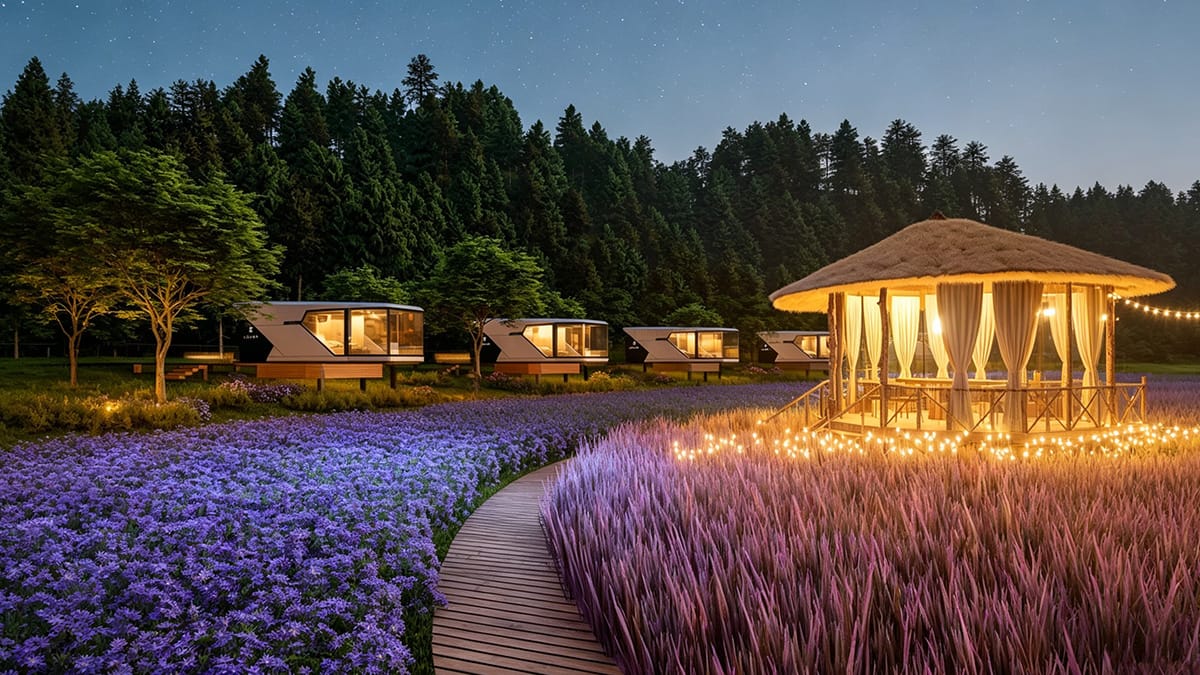
You want a house that is good for the earth and your wallet. Capsule houses do both things. They use less energy and make less trash than normal houses. Builders pick eco-friendly materials, so your home helps the planet. Prefabrication means there is less garbage when building. These homes have better insulation, so you stay warm in winter and cool in summer.
Here’s a quick chart to show the differences:
Benefit | Capsule Houses | Conventional Homes |
|---|---|---|
Construction Waste | Reduced due to prefabrication | Higher due to traditional methods |
Energy Efficiency | 25% savings in cold climates | Varies, generally less efficient |
Eco-friendly Materials | All materials sourced sustainably | Often includes non-eco-friendly options |
Upkeep Costs | Lower by up to 40% | Higher maintenance costs |
Capsule houses have smart features too. They can connect to city systems and control energy use right away. Special sensors help you use less power and water. Solar panels on the roof can give you up to 80% of your electricity. If your home is small, you use less energy for heat and air. For example, making your home 300 square feet smaller can save about 4,000 kWh every year.
Note: Living in a capsule house means you help the planet every day.
Adaptability for Urban Living
Cities are getting bigger, and space is running out. Capsule houses fit well in crowded places. You can find them in busy cities like Tokyo, New York, and Berlin. These homes work in small spaces and can be stacked or moved. Some cities use them to help people who need homes quickly, like after disasters or for people without homes.
Here are some real-life examples:
In Tokyo, capsule houses help with crowding and climate change.
In New York, small homes let people live in the city with less space.
Berlin uses tiny homes to help with not enough houses.
Capsule houses are good for people who move a lot. If you travel or move for work, you can take your home with you. In Scandinavia, these homes help people who need support. In New Zealand, they give shelter after disasters. In London, they make city living cheaper.
Example | Urban Setting | Description |
|---|---|---|
Portable Living | Nomadic Lifestyles | Flexible housing for travelers and minimalists, easy to relocate |
Community Housing | Scandinavia | Supportive communities for vulnerable populations |
Sustainable Living | Tokyo | Eco-friendly materials, ideal for urban sustainability |
Disaster Relief | New Zealand | Quick shelter for displaced individuals |
Affordable Housing | London | Efficient use of space, addresses affordability in dense areas |
Tip: If your life changes a lot, capsule houses are a good choice.
Cost-Effectiveness
You might think new homes cost a lot, but capsule houses are cheaper. These homes cost much less than regular houses. You can buy one for as little as $8,000. Even the most expensive ones are usually under $50,000. Regular homes often cost more than $200,000.
Here’s a simple chart:
Type of House | Cost per Square Foot | Price Range |
|---|---|---|
Capsule House | $150 | $8,000 – $50,000 |
Traditional Home | $175 | > $200,000 |
Capsule houses save you money over time too. They use less energy, so your bills are lower. Upkeep costs are up to 40% less than regular homes. You spend less on repairs and cleaning because the space is smaller.
Living in a capsule house helps you focus on what is important. You keep only what you need. Furniture like sofa beds and folding tables gives you more space. You get a calm, open home that feels just right.
You can move your home if you want a new place.
You spend less time cleaning and more time having fun.
You feel less stress because you have fewer things.
Callout: Capsule houses help you live simply, save money, and enjoy a modern life.
Tech Innovations in Capsule Houses
Smart Home Features
 Smart Home Features
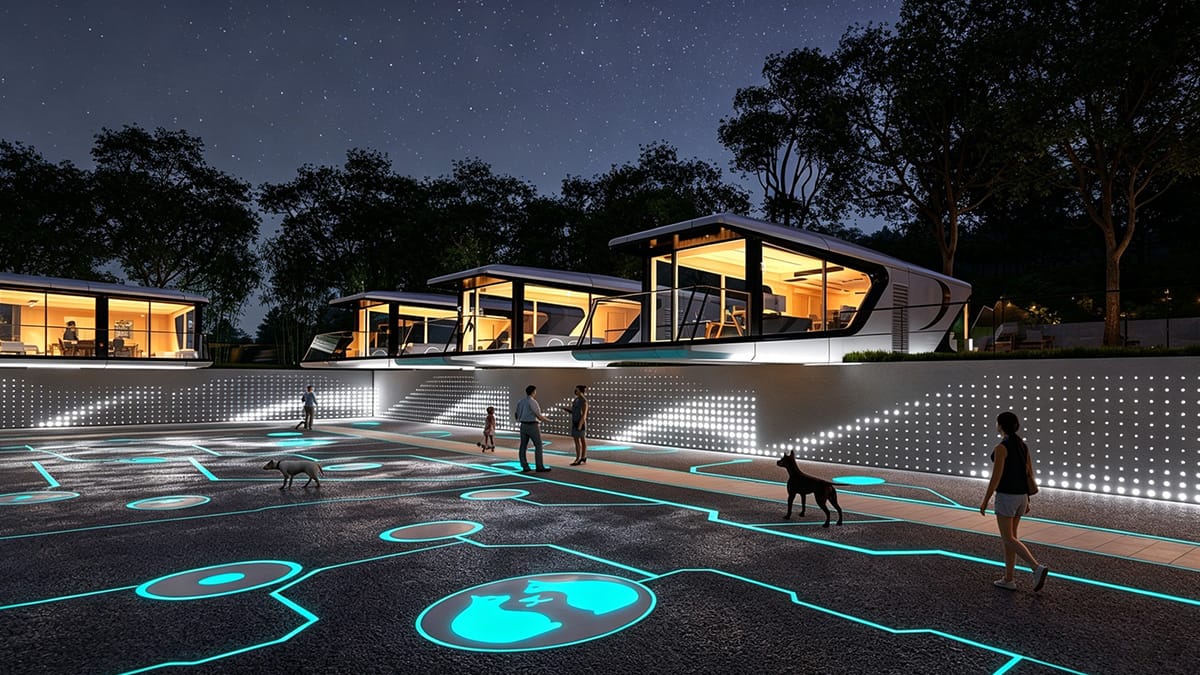
You get to enjoy some of the coolest smart home features in capsule houses. These homes pack a lot of technology into a small space. You can control lights, temperature, and even your door with just your voice or phone. Here’s a quick look at what you might find:
Smart Home Technology | Description |
|---|---|
Automated Lighting Systems | Control lights with a tap or voice command. |
Climate Controls | Set the perfect temperature easily. |
Entertainment Systems | Enjoy music and movies with compact controls. |
Track and save power with smart sensors. | |
Security Systems | Stay safe with sensors and alarms that don’t take up space. |
Wireless Connectivity | Work or play online without messy wires. |
Voice Control | Change settings by talking to your home. |
Multi-Scene Lighting System | Pick the right mood for reading, relaxing, or working. |
Unlock with your phone, fingerprint, or face. | |
Card-Controlled Electrical Power | Manage power use with a simple card system. |
Tip: You can set up your home to greet you with lights and music when you walk in. It feels like living in the future!
Energy Efficiency Solutions
Capsule houses help you save energy every day. You get advanced insulation and energy-saving windows that keep your home warm in winter and cool in summer. These features lower your bills and make your home more comfortable. You don’t need to spend extra money to upgrade your house for energy savings—these homes come ready to go.
Energy management systems help you use less power.
Environmental controls keep your space just right.
Smart tech makes sure you never waste energy.
You also get durable materials that last longer and need less fixing. This means you spend less money and help the planet at the same time.
Customization Options
You can make your capsule house fit your style and needs. Choose your favorite layout, pick the finishes you like, and add the tech features you want. Some people like a cozy reading nook, while others want a space for gaming or work.
Change the interior layout to fit your life.
Pick colors and materials that match your taste.
Add smart home tech for more comfort and fun.
Note: Your home should feel like you. Capsule houses let you create a space that is truly yours.
Challenges and Considerations
Affordability and Access
 Affordability and Access
Capsule houses seem cheap at first, but there are hidden costs. Land is expensive, especially in cities. You also need to pay for permits and hook up water and electricity. These extra costs can surprise buyers. Look at this table to see the main problems:
Challenge | Description |
|---|---|
Costly Land Considerations | You need to buy land, which costs more and needs permits and utilities. |
Extra Up-front Costs | You pay a lot before moving in, so you must plan your money. |
Infrastructure Dependence | Getting water and power depends on where you build, which can change the total price. |
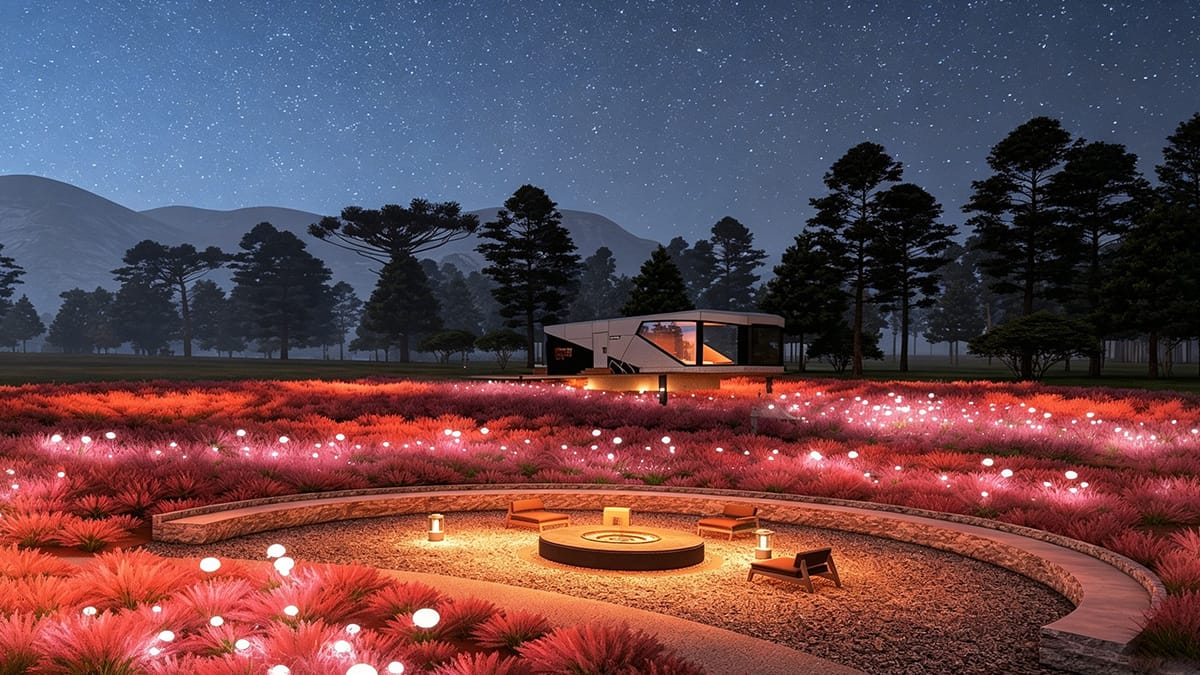
It is easier to buy capsule houses in the countryside because land is cheaper. In cities, land costs more and there is less of it. This makes prices go up. People with less money may not be able to buy a capsule house in the city.
In cities, prices go up and make capsule houses harder to get.
In the countryside, lower prices help more families buy these homes.
The price gap depends on how many people want land and how much it costs.
Climate Adaptability
You want your home to feel good in any weather. Capsule houses use smart designs to handle tough weather. Builders use thick polyurethane panels and double-glazed windows to keep heat inside. The houses are windproof and waterproof, so you stay safe in storms or snow.
Good insulation keeps your home warm in cold places.
Weatherproof designs protect you from wind, rain, and snow.
Electric or solar heaters help you save energy.
Modular designs use tight seals and thick walls to keep heat in.
These homes can handle strong winds and heavy snow without breaking.
Capsule houses work well in hard weather, but you should check if the design fits your local climate.
Social Impact
Living in a capsule house can change how you meet people. Capsule house villages help you feel like you belong. Shared spaces let you meet neighbors and make friends. Eco-friendly designs bring people together to care for the earth.
You get more chances to talk and work with others in co-living spaces.
Shared things make life easier and help you make friends.
Community grows when everyone works for a greener life.
Tip: If you want a home that helps you make friends, capsule houses are a great way to connect.
Future Trends for Capsule Houses
Urban and Rural Applications
 Urban and Rural Applications
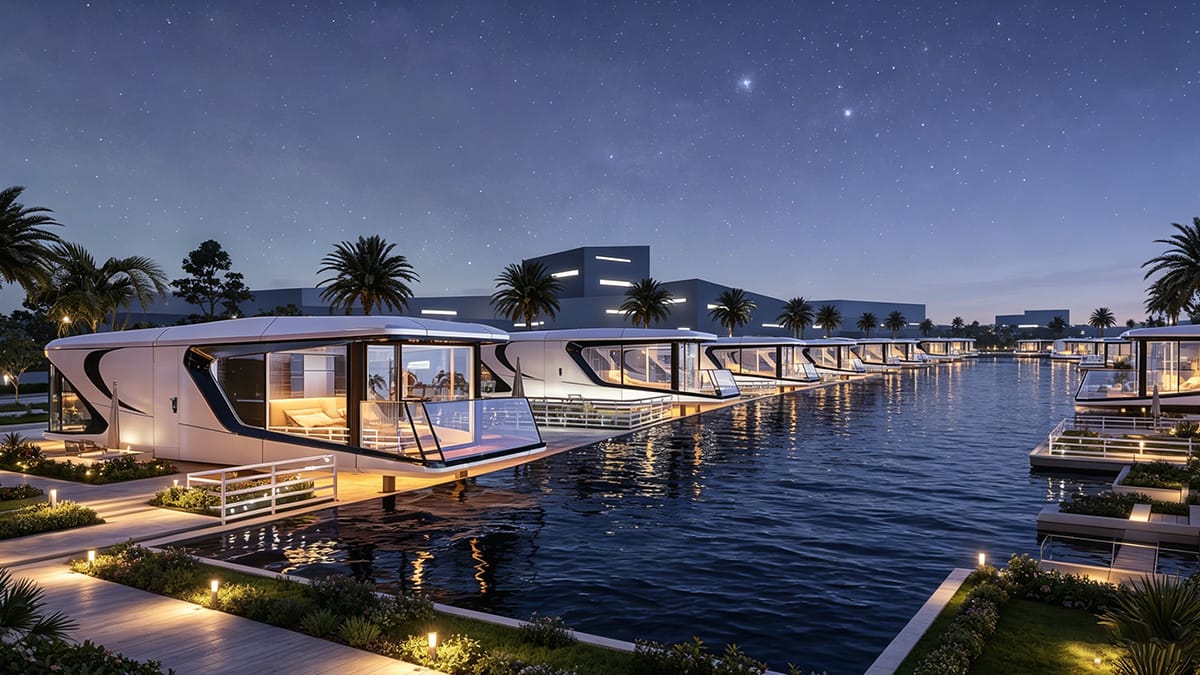
Capsule houses are showing up in more places each year. People use them in both cities and the countryside. Here are some ways you might see them:
Boutique hotels use capsule houses for special guest rooms.
Airbnb hosts set them up for guests who want something new.
Vacation homes in pretty places use them because they are easy to take care of.
Disaster relief teams use them to give fast shelter after storms or earthquakes.
Construction sites use them as offices that can move when the job is done.
Companies use them to give workers a nice place to stay.
Cities use micro-housing to help with crowded neighborhoods.
Event planners use them for festivals or pop-up shops.
Homeowners use them as guest houses or quiet offices for remote work.
These homes are very flexible. They can fit almost anywhere.
Ongoing Design Innovations
Designers keep making capsule houses better every year. You get more comfort and style with each new idea. Here are some cool changes you might see:
Smaller size and smart layouts make cleaning and repairs easy.
Modular designs let you add or remove rooms if you need to.
Smart technology helps you control lights, heat, and security.
Builders use eco-friendly materials and add solar panels or rainwater systems.
These homes help you live simply, so you waste less and help the planet.
You get a home that feels modern and works for your life.
Mainstream Adoption Potential
Capsule houses are getting more popular all over the world. Many things help this happen. Look at this table to see what matters most:
Factor | Description |
|---|---|
Economic Accessibility | You can own or rent a home for less money than a regular house. |
Urbanization Trends | Cities get crowded, so people need smaller, smarter homes. |
Environmental Consciousness | You use less energy and help the earth by living in a smaller space. |
Technological Advancements | New smart home systems and materials make these homes better and easier to use. |
Cultural Shifts | More people want to live simply and enjoy experiences instead of owning lots of things. |
The market for these homes is growing quickly. Experts say it could go from $99.6 billion in 2021 to $228.9 billion by 2030. People want homes that are unique, affordable, and good for the planet. You might see capsule houses in your city or in the countryside soon.
Note: The way we live is changing. You can pick a home that fits your life, helps the earth, and uses the newest technology.
You can see how capsule houses bring together nature and new technology. They change how people live in cities and help you be more eco-friendly. Experts think there will be 10-15% more capsule homes each year because more people move to cities and want different lifestyles:
Year | Increase in Capsule Houses (%) | Factors Influencing Demand |
|---|---|---|
2024 | 25% | Urbanization, Inflation, Lifestyle |
Future | 10-15% annual growth predicted | N/A |
Think about living in a home that changes with you. Capsule houses help you save energy, make friends, and use smart ideas. You can picture homes made with modular building, smart technology, and 3D printing. The future for these homes looks good and better for the planet.
FAQ
What is a capsule house?
A capsule house is a small, modern home. You get smart design, eco-friendly materials, and a cozy space. These homes often use big windows and smart tech to make life simple and fun.
Can you live in a capsule house year-round?
Yes, you can! Capsule houses have strong insulation and weatherproof walls. You stay warm in winter and cool in summer. Many people use them as full-time homes.
How much does a capsule house cost?
Prices start around $8,000 and can go up to $50,000. You pay less than for a regular house. Remember, you might need to buy land and pay for utilities.
Are capsule houses good for families?
You can find capsule houses with more than one room. Some designs let you add extra modules. Families can enjoy privacy and comfort in a small, smart space.