

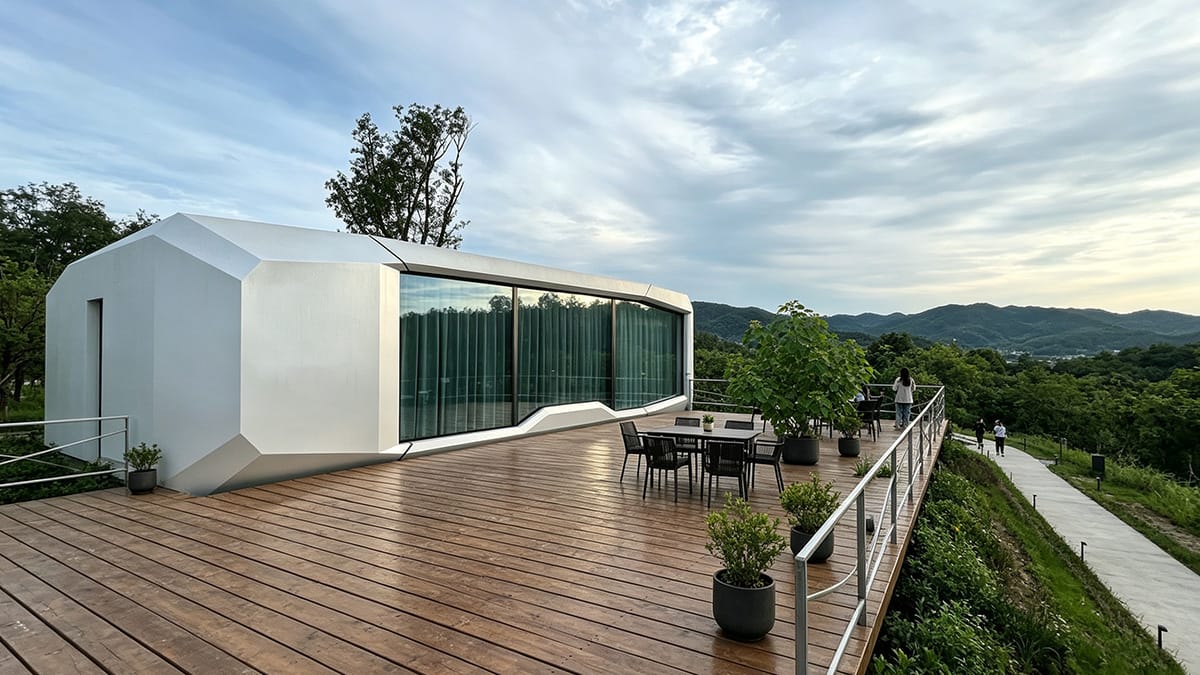
12 Jul What Building Permits Are Needed for Capsule Houses
If you’re wondering, “do capsule houses need a building permit,” the answer is yes—capsule houses do need a building permit before construction begins. You must comply with local rules and codes to ensure your project is safe and legal. When asking, “do capsule houses need a building permit,” remember that you’ll likely need several types of permits, including planning, zoning, and utility permits. Many jurisdictions also require approval for engineering, electrical, and plumbing work. Since regulations vary depending on your location and the type of foundation you use, it’s important to check with local authorities to confirm if you do need a building permit for capsule houses.
Permit Type | Description |
|---|---|
Structural Engineering | Certification to meet local wind, snow, and earthquake rules. |
Electrical Permits | Needs a licensed electrician to follow National Electrical Code (NEC). |
Plumbing Permits | Covers water, drainage, and waste systems by local health codes. |
Key Takeaways
Capsule houses need building permits for safety and rules. You should ask local officials before you begin your project.
Zoning laws decide where you can build capsule houses. Learn these rules to stop delays and make sure your project follows local rules.
Collect all needed papers, like planning permissions and utility permits, before you ask for a building permit. If you miss papers, you may face delays or get denied.
You will have inspections during the permit process. Make sure your capsule house is safe to pass inspections and avoid expensive repairs later.
Talk to local officials for help with permits and rules. Their knowledge can help you move through the process easily and avoid mistakes.
Do Capsule Houses Need a Building Permit
 Legal Status of Capsule Houses
 Legal Status of Capsule Houses
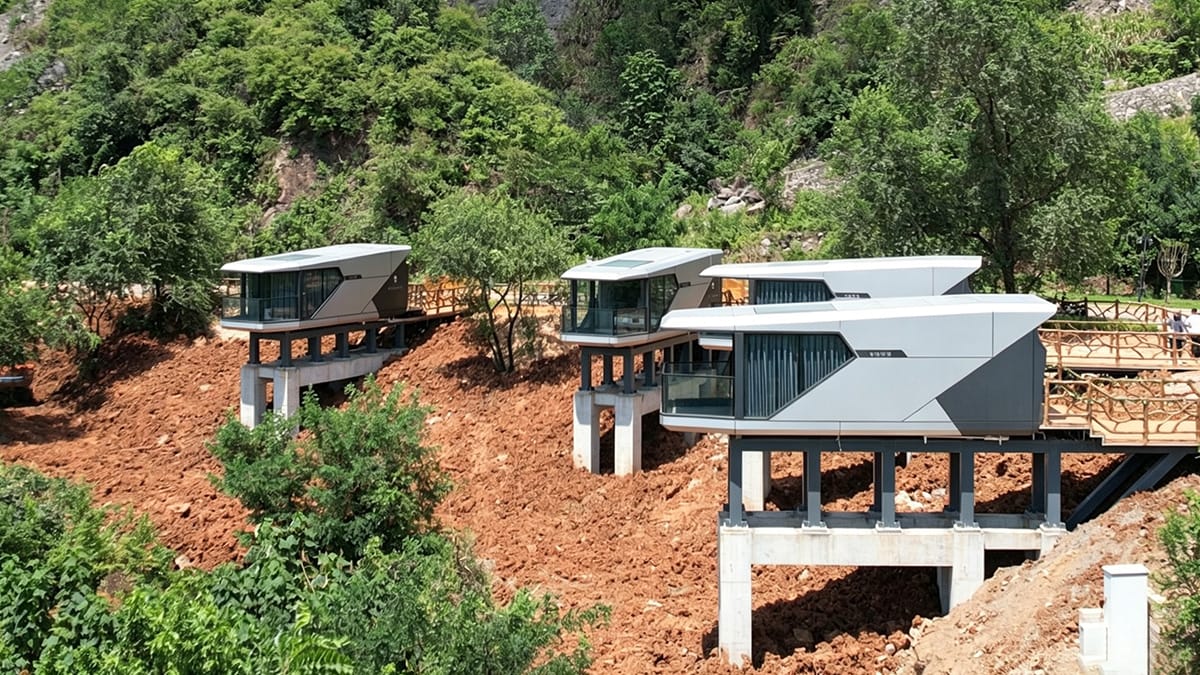
You might wonder if capsule houses need a building permit. The answer is almost always yes. Most towns treat capsule houses like regular homes. You must follow the same rules as other houses. Your capsule house must be safe and meet local standards.
Some people think capsule houses are different because they are small. But you still need approval before building. If you skip this step, you could get fined. You might even have to take down your capsule house. Always check with local authorities for the rules in your area.
Capsule houses usually need planning permission too. You must send in your plans and wait for approval. This helps authorities make sure your house fits in the neighborhood. It also checks that you do not break any laws. If you ask about permits, remember most places say yes.
Planning Permission and Zoning Laws
Zoning laws decide where you can put a capsule house. These laws tell what buildings can go in each area. When you ask about permits, think about zoning too. Some places only allow single-family homes. Some have rules about how many homes can be on one lot.
Here are some common zoning law restrictions for capsule houses:
Zoning Law Restriction | Description |
|---|---|
Setback Distances | Minimum distance structures must be from property lines. |
Minimum Lot Sizes | The smallest area of land on which a capsule house can be built. |
Density Restrictions | Limits on the number of structures allowed per area. |
Height Limitations | Maximum allowable height for buildings in a zone. |
If you ignore these rules, you may not get your permit. Ignoring zoning rules causes most permit delays for capsule houses. Other reasons for denial are missing documents and designs that do not meet rules.
Reason for Denial | Description |
|---|---|
Missing documents | Incomplete application materials |
Non-compliant design | Design does not meet regulations |
Ignoring zoning restrictions | Failure to adhere to local laws |
Impact on Permits | Causes 70%+ of permit delays |
Always check your local zoning laws before you start. If you ask about permits, also ask if your land is zoned for capsule houses. Capsule houses must follow all zoning and planning rules to get approval. If you follow the steps and send the right documents, you will have a better chance of getting your capsule house approved.
Essential Permits for Capsule House Projects
Building Permit Requirements
 Building Permit Requirements
You must get a building permit before you build a capsule house. This permit proves your project is safe and follows local rules. Capsule houses often get permits faster than regular homes. Many places see capsule houses as mobile or temporary. This can help you skip some long waits and extra steps. Regular homes need more checks and permits. This can make the process take six months or more.
When you ask for a building permit, you need to collect some papers. These papers help officials see if your capsule house follows all the rules. Here is what you usually need:
Building permits
Zoning laws
Environmental regulations
Utility-related permits
Always check with your local office to make sure you have the right forms. If you forget a paper, your permit could be delayed or denied.
Structural and Electrical Permits
Capsule houses must follow strict rules for safety and structure. You need special permits for the frame, roof, and walls. If you live where earthquakes happen, you must ask about extra rules. You need the right permits and approvals from your city. You also must follow zoning rules in your area.
Electrical permits are very important too. A licensed electrician must put in the wiring and outlets. The electrical work must follow national and local rules. Some places also have fire safety and energy rules. For example, in the European Union, capsule houses must follow these rules:
Requirement Type | Details |
|---|---|
Fire Safety (EN 13501) | Building materials must stop fire for 30–60 minutes. Smoke detectors are needed in every living space. Each capsule must have a way to escape in a fire. |
Energy Efficiency | Insulation must meet U-value limits to keep heat in. Use lights and appliances that save energy. Use water-saving fixtures. Use recycled wood and low-VOC paints when you can. |
You should always ask your local office about the exact rules for your area. This helps you avoid problems and keeps your capsule house safe.
Utility Connection Permits
You need utility permits to connect water, sewer, and electricity to your capsule house. These permits make sure your home connects safely to city systems. The fees for these permits can be from $2,500 to $7,500. The cost depends on where you live. Capsule houses often pay less because they use less space and fewer resources.
When you ask for utility permits, you must show your plumbing and wiring plans. The city will check your plans to make sure they are safe and follow the rules. If you want to use solar panels or composting toilets, you may need extra permits or checks.
Tip: Always talk to your local utility companies before you start building. They can tell you what permits you need and how much they cost.
Getting the right permits for your capsule house keeps your project legal and safe. You also avoid fines and delays. Always work with your local office and follow all building codes.
Permit Application Process for Capsule Houses
Research Local Regulations
 Research Local Regulations
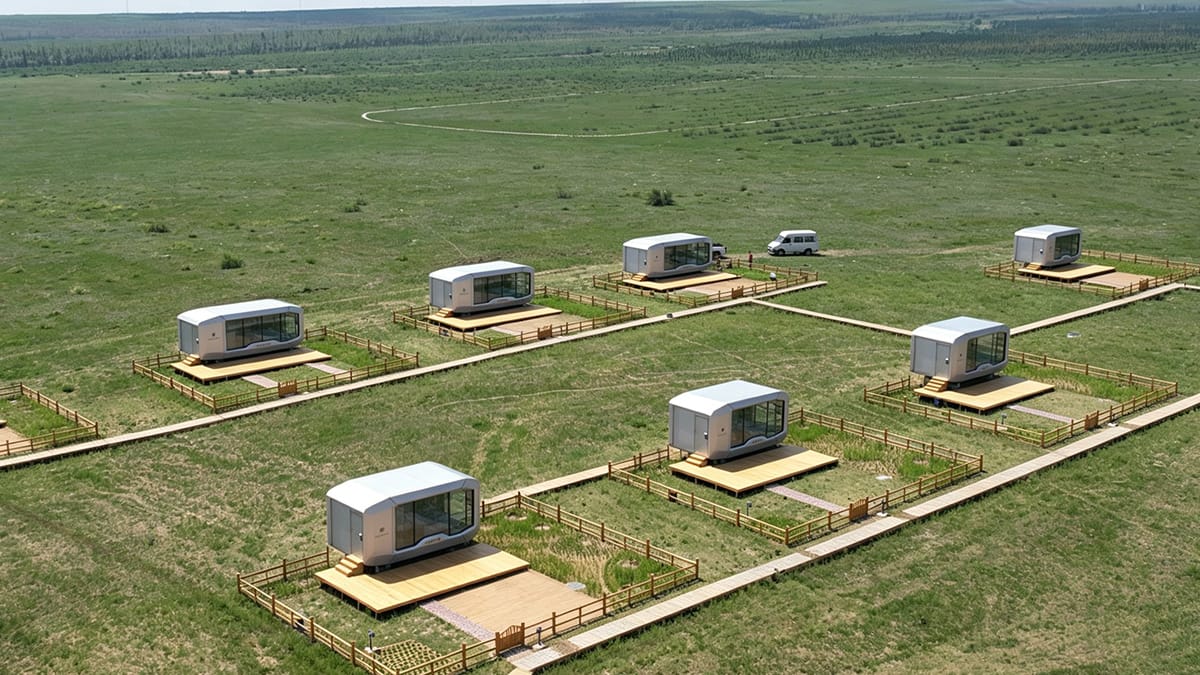
You need to learn about your local rules first. Each city or county has its own requirements for capsule houses. Here are some steps you can follow:
Look at zoning laws for your land. Zoning rules tell you if you can build capsule houses in your area.
Check building codes. These codes help keep your capsule house safe and strong.
Find out utility requirements. You must know how to connect water, electricity, and waste systems.
You can get information from city websites and planning departments. Zoning authorities also have details you need. Many places have online tools to check rules for capsule houses. Homeowners’ associations may have extra rules for these homes. Always check these rules before you start the permit process.
Prepare and Submit Documentation
You must collect all your documents before you apply. Capsule houses need you to show your plans and utility layouts. You also need proof that you follow building codes. Include details about your foundation, structure, and safety features. Most permit steps ask for:
Site plans and floor layouts
Utility connection diagrams
Proof of zoning compliance
List of materials and safety features
Send your paperwork to the right office. They will look at your application and may ask for changes. If you forget a document, the permit process can slow down.
Inspections and Final Approval
After you send your documents, inspectors check your capsule house. They make sure you follow all rules. Inspectors look at safety glass, window exits, and door hardware. Here is what they often check:
Inspection Point | Rule Description | Common Failures |
|---|---|---|
Glass Safety Issue | Must use Tempered Safety Glass in bathrooms and near floors. | Many units use standard float glass, which is not compliant. |
Egress Windows | Bedrooms must have windows that open wide enough for escape or entry. | Fixed glass or small porthole windows that do not open are often used, leading to immediate failure. |
Door Hardware and Fire Ratings | Front doors must be secure and allow exit without a key from the inside. | Deadbolts requiring a key to exit are non-compliant, and doors must withstand local wind speeds. |
You must fix any problems before you get final approval. When you pass all inspections, you finish the permit process. Then you can move into your capsule house. If you follow these steps, you will have fewer problems with permits.
Zoning, Foundation, and Certification
Zoning Restrictions for Capsule Houses
You need to know zoning rules before building capsule houses. Zoning laws tell you where you can put your capsule house. These rules often say how big your land must be. They also say how far your house must be from the property line. Some rules limit how many homes can go on one lot. These rules can make it hard to build capsule houses.
Here is a table that shows how minimum lot size rules can change your project:
Evidence Description | Impact on Capsule House Projects |
|---|---|
Minimum lot sizes can stop dome homes from being built. | This rule can make it harder to place capsule homes and may affect if you can build them. |
Zoning laws control how close homes are to property lines and their size. | These rules can make building small homes like capsule houses more difficult. |
Zoning laws may require tiny homes to be bigger than allowed. | These rules can make it tough to build capsule houses in some places. |
You should always ask local officials if your land fits these rules. If your lot is too small, you might not get permission to build capsule houses.
Permanent Foundation and Modular Certification
Capsule houses need a strong foundation to be safe. You must make sure the ground is flat and solid. Some places want a permanent foundation. Others let you use a temporary one. Always ask your local officials about the rules for your area.
Modular capsule houses must also have certifications. These certifications show your home is safe and ready to use. The table below explains the main certification needs in the United States:
Certification Requirement | Description |
|---|---|
CE Certification | This is needed for products coming into the U.S. It proves the home meets safety rules. |
Structural Safety Testing | This checks if the modular capsule house can handle bad weather and other stresses. |
Wind/Seismic Resistance Ratings | This makes sure the house is strong in windy or shaky places. |
Certification Costs | These costs are about 5% to 15% of the total price of a capsule house. |
You should plan for these costs when you make your budget. Certification helps you follow building codes and keeps your investment safe.
Environmental and Site Considerations
You must follow environmental rules when building capsule houses. These rules protect the land and water near your site. If you build in a flood zone, you must pick your site and foundation carefully.
Here are important things to think about for capsule houses:
Pick a flat and strong site with good drainage.
Check for flood zones or places with bad weather.
Make sure your site is close to utilities and roads.
Test the soil and look for pipes or wires underground.
Note: You must get all permits and approvals from local officials before you start building. This step makes sure you follow environmental rules and stay legal.
Capsule houses are a smart way to live, but you must follow zoning, foundation, and environmental rules. Careful planning helps you avoid problems and keeps your project moving forward.
Common Permit Challenges and Solutions
Navigating Zoning Issues
 Navigating Zoning Issues
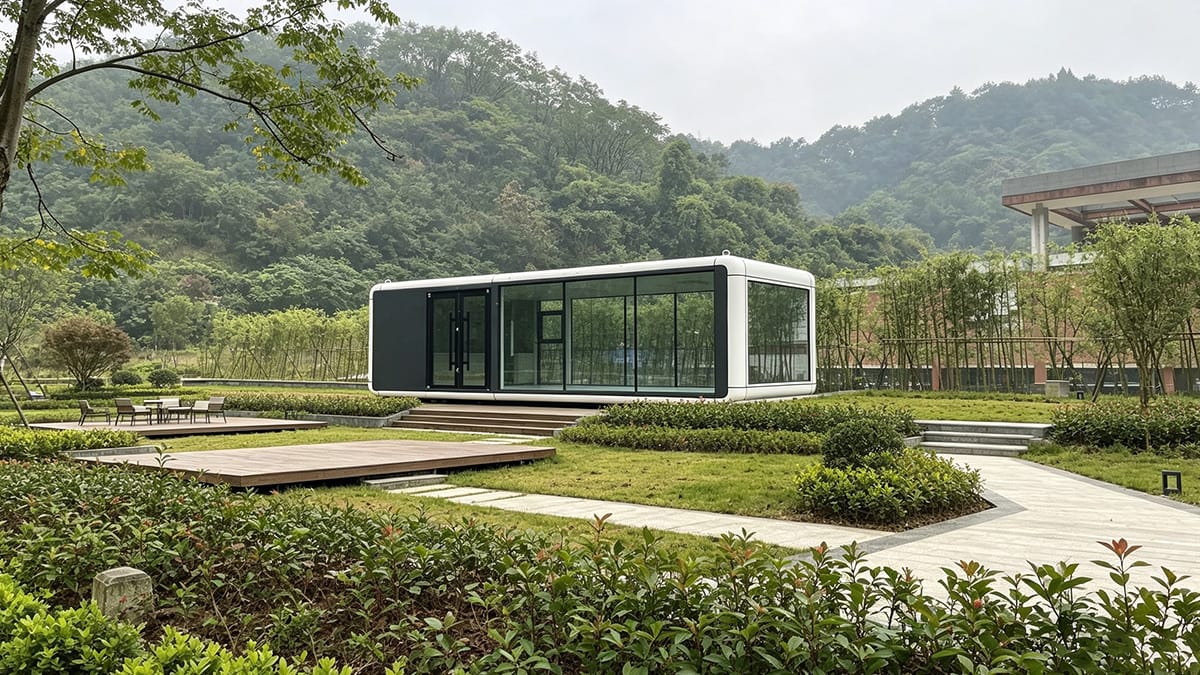
Zoning is often the hardest part when building a capsule house. Many projects stop early because of zoning problems. Cities have their own rules about foundations and setbacks. If you do not check these rules first, your project might not happen. About 68% of failed pod house projects did not check zoning before starting. Tiny homes also have trouble with zoning, especially in cities. This makes it harder to get a permit.
Zoning Issue Description | Impact on Projects |
|---|---|
Zoning is the hardest part for pod houses. | Many projects stop early due to zoning issues. |
Cities have different rules regarding foundations and setbacks. | Compliance can be challenging. |
68% of failed pod house projects did not check zoning first. | Indicates the importance of zoning awareness. |
Tiny homes face similar zoning problems, especially in urban areas. | Increased complexity in obtaining permits. |
You should talk to local officials before you start building. They can explain the rules and help you avoid mistakes. Planning ahead can save you time and money.
Utility Access Problems
Getting utilities for your capsule house can be hard, especially if you live far from the city. You need to connect water, electricity, and sewage before moving in. Local workers often help with these jobs. Sometimes, you must pay more to bring services to your land. The price of land and utility hookups can change a lot. You may also need to get your land ready for big trucks and cranes.
Here are some steps to help with utility problems:
Connect your capsule house to water, electricity, and sewage.
Do extra work like setting up the inside and building stairs.
Work with local workers for safe and legal connections.
Tip: Ask your local officials for a list of approved workers. They can also tell you about special rules or building codes you must follow.
Delays and Appeals
Permit delays can slow down your project. Most delays happen when you do not have all the right papers. About 85% of construction delays come from missing a permit. Even if you finish your papers, sometimes offices cannot give permits right away. This causes about 35% of building projects to stop for a while. Delays can also happen if you need to appeal a decision or fix a problem found by inspectors.
To avoid delays:
Check all your forms before you turn them in.
Stay in touch with the office during the process.
Answer quickly if they ask for more information.
If you have a delay, you can ask for an appeal. Ask the office for steps to file an appeal. Be patient and keep good records of your papers.
You must follow simple steps to get permits for capsule houses. Always ask local officials before you begin building. Make sure your plans follow all building codes. Make a checklist for your permit papers and inspections. If rules seem hard, talk to regional officials or a professional. Careful planning helps you avoid trouble and keeps your project moving.
FAQ
Can you build a capsule house without a permit?
You need to ask your local office before building. If you do not get a permit, you could get fined. You might even have to take your house down. Always check the rules in your area first.
Who decides if your capsule house meets building codes?
Local officials look at your plans and check your house. They make sure you follow safety and quality rules.
How long does the permit process take?
Getting a permit usually takes two to eight weeks. You can make it faster by getting your papers ready and talking with officials.
What happens if your capsule house fails inspection?
If your house does not pass inspection, you must fix the problems. Then you ask for another check. Inspectors want your house to be safe.
Do you need special permits for off-grid utilities?
You need extra permits for things like solar panels or composting toilets. Officials check these systems to make sure they are safe.