

19 Mar Pod Houses vs Traditional Tiny Homes Which Is the Better Choice in 2026
If you want the best choice for 2026, a pod house is good if you like moving, saving money, and living simply. Pod houses are small and good for the environment. They are easy to move and help you spend more time outside. Tiny homes give you more room, more comfort, and regular house layouts. To choose the right one, you should look at price, space, energy use, and how each fits your life. Thinking about these things helps you pick what works best for you.
Key Takeaways
Pod houses give you more room and can change easily. They are good if you want to make your home bigger later. Tiny homes are easy to move. You can take them to new places without trouble. Both pod houses and tiny homes use less energy. This helps you spend less money on bills. It also helps the planet. Think about what you need in your life. Pick pod houses if you want comfort for a long time. Pick tiny homes if you want a simple life and like to move. Always look at local rules before you buy or build. This helps you stay out of trouble and makes things go smoothly.
Pod House vs Tiny Homes: Key Differences
What Is a Pod House?
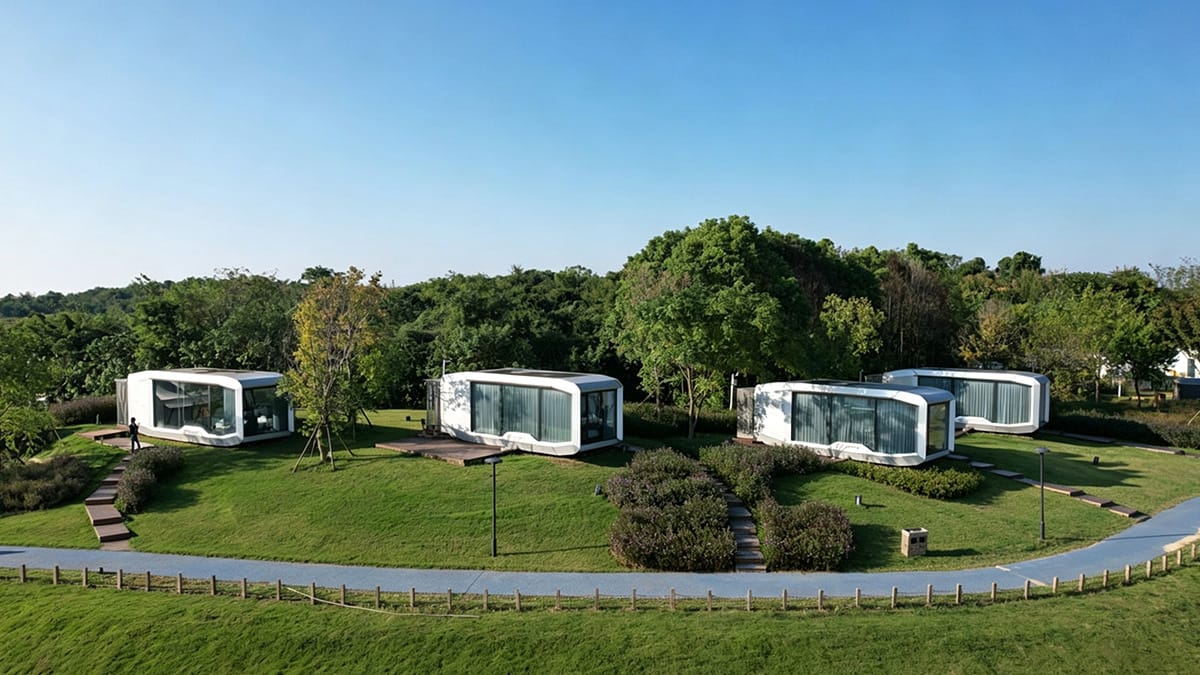
If you search for new homes, you might find pod houses. A pod house is a small home with a modular design. The living space starts at about 33 square meters. This is bigger than most tiny houses. Pod houses use strong materials and have good insulation. This keeps you comfortable in any season. You can add more pods if you need more space. Most pod houses are built on a foundation. This makes them feel safe and sturdy. People like pod houses because they are flexible, save energy, and look modern.
What Are Tiny Homes?
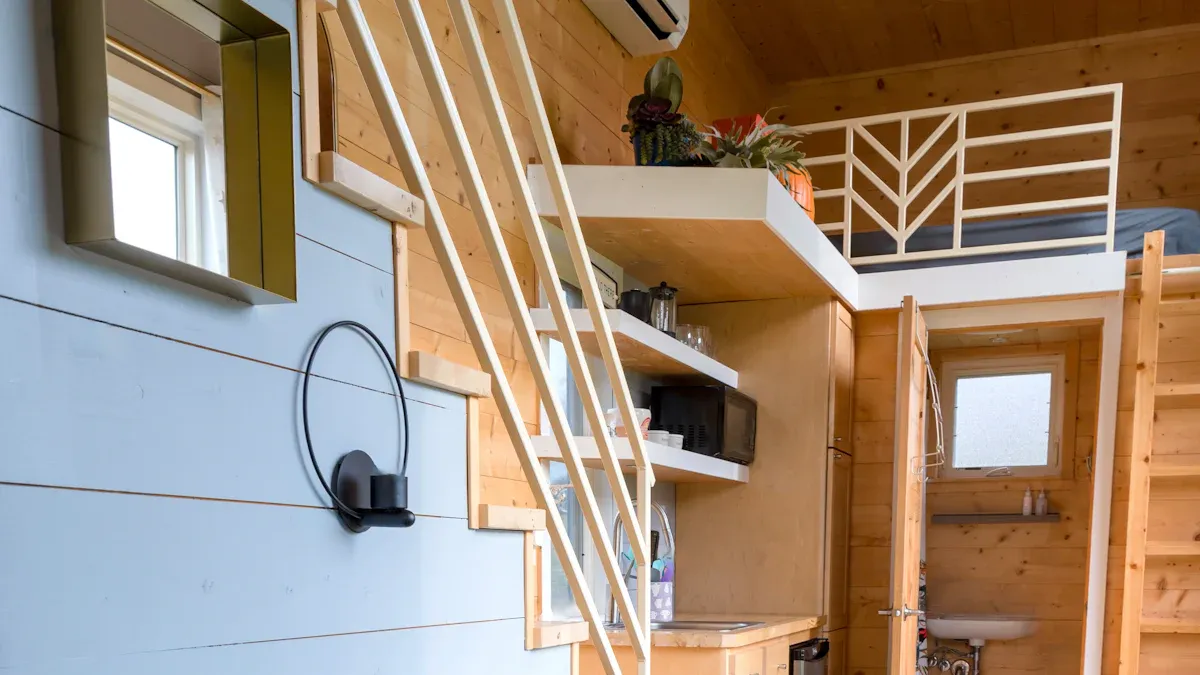
Tiny homes are popular for people who want to live simply. These homes are usually between 15 and 30 square meters. Many tiny homes are built on trailers. You can move them if you want to live somewhere new. Tiny homes use smart designs to fit everything inside. You might see loft beds, tables that fold out, and hidden storage. Tiny homes can cost less, especially if you build one yourself. They feel cozy and have a classic style. Tiny homes are good for people who want a simple life.
When you look at these two types of homes, you see some big differences. They are different in design, how you use them, and daily life. Here’s a quick look:
Feature | Tiny Houses | Pod Houses |
|---|---|---|
Size and Space | Typically 15 to 30 square meters | Start around 33 square meters, more spacious |
Mobility vs Permanence | Often built on trailers for mobility | Permanent structures on foundations |
May bypass certain approvals, varies by council | Require building and council approvals | |
Comfort and Durability | Varies, often less durable | Higher insulation, sturdier materials |
Flexibility and Future Growth | Fixed size, no expansion | Designed for flexibility, can add new pods |
Cost and Value | Cheaper upfront, especially DIY | Better long-term value, energy-efficient |
Pod houses are made to be flexible and grow with you. You can add more modules to make your pod house bigger. Tiny homes usually stay the same size. Pod houses use modern designs and eco-friendly materials. Tiny homes use classic layouts and smart storage ideas. If you want a home that can get bigger, a pod house is a good choice. If you like the look of tiny homes and want to move a lot, a tiny home is better. Both help you live simply, but their space, design, and comfort are different. These things can help you choose which one is right for you.
Space and Design in Tiny Living
Interior Space and Layout
When you step inside a pod house or a tiny home, you notice how every inch matters. Both types focus on space-saving living, but they do it in different ways. Pod houses often give you a bit more room to move around. You get a sense of openness, even in a minimalist setting. Take a look at this quick comparison:
Type of Home | Floorspace | Overall Size | Ceiling Height |
|---|---|---|---|
Pod House (WorkPod) | 105 square feet | 8’4”W x 12’6”L x 9’10”H | 7’3” |
Pod House (WorkPod Versatile) | 80 square feet | 8’7″W x 9’L x 9’3″H | 7’3″ |
Tiny Home | 100 to 400+ sq ft | Varies | Varies |
You see that pod houses usually start with a bit more space than a basic tiny home. Most tiny homes range from 100 to 400 square feet, but many sit at the lower end. Pod houses use smart layouts to boost space efficiency. You often find higher ceilings and open floor plans. This makes the area feel bigger and brighter. Tiny homes use clever tricks like loft beds and fold-out tables. You get a cozy, minimalist vibe in both, but pod houses often feel less cramped.
Customization Options
You want your home to fit your life. That’s where customization comes in. Tiny homes usually have fixed layouts. You pick a plan, and you stick with it. This works well if you love a simple, minimalist lifestyle. Pod houses give you more freedom. You can start with one pod and add more as your needs change. Want a home office or an extra bedroom? Just add another pod.
Here are some ways you can customize a pod house:
Choose the number of pods for your ideal space.
Pick finishes and colors that match your style.
Add features like large windows or built-in storage.
Expand your home later if your family grows.
Tiny homes focus on minimalist living, so you get fewer options to change the layout. You still enjoy a unique, personal touch, but pod houses let you shape your space over time. If you want a home that grows with you, pod houses offer more flexibility. Both options help you embrace a minimalist, clutter-free life, but pod houses make it easier to adjust your space as your needs shift.
Tip: Think about how much space you need now and in the future. If you want a minimalist home that can change with you, pod houses might be the better pick.
Mobility and Flexibility
Moving Pod Houses
When you think about mobility, pod houses work a bit differently from what you might expect. Most pod houses sit on a foundation. This means you get a sturdy home, but you lose some mobility. You cannot just pick up your pod house and move it to a new spot. If you want to relocate, you need to do a lot of site preparation. Moving a pod house takes time, planning, and special equipment. You may even need to hire professionals.
Pod houses are not designed for quick moves.
You need to prepare the new site before moving.
Most pod houses are not transportable after installation.
If you want a home that can move with you often, a pod house may not fit your needs. You get strength and comfort, but you give up easy mobility.
Tip: If you love the idea of mobility and want to change locations often, you might want to look at other options.
Tiny Homes on the Move
Tiny homes shine when it comes to mobility. Many tiny homes are built on trailers. You can hitch them to a truck and go almost anywhere. This gives you true freedom. You can live by the beach one month and in the mountains the next. Tiny homes are transportable and made for people who want to travel or explore new places.
Tiny homes offer top mobility.
You can move your home without much hassle.
Many tiny homes are transportable by design.
You get to enjoy a simple life and take your home with you. If you want flexibility and mobility, a tiny home is a great choice. You can chase new adventures without leaving your comfort behind.
Cost and Value Comparison
Upfront Costs
When you look at the price tag, traditional homes almost always cost more than pod houses or tiny options. You might think a traditional home gives you more space, but the construction and land expenses add up fast. Pod houses and tiny homes keep things simple. You pay less for materials, labor, and land. Most pod houses start at a higher price than a basic tiny home, but you get more space and better insulation.
If you want to buy one of these homes, you have some good financing choices in 2026. Here are a few options you might see:
CBA Prefab Home Loans let you borrow up to 120% of your land value or up to 60% of your build contract price. You can get your funds before your home is installed.
Great Escape Finance offers loans for prefab and off-grid builds. They help people who want non-standard properties.
Traditional homes usually need bigger loans and longer approval times. You might wait months before you can move in. Pod houses and tiny homes often have faster construction, so you can settle in sooner.
Long-Term Value
You want your home to last and keep its value. Traditional homes have a long history of holding value, but they also need more repairs and updates over time. Pod houses use modern materials and smart construction, so you spend less on maintenance. Tiny homes can lose value if you move them a lot or if the style goes out of fashion.
Think about cost effectiveness. Pod houses give you a good balance between price and comfort. You can add more pods if you need extra space, which helps your home grow with you. Traditional homes stay the same size unless you do a big renovation. Tiny homes work best if you want to keep things simple and don’t need much room.
Here’s a quick table to help you compare:
Home Type | Upfront Cost | Maintenance | Resale Value | Flexibility |
|---|---|---|---|---|
Traditional Homes | High | High | Strong | Low |
Pod Houses | Medium | Low | Good | High |
Tiny Homes | Low | Low | Varies | Medium |
Tip: If you want a home that saves you money now and in the future, pod houses and tiny homes both beat traditional homes. Think about how much space you need and how long you plan to stay.
Efficiency and Sustainability
 Energy Use and Resource Efficiency
 Energy Use and Resource Efficiency
Pod houses and tiny homes both focus on saving energy. Pod houses use smart things like triple-glazed windows and LED lights. They also have high-efficiency HVAC systems. Many pod houses use solar panels for power. This helps you use less energy and save money. You get a comfy home that does not waste much.
Tiny homes are also great at saving energy. They are small, so you need less power to heat or cool them. You use fewer appliances and less lighting. Living in a tiny home means lower energy bills. It also helps the environment.
Pod houses have good insulation and energy-saving systems.
Tiny homes need less energy for heating and cooling.
Both help you save resources and support the planet.
Tip: If you want to use less energy and live green, both pod houses and tiny homes are good choices.
Eco-Friendly Materials
If you care about the Earth, you want eco-friendly materials. Pod houses often use things like recycled steel and wood from good sources. These materials help cut down on waste and last a long time. Many pod houses also use safe paints and finishes.
Tiny homes also try to be eco-friendly. Builders use recycled materials and try not to waste much. Since tiny homes are small, you buy less stuff. This means less clutter and less harm to the planet.
Pod houses use strong, green materials.
Tiny homes use recycled supplies and make less waste.
Both types help you live with less and care for the Earth.
Picking a pod house or a tiny home is good for the planet. You use less energy, make less trash, and live in a way that helps nature.
Comfort and Livability
Daily Living Experience
 Daily Living Experience
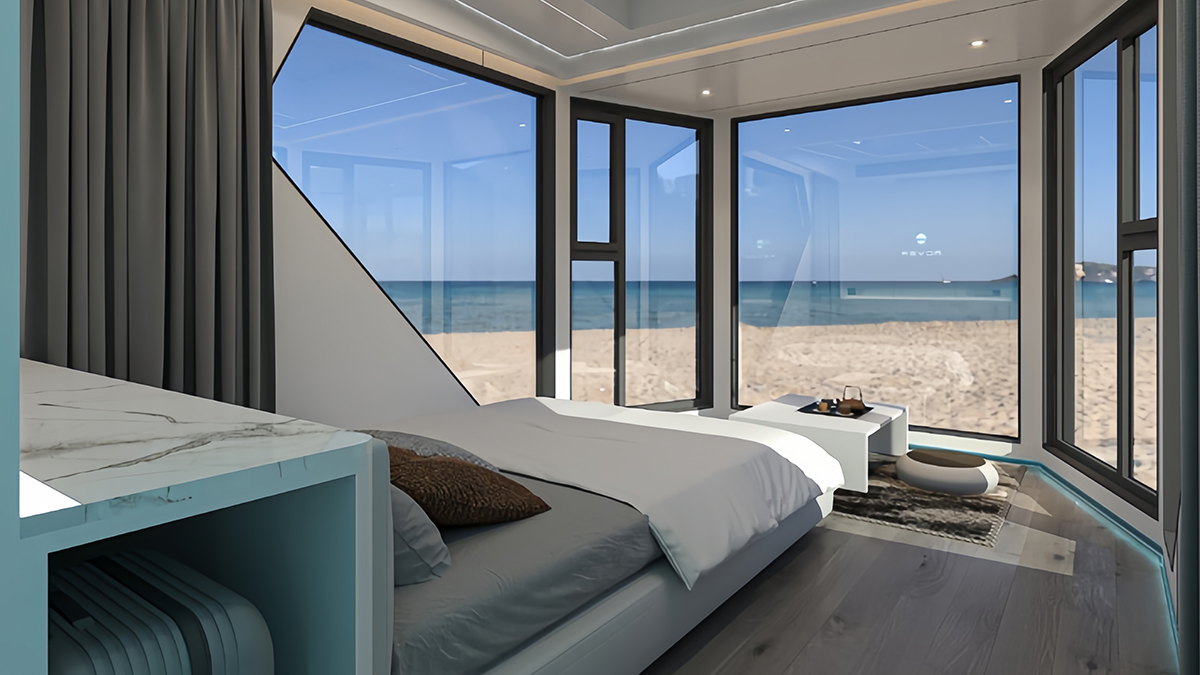
You want your home to feel good every day. Pod houses and tiny homes both focus on comfort, but they do it in different ways. Pod houses use smart designs to keep you cozy in all seasons. You get strong insulation, double walls, and energy-efficient windows. These features help your pod house stay warm in winter and cool in summer. You do not need to worry much about high energy bills. Even during storms or heat waves, pod houses keep a steady temperature. You can relax, work, or sleep without feeling too hot or cold.
Tiny homes also do well in extreme weather if you build them right. Good insulation and proper windows make a big difference. You will notice that tiny homes cost less to heat and cool than regular houses. In cold places, a small heater works fast. In hot places, you might need air conditioning, but the space cools down quickly. You can feel comfortable all year if you pick the right spot for your tiny home.
Capsule and pod designs also stand up to strong winds and heavy rain. Steel frames and weatherproof coatings protect you from the elements. You get peace of mind, knowing your home is safe and sturdy.
Storage and Amenities
You might wonder how much you can fit in a small space. Both pod houses and tiny homes use clever storage ideas. You see built-in shelves, hidden drawers, and multi-use furniture. Pod houses often let you pick the features you want. For example, you can choose a sleep pod with comfy bedding and mood lighting, or an office pod with a desk and bright lights. These options make your daily life easier and more enjoyable.
Here’s a quick look at what you get in different pod house types:
Type of Pod House | Amenities Included | Impact on Daily Living |
|---|---|---|
Office Pod | Desks, chairs, adequate lighting | Quiet workspace at home, less commute stress |
Sleep Pod | Ergonomic bedding, temperature control, ambient lighting | Better sleep, more rest in a small space |
General Pod House | Energy-efficient designs, recycled materials | Lower bills, greener lifestyle |
Tiny homes also pack a lot into a small area. You find loft beds, fold-out tables, and compact kitchens. You can cook, work, and relax without feeling cramped. Both home types help you live simply, but you do not have to give up comfort or style.
Tip: Make a list of the features you need most. This helps you pick the right home for your daily routine and comfort.
Legal and Approval Issues
Zoning and Permits
When you want a pod house or tiny home, zoning and permits can be tricky. Many people have problems with these rules. Zoning laws tell you where you can put your home. Some cities call pod houses accessory dwelling units (ADUs). Other places say they are manufactured or site-built homes. Each name has its own rules to follow.
You might see these problems:
Zoning is the hardest part for pod houses. Many projects stop early because of zoning issues.
Cities and towns have different rules. Some want a certain foundation or have strict setback rules.
In 2025, a survey showed 68% of failed pod house projects happened because people did not check zoning first.
Tiny homes also have zoning problems, especially in cities or suburbs.
If you want to build, always check local zoning laws before you buy land or start building. Rural areas sometimes have fewer rules, but you still need to ask about permits. Urban places usually have more rules, so you must be careful.
Tip: Call your local planning office before you make big choices. This can save you time and money.
Insurance and Regulations
Insurance and rules can get confusing quickly. Your pod house or tiny home might not fit normal insurance types. Some companies call pod houses ADUs. Others say they are mobile homes. This makes it hard to get the right insurance.
You might also have these problems:
If your home is not certified right, you can have trouble with loans or property titles.
Some lenders will not give you a loan if your home does not meet local codes.
Rules change from place to place, so what works in one city may not work in another.
To avoid problems, talk to an insurance agent who knows about small or modular homes. Ask about local rules and make sure your home meets all codes. This helps protect your money and stops surprises later.
Challenge | Pod Houses | Tiny Homes |
|---|---|---|
Zoning Barriers | High | High |
Permit Complexity | Moderate to High | Moderate |
Insurance Confusion | Common | Common |
Regional Differences | Significant | Significant |
Remember, legal and approval issues can slow you down. Do your research early so you can enjoy your new home without stress.
Choosing the Best Option for 2026
Best for Short-Term or Urban Living
 Best for Short-Term or Urban Living
If you want a home for short stays or city life, you have two strong choices. Tiny homes stand out for people who want to save money and move easily. You can park your tiny home in different places and enjoy new neighborhoods. Many tiny homes cost less than other options, so you keep more cash in your pocket. You also help the planet because tiny homes use less energy and fewer materials.
Here’s what makes tiny homes a smart pick for urban living:
You spend less on your home, which helps you save for other things.
You can move your home when you want a change of scenery.
Living small means you use less energy and create less waste.
You join a community of people who care about the environment.
You might face some challenges, though. City rules can make it hard to find a spot for your tiny home. Storage space is tight, so you need to get creative with your stuff. If you want a simple life and love the idea of moving, tiny homes fit well.
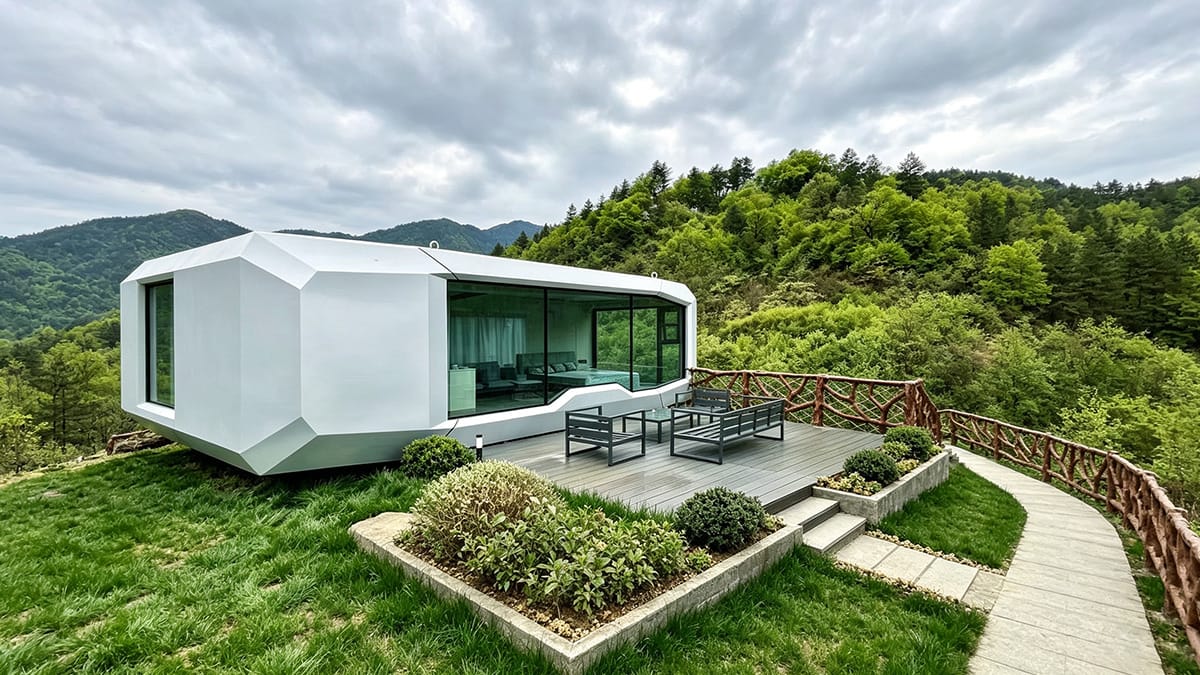
Pod houses also work well in cities, especially if you want something modern. They offer cool layouts and smart features. You can add technology like smart lights or climate control. Pod houses adapt to your needs, so you can live alone or with family. Maintenance costs stay low because the design is simple. You use less energy, which means lower bills. Pod houses can sit on small plots, making it easier to own a home in expensive areas.
Here’s a quick look at what pod houses offer for city dwellers:
Advantage | Description |
|---|---|
Innovative Layouts | Unique designs make your home stand out and feel fresh. |
Integration of Technology | Smart home features add comfort and convenience. |
Evolving Family Dynamics | You can adjust your space for one person or a small family. |
Reduced Maintenance Costs | Fewer surfaces and systems mean less work for you. |
Energy Efficiency | You save money and help the environment with energy-saving features. |
Affordable Land Options | You can buy smaller plots and still have a great home. |
Opportunity for Ownership | Pod houses make owning a home possible, even in pricey cities. |
Sustainable Long-Term Investment | Your home may grow in value as more people want eco-friendly living. |
Tip: If you want to live in the city and need a home that feels modern, pod houses give you more options. If you want to move often and keep costs low, tiny homes are the way to go.
Best for Long-Term or Family Living
If you plan to stay in one place or have a family, you need a home that grows with you. Pod houses shine here. You can add more pods when your family gets bigger. The design lets you change your space as your needs change. Pod houses use smart systems that make life easier. You get a kitchen where everyone can gather, and big windows let in lots of light. You spend less time building because many systems come pre-installed.
Here’s a table showing what pod houses offer for families:
Feature | Description |
|---|---|
Comfort | Central kitchen brings everyone together for meals and fun. |
Natural Light | Large windows keep your home bright and fresh. |
Efficiency | Pre-installed systems save you time and trouble during setup. |
Pod houses also use advanced technology and green materials. You get comfort that matches a traditional home, but you spend less and help the planet. Capsule houses solve problems with space and cost, so you can focus on your family.
Tiny homes also work for families, but you need to think about space. Some states now let families use tiny homes in new ways. You can use a tiny home as your main house, a vacation spot, or a place to stay while you build something bigger. Tiny homes let you change your living style as your family grows. You can move your home to new places and try different communities.
Pod houses, like Elsewhere Pods, give you the freedom to move your whole home if you want a new view. This flexibility helps families explore new places and find what works best. Tiny homes are versatile, too. You can use them for many purposes, which helps families adjust as life changes.
Note: If you want a home that feels like a traditional house but costs less and adapts to your family, pod houses are a strong choice. If you want flexibility and enjoy living simply, tiny homes can work for families, but you may need to get creative with space.
When you compare pod houses and tiny homes for long-term living, pod houses offer more comfort and adaptability. You get features that make daily life easier, and you can expand your home as your family grows. Tiny homes give you freedom and versatility, but space can be tight. Both options help you break away from traditional housing and find a style that fits your life.
Picking between pod houses and tiny homes in 2026 is about your needs. Experts agree both types give you choices, keep your money safe, and use smart designs. Look at this table to compare them:
Feature | Tiny Homes | Pod Houses |
|---|---|---|
Portability | Move easily | Flexible, relocatable |
Investment Protection | Good | Good |
Design | Personal | Intentional |
Zoning Adaptability | High | Moderate |
Pod houses are great if you want your home to get bigger later. Tiny homes are better if you like to move a lot. Both will use more smart tech and be better for the planet by 2050. Think about how you live, the rules in your area, and what feels best for you.
FAQ
Can you live in a pod house or tiny home year-round?
Yes, you can! Both pod houses and tiny homes have strong insulation and smart heating or cooling. You stay comfortable in winter and summer. Just check your local rules before you move in full-time.
How much maintenance do these homes need?
You spend less time on maintenance compared to a regular house. Pod houses use durable materials. Tiny homes have fewer systems to break. Clean often and check for leaks or damage.
Which is easier to finance: a pod house or a tiny home?
Home Type | Financing Options |
|---|---|
Pod House | More lenders, prefab loans |
Tiny Home | Fewer lenders, some loans |
You find more loan options for pod houses. Tiny homes can be harder to finance, especially if they are on wheels.
Can you add on to a pod house later?
Absolutely! You can add more pods as your needs change. This makes pod houses a great choice if you want to grow your space over time.
Tip: Plan your layout early if you think you’ll expand. This saves you money and stress later.