

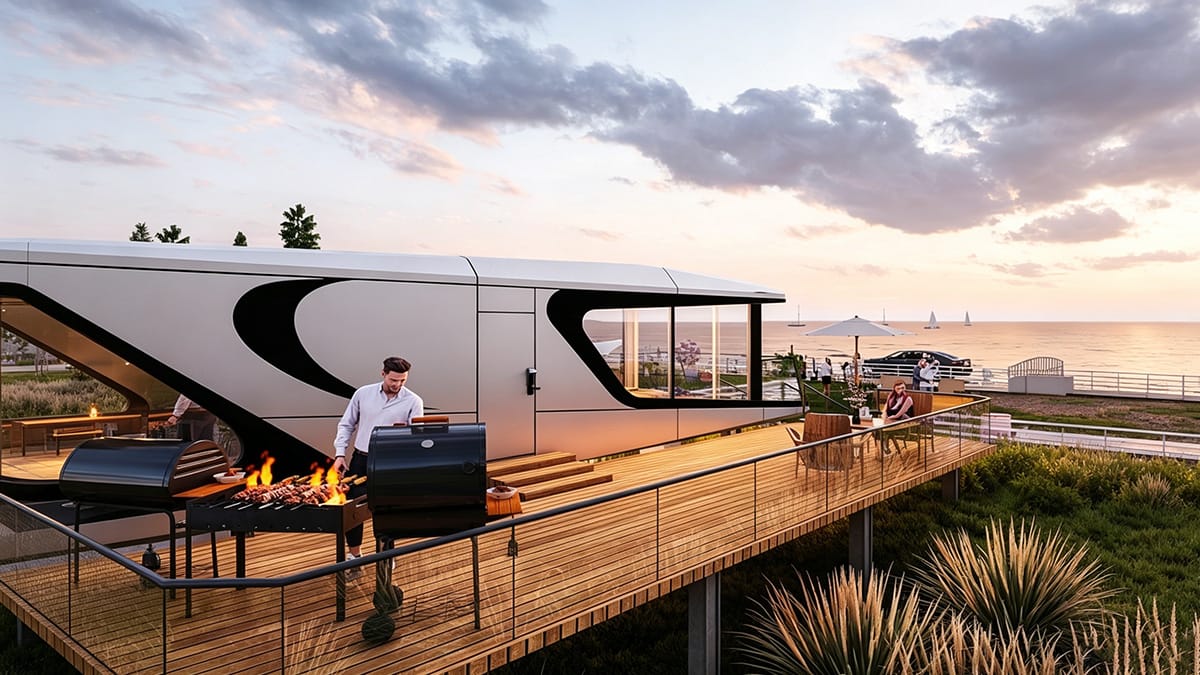
22 Jul Living in a Capsule Home Pros and Cons You Should Know
Capsule homes have some good things, but also some hard parts. These homes usually cost 20-30% less for each square foot. They also have steady prices because they are made in a factory. Many people like that building is fast and does not stop for bad weather. There are not many surprises during building. If you want to save money and live in a special place, capsule homes may be interesting to you.
Key Takeaways
Capsule homes cost less. They are 20-30% cheaper per square foot than regular homes. Some programs help you save even more money.
Capsule homes use smart design. This makes small spaces feel bigger and more useful.
Living in a capsule home helps the environment. It uses less energy and makes less pollution than normal homes.
Capsule homes can move easily. You can relocate when your life changes. This can save time and lower travel stress.
Think about your lifestyle before picking a capsule home. Small space and less privacy may not work for everyone.
Pros of Capsule Homes
Affordability
Capsule houses can help you save money. They cost less for each square foot than regular homes. Factories build them, so prices stay steady. You do not get extra costs from bad weather or delays. Many people pick capsule houses because they are cheap and still good quality.
You can use special programs to save more money. Here are some programs that help with costs:
Program Name | Type of Incentive | Amount/Details |
|---|---|---|
Federal Solar Investment Tax Credit (ITC) | Tax Credit | 30% of installation costs, typical savings of $3,000-$9,000 |
Federal Energy Efficient Home Improvement Credit | Tax Credit | Up to $3,200 annually, 30% of costs, specific caps per improvement |
State and Utility Rebates | Rebates | $500-$5,000 depending on location and improvements |
California CalHome Program | Assistance | Up to $30,000 for down payment and closing costs |
USDA Section 502 Direct Loan Program | Loan | Up to 100% financing, low interest rates (as low as 1%) |
Oregon Residential Energy Tax Credit | Tax Credit | Up to $5,000 for energy efficiency improvements |
These programs make capsule homes even cheaper. If you want to save money, these incentives can help you start.
Space Efficiency
Capsule houses use all their space well. You get a tiny home that feels bigger inside. Most capsule homes are 8 to 15 square meters. Standard studios are much larger, about 28 to 40 square meters.
Type of Home | Size (Square Meters) |
|---|---|
Capsule Home | 8 to 15 |
Standard Studio | 28 to 40 |
You may wonder how you can live in such a small space. The answer is smart design and using space wisely. Capsule houses have open floor plans, furniture that does more than one thing, and use walls for storage. Here is how they do it:
Design Feature | Description |
|---|---|
Open Floor Plan | Gets rid of extra walls to make rooms feel bigger and lets you use the space for different things. |
Multifunctional Furniture | Furniture like sofa beds and foldable tables saves space and does more than one job. |
Vertical Space Utilization | Shelves on walls and loft beds give you more storage without taking up floor space. |
You get a home that uses space smartly and fits your needs. This makes living in a small home feel comfortable. If you like simple living, capsule houses are a good choice.
Environmental Sustainability
Capsule houses are good for the environment. You help the planet by living in one. They use less energy and make less pollution than regular homes. Here are some facts about their energy use:
Capsule houses use up to 45% less energy than regular homes.
They need 35% less heating and cooling.
Good insulation and smart design cut energy use by 30-40%.
Capsule houses also make less pollution in cities. Look at this table:
Feature | Impact on Carbon Emissions |
|---|---|
Energy-efficient construction | |
Carbon emission reduction | Up to 72% compared to traditional homes |
Compact design | Needs less energy for heating, cooling, and lighting |
Solar integration capabilities | Can reach net-zero or net-positive energy use |
You help the planet and make cities greener when you pick a capsule house. If you care about the environment, capsule houses are a smart way to live.
Mobility
Capsule houses let you move your home easily. You can live closer to your job or near important places. You do not need to worry about long drives. You can change where you live as your life changes.
Capsule houses are made to be moved.
You can live near your job.
You can move close to services you need.
This makes life easier and cuts travel time.
You get a lifestyle that can change with your needs. If you want to try living in different cities or need to move for work, capsule houses make it easy. You can enjoy a small home that fits your life.
Tip: If you want flexibility, smart use of space, and care about the planet, capsule houses have many good points that can fit your life.
Cons of Capsule Homes
 Limited Space
 Limited Space
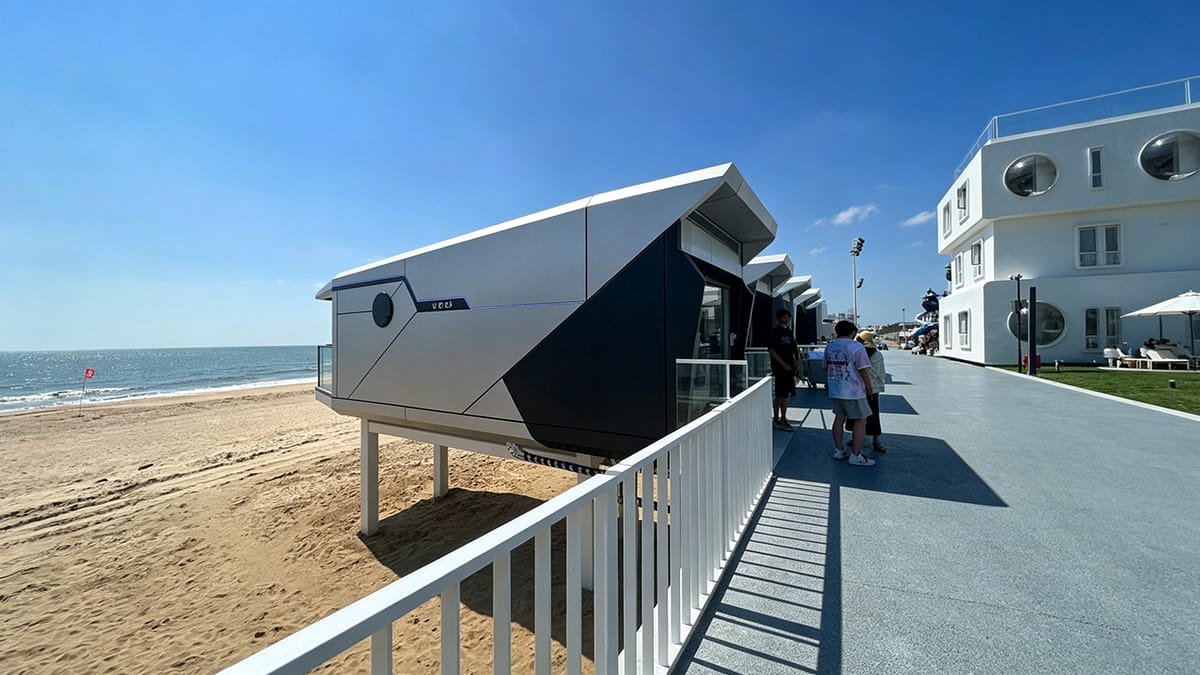
Capsule houses are much smaller than regular homes. Most capsule houses are under 400 square feet. Traditional homes are usually over 1,000 square feet. You have to get used to living in a small space. You may need to keep only what you really need. People use smart tricks to make the space work better. They clean out things they do not use. They use shelves and bins to keep things neat. They pick furniture that can do more than one thing. Big windows and light curtains help the space feel bigger. Even with these ideas, you might still feel crowded. It can be hard to have room for hobbies or guests. If you like having lots of space, this is a big downside.
Privacy Concerns
Privacy is hard to get in a capsule house. You live close to other people. The walls are thin, so you can hear noises. It can be tough to find a quiet spot. You may feel like you do not have your own space. Some capsule houses try to fix this problem. They use smart designs to give you private and shared spaces. Builders use special materials to block noise. Furniture can help split up the space. Still, many people worry about privacy. If you need a lot of alone time, this can be a big problem.
Comfort and Air Quality
It can be hard to feel comfy in a capsule house. The space is small, so you might feel boxed in. Air quality is important because you spend a lot of time inside. Capsule homes are built to keep air clean and save energy. They use materials that do not pollute the air. These homes meet air quality rules. But sometimes, the air does not move enough. You may need to open windows or use air cleaners. If you have allergies or need fresh air, this can be a problem.
Note: Pick a capsule house with good air systems and safe materials to help with air quality.
Regulatory Issues
Rules and laws can make capsule homes hard to own. There are strict rules about where you can put your home. You need to know if your home is permanent or temporary. You must connect to water, power, and sewer lines. Some places want your home to have a foundation. There are rules about how close you can be to streets or neighbors. There are also limits on size and height. Sometimes you need special approval if you do not follow the rules. These rules can make it hard to find a place for your home. If you break the rules, you could get fined or have to move your home. These problems can slow down your plans. You need to check the rules before you buy or build a capsule house.
Tip: Always look up local rules before you get a capsule house. This helps you avoid problems and makes moving easier.
The good and bad parts of capsule houses depend on what you want. If you need space, privacy, comfort, and easy rules, the bad parts may be too much. If you can adjust, you might enjoy living in a capsule house.
Capsule Houses: Practical Considerations
Assessing Your Needs
 Assessing Your Needs
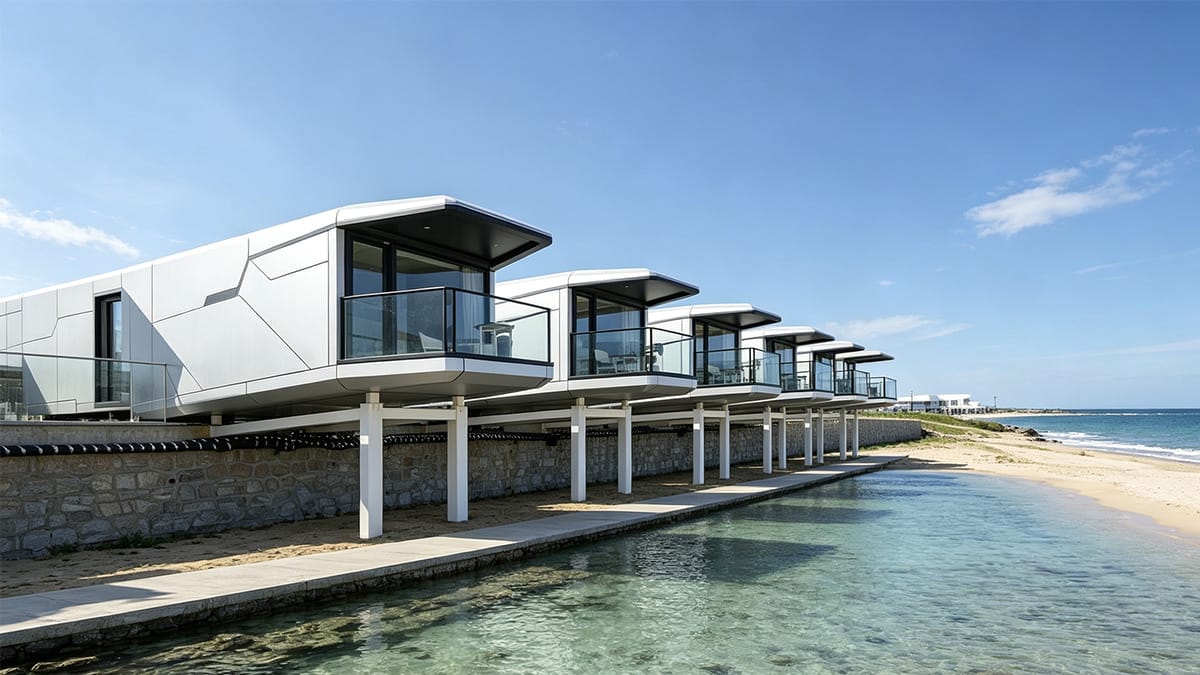
Think about your daily life before you choose capsule living. What do you want from your home? Do you like having only a few things? Capsule houses are good for people who want simple lives. They also work well for busy city workers. If you have a big family or like to have parties, you might feel crowded. Look at this table to see who fits best in capsule homes:
Demographic | Capsule Homes | Expandable Homes |
|---|---|---|
Minimalists and Urban Pros | Ideal for affordability and simplicity | Less suitable due to space constraints |
Growing Families | Not ideal due to limited space | Excellent for flexibility and expansion |
Remote Workers | Can accommodate home offices | Superior for dedicated workspaces |
Social Individuals | Limited entertainment options | Flexible for hosting larger gatherings |
Ask yourself if you need a lot of space. Or do you want a small, easy-to-care-for home?
Location and Community
Where you put your capsule house is important. Most people pick places near cities, train stations, or airports. These spots make it easy to travel and meet people. Here is a table to show you:
Location Type | Common Users |
|---|---|
Urban environments | Business workers, students, travelers |
Near train stations | Business workers, students, travelers |
Near airports | Business workers, students, travelers |
Near business centers | Business workers, students, travelers |
Capsule communities often have shared areas. You can spend time with neighbors and share things. This helps you feel like you belong. But sometimes you may want more privacy or feel alone. Think about what kind of community you want.
Maintenance and Durability
Capsule houses are made to last a long time. The main part of the house can stay strong for over 50 years. Builders use materials that stand up to bad weather. You will not spend as much on repairs as with regular homes. Here is a table to compare:
Housing Type | Maintenance Cost Comparison |
|---|---|
Capsule Homes | Lower ongoing maintenance needs and costs |
Traditional Homes | Higher initial investment and long-term maintenance costs (approx. 1% of total value) |
Capsule homes also have energy-saving features. This means you will have fewer problems later.
Resale and Investment
Capsule houses can be a smart way to invest your money. Good capsule homes keep most of their value after 10 years. They sell faster than many other homes. This is true if they are close to public transport or look cool. Here is a table to show you:
Housing Type | Total Cost of Ownership (10 years) | Resale Potential | Annual Appreciation |
|---|---|---|---|
Space Capsule Houses | Strong | 5-10% | |
Tiny Houses | $70,000 – $130,000 | Steady | N/A |
Container Homes | $50,000 – $230,000 | Variable | N/A |
If you want a home that is easy to sell and keeps its value, a capsule house could be a good pick.
Here is a simple look at capsule homes:
👍 Pros | 👎 Cons |
|---|---|
Saves money | |
Uses space well | Not very private |
Good for the planet | Can be less comfy and hard to place |
Capsule homes are very different from normal houses. You should think about how you live, what matters to you, and how much room you want.
Ask yourself: Do you want a simple life that can change? Think about it before you choose.
FAQ
Can you live in a capsule home with pets?
You can live with small pets like cats or tiny dogs. You need to check the rules for your building or community. Some places do not allow pets. Make sure your pet has enough space to move and play.
How do you keep a capsule home warm or cool?
Capsule homes use good insulation and smart windows. You can add a small heater or fan. Some homes come with built-in air systems. You save energy because the space is small. Always check for drafts and seal windows.
Is it hard to clean a capsule home?
Cleaning is easy. You have less space and fewer things. You can finish chores fast. Use shelves and bins to keep things tidy. A small vacuum or broom works well. You will spend less time cleaning than in a big house.
Can you customize a capsule home?
Yes, you can! You can pick colors, furniture, and storage ideas. Some builders let you change the layout. You can add shelves, lights, or art. Just make sure changes fit the space and follow any rules in your area.