
27 May How to Live Sustainably and Off Grid in a Capsule House
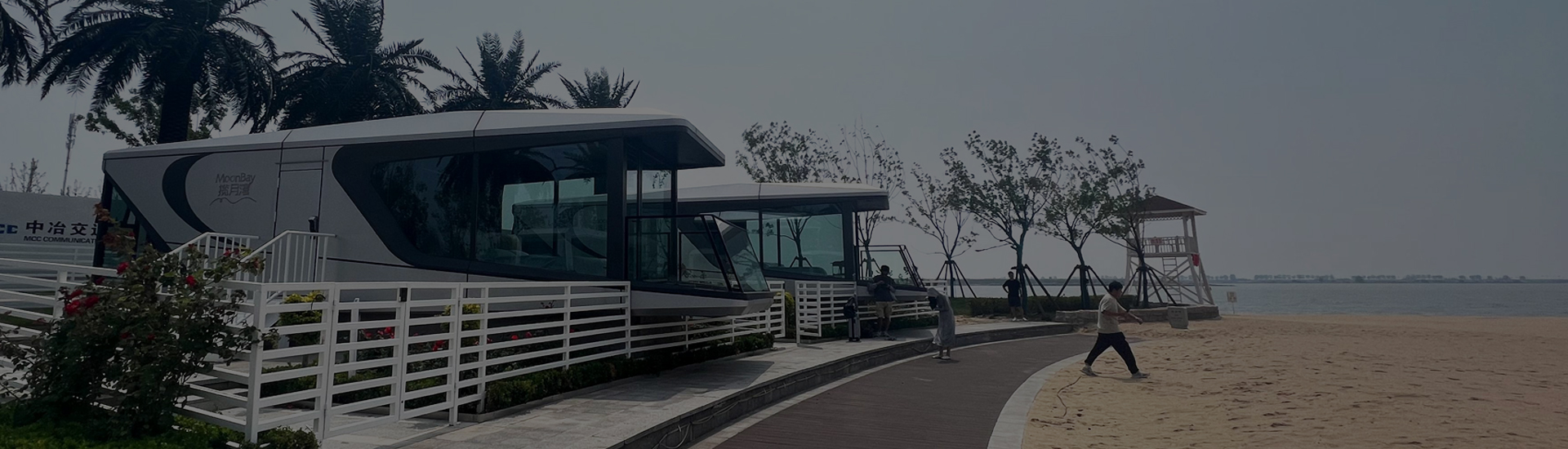
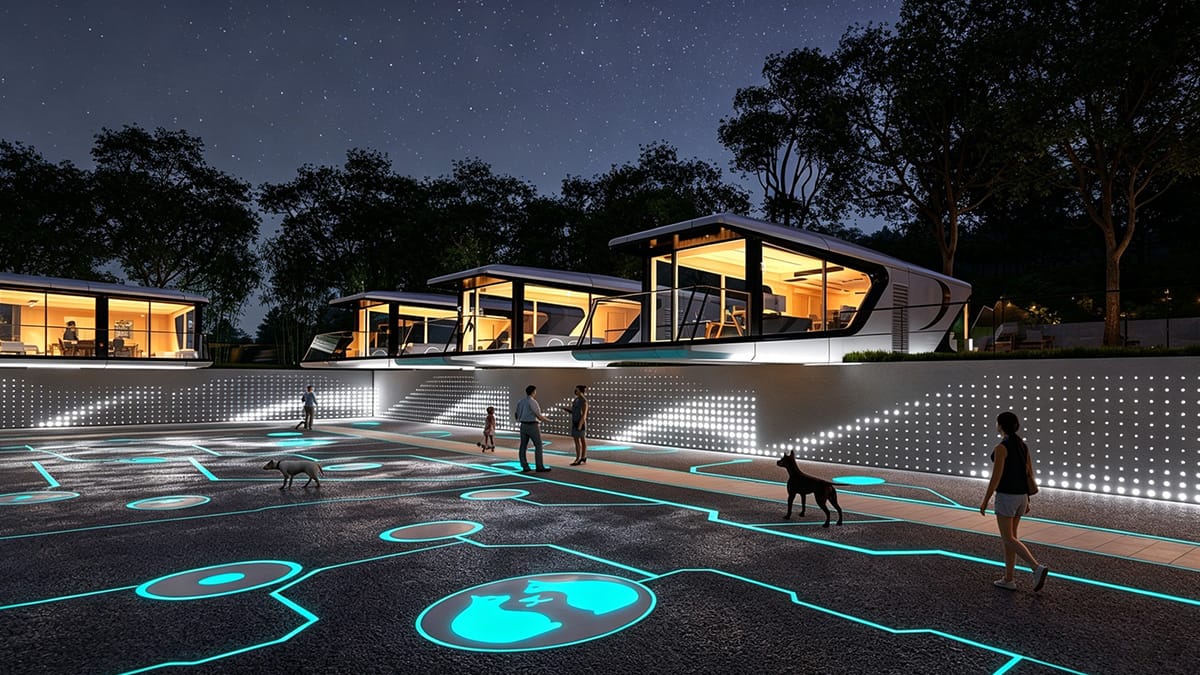
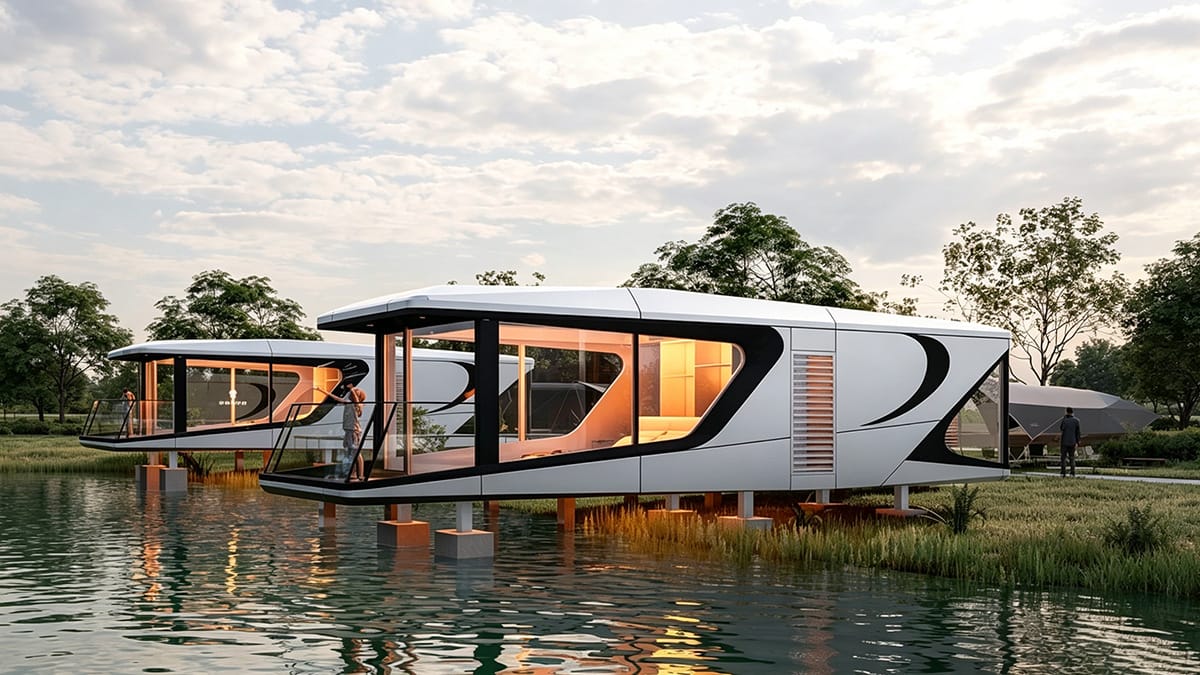
Imagine you wake up in a capsule house. You use less energy and save water. You still feel warm and safe. These homes make living green easy. Smart thermostats help control the temperature. Solar panels give you power from the sun. Good insulation keeps your house warm or cool. You do not waste resources. Many capsule house models use modular design. They use eco-friendly materials too. This helps you lower your carbon footprint every day. You enjoy modern life and choose to live sustainably. This way works well for you.
Key Takeaways
Capsule houses use smart technology like solar panels and wind turbines to make energy. This helps people live off-grid.
Good insulation and eco-friendly materials help save energy. They also lower your carbon footprint. You can still live comfortably.
You need to plan your location. You should learn about local rules before you build your capsule house.
Energy-efficient appliances and systems can lower your utility bills a lot. They also help you live in a more sustainable way.
Using multi-purpose furniture and smart storage saves space. This makes your capsule house feel bigger and more useful.
Is Off-Grid Living in a Capsule House Possible?
You may ask if living off-grid in a capsule house is possible. The answer is yes, but you need the right setup and place. Some real examples, like the Ecocapsule, show it can work. Ecocapsule uses solar panels and a wind turbine to make power. It also gathers rainwater and cleans it for daily use. These things let you live far from cities without normal utilities. You need steady sunlight, wind, and enough rain for the best results.
Key Features for Self-Sufficiency
A capsule house gives you what you need to live on your own. Here are some things that help:
Solar panels and wind turbines make electricity.
Rainwater collection and cleaning systems give you water.
Strong and eco-friendly materials like aluminum and recycled steel build the house.
Polyurethane insulation keeps the house warm or cool and saves energy.
Smart technology, like AI climate control and voice-activated systems, makes things simple.
Modular layouts and furniture with more than one use save space.
Touchless technology and air filters help keep you healthy and safe.
Many capsule house designs have these features. They help you live well and green, even far from towns.
Common Myths and Realities
Some people think living in a capsule house means you lose comfort or modern things. That is not true. Let’s clear up some common wrong ideas:
Misconception | Clarification |
|---|---|
Off-grid living in capsule houses lacks energy self-sufficiency. | Capsule houses can use photovoltaic panels, battery storage, and other systems for freedom. |
Prefab houses are all the same and lack customization. | Modern prefab houses let you choose many options and change designs. |
You still get natural light, fresh air, and smart design. Furniture that does more than one thing keeps your space neat. You focus on having what you need, which feels good. Living in a capsule house lets you enjoy a simple life with everything you need.
Planning Your Capsule House for Sustainable Living
 Assessing Suitability and Location
 Assessing Suitability and Location
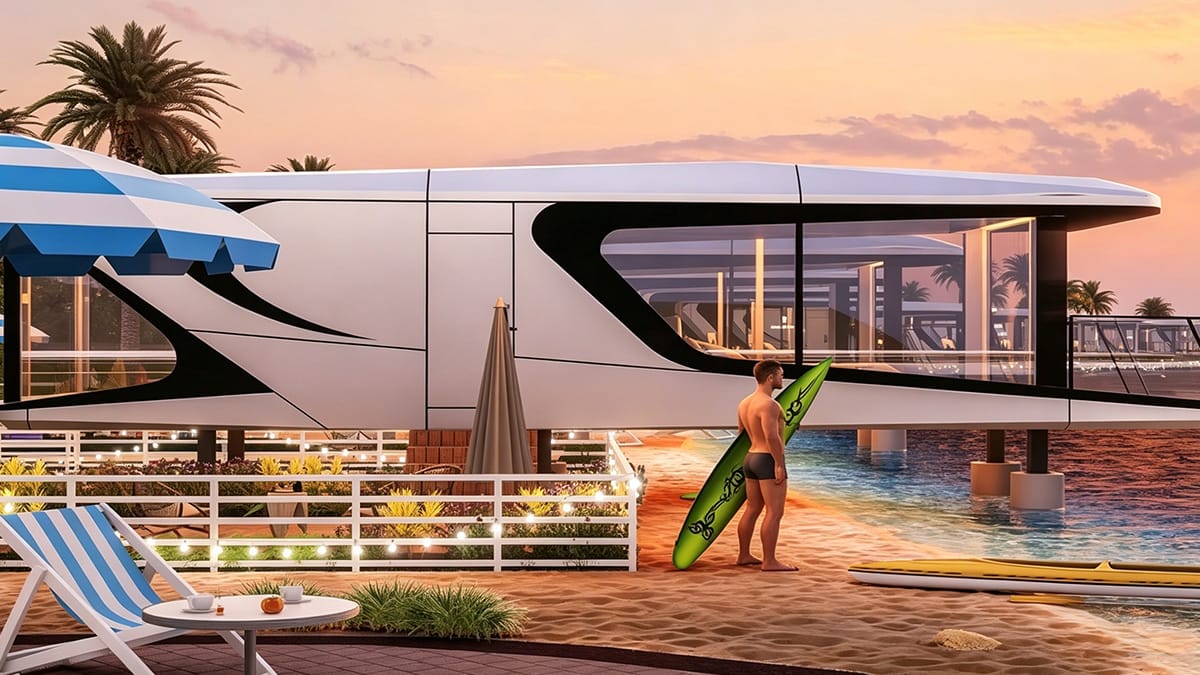
Before you set up your capsule house, you need to check if your spot is right. Start by looking at local rules. Some places have zoning laws or minimum size rules for homes. You want to make sure your house fits the law. Also, check if the area allows small or unique homes.
Think about the land itself. Good site preparation helps your home last longer and work better. Look for a place with lots of sunlight and steady wind. These help your solar panels and wind turbines work well. You also want to make sure you can get water and manage waste.
Here’s a quick look at what to consider:
Factor | Description |
|---|---|
Site Preparation | Get the land ready for your home and future needs. |
Utility Connections | Plan for water, power, and waste systems, even if you go off-grid. |
Regulatory Compliance | Check local laws and rules before you build. |
Environmental Factors | Sun, wind, and weather matter for energy and comfort. |
Long-term Livability | Plan for storage and easy upkeep. |
Social Considerations | Compact living changes how you host friends and family. |
Tip: Always talk to local officials before you buy land or start building.
Sizing Solar, Wind, and Battery Systems
You want your capsule house to run smoothly all year. Start by sizing your solar panels. Most people need at least a 2-4 kW system for basic needs. If you add a 750-watt wind turbine, you can make power even on cloudy days.
Don’t forget about batteries. A good battery system, like one with about 9.7 kWh storage, keeps your lights on at night or during storms. Also, check your insulation. Good R-value insulation keeps your home warm in winter and cool in summer, so you use less energy.
Year-Round Energy Planning
Seasons change, and so does your energy use. In summer, you might use more power for cooling. In winter, you need heat. Plan for these changes. Track how much energy you use each month. Adjust your solar panels and wind system if you need more power.
If you live in a place with less sun in winter, think about adding extra batteries or a backup generator. Always plan for a little more than you think you need. That way, you stay comfortable no matter the weather.
Essential Off-Grid Systems and Utilities
Heating, Hot Water, and Cooking Options
 Heating, Hot Water, and Cooking Options
It is important to stay warm in your capsule house. This is true when you live off-grid. You have a few smart ways to heat your home and water. Some systems use pipes under the floor to spread heat. Other systems use graphene electric heating modules. These heat the floor right away and need almost no care. If you worry about cold weather, add insulation to your water pipes. This stops them from freezing and helps your systems work all winter.
You can use special air conditioning units for heating and cooling. These work even when it is very cold outside. Special glass with three layers and Low-E coating keeps heat inside. It also blocks out the cold and saves energy.
Here are your main choices:
Heating Option | What It Does |
|---|---|
Water Circulation Underfloor Heating | |
Graphene Electric Heating Modules | Heats the floor directly, needs little maintenance. |
Water Pipe Insulation | Stops pipes from freezing in cold weather. |
Upgraded Air Conditioning | Heats and cools, works in extreme cold. |
Enhanced Glass | Three-layer Low-E glass keeps heat in and cold out. |
For cooking, you can use electric induction cooktops, propane stoves, or solar ovens. Induction cooktops use less energy and heat up fast. Propane stoves are good if you need a backup on cloudy days. Solar ovens let you cook outside using only the sun.
Tip: Pick appliances that save energy for cooking and heating. This helps you use less power and live greener.
Water Supply and Waste Management
Getting clean water and handling waste is a big part of off-grid life. You can collect rainwater from your roof and keep it in tanks. This water is good for washing, cleaning, and sometimes drinking if you filter it. Low-flow faucets, showerheads, and toilets help you use less water every day. Some capsule houses reuse greywater from sinks and showers. You can use this water for your garden or to flush toilets.
Capsule houses often have special systems to keep your water clean. These systems filter and clean water so you always have safe water. They fit well in the small space of your home.
For waste, you have a few good options. Composting toilets turn waste into compost for your garden. Incinerating toilets burn waste into ash, but they need some energy. Bio-toilets use bacteria to break down waste and can make biogas for cooking. Each system fits different needs and helps you live off-grid.
Here is a table to help you compare:
Off-Grid System | Description |
|---|---|
Solar Power Systems | |
Water Collection | Essential for self-sufficiency, especially in areas with water restrictions. |
Waste Management | Necessary for sustainable living, ensuring proper disposal and recycling. |
Energy-Efficient Design | Reduces overall energy use and boosts sustainability. |
Note: Always check local rules about water and waste systems before you install them.
Maximizing Limited Space for Solar Panels
Capsule houses have small roofs, so you need to be smart with solar panels. You can use open space designs inside your home. This makes the roof less crowded and gives you more room for panels. Multi-purpose furniture, like foldable beds and built-in storage, also frees up space above.
Some capsule houses use zoning plans. You split your living space into areas for sleeping, eating, and working. This helps you plan where to put solar panels outside or on the roof. New solar panels are smaller and more powerful than ever. You can fit more panels in less space and still get enough energy.
Here is how you can make the most of your space:
Design Strategy | Description | Benefit for Solar Panels |
|---|---|---|
Zoning Plans | Divide space into rest, meal, and work zones. | |
Multi-purpose Furniture | Use foldable beds and built-in storage. | Frees up roof space for panels. |
Open Space Design | Keep layouts open and functional. | Maximizes roof area for solar panels. |
Use small, modular solar panels that fit your roof.
Pick panels made from eco-friendly materials.
Choose panels that work well with wind turbines and batteries.
Callout: Many new capsule houses come with solar panels, wind turbines, and water collection systems already built in. This makes it easier for you to live off-grid and helps the planet.
Efficiency and Overcoming Challenges
Energy-Efficient Appliances
 Energy-Efficient Appliances
You want your capsule house to use less energy. Energy-efficient appliances help you stay comfortable. Use LED lights for bright rooms that need less power. Pick an ENERGY STAR refrigerator or a solar ready fridge. These keep food cold and save energy. A propane or gas stove is good for cooking and backup heat. Heat pump heaters give you hot water with less electricity. On-demand gas heaters only heat water when you need it. Low draw fans or HRV systems keep air fresh and use little power.
Tip: Smart home systems can control heating, cooling, and lighting. They adjust based on when you are home or the weather. This helps you save even more energy.
Aspect | Description |
|---|---|
Energy Efficient | Energy-efficient appliances and lighting lower bills and help the planet. Good insulation and passive solar design keep your home warm or cool without wasting energy. |
Energy Efficiency | Advanced windows in capsule houses keep indoor temperatures steady. This lowers heating and cooling costs. You pay less for utilities and help the environment. |
Budgeting, Permits, and Backup Systems
Plan your budget before building your capsule house. Capsule homes cost between $20,000 and $100,000. Think about long-term costs, not just building price. Off-grid systems cut utility bills and save money. Solar panels and rainwater collection help you save each month.
Permits are important. Check if your land is zoned for housing. Make sure the ground can hold your home. Look at local rules for off-grid living. For power, use solar panels with batteries, small wind turbines, and a backup generator. A small cabin in Oregon uses a 5kW solar system with LiFePO4 batteries. This setup powers lights, fridge, Wi-Fi, and mini split AC.
Type | Details |
|---|---|
Permits | Make sure your land is zoned for housing. Check if the ground can hold a container home. Look at local rules for off-grid housing. |
Backup Systems | Use solar panels with batteries, small wind turbines, and backup generators for power. |
Example of Power System | A small container cabin in Oregon uses a 5kW solar system with LiFePO4 batteries. This powers lights, fridge, Wi-Fi, and mini split AC. |
Space and Storage Solutions
You can make your capsule house feel bigger and neat. Start by decluttering. Use bins and baskets to hide things. Modular shelves and under-bed drawers help store clothes and linens. Pull-out cabinets and hidden spots give you more space. Customize storage units for flexibility. Large windows and shiny surfaces bring in natural light. This makes your home feel open. Pick soft furnishings that do not crowd the space. Space-saving decor adds style without making the area feel small.
Challenge | Description |
|---|---|
Smaller homes may need less maintenance but can require more care for compact systems. Better materials mean less frequent repairs even with heavy use. | |
Social considerations | Living in small spaces changes how people interact. You need more communication and care among residents. This can be hard for some. |
Climate adaptation | Good insulation and solar orientation are important. Extreme climates may need extra heating or cooling. Humidity control is needed in small spaces. |
Future flexibility | Modular designs let you change your home, but small sizes limit some changes. Plan ahead so your home fits your needs later. |
Site preparation | Preparing your site well is key for long-term success. Knowing what you need helps you avoid costly mistakes. |
Callout: Eco-friendly materials and smart storage solutions help you make a comfortable and efficient home.
You can live off-grid in a capsule house with the right plan and tools. These homes offer smart design, quick setup, and a green lifestyle. Check out the main benefits below:
Benefit | Description |
|---|---|
Flexibility & Mobility | Move and set up your home almost anywhere. |
Fast Construction | Build quickly and save time. |
Eco-Friendly | Use less energy and help the planet. |
Smart Living | Enjoy modern tech and comfort. |
Cost-Effective | Spend less than on a regular house. |
Many people around the world use capsule houses for homes, offices, and more. You can find guides and stories online to help you start your own journey. Sustainable living brings freedom, comfort, and a better future. Why not take the first step today?
FAQ
How much maintenance does a capsule house need?
You do not need to spend much time on upkeep. Clean the solar panels and check the water filters every month. Inspect the roof and insulation twice a year. Most systems work with little effort.
Can you live in a capsule house during winter?
Yes, you can stay warm in winter. Good insulation, triple-pane windows, and smart heating keep you comfortable. Add extra blankets and check your heating system before cold weather starts.
What if you run out of solar or wind power?
You can use a backup generator or store extra energy in batteries. Some people keep a small propane system for emergencies. Plan ahead for cloudy or calm days.
Is it hard to get internet off-grid?
You can get internet with a satellite dish or a mobile hotspot. Many capsule house owners use solar-powered Wi-Fi routers. Check coverage in your area before you move in.