
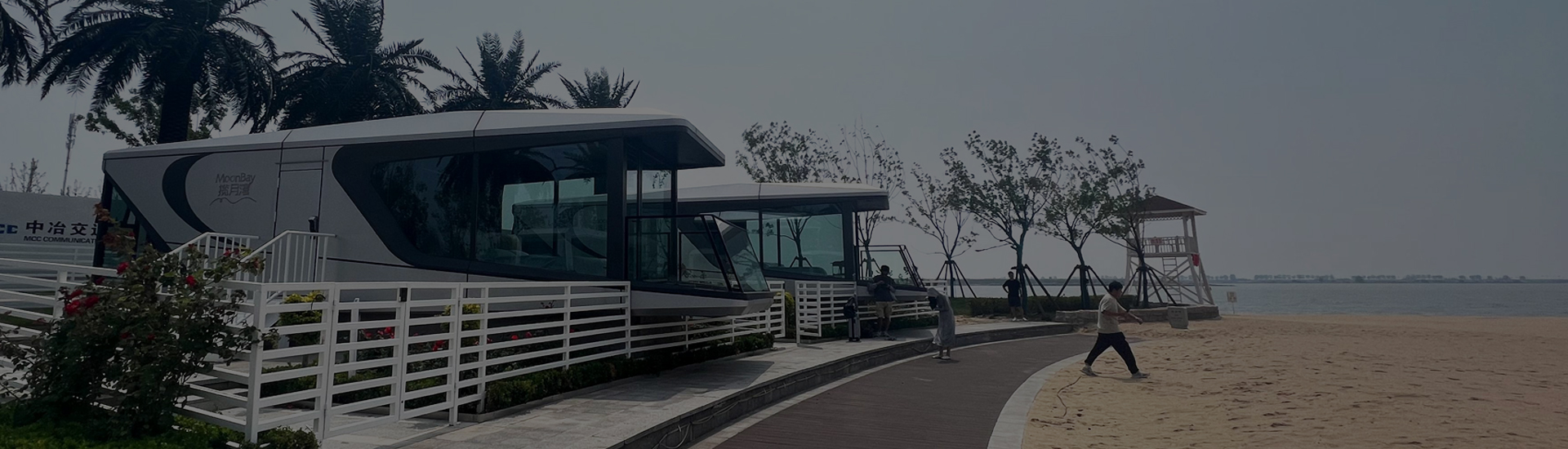
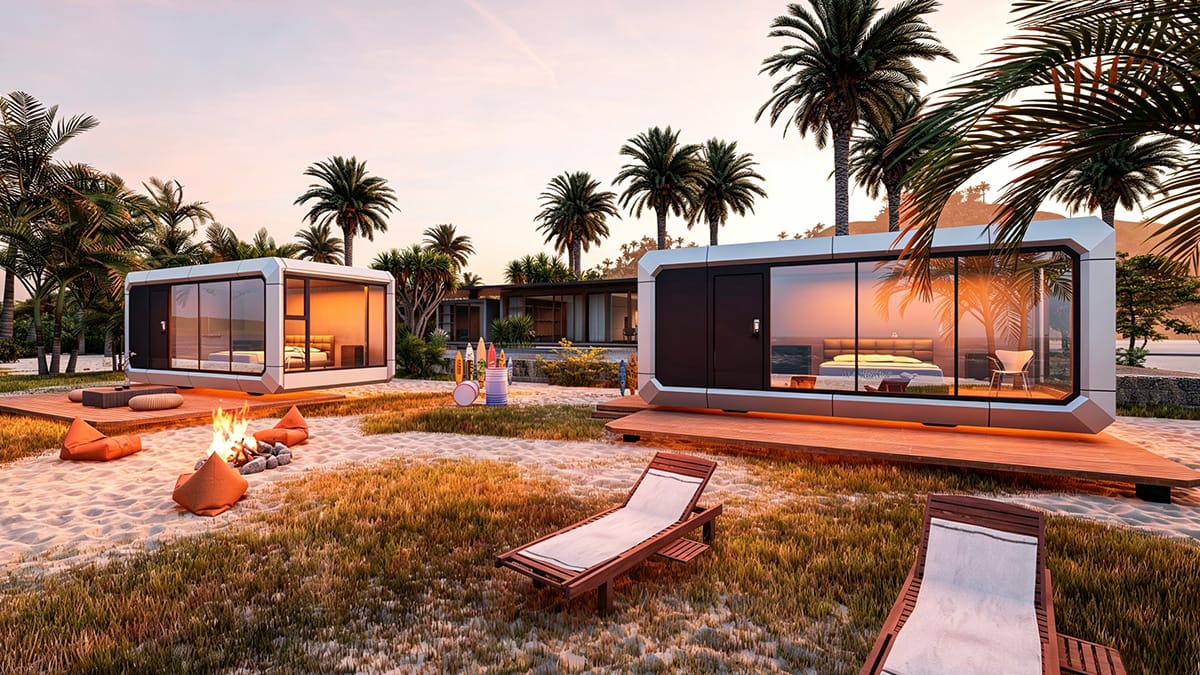
01 Mar What Makes Capsule Homes Unique and Beneficial
You can see that a capsule home is different from a regular house. Its small size saves space and uses materials that are good for the environment. This helps lower your carbon footprint. These homes are easy to move or stack. You can change your living space when you need to. Better insulation helps you spend less money on energy bills. The table below shows how capsule homes give you flexibility, are affordable, and are strong for modern life:
Feature | Benefit |
|---|---|
Reduced carbon footprint | Uses eco-friendly materials and energy-saving appliances |
Flexibility | Easy to move and stack for different setups |
Cost-effectiveness | Cheap living without losing safety or technology |
No traditional foundation | Fast setup and moving to fit your needs |
Improved insulation | Better sealing for lower energy costs and more comfort |
Key Takeaways
Capsule homes use less space and help the planet with green materials. They are flexible, so you can move or stack them when you want. Capsule homes do not cost a lot, with prices from $8,000 to $80,000, so many people can buy them. Smart home features make life easier and more comfortable, because you can control things simply. Capsule homes save energy, so you pay less for bills and live in a greener way.
Capsule Home Features
 Space Efficiency
 Space Efficiency
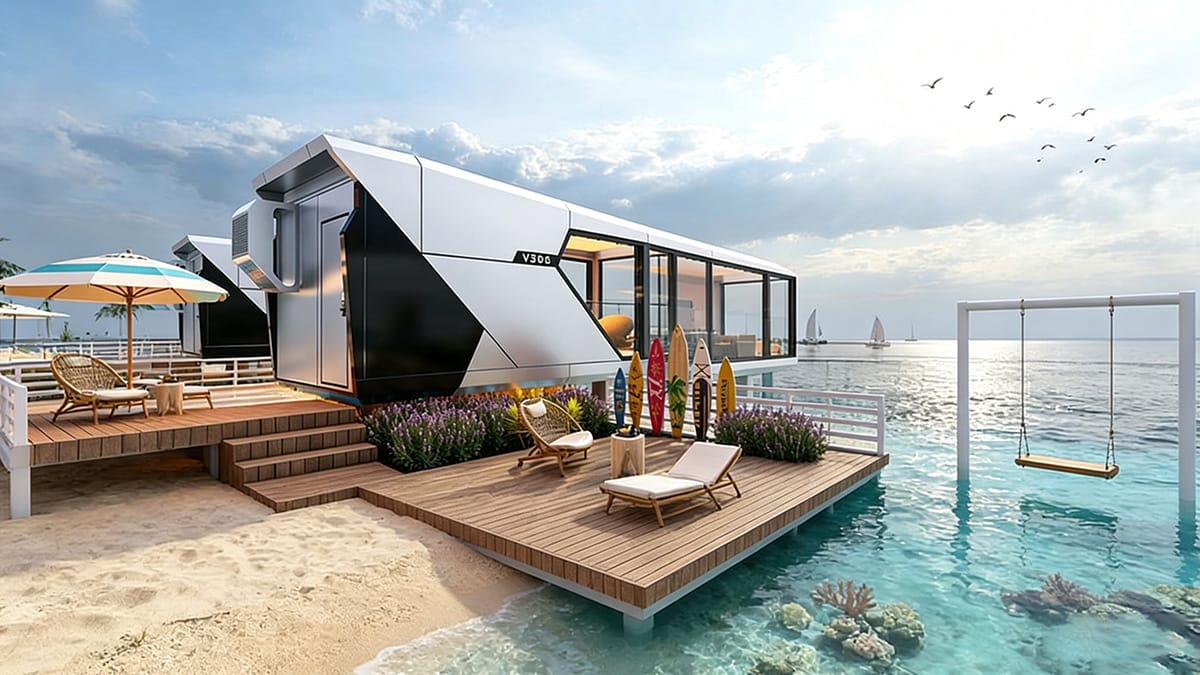
Capsule homes use smart design to make space work well. Zoning strategies split areas for sleeping, cooking, and relaxing. There are no walls, so the space stays open and bright. Designers use mirrors and the same flooring to make rooms look bigger. Storage is placed where you walk, so nothing feels crowded. Capsule homes use advanced materials and composite panels that are thin but strong. This gives you more room inside and keeps you safe and comfortable. The table below shows how these features help you live big in a small home:
Design Feature | Contribution to Space Efficiency |
|---|---|
Zoning strategies | Organizes spaces into functional areas without barriers, keeping your home open and organized. |
Visual expansion techniques | Uses mirrors and outdoor views to make your home feel larger. |
Ergonomic efficiency | Aligns storage and movement for easy use and comfort. |
Advanced materials | Thinner walls and panels give you more usable space. |
Advanced composite panels | Combine strength and insulation in slim profiles, saving space. |
Smart surface materials | Add functions like temperature control and health benefits to small areas. |
Weather Resistance
Capsule homes are strong against bad weather. They can handle hurricanes, heavy snow, and earthquakes. The main structure uses galvanized steel frames and aluminum alloy shells. These give strength and protection. Triple-pane and double-glazed windows keep out wind and rain. Capsule homes can stand up to winds as strong as a Category 4 hurricane. Carbon fiber parts spread out heavy snow and keep you safe during storms. Internal steel ribs add more support. These features make capsule homes safe in many places.
Note: Capsule homes are built to last over 50 years and can survive earthquakes up to magnitude 9.
Superior Insulation
Capsule homes keep you comfortable all year long. They use advanced polyurethane foam insulation. This is six times better than most regular houses. Your home stays warm in winter and cool in summer. Double tempered hollow Low-E windows and triple-pane upgrades block heat, cold, and noise. Underfloor heating and graphene electric modules give even warmth. You do not need to do extra work. Water pipe insulation stops pipes from freezing. Upgraded air conditioning keeps you cozy in very cold weather. These features help you save money on energy bills and enjoy a quiet home.
Capsule homes have a thermal resistance of 3.2m²·K/W.
You can expect about 65% more energy efficiency compared to regular homes.
Sound insulation reduces noise by at least 55dB, perfect for city living.
Fire Safety
Capsule homes keep you safe with strong fire safety features. The main structure and outside walls have a grade A fire resistance rating. Inside walls meet grade B1 or higher. These homes follow strict rules like AS 3959, EN 13501, and NFPA. You get fire-resistant roofs, cladding, and doors. Smoke alarms and escape windows come with every unit. These features help you stay safe, even in risky areas.
Standard | Key Requirements |
|---|---|
AS 3959 | Fire-resistant roofs, cladding, smoke alarms, escape windows |
EN 13501 | Materials resist fire for 30–60 minutes, smoke detectors, escape routes |
NFPA Standards | Smoke detectors, fireproof doors, full-size exit door |
General Resistance | Grade A for main structure, grade B1 or higher for interior walls |
UL 962 | Extra rules for sleep capsules, short-term use |
Capsule homes use fire-resistant materials and pass tough safety tests.
Smart Home Integration
Capsule homes have smart home features for modern living. You get connected devices like smart thermostats, lighting, security cameras, and door locks. You can control everything from your phone or with your voice. Systems like Alexa or Google Assistant help you do this. Automation lets you set lights, temperature, and locks to work by themselves. Smart security gives you alerts and lets you check your home from far away. These features make life easier and safer.
Feature | Benefit |
|---|---|
Energy management | Optimizes power use for better energy efficiency. |
Environmental controls | Keeps your home comfortable and easy to manage. |
Lets you control lighting, temperature, and security from your phone. | |
Security | Real-time monitoring and alerts for peace of mind. |
Smart home integration helps you save energy and lower your bills. You get a home that fits your needs and keeps you comfortable.
Sustainable Materials
Capsule homes use materials that are good for you and the planet. Steel frames are strong and last a long time. Glass lets in sunlight, so you use less electricity. Composite materials are light and strong, so your home can have cool shapes. Insulation keeps your home warm or cool without wasting energy. Many capsule homes use bamboo, wood, and concrete for extra sustainability. Energy-efficient appliances and water-saving systems lower your impact even more.
Material | Description |
|---|---|
Steel | Strong, durable, and flexible for many designs. |
Glass | Brings in sunlight, saves energy, and reduces need for lights and heating. |
Composite Materials | Light, strong, and resists moisture and corrosion. |
Insulation | Keeps heat in or out, making your home more energy efficient. |
Sustainable Features | Includes energy-saving appliances and water systems for a smaller environmental footprint. |
Capsule homes use fewer resources and less energy than regular homes. You help the environment and enjoy a modern, comfortable space.
Capsule Homes Benefits
Affordability
 Affordability
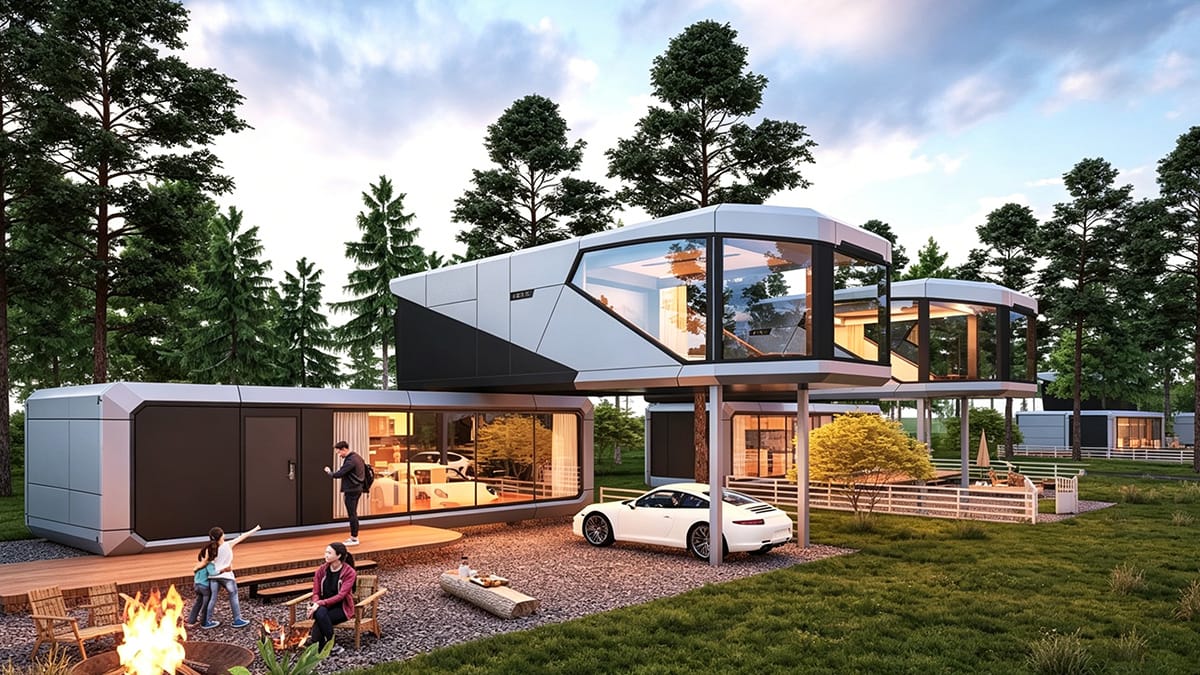
Capsule homes help you save a lot of money. A basic capsule home costs about $8,000. The most expensive ones can cost up to $80,000. Regular houses usually cost much more than this. This makes capsule homes a smart way to save money or avoid big loans.
Type of Home | Price Range (USD) |
|---|---|
Basic Capsule Home | $8,000 – $20,000 |
Mid-Range Capsule Home | $20,000 – $50,000 |
High-End Capsule Home | Over $50,000 (up to $80,000) |
Traditional Housing | Generally higher costs |
You can find easy ways to pay for your home. Some lenders let you buy with no down payment. You can pay over 12 to 84 months. This helps you plan your spending. You also pay less for taxes and repairs. Insurance is cheaper too. You will spend less on fixing things than in a regular house. This lets you focus on what matters to you.
Energy Efficiency
Capsule homes are made to use less energy. Their small size means you need less heat, air, and light. You will pay less for your bills because the space is smaller. Good insulation, solar panels, and energy-saving appliances help you save more.
Smart home tech lets you control lights and heat with your phone. Automation changes the temperature when you are home or away. This stops waste and saves energy. Some capsule homes use up to 80% less energy than regular houses. You will see lower bills and help the planet.
Smaller spaces mean lower utility bills.
Smart thermostats and lights help save energy.
Solar panels and efficient appliances lower your carbon footprint.
Eco-Friendliness
Living in a capsule home is good for the earth. These homes use fewer materials and make less trash when built. Prefab parts mean less garbage goes to dumps. The design uses recycled and renewable materials when possible.
Factor | Description |
|---|---|
Reduced Construction Waste | Prefabricated building makes less trash, so less goes to landfills. |
Energy-Efficient Design | Good insulation and appliances use less energy. |
Smaller Living Space | Less space means less energy for heating and cooling. |
Sustainable Materials | Using recycled and renewable materials helps the environment. |
Reduced Transportation | Living in cities means you can walk or use public transport. |
You also use less energy every day. Capsule homes help you live simply and lower your carbon footprint. You can add solar panels or rainwater systems for more green living. This makes your home a great example of eco-friendly living.
Land Use Optimization
Capsule homes use land in a smart way. You can fit many homes in a small space. This helps with housing problems in busy cities. Capsule homes do not spread out too far. They fit well in crowded places and use space wisely.
Capsule home groups can fit many people on small land.
Designs use every bit of space well.
You help keep cities green and save money.
You can also put capsule homes in the countryside. Their design lets you set up almost anywhere. You can move or stack them to fit your needs. This gives you more choices for where to live.
Comfort and Convenience
You do not lose comfort in a capsule home. Smart design makes small spaces feel big and nice. You can control lights, heat, and locks with smart systems. Bedrooms have smart storage. Kitchens have everything you need.
Feature | Description |
|---|---|
Smart Living Features | Smart controls and locks make life easy and safe. |
Low-Maintenance Materials | Strong frames and panels need little care. |
Eco-Friendly Design | Uses 65% less energy than regular homes. |
Many people feel happy and relaxed in their capsule homes. You spend less time fixing and cleaning. The design lets you change your space as you need. You get comfort, flexibility, and value for a long time.
“Staying in the Star Capsule house was one of my best trips! When I walked in, I loved how cool it looked. At night, I lay in bed and saw the stars through the glass. It was peaceful and made me forget I was tired. The space is small, but the layout is smart. Everything I needed was there, so it was very comfortable.”
You can live well and still enjoy the things you love. Capsule homes give you flexibility, help the planet, and use modern technology.
Capsule House Challenges
Space Limitations
 Space Limitations
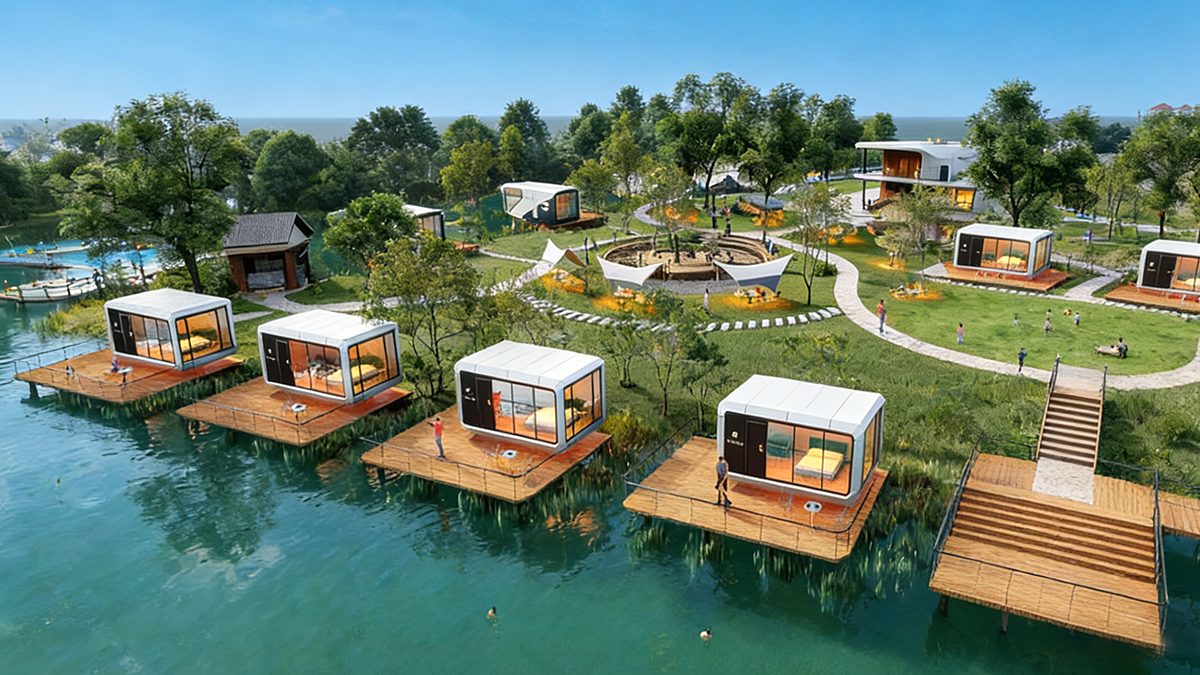
Capsule houses have less space than regular homes. You need to plan how you use every area. People use hidden storage and fold-down furniture to save space. Lofted spaces help make more room for sleeping or storing things. The table below shows ways to use space well:
Space Utilization Strategies | Description |
|---|---|
Hidden Storage | Secret spots help you use space better. |
Fold-down Furniture | Furniture folds away to make more room. |
Lofted Spaces | Sleeping or storage up high gives more floor space. |
You must keep your things neat and sort them often. Using ebooks and online photos helps stop clutter. Living small means you pick what matters most. Capsule house designs use smart layouts and furniture to fit what you need.
Big furniture can be hard to use in a capsule house. Staying tidy and using good design makes your home feel cozy.
Legal and Zoning Issues
You must follow local rules when you set up a capsule house. Some places have strict codes for safety and where you can put your home. The table below shows common legal and zoning problems:
Region | Legal/Zoning Challenges |
|---|---|
California | Must meet wildfire and earthquake codes. |
Florida | Needs windows that can handle hurricanes. |
Northeast | Roofs must hold heavy snow. |
Setbacks | Homes must be 5 to 10 feet from the edge. |
Height | Capsule houses are often under 16-25 feet tall. |
Coverage | Cannot cover more than half of the backyard. |
Check these rules before you build your capsule house. Some cities limit height or land use. You may need special permits. These rules keep you and neighbors safe, but can make it harder to place your home.
Lifestyle Adjustments
Living in a capsule house means you change some habits. You need to store things well and keep your home clean. The table below shows how these changes affect people:
Aspect | Impact on Capsule Home Residents |
|---|---|
Living Patterns | Good storage and cleaning help you feel happy. |
Social Interactions | Having guests is different in small spaces. |
Compatibility with Compact Living | You must get used to having fewer things, which can change how you feel. |
You may spend more time organizing and less time collecting stuff. Social life changes because there is less room for visitors. You must get used to living close to others. Many people feel happier with fewer things, but you need to be ready for these changes.
Tip: Keep only what you use often. This makes your capsule house feel bigger and calmer.
Lifespan and Maintenance
A capsule house can last over 50 years if you take care of it. You need to do regular checks to keep your home safe and nice. Here are some common jobs:
Yearly inspections
Foundation care
Outside and roof checks
Plumbing and electrical work
HVAC and insulation checks
Pest control
Keeping things clean
The table below shows how long a capsule house lasts:
Aspect | Details |
|---|---|
Average Lifespan | Over 50 years with good care |
The small size makes some jobs easier. You may spend less time painting or cleaning. Small systems may need more checks. Better materials mean fewer repairs. Think about maintenance costs when you plan your budget. Regular care keeps your capsule house strong and comfy for many years.
Capsule Home Examples
Urban Projects
 Urban Projects
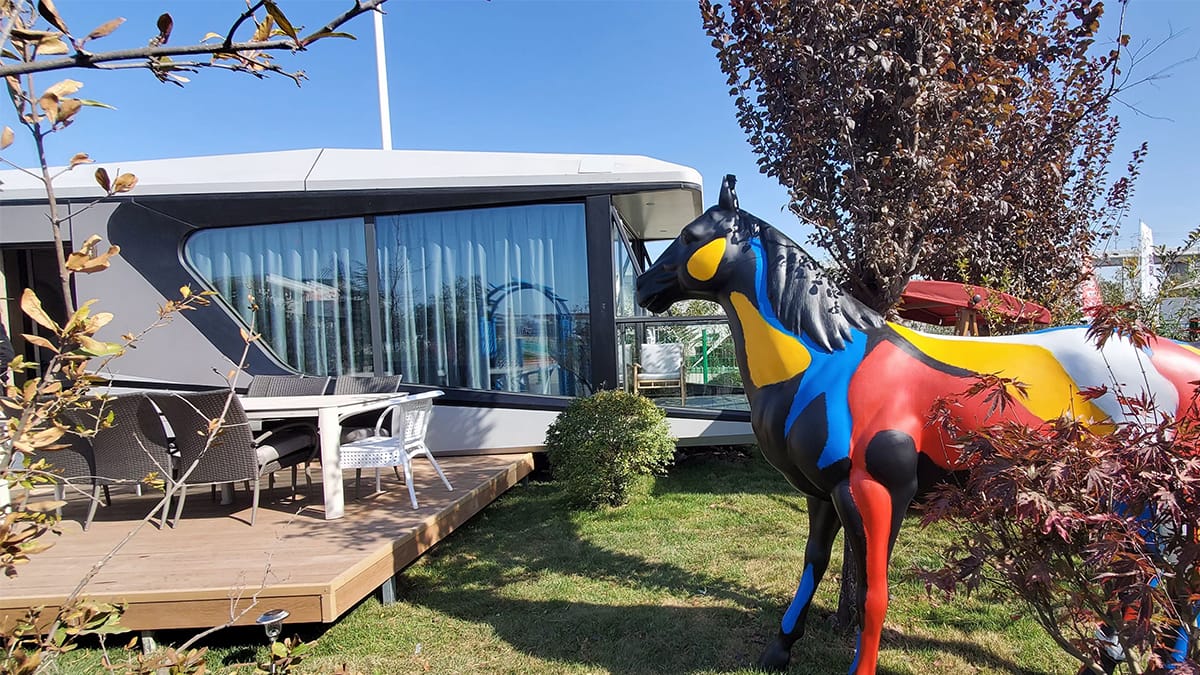
You can see capsule homes in many cities. Designers place these homes in unused spaces between buildings. You find capsule homes stacked in small lots or on rooftops. Some cities use capsule homes to help people who need affordable housing. For example, Tokyo has capsule hotels that give you a private space in busy areas. New York uses capsule homes for students and workers who want to live close to their jobs. These projects show how you can use budget prefab homes to solve city housing problems.
City | Capsule Home Use | Benefit |
|---|---|---|
Tokyo | Capsule hotels | Private space, low cost |
New York | Student housing | Close to work, flexible |
London | Rooftop capsules | Uses empty space |
Off-Grid Uses
You can live in a capsule home away from the city. Many people choose capsule homes for off-grid living. You set up your home in the woods, mountains, or near lakes. Solar panels and rainwater systems help you live without city utilities. Some families use capsule homes as vacation cabins. You can move your home when you want a new view. Budget prefab homes make it easy to start living off-grid because they are quick to build and cost less.
Solar power gives you energy.
Rainwater tanks help you save water.
Portable design lets you move your home.
Tip: Try a capsule home for a weekend trip to see how off-grid living feels.
Owner Experiences
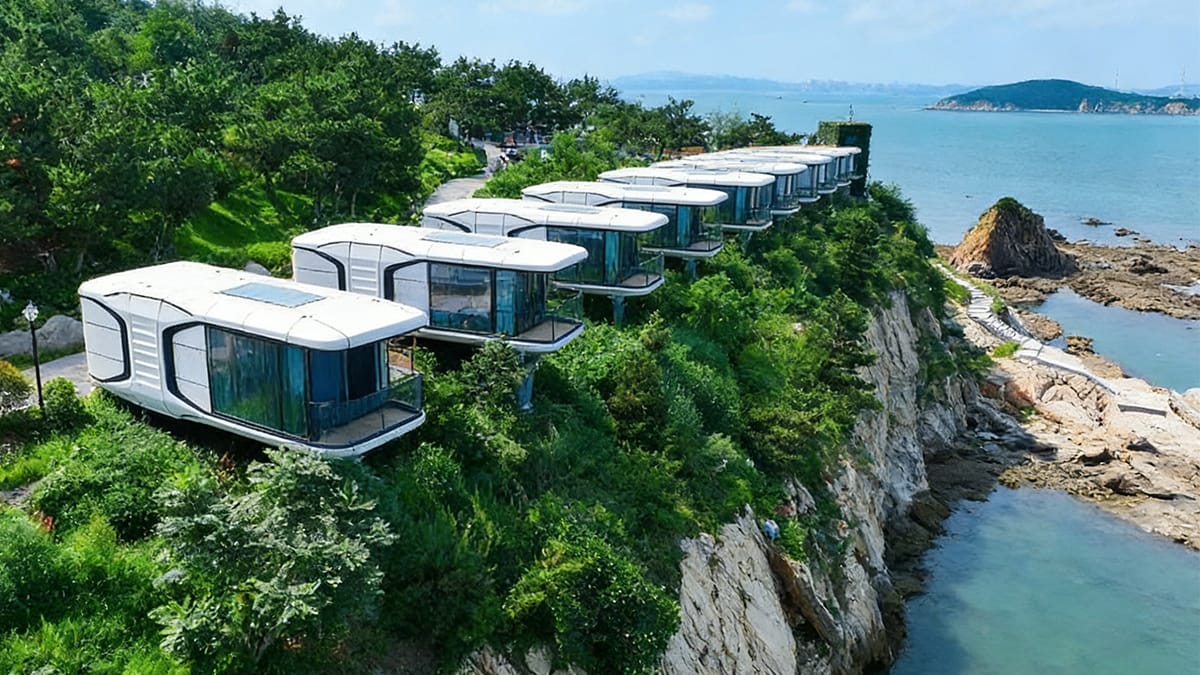 You hear many stories from people who live in capsule homes. One owner in California says, “I never thought I could live in a small space, but my capsule home feels cozy and bright.” Another family in Colorado uses their capsule home as a mountain retreat. They enjoy the easy setup and low bills. Owners often say they spend less time cleaning and more time enjoying life. You can find online groups where people share tips and ideas for capsule living.
Owners feel happy with less clutter.
Many enjoy the freedom to move their home.
You can join a community of capsule home fans.
Capsule homes solve problems for people today. Manufactured designs use space well and stay strong in bad weather. They keep heat inside so you save energy and money. Smart technology makes life easier and more comfortable. These homes use land wisely and help the planet. Manufactured capsules work in cities and far away places. They cost less and fit different needs. Living in a manufactured home helps you think about what you really need.
Think about if a manufactured capsule home is right for you. Learn more about manufactured housing to see what works best for your life.
FAQ
What makes capsule homes ideal for minimalist living?
Capsule homes are great for people who like simple living. The design helps you keep only what you need. You do not have extra stuff around. This makes your space neat and easy to use. People who want a tidy life like this style.
Can you customise your capsule home?
You can change many things in your capsule home. You pick the layout, colors, and materials you like. You can add smart lights or more storage. Customisation lets you make your home match your style and needs.
How do capsule homes support a minimalist lifestyle?
Capsule homes help you live with less stuff. You use hidden places to store things. Furniture can do more than one job. You keep only what is important. This makes your home calm and easy to clean.
Are capsule homes safe in extreme weather?
Capsule homes keep you safe in bad weather. The strong walls and insulation protect you from storms. You stay warm in winter and dry in rain. Good materials and smart design keep you safe.
What are the main benefits of customisation in capsule homes?
Customisation lets you control how your home looks and works. You can change the layout to feel more comfortable. You add things that make life easier. You make your home fit your simple style. Customisation helps you enjoy your space more.