

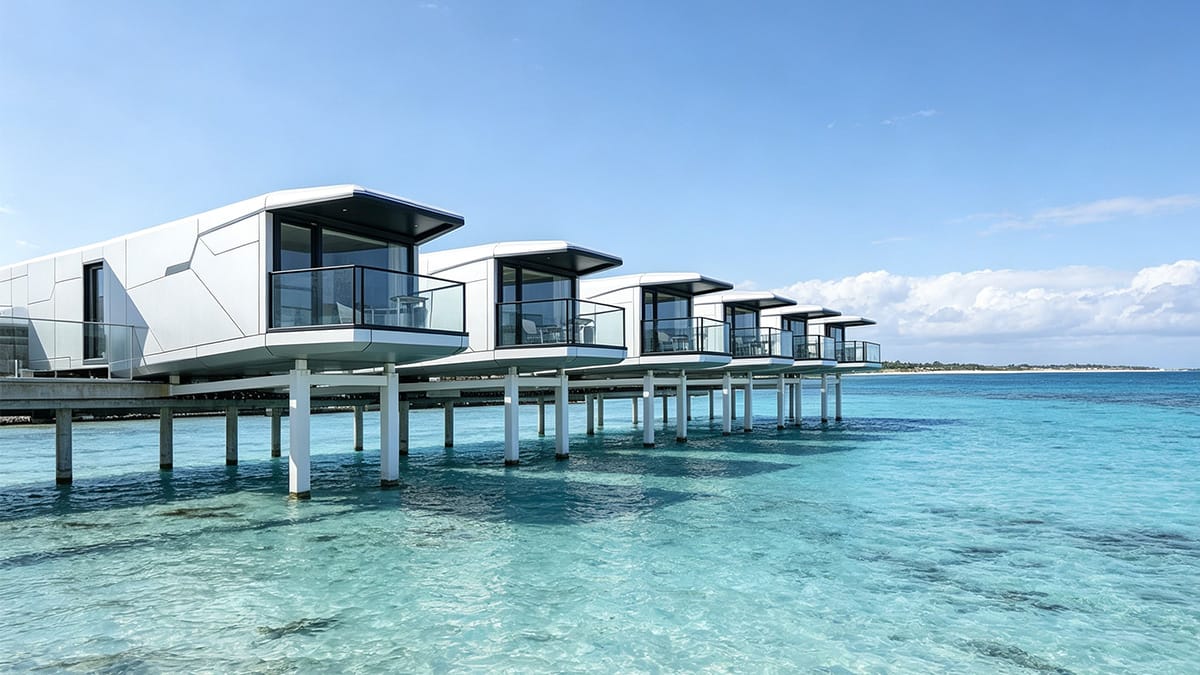
13 Aug How to Meet Legal Requirements for Capsule Homes in the US
Capsule homes are popular in the USA. They give people safety, save energy, and are strong. Some capsule houses can handle hurricanes and earthquakes. This makes them a good choice for your home. Capsule houses must follow legal rules. These rules include zoning laws and permits. If you want to live in a capsule home, you must check which legal category fits you. Use this capsule home guide to learn about the main features:
Legal Category | Main Features |
|---|---|
Recreational Vehicles (RVs) | Must follow certain zoning laws and safety rules. |
Accessory Dwelling Units (ADUs) | Permanent homes with utilities, legal for full-time living, must meet local codes. |
State-certified Modular Construction | Must follow state rules, including foundation and safety needs. |
Capsule houses in the USA must be set on a permanent foundation. They need hardwired electrical connections. They must connect to permanent sewer lines. They must meet local energy codes for insulation. This capsule home guide helps you know how to make your home legal and safe.
Key Takeaways
Look at local zoning laws before you build a capsule home. Every place has its own rules about where homes can go.
Get all the needed permits before you start building. You need building, electrical, and plumbing permits to make your home legal.
Pick the right foundation for your capsule home. You need a permanent foundation if you want to live there full-time. A temporary one might work for RV-style homes.
Work with licensed professionals for upgrades and inspections. They make sure your home is safe and follows building codes.
Keep all records of your permits and inspections. These papers show your home is legal and safe.
Capsule Home Legal Status
Federal Regulations
It is important to know how federal rules affect capsule houses in the US. HUD and NHTSA make rules for how these homes are built and kept safe. These rules help decide if a capsule house is legal. States also have their own building codes. Some states, like California and Texas, have special rules for tiny homes. These rules can include capsule houses too. Local zoning laws are also very important. They say where you can put your capsule house. They also tell you what you need to do to follow the law. You should look up local rules and use a checklist to stay out of trouble. Federal, state, and local rules all work together to set the rules for capsule houses.
Local Zoning Laws
Zoning laws tell you where you can put capsule houses. These laws are different in every city and county. You need to ask local leaders if capsule houses are allowed in your area. Some places have made special rules for these homes. In California, cities like San Diego and San Luis Obispo have rules for tiny homes. Utah lets people use granny pods as accessory dwelling units in many places. Here is a table that shows how some cities and counties handle zoning laws for capsule houses:
City/County | Zoning Law Description |
|---|---|
San Diego, California | Lets people put movable tiny houses on home lots, but you must follow building rules. |
San Luis Obispo | Changed rules so tiny homes on wheels are allowed in backyards of homes people live in. |
Placer County | Made a Tiny House Sheet with rules for tiny houses on foundations and ADUs. |
Nevada County | Has rules like Placer County, and lets tiny homes on wheels be in RV and Mobile Home Parks. |
Humboldt County | Passed a rule that lets people use movable tiny homes as ADUs. |
Various locations in Utah | Rules are different, but most places let granny pods be ADUs in home areas because of state law. |
You must follow all zoning laws and talk to local leaders before you build. Zoning laws might say you need a certain lot size or space from property lines. If you do not check, you could get in trouble or have to move your capsule house. Always ask local leaders and use a checklist to make sure you follow all zoning rules.
Permitting Essentials
Permits are needed to make capsule houses legal. You must get the right permits before you build or set up your capsule house. The permits you need depend on state and local rules. You should always ask local leaders which permits you need. Working with a licensed builder can help you know the rules and not make mistakes. Here are some important things about permits for capsule houses:
You must get permits for dome homes and other capsule houses.
Permits can be for building, electrical, plumbing, and living in the house.
Leaders may check your house before and after you build it.
Getting permits can take a while. For example, in Los Angeles, getting a permit for an ADU can take 8 to 16 weeks.
Project Type | Average Timeline (Los Angeles) |
|---|---|
Interior remodel (non-structural) | 4–6 weeks |
Residential remodel | 6–10 weeks |
ADU permit | 8–16 weeks |
New residential construction | 4–8 months |
You must follow dome home rules and do what leaders say. If you do not get permits, you could get fined or have to take down your capsule house. Always use a checklist and talk to leaders to make sure you have all the right permits. This will help keep your capsule house safe and legal.
Legal Categories for Capsule Homes
 RV Certification
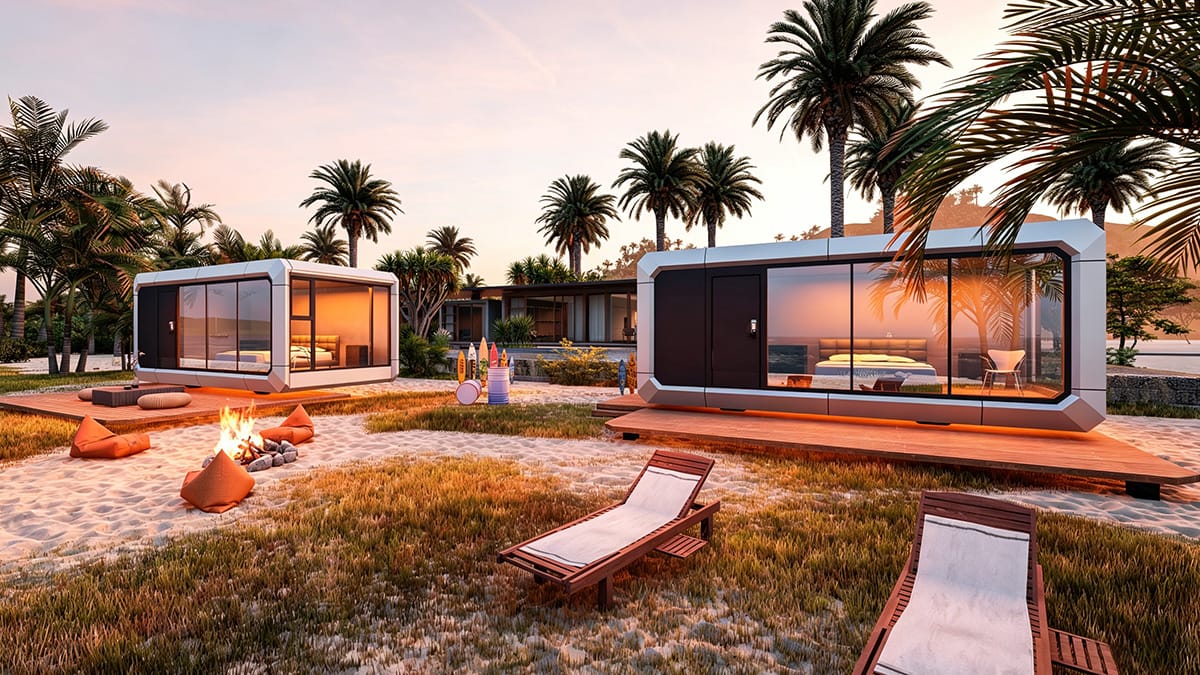 RV Certification
You can choose to classify capsule houses as recreational vehicles. This path gives you flexibility if you want to move your home. To qualify, your home must meet certain rules. The size of your home cannot be more than 399 square feet in most states. In Florida, the limit is 499 square feet. Your home must follow the ANSI A119.5 RV code. You also need to register your home, get tags, and buy insurance like you would for any RV. Here is a table to help you understand the main points:
Criteria | Description |
|---|---|
Size Limitations | 399 square feet or fewer (499 in Florida) |
Compliance with RV Code | Built to the ANSI A119.5 RV code |
Registration and Insurance Requirements | Must have registration, tags, and insurance like other RVs |
If you follow these steps, you can use your capsule houses as RVs. This option works well if you want to travel or live in different places.
Tiny House Standards
Many people want to use capsule houses as tiny homes. You must follow dome home laws and local rules for tiny homes. Your home must meet zoning rules and building codes. You need to make sure your home has a minimum size for the house and each room. Your home must have a bathroom and a kitchen. Safety is important, so you need fire alarms and a way to get out in an emergency. Here are the main standards for tiny homes:
Your home must follow local zoning and building codes.
You need a minimum house and room size.
Your home must have a bathroom and kitchen.
You must install fire alarms and provide safe exits.
If you follow these rules, you can use capsule houses as tiny homes. Dome home laws help you know what is allowed in your area.
Permanent Structure Codes
Some people want to use capsule houses as permanent homes. You must follow dome home laws and local rules. Zoning laws and permits are very important for your home. You need to get the right permits for your home. The rules can change if you use your home for living, renting, or business. Capsule houses that are not permanent may have an easier permit process. This makes it easier to place your home where you want. Here are some things to remember:
Zoning laws and permits are key for permanent homes.
Permits depend on how you use your home.
Capsule houses that are not permanent may have simpler rules.
You should always check dome home laws before you build or move your home. This will help you avoid problems and keep your home safe.
Capsule Home Guide to Compliance
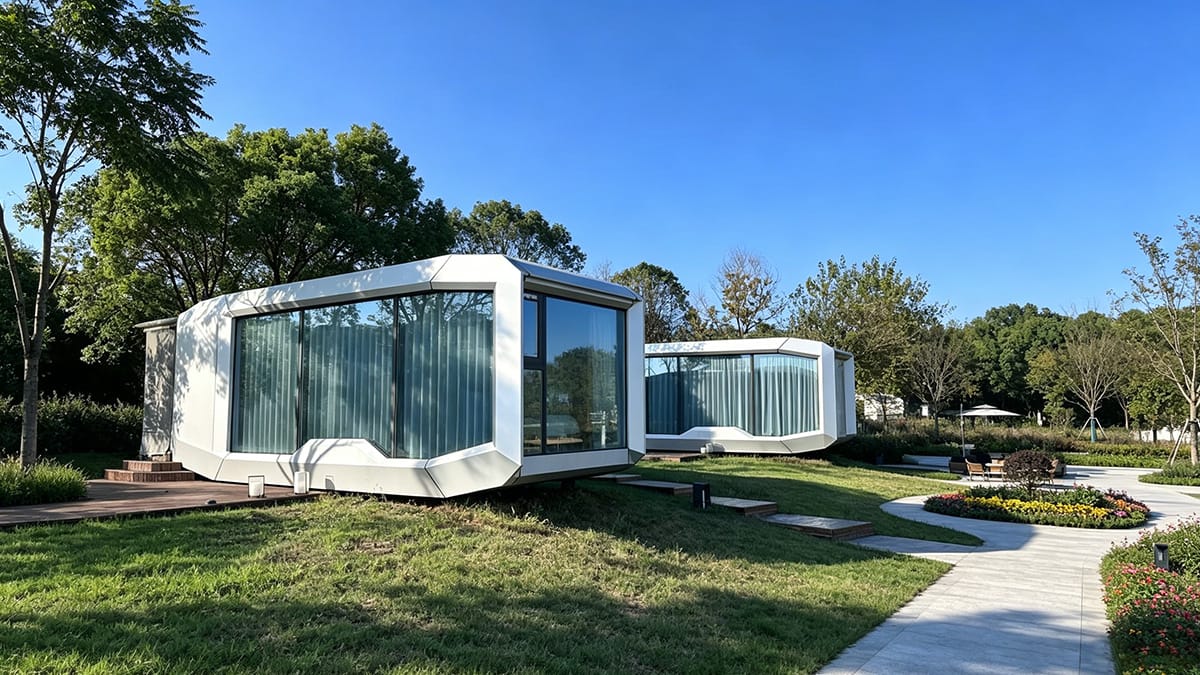 You have to follow building codes, zoning rules, and permit steps. These rules keep your capsule house safe and legal. They help you avoid fines or having your house taken away. Every step needs careful checking of rules.
Building Codes
Building codes tell you how to build capsule houses. Pick the right foundation for your home. Clear and flatten the land before you set up your house. Plan how to move your house so it does not get damaged. After your house arrives, check if it is strong. Connect water, electricity, and sewage to local codes. Test everything to make sure it follows the rules. Work with certified builders who know what to do. Get pre-certifications and test for insulation and fire resistance. Keep records of all checks and certifications. These steps help you follow building codes.
Zoning Checks
Zoning rules decide where you can put capsule houses. Start by looking up your county’s zoning code. Check the smallest size allowed for your home. See if ADU rules let your capsule house qualify. Find out how your county treats tiny houses on wheels. Ask the local planning department for help. Make sure your house follows zoning rules. Follow size and design rules to match the neighborhood. Meet utility and safety standards for plumbing, power, and waste. Zoning checks help you follow the rules and avoid trouble.
Permit Process
Getting permits is important for capsule house projects. You need permits for new builds, modular homes, and changes. Send in site plans, foundation plans, utility plans, and erosion control plans. The table below shows common permit needs:
Requirement Type | Description |
|---|---|
Needed for new capsule houses or changes to existing structures | |
Modular Buildings | Special permit for off-site manufactured capsule houses |
Permit Submittals | Includes site, foundation, utility, and erosion control plans |
You must follow codes and permit rules to stay legal. Always check local codes and talk to officials before you start your capsule house project.
Compliance Issues
Imported Capsule Homes
If you bring a capsule home from another country, you will have extra rules to follow. You must obey all US building codes and local laws. Imported homes often need more checks for safety and certification. You should look at the materials used in your home. Make sure they meet US energy and emissions rules. The table below shows the most common problems with imported capsule homes:
Compliance Issue | Details |
|---|---|
Building and Safety Codes | You must follow International Building Code (IBC) or International Residential Code (IRC), plus local zoning, permits, and installation rules. |
Your home must meet HUD standards for manufactured homes and state certifications for modular buildings. Third-party inspections are often required. | |
Material Standards | Composite wood must meet EPA TSCA Title VI for formaldehyde emissions and DOE energy efficiency standards. |
Tip: Always ask local officials about the rules before you buy or set up an imported capsule home.
Safety Upgrades
You need to make your capsule home safer to meet US codes. Many imported homes do not have good fire safety or insulation. You should use strong frames and fire-resistant materials. Good airflow and waterproofing help your home last longer. The table below lists common safety upgrades and risks:
Safety Upgrade Type | Description |
|---|---|
Use galvanized steel frames, high-density composite panels, fire-resistant cores, and waterproof layers. | |
Fire Safety and Insulation Layers | Add fire-rated insulation, flame-retardant materials, and heat-resistant coatings. |
Safety for Long-Term Use | Make sure your home has proper ventilation, waterproofing, anti-condensation design, and safe electrical layout. |
Safety Risks to Watch Out For | Avoid low-priced manufacturers, poor materials, and bad installation. |
Note: Upgrading your home helps you pass checks and keeps your family safe.
Foundation Requirements
You must put your capsule home on a strong, flat base. Local rules say you need the right permits before you start. Here are the main things you need for your foundation:
Make a stable, flat spot for your home so it stays strong.
Get all needed permits from local leaders, like building and zoning approvals.
Learn about local laws and codes before you start putting in your home.
Meeting these foundation needs helps your home stay safe and legal. Always follow local rules to avoid problems.
Legalizing Capsule Homes
Step-by-Step Process
You can make your capsule home legal by following easy steps. Each step helps you follow rules and keeps your home safe. Here is a simple guide you can use:
Check Zoning Rules
Go to your city planning office. Ask if capsule homes or ADUs are allowed. Find out what your neighborhood needs for design. Zoning rules are different everywhere, so always check first.Choose the Right Foundation
Pick a permanent or temporary foundation. Permanent foundations work for ADUs and permanent homes. Temporary foundations are good for RV-style capsule homes. Your choice decides which permits you need and how you use your home.Get Permits from Local Authorities
Apply for all needed permits. You may need building, electrical, and plumbing permits. Local leaders will tell you which forms to fill out. Get approval before you build or place your home.Hire Licensed Professionals for Upgrades
Bring in a licensed electrician and plumber. They make sure your home follows local codes. Upgrades can be new wiring, plumbing, or insulation. These changes help your home pass inspections.Submit Plans for Approval
Prepare site plans, foundation plans, and utility layouts. Give these to local leaders. Wait for their review and approval. This step is important for legal compliance.Schedule Inspections
After building or upgrading, schedule inspections. Inspectors check your home for safety and code compliance. You must pass these inspections to get final approval.Receive Final Approval and Move In
When you pass all inspections, local leaders give you final approval. You can move into your legal capsule home.
Tip: Keep copies of all permits, plans, and inspection reports. These papers show your home is legal and safe.
Inspections
Inspections are a big part of making capsule homes legal. Local leaders send inspectors to check your home at different times. They look at your foundation, electrical systems, plumbing, and safety features. You must pass each inspection to move forward.
Inspectors check if your home follows building codes.
They look for safe wiring, strong foundations, and working plumbing.
If you do not pass, you must fix the problems and schedule another inspection.
Get ready for inspections by checking your work. Ask your builder or contractor to walk through the home with you. Make sure everything meets local standards before the inspector comes.
Note: Passing inspections helps you avoid delays and extra costs. It also keeps your home safe for you and your family.
Avoiding Pitfalls
Many people have problems during the legal process for capsule homes. You can avoid mistakes by planning ahead and working with local leaders.
Pitfall | How to Avoid It |
|---|---|
Skipping zoning checks | Always confirm zoning rules before you start your project. |
Missing permits | Apply for all required permits early in the process. |
Using unlicensed contractors | Hire only licensed professionals for upgrades and repairs. |
Ignoring inspection schedules | Schedule inspections on time and prepare for each one. |
Not keeping records | Save all documents, permits, and inspection reports. |
Remember: Good planning and clear communication with local leaders help you avoid costly mistakes. Stay organized and follow each step in the process.
You can make your capsule home legal by following these steps. Always check zoning, get the right permits, and work with local leaders. This process protects your investment and gives you peace of mind.
You can make your capsule home legal if you follow these steps: First, check the zoning rules for your land. Next, get all the building permits with help from professionals. Then, connect your utilities so they match local rules. Make sure your home is safe for wind, snow, and earthquakes. Also, follow the electrical and plumbing codes.
Always talk to local officials or experts. They can help you understand the rules and stop you from making mistakes.
Land Type | Approval Status | Notes |
|---|---|---|
Residential | ⚠️ Conditional | Needs approval |
Commercial | ✅ Allowed | Good for business use |
Industrial | ✅ Flexible | Easier approval |
Agricultural | ❌ / ⚠️ Restricted | Often not allowed |
Use this guide to help you stay safe and follow the law when setting up your capsule home.
FAQ
Can you live full-time in a capsule home?
You can live in a capsule home all the time if your local zoning laws say it is okay. Always ask your city or county before you move in. Some places only let people use capsule homes for a short time or as extra units.
Do capsule homes need special insurance?
You must have insurance for your capsule home. The kind you need depends on its legal category. If your home is like an RV, you need RV insurance. If your home is permanent, you need homeowner’s insurance. Ask your insurance agent to help you pick the right coverage.
How much does it cost to get permits for a capsule home?
Permit prices change depending on where you live and what project you do. You might pay between $500 and $5,000 for permits. Look at this table for a quick idea:
Permit Type | Typical Cost Range |
|---|---|
Building Permit | $500–$2,000 |
Electrical Permit | $100–$500 |
Plumbing Permit | $100–$500 |
What happens if you skip permits or inspections?
If you do not get permits or inspections, you could get fined or have to move your capsule home. Always follow the rules to keep your home and money safe