

08 Aug Are Camping Capsule Houses Legal in the United States in 2026
Camping capsule house Legality in the United States depends largely on local zoning and land-use regulations. To ensure compliance with camping capsule house Legality in the United States, you may need to classify your capsule as an RV, ADU, or modular unit and obtain the appropriate permits. Many individuals encounter legal issues related to camping capsule house Legality in the United States when they fail to follow these requirements. Always check and adhere to local rules to avoid problems with camping capsule house Legality in the United States.
Key Takeaways
Look at local zoning laws before you buy or set up a camping capsule house. Every place has its own rules. These rules decide where and how you can use these homes.
Learn how your capsule house is classified. It might be an RV, ADU, or modular home. Each type has its own legal rules and permits.
Get the right permits for installation. Following the steps helps you avoid fines. It also makes sure your capsule house is safe.
Think about living in approved campgrounds or RV parks. Most local laws only let you live full-time in these places. You usually cannot live on private land.
Keep up with safety and utility standards. Make sure your capsule house follows all local rules for plumbing, electrical work, and fire safety.
Camping Capsule House Legality in the United States
Federal and State Regulations
It is important to know the laws for capsule homes in the US. Federal and state rules are the base for capsule house regulations. These rules tell you how and where you can use capsule houses. The US government does not have one rule for all capsule homes. You must follow different codes, depending on how you classify your capsule house.
Here is a table that shows how federal and state rules affect camping capsule house legality in the United States:
Classification | Description |
|---|---|
Recreational Vehicles (RVs) | Must be built on a permanent chassis with wheels and have a VIN; legal in designated RV parks. |
Accessory Dwelling Units (ADUs) | Secondary permanent structures on residential lots, must connect to city utilities and meet IRC. |
Modular Construction | Must carry a State Modular Seal or HUD certification to be approved by local building inspectors. |
Capsule house regulations in the US often make you pick one of these types. RVs are usually not allowed for living full-time on private land. ADUs can be used for living if you follow zoning laws and building codes. Modular capsule homes need special state approval. You should check these rules before you buy or set up a capsule house.
Local Zoning and Land-Use Codes
Local zoning rules are very important for camping capsule house legality in the United States. Every city or county has its own zoning laws and codes. These rules say where you can put capsule homes and what you must do to follow the law. Zoning laws may limit the size, place, and use of capsule houses. Some places let you use capsule homes as ADUs, but others do not.
You should always look at local rules before you set up a capsule house. Many cities want you to get permits and follow strict building codes. If you do not follow these capsule house regulations, you could get in trouble. You might get fines or have to move your capsule home. Capsule house regulations also include things like utility hookups, fire safety, and sanitation. You must meet all these rules to keep your capsule homes legal.
Approved Campgrounds vs. Private Land
Camping capsule house legality in the United States depends on where you put your home. Most capsule houses are only legal in approved campgrounds or RV parks. These places have special zoning and follow all the capsule house regulations. You can live in a capsule home there if you follow the park’s rules and US laws.
On private land, the rules are much harder. Zoning laws often do not let you live in capsule homes full-time. You may only use capsule houses for short visits or as temporary shelters. If you want to live in a capsule home on your land, you must check all local rules and get the right permits. Capsule house regulations in the US can change a lot from place to place. Always ask your local zoning office about the legal rules for capsule homes.
Tip: Talk to your local building department before you buy or set up a capsule house. This step helps you avoid legal trouble and keeps your capsule homes legal.
Capsule Houses Legal Categories
 When you learn about capsule homes, you will see three main legal ways. You can call your capsule an RV, an ADU, or a modular home. Each way has its own capsule house regulations. You need to know these differences to keep your capsule homes legal.
RV Classification Requirements
If you want to use capsule homes as RVs, you must follow strict capsule house regulations. Your capsule houses must have a strong frame with wheels and a VIN. Most cities let RVs stay only in approved parks or campgrounds. Many places do not let you live in capsule homes full-time on private land. Capsule house regulations for RVs also say you must follow fire safety and sanitation rules. Always check if your city allows small capsule homes as RVs before you buy one.
ADU and Modular Home Codes
Capsule homes can also be ADUs or modular homes. These choices have more detailed capsule house regulations. Here are some important things to know:
An ADU must connect to city utilities and be fixed to a foundation. This is not the same as RVs.
ADUs need hardwired electricity and permanent sewer pipes. You must follow local energy rules.
Zoning rules often make capsule homes stay 5 to 10 feet from property lines. There are also height and space limits.
Modular homes need a State Modular Seal or HUD certification. Local inspectors check for this before you move in.
You must follow these capsule house regulations to meet all legal rules.
Capsule Homes Legal Installation Steps
To start making your capsule legal, you need to do a few things. First, look at your local capsule house regulations. Then, pick the right type for your capsule homes. Get permits and make sure your capsule houses meet all safety and utility rules. You may need to show legal square footage and pass checks. Capsule homes legal status depends on how well you follow every rule. Many people think capsule homes are like tiny houses, but each has different rules. If you do everything right, you can enjoy your capsule homes without worry.
Note: Always talk to your local building department before you set up capsule homes. This helps you avoid problems with capsule house regulations.
Checking Local Regulations and Compliance
 Researching Local Codes
 Researching Local Codes
First, you should learn about the rules in your area. Zoning laws tell you where you can put a capsule house. Every city and county has its own rules. You can go to your city office or look online for this information. Most places want you to follow building codes before you start building anything.
Here are some places to help you find rules:
City or county zoning maps and planning offices
Local building code offices
Online sites with zoning and building code info
Capsule house regulations can limit size, shape, and design. The table below shows some common rules you might see:
Type of Restriction | Description |
|---|---|
Zoning Laws | Say where capsule houses can go, often in country or suburbs. |
Size and Structure Restrictions | Set the biggest size and height, like 400 square feet. |
Design Requirements | Make the capsule house look like other homes nearby. |
Utility and Safety Standards | Make you follow plumbing and electric rules. |
Fire Protection |
Permit Application Process
You need to get a permit to keep your capsule house legal. Start by getting all the papers you need for a building permit. Most cities want you to show plans and energy numbers. These rules help the city check if your project follows capsule house regulations.
Here are the steps for getting a permit:
Turn in your papers to the building office.
Give plans that show you follow all building codes.
Wait while the city checks your plans and does inspections.
Fix any problems if the inspector finds something wrong.
You must do every step to make your capsule legal. If you skip a step, you could get fined or have to move your capsule house.
Safety and Utility Standards
Capsule house regulations say you must follow safety and utility rules. You have to show your capsule house is safe in storms and earthquakes. Put in smoke alarms and use fire-safe materials. Only licensed workers can do plumbing and electric work to meet the rules.
You also need to hook up utilities the right way. The table below shows what you need for utility hookups:
Utility Connection Type | Description |
|---|---|
Electrical Service | Put in a main power line and have it checked by the city. |
Plumbing Connections | Hook up to city water, sewer, or septic tanks if the rules say so. |
Inspection Process | Make sure all work passes checks and follows the rules. |
Capsule house regulations also want you to use insulation and save energy. Always check your local rules and permit steps to keep your capsule house safe and legal.
Challenges and Alternatives for Capsule Homes
Imported Units and Certification
 Imported Units and Certification
If you bring capsule homes into the US, you might have problems with paperwork. Many capsule houses come without all the right documents. Customs can keep your unit if you do not have the needed papers. Sometimes, the goods have the wrong HS codes. This mistake can make your capsule homes wait at the border. You should check every paper before you ship. The table below lists common problems:
Common Issue | Description |
|---|---|
Incomplete documentation | Missing necessary paperwork for customs clearance |
Incorrect HS codes | Misclassification of goods leading to delays |
You can stay out of trouble by using a trusted importer. Always ask for help if you are not sure about the rules.
Hardware Upgrades for Compliance
Capsule homes often need new parts to meet US safety rules. You may have to add fire alarms, better insulation, or new pipes. The price depends on your capsule house model. The table below shows how much upgrades cost for each model:
Model | Upgrade Cost (USD) |
|---|---|
E15 | $2,100 |
E25 | $2,450 |
T30/T30F/E30 | $2,700 |
T40/T40F/T40P/T40PF/E40/E40S | $3,300 |
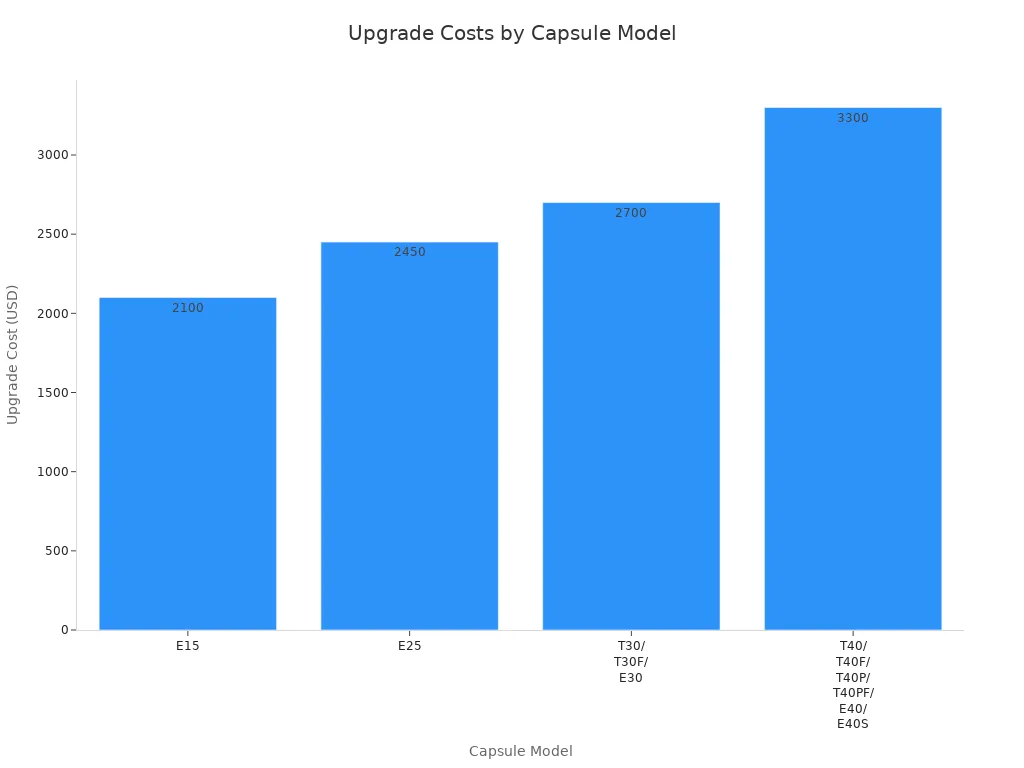
You must finish all upgrades before you ask for a permit. This step helps you pass checks and keeps you out of trouble.
Community Opposition and Solutions
Some people in the US do not want capsule homes near them. They may worry about their home prices going down. Others do not like how capsule houses look. Some fear more people will move in and change the area. Here are some common reasons people say no:
Worries about home prices dropping.
Concerns about how capsule homes look.
Fears that more people will crowd the neighborhood.
You can talk to your neighbors and show them your plans. You can also go to meetings and explain why capsule homes are good. This can help you get support for your project.
Alternative Housing Options
If you cannot use capsule homes, you still have choices. You can look at other homes that follow US rules and building permits. The table below compares some other options:
Housing Option | Description | Benefits |
|---|---|---|
Efficient and compact units that provide affordable alternatives to traditional housing. | Affordable, space-efficient, suitable for urban areas. | |
Modular Housing | Flexible housing that can be rapidly deployed to meet housing demands. | Quick to build, adaptable to various needs. |
You should also look at prices and legal steps. Capsule houses cost between $26,000 and $50,000 for just the unit. The whole project can cost $100,000 or more. Rules for capsule homes are strict. Other homes may have different rules. Always check local laws before you buy or build.
Tip: You must get all permits and follow US laws for any home. This step keeps your project safe and legal.
You must follow local laws and classify your capsule house correctly to stay legal. Always check with your city or county before you buy or build. Local rules decide if you can live in a capsule house, where you can put it, and what safety steps you need.
Here are the steps you should take if you want to install a capsule house:
Prepare your site with a solid base and utility hookups.
Arrange delivery with a trucking company.
Hire a crane service for unloading.
Use a contractor for final installation.
Talk to local authorities first. They will tell you if capsule homes are allowed, what codes you must follow, and how to connect utilities.
FAQ
Can you live in a camping capsule house full-time in the United States?
You cannot live full-time in a camping capsule house on private land. Most cities let people stay full-time only in approved RV parks or campgrounds. Always check your local zoning rules before moving in.
Do you need a permit to install a capsule house?
You need a permit for most capsule house installations. You must turn in plans and follow local building codes. If you skip this step, you could get fined or have to take your capsule house away.
What is the difference between a capsule house and a tiny house?
A capsule house is a small unit made in a factory. It often looks like a pod. A tiny house looks more like a regular home. Capsule houses usually follow RV or modular codes. Tiny houses may have different rules.
Can you connect a capsule house to city utilities?
You can connect a capsule house to city utilities if you meet local rules. You may need licensed workers for plumbing and electric work. Always ask your city office about the right steps.
Are imported capsule houses legal in the US?
Imported capsule houses must meet US safety and building standards. You need the right papers and certifications. If your unit does not meet these rules, customs may keep it or you may need to make upgrades.