

14 Jul Step by Step Guide to Installing a Prefab Capsule Cabin on Site
To begin installing a prefab capsule cabin on site step by step, you must start with thorough planning. Many individuals encounter issues with capsule homes because they overlook the importance of preparing the site. It’s essential to check your local regulations and obtain all necessary permits. Consulting with experts can assist you in planning for utility hookups and help avoid delays. Careful planning is crucial for the foundation, site access, and aspects like drainage when it comes to capsule homes. If you seek good advice, setting up capsule homes can be straightforward. By planning each step, you can ensure that your capsule homes last longer. Installing a prefab capsule cabin on site step by step keeps your project on track. While capsule homes offer comfort and flexibility, proper planning is vital. They come with unique benefits, and having good advice enhances your experience with them. Capsule homes are ideal for those who think ahead, as they require careful consideration of every detail before you start installing a prefab capsule cabin on site step by step.
Key Takeaways
Careful planning is very important before you put in a prefab capsule cabin. You should check the rules in your area and get the right permits. This helps you not have any delays.
Make a checklist to help you get ready for installation. Make sure the site is ready. Check that utilities are hooked up. Have all your tools and materials with you.
Pick the best foundation for your soil type. A good foundation holds up the cabin. It also stops problems later.
Look over the prefab cabin when it arrives. Check if there is any damage. Make sure you have all the parts before you start building.
Taking care of your capsule cabin is very important. Plan to check the roof, plumbing, and electrical systems often. This keeps your cabin safe and working well.
Planning And Capsule House Regulations
Zoning And Permit Requirements
You need to know capsule house regulations before you begin. Local zoning laws decide where you can put a prefab capsule cabin. These rules are different in each city and area. Capsule house regulations in the USA can be very strict. Go to your city planning office and ask about the ADU Ordinance. This will tell you if you can have a detached unit on your land. You will also learn if there are special design rules you must follow.
Tip: Capsule house regulations are not the same everywhere. Always check with your local office for the newest rules.
Capsule house regulations often have rules for setbacks, height, and coverage. Here is a quick look at common zoning requirements:
Legal Category | Key Requirements |
|---|---|
Recreational Vehicles (RVs) | Must follow local zoning ordinances and safety rules. |
Accessory Dwelling Units (ADUs) | Must connect to city utilities, be anchored to a foundation, and meet IRC. |
Modular Construction | Must be state-certified and follow local zoning laws. |
Setbacks: Keep your unit 5 to 10 feet from the property line.
Height: Stay under 16–25 feet.
Coverage: Do not cover more than 40–50% of your backyard.
Capsule house regulations by country can change what permits you need. Some places need more paperwork than others. Here is a table showing how permit needs can change:
Aspect | Temporary Installations | Permanent Installations |
|---|---|---|
Permit Complexity | Easier permits, fewer rules | Full residential construction standards |
Utility Requirements | May use portable utilities, limited use | Standard home utility hookups needed |
Zoning Flexibility | Often easier in rural or farm areas | Stricter in city residential zones |
Foundation Requirements | Not as strict, may not need engineered foundations | Engineered foundations required |
Capsule house regulations by country can also change your timeline. Some counties take 10–12 weeks or more to approve permits. Others may finish in just a few weeks.
Pre-Installation Checklist
Planning and getting ready helps you avoid mistakes. You should use a checklist to stay on track. Here is a sample checklist for capsule house regulations:
Checklist Item | Description |
|---|---|
Site Preparation | Make sure the site is ready for installation. |
Utility Connections | Check that all needed utilities are connected. |
Readiness of Tools and Materials | Make sure all tools and materials are ready. |
Securing Permits | Get all needed permits for installation. |
Review Manufacturer’s Instructions | Read the instructions from the manufacturer. |
Capsule house regulations by country may ask you to show documents. These can be land ownership papers, building drawings, and plans for drainage and utilities.
Reviewing Model Instructions
Capsule house regulations can depend on the model you pick. Some cabins come as a whole house. Others come in parts you need to put together. Here is a table to help you compare:
Delivery Method | Installation Complexity | Time Required |
|---|---|---|
Whole House Delivery | Simple | A few hours |
Parts Delivery | Needs assembly | A few hours |
Capsule house regulations by country may want proof you followed the manufacturer’s instructions. Always read the guide that comes with your cabin. This helps you meet building codes and pass inspections.
Capsule house regulations are important for a smooth project. You must follow all rules, get the right permits, and use a checklist to plan and prepare. This keeps your capsule cabin safe and legal.
Foundation Requirements And Setup
 Choosing Foundation Type
 Choosing Foundation Type
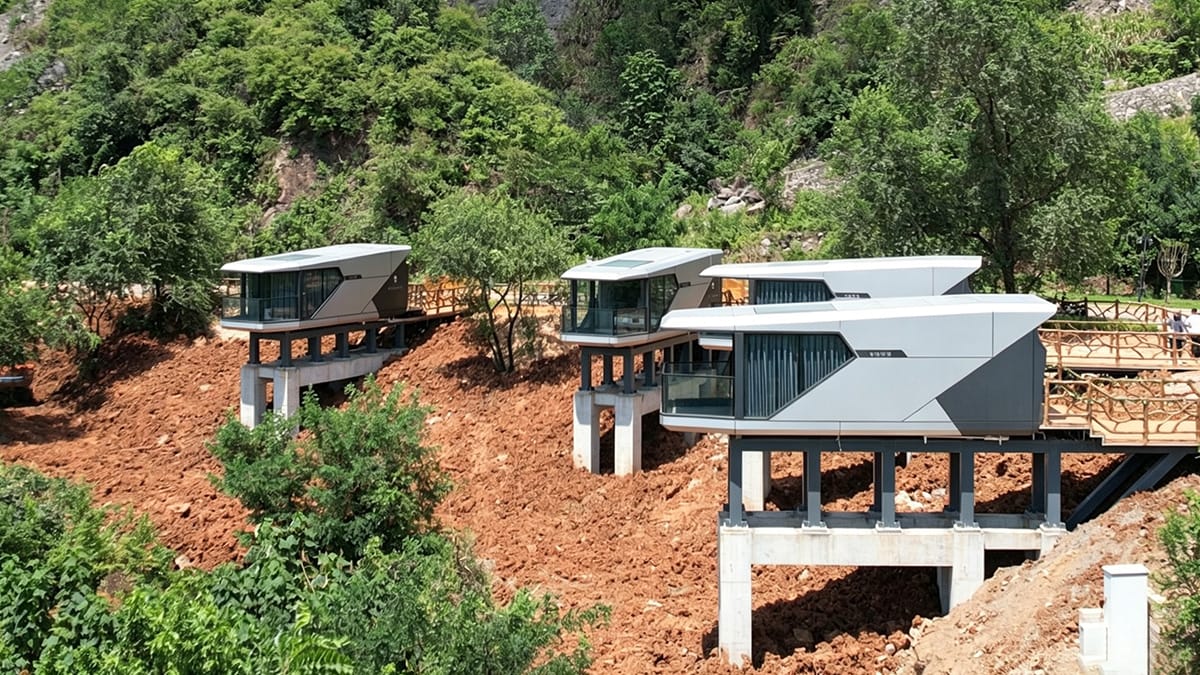
You need to select the right foundation for your prefab capsule cabin. The foundation supports the weight of your cabin and keeps it stable. Your choice depends on the soil at your site. Soil type affects how much weight the ground can hold and how well water drains away. Use the table below to help you check your site:
Site Factor | What to Check | Why It Matters |
|---|---|---|
Soil type | Sandy, clay, rocky, or silty | Affects load-bearing capacity and drainage |
If your soil is sandy, it drains well but may shift. Clay holds water and can swell. Rocky soil is strong but hard to dig. Silty soil may not drain well. You may need a permanent foundation if your cabin will stay in one place for a long time. Always match your foundation to your soil and local rules.
Site Preparation Steps
Proper preparation makes your installation safe and smooth. You must make sure the foundation can hold the weight of your cabin. Good preparation also keeps your cabin level and dry. Follow these steps for the best results:
Evaluate drainage to prevent water from pooling.
Consider wind and sunlight exposure.
Excavate the site to create a flat surface.
Pour concrete footings for a strong base.
Install utilities like plumbing and electrical wiring.
Prepare the site for stability.
Tip: Careful preparation helps avoid problems later. Take your time with each step.
You should check that your foundation meets all local codes. Good preparation protects your investment and keeps your capsule cabin safe for years.
Step-By-Step Guide To Installation
Delivery And Inspection
You are now at an important step in capsule house installation. When your prefab capsule cabin arrives, check everything before you start. This step-by-step guide helps you avoid mistakes and keeps your investment safe.
First, get the delivery area ready. Make sure trucks and cranes can reach the site. Remove anything blocking the path. When the truck arrives, use a checklist to inspect the shipment. Look for damage on the packaging and prefab parts. If you see dents, cracks, or missing pieces, take pictures and write notes. Tell the supplier about any problems right away.
Tip: Always wear safety gear like gloves and goggles when inspecting. This protects you from sharp edges or splinters.
Check the delivery with your packing list. Count every part and tool. You should find things like steel tubing, plywood panels, fasteners, and insulation. If you ordered fixtures, paint, or flooring, make sure they are there. If anything is missing or damaged, contact the manufacturer before starting capsule house installation.
Assembling The Capsule Cabin
Now you can begin the main installation process. This part of the step-by-step guide gives you full instructions for capsule house installation. Leading manufacturers suggest these steps for a smooth installation:
Lay Out All Tools and Materials
Gather everything needed for capsule house installation. Use tools like tape measures, levels, wrenches, hammers, drills, and saws. You also need safety gear, such as gloves, goggles, and dust masks. Put all prefab parts, fasteners, and insulation near your work area.Frame the Structure
Start by building the base frame. Use steel tubing or 2×4 lumber, depending on your model. Secure the frame with weather-resistant screws and bolts. Make sure the frame is level and square. This step creates the backbone for capsule house installation.Install Wall and Roof Panels
Attach plywood or metal panels to the frame. Use a cordless drill and the correct fasteners. For the roof, place metal sheets, shingles, or a rubber membrane. Make sure each panel fits tightly to keep out wind and rain.Add Insulation and Sheathing
Put insulation, like spray foam or fiberglass batts, inside the walls and roof. This keeps your capsule cabin warm in winter and cool in summer. Cover the insulation with interior panels or sheathing.Fit Doors and Windows
Install doors and windows using the manufacturer’s instructions. Use clamps to hold them while you secure them with screws. Check that each door and window opens and closes easily.Finish Interior and Exterior
Add flooring, paint, and fixtures. Clean all surfaces before you start. Install light fixtures, outlets, and plumbing connections if your model has them.Final Checks
Walk around your capsule cabin. Inspect every joint and seam. Tighten any loose bolts or screws. Make sure the structure feels strong and safe.
Note: Take your time with each step. Rushing can cause mistakes or unsafe results.
Here is a table of common tools and materials you need for capsule house installation:
Tool/Material | Purpose |
|---|---|
Tape measure | Measure lengths and spaces |
Level | Make sure surfaces are even |
Cordless drill | Drive screws and bolts |
Hammer | Secure nails and fasteners |
Clamps | Hold parts in place |
Safety gear | Protect hands, eyes, and lungs |
Prefab components | Main structure |
Insulation | Temperature control |
Paint and flooring | Interior finish |
This step-by-step guide helps you finish the capsule house installation process with confidence. You can follow these steps for a safe and sturdy result. If you have questions, ask your manufacturer for help.
Utility Connections And Safety
Electrical Installation
 Electrical Installation
You need to follow rules for electrical installation. Utilities are important for capsule cabin installation. A licensed electrician is needed for safety. Utilities need a 200 amp service panel for modern appliances and EV charging. Utilities setup takes 1 to 3 days. Utilities cost from $1,000 to $10,000, depending on distance and power needs. Utilities can include solar panels, which take 1 to 2 days and cost $3,000 to $10,000. Utilities must be inspected before use. Utilities must be safe. Utilities must have permits for installation. Utilities must be strong and safe. Utilities must follow rules for safety. Utilities must pass inspection for permits. Utilities must follow rules for installation. Utilities must be safe and strong. Utilities must pass inspection for rules.
⚡ Tip: Always check rules and permits before starting electrical installation. Utilities must be safe and strong.
Water And Sewage Setup
You need to follow rules and permits for water and sewage installation. Utilities need a step-by-step process for safety and strength. Utilities must connect the waste hose to the 3-inch sewer outlet. Utilities need you to open the sewer valve with the outside handle. Utilities must set up the water supply by connecting the pressure regulator to the spigot. Utilities need you to attach the freshwater hose to the hose bib. Utilities must turn on the water source. Utilities need you to flush antifreeze from the lines for at least 3 minutes. Utilities must turn on the water heater by opening the cold water in and hot water out valves. Utilities need you to close the bypass valve. Utilities must clear air from the tank by running hot water until it flows steadily. Utilities need you to fill the tank before turning on the breaker for electric heaters. Utilities need you to turn on propane and ignite the system for propane heaters. Utilities must be inspected for safety and strength. Utilities must follow rules for installation. Utilities must have permits for safety.
💧 Note: Utilities must follow rules and permits for water and sewage installation. Utilities must be inspected for safety and strength.
Internet And Communication
You need to follow rules and permits for internet and communication installation. Utilities need you to pick a good provider. Utilities must install wiring or wireless routers for safety and strength. Utilities must follow rules for installation. Utilities must be inspected for safety. Utilities must have permits for installation. Utilities must check signal strength and coverage. Utilities must secure connections for safety. Utilities must be safe and strong. Utilities must be inspected for rules. Utilities must follow rules for installation.
Utility Type | Typical Timeline | Average Cost | Safety and Structural Adequacy |
|---|---|---|---|
Electrical | 1–3 days | $1,000–$10,000 | Required |
Water & Sewage | 1–2 days | $12,000–$25,000 | Required |
Internet | 1 day | $100–$500 | Required |
📶 Tip: Utilities must follow rules and permits for installation. Utilities must be inspected for safety and strength.
Final Checks And Maintenance
Compliance Inspection
 Compliance Inspection
You must check your capsule cabin before you use it. This step makes sure your cabin is safe and follows local rules. Begin by looking at the foundation. Check for cracks or uneven spots. Look at the structure and see if fasteners are tight. Make sure seams are closed. Check electrical and plumbing systems to see if they are installed right. Set up inspections with local officials. These checks show your cabin follows zoning laws and building codes. Keep records of all inspections for later. Look at doors and windows to see if seals are good. Make sure utility connections pass safety checks. Do inspections again after big repairs or upgrades. Regular checks help you find problems early and keep your cabin safe.
🛡️ Tip: Always follow local rules for inspections. Safety checks keep your capsule cabin safe and legal.
Ongoing Maintenance Tips
You need to take care of your capsule cabin to keep it safe and make it last longer. Regular care stops expensive repairs and keeps your cabin in good shape. Here are some common things you should do:
Check supports and clear debris to stop moisture.
Clean aluminum panels every month with mild soap and a soft cloth.
Wash windows with soapy water or vinegar to keep them clear.
Clear gutters and check the base for good drainage.
Check seals and remove leaves each season to stop damage.
Follow a schedule for maintenance to get the best results. The table below shows what to do and how often:
Maintenance Task | Frequency |
|---|---|
Annual roof and gutter cleaning | Annually |
Biannual exterior panel inspections | Every 6 months |
5-year exterior coating renewal | Every 5 years |
10-year mechanical system servicing | Every 10 years |
Make a checklist for each season. Include roof, plumbing, electrical systems, and outside siding. Use mild soap and soft brushes to clean walls. Spray exposed metal parts with rust-resistant spray. Check and replace seals around windows and doors when needed. Look for water around the foundation and fix drainage problems. Routine care and checks keep your cabin safe and working well.
You can install a prefab capsule cabin if you follow each step. Always check the local rules before you start. Pick a model that fits your land and what guests need. Read all the instructions for your cabin before you begin. Think about ways to make your cabin more comfortable. Take care of your cabin after you finish installing it. Use this guide as a checklist for every project. If you are unsure, talk to a professional. Please share your stories or ask questions below.
Learn the local rules that affect your installation.
Look for ways to make your installation better.
FAQ
What are the main requirements for installing a prefab capsule cabin?
You need to look at local zoning laws. You must get the right permits before you start. Always follow the manufacturer’s instructions for your cabin. Make sure your foundation is strong and steady. You also need to set up utility hookups. Do safety checks before you finish. Check all these things before you begin your project.
Can you install a prefab capsule cabin by yourself?
Some models let you work alone if you have the right tools. You need basic skills to do it by yourself. If the cabin is more complex, ask a friend or a pro for help. Always use safety gear and follow safety rules.
How long does it take to set up a prefab capsule cabin?
Most people finish in one to three days. The time depends on the model you pick. Site preparation and weather can make it take longer. Delivery and hooking up utilities might add more time.
What maintenance does a prefab capsule cabin need?
Clean gutters and panels often.
Check seals and fasteners every season.
Look at the foundation once a year.
Taking care of your cabin helps it last longer and keeps it safe.