

11 Aug 10 Essential Tips for Buying a Capsule Cabin in 2026
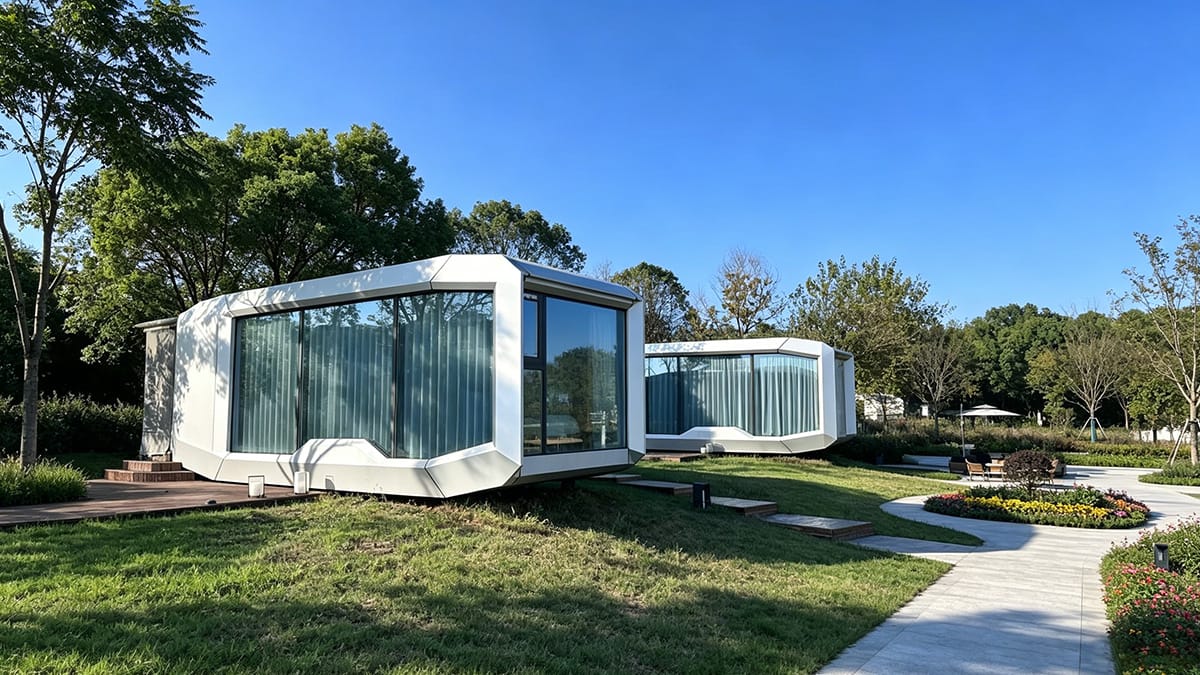
You should know what to look for when buying a capsule cabin. First, consider important factors like site prep, installation, energy use, eco-friendliness, and cost. Capsule houses are becoming increasingly popular each year. This trend is largely due to their lower initial costs and their positive impact on the environment. They utilize space efficiently, appealing to many who desire eco-friendly living, flexible design, and durability. The market for capsule houses is projected to reach $367.7 million by 2026. If you’re thinking about relocating your home or making changes, a capsule house is an excellent option. It offers smart design and the flexibility to adapt your space. When you decide what to look for when buying a capsule cabin, keep these tips in mind for a smooth experience.
Key Takeaways
Look at your land closely before you buy. Remove things that block the way. Make sure trucks can get in for delivery and setup.
Pick the best foundation for what you need. Permanent foundations keep the cabin steady. Temporary ones let you move it later.
Learn about local rules and permits. Check the laws so you do not get in trouble. Make sure your cabin is safe and legal.
Watch out for extra costs. Think about money for setup, power, and repairs. This helps you not spend too much.
Pick designs that save energy. Capsule cabins use less power. This saves you money and helps the planet.
Site Assessment and Preparation
Accessibility and Obstacles
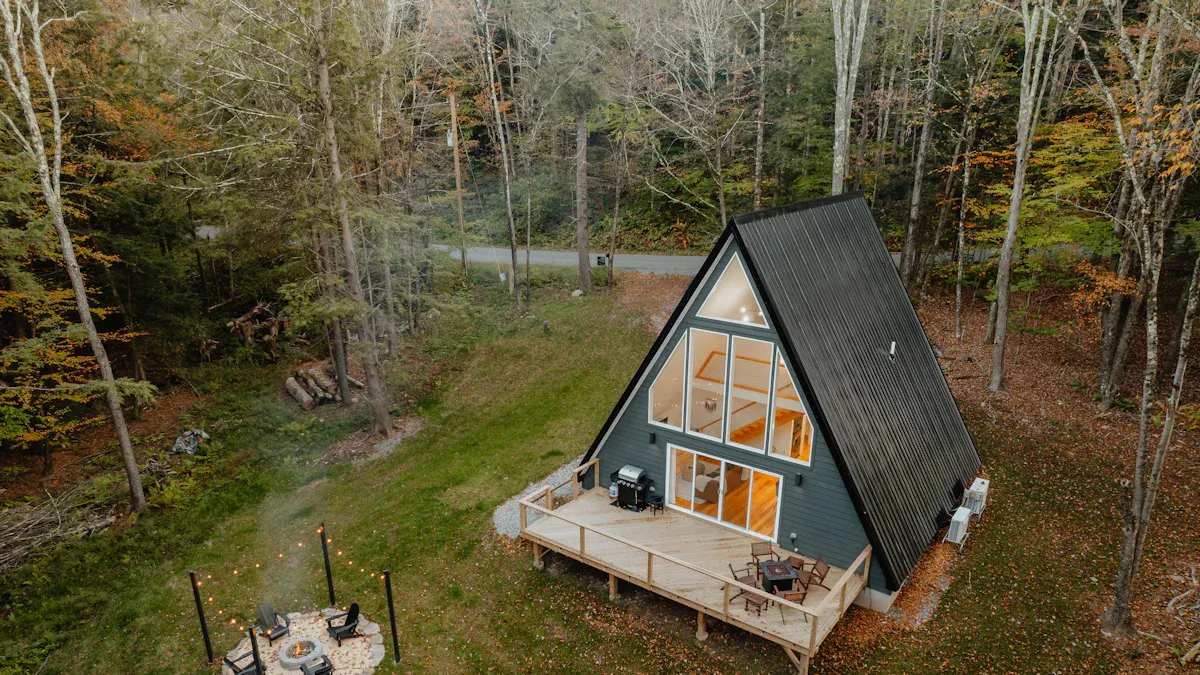
Look at your land before you buy a capsule cabin. Make sure nothing blocks the way for delivery or setup. Walk around and check for things like fences, trees, or old septic systems. These things can slow down the work or cost more money. If you see big problems, plan to move or get rid of them before your cabin comes.
Sometimes, the delivery truck cannot get close to your spot. You might need a crane to lift the cabin into place. This will cost more and needs extra planning. Ask your supplier about how they will install the cabin so you know what will happen.
Here is a table that shows common problems and how people fix them:
Obstacle | Solution |
|---|---|
Unsuitable or uneven land | Level the ground before you install. Hire a pro if you need help. |
Difficulty in obtaining necessary permits | Learn the local rules early. Work with a contractor who knows the laws. |
Complications with utility connections | Plan ahead and use licensed electricians and plumbers. |
Delays or damage due to adverse weather | Pick a time with good weather. Be ready for delays. |
Issues with durability or stability of structure | Use strong materials and skilled builders. |
Tip: Make sure the path is clear and the ground is flat. This makes delivery and setup easier. You will save time and avoid problems.
Terrain and Zoning
Check your land’s shape and the local zoning rules. Some places have strict rules about where you can put a capsule cabin. Go to your city planning office and ask about ADU rules and design standards. This helps you stay out of trouble and avoid spending extra money.
If your land is sloped or rocky, you may need more work to get the ground ready. Decide if you want your cabin to stay forever or just for a while. This choice changes what tools and methods you need. For example, you might need special brackets if you live where there are earthquakes or strong winds.
Note: Always use licensed pros for electrical and plumbing work. This keeps your cabin safe and follows the rules.
Foundation Choices
 Permanent vs. Temporary
 Permanent vs. Temporary
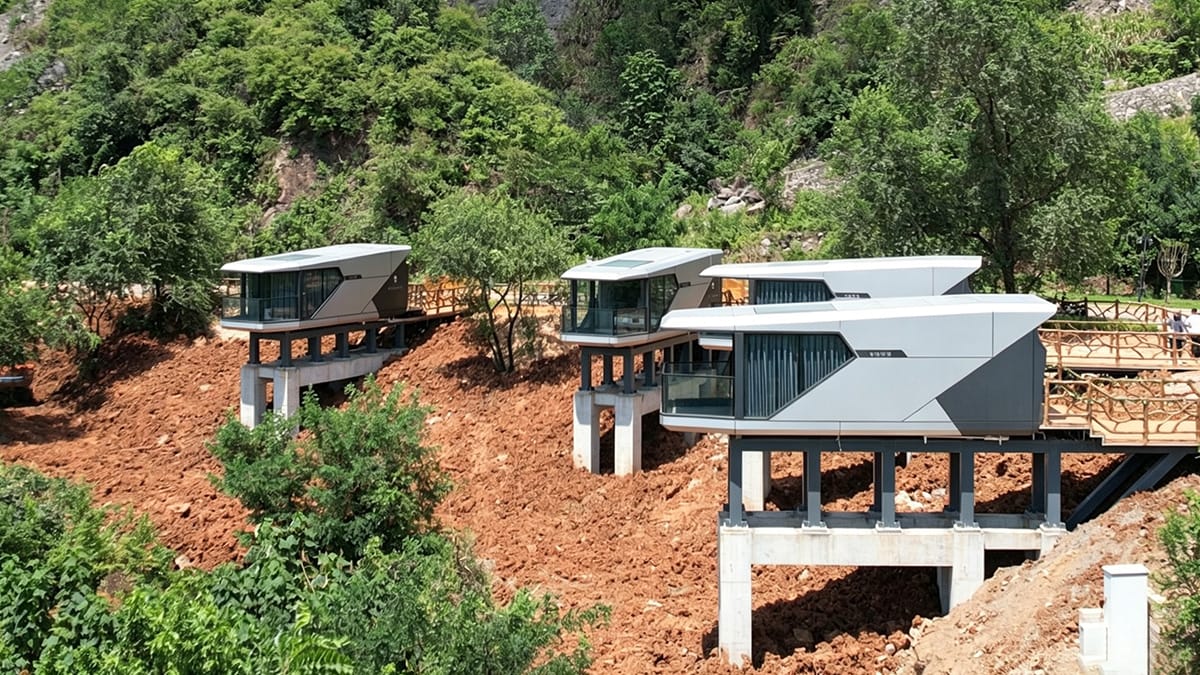
You have two main options for your capsule cabin’s foundation: permanent or temporary. Permanent foundations, like concrete slabs or pier footings, give your cabin stability and strength. You can’t move your cabin easily if you choose these. Temporary foundations, such as precast blocks or adjustable steel pads, work well for seasonal or short-term setups. You can relocate your cabin if you use these.
Here’s a quick comparison to help you decide:
Foundation Type | Best For | Relocatable? | Relative Cost |
|---|---|---|---|
Concrete slab | Permanent flat sites, heavy loads | No | Medium–High |
Pier / spread footing | Sloped terrain, standard soil | No | Medium |
Screw pile / helical pile | Sandy, coastal, or sloped sites | Yes | Medium |
Precast block / pad | Temporary or seasonal use | Yes | Low |
Raft / hybrid | Soft soil, large projects | No | High |
If you want a cabin that stays put for years, go with a concrete slab or pier footing. These cost more but last longer. If you plan to move your cabin or only use it part of the year, precast blocks or pads are a smart choice. They cost less and set up fast. You don’t need heavy equipment or lots of concrete work.
Tip: Temporary foundations are not good for areas with strong winds or heavy storms. They work best on level ground and for short-term use.
Soil and Drainage
Check your soil before you pick a foundation. Sandy or loose soil needs special support, like screw piles or helical piles. These keep your cabin steady even if the ground shifts. If your land gets wet often, make sure water drains away from your cabin. Water can damage your foundation and cause mold.
You can test your soil by digging a small hole. If water pools or the soil feels soft, you need extra drainage. Gravel or drainage pipes help keep your cabin dry. Ask a local builder for advice if you’re not sure.
Note: Good drainage keeps your cabin safe and dry. Don’t skip this step!
Permits and Legalities
Local Codes and Approvals
Before you set up your capsule cabin, you need to check the local rules. Every city or town has its own codes. These rules help protect your privacy and keep your home safe. Some places have strict zoning laws. These laws decide where you can put your cabin and how you can use it. If you want more mobility, you must make sure your cabin fits the rules for moving or temporary homes.
Here’s a table that shows the most common permits you might need:
Permit Type | Description |
|---|---|
Planning Permission | Makes sure your project matches local plans. |
Building Permits | Needed for safe building and following codes. |
Zoning Laws | Tells you where and how you can build based on land use. |
Environmental Regulations | Needed if your site is near nature or water. |
Utility-Related Permits | Needed for hooking up power, water, or sewage. |
If you want to keep your privacy, check if your cabin can be placed away from neighbors. Some areas have rules about how close you can build to other homes. If you plan to move your cabin later, ask about rules for mobility. Some towns only allow permanent homes, while others let you move your cabin when you want.
For the construction of capsule houses, there are some special laws known as building codes, whose purpose is to provide a safe and high-quality environment. These codes ensure that the home is safe from any danger that may affect the lives of the inhabitants.
Inspections
After you get your permits, you will need inspections. Inspectors check your cabin to make sure it is safe and follows all rules. They look at things like wiring, plumbing, and the way your cabin sits on the ground. If you want to keep your privacy, you can ask when the inspector will visit. This way, you can plan to be there or not.
Here’s a simple checklist to help you avoid legal problems:
Research your local rules about mobility and privacy.
Talk to city officials about what you need for your capsule cabin.
Make sure your cabin’s size and design fit the rules.
Get all the right permits before you start building.
Keep your paperwork ready for inspections.
Check with the city after each step to stay on track.
If you want more mobility, ask if you need new inspections each time you move your cabin. Some places require this. If privacy is important, look for rules about windows, fences, or how close you can build to others. Following these steps will help you enjoy your new space without stress.
Transportation and Installation
Delivery Logistics
 Delivery Logistics
You need to plan before your capsule cabin arrives. This helps your cabin get there safely. There are some things you should remember:
The cabin needs strong support and good packing for travel. This keeps it safe from bumps or scratches.
You might need a crane or forklift to unload the cabin. The equipment you use depends on your cabin’s size and type.
Check all your equipment before you unload the cabin. This helps stop accidents or damage.
If you ship across states or borders, it can be hard. You need the right papers and must know about HS codes. These codes change shipping costs and may cause delays.
Sometimes, you pay extra for permits or road use. Ask your supplier about these costs early.
Tip: Ask your supplier for a delivery checklist. This helps you follow each step and not miss anything.
Here’s a table to help you see delivery choices:
Delivery Method | Equipment Needed | Typical Cost | Common Challenge |
|---|---|---|---|
Flatbed Truck | Forklift/Crane | Medium | Narrow roads |
Container Ship | Crane | High | Customs paperwork |
Local Trailer | Forklift | Low | Site access obstacles |
Installation Process
When your cabin gets there, you want setup to go well. Follow these steps to make sure everything is right:
Make sure sewer hookups are ready to use.
See if electrical hookups are safe and ready.
Look at the walls, roof, and base for damage.
Check all utility parts and look for leaks.
Test smoke and carbon monoxide alarms.
Look for cracks, gaps, or rough spots inside and out.
Try the lights, sinks, HVAC, and other things.
Note: If you find problems, fix them before you move in. This saves time and keeps your cabin safe.
You can ask your installer to walk through the cabin with you. This helps you find problems early and makes sure your cabin is right for you. If you do these steps, you will have an easy setup and a nice new space. 😊
Utility Connections
Power and Water Options
You need to think about how you will get power and water to your capsule cabin. The right choice depends on where you put your cabin and how you plan to use it. If you set up in a city or town, you can often connect to city water and the electric grid. This makes things simple and reliable.
If you place your cabin in a remote spot, you have more options to consider. Here are some common ways people get water and power:
Municipal water hookup works well in cities and suburbs.
Water tanks store water for places without city lines.
Rainwater collection lets you use what falls from the sky.
Well water gives you a steady supply if you have the right land.
Electricity Supply Options:
On-grid connection gives you steady power in most neighborhoods.
Solar power works great if you want to save money and help the planet.
Generators and battery storage keep the lights on when you are far from the grid.
Sewage and Wastewater Solutions:
Septic tanks handle waste in rural areas.
Biodegradable toilets and portable waste tanks work for short stays.
Greywater systems reuse water from sinks and showers.
Tip: Always check local rules before you pick a system. Some places have strict codes for water and power.
Off-Grid vs. On-Grid
You can choose to live on-grid or off-grid. On-grid means you connect to city water and power. This is easy and usually costs less to set up. You pay a monthly bill, but you do not worry about running out of water or power.
Off-grid living gives you more freedom. You use solar panels, water tanks, or wells. You do not pay monthly bills, but you must check your systems often. Off-grid setups work best if you want to live in nature or save money over time.
Here is a quick table to help you compare:
Option | Pros | Cons |
|---|---|---|
On-Grid | Reliable, easy, less upkeep | Monthly bills, less freedom |
Off-Grid | More control, eco-friendly | More work, higher setup cost |
Think about your needs and your location. Pick the setup that fits your lifestyle. If you want less hassle, go on-grid. If you want more control and adventure, try off-grid. 😊
Eco-Friendliness and Energy Efficiency
Energy Ratings
 Energy Ratings
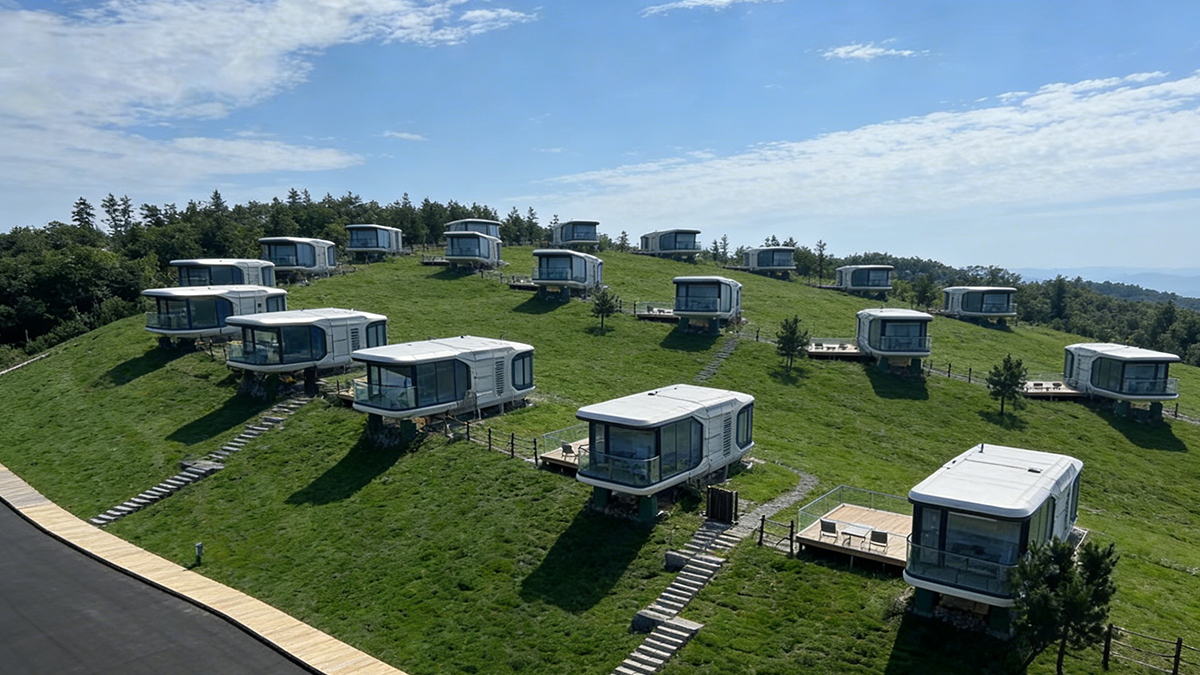
You want your capsule cabin to use less energy. This helps the planet and saves you money. Capsule cabins in 2026 are better than most regular homes. They have special insulation and smart designs. These features keep your cabin warm in winter and cool in summer. You pay less for heating and cooling. This also means you help lower pollution.
Here is a table that shows how capsule cabins and regular houses compare:
Feature | Capsule Houses | Traditional Homes |
|---|---|---|
Energy Efficiency Rating | Needs upgrades sometimes | |
Built-in Energy Features | Yes | Often needs extra work |
Insulation Efficiency | Advanced insulation | Standard materials |
Capsule cabins use less power because they are smaller. You do not need as many lights or heaters. The design is made to save energy and be eco-friendly. You can feel proud of your choice.
Tip: Pick cabins with high energy ratings. You will spend less and help the earth.
Sustainable Materials
You want your cabin to last a long time and be green. Builders use materials that are good for the earth and strong. These materials also match the simple style of capsule cabins. This makes your home easy to clean and take care of.
Here are some materials you might see in capsule cabins:
Steel: Strong and can be recycled, good for frames.
Aluminum: Light and does not rust, used outside.
Fiberglass: Tough and easy to clean, used inside.
Composite Panels: Strong and keep heat in, good for walls.
Polyurethane Foam: Helps with insulation and saves energy.
Capsule cabins are smaller than regular homes. You use less energy and water. The simple design means you do not waste things. You only use what you need. These cabins make it easy to live green.
Note: Capsule cabins are made to be eco-friendly. You get a smart, simple home that is good for the planet.
Interior Customization
Space Efficiency
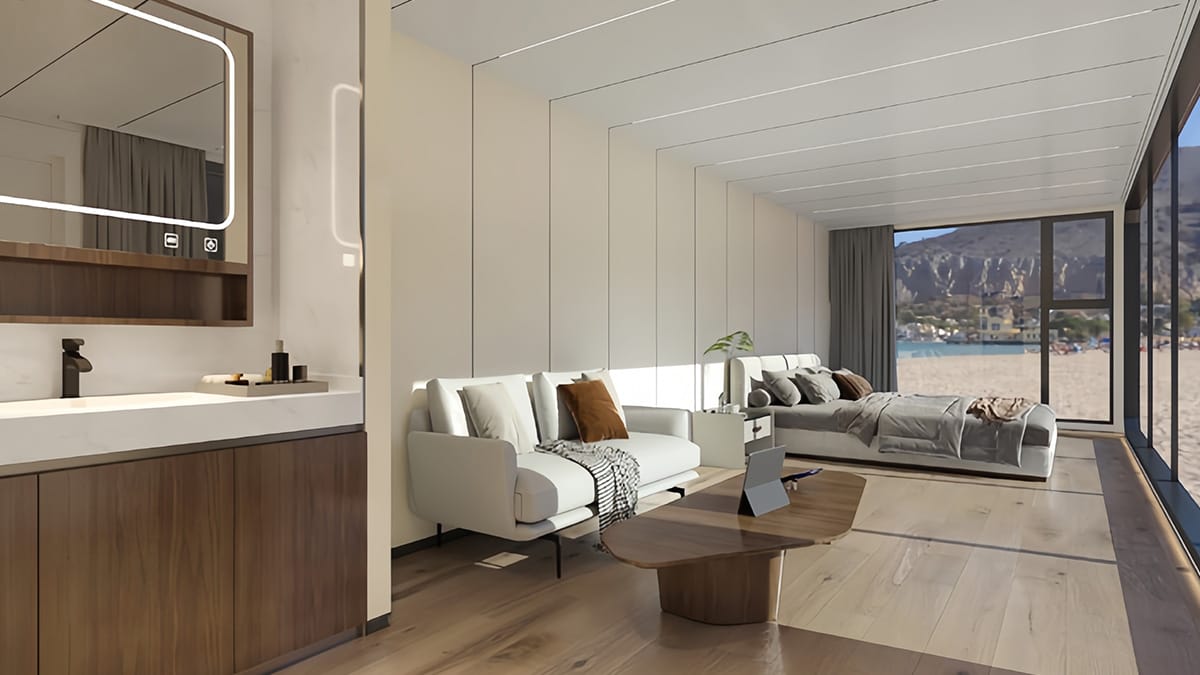 Space Efficiency
You want your capsule cabin to feel big and cozy. Smart choices help you use every bit of space. You can pick layouts that fit what you need. This helps you use your space better. Here are some ways to make your cabin’s inside work well:
Floor Plan and Layout Customization: You can choose one or two bedrooms. This changes how you use your space. You can add a work spot or more storage if you want.
Interior Design Customization: You can pick colors, materials, and furniture. Light colors and simple styles make rooms look bigger. You can use furniture that does more than one thing, like a couch that turns into a bed.
You can live simply and still be comfy. Customizing lets you make a space that fits your life. You can make your cabin feel like home and not waste space.
Tip: Try built-in shelves and tables that fold away. These help keep your cabin tidy and give you more room to move.
Essential Features
You want your capsule cabin to have what you need every day. People like features that make life easier and more comfy. Here is a table that shows how capsule cabins and regular places compare:
Feature | Capsule Cabins | Traditional Accommodations |
|---|---|---|
Space Efficiency | 200 to 400 square feet | |
Privacy | Strong noise barriers for quiet | Varies, often less privacy |
Comfort | Complete home feel with essential areas | Standard hotel amenities |
You can add things that fit your simple life and make your cabin work better. Here are some popular choices:
Heating and cooling systems
Solar panels and energy-saving lights
En-suite bathrooms
Kitchenettes
Wi-Fi and entertainment setups
You can mix these features to fit what you want. Customizing gives you control and helps you enjoy your cabin more.
Note: You can add new features when your needs change. This makes capsule cabins a smart pick for people who want to save space and have what they need.
Budget-Friendly and Cost-Effective Planning
Hidden Costs
Buying a capsule house can seem easy at first. There are many costs you might not expect. The price for a capsule house is usually $5,000 to $30,000. This depends on the size and style you pick. You pay more if your cabin needs to travel far. Installation costs can be $500 to $2,000 extra. Sewer connections are important and can cost $3,000 to $15,000. Setting up internet and phone lines costs $200 to $2,000. Painting or adding shelves costs $1,000 to $5,000. Mini appliances and smart home features cost more money. Appliances can cost $1,000 to $4,000. Smart tech costs $500 to $2,000. Flooring setup costs $5 to $15 for each square foot. Foldable furniture costs $1,000 to $3,000.
Insurance and property taxes are easy to forget. Insurance costs $400 to $1,200 every year. Property taxes are $500 to $3,000 each year. One person in California spent $18,500 after shipping and custom features. Always ask for a full quote before you buy. This helps you stay on budget and save money.
Tip: Make a list of all costs you might have. This helps you plan and keeps your project running smoothly.
Ongoing Expenses
Owning a capsule house means you pay more than just the first price. You need to fix things like roof leaks or repaint walls. These jobs keep your house in good shape and stop bigger problems. Home insurance protects you from fire or theft. You pay $400 to $1,200 each year for insurance. Property taxes are paid every year and cost $500 to $3,000. You also pay for water, power, internet, cleaning, and small repairs.
Here’s a simple list of ongoing costs:
Maintenance and repairs
Home insurance
Property taxes
Utilities (water, power, internet)
Cleaning and upkeep
You keep your capsule house safe and comfy by planning for these costs. If you want less stress, track your spending and update your budget often. This makes living in a capsule house easier and more fun. 😊
Insurance and Protection
Coverage Types
 Coverage Types
You want to keep your capsule cabin safe from surprises. Insurance helps you feel calm and protects your money. There are different kinds of coverage you should know:
Dwelling Coverage pays for damage from fire, storms, or vandalism.
Personal Property Coverage protects things inside, like furniture, clothes, and electronics.
Liability Coverage helps if someone gets hurt at your cabin. It pays medical bills or legal fees.
Loss of Use Coverage pays for a place to stay if your cabin needs repairs and you cannot live there.
Natural Disaster Add-Ons give extra help for floods, earthquakes, or wildfires if your area is risky.
Tip: Talk to your insurance agent about dangers in your area. You might need more coverage for floods or earthquakes.
Here’s a simple table to compare:
Coverage Type | What It Protects | Is It Required? |
|---|---|---|
Dwelling | The cabin structure | Yes |
Personal Property | Your belongings | Optional |
Liability | Accidents on your property | Yes |
Loss of Use | Temporary living costs | Optional |
Natural Disaster Add-On | Floods, earthquakes, wildfires | Optional |
Policy Selection
You want a policy that fits your needs and budget. Make a list of what you want to protect. Think about your cabin’s value, your stuff, and risks near you.
Get quotes from at least three insurance companies.
Check what each policy covers and what it does not cover.
Ask about discounts for safety items like smoke alarms or security cameras.
Read the details. Some policies do not cover certain disasters or damage.
Pick a deductible you can pay. A higher deductible means lower monthly costs, but you pay more if you file a claim.
Note: Look at your policy every year. Change it if you add new features or buy expensive things.
Choosing the right insurance helps you worry less. You can enjoy your capsule cabin, knowing you are protected if something bad happens. 😊
Buying Guide: What to Look For When Buying a Capsule Cabin
 When you start your search for the perfect capsule house, you want to feel sure about your choice. This buying guide helps you focus on what matters most. You should check energy efficiency, the way your cabin gets installed, and any hidden costs that might surprise you later. If you look at these things first, you will avoid stress and enjoy your new space.
Performance Metrics
You want your capsule house to last and feel comfortable. Before you buy, look at these important performance metrics:
Performance Metric | Description |
|---|---|
Quality Control | Makes sure each capsule house meets high standards for comfort, safety, and daily use. |
Durability | Shows how strong the structure is and how long it will last, even in tough weather. |
Design Efficiency | Looks at how well the space works for you and how easy it is to use every part of the cabin. |
Predictability in Pricing | Helps you plan your budget and avoid surprise costs. |
If you see a capsule house with strong quality control, you know it will feel safe and cozy. Durability means you will not worry about repairs soon. Design efficiency lets you use every inch of your space. Predictable pricing keeps your wallet happy.
Tip: Ask the seller for details about these metrics. A good company will share this info with you.
Contingency Planning
Even the best plans can run into problems. You should always prepare for the unexpected when you buy a capsule house. Think about what you will do if delivery gets delayed or if you need repairs. Make a list of backup options for power, water, or even a place to stay if something goes wrong.
Here are some smart steps:
Set aside extra money for surprise costs.
Keep a list of local repair services.
Ask about warranties and what they cover.
Plan for future needs, like adding solar panels or more storage.
If you plan ahead, you will feel calm when things change. Your capsule house will stay a happy place, no matter what comes your way.
You now know what is important when buying a capsule cabin. Each part of the process matters a lot. You need to think about costs and future needs. Experts say the base price is not the only thing to check. Look at this table for the main points:
Key Takeaway | Description |
|---|---|
Comprehensive Cost Understanding | The total cost includes site work, utilities, permits, and moving the cabin. |
Factory Direct Models | These models save money and have clear prices compared to regular homes. |
Customization Impact | Extra features can change the price, so decide what you want first. |
If you use a step-by-step guide, you can control spending and plan ahead. This also helps you avoid problems. Here is how it helps you:
Benefit | Explanation |
|---|---|
Cost Management | You stop surprise bills and keep your budget safe. |
Lifecycle Planning | You get ready for repairs and future needs. |
Risk Reduction | You stay safe by picking skilled builders. |
Follow this checklist to make good choices. You will feel sure, spend less, and have a green home. Are you ready to begin? 😊
FAQ
How long does it take to install a capsule cabin?
Most capsule cabins take one to three days to install. If your site needs extra work or you add custom features, it might take longer. Ask your builder for a timeline before you start.
Can I move my capsule cabin later?
Yes, you can move many capsule cabins. If you use a temporary foundation, moving is easier. Permanent foundations make moving harder. Always check with your builder about moving options before you buy.
Do capsule cabins stay warm in winter?
Capsule cabins use advanced insulation and energy-saving designs. You stay warm in winter and cool in summer. For very cold places, ask about extra insulation or heating options.
What maintenance does a capsule cabin need?
You need to check the roof, clean gutters, and look for leaks. Test smoke alarms and check seals on doors and windows. Regular care keeps your cabin safe and comfortable.
Can I customize the inside of my capsule cabin?
You can pick layouts, colors, and features. Many builders let you add things like shelves, foldable furniture, or smart tech. Customizing helps you create a space that fits your life.