
29 Jun What Is the Lifespan of a Capsule Tiny Houses
Capsule tiny houses often have a lifespan of a capsule that ranges between 25 and 80 years. These homes are small and utilize space efficiently, making them a significant part of the tiny homes movement. Many people are curious about the lifespan of a capsule before making a purchase. With proper care, capsule houses can last anywhere from 30 to 50 years, and some can endure as long as traditional homes if constructed with quality materials. Capsule houses are ideal for individuals seeking a durable, modern home that is also portable. You might choose a capsule house if you desire longevity and ease of relocation. Similarly, container homes resemble capsule houses and typically have a lifespan of 25 to 50 years or even longer.
Key Takeaways
Capsule tiny houses can last from 25 to 80 years. They need good care to last this long. Strong materials like steel and aluminum help them stay tough. Smart technology and energy efficiency make them last longer. Regular maintenance is important for a longer life. Capsule houses are portable and easy to move.
Capsule Tiny Homes Overview
What Are Capsule Tiny Homes
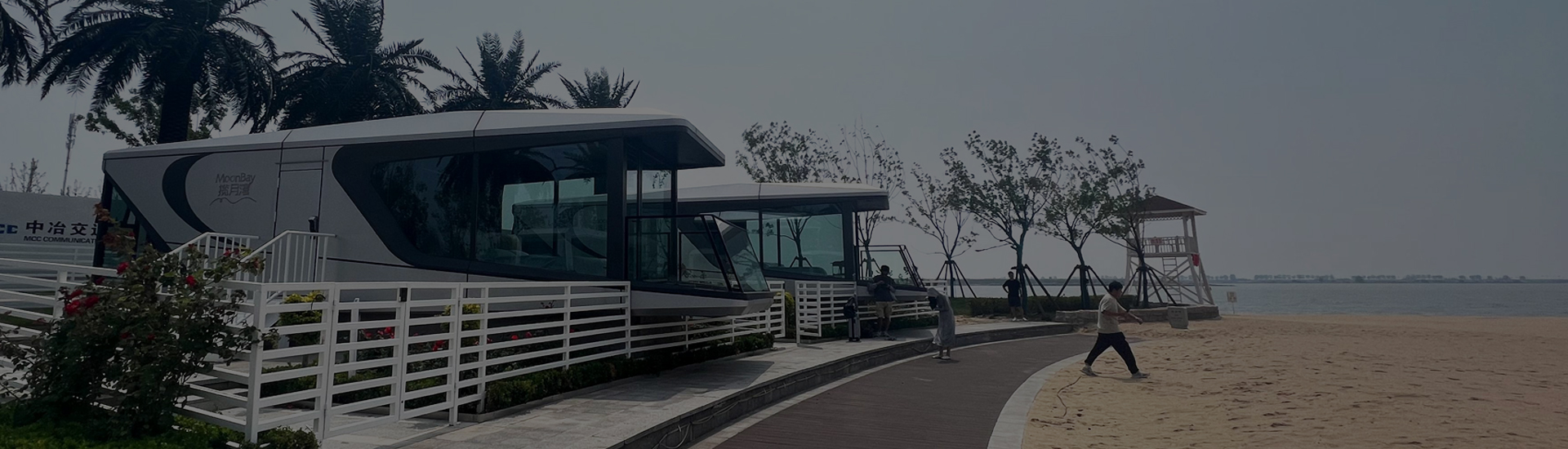
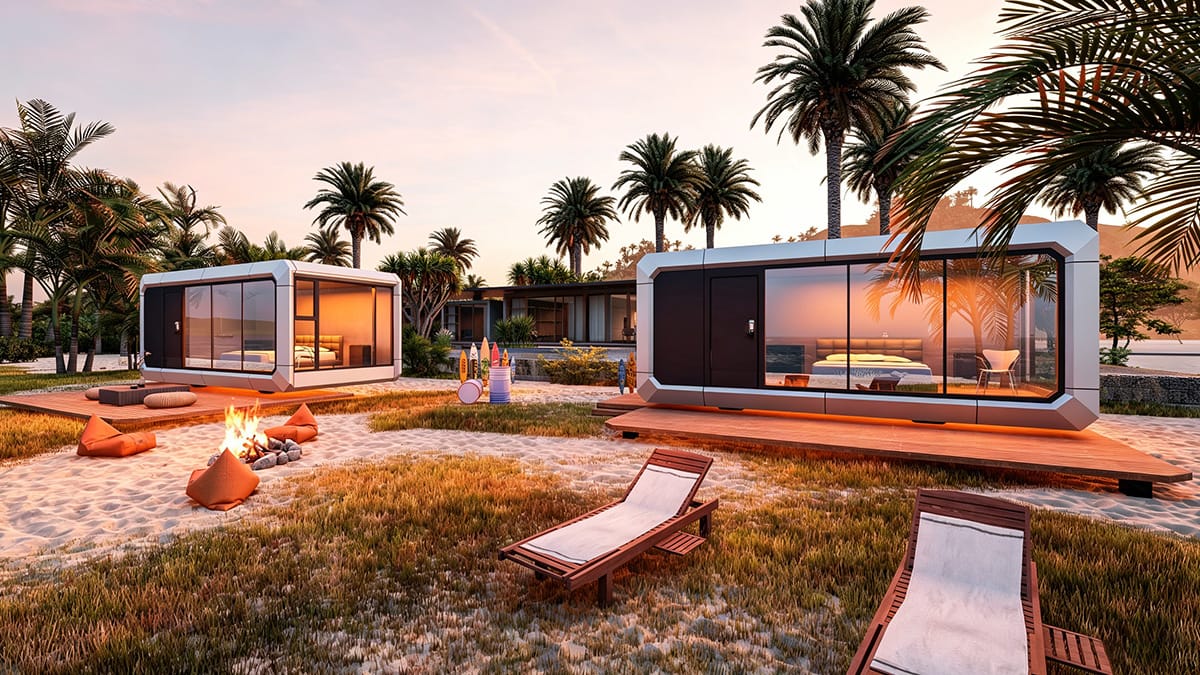
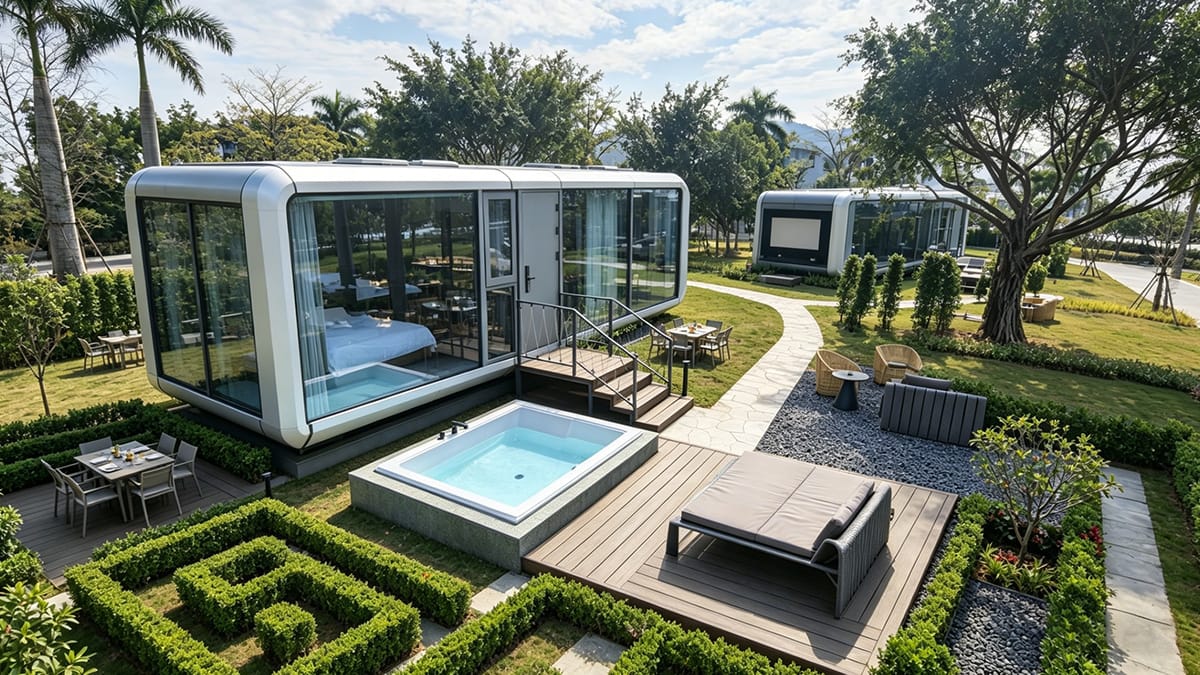
Capsule houses are easy to spot in tiny home communities. They use new designs and strong materials to make living spaces modern and efficient. These homes often look cool and futuristic. They are made to be comfortable and save energy. Capsule houses are small and easy to move. They use tough materials and smart technology to help with daily tasks.
Capsule houses are not just tiny. They are also very easy to move. You can take them to different places without much trouble. This makes them good for people who want to live in different locations. Many capsule houses have smart systems built in. You can use your phone to control lights, heat, and security.
Here is a table that shows how capsule houses are different from traditional tiny homes:
Feature | Capsule Tiny Houses | Traditional Tiny Homes |
|---|---|---|
Construction Materials | Advanced materials like aviation-grade aluminum | Often built with lighter, traditional materials |
Structural Durability | Highly durable, weather-resistant | May lack the same level of structural integrity |
Energy Efficiency | Generally less efficient in insulation technology | |
Design Space | Greater sense of space with dimensions of 10.8 feet | Often more compact, especially shipping container homes |
Modern Amenities | Equipped with smart home technologies | Features may be added post-construction |
Pricing Variability | More standardized due to prefabrication | Highly variable based on customization and materials |
Common Materials Used
Capsule houses use both new and old materials to be strong, comfy, and easy to move. Here are some materials you will find in capsule houses:
Aviation-grade aluminum covers the outside. It is strong, light, and keeps out bad weather.
Hot-dip galvanized steel frames hold up the house. Steel does not rust easily and helps the house last longer.
Insulated panels keep the inside warm or cool. They also block noise and save energy.
Glass and clear materials, like tempered and double-glazed glass, let sunlight in and keep heat inside.
Composite materials such as SPC and WPC are used for floors and walls. These are tough and do not get damaged by water.
Smart technology lets you control things in your house from far away.
Some people think capsule houses are weak because they look light. But their shape and strong materials make them very steady. If you put capsule houses on a solid base and use marine-grade hardware, they can handle bad weather. This makes them safe and dependable in many places.
If you want a home that is easy to move and strong, capsule houses are a great choice. They mix modern looks, tough materials, and smart features to help you live flexibly.
Lifespan of a Capsule Tiny House
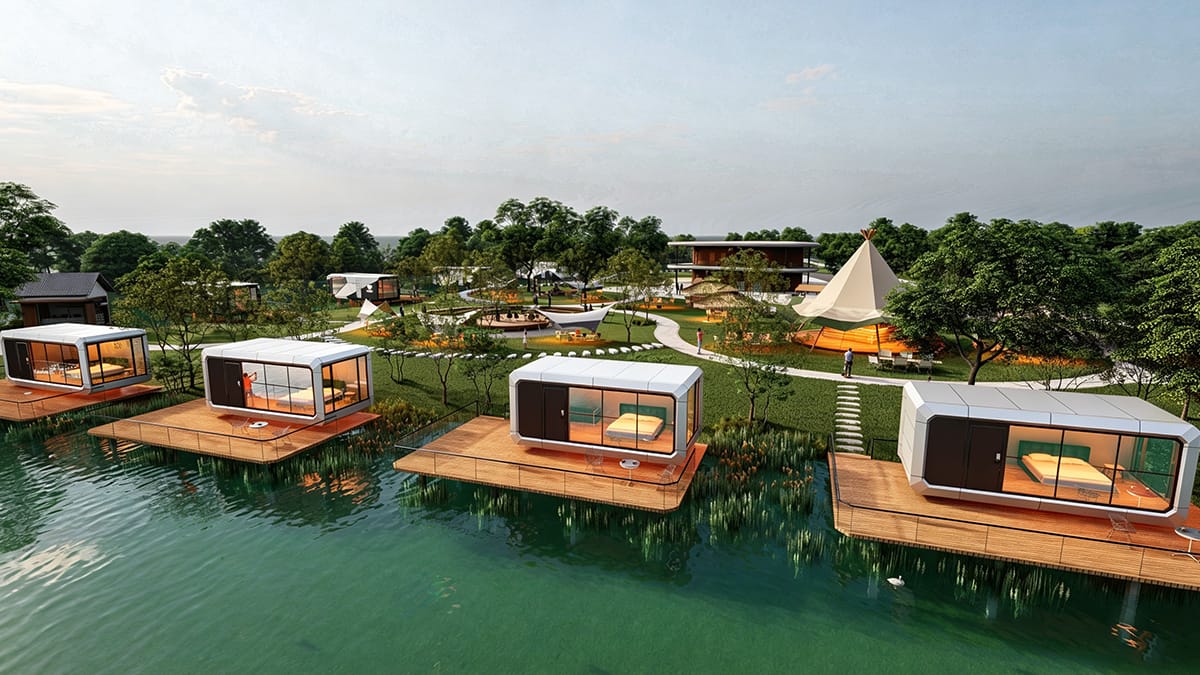 If you want to know how long your home will last, you should look at the lifespan of a capsule. The answer depends on what materials are used, how builders put it together, and how well you care for it. Many capsule houses use strong materials and smart designs. These choices help them last longer than you might think.
Estimated Lifespan by Material
The lifespan of a capsule depends a lot on what builders use to make it. Some materials last longer than others. If you pick a capsule house with a steel frame and take care of it, it can last between 25 and 80 years. This big range comes from differences in build quality and how much you maintain your home.
Here is a summary table that shows how long different materials last and how well they perform:
Material Type | Estimated Lifespan (Years) | Notes on Durability and Performance |
|---|---|---|
Steel Frame | 25–80 | High-quality steel resists rust and damage |
Aviation-Grade Aluminum | 30–60 | Lightweight, strong, and weather-resistant |
Engineered Wood | 20–40 | Good for interiors, needs protection from moisture |
Lightweight Composite Panels | 30–50 | Helps with insulation and keeps structure light |
Traditional Wood | 15–30 | Needs more care, can rot or warp |
Capsule houses with steel frames and aluminum cladding usually last the longest. These homes can handle bad weather and daily use. If you use engineered wood or composite panels inside, you add years to the lifespan of a capsule house. These materials help keep your home strong and comfortable.
Tip: Always check what materials the builder uses before you buy. Better materials mean your capsule house will last longer.
You can see how different materials affect durability and lifespan in this table:
Material | Impact on Durability and Lifespan |
|---|---|
Engineered Wood | Makes interior walls and floors last longer. |
Lightweight Composite Panels | Keeps the structure light and helps control temperature, which can make the house last longer. |
Capsule houses also use new technology. Builders add smart systems and advanced insulation. These features help your home last longer and use less energy. For example, better building envelopes and insulation can cut heating and cooling needs by up to 65%. Some capsule houses even use solar panels to reach net-zero energy use. Factory-built capsule houses use about 67% less energy during construction than traditional homes.
You can trust these numbers because many reliable sources agree:
Capsule houses set new standards in innovation and quality, which helps them last longer.
A well-maintained capsule house can last between 25 to 50 years or more, depending on the builder’s quality.
The main structure of capsule houses is made to last over 50 years.
Typical Lifespan of a Prefab Home
Prefab homes, including capsule houses, are popular because they are quick to build and easy to move. The typical lifespan of a prefab home depends on the same things as capsule houses: materials, build quality, and care. Most prefab homes last between 25 and 50 years, but some can last much longer with good maintenance.
Capsule houses use modular designs and factory-built parts. These methods help modular homes last longer. You get a home that is strong, saves energy, and is easy to fix. Modular home lifespan can match or even beat traditional homes if you keep up with repairs and use high-quality materials.
Here are some of the biggest advancements that help capsule houses last longer:
Advancement Type | Description |
|---|---|
Smart Technology | Automated climate control, lighting, and security systems that make your home more efficient. |
Advanced Materials | Lightweight but strong parts like aluminum cladding and better insulation. |
Manufacturing Techniques | Modular production that uses less energy and creates less waste. |
When you pick a capsule house, you get a home that can last as long as many traditional houses. The lifespan of a capsule depends on your choices and how you care for it. If you want a home that lasts a long time, focus on quality materials and regular maintenance. This way, you can enjoy your capsule house for many years.
Factors Affecting Longevity
 Construction Quality
 Construction Quality
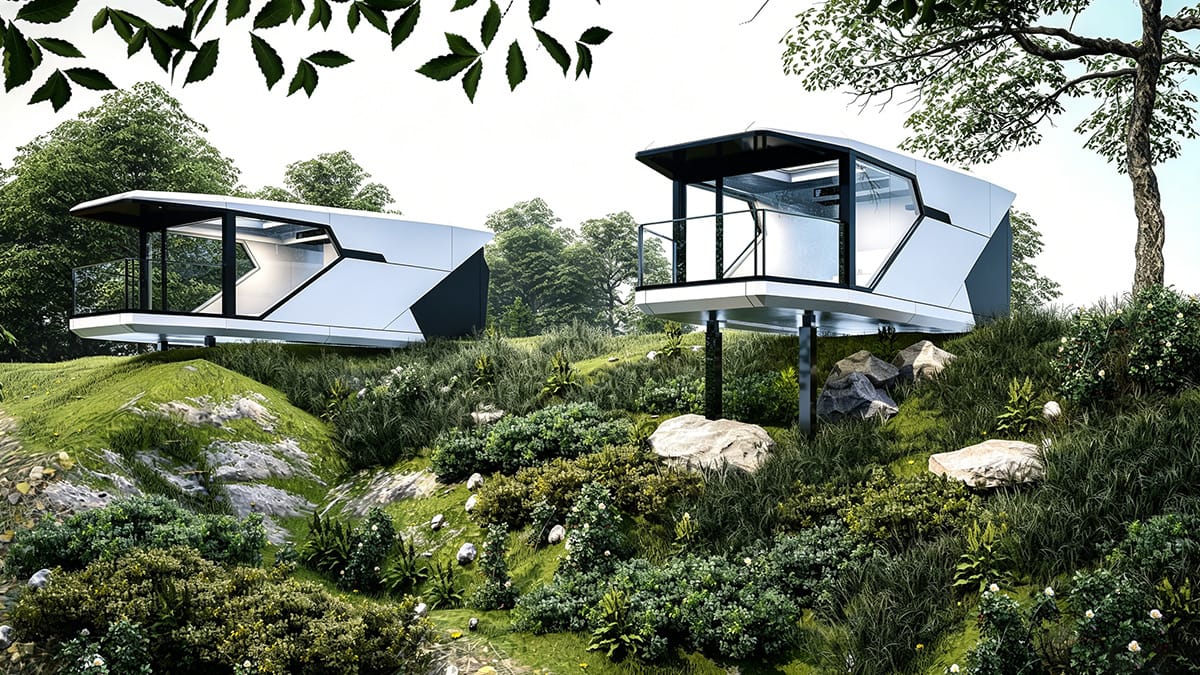
You help decide how long your capsule houses last by picking good construction. Builders use strong materials and smart ways to make these homes tough. The table below shows how different materials and building styles change how long capsule houses last and how well they work:
Material/Method | Impact on Lifespan |
|---|---|
Galvanized Steel | Provides durability and weather resistance |
High-Grade Concrete | Ensures structural integrity |
Treated Wood | Enhances resistance to decay and pests |
Precision Engineering | Improves overall construction quality |
Modular Assembly | Facilitates easier maintenance and repairs |
Multi-layer Thermal Insulation | Increases energy efficiency and comfort |
Fluorocarbon Paint | Prevents rust and corrosion |
If you choose capsule houses made with better materials, they last longer. Builders who follow world safety rules make these homes safer. These rules also help you avoid problems with local laws. Your portable house stays safe for a long time.
Environmental Exposure
Capsule houses face many things in nature. You should think about where you put your portable house. Capsule houses are made to handle bad weather and disasters. Here are some ways they keep you and your home safe:
Capsule houses can stand up to hurricanes with winds up to 156 mph.
They can survive earthquakes as strong as a magnitude 9.
You get good sound and thermal insulation for comfort.
Fire resistance and energy efficiency help keep you safe and save money.
The frame uses anti-seismic hot-dip galvanized steel and aviation-grade aluminum.
Multi-layer insulation and fluorocarbon paint stop rust and corrosion.
Capsule houses work in temperatures from 23°F to 131°F.
The airtight design keeps air from leaking and helps your home stay comfy.
These features help you feel safe and make your home last, even in tough weather.
Maintenance Practices
You can help your capsule houses last longer by taking care of them. Regular care keeps your portable houses working well. Here are some tips to help you:
Use good materials to need less fixing later.
The small size means less to paint or clean.
Small systems may need more checks.
Strong materials like aviation-grade aluminum and hot-dip galvanized steel need little care.
Spend less time fixing and more time enjoying your home.
Check your capsule houses often. Look for cracks, leaks, or seal problems. Check all seals, gaskets, and joints for damage. Add new silicone or polyurethane sealant every one or two years. Make sure the waterproof layers on the roof and walls are strong. Watch wet places like bathrooms and kitchens. Check these spots every month.
If you do these things, your capsule house will last longer. Your portable house will stay safe, comfy, and ready for many years.
How Long Do Prefab Homes Last
 Prefab homes give you a place to live for many years. You might wonder if prefab homes last as long as regular houses. Many prefab homes can last 30 to 50 years or even longer. Some new modular homes can last 50 to 100 years. How long prefab homes last depends on the materials, how well they are built, and how you take care of your portable house. If you take good care of it, your portable prefab home can last as long as or longer than homes built on-site.
Extending the Lifespan of Tiny Homes
You can help your portable tiny home last longer by making smart choices. Here are some ways to make your prefabricated tiny house last more years:
Pick a septic system or composting toilet for waste.
Use solar panels on the ground or on a pergola for energy.
Save energy with LED lights and ENERGY STAR fridges.
Plan your money, get permits, and have backup plans for safety.
These ideas make your portable home stronger. Prefabricated building lets you move your house and keeps it safe in bad weather.
Maintenance Tips for Capsule Houses
Taking care of your portable capsule house helps it stay in good shape. You should check seals, joints, and waterproof layers often. Clean out gutters and look at the roof for leaks. Watch for rust or damage on metal parts. Change old insulation and keep windows sealed tight. Use smart technology to check energy use and find problems early.
Tip: Check wet places like bathrooms and kitchens every month. Fix small problems before they turn into big ones.
Many people talk about their own homes. One family moved their portable prefab home across three states. They did regular care and their home lasted over 40 years. Another person put in solar panels and a composting toilet. Their portable house stayed strong and worked well for many years.
If you follow these tips, your portable prefabricated home will last a long time. You will have a strong, portable, and long-lasting place to live.
Drawbacks and Considerations
Downsides of Capsule Tiny Homes
 Downsides of Capsule Tiny Homes
Capsule tiny homes look cool, but they have some problems. The small size means you must change how you live. Many people say the limited space feels tight, especially with a family or lots of stuff. Privacy is hard because thin walls let noise through. Open layouts make it tough to be alone.
Here is a table that shows the most common drawbacks:
Drawback | Description |
|---|---|
Minimalist lifestyle may not suit everyone. Space constraints can be inconvenient for families. | |
Privacy concerns | Thin walls and open layouts reduce personal space and quiet. |
Regulatory issues | Zoning laws and building codes may cause delays and extra costs. |
Comfort and adaptability | Small space can make daily activities less enjoyable for those needing larger areas. |
Privacy is hard if you like your own space.
Small space means you must change your habits.
Capsule houses cost less to build and fix than regular homes. Building costs are between $25,000 and $35,000. Yearly maintenance costs are $900 to $1,200. You save money, but you lose space and comfort.
Capsule houses use strong materials like steel and aluminum. These materials fight rust and damage, so you spend less on repairs.
When to Repair or Replace
You should check your capsule tiny house often for big problems. Regular checks help you find issues early. Fixing mechanical systems stops them from breaking. Keeping inside finishes in good shape prevents leaks and damage.
Here are warning signs to look for:
Warning Sign | Description |
|---|---|
Gaps or warping in wall panels | Structural issues may need major repairs. |
Rust or movement in anchors | Instability could require replacement. |
Cracked caulk around windows | Potential leaks and insulation problems need attention. |
Uneven floor panels | Underlying structural issues may require repair. |
Persistent musty odor | Hidden moisture or mold can cause significant damage. |
Capsule houses can last more than 50 years if you take care of them. Insurance companies may give better coverage for homes that are well cared for. You can make your property worth more and earn money by renting your capsule house. More people want short-term rentals, so capsule homes are a smart choice.
If you see any warning signs, fix them fast. Early repairs keep your home safe and comfy.
Capsule tiny houses and prefab homes can last a long time. Some last between 30 and 100 years. You can make your home last longer by picking strong materials. It is important to use a builder you trust. Doing regular maintenance helps keep your house safe. Clean gutters and check panels often. Think about the builder’s reputation before you buy. Look at local laws and long-term value. If you want your home to last, focus on quality and care.
Pick materials that are strong and resist bad weather.
Choose builders who have good reviews from others.
Plan to do regular upkeep so your home stays nice.
FAQ
How do you maintain a capsule tiny house?
You should check seals, clean gutters, and inspect for leaks every month. Use a soft brush to clean the exterior. Replace worn parts quickly. Regular care helps your home last longer.
Can you move a capsule tiny house easily?
Yes, you can move most capsule tiny houses with a truck or trailer. Their lightweight design makes relocation simple. Always check local transport rules before moving your home.
Are capsule tiny houses safe in storms?
Capsule tiny houses use strong materials like steel and aluminum. Many models withstand high winds and heavy rain. You should anchor your home for extra safety during severe weather.
What is the average cost of a capsule tiny house?
Size (sq ft) | Average Price ($) |
|---|---|
100–200 | 25,000–35,000 |
200–400 | 35,000–50,000 |
Prices change based on features and materials.