

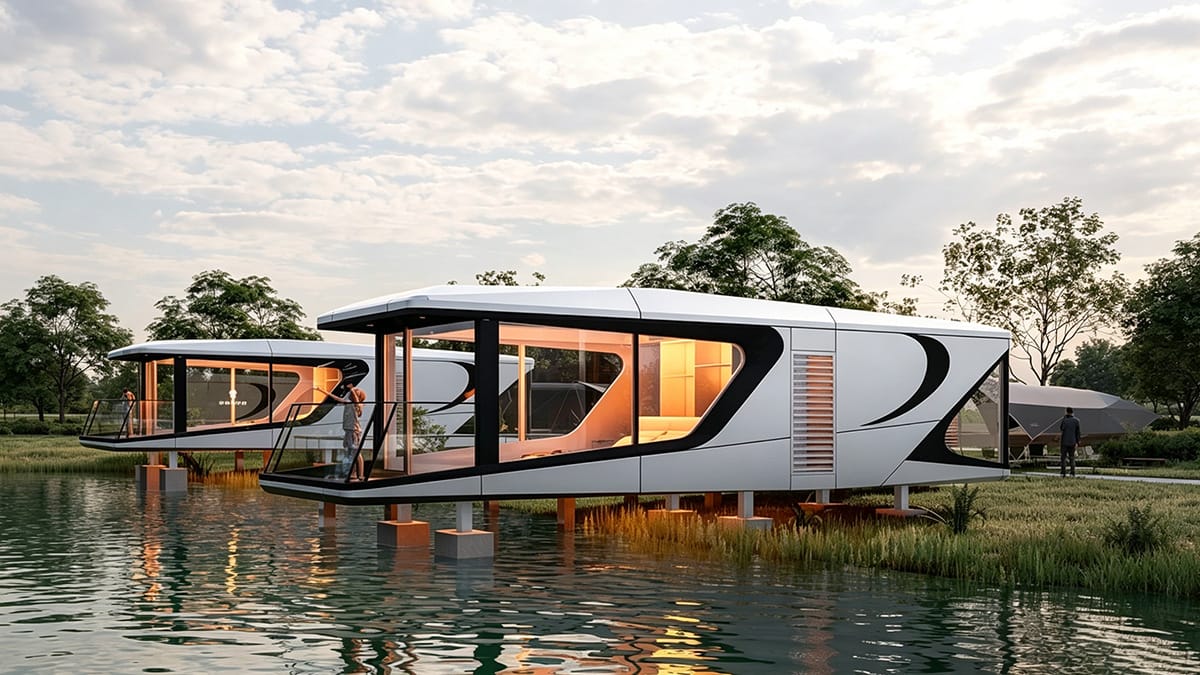
12 Jun Capsule Houses Examined The Upsides and Downsides Explained
You might ask if capsule houses have more good things or more problems. Many people pick them because they cost less, use space well, and are better for the planet. Capsule houses use old materials, like steel containers, so there is less trash and less pollution. These homes are cheaper to make and need fewer things to build, so you save money and help the Earth. As you read, think about what is most important to you—being comfortable, saving money, or helping the environment.
Key Takeaways
Capsule houses help people spend less money and use less space, so they are cheap and work well. – They are made with materials that are good for the earth, which helps nature. – Clever designs and technology make it nice to live in a small area. – It can be hard to have privacy and feel cozy because there is not much room. – You should look at local laws before you put a capsule house somewhere, so you do not have problems with rules.
Capsule Houses Overview
What Are Capsule Houses
Maybe you have seen pictures of small rooms stacked in cities. These are called capsule houses. They first appeared in Japan in 1979. People needed a safe and cheap place to sleep in busy cities. Now, capsule houses are found in many countries. The idea has become very popular. The market for these homes could almost double from $230.7 million in 2024 to $435.9 million by 2032. This is because more people move to cities, technology is better, and more people want cheaper places to live.
Capsule houses are different from tiny homes and micro-apartments. Here is a table that shows how they are not the same:
Housing Type | Design Characteristics | Functionality and Living Experience |
|---|---|---|
Capsule Houses | Small, pod-like rooms, often with shared spaces | Made for simple living, with shared things |
Tiny Homes | Standalone houses with more space and things | Give a normal home feel and more privacy |
Micro-Apartments | Small units in big buildings, often with shared spaces | Use space well, made for city life |
Key Features
Capsule houses fit a lot into a tiny area. They use smart ideas and cool features to help you. Here are some things you might see:
Smart home tech lets you control lights, heat, and locks easily.
Modular parts let you change the setup or add more pods.
Natural light and airflow stop the space from feeling tight.
Built-in storage and folding furniture help you stay neat and use space well.
Tip: Sliding walls and furniture that change shape let you turn your bed area into a desk or a place to relax fast.
Capsule houses use materials that save energy and keep heat in. This helps you stay comfy and pay less for bills. Some even have plants and green spots to make the place feel nice and fresh.
Capsule Houses: Pros
 Space Efficiency
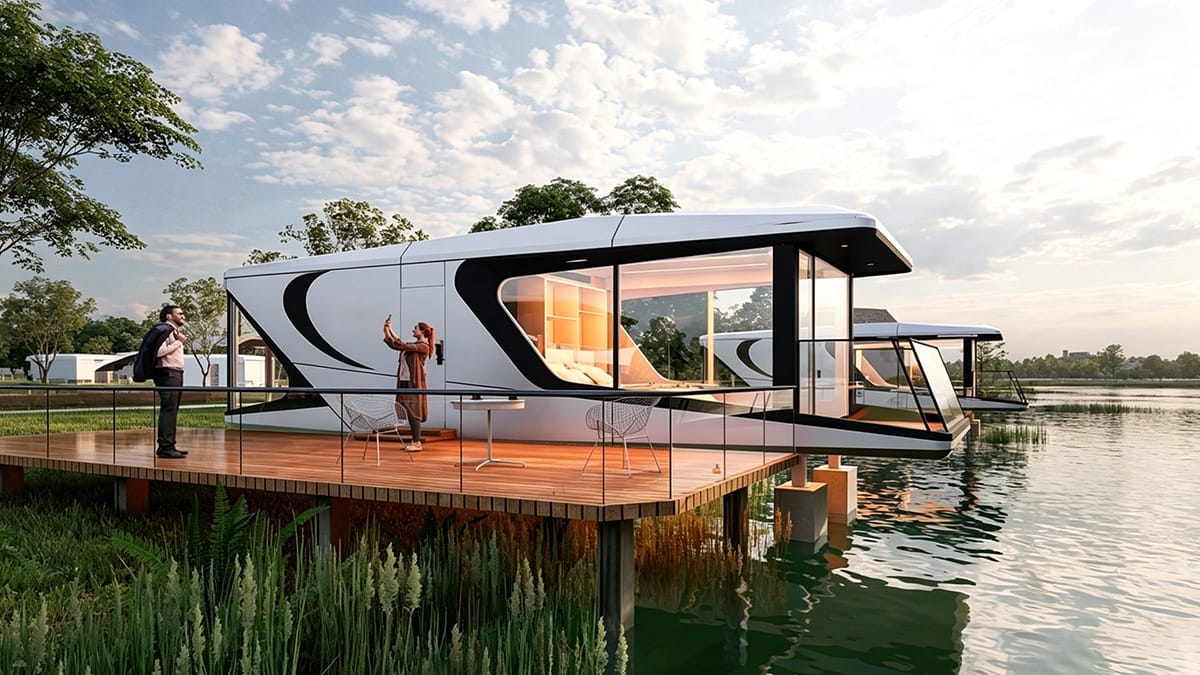
 Space Efficiency
It can be hard to fit everything in a small space. Capsule houses use smart designs to help with this. Most capsule houses are between 200 and 400 square feet. Designers pick sizes from 100 to 400 square feet for each unit. This is much smaller than regular homes, which are over 1,000 square feet.
Here’s a quick comparison:
Aspect | Capsule Tiny House | Traditional Home |
|---|---|---|
Average Size | Over 1,000 sq ft |
You get more from less space. Modular shelves, drawers under beds, and pull-out cabinets help you stay neat. Beds that turn into desks or sofas make your space flexible. Big windows and shiny surfaces make rooms look bigger and brighter. Kitchens and bathrooms use small appliances, like pull-out sinks and modular fixtures. These designs can make the space work up to 30% better. You don’t have to give up comfort for size.
Tip: Try changing modular storage units to fit what you need. You can adjust your setup as your life changes.
Affordability
Capsule houses cost less than big homes. You don’t need to buy expensive materials or pay for lots of space. Many capsule houses use recycled steel containers, which lowers the price and helps the planet. You can find ways to pay over time. Some companies let you pay in parts, so you don’t need all the money at once. Construction loans and payment plans help you manage your budget.
You can get financing for business use through partners like AFG.
Contracts show how you pay in parts, so you know what to expect.
Prefab homes can be paid for with construction loans, making payments easier.
Paying upfront can save you money on interest.
Capsule houses help you save money on building and living costs. You spend less on utilities because the space is smaller and uses energy better.
Eco-Friendly Living
Capsule houses are good for the planet. They use fewer resources and make less waste. You can live off-grid if you want. Energy-saving tech keeps your daily energy use between 3 and 7 kWh. Water can come from delivery, wells, or rainwater collection. You use less water and energy than in a regular home.
Capsule houses often use materials that are better for the environment:
Steel is strong and lasts a long time
Aluminum is light for panels
Fiberglass is easy to clean
Composite panels keep heat in
Polyurethane foam saves energy
Engineered wood is used for inside finishes
Mineral wool stops fire and noise
Polycarbonate panels are used for roofs and walls
These materials help your home stay safe and comfortable. You also use fewer resources, so you help the planet.
Note: Capsule houses can work off-grid, so you can live where regular homes can’t.
Smart Home Technology
Capsule houses have modern tech that makes life easier. Energy-saving appliances and automatic climate systems help you stay comfy and save money. IoT systems let you control your home from your phone. Solar panels give you clean energy and help the planet.
Here’s a look at some smart tech features:
Technology Type | Benefits |
|---|---|
Energy-efficient appliances | Makes you comfortable and saves energy |
Automated climate control | Makes life easier and more comfortable |
IoT systems | Lets you automate and control things |
Solar panels | Saves energy and helps the planet |
Capsule houses use less energy than big homes. You pay less for utilities because the small size and good insulation keep energy use low. Regular homes often need upgrades to be this efficient. You get smart home tech built in, so you don’t need extra installation.
Callout: Smart home systems in capsule houses make life easier and cheaper. You can control lights, locks, and temperature with your phone.
Capsule Houses: Cons
Limited Space
 Limited Space
Capsule houses are much smaller than regular homes. Most are between 100 and 500 square feet. The D5 Space Capsule House fits a bedroom, balcony, and bathroom in just 28 sq m. You have a small area, so you must keep things tidy. You need to use every bit of space. Big windows bring in sunlight and make rooms look bigger.
Living in a small space can be hard. You might not have enough room for your stuff. Hobbies may be tough to fit in. Families or people with lots of things may feel crowded. You need to be creative with storage. Furniture can have more than one use. Even with smart design, you may wish for more space.
Capsule houses are usually 100 to 500 square feet.
Small size helps you use space well.
Separate dry and wet bathroom areas make daily life easier.
Big windows bring in sunlight and boost your mood.
Tip: Mirrors and tall windows can help your space look bigger.
Privacy Issues
Privacy is often a problem in capsule houses. Thin walls let noise pass through. You might hear neighbors or family. Open layouts mean less quiet time. If you like personal space, you may feel uncomfortable.
Capsule houses often have shared spaces. Kitchens and bathrooms are used by everyone. It can be hard to find alone time or have guests. Expandable houses offer more privacy and flexibility.
Open layouts mean less privacy.
Shared spaces can make privacy hard.
No room dividers may cause discomfort.
Challenge | Solution |
|---|---|
Use thick walls or partitions |
Note: If you want quiet or privacy, look for capsule houses with partitions or soundproofing.
Comfort Challenges
Comfort can be tricky in capsule houses. Small spaces make it hard to relax. Noise moves easily, so it is tough to unwind. If you live with others, alone time is hard to get.
Capsule houses can feel stuffy or too warm. Heating, cooling, and ventilation help, but check if your unit has good insulation. Some models have floor heating, better air conditioning, and strong insulation. These features keep the temperature steady and make the space nicer.
Feature | Description |
|---|---|
Custom warmth with water or electric heating. | |
Upgraded Air Conditioning | Efficient units for hot or cold weather. |
Thermal Resistance | Good insulation keeps rooms cool or warm. |
Air Tightness | Low air leaks keep indoor temperatures steady. |
Small space makes alone time hard.
Noise travels easily and affects relaxing.
Compact design causes noise problems.
Thin walls and open layouts lead to privacy issues.
Callout: For better comfort, pick capsule houses with good HVAC and insulation.
Zoning Barriers
You may face legal problems when placing a capsule house. Local zoning laws and building codes can make approval hard. Some neighborhoods have rules against nontraditional homes.
Check zoning rules to see if your land is okay. Get documents ready, like plans and safety checks. Apply to the local council. Wait for review and more questions. If you pass safety checks, you may get a permit.
Building codes
Aesthetic standards
HOA and deed rules
Tip: Always check local rules before buying or building a capsule house. Some places allow capsule houses as guest homes or rentals, but others do not.
Capsule Houses in Real Life
Urban Living
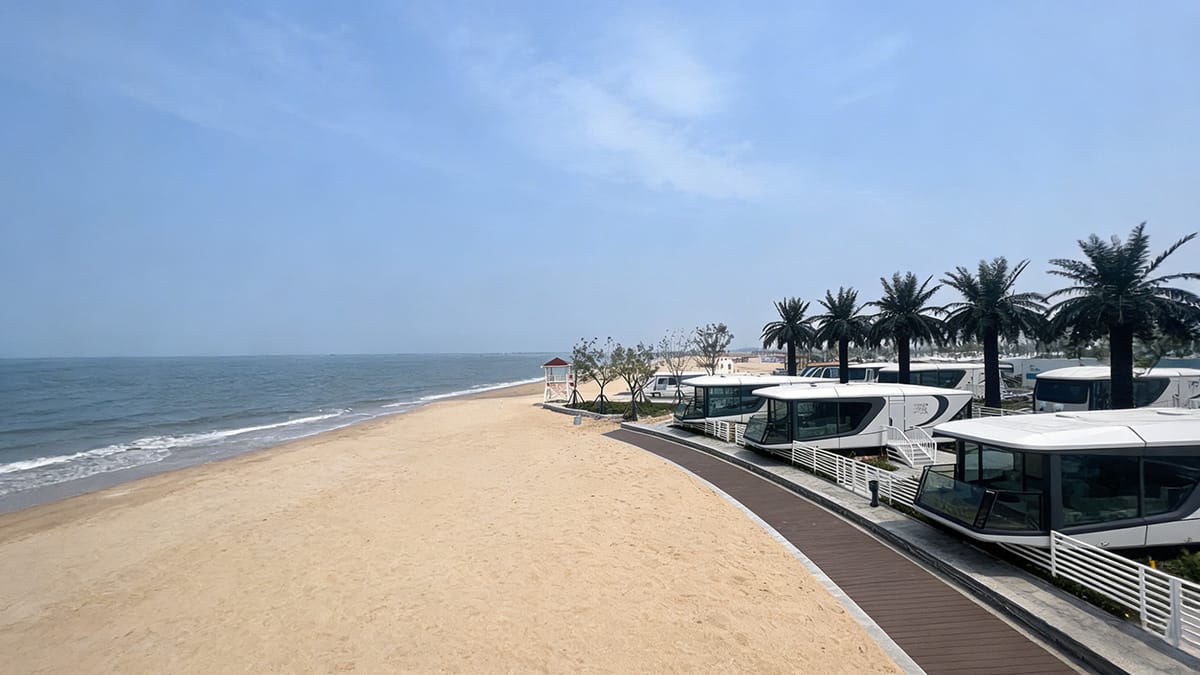
 Urban Living
You see Capsule Houses popping up in big cities all over the world. They turn old parking lots and empty factories into new places to live. You get more homes in less space, which helps cities grow without spreading out too much. Here’s how they make a difference:
They fill empty spots in cities and create new neighborhoods.
Their modular design lets builders stack them up, so more people can live in one area.
In places like Tokyo, London, and New York, you pay much less for rent—sometimes 30–50% less than a regular studio.
Young workers, students, and digital nomads love them because they save money and stay close to city life.
In Berlin, one project with Capsule Houses lowered empty apartments by 25%.
City planners like these homes because they help solve housing shortages and make cities greener.
Tip: If you want to live in the city without spending too much, Capsule Houses can be a smart choice.
Benefits | Drawbacks |
|---|---|
Cost effectiveness | Limited living space |
Efficient use of space | Privacy concerns |
Mobility and flexibility | Zoning issues |
Sustainability | Comfort challenges |
Emergency Housing
Capsule Houses can help a lot during emergencies. When a disaster hits, people need safe places fast. These homes can be built quickly and moved where they are needed most. You see them used for:
Giving shelter after storms or earthquakes.
Helping cities add more homes when there are not enough.
Letting charities set up short-term housing for people in need.
You get a safe place to stay much faster than with regular building. Local leaders and helpers can use Capsule Houses to keep people safe and dry when times get tough.
Minimalist Lifestyles
Do you like simple living? Capsule Houses fit a minimalist lifestyle. You keep only what you need and enjoy a clutter-free space. Many people choose this way of life to save money, use less energy, and focus on what matters most. You find that living small can feel freeing. You spend less time cleaning and more time doing what you love.
Note: If you want to live with less stuff and more freedom, a Capsule House might be just right for you.
Construction & Materials
Building Methods
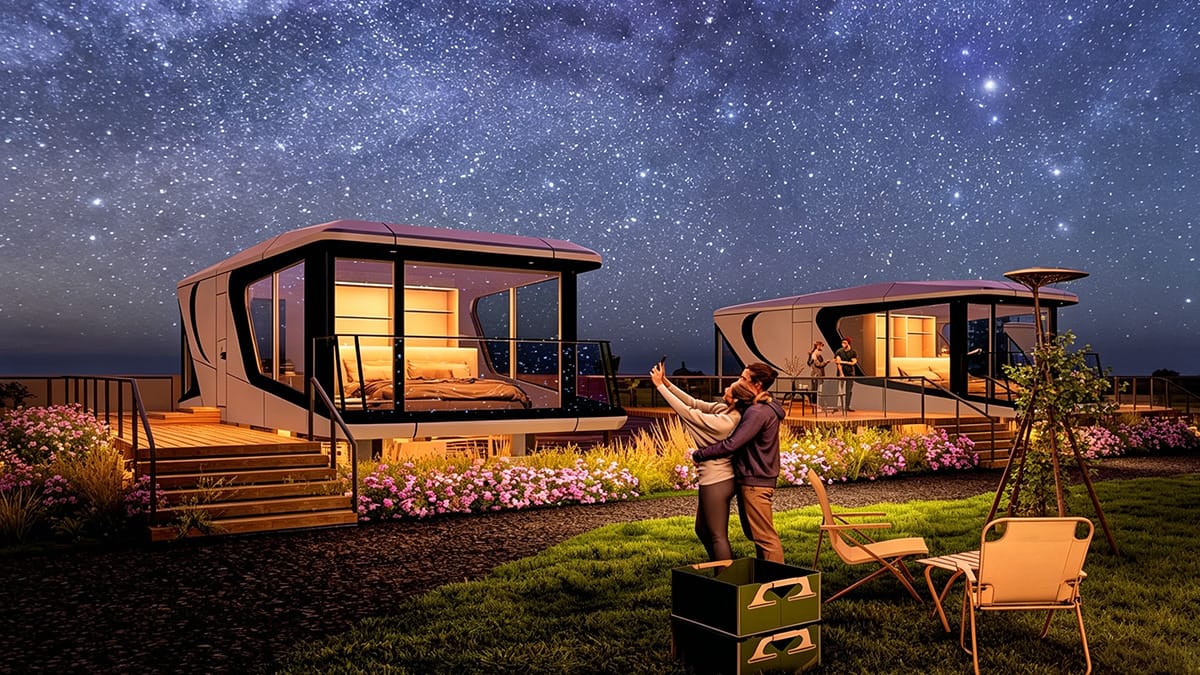 Building Methods
Builders can make capsule houses quickly. They use smart ways to build. These methods save time and money. Here’s how they do it:
Modularity: Each capsule is a single unit. You can add or remove capsules easily. Upgrading is simple and does not need big changes. Repairs are fast and easy.
Prefabrication: Capsules are made in a factory. They are shipped to your land. Builders put them together quickly. This lowers labor costs and saves time.
Material Selection: Most capsule houses use strong materials. Steel, aluminum, and composite panels are common. These keep the house sturdy and cost less.
When you look at costs, you see:
Plumbing and wiring take about 30% to 45% of the price.
Materials use 25% to 40% of the cost. High-end materials cost more but last longer.
Moving and setting up the house takes 10% to 20% of your budget. If you live far from the factory, this cost goes up.
Tip: Prefabricated capsule houses are built faster than regular homes. You can move in sooner and pay less for labor.
Durability
Capsule houses are very strong. They use advanced materials like aviation-grade aluminum and anti-seismic galvanized steel. These help the house stand up to strong winds and earthquakes. The insulation works about 65% better than most regular homes. You stay warmer in winter and cooler in summer. You use less energy.
Capsule houses keep their shape even if moved over 50 times.
You spend less time and money fixing them over 20 years.
These homes work well in tough climates and need less care.
Here’s how long these materials last:
Material Used | Expected Lifespan (Years) |
|---|---|
50+ |
Most capsule houses last 25 to 50 years or more. If you take care of them, they last longer. You get a home that stays strong even if you move it or face bad weather.
Note: Capsule houses often last longer than regular homes in harsh places. They need less fixing over time.
Capsule houses help you save money, space, and energy in smart ways. You may have problems like less privacy or comfort. Still, many people find these homes work well for them. If you wonder if capsule living is right for you, think about what is most important. Capsule houses are good for:
People who like homes that move and use less energy
Minimalists
Young workers or students
Anyone who needs a home for a short time or wants to move easily
Look at other choices and see if capsule living fits what you want.
FAQ
How much does a capsule house cost?
You can expect to pay between $10,000 and $50,000 for a basic capsule house. Prices change based on size, materials, and features. Some companies offer payment plans to help you spread out the cost.
Can you live in a capsule house year-round?
Yes, you can live in a capsule house all year. Good insulation and heating keep you warm in winter. Air conditioning helps in summer. Just check that your model has the right features for your climate.
Do capsule houses have bathrooms and kitchens?
Most capsule houses include a small bathroom and kitchen. You get a shower, toilet, and a compact cooking area. Some models share these spaces with others, so check the floor plan before you buy.
Where can you put a capsule house?
Always check local rules before you buy land or move in.
You can place capsule houses on private land, in some backyards, or in special communities. Zoning laws and building codes may limit your options.