
28 Jun Capsule Houses for Sustainable Living The Complete Guide
Picture living in a capsule house. You get a small, comfy space. It saves energy and money. These homes have insulated walls and floors. You do not need to use the heater or air conditioner a lot. Solar panels and smart lights help you save money. They also help you lower your carbon footprint. The table below shows how a capsule house is different from a regular home:
Feature | Capsule Houses | Traditional Homes |
|---|---|---|
Energy Efficiency | N/A | |
Heating Bill Reduction | N/A | |
Carbon Footprint | Lower | Higher |
You might like the price and comfort. But you may think the space is a bit small. Capsule houses help people live in a sustainable way. They also bring new ideas like Innovative Prefab and Dome Housing to life.
Key Takeaways
Capsule houses use less energy. They can save up to 70% on heating bills. They also help lower your carbon footprint a lot.
These homes have smart technology. They use eco-friendly materials. This makes them a good choice for people today.
Capsule houses are flexible. They have modular designs. You can change your space and make it fit your needs.
Living in a capsule house does not cost a lot. The first costs are lower. You also spend less on utilities and fixing things.
Capsule homes can be used in many ways. They work for different lifestyles. You can live in them in cities, vacation places, or after disasters.
Capsule House Basics
 What Is a Capsule House
 What Is a Capsule House
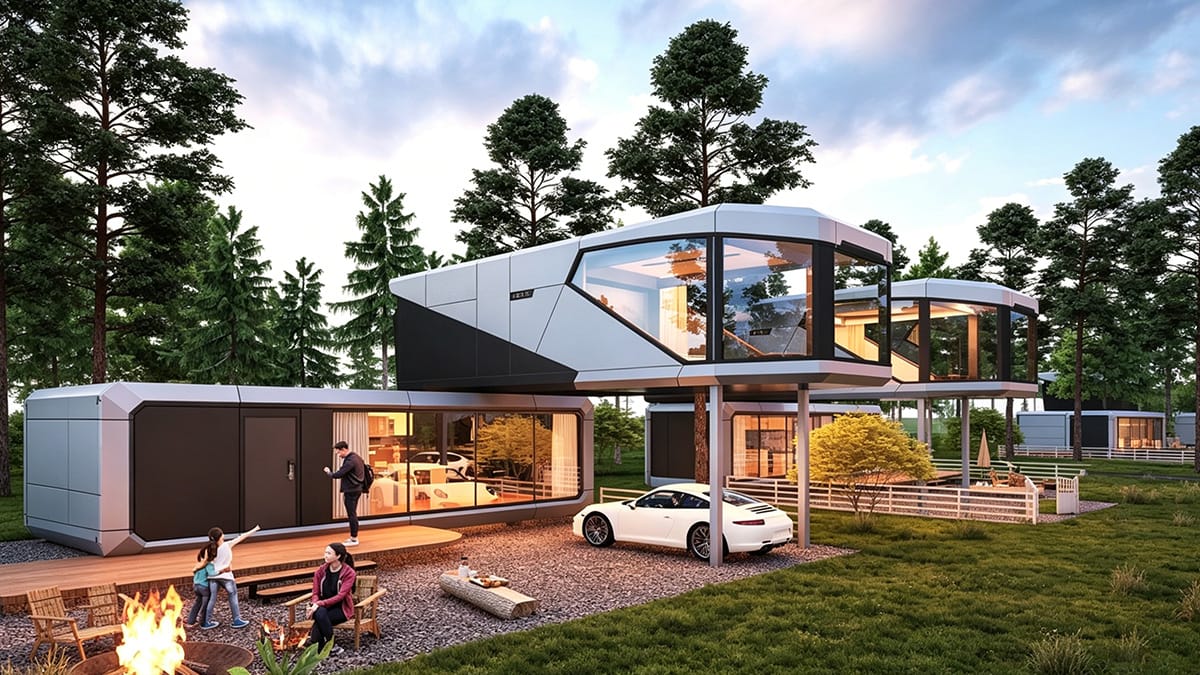
You may wonder why a capsule house is special. A capsule house gives you a small space with many features. It is a home that uses space well and keeps things simple. Most capsule houses are built to save energy and help the planet. Living in one means you use less energy and make less waste.
Here are some main things about a capsule house:
The design is simple and every part has a use.
The frame is made of strong galvanized steel to keep you safe.
The panels are made from aviation-grade aluminum and have good insulation to protect you from bad weather.
Smart control systems help you manage lights, temperature, and security easily.
Big glass walls let in sunlight and help you see outside.
Capsule houses can handle hurricanes with winds up to 156 mph.
They also keep you safe during earthquakes up to a magnitude of 9.
Capsule houses are like innovative prefab and dome housing. They are easy to put together, move, and take care of. Many prefab homes use the same materials and technology. Capsule houses go further with their small size and strong safety features. If you want a modern and efficient home, a capsule house is a good choice.
Origins and Evolution
Capsule houses began in the 1960s. Kisho Kurokawa made the Nakagin Capsule Tower in Tokyo. He used round pods that could be changed or moved. This idea was about being flexible and helping the planet. The Metabolist Movement inspired these homes. It wanted homes that could change as cities and people changed.
Capsule houses have changed over time. Now, they use light materials and strong steel frames. Builders use systems that save energy and use renewable power. Smart technology lets you control your home with your phone. Modern capsule houses help solve city problems by giving you a space that fits your life.
Prefab homes have changed too. There are more choices for small dome house plans and dome house designs. These homes use new materials and smart systems. You get a space that is both comfortable and saves energy. Innovative prefab and dome housing keep making homes better.
Capsule vs Dome Housing
You may wonder how a capsule house is different from a dome house. Both have special benefits. Capsule houses are small and easy to move. You can set them up quickly. Dome houses have curved shapes that make them strong and save energy. Many small dome house plans use space well and feel cozy.
Here is a table that shows the differences:
Feature | Capsule House | Dome House |
|---|---|---|
Shape | Rectangular/Pod | Curved/Dome |
Materials | Steel, Aluminum | Concrete, Steel, Foam |
Disaster Resistance | High | High |
Space Optimization | Modular Pods | Open Interior |
Energy Efficiency | Advanced Insulation | Natural Airflow |
Customization | Modular Add-ons | Flexible Layouts |
Both types use innovative prefab and dome housing ideas. Prefab homes are built in parts for fast building. Capsule houses often have smart systems and big glass walls. Dome house designs use curved walls and natural airflow for comfort. Small dome house plans give you tiny spaces that feel bright and open.
If you want a home that is different, you can look at both capsule houses and dome house designs. There are many prefab homes to choose from, each with its own style and features. Innovative prefab and dome housing help you find what you need. You can pick a capsule house for its small size or a dome house for its cool shape. Small dome house plans and capsule houses both help you live in a way that saves energy and helps the planet.
Sustainable Design in Capsule Homes
Modular Prefab Construction
 Modular Prefab Construction
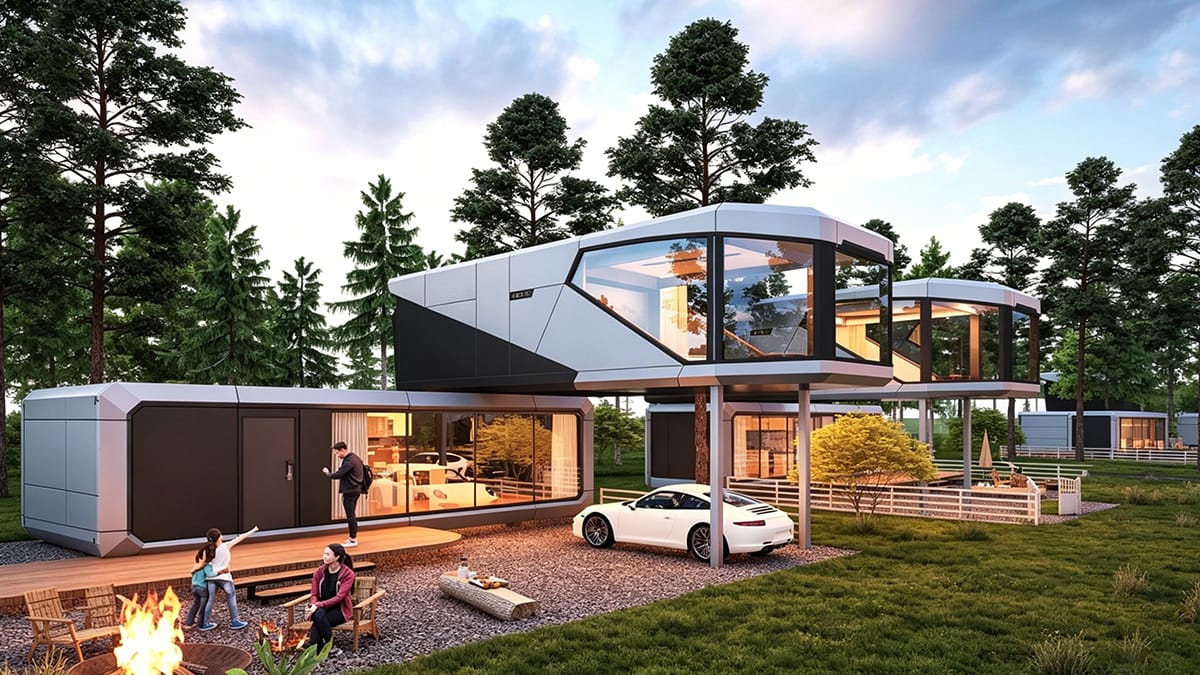
Modular homes are built fast and are ready quickly. Builders make modular living pods in factories. They send the finished pods to your land. You do not have to wait a long time for building. Modular homes use modular design, so you can add or take away pods. You can make your home bigger or smaller. Modular living pods fit together like blocks. You can move or stack them. This makes modular homes easy to change and grow.
Eco-Friendly Materials
Capsule homes use eco-friendly materials that help the earth. The frame uses recycled steel, which lasts long and cuts carbon footprint. Glass panels let in sunlight, so you use less electric light. Composite materials make the pods strong and light. Insulation keeps heat inside and saves energy. Some insulation is biodegradable and helps keep warmth in. Here is a table that shows common materials:
Material | Benefits |
|---|---|
Steel | Strong, lasts long, flexible, and can be recycled, so it helps the environment. |
Glass | Saves energy, lets in sunlight, so you use less electric light. |
Composite Materials | Light, strong, does not rust, and lasts a long time. |
Insulation | Stops heat from leaving, saves energy, and cuts heating and cooling costs. |
Sustainable Features | Uses energy-saving appliances and water-saving systems to help the planet. |
Energy Efficiency Features
Capsule homes help you save money and energy. They have advanced insulation and LED lights. Energy Star appliances come with the home. The small size means you need less heating and cooling. Smart systems change energy use when you are home or away. Solar panels are on the roof. These features make capsule homes about 65% more energy-efficient than regular houses. Multi-layer insulation lowers your bills for heating and cooling. You feel comfortable in every season.
Advanced insulation
LED lights
Energy Star appliances
Smart energy systems
Solar panels
Off-Grid Living Options
You can live almost anywhere with modular living pods. Capsule homes let you live off-grid. You get power from solar panels and wind turbines. Rainwater systems collect and reuse water. Modular homes are good for faraway places, fun trips, or learning. You do not need city power or water. Capsule homes work on their own. You get real off-grid living.
Feature | Capsule Homes | Other Sustainable Housing Types |
|---|---|---|
Off-Grid Capability | Made to work without city power or water | May not focus on off-grid living |
Energy Sources | Uses solar panels and wind turbines | Can be different; may use city power |
Construction Method | Built in factories, light, and easy to move | Often built on-site, usually with wood |
Water Management | Collects and reuses rainwater | Can be different; may not have special systems |
Ideal Use | Good for trips, learning, or faraway living | Use depends on the design and purpose |
Tip: If you want to live green and off-grid, modular homes and modular living pods give you more choices than regular houses.
Key Features of Capsule House Living
Space Optimization
 Space Optimization
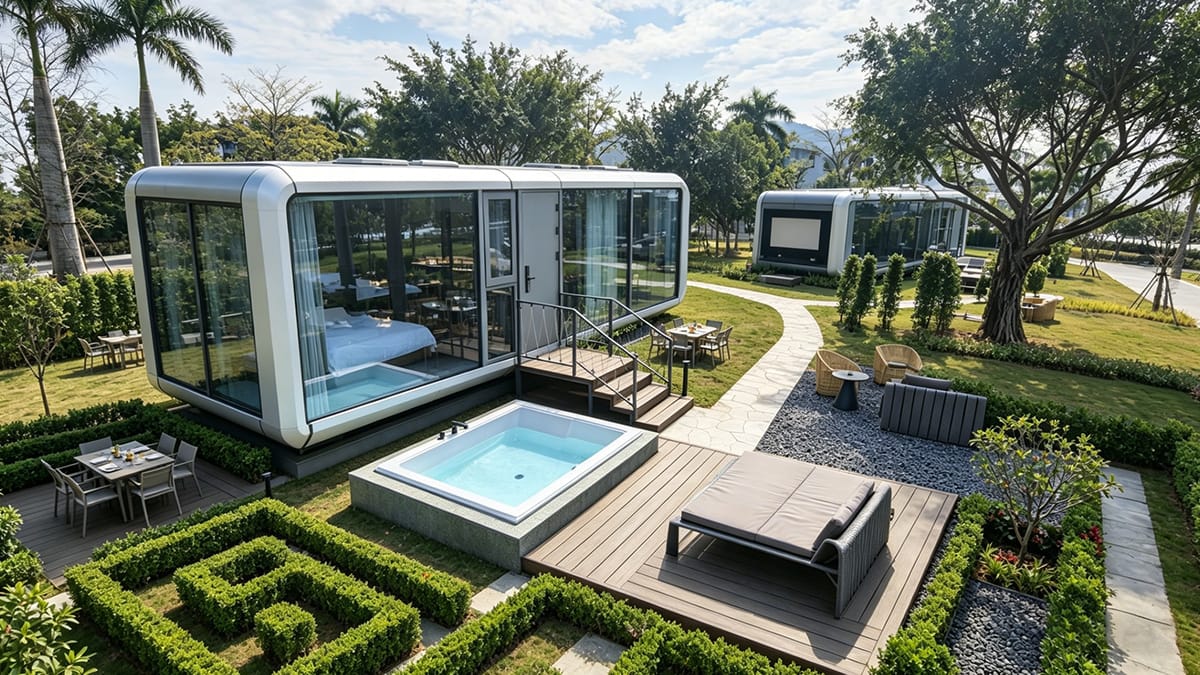
You may think a small home feels tight, but capsule houses use smart ideas to make space work better. Designers split the space into spots for sleeping, eating, and relaxing. They do this without using walls, so the home feels open. They use steps, different lights, and move furniture in smart ways. Big windows let in sunlight, so rooms look bigger and brighter. Mirrors and shiny surfaces bounce light around, making the home feel airy. You can use light curtains instead of heavy ones. This lets more sunlight fill your room. Capsule houses also have built-in storage and fold-away furniture. You get more space to live and less mess.
Smart locks: No keys, check in faster
App-controlled lighting: Set the mood you want
Built-in USB ports: Fewer cords to plug in
Smart climate control: Stay comfy without big machines
Smart Home Technologies
Capsule houses have lots of smart tech. You can control lights, heat, and even curtains with your voice or phone. Smart lights let you pick the right mood for any time. Card-controlled power is good if you rent your home. You can save energy easily. You can change the lights to help you work, relax, or have fun. Smart systems make life simple and help you use less energy.
Feature | Benefit |
|---|---|
Makes life easier and more fun | |
Voice control | Simple way to run your home |
Card-controlled power | Good for rentals and saving energy |
Adjustable lighting | Works for many activities |
Customization Options
You can make your capsule house match your style. You can choose how the outside and inside look. You can pick your own furniture too. If you want solar panels or energy-saving machines, you can add them. Capsule houses let you pick smart tech and green features. You get to decide how your home looks and works. This makes your space feel special and cozy.
Interior Comfort
Feeling good inside is important in a small home. Capsule houses use strong materials for safety and quiet. You get walls that block sound and light parts that last long. Double windows let in light and fresh air. Foam insulation keeps you warm in winter and cool in summer. Special wood makes the inside look nice and last longer. Smart systems control lights and heat, so you always feel good at home.
Tip: If you want a home that feels bigger, brighter, and smarter, capsule houses have features that make small living simple and fun.
Benefits of Capsule Homes
Affordability
 Affordability
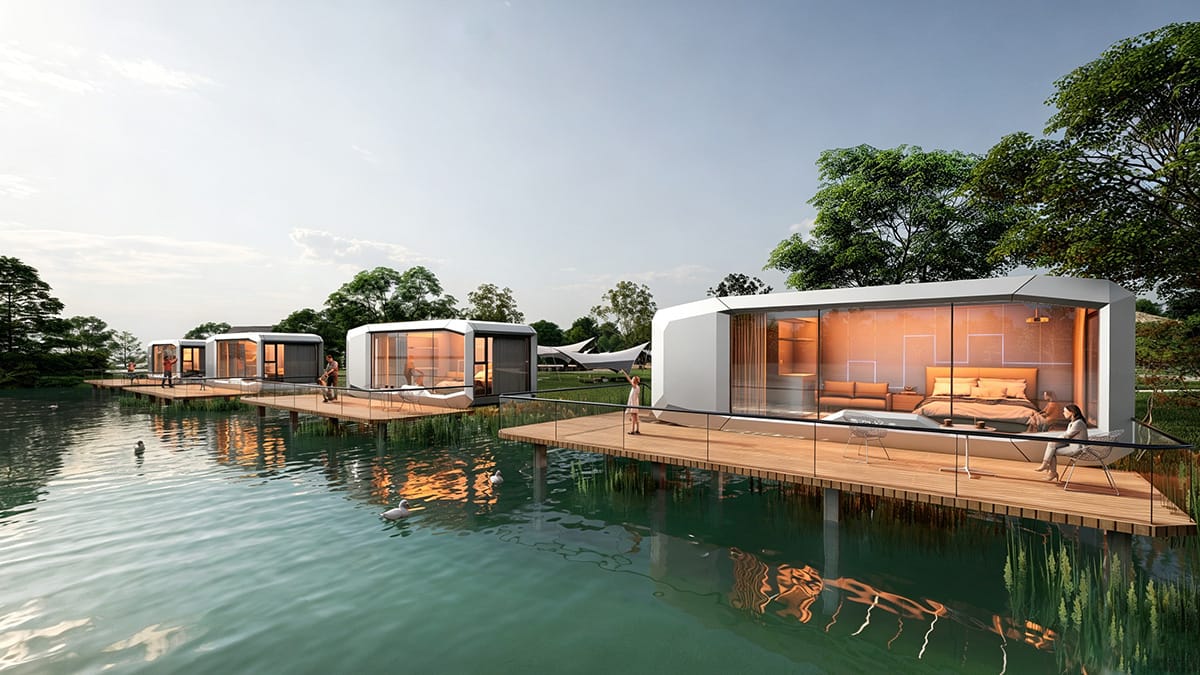
You want a house that does not cost too much. A capsule house gives you a nice place for less money. You get a cool home without spending a lot. Builders use modular designs and eco-friendly materials to keep costs down. You can put your capsule house together in just a few days. This means you do not pay a lot for workers or wait long. Many people think capsule homes are a good way to save money. You pay less for heating, cooling, and fixing things. You get more for your money.
Sustainability
Capsule homes help you live in a green way. You use less energy and water every day. The design has solar panels, battery storage, and rainwater systems. Smart climate controllers learn what you like and change the temperature for you. Automated cross-ventilation helps you use less energy for heating and cooling. You make less pollution and help the earth. Look at this table:
Housing Type | Construction Energy | Operational Energy | Total Carbon Footprint |
|---|---|---|---|
Traditional Home | High | High | 48–60 tons CO₂/year |
Tiny Home | Moderate | Moderate | 18–25 tons CO₂/year |
Space Capsule | Low | Low |
You can see how a capsule house makes it easy to live green.
Efficiency
You want a home that saves you time and money. Capsule homes have good insulation, smart tech, and energy-saving appliances. You get LED lights, smart locks, and climate control. The small size means you use less energy. Built-in storage and fold-away furniture help you keep things tidy. You spend less on bills and feel more comfortable.
Tip: Living in a capsule house means you have more free time and less worry.
Versatility
Capsule homes work for many people and ways of living. You can use them for simple living, family homes, or vacation spots. The modular design lets you change the layout or add new pods. You get more space when you need it. Capsule homes are strong and can handle storms and earthquakes. You can set up your capsule house fast, sometimes in just one day. Check out this table:
Feature | Capsule Home | Tiny Home | Container Home |
|---|---|---|---|
Interior Width | 8 ft | 8 ft | |
Lifespan | 50+ years | 20–30 yrs | 20–30 yrs |
Weather Resistance | High | Moderate | Moderate |
Installation Speed | 1–3 days | 2–6 weeks | 2–6 weeks |
Customization | Extensive | Moderate | Moderate |
You get a capsule house that fits your needs. It is strong, flexible, and ready for anything.
Challenges of Capsule House Living
Space and Privacy
 Space and Privacy
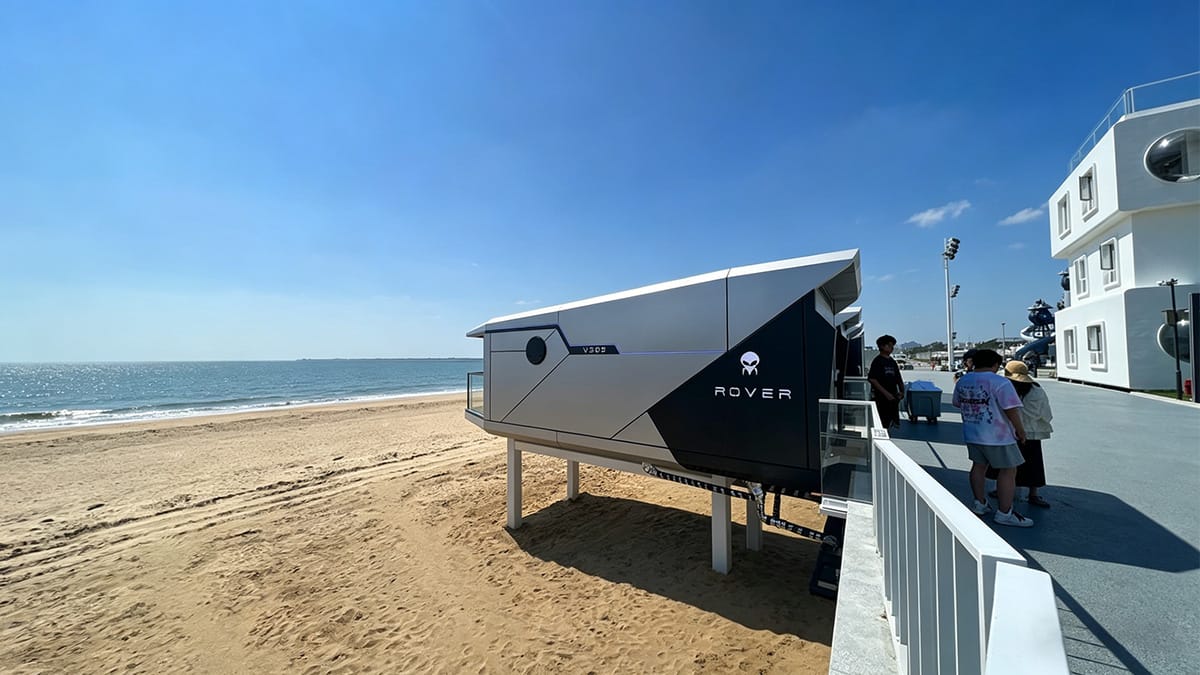
Living in a capsule house can feel small. You might not have enough room for all your things. This is harder if you have a family or lots of stuff. Privacy can be a problem too. The walls are thin and do not block sound well. You may hear people talking or walking around. Open layouts make it hard to find your own space. Here are some things people worry about:
Small space is tough for families or people with many things.
Thin walls let noise in, so it is not always quiet.
Open rooms make it hard to have privacy.
Tip: If you want privacy or need more space, think about how you will use your home before you pick this way to live.
Regulations
Rules can make building capsule homes hard, especially in cities. You might have to follow zoning laws or get special papers. Some places do not let you build modern homes or extra houses on one lot. Look at this table to see some common rule problems:
Regulatory Challenge | Description |
|---|---|
Zoning violations | Rules about where you can build or how close to the edge. |
Inadequate documentation | Missing papers or checks can stop your build. |
Utility capacity limitations | Not enough power or water for new homes. |
Fire safety non-compliance | Not enough room for fire trucks or safety checks. |
Health department objections | Worries about water or waste systems. |
Historic district restrictions | Some places do not allow modern styles. |
You should always check the rules in your area before you start building.
Comfort Issues
It can take time to get used to living small. You might feel crowded at first. Privacy and temperature can also be hard. Here are some common comfort problems and ways to fix them:
Challenge | Solution |
|---|---|
Privacy concerns | Use sliding walls or panels to make spaces private. |
Climate sensitivity | Double windows and thick insulation keep you comfy. |
Adjustment period | Add outdoor space or bigger units to help you enjoy small living. |
Note: You can make your home feel better with smart design and a few changes.
Maintenance
Capsule homes use strong materials like steel and aluminum. These last a long time and do not need much fixing. You will spend less time and money on repairs than with a regular house. Here is what you can expect:
Modular building means fewer delays and lower worker costs.
Weather-proof materials stand up to storms and sun.
You do not need to fix the roof or pipes as much as in a normal house.
You still need to check your home sometimes, but taking care of it is easy and fast.
Capsule House Costs and Prefab Homes Comparison
Price Ranges
 Price Ranges
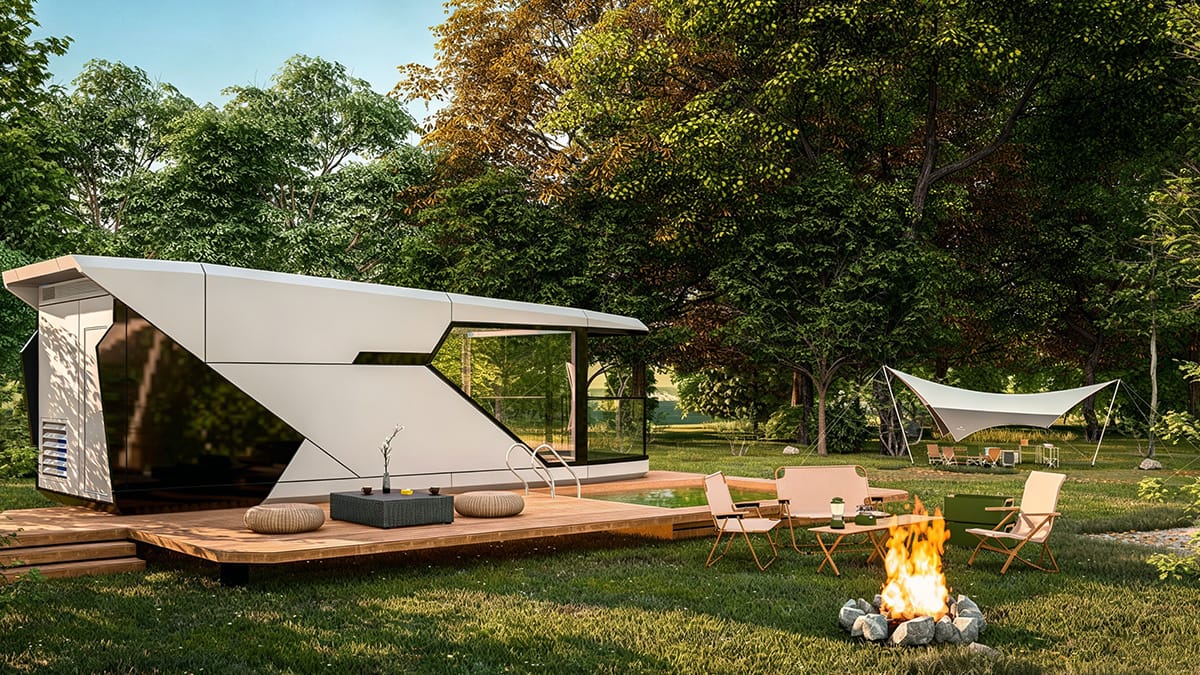
You might wonder how much a capsule house costs. The price can be very different based on what you want. Here is a table that shows the main price ranges:
Price Range | Description |
|---|---|
$8,000 – $20,000 | Basic models with simple interior amenities, used for temporary accommodation or auxiliary purposes. |
$20,000 – $50,000 | Mid-range products offering full living functionality, including a private bathroom and basic kitchen. |
Over $50,000 | High-end versions functioning as boutique micro-homes with advanced features and higher living standards. |
Prefab homes usually cost more than capsule houses. You may see prefab homes that cost from $30,000 to over $100,000. Dome house prices are often in the middle, depending on size and materials.
Total Project Costs
When you think about the total cost of a capsule house, you need to look at more than just the price. Here are the main things that make up the total cost:
Internal systems like plumbing, electrical, and interior modules (30% to 45%)
Materials (25% to 40%)
Design and customization (10% to 25%)
Transportation and installation (10% to 20%)
Certification and compliance (5% to 15%)
You also need to think about land, zoning rules, workers, and building materials. These things can change the final price for prefab homes and dome house projects.
Prefab Homes vs Capsule House
Let’s look at prefab homes and capsule house options side by side:
Feature | Capsule Houses | Prefab Homes |
|---|---|---|
Price Range | $30,000 – $100,000+ | |
Upfront Investment | Lower upfront investment | Higher upfront investment |
Long-term Value | Suitable for short-term stays | Suitable for long-term living |
Customization | Moderate customization | High customization |
Construction Time | Faster construction timelines | Standard construction timelines |
Maintenance Requirements | Lower long-term maintenance | Higher long-term maintenance |
Capsule house models are good for short stays or if you want to move often. Prefab homes give you more space and are better for living in one place for a long time. Dome house designs are a good choice if you want a home that looks different and is strong.
Price Influencing Factors
Many things can change the price of a capsule house or prefab home. Here are the main things that affect the price:
Material prices—steel, insulation, and other materials can cost more or less.
Labor and manufacturing efficiency—better ways to build can make prices lower.
Shipping and logistics—fuel and delivery costs can change the final price.
Regulation and building codes—stricter rules can make prices higher but also make homes safer.
Demand and competition—if more people want prefab homes and dome houses, prices can go up, but competition can help keep prices fair.
Tip: If you want the best price, compare different prefab homes, capsule house models, and dome house designs. Think about what is most important to you—price, features, or style.
Real-Life Applications and Trends
Urban and Student Housing
 Urban and Student Housing
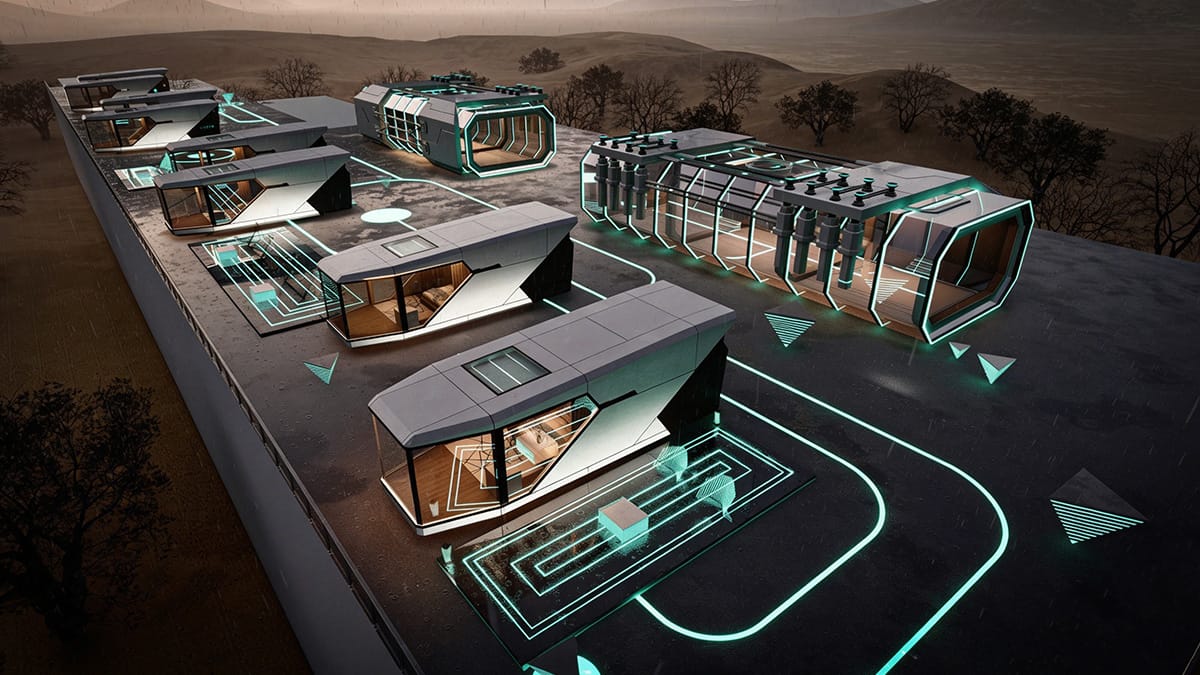
You see more capsule homes in cities now. They fit into small spaces and help with housing problems. In the UK, people put them on empty city land. In Scandinavia, they help make “15-minute cities.” You can walk to everything you need in these cities. Capsule homes are great for students. They save space and do not cost much. You can pick from many designs. Some models can get bigger or come apart. You can change your space when you want. Here’s a quick look:
Region | Application of Capsule Houses |
|---|---|
UK | Transforming unused urban lots in Manchester and Birmingham through the Brownfield Regeneration Initiative. |
Scandinavia | Integrating into ’15-minute city’ concepts in Sweden and Denmark, ensuring accessibility to necessities. |
Made for students who want smart and cheap living.
There are over ten models, some can expand or come apart.
Tourism and Disaster Relief
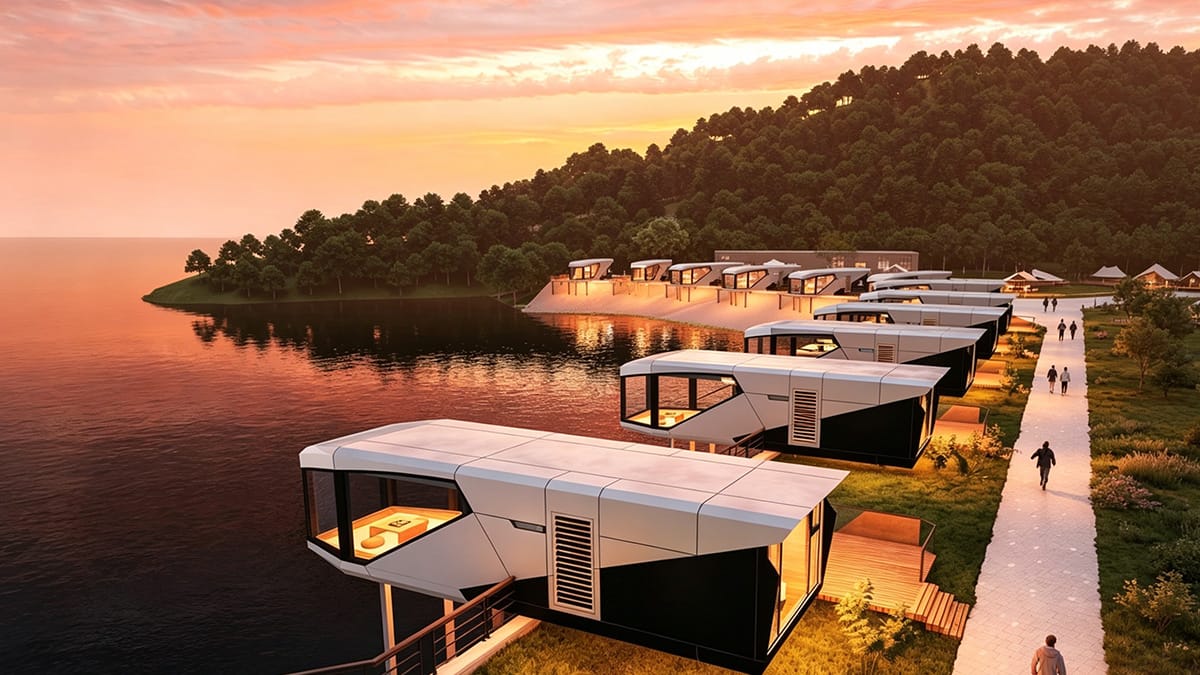
Capsule homes are good for travel and emergencies. Resorts and campgrounds use them for a space-like stay. You get a cool, modern home in nature. When disasters happen, these homes help fast. They are quick to set up and keep you safe from storms. They can work without city power. You get clean water and power even if the city cannot help. Here’s how they help:
Benefit | Description |
|---|---|
Prefabricated units can be shipped and set up within days in affected areas. | |
Self-Sustainability | Equipped with off-grid features like solar panels and water purification systems. |
Comfortable Shelter | Offers durable, weatherproof, and secure living conditions unlike tents. |
Capsule homes can be built fast after floods or earthquakes. You get a safe, dry place to stay.
Floating Capsule Homes
You might want to live on water one day. Floating capsule homes make this dream real. These futuristic home ideas let you live on lakes or rivers in a dome house. You get all the things you need, but your view changes every day. Floating homes use solar panels and collect rainwater. They are good for eco-resorts or a quiet getaway.
Market Trends
People want futuristic home ideas that save space and energy. You see more dome house designs in cities now. Smart tech, green materials, and modular layouts are popular. Here’s what’s trending:
Trend | Description | Sustainability | Market Demand | Future Outlook |
|---|---|---|---|---|
Integration of smart home technology for enhanced living experience. | High | Increasing interest in tech-driven housing solutions. | Promising growth as technology evolves. | |
Eco-friendly Materials | Use of recycled and sustainable materials in construction. | Very High | Growing demand as consumers prioritize eco-friendliness. | Expected to dominate market trends. |
Modular Design | Flexible and customizable living spaces with modular designs. | Moderate | Increasing appeal for urban dwellers. | Continued innovation expected in design. |
Affordable Housing | Providing cost-effective housing solutions for various demographics. | High | Strong and increasing demand due to housing crises. | Critical need in urban areas. |
Space Efficiency | Maximizing usability of small living spaces. | High | Essential for city living. | Innovative solutions to meet space challenges. |
Innovations in Design
You see futuristic home ideas in capsule homes and dome house projects. Designers use better insulation, beds that fold away, and smart tech. Many homes focus on how they work, not just size. Some dome house models have shapes that save energy and stand up to storms. You find rainwater collection, air cleaning, and off-grid power in new designs. These futuristic home ideas help you live green and smart.
Made for crowded cities.
Focus on smart features and saving space.
Use green energy and materials you can recycle.
Dome house shapes make homes strong and comfy.
Tip: If you want a home that feels new and cool, look for capsule homes or a dome house with the latest features.
Choosing and Maintaining Capsule Homes
Selecting a Provider
 Selecting a Provider
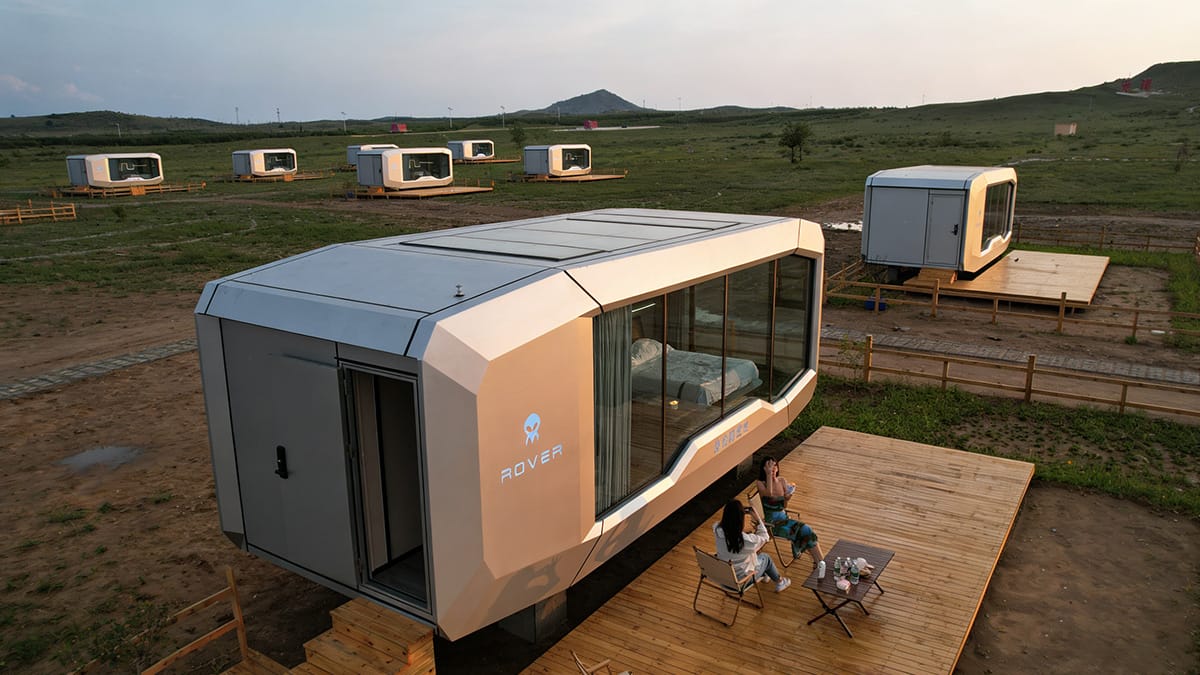
You want a capsule house that fits your life. Picking the right provider is important. Think about what matters most before you choose. Make sure the provider knows local rules and zoning. This helps you avoid delays and extra costs. Ask if you can change the size, layout, or utilities. The house should fit your needs. Look for ways to save money. Capsule houses usually cost less to build and live in. Some let you live off-grid, so you save even more. It is good to pick energy-efficient designs. These lower your bills and help the planet.
Factor | Description |
|---|---|
Regulatory Hurdles | You need to know local laws, zoning, and building codes. This helps you avoid delays and extra costs. |
Customization Options | Think about size, layout, and utilities. Make sure the capsule house fits what you want and need. |
Financial Advantages | Capsule houses can help you spend less on building and living. Off-grid options save even more money. |
Sustainability Features | Many capsule houses are made to save energy. This means lower bills and less harm to the earth. |
Tip: Ask for references and read reviews. Pick a provider with good experience and support.
Customizing Your Capsule House
You can make your capsule house feel like home. Pick your favorite colors and materials. Choose smart tech that makes life easier. You can add solar panels or rainwater systems. Change the layout for your family or hobbies. Some providers let you add more pods or rooms. You decide how much space you want. You can pick furniture that folds away or storage that hides messes. Customizing helps you make a space that shows your style.
Installation and Maintenance
It is fast to set up a capsule house. Most pods come ready to use. You just need a flat spot and basic hookups. The provider does most of the work. Taking care of your house is easy. Steel and aluminum frames last a long time. Check for leaks or clean solar panels sometimes. Built-in systems do not need much care. If you find a problem, call the provider for help.
Note: Keep a checklist for regular care. This keeps your home safe and comfy.
Navigating Regulations
You must follow local rules when you build a capsule house. Check zoning laws and permits before you start. Some places have strict rules for new homes. Ask your provider for help with paperwork. They know what you need to do. If you want to live off-grid, check water and power rules. Knowing the rules helps you avoid problems and keeps your project moving.
Capsule homes give you a smart way to live green. You save money, use less energy, and enjoy a cozy space. These homes fit many lifestyles. Want to try something new? Think about what you need most in a home. If you feel curious, check out more prefab and dome house options.
Tip: Start small. Visit a model or talk to a builder. Your next home could be a capsule!
FAQ
What is the lifespan of a capsule house?
Most capsule houses last over 50 years. Builders use strong steel and aluminum. You do not need to worry about rust or weather damage. Regular checks help your home last even longer.
Can you live in a capsule house year-round?
Yes, you can! Capsule houses have good insulation and smart climate control. You stay warm in winter and cool in summer. Many people use them as their main home all year.
How do you get water and electricity in a capsule house?
You can connect to city water and power. Some models use solar panels and collect rainwater. You choose what works best for your land and needs.
Are capsule houses safe in storms or earthquakes?
Capsule houses are very safe. They can handle strong winds and big earthquakes. The design uses tough materials and smart engineering. You stay protected in bad weather.