

30 Apr What Is a Capsule Home and How Does It Work
A capsule home gives you a compact and modern way to live. You get a small, efficient space that feels futuristic and flexible. Many people choose capsule homes because they are affordable. Prices range from $20,000 to $100,000, while traditional small houses often start at $200,000. You still enjoy modern comforts but spend less money. The global market for capsule homes keeps growing.
Year | Market Size (USD) | CAGR (%) |
|---|---|---|
2024 | 262.9 Million | 8.8 |
2030 | 432.5 Million |
|
You find that a capsule can fit your needs for simple, self-sustained living.
Key Takeaways
Capsule homes are a cheaper place to live. They cost between $20,000 and $100,000. Regular homes usually start at $200,000. These homes use strong materials and smart designs. This makes them save energy and last a long time. They can last more than 50 years. You can set up a capsule home very fast. Sometimes it only takes one day. This saves you time and money compared to building a regular house. Capsule homes use new technology. You can control things like lights and temperature with your phone. This makes life easier and more comfortable. Capsule homes can be used in many ways. People use them as guest houses, offices, or vacation places. Many different people like them.
Capsule Home Basics
What Is a Capsule Home
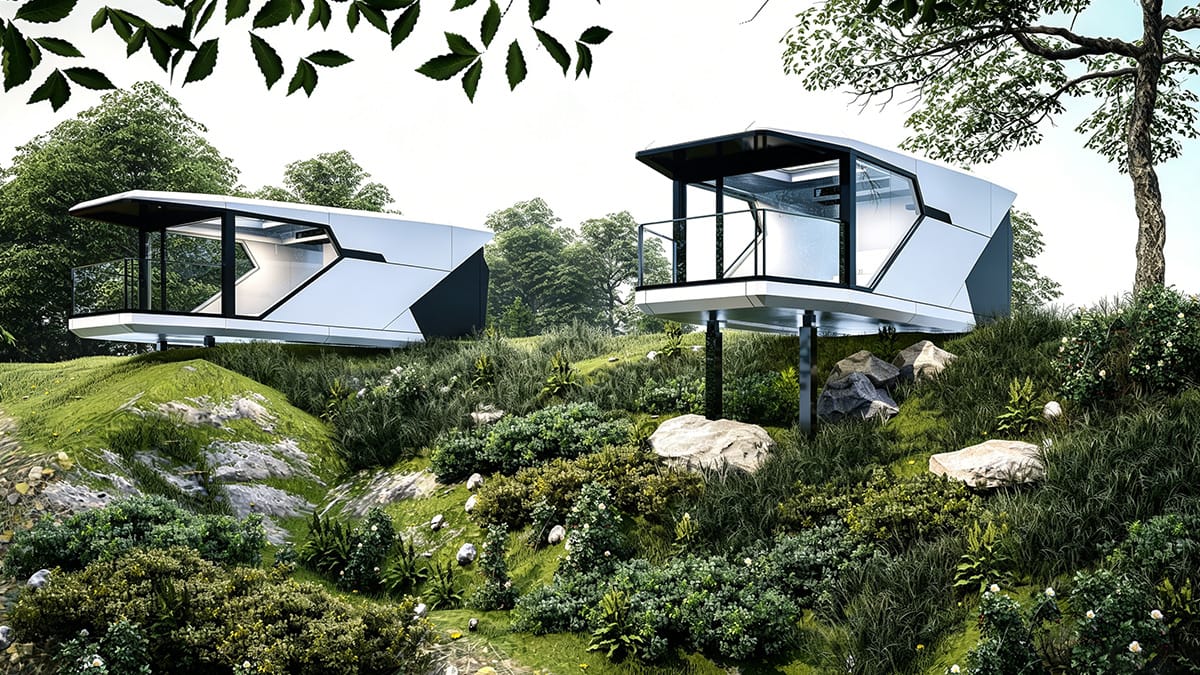
A capsule home is a new kind of living space. It focuses on being efficient, comfortable, and smart. The layout is small but gives you what you need. It does not take up much room. Capsule homes use modular construction. This means you can add or remove parts as you want. The space looks modern and sometimes even futuristic. You will see clean lines and cool technology inside.
Capsule houses are built with strong materials. Most use a hot-galvanized seismic steel frame. They also have aluminum alloy panels and double-glazed low-E tempered glass windows. These materials help the house stay safe in storms or earthquakes. The insulation is very good. It keeps your energy bills low and your home cozy.
Here is a table that compares capsule houses to other small homes:
Feature | Capsule Houses | Traditional Tiny Homes | Container Homes |
|---|---|---|---|
Width | Typically 10.5 feet | Often 8 feet | Typically 8 feet |
Energy Efficiency | R-25+ insulation, 65% more efficient | Varies, often lower | Typically poor |
Smart Technology | 70% of new models use IoT systems | Less common | Less common |
Most capsule homes are about 8.5 meters long, 3.3 meters wide, and 3.2 meters high. You get about 28 square meters, or 301 square feet, of space. This is enough for two to four people. Capsule houses usually weigh between 6.8 and 7.5 tons. They can last more than 50 years. This makes them a smart choice for the future.
How Capsule Homes Work
Capsule homes use a modular system. This makes them easy to set up and move. You get your capsule house already built. You do not have to wait weeks for it to be finished. Most can be installed in just one day. This saves you time and money compared to other small homes.
Capsule homes work well in many climates. The insulation can cut your heating and cooling needs by over 60%. Many capsule houses also have solar power and eco-friendly materials. You can live off-grid or connect to local utilities.
Capsule homes use smart technology. About 70% of new models have IoT systems. You can control lights, temperature, and security from your phone. This helps you save energy and enjoy a modern life.
Capsule houses are also very strong. They can handle hurricane winds and earthquakes. The design keeps you safe and comfortable in bad weather.
Here are some important features of a capsule house:
Characteristic | Description |
|---|---|
Typical Size | ~8.5 m × 3.3 m × 3.2 m (D5 model) |
Floor Area |
|
Occupancy | Designed for 2–4 people |
Weight | ~6.8–7.5 tons |
Materials | Seismic steel, aluminum alloy, double-glazed glass |
Energy Efficiency | Superior insulation, reduces heating/cooling by 60%+ |
Installation Speed | Fully built, ready in days |
Durability | Withstands high winds and seismic activity |
Sustainability | Solar power and eco-friendly materials available |
You can use capsule homes for many things. Here are some common uses:
Housing for remote workers
Shelters for disaster relief
Extra units for rental income
Boutique hotels and glamping sites
Portable offices or small shops
Real estate projects
Special retreats for wellness or luxury camps
Who Chooses Capsule Houses
You may wonder who likes capsule houses. Many people pick them for their flexibility, price, and style. Capsule homes attract young professionals and retirees. If you like simple living, you will enjoy the clean design. People who care about the environment also choose capsule houses. They use less energy and have green features.
Capsule houses are good for both cities and the countryside. You can use one as your main home, a guest house, or a vacation spot. Some people use them as a second home or rent them out for extra money.
Here are the main groups who choose capsule houses:
Demographic Group | Characteristics |
|---|---|
Solo Travelers | Prefer tailored experiences, growing market share |
Generation Y | Ages 21-34, world travelers, seek cultural vacations, prefer inexpensive lodging |
Generation Z | Cost-conscious, want immersive experiences, favor basic amenities |
Families and retirees also like capsule homes. They are strong and easy to take care of. If you want a prefab house that is simple to install and move, a capsule house is a good choice. People who like sustainability, technology, and simple living find capsule homes perfect.
Tip: If you want a home that is easy to care for, saves energy, and is ready fast, a capsule house is a great option.
Features of Capsule Houses
 Design and Layout
 Design and Layout
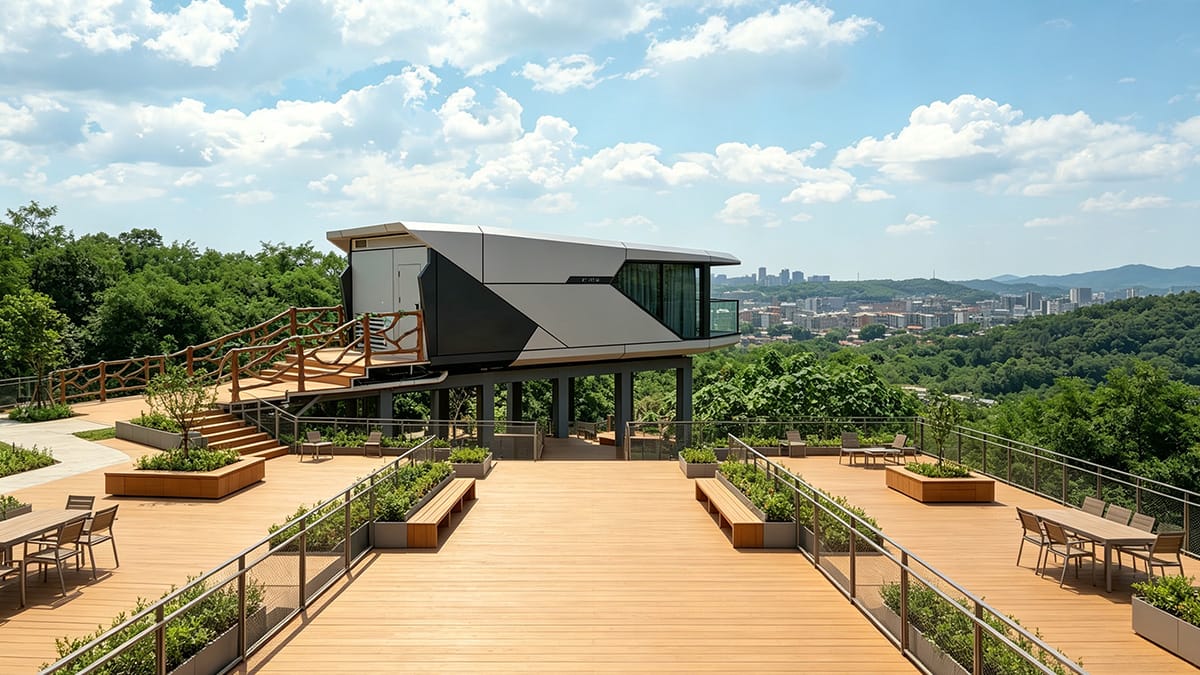
When you walk into a capsule house, it looks like a spaceship. The inside feels modern and smooth. High ceilings and big windows make the room seem larger. You will see furniture that can change shape and hidden places to store things. Beds and seats can fold up when you do not need them. Movable walls help you make different spaces for sleep, work, or rest. The smart design keeps everything simple and tidy.
Size | Features |
|---|---|
8’ x 12’ | Foldable bed, compact desk, built-in storage, multi-functional furniture. |
10’ x 16’ | Tiny kitchenette, separate bathroom, lofted beds to free up floor space. |
12’ x 20’ | Movable dividers, adaptable furniture for separate areas for sleeping, working, and unwinding. |
High ceilings
Large windows
Modular furniture
Fold-down beds and seating
Lofted spaces
Materials and Construction
Capsule houses use strong materials and look modern. Steel frames make the house sturdy and safe. Aluminum panels do not rust and are easy to care for. Fiberglass is tough and simple to clean. Composite panels and foam keep the house warm or cool. Fiber cement helps the house last longer and stay safe in bad weather. These materials help capsule homes stay strong for many years.
Benefits | |
|---|---|
Steel | Provides strong structural integrity, is solid, and recyclable. |
Aluminum | Lightweight, non-corrosive, and low maintenance. |
Fiberglass | Durable, moldable, and easy to clean. |
Composite panels | Efficient for insulation and structural integrity. |
Polyurethane foam | Excellent insulation, energy-efficient, and helps with temperature control. |
Modular and Custom Options
Capsule houses can be built in different ways. You can set up a capsule house fast, even far away from cities. You can change the look or style to fit your needs. Capsule houses are built much faster than normal homes. You do not need as many workers or as much time. This makes capsule homes cheaper to build. You can pick a custom capsule house that matches your taste.
Modular homes allow for quick installation.
Customization enhances flexibility.
Capsule houses can be constructed 40% faster.
Faster construction saves money.
Thermal Resistance and Self-Sustained Systems
Capsule houses work well in very hot or cold places. They keep heat inside much better than regular homes. The capsule does not let much air escape. Floor heating and special AC units help you feel good inside. Capsule homes have strong frames and tough outsides. Utilities are already set up, so moving in is easy. The capsule can handle bad weather and still save energy.
Feature | Capsule Homes Performance | Conventional Homes Performance |
|---|---|---|
Temperature Range | -31°F to 140°F (-35°C to 60°C) | Varies, often less extreme |
3.2m²·K/W (six times more efficient) | Typically lower efficiency | |
Air Tightness | n50 = 0.45 (very low air leakage) | Generally higher air leakage |
Heating Options | Floor heating (water circulation or graphene) | Limited options |
Cooling Options | Split AC units tailored for each model | Standard AC units |
Tip: Capsule homes use smart technology to keep you comfortable and save energy in any weather.
Benefits and Challenges of Capsule Homes
Affordable Living and Cost Savings
 Affordable Living and Cost Savings
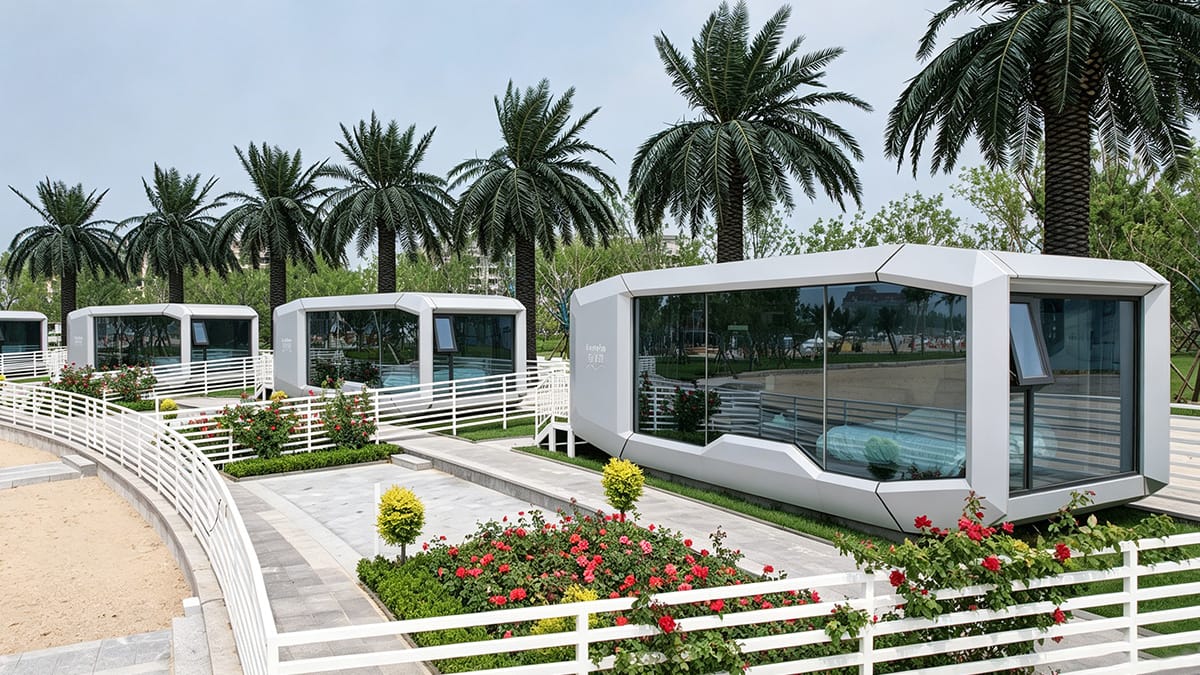
Capsule homes let you live in a nice place for less money. They cost much less than regular houses. You save money when you build, pay bills, and fix things. Many people pick capsule homes because they want a cheaper and flexible place to live. You can also get help to pay for your capsule house in different ways.
Description | |
|---|---|
Commercial Loans | Traditional bank loans or lines of credit for business capital expenditures. |
Project Financing | Loans repaid from the cash flow generated by the capsule houses project. |
Lease-to-Own Programs | Spread the cost over time, letting you own the units after a lease period. |
Government Grants and Incentives | Programs that support sustainable building, modular construction, or affordable housing. |
Capsule homes help you spend less with energy-saving systems and prefab designs. You pay less for heating and cooling. You also do not need to fix things as often because the materials are strong.
Sustainability and Efficiency
Capsule homes are good for the planet and city life. You help the earth when you pick a capsule house with good insulation and green materials. These things make your bills lower and help the environment. Capsule homes use appliances that save energy and strong glass windows. Special coatings and air gaps keep your home warm or cool.
Benefit | |
|---|---|
Advanced insulation | Minimizes energy loss, enhances efficiency |
Energy-efficient appliances | Reduces overall energy consumption |
Eco-friendly materials | Lowers environmental impact |
Double-strength tempered glass | Enhances safety and energy efficiency |
Low-E coating | Regulates temperature, reducing energy use |
Insulated air gap | Improves thermal insulation, lowering costs |
Capsule homes use about 65% less energy than normal houses. You use less water and power. You also help make the future greener.
Space and Privacy Limitations
Capsule homes have some problems with space and privacy. The small size can feel tight, especially for big families. Open rooms can make it hard to have your own space. Some people feel strange or not safe because there is not much privacy.
Lack of privacy can be a concern in open-space capsule houses.
Limited space may not suit everyone, especially bigger families.
Capsule homes use smart ideas to give you more privacy. Thick walls and sliding doors make different areas for sleeping and living. These things help your prefab house feel better.
Challenge | Solution |
|---|---|
Thin walls and open layouts can make privacy a concern. | High-density soundproofing and smart layouts with sliding partitions or distinct zones. |
Legal and Zoning Issues
You need to check the rules before you put a capsule home somewhere. Many cities have strict laws and building rules. You might need special papers for your capsule house. Some places do not let you have prefab houses or flexible homes. Hooking up water and power can cost more than you think. Getting a loan or insurance can also be harder.
Building permits are required for construction and safety.
Zoning laws may restrict the size and type of capsule houses.
Neighborhood opposition can happen due to unfamiliarity.
Infrastructure costs for utilities can be high.
Financing and insurance can be challenging.
Local rules decide if you can have a capsule home, where you can put it, and what you need for building and power. These rules are different in each place, so always check before you buy or set up a capsule.
Capsule homes have lots of good things, but you should know the problems before you pick this simple and green way to live.
Installation and Maintenance of Capsule Houses
Installation Process
 Installation Process
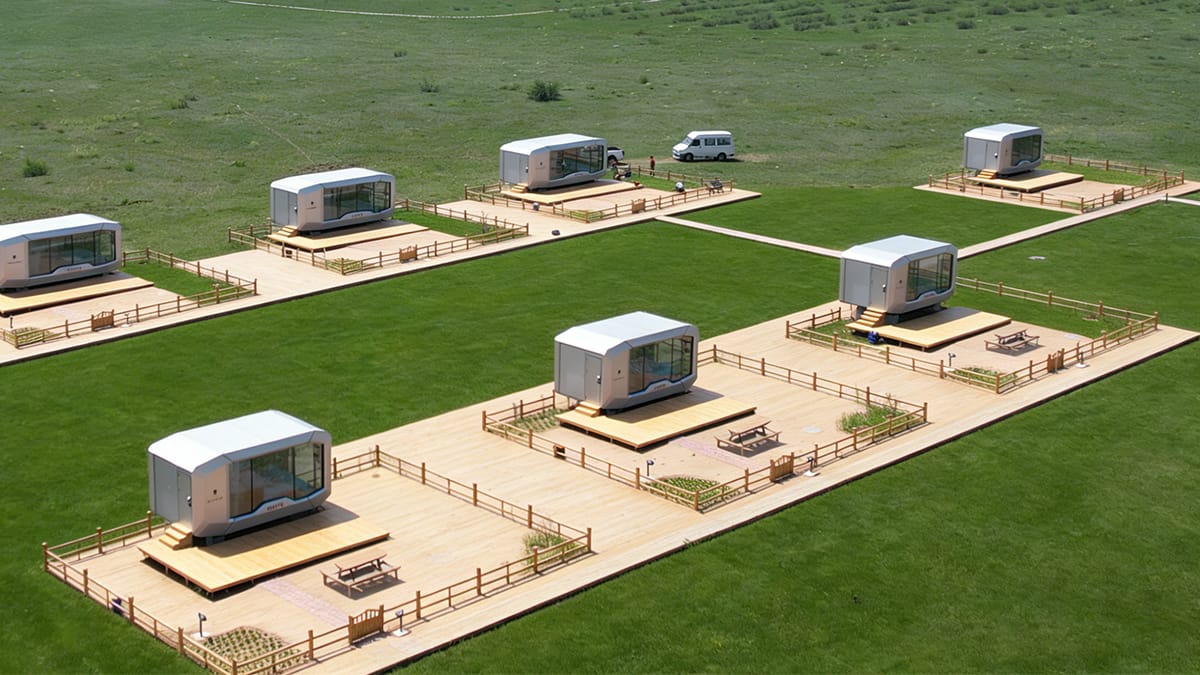
Capsule homes are much faster to install than regular houses. You can finish the setup in just a few weeks. Here are the main steps you will follow:
Planning and Preparation: Pick where you want your capsule house. Gather your tools and get the right permits. Make a checklist so you do not forget anything.
Foundation Set-up: Choose the best foundation for your land. Make sure the ground is flat and strong. Put the foundation in place.
Delivery and Inspection: Move your capsule house to your site. Check it for any damage before you accept it.
Connecting Utilities: Hook up power, water, sewer, and gas. Make sure everything follows local rules.
Final Inspections and Adjustments: Look over the house and all systems. Fix any problems before you move in.
Type of Home | Installation Time |
|---|---|
Capsule Homes | |
Traditional Homes | Several months |
Site Preparation
You need to get your land ready before your capsule comes. First, check that the ground is flat and strong. Capsule houses have feet that adjust, so they work on many types of land. Set up power, water, and sewer lines. If you do not have city services, use holding tanks. Make sure your land is close to roads and utilities. Stay away from places that flood or have bad weather. Test the soil to see if it is safe. Always get the right permits before you start.
Flat, strong ground is needed for your capsule house.
Gravel, packed dirt, or concrete pads work well.
Being close to power and roads makes things easier.
Look for pipes or wires under the ground.
Get all the permits you need.
Maintenance Needs
Capsule homes are made with tough materials that last a long time. You will spend less money and time fixing things than with regular houses. The design helps you avoid many common problems. Most people pay between $200 and $2,000 each year for upkeep. This depends on how you use your capsule and the weather. Check the house and its systems often to keep it in good shape.
Tip: Checking your capsule often helps it last longer and keeps you safe.
Budgeting Tips
When you plan for a capsule house, think about every cost. You need to save money for moving and setting up your capsule. These costs change depending on where you live. Make sure you pay for the foundation and hooking up utilities. Save some money for regular checks and repairs. Insurance is important to protect your capsule house. Expect some small fixes, especially to the outside. Capsule homes have good insulation and save energy, so you will pay less for heating and cooling. This makes capsule houses a smart and green choice for many people.
Plan for all moving and setup costs.
Add foundation and utility hookup fees.
Do regular checks to keep your capsule safe.
Put insurance in your budget.
Save money with energy-saving features.
You now know that a capsule home is small, cheap, and modern. Capsule homes use strong materials and smart designs. This makes them save energy and easy to set up. Capsule houses have green features and work for many people. You pay less for bills and can move in fast. The space can change to fit what you need. Before you pick a capsule home, think about your needs. Check if you will be comfortable and look at local rules.
Pros | Cons |
|---|---|
Good for the planet | Not much space |
Not much privacy | |
Saves money | Harder rules |
Works well in cities | Might feel strange |
FAQ
What is the lifespan of a capsule home?
You can expect a capsule home to last over 50 years. The strong steel frame and weather-resistant materials help your home stay safe and sturdy for decades.
Can you move a capsule home to a new location?
Yes, you can move your capsule home. The modular design makes transport easy. You only need a truck and a crane for relocation.
Do capsule homes work in cold or hot climates?
You can live comfortably in a capsule home in most climates. The insulation and airtight design keep you warm in winter and cool in summer.
How do you maintain a capsule home?
You should check the roof, windows, and systems every year. Clean surfaces with mild soap. Fix small problems quickly to keep your home in top shape.