

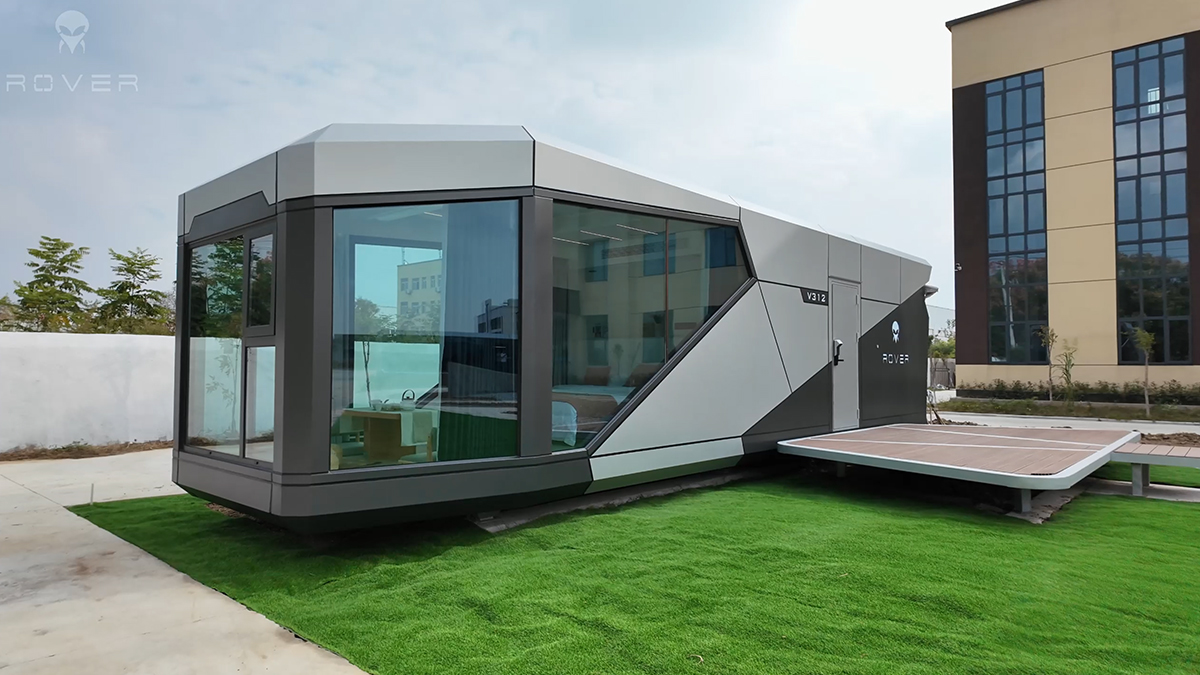
17 Mar Top Tips for Picking the Perfect Pod House for Your Lifestyle
Have you ever thought about how to choose the right pod house for you? Picture waking up in a warm capsule pod house that fits your life and the weather where you live. Before you look for one, ask yourself why you want a pod house. Maybe you want a home that saves money, helps the planet, or is easy to move. There are choices that help you live simply, build fast, or live off the grid. When you pick features that fit your life, you will feel sure about your choice.
Key Takeaways
Think about why you want a pod house. Choose if you will live, work, or rent it. This helps you pick the right kind.
Match what the pod house has to what you need. Think about what is important for you. You might want a nice kitchen or quiet walls for an office.
Plan your space carefully. Use smart ideas to save space. This makes small rooms feel bigger and more useful.
Look at local zoning laws before you buy. Knowing the rules can help you save time and money later.
Make a budget for every cost. Remember to add extra costs like delivery, setup, and fixing things. This helps you not get surprised later.
Define Your Purpose and Pod House Type

Main Uses: Living, Office, Rental
You should know why you want a pod house before you buy one. Do you want a small home to live in? Maybe you need a quiet place to work in your backyard. Some people want a pod house for guests to stay in. Others want to rent out a tiny home to make extra money. Many people like the idea of living simply in a small space.
There are many kinds of pod houses you can pick from. Each type is made for a special reason. Here are some common choices:
House Pods: These are good for living or for older family members.
Resort Pods: These work well for vacation rentals or guests.
Commercial Pods: These are best for offices or small businesses.
If you want to live in your pod house, pick one with a kitchen, bathroom, and a place to sleep. If you need a place to work, look for soundproof walls and lots of sunlight. If you want to rent it out, choose strong materials and things that are easy to clean.
Let’s check out some popular pod house types and what they have:
Features | Suitable For | |
|---|---|---|
WorkPod Versatile | Easy to put together, can be used for many things | Residential, Rental |
Backcountry Hut | Modular style, uses eco-friendly materials, has won awards | Residential |
Ecospace Studio | Modern look, helps you work and enjoy your space | Office, Residential |
OfficePOD | Easy service, gives you a quiet place to work | Office |
Autonomous Backyard Pod | Looks nice, saves energy, lets you work close to family | Office, Residential |
Match Features to Your Needs
What you want to use your pod house for will decide what features you need. If you want a home office, you need a space that is flexible and uses space well. If you want to rent it out, you need strong materials and a design that saves money. If you want to live in it, you need it to feel cozy and have smart places to store things.
Here is a simple chart to help you match features to your needs:
Home Offices | Rentals | |
|---|---|---|
Flexibility | Needed for making changes | Not as important, focus on basics |
Compactness | Good for saving space | Bigger spaces might be better |
Customization Options | Very important for your own needs | Not as important, save money |
Durability | Not as important | Very important for long use |
Cost-Effectiveness | Important but also want good features | Very important to keep costs low |
Tip: Write down your top three needs before you start looking. Do you want privacy, easy cleaning, or lots of windows? This list will help you stay focused.
Think about how your pod house will fit into your life. If you work from home, you may want a quiet spot away from noise. If you want to rent it out, pick things that are easy to clean and fix. If you want a granny pod, make sure it is safe and comfy.
Some pod houses have cool extras like solar panels, smart locks, or eco-friendly insulation. These things can make living in a tiny home easier and more fun. Always pick features that match what you need most. This way, you get the best value for your money.
Size, Layout, and Space Planning
Assess Square Footage
When you start looking at pod houses, you might wonder how much space you really need. Think about your daily routine. Do you live alone, or do you have family or friends who will share the space? Most pod houses for one person give you up to 440 square feet. Family pod houses can also fit in this range, so you do not always need a bigger pod for more people.
Pod houses for single occupancy: up to 440 square feet
Pod houses for family use: often up to 440 square feet, too
You should walk through your current living space and see what you use most. Maybe you need a bigger kitchen, or you want a cozy spot for reading. Write down your must-haves. This list will help you pick the right size.
Tip: Less space can mean less cleaning and lower bills. A smaller pod house can still feel roomy if you plan the layout well.
Plan Layout and Storage
A smart layout makes a small space feel much bigger. You can use clever tricks to make every inch count. Designers use special furniture and storage ideas to help you stay organized and comfortable.
Description | |
|---|---|
Multipurpose Furniture | A sofa that turns into a bed or a table that folds away when not in use. |
Foldable and Retractable Items | Murphy beds or drop-down desks that you can hide when you need more space. |
Vertical Storage | Tall cabinets and shelves above doors or windows to use wall space. |
Hidden Compartments | Secret drawers or storage under the floor to keep things tidy. |
You will notice that the inside of a pod house focuses on making every square foot useful. Clever layouts and storage tricks help you keep your home neat and open. Try to picture where you will put your clothes, kitchen tools, and favorite books.
Note: If you plan your layout before you buy, you will feel happier in your new space.
Zoning Laws and Foundation Needs
 Check Local Regulations
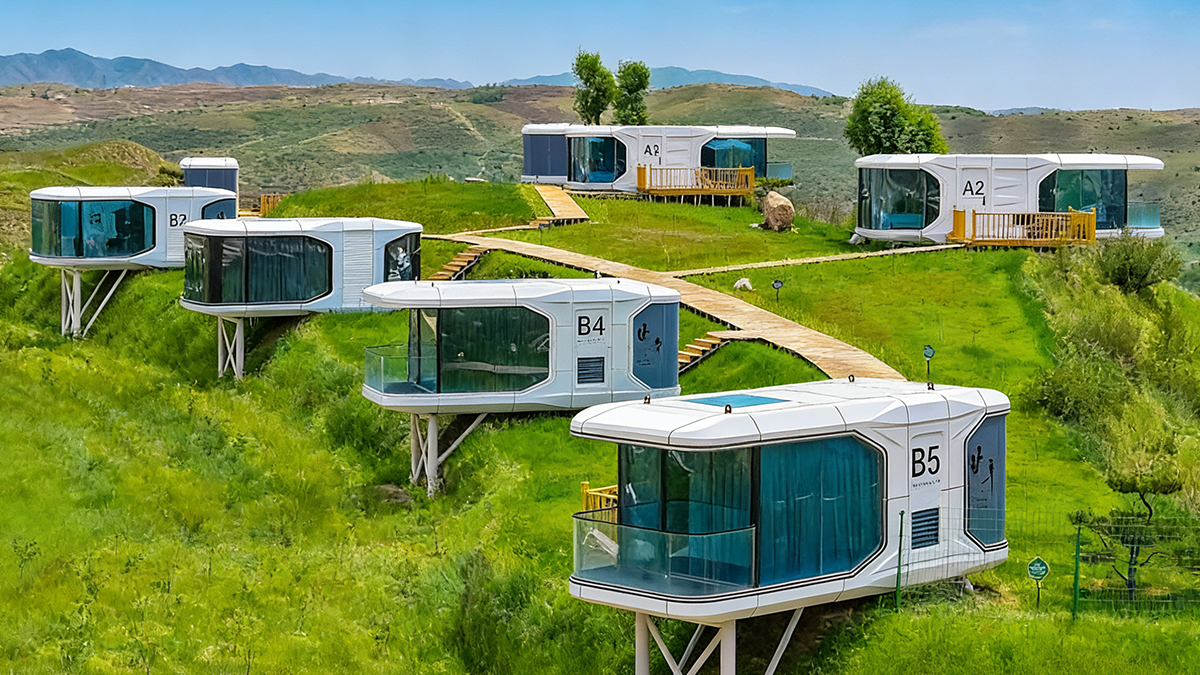 Check Local Regulations
Before you set your heart on a pod house, you need to check the rules in your area. Zoning laws can change a lot from one place to another. In cities, you might find it easier to get a permit for your pod house. For example, in places like Philadelphia, the process is often simple and quick. You can put a pod house on a small lot, sometimes as little as a quarter acre.
If you live in the country, things can get tricky. Rural areas often have stricter rules. You may need a bigger piece of land—sometimes one or two acres. These rules help with things like setbacks and making sure you have enough space for utilities. Some places only let you put a pod house in certain zones, like residential areas. If your land is in an agricultural zone, you might face more limits.
Tip: Call your local building office before you buy. Ask about permits, lot size, and where you can put your pod house. This step can save you time and money.
Foundation Options
After you know the rules, you can think about how your pod house will sit on the land. The foundation is important for safety and comfort. You have a few choices:
Concrete slab: This is a flat, solid base. It works well if you want a sturdy floor.
Pier and beam: This uses posts to lift your pod house off the ground. It helps with drainage and works on uneven land.
Skids or runners: These let you move your pod house if you need to. They are good for temporary setups.
Here’s a quick table to help you compare:
Foundation Type | Best For | Pros |
|---|---|---|
Concrete slab | Permanent homes | Strong, long-lasting |
Pier and beam | Sloped or wet sites | Good drainage, flexible |
Skids/runners | Moveable pod houses | Easy to relocate |
Pick the foundation that fits your land and your plans. The right choice will keep your home safe and steady for years.
Site Assessment for Best Pod House Placement
Terrain and Drainage
You want your pod house to feel safe and comfortable every day. Before you pick a spot, look at the land. Is it flat or sloped? Wet or dry? Good terrain helps your home last longer and keeps you happy. If the ground gets soggy after rain, water can damage your foundation. Pick a spot that drains well so water moves away from your house.
Here are some things to check before you set up your pod house:
Make sure the ground is solid and not too soft.
Look for places where water collects after rain.
Check if you need to clear bushes or trees for easy setup.
Think about how wind moves around your site.
Make sure trucks can reach your spot for delivery.
Tip: Walk around your land after a big rain. You will see where water pools and where the ground stays dry.
Sun Exposure and Utilities
Sunlight can make your pod house bright and warm. If you plan well, you can save money on energy. Place your house where it gets good sun during the day. This helps if you want to use solar panels or just enjoy a sunny room.
You also need to think about power, water, and waste. Some people want to live off the grid, but most need easy access to utilities. Plan where you will connect to water and electricity. If you want to use solar power, pick a spot with lots of sunlight.
Here’s a table with best practices for sun and utility planning:
Best Practice | Description |
|---|---|
Solar Power Integration | Use solar panels if your site gets good sun. |
Battery Storage | Store extra power for cloudy days. |
Efficient Plumbing/Electrical | Set up systems that save water and energy. |
Site Planning | Think ahead about where to put everything. |
Grid Connection | Connect to city power if you need more energy. |
Note: Good planning now means fewer problems later. You will enjoy your pod house more if you pick the right spot.
Energy Efficiency and Systems
Insulation and Climate Control
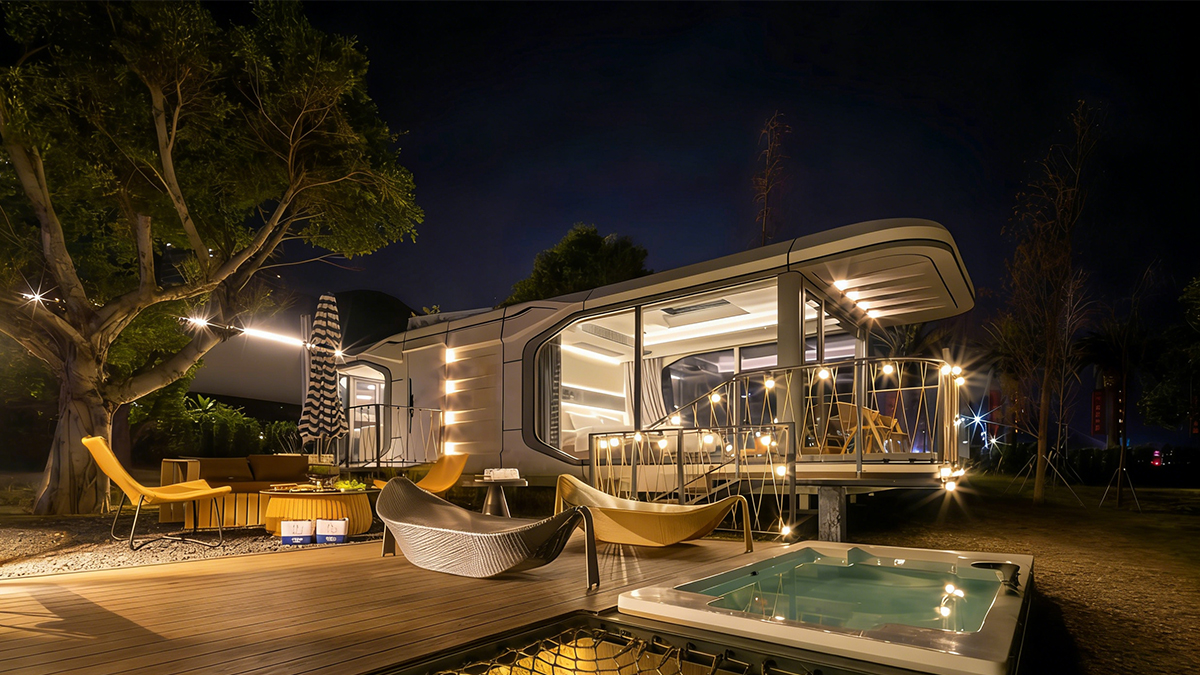 Insulation and Climate Control
You want your pod house to be comfy all year. Good insulation keeps you warm in winter. It also keeps you cool in summer. This helps you save money on energy bills. If you live where the weather is harsh, you need strong insulation. There are many materials you can pick. Each one has its own good points for safety and comfort.
Here’s a quick look at popular insulation choices for pod houses:
Insulation Material | Properties |
|---|---|
Rigid Foam Insulation | Excellent thermal resistance |
Spray Foam Insulation | Superior heat-resistant properties |
Mineral Wool Insulation | Great thermal insulation capabilities |
Fiberglass | Good thermal resistance |
Rock Wool | Effective in extreme climates |
Natural Wool | Eco-friendly insulation option |
Cotton | Sustainable and effective |
Straw | Natural insulation material |
Cellulose | Recycled material with good insulation |
Polyurethane Foam | High thermal resistance |
Polystyrene Foam | Lightweight and effective |
Polyester | Durable and effective |
Soy Foam | Eco-friendly alternative |
If you pick an insulated sandwich-panel pod house, you get extra help. It keeps out heat and cold better. This kind of pod house helps you stay safe and cozy. It works well no matter what the weather is like outside.
Tip: Always check if your insulation has safety features. Some materials stop fire and mold. This keeps your home safer.
Water, Power, and Sustainability
You can make your pod house greener with smart water and power systems. Many pod houses use new technology to save energy. You might see triple-glazed windows or heaters that use less power. These things help you use less energy and keep your home safe.
Pod houses often use solar panels for power. You can also add systems that save water. These upgrades make your home easier for everyone to use and take care of.
Here’s a table with top sustainable solutions:
Feature | Description |
|---|---|
Solar Power | Integration of rooftop solar panels for renewable electricity. |
Water Conservation | Implementation of rainwater harvesting, greywater recycling, and low-flow fixtures. |
You get better access when you plan for easy water and power. These systems also make your home safer for you and your family. Pod houses are built to save energy from the start. Old homes may need updates, but pod houses are ready to help you save.
Note: When you pick energy-saving systems, you help the planet. You also make your life better every day. Your pod house will be safer and easier for everyone.
Must-Have Features for Your Pod House
Off-Grid and Luxury Options
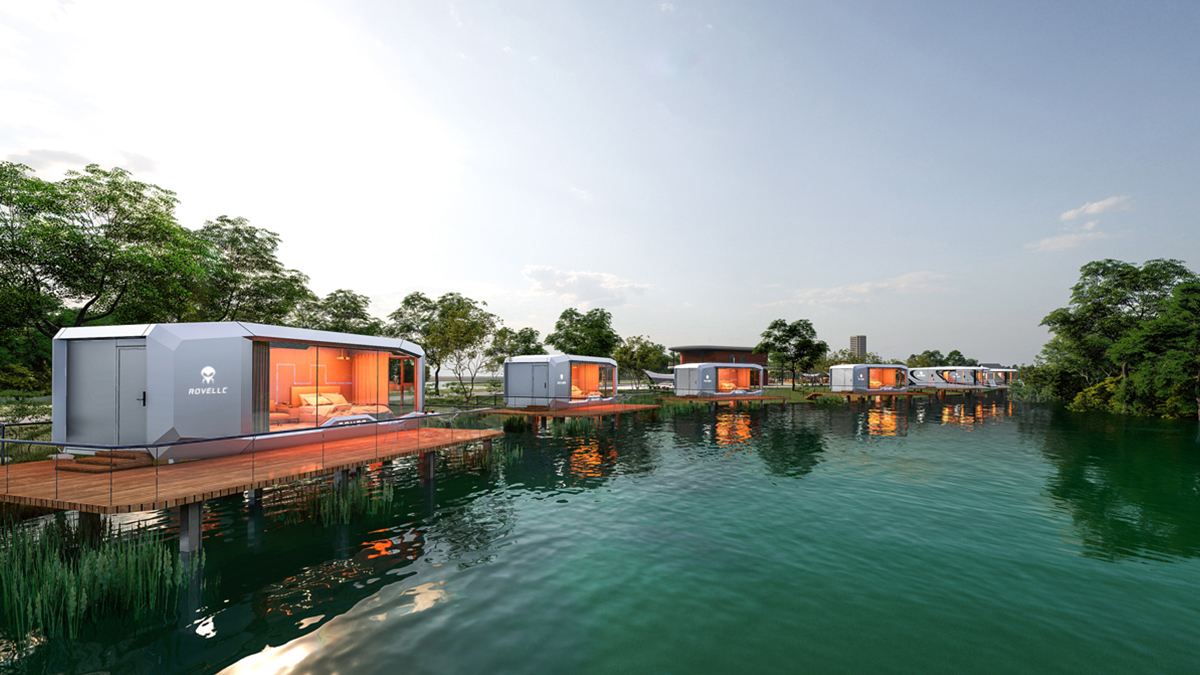 Off-Grid and Luxury Options
When you dream about your perfect pod house, you might want it to work anywhere. Off-grid options give you freedom and help you save money. You can place your pod almost anywhere, so you get to choose your favorite spot. Solar panels cut out monthly energy bills, which means you keep more money in your pocket. Off-grid systems also help you live in a way that is good for the planet. You control your own energy, so you do not worry about power outages or rising costs.
Here are some reasons people love off-grid pod houses:
Freedom of location lets you pick the best spot for your lifestyle.
Lower utility costs help you save money every month.
Sustainable living supports eco-friendly habits.
Resilience and independence give you peace of mind.
If you want something special, luxury features can make your pod house feel like a high-end retreat. Many people ask for fancy designs and smart technology. You might see hardwood floors, marble countertops, or even smart home systems that let you control lights and music with your phone.
Luxury Feature | Description |
|---|---|
Opulent Design | Upscale looks that make small spaces feel grand. |
Premium Materials | Hardwood floors, granite or marble counters, and designer fixtures. |
Advanced Technology | Smart home systems for lights, sound, and climate control. |
List Your Essentials
Before you buy, make a list of what you need most. Do you want a pod house for guests, or do you need a quiet office? Some people want granny pods for older family members. Others want a cozy home with lots of sunlight. Write down your top must-haves, like a good kitchen, safe bathroom, or easy-to-clean floors.
Tip: Start with your daily routine. Think about what makes you comfortable and happy. Your essentials will help you pick the right pod house for your life.
Budget and Hidden Costs
Upfront and Long-Term Expenses
When you look at pod houses, you might think the price is simple. The truth is, the total cost can surprise you. You need to plan for more than just the sticker price. Here’s what you should expect:
Average cost range for pod houses: $20,000 to $250,000
Prefab units usually cost between $40,000 and $125,000
Custom-built units can cost $100,000 to $250,000 or more
Foundation costs often run from $5,000 to $15,000
Utility connections may add $10,000 to $30,000
Permits and fees can cost $1,000 to $5,000
Interior finishing might cost $10,000 to $50,000
If you want to keep your budget in check, make sure you add up every cost. Tiny homes can look affordable at first, but extras add up fast. You should also think about long-term expenses. These include repairs, upgrades, and utility bills. Planning ahead helps you avoid surprises and keeps your home comfortable for years.
Tip: Write down every cost you can think of before you buy. This step helps you stay on track and avoid stress later.
Delivery, Installation, Maintenance
Getting your pod house set up is another big step. Some costs hide in the details. Take a look at this table to see what buyers often miss:
Estimated Cost Range | |
|---|---|
Crane rental for placement | $3,000 – $10,000 |
Soil testing and grading | $2,000 – $8,000 |
Septic system installation | $15,000 – $30,000 |
Additional costs (overall) | 40% – 60% of base price |
You need to plan for delivery and installation. Sometimes, you need a crane to place your pod house. Soil testing and grading make sure your home sits on solid ground. Septic systems can cost a lot if you live off the grid. These costs can push your budget higher than you expect.
Tiny homes need regular care. If you choose timber, you may need to paint or stain it every few years. Polycarbonate pods are easier to clean with water and mild soap. Most pod houses last over ten years. Some, like Hypedome pods, can last fifteen years or more. They stand up to tough weather and keep your home safe.
Note: Good maintenance keeps your pod house looking new and saves you money over time.
Common Buyer Questions and Mistakes
What to Ask Before Buying
 What to Ask Before Buying
You probably have a lot of questions before you buy a pod house. That’s a good thing! Asking the right questions helps you avoid surprises. Start by thinking about your needs. Do you want a pod for yourself, guests, or maybe as one of those granny pods for a family member? Make a list of what matters most to you.
Here are some smart questions to ask:
How much will the total cost be, including delivery and setup?
What kind of foundation does this pod house need?
Are there any hidden fees or extra costs?
Can I get financing, and what are the payment options?
What is the warranty, and what does it cover?
How long will it take to deliver and install my pod house?
What maintenance will my new home need?
Tip: Always ask about local permits and rules. Some places have strict zoning laws, so you want to be sure your pod house is allowed.
Avoiding Pitfalls
Many first-time buyers make the same mistakes. You can avoid these if you know what to watch out for. Some people skip inspections or forget to budget for operating costs. Others overlook financing details or jump in without getting pre-approval. These mistakes can lead to big headaches later.
Here’s a quick list of common mistakes:
Overlooking financing details
Failing to budget for operating costs
Skipping early pre-approval
Not knowing your numbers
Encountering unexpected costs
Experts say you should always get mortgage pre-approval before you start shopping. This step helps you know what you can afford and keeps you from falling in love with a pod house that’s out of reach. Understanding the market also helps you make smart choices. If you plan to buy a pod in a community, learn about any fees or rules that come with ownership.
Remember: Being an informed buyer gives you more control. Take your time, ask questions, and double-check your numbers. Your dream home will feel even better when you know you made a smart choice.
You can find the perfect pod house when you follow a smart plan. Start with a checklist: survey your site, check utility access, plan delivery, design safe entry zones, and get written permits. Talk to local experts if you feel unsure. Remember, dream, plan, execute—success is a mindset. Before you buy, look at your needs and budget again. Whether you want granny pods or a modern home, you have what it takes to slay your day.
FAQ
What is a granny pod and who should consider one?
A granny pod is a small home designed for an older adult. You might choose one if you want your granny close but still independent. Many families use granny pods to keep granny safe and comfortable near loved ones.
Can you customize a pod house for granny’s needs?
Yes, you can add ramps, grab bars, and wider doors. You want granny to move easily and feel safe. Some pod houses let you pick special features for granny, like emergency buttons or extra lighting.
How do you keep granny comfortable in a pod house?
You can use good insulation, climate control, and soft flooring. Granny needs a warm space in winter and a cool spot in summer. You might add cozy chairs or a favorite blanket so granny feels at home.
What safety features should you look for in granny pods?
You should check for non-slip floors, easy-to-reach switches, and secure locks. Granny needs a safe bathroom and sturdy handrails. You want granny to avoid falls and feel protected every day.
Are granny pods easy to maintain?
Yes, most granny pods use simple materials. You can clean floors with mild soap and water. Granny can help with light chores. You want granny to enjoy her space without worrying about hard work.
Tip: Ask your granny what she likes best. Her ideas help you make the pod house perfect for her.