

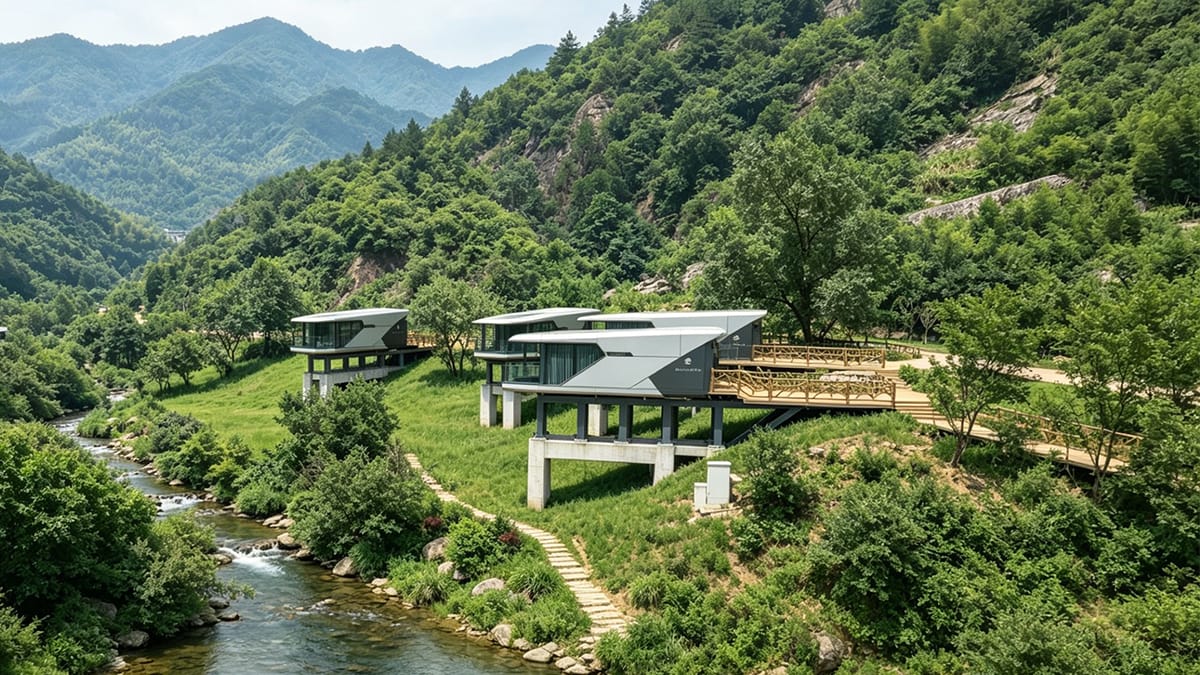
15 May A Complete Buyer’s Guide to Capsule Houses in 2026
If you want to buy a capsule house in 2026, first check if your town’s rules allow it. You must know the total cost, not just the price. Many first-time buyers forget about extra fees like shipping, upgrades, and work on the ground. Quality is very important when you buy a capsule house. Look for strong steel frames, walls that can handle bad weather, and features that save energy. You should look at the steps below before you buy:
Hire a general contractor to help with everything.
Ask your local office questions to stop problems later.
Here’s a quick table to help you buy a capsule house:
Step | Description |
|---|---|
1 | Get all the permits you need |
2 | Remove trees and plants |
3 | Make the land flat |
4 | Set up water, power, and other things |
5 | Plan for local checks |
6 | Put in a septic tank or sewer line |
This buyers guide will help you find the best capsule house for sale and help first-time buyers not make mistakes. Use this guide when you buy a capsule house and feel sure about your choice.
Key Takeaways
Look at local zoning laws before you buy a capsule house. This helps you avoid legal problems. Think about all costs, even hidden fees like shipping and installation. This helps you not spend too much money. Pick good materials and energy-saving designs for a strong and green home. Check out ways to customize your capsule house. This makes it feel special and just for you. Get experts to install your house. This keeps you safe and follows building rules.
Capsule House Guide
What Is a Capsule House?
You may ask what a capsule house is. This guide will help you learn about it. A capsule house is a small home made in a factory. It comes ready for you to use. The design looks modern and has smart features. Most capsule houses have strong steel frames. They use materials that are good for the planet. You can set up a capsule house fast. This is good if you want to move in soon.
Capsule houses are not the same as traditional modular homes. Look at this table to see how they are different:
Aspect | Capsule Houses | Traditional Modular Homes |
|---|---|---|
Construction Methodology | Built in factories for quality and speed. | Made on-site with regular building steps. |
Transportation & Installation | Moved in sections or whole units, put on permanent bases. | Built on trailers so they can move, which changes how they look and work. |
Design Philosophy | Modern style with clean lines and new technology. | Looks like a regular house but smaller. |
Regulatory Compliance | Usually follows building rules as permanent homes. | Sometimes does not follow rules because they can move. |
This guide shows capsule houses are made for quality and modern life. You get a home that fits what people need today.
Key Benefits and Drawbacks
When you look at the good things about capsule homes, you see why people pick them. Here are some main points:
You spend less money. Capsule houses cost much less than regular homes.
You pay lower utility bills over time.
You help the earth by using eco-friendly materials.
You can change your capsule house to match your style.
You can set up your home fast and move in quickly.
But there are some downsides:
The space may feel small.
Some towns have rules that make it hard to use a capsule house.
Here is a table that shows the good and bad sides:
Advantages | Disadvantages |
|---|---|
Costs less, often one-fifth the price of regular homes | Space may be small |
Saves money on utility bills | Local rules may stop you from using it |
Uses eco-friendly materials |
|
Can be changed to fit your style |
|
Can be set up fast |
|
This guide gives you a clear idea of what to expect. If you want a modern home that saves money and energy, a capsule house might be right for you.
Buy Capsule House: Essential Checklist
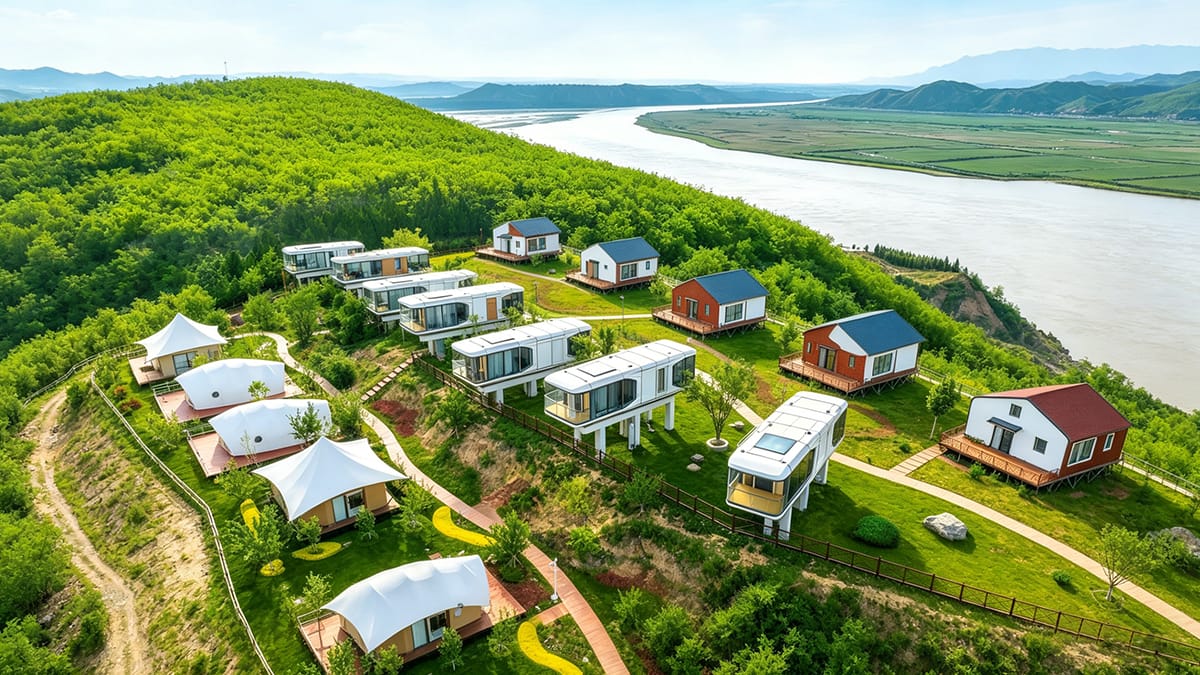 You should know what is most important before you buy capsule house. This guide helps you see the main things to think about. You want a home that lasts, fits your life, and follows local rules. Let’s look at the basics so you can choose well.
Types and Models
There are many types of capsule houses in 2026. Each type fits a different way of living. Some are for people who want luxury. Others are for people who want to live off the grid or in the city. Here is a quick look at the most popular types:
Capsule House Type | Target Persona | Key Features |
|---|---|---|
Luxury Space Capsules | Resort/Hotel owners, Glamping operators | Futuristic design, fast setup, smart-home IoT |
Self-Sufficient Eco-Pods | Environmentalists, Off-grid dwellers | Solar power, zero-energy, sustainable materials |
Modular Urban Micro-Homes | Urban developers, Student housing | Affordable, space-saving furniture, fire-resistant |
Think about how you will use your capsule house. Some types are better for city life. Others are best for nature. If you want smart compact living, pick models with built-in tech and flexible layouts. When you buy capsule house, compare the types and models to see which one fits your needs.
Zoning and Location
Zoning laws can change your plans. Before you buy capsule house, check the rules in your city or town. Some places allow capsule houses, but others have strict rules. Here are some examples from different cities:
Albany lets you add a capsule house as an accessory dwelling unit (ADU) if your lot meets the rules. You must follow design reviews to match the neighborhood.
Rochester allows tiny homes as ADUs. The city likes green spaces and eco-friendly materials.
Syracuse allows tiny houses as ADUs but has rules about how much land you can use and how close you can build to the edge.
Yonkers has stricter rules. You need detailed site plans and must tell your neighbors before building.
You may also face rules like setbacks, height limits, and coverage rules. For example, you might need to keep your capsule house 5 to 10 feet from the property line. Many places limit the height to 16–25 feet and only let you cover 40–50% of your backyard. Always ask your local office about these rules before you buy capsule house. This step will save you time and money.
Tip: Zoning laws can change. Always check the latest rules before you sign any papers.
Materials and Durability
When you buy capsule house, you want it to last a long time. The best capsule houses use strong materials that can handle weather and time. Good materials mean less work for you and a home that can last over 50 years with care. Here are the most common materials you will find:
Steel: Makes your home strong and can be recycled.
Aluminum: Light, does not rust, and easy to clean.
Fiberglass: Tough, easy to shape, and simple to wash.
Composite panels: Help with insulation and keep the structure solid.
Polyurethane foam: Keeps your home warm or cool and saves energy.
Some capsule houses also use aluminum veneer for extra strength and weather protection. Insulated panels help control temperature and keep you safe. Fluorocarbon paint keeps your home looking new for years. When you buy capsule house, always ask about the materials. Quality is more important than size or fancy extras.
Energy Efficiency
Capsule houses are great for saving energy. You save money and help the planet at the same time. Most capsule houses in 2026 use good insulation and smart systems to use less energy. Here is what you should look for:
Feature | Specification |
|---|---|
Energy Efficiency | |
Thermal Resistance | 3.2m²·K/W (six times better than old materials) |
Air Tightness | n50 = 0.45 (keeps air in and saves energy) |
You want a capsule house that keeps you comfortable in every season. Good insulation and tight seals mean lower bills and a smaller carbon footprint. If you like smart compact living, pick a model with energy efficient systems and controls.
Customization Options
You can make your capsule house special. Some people want small changes, while others want big changes. Customization changes the price, so plan your budget before you buy capsule house. Here is a table to show what you can change and how it affects cost:
Customization Type | Description | Typical Cost Increase |
|---|---|---|
Standard Configurable Options | Small changes to looks or function | 5–15% |
Bespoke Design and Structural Modifications | Big changes that need new plans and engineering | 15–30%+ |
You might want new colors, more windows, or a special layout. Standard options cost less and use designs that already exist. If you want something unique, you will pay more. Always ask your supplier what is possible and how it changes the total price.
Note: Custom features can make your capsule house feel like home, but they also add time and cost.
This guide gives you the main things to think about before you buy capsule house. Focus on quality, durability, and energy efficient systems. Check the types of capsule houses, know your local rules, and pick the right options for your needs. If you follow these steps, you will enjoy your new home for many years.
Capsule House Prices and Budgeting
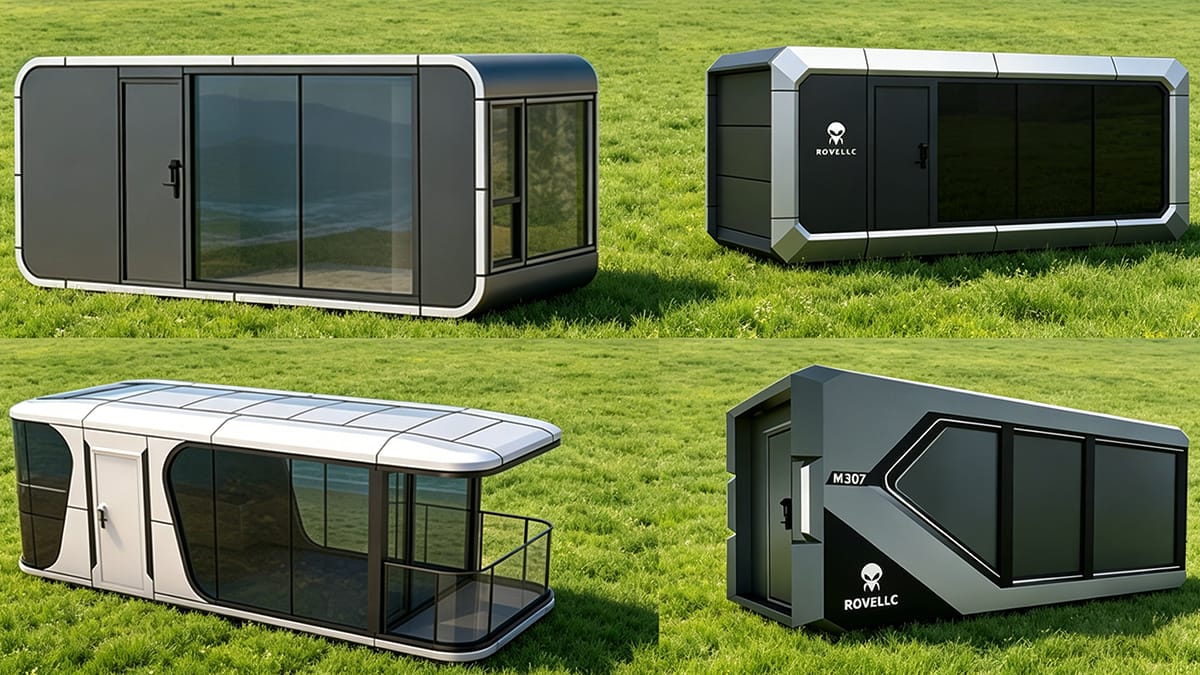 When you start looking at capsule house prices, you might feel surprised by the range. The 2026 market review shows that you can find a capsule house for almost any budget. Some people want affordable housing solutions, while others want luxury. Here’s a quick look at what you can expect:
Price Range | Description |
|---|---|
$20,000 – $30,000 | Basic studio-style capsules, compact living with essential amenities. |
$40,000 – $70,000 | Midrange options with more customization, separate rooms, and standard utilities. |
$70,000 – $100,000+ | High-end luxury models with premium materials, smart technology, and spacious designs. |
You might see basic models listed for $20,000, but most midrange capsule house prices fall between $40,000 and $70,000. Luxury capsule house prices can go over $100,000. The 2026 market review shows that prices keep changing as new features come out.
2026 Price Ranges
Capsule house prices in 2026 depend on the model and features you choose. Here’s a simple list to help you compare:
Basic models: $20,000 – $30,000
High-end luxury capsules: $70,000 – $100,000+
You get more value as you move up in price, but you should always check what is included. Sometimes, the listed price covers only the shell of the capsule house.
Hidden Costs and Upgrades
You need to plan for more than just the sticker price. Many buyers forget about hidden costs. These can add up fast and change your total price. Here are some common extra costs:
Hidden Costs/Fees | Estimated Cost Range |
|---|---|
Zoning & Permitting Fees | $500 – $5,000 |
Utility Hook-ups | $2,000 – $10,000 |
Transportation | $800 – $2,200 |
Installation Labor & Crane Rental | $1,000 – $3,000 |
Foundation Preparation | Varies based on site |
You might also pay more for land in the city. Shipping fees, foundation work, and factory markups can push your total cost much higher. In fact, the listed price is usually only 50-70% of what you will spend. Always ask for a full breakdown before you buy. This step helps you see the real value and avoid surprises.
Tip: Budgeting for a capsule house means planning for every cost, not just the price you see online.
Financing Options
You have several ways to pay for your capsule house. Some people use savings, but many choose loans or special financing plans. Banks now offer loans for capsule house prices, just like regular homes. You can also look for green energy grants if your capsule house uses eco-friendly systems. These options help you spread out the cost and enjoy significant cost savings over time.
If you plan well, you can get great value and enjoy your new home without stress. Capsule house prices may seem high at first, but you get a lot for your money.
Capsule House for Sale: Choosing a Supplier
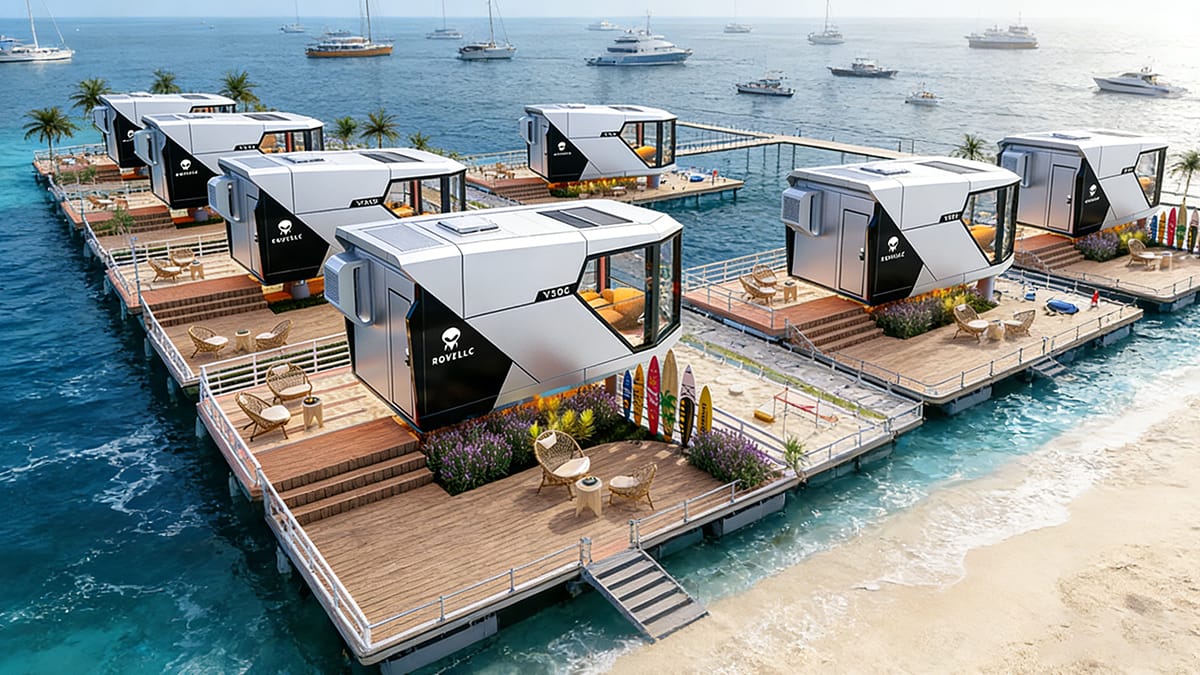 When you look for a capsule house for sale, you will find many suppliers. Some are close to you, and some are far away. Picking the best one makes buying easier.
Local vs. Overseas Options
You may ask if you should buy from a local supplier or from overseas. Here is a table to help you compare:
Criteria | Local Suppliers (Foshan) | Overseas Suppliers |
|---|---|---|
Cost | Generally higher prices | |
Lead Time | 4-8 weeks | 12+ weeks |
Customization | High customization | Limited options |
Local suppliers usually cost less and deliver faster. You can change your capsule house for sale more with local suppliers. Overseas suppliers take longer and cost more. Think about what is most important to you—speed, price, or special features.
Evaluating Quality and Reputation
Suppliers are not all the same. You want a capsule house for sale that lasts and works well. Use this table to check what makes a good supplier:
Criteria | Description |
|---|---|
Assembly Efficiency | Fast setup lets you move in sooner. |
Shipping & Container Optimization | Good shipping keeps your house safe and saves money. |
Lead Time | Short lead times help you plan better. |
Strong materials last longer and need less fixing. | |
Certification & Compliance | Proper papers mean your house is legal and safe. |
Long-Term Operating Cost | Lower costs over time save you money. |
Ask for proof of these things before you pick a supplier. A good capsule house for sale should meet all these points.
Questions to Ask Suppliers
Before you pick a capsule house for sale, talk to the supplier. Here are some smart questions to ask:
How long have you been in business?
Can you give references or stories about past jobs?
What comes with the price?
How do you help after the sale?
Tip: Good suppliers answer your questions clearly and give details. If they do not answer, look for another capsule house for sale.
Picking the right supplier helps you get a capsule house for sale that fits your needs and budget. Take your time, ask questions, and compare your choices.
Legal and Compliance
 Permits and Zoning
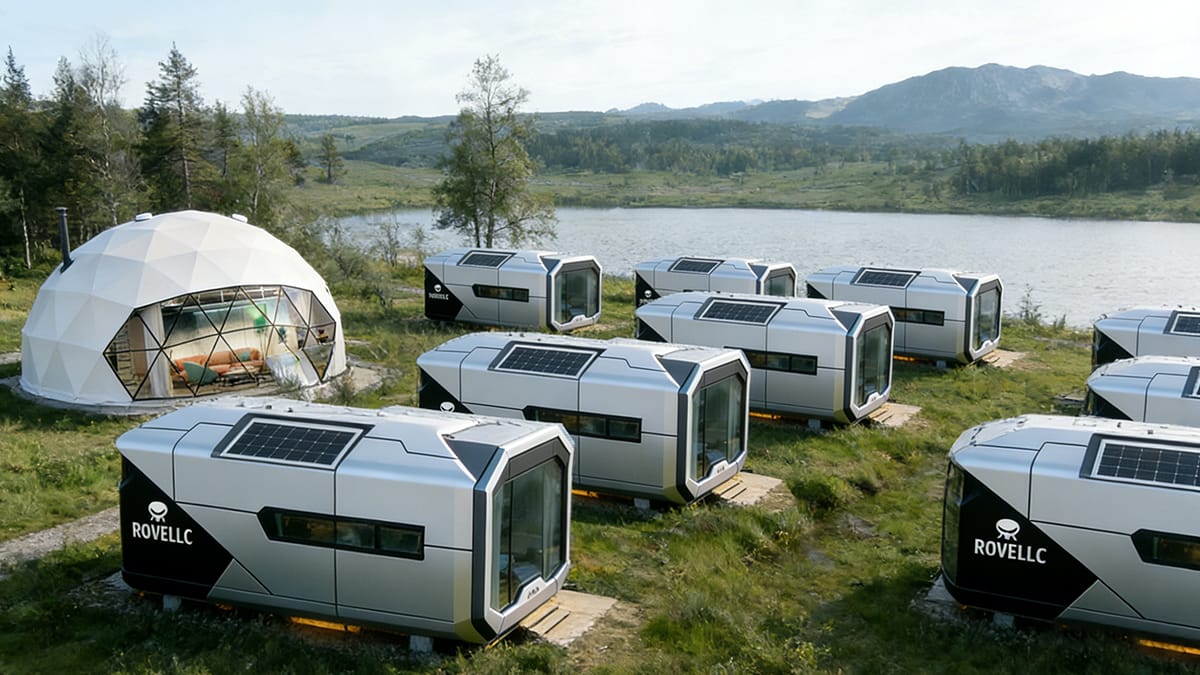 Permits and Zoning
You must check your city’s rules before you set up your capsule house. Each city has its own permit and zoning steps. Some cities make it simple, but others have tough rules. Here are some things you need to know:
California lets people use capsule houses as ADUs in many counties. They follow Appendix Q of the California Residential Code.
If your capsule house has wheels, some places call it an RV. You cannot live in it full-time unless it sits on a foundation or is in a special zone.
Fresno County allows tiny homes as ADUs. Your home must be at least 120 square feet.
San Diego County lets you use tiny homes on wheels if they meet foundation or RV park rules. This helps people try new ways to live and move.
Always ask your local office about the newest rules. Zoning laws can change quickly. If you want your home to help the planet, look for places that like green building and new ideas.
Tip: Permits keep you safe and help your home follow safety codes. Do not skip this step!
Insurance and Warranty
You want your capsule house to stay safe and last a long time. Insurance and warranty plans help you feel calm and protected. Here are the main types of insurance you should think about:
Insurance Type | Description |
|---|---|
Protects your home while it is built, shipped, and set up. | |
Product Liability insurance | Helps if there are problems with the design or how your home was made. |
Errors & Omissions insurance | Covers you if mistakes in design or delays make you lose money. |
You also get different warranty choices:
Frame and aluminum panels usually have a 30-year warranty.
Electrical parts often have a 1-year warranty.
You get a full check and cargo insurance before your home ships.
If your home is damaged during shipping, insurance pays for repairs and new parts.
Many suppliers give remote help and spare parts.
When you pick a capsule house, ask about these protections. They help keep your home safe and support long-term sustainability. Insurance and warranty plans also show your supplier cares about sustainability and eco-friendliness.
Installation and Maintenance
Site Preparation
Getting your site ready comes first. Pick a spot that is flat and stable. Do not choose places that flood. Check the soil so your house stays strong. Get all permits from your local office. You need building permits and zoning approvals. Clear rocks and plants from the area. Make the ground flat for the foundation. Set up water, sewer, and electricity lines before installation.
Here’s a simple checklist for site preparation:
Pick a flat, stable spot.
Get permits and approvals.
Remove rocks and plants.
Make the ground flat for the foundation.
Set up water, sewer, and electricity.
Tip: Check your utility connections before your capsule house arrives. This helps you save time and avoid delays.
Delivery and Assembly
After your site is ready, delivery starts. Capsule houses come by semi-trailer. You need to arrange trucking services. When the house arrives, a crane lifts it off the trailer. The crane puts the house on your foundation. Make sure the crane can handle the weight. After placement, a contractor connects utilities and finishes the setup.
Phase | Description |
|---|---|
Transportation | Capsule houses come by semi-trailer. You arrange trucking. |
Lifting | A crane unloads and places the house. Pick a crane with enough strength. |
Installation | Contractors connect utilities and finish the setup. |
Note: Always use professionals for lifting and installation. This keeps your capsule house safe and secure.
Ongoing Maintenance
Keeping your capsule house in good shape is simple. Clean your home often to stop dirt from building up. Check your utilities to make sure they work. Good ventilation lowers humidity. Organize your space so you can spot problems fast. Inspect the roof, foundation, and walls every season. Use protective coatings to guard your house from weather. Use pest control and handle electrical systems with care.
Here are some seasonal maintenance tips:
Spring: Remove debris, clean gutters, check seals, test ventilation.
Summer: Protect from heat, check the roof, service cooling system.
Fall: Clean gutters, check windows, get plumbing ready for cold.
Winter: Insulate pipes, keep heating working, watch for condensation.
😊 Regular care keeps your capsule house comfortable and strong for many years.
Common Pitfalls When You Buy Capsule House
Mistakes to Avoid
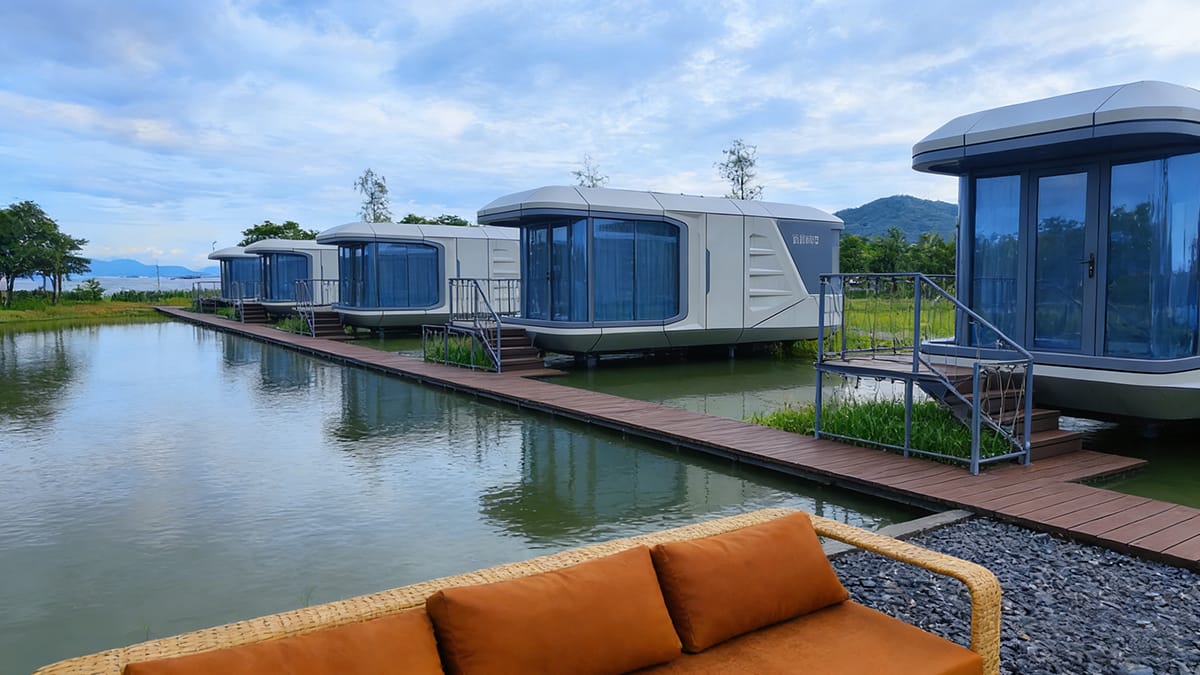 Mistakes to Avoid
Buying a capsule house can feel exciting, but you might run into problems if you rush. Many buyers make mistakes that cost time and money. You want to avoid these common pitfalls:
Skipping Quality Checks
You might see a low price and jump in. If you skip checking the materials and production standards, your house may not last. Always ask about the steel frame, insulation, and weatherproofing.Ignoring Local Rules
Some buyers forget to check zoning laws and permits. If you miss this step, you could face fines or have to move your house. Always talk to your local office before you buy.Poor Planning for Shipping
You may not think about how your house gets to your site. If you pick a bad transportation company, your house could arrive late or damaged. Plan logistics and choose a reliable company.DIY Installation
Trying to install the house yourself can lead to mistakes. You need professionals to set up the house and connect utilities. This keeps your home safe and follows building codes.
Note: You can avoid these mistakes by slowing down and checking every step.
Tips for a Smooth Purchase
You want your capsule house buying experience to go well. Here are some tips to help you:
Research different types and manufacturers. Find one that fits your needs.
Set a realistic budget. Include costs for land, permits, and site work.
Pick a location that follows local zoning laws.
Understand all construction costs, including installation and site prep.
Explore customization options to make your house feel like home.
Choose energy-efficient designs and materials for sustainability.
Check local building regulations to avoid legal trouble.
Make sure the manufacturer uses quality materials and meets standards.
Think about future resale value. Pick features that hold worth.
😊 If you follow these steps, you can enjoy your new capsule house without stress or surprises.
Buying a capsule house in 2026 can be simple if you follow the right steps. Always budget for hidden costs and pick quality over size. Use your checklist and watch for easy-to-miss details like the neighborhood map, traffic flow, and daily life around your new home.
Buying a capsule house takes planning. Research models, check local rules, and reach out to trusted suppliers. When you focus on your needs and quality, you set yourself up for a smooth journey.
Ready to start? Compare models, ask questions, and make your dream home a reality! 🚀
FAQ
How long does it take to set up a capsule house?
You can move in within a few days after delivery. Most capsule houses arrive ready to use. The setup includes placing the house, connecting utilities, and passing inspections. Planning ahead helps you avoid delays.
Can I live in a capsule house year-round?
Yes, you can live in a capsule house all year. Good insulation and heating keep you comfortable in winter. Cooling systems help in summer. Always check local rules to make sure you can use it as your main home.
What maintenance does a capsule house need?
You should clean the house often and check for leaks or damage. Inspect the roof, windows, and doors every season. Keep gutters clear. A simple checklist helps you remember what to do.
Tip: Regular care keeps your capsule house safe and cozy.
Are capsule houses safe in storms?
Capsule houses use strong steel frames and weatherproof materials. Many models pass strict safety tests. Ask your supplier about wind and snow ratings. You can add extra anchors for more protection.
Can I customize the inside of my capsule house?
Yes! You can pick colors, layouts, and finishes. Some suppliers offer smart home features or extra windows. Custom options may cost more, so plan your budget before you choose upgrades.