
15 Mar What Makes Tiny House Pods Unique Compared to Traditional Tiny Homes
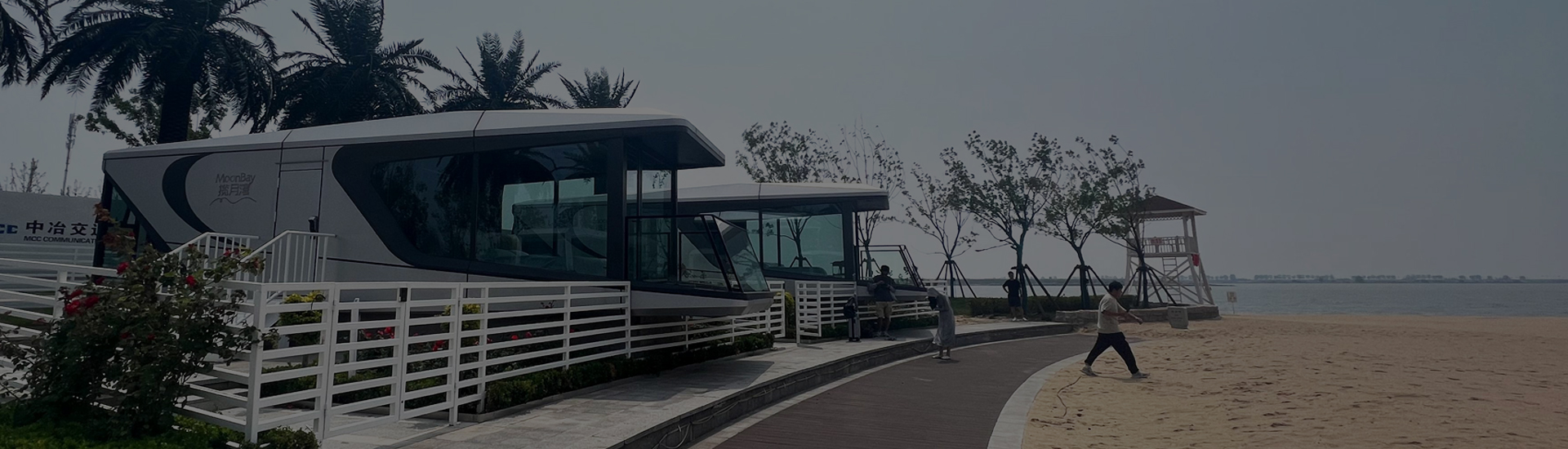
You see a big change when you look at a tiny house pod next to a regular tiny home. Many people pick tiny house pods because they want a place that uses eco-friendly building and new technology. You might see things like triple-glazed windows, strong heating, and smart solar design.
People often pick tiny house pods for:
Simple and useful spaces
Living with less and helping the planet
Saving energy as an important goal
Living in a pod helps you use less and be kinder to the earth. It also helps you live closer to other people.
Key Takeaways
Tiny house pods are made in factories. This makes them fast to set up. They often cost less than traditional tiny homes.
Capsule houses use strong materials like aluminum and steel. These materials make them last longer. They also save more energy than traditional tiny houses.
Living in a tiny house pod helps you live simply. It helps you use less energy. It also lowers your impact on the environment.
Traditional tiny houses let you change things more. They feel cozy and warm. They are good for families and long-term living.
Think about what you need in your life. You should consider how much space you want. You should also think about how much you want to move. This will help you choose between a tiny house pod and a traditional tiny house.
Tiny House Pods vs. Traditional Tiny Houses
What Are Tiny House Pods
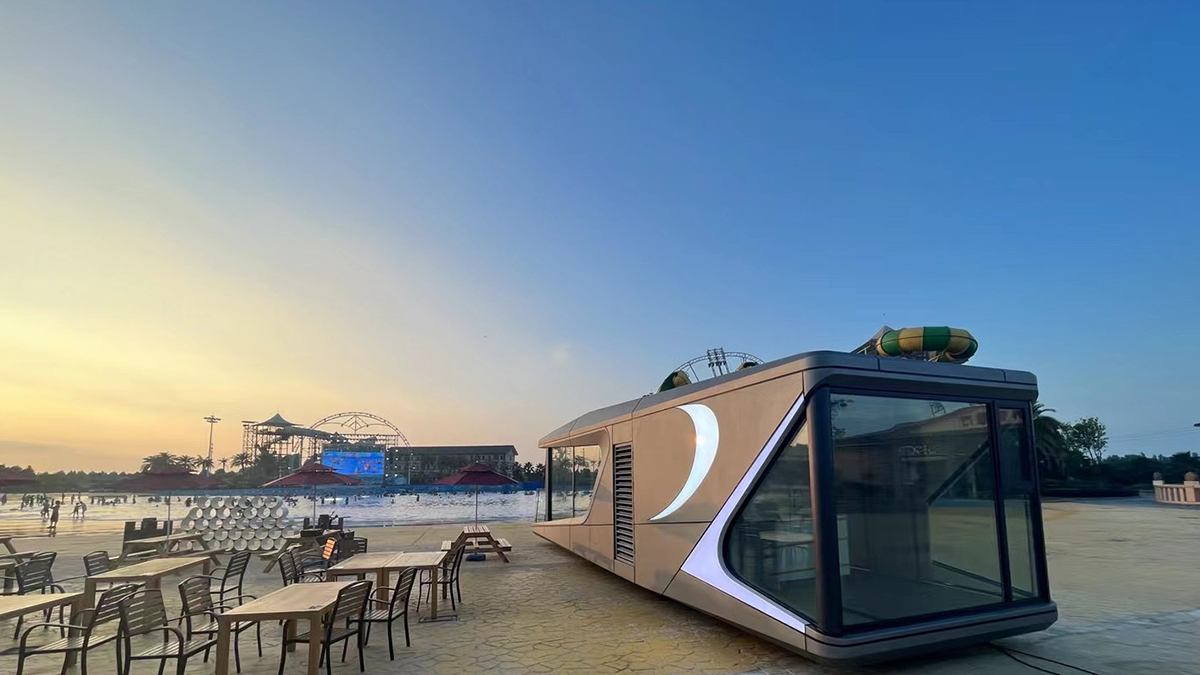
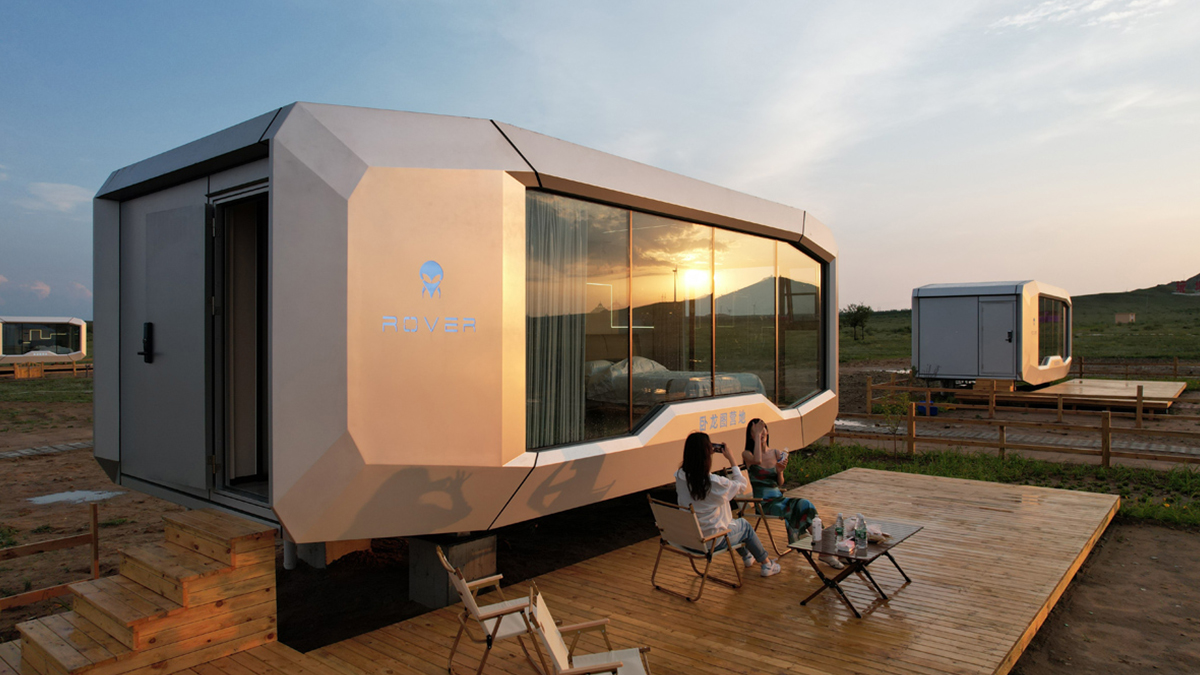
Tiny house pods are small and modern places to live. They use modular designs and are built in factories. The pod comes ready to use when it arrives. Factories check the quality before sending them out. Most capsule houses are between 50 and 100 square feet. Every part of the space is useful. Capsule houses use strong aluminum and steel. These materials help them stand up to bad weather. You can move a pod easily. You can set it up in just one day. Many pod houses save energy with good insulation. This can lower energy use by up to 65%. You spend less money and time on a pod house. They cost less and are faster to build.
Tip: Tiny house pods are smart if you want to move fast and set up easily.
Here is a table that shows how capsule houses and tiny houses are different:
Feature | Capsule Houses | Tiny Houses |
|---|---|---|
Size and Space Efficiency | 50 to 100 sq ft, very space-saving, modular | 100 to 400 sq ft, may have extra space |
Durability and Weather Resistance | Aluminum and steel, very strong | Timber, can get damaged in bad weather |
Energy Efficiency | Good insulation, uses less energy | May not have as much insulation |
Cost and Construction Time | Built in factory, quick, costs less | Built on-site, takes longer, costs more |
Mobility and Flexibility | Easy to move, set up in a day | Needs trailer, takes longer to set up |
What Defines a Traditional Tiny House
A traditional tiny house is a small home. It is usually between 100 and 400 square feet. These homes use timber and local materials. You can change the design to fit your style. Most tiny homes are built where you want to live. This means building takes more time. These houses often look like regular homes. They can blend in with other houses nearby. Capsule houses look modern and stand out. You need a trailer to move a tiny house. It takes longer to set up than a pod. Traditional tiny homes may not keep heat in as well as pod houses. They may not be as strong in bad weather.
Here is another table to show how they are built differently:
Feature | Tiny House Pods | Traditional Tiny Houses |
|---|---|---|
Design | Modular design | Can be changed a lot |
Construction Process | Built in a factory | Built where you live |
Construction Speed | Faster, made in factory | Slower, built on-site |
Cost-effectiveness | Costs less | Can cost more |
Quality Control | High, checked in factory | Changes based on where it is built |
Adaptability | Easy to change or add on | Harder to change |
Integration with Environment | May not fit in everywhere | Can use local styles and materials |
You can pick a pod house or a tiny house. It depends on what you need. Capsule houses are good if you want to move fast and want strong materials. Tiny houses are better if you want a home that looks normal and fits your style.
Key Differences Between Tiny House Pods and Tiny Houses
 Size and Space
 Size and Space
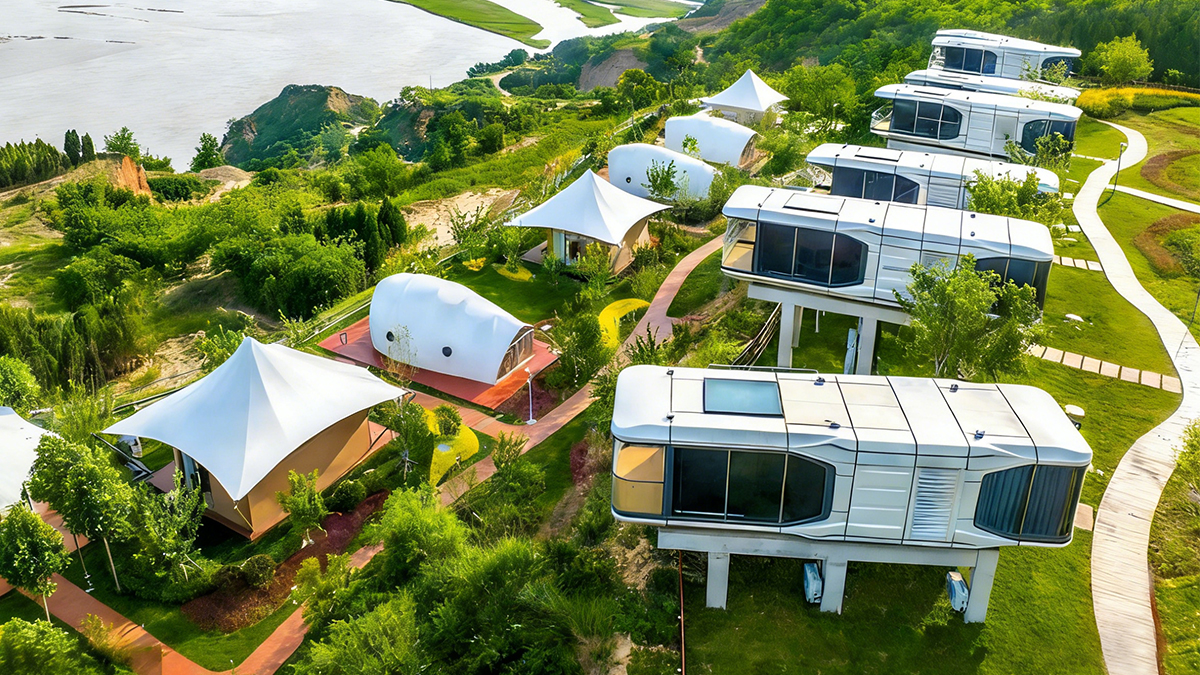
Capsule houses and traditional tiny houses are not the same size. Most capsule houses give you 300 to 500 square feet. Traditional tiny houses are usually about 225 square feet. You often see pod houses in backyards. They share water and power with a main house. Traditional tiny houses stand alone. They can be as big as 500 square feet.
Average size for tiny house pods is 300 to 500 square feet.
Traditional tiny houses are about 225 square feet.
Pod houses are often in backyards and share utilities.
Traditional tiny houses are their own buildings.
Capsule houses use all their space well. They have built-in storage and furniture that folds away. This makes them feel bigger inside. Traditional tiny houses might have lofts or extra rooms. But they may not have as much built-in storage.
Note: Capsule houses are good if you want smart layouts and clever storage in a small space.
Mobility and Foundation
How easy it is to move your house is important. Most capsule houses use different foundations. Some use slab on grade. This is cheap but hard to move. Others use post or pier foundations. These work on hills and let you move the house a little. Block wall and rubble trench foundations are also used. These are not as easy to move. Some pod houses use mobile foundations like deckover or dovetail trailers. These are easy to move.
Traditional tiny houses are usually built on trailers. This makes them easy to move. Pod houses are often made to stay in one place. If you want to move a pod house, you need help from pros. This means you cannot move them as often.
Slab on grade: cheap, not easy to move.
Post or pier: good for hills, some movement.
Block wall: costs more, not easy to move.
Rubble trench: good for the earth, depends on the ground.
Mobile foundation: deckover/dovetail trailers, easy to move.
Tip: Pick a traditional tiny house if you want to move a lot. Pick a pod if you want to stay in one spot.
Construction and Materials
Capsule houses are strong because of their materials. Most pod houses use aviation-grade aluminum and anti-seismic hot-dip galvanized steel. These materials make the house strong. Traditional tiny houses use lighter materials like timber. How strong they are depends on who builds them and the design.
Material | Capsule Houses | Traditional Tiny Houses |
|---|---|---|
Aviation-grade aluminum | Yes | No |
Anti-seismic hot-dip galvanized steel | Yes | No |
Lighter materials | No | Yes |
Structural integrity | High | Changes |
Capsule houses are made in factories. This means the quality is always the same. Traditional tiny houses are built where you live. The quality can change.
Durability and Weather Resistance
You want your house to last and keep you safe. Capsule houses do well in very hot or cold weather. They can handle -31°F to 140°F. They have better thermal resistance than traditional tiny houses. Capsule houses use polyurethane foam for insulation. They have tight air seals. Many pod houses have floor heating and better air conditioning.
Feature | Tiny House Pods (HIDULAR) | Traditional Tiny Houses |
|---|---|---|
Suitable Temperature Range | -31°F to 140°F | Depends on design |
Thermal Resistance | 3.2m²·K/W (6x better) | Standard materials |
Air Tightness Rating | n50 = 0.45 | More leaks |
Heating Options | Floor heating, better AC | Fewer choices |
Cooling Efficiency | Works up to 140°F | Depends on design |
Insulation Type | Polyurethane foam | Depends on design |
Traditional tiny houses may not have as much insulation or weather protection. If you live where it is very hot or cold, capsule houses keep you safer.
Energy Efficiency
Capsule houses are made to save energy. They use green building, energy-saving systems, and smart technology. Solar panels, recycled materials, and good insulation help you use less energy.
Feature | Description |
|---|---|
Sustainable Construction | Uses reusable materials and green building. |
Energy-Efficient Systems | Systems that use less energy. |
Smart Technologies | Smart home tech to save energy. |
Solar Power | Solar panels make energy. |
Recycled Materials | Uses recycled things to build. |
Energy-Efficient Insulation | Insulation keeps energy from escaping. |
Traditional tiny houses may not have these unless you add them. Capsule houses help you save money and help the planet.
Cost Comparison
You want to know how much you will spend. Capsule houses usually cost less to buy and set up. Here is a table to compare:
Tiny Home Size in Square Feet | Average Total Cost | Total Cost Range |
|---|---|---|
100 | $29,000 | $19,000 – $45,000 |
200 | $58,000 | $35,000 – $85,000 |
300 | $87,000 | $50,000 – $130,000 |
400 | $112,000 | $70,000 – $170,000 |
500 | $172,000 | $100,000 – $250,000 |
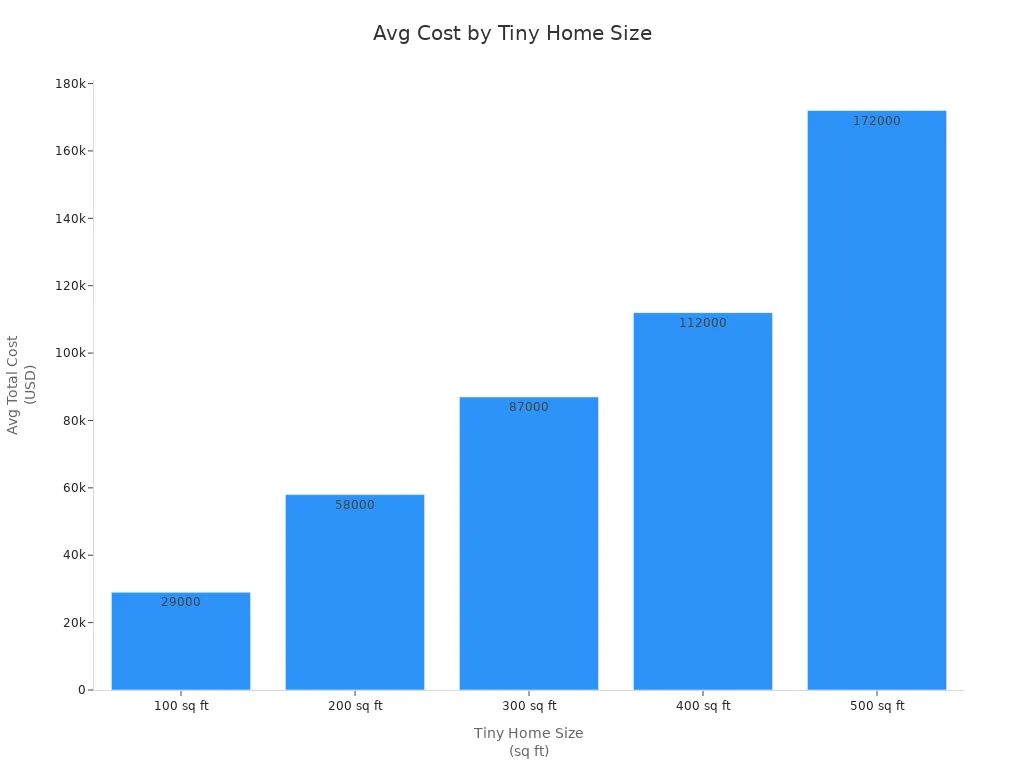
The average cost of a tiny house is $10,000 for a do-it-yourself build. It can be over $250,000 for fancy models. Regular homes cost much more, about $400,000. Capsule houses are a cheaper way to own a home.
Comfort and Livability
Capsule houses use smart layouts to make small spaces comfy. You get built-in seats, smart storage, and big windows for sunlight. Many pod houses have floor heating and better air conditioning. This makes them nice in any season.
Traditional tiny houses can feel cozy. But you may not get as many built-in things. You might need to add your own storage or heat. Pod houses are ready to use and focus on comfort.
Note: Capsule houses are great if you want a modern, easy-to-live-in home in a small space.
Customization Options
You can change both pod houses and traditional tiny houses. But capsule houses give you more ways to make them your own. You can pull some pod houses with a truck. You can put them on a deck or on a raised gravel pad. Modular designs let you add more space or change the layout. Many pod houses have smart technology, green materials, and big windows for light and air.
Customization Option | Description |
|---|---|
Pulled by a truck | Easy to move. |
Placed on a temporary or permanent deck | Lifts the house off the ground. |
Placed on a raised gravel pad | Keeps water out, lets you add plants. |
Modular design for trailers | Flexible, comes finished or as a kit. |
Smart technology integration | Automated systems for ease. |
Sustainable materials | Uses recycled wood and low-VOC finishes. |
Natural light and ventilation | Big windows and skylights. |
Space-saving furniture and storage solutions | Built-in seats and storage. |
Pod homes care about the earth and being easy to live in. You get smart layouts, green materials, and lots of ways to make the space fit you.
Which Is Better for Short-Term or Long-Term Living?
If you want a home for a short time or to move a lot, traditional tiny houses are best. You can tow them to new places easily. If you want a strong, comfy home for a long time, capsule houses are better. They give you better weather protection, save energy, and let you change your space more.
Pros and Cons of Tiny House Pods and Tiny Houses
Tiny House Pods: Pros and Cons
Pod houses have many good points. They are quick to set up. The materials are strong and last a long time. You save energy with a pod house. Moving a pod is easier than moving a tiny house. The layout uses space in smart ways. You get built-in storage and modern features. Pod homes use less energy and recycled materials. This helps the planet.
But there are some downsides. Capsule houses can feel too small for families. If you have lots of stuff, space is tight. Thin walls do not block noise well. Privacy can be hard to get. Some places have rules about where you can put a pod. Zoning laws can make things tricky. Small spaces can make daily life less comfy if you need room.
Disadvantage | Description |
|---|---|
A minimalist lifestyle may not suit everyone, especially those with many belongings. | |
Privacy concerns | Thin walls may not protect from noise, and the open design can sacrifice personal space. |
Regulatory and zoning issues | Complications may arise due to stringent building codes and zoning laws. |
Comfort and adaptability | Confined space limits movement, making daily activities less enjoyable for those needing more. |
Tip: Capsule houses are great if you want a fast, green home. You must be okay with less space and sharing.
Traditional Tiny Houses: Pros and Cons
Traditional tiny houses let you design your own space. You can make it feel like a normal home. Many people say tiny houses help them live simply. You save money and cut down on clutter. Capsule houses may not feel as cozy as tiny houses. Tiny houses help you meet neighbors and use less energy.
You get more time with family.
Sharing with others builds strong friendships.
Using less energy helps the earth.
You save money and spend wisely.
There are some problems too. Tiny houses can cost more than you think. Getting a loan or insurance is tough. Zoning laws can stop you from living where you want. Land can be expensive. Families may need more space. You might need to rent storage for hobbies or extra things.
Money problems and high land prices.
Zoning laws limit where you can live.
Not enough space for families or hobbies.
Note: Tiny houses give you more choices and a cozy home. You need to plan for costs and space before you buy.
Choosing the Right Tiny House for You
Factors to Consider
 Factors to Consider
When you choose between pod houses and traditional tiny houses, you need to look at several important factors. Each option has strengths and weaknesses. You should think about your space needs, how often you want to move, and your budget. Capsule houses often start at 33 square meters, so you get more room than a tiny house, which can be as small as 15 square meters. Pod houses use strong materials and high insulation, making them good for full-time living. If you want to expand later, you can add new pods to your setup. Tiny houses usually have a fixed size.
Here is a table to help you compare:
Factor | Tiny House | Pod House |
|---|---|---|
Size and Space | Compact, 15 to 30 sq m | Starts at 33 sq m, more spacious |
Mobility vs Permanence | Built on trailers, can move | Permanent, needs pros to relocate |
Building Approval | May bypass some approvals | Needs building and council approvals |
Comfort and Durability | Varies, often less durable | High insulation, sturdy, full-time use |
Flexibility and Growth | Fixed size | Add new pods for expansion |
Cost and Value | Cheaper upfront, DIY possible | Better long-term value, energy-saving |
Tip: Always check local rules before you buy. Zoning laws can affect where you place capsule houses or pod homes.
Matching Your Needs and Lifestyle
You should match your choice to your daily life. If you want to move often, a tiny house on wheels may fit you best. Pod houses work well if you want a stable home and plan to stay in one place. Capsule houses give you strong weather protection and energy savings. They also let you expand by adding more pods. If you want a simple life and do not need much space, a tiny house can save you money.
Location matters, too. Some places have rules about minimum lot sizes or how close you can build to property lines. These rules can make it hard to place capsule houses or pod homes. The mobility of a pod can also make it tricky to find legal spots.
Aspect | Impact on Tiny Houses and Pods |
|---|---|
Minimum Lot Sizes | Rules may limit where you can place capsule houses or pod homes |
Setback Requirements | You must follow distance rules from property lines |
Legal Challenges | Some areas have strict zoning for tiny houses and pods |
Mobility of Pods | Moving a pod can make finding legal parking harder |
Note: Think about your future plans. If you want to grow your space, capsule houses let you add more pods. If you want to keep things simple, a tiny house may be enough.
You have learned how tiny house pods and traditional tiny houses are different. Tiny house pods have less room for storage. They also have smaller appliances. These are good for short visits. Traditional tiny houses have more space. They use bigger appliances. Families can feel more comfortable in them.
Tiny house pods are best for fast setups and easy living.
Traditional tiny houses are better for long stays and keeping more things.
Think about how you live and what is important to you before you decide.
FAQ
What is the main difference between a tiny house pod and a traditional tiny house?
Tiny house pods are built in factories using modular designs. Traditional tiny houses are built on-site and use wood. Pods are fast to set up and save energy. Tiny houses let you pick your own style and look like regular homes.
Can you live in a tiny house pod year-round?
Yes, you can live in a pod all year. Pods have strong insulation and tough materials. You stay warm in winter and cool in summer. Many pods have floor heating and air conditioning for comfort.
How easy is it to move a tiny house pod?
Some pods can be moved with a truck, but most need pros. Pods are easier to move than regular homes. But tiny houses on wheels are even easier to move.
Are tiny house pods more eco-friendly than traditional tiny houses?
Many pods use recycled materials and solar panels. They also have smart energy systems. Pods use less energy than most homes. Traditional tiny houses can be green too, but you may need to add eco features.
What should you consider before choosing between a pod and a tiny house?
Factor | Tiny House Pod | Traditional Tiny House |
|---|---|---|
Mobility | Needs pros to move | Easier with trailer |
Customization | Modular, flexible | Highly customizable |
Comfort | High insulation | Cozy, classic feel |
Think about how you live, how much space you need, and local rules.