

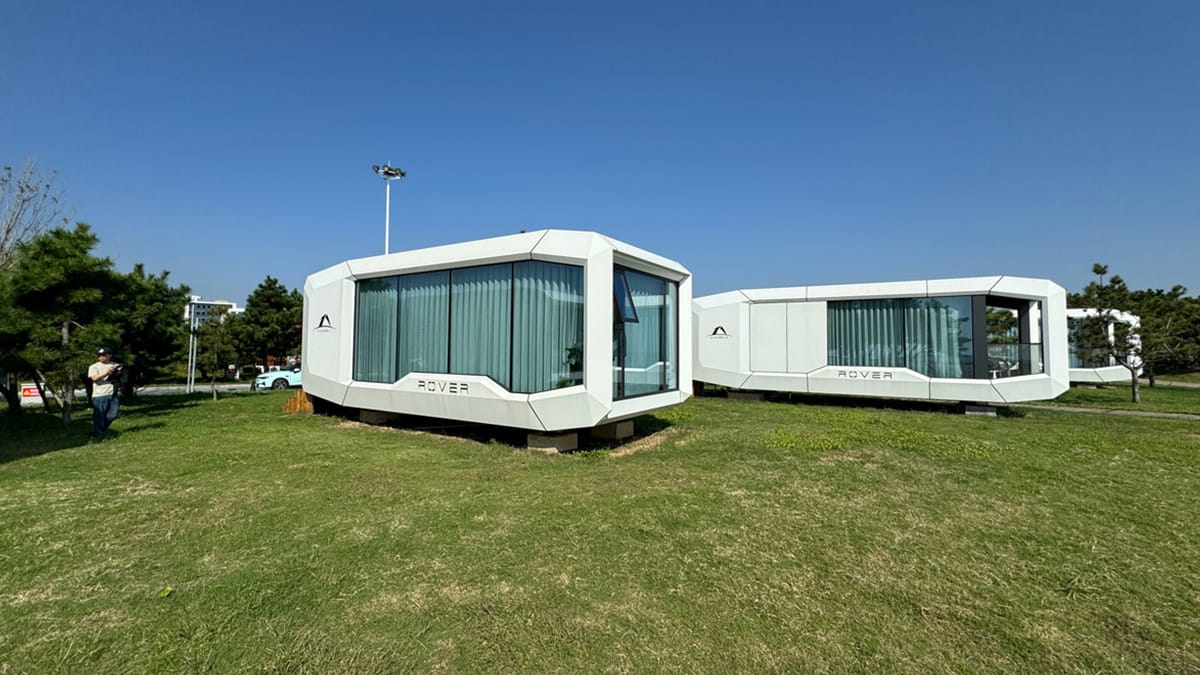
05 Jul Step-by-Step Guide to Buying and Assembling Capsule Houses in Australia
You can buy and build a capsule house in Australia by following some easy steps. First, you need to get council approval for your house. This makes sure your house follows local rules. You must also follow NCC standards and hire a licensed builder. Many people pick capsule houses because they are cheaper, quick to set up, and can be changed to fit your needs. The Scapsule Houses Australia Market gives you choices for your house. If you do each step right, you can enjoy your new house without worry.
Key Takeaways
Make sure the land is good for a capsule house before you buy. Check if you can get water, power, and sewerage on the land.
Get approval from the council by giving them the right papers and following the rules. This step is very important for building to go well.
Pick the capsule house that fits your needs and how much you want to spend. You can choose from simple shells or fancy models with green features.
Hire a builder with a license to make sure the house is safe and follows building rules. This keeps your money safe and helps you not make expensive mistakes.
Look for government grants and rebates to help you save money on your capsule house. See if you can get them and apply early to save the most.
Assessing Your Property
Land Suitability
You need to check if your land is good for a tiny house before you buy one. Not all land works for a capsule house. You must make sure you can get water, power, and sewerage. Look at the slope and size of your land too. If your land is very steep or small, you may not get council approval.
Here are things to check when you look at your land:
Planning permission from your council
Building permits for your house
Access to water, power, and sewerage
Enough space for your tiny house and outside areas
Safe ways for trucks and builders to reach your land
Always check zoning rules before you buy land. Some places do not let you have tiny houses or have strict rules. If you skip this, you could lose money or have delays.
Tip: Talk to your council early. They can tell you the rules and help you avoid problems later.
Council Approval Process
Getting council approval is very important. Councils want your house to be safe and follow their rules. You need to get papers and fill out forms before you build.
Here is an easy guide for council approval:
Check if your land allows a tiny house.
Get papers like plans, safety checks, and proof you follow rules.
Give your papers to the council.
Wait for the council to check your plans. They may ask for more details.
Get an inspection if needed.
Get your permit and start building.
You will need to show the council these things:
You follow the National Construction Code (NCC)
Engineering certification for your house
Drawings that show how your house is built
Proof your house can handle wind and snow
Bushfire Attack Level (BAL) check if your land is in a bushfire zone
Energy efficiency proof
If you do these steps, you can get council approval and start your tiny house project.
Tiny House Regulations
Tiny house rules can seem hard, but you can break them into simple parts. Most capsule houses in Australia use Class 1a building standards. This means your house must be safe, use energy well, and be strong.
Here is a table to help you see the main rules:
Description | |
|---|---|
Class 1a Building Classification | Most tiny houses use this category |
Energy Efficiency Standards | New rules for condensation management in 2025 |
Structural Engineering Certification | Needed for all modular houses |
Fire Safety Compliance | Smoke alarms and safe exits are required |
You should always check council rules before you build. Some councils say a tiny house is temporary, others say it is permanent. Temporary permits are easier to get, but you may have to move your house later. Permanent permits need more papers and checks.
If you follow local rules and work with licensed tiny house builders, you can avoid problems. Always ask your council about the newest rules before you start.
Note: Each council has different rules. Always check with your local council before you build your tiny house.
Capsule Houses Australia Market Overview
 Types of Capsule Houses
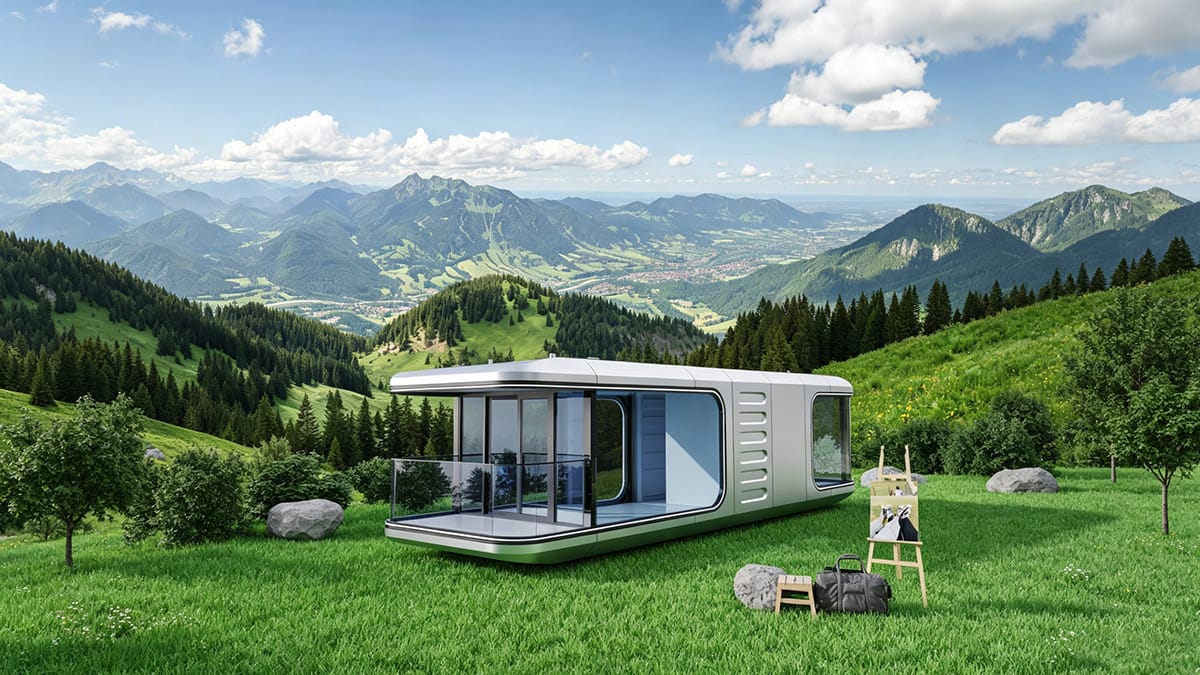 Types of Capsule Houses
There are many choices in the scapsule houses australia market. Some people want a simple tiny house. Others want eco friendly prefab homes with more features. You can choose a basic shell, a studio, or a premium capsule. Some even look like a space pod! The price changes based on what you pick and how big your house is.
Here’s a quick look at what prefab homes australia might cost:
Type | Size (approx.) | Estimated Price Range (2025) |
|---|---|---|
Basic Capsule (shell) | 80–150 sq ft | $12,000 – $22,000 |
Standard Capsule | 120–220 sq ft | $25,000 – $45,000 |
Premium Capsule House | 200–320 sq ft | $48,000 – $80,000+ |
Space Capsule House | 150–300 sq ft | $55,000 – $95,000+ |
Prices change for a few reasons: the size and layout of your tiny house, the building materials you pick (like steel, wood, or recycled), and if you want prefab or custom design.
If you pick eco friendly prefab homes, you might pay more at first. But you save money later because they use less energy.
Leading Providers
There are many companies in the scapsule houses australia market. Some focus on tiny house designs. Others build eco friendly prefab homes for all of Australia. Here are some top providers:
Provider | Specialty | Region | Unique feature |
|---|---|---|---|
Capsule Castle | Dome and capsule homes | Nationwide | Fast assembly, eco-friendly materials |
Ecoliv | Modular sustainable builds | Victoria | Solar and water tanks included |
Saltair Modular | Energy-efficient modules | Australia-wide | Recycled materials, high insulation |
Jingzhu Space Company | Luxury capsule models | Global | Sci-fi pods, easy shipping |
CarbonLite | Passive houses | Melbourne | Ultra-efficient, low energy use |
Prefab homes australia now have many eco friendly prefab homes. These companies help you find a tiny house that fits your needs.
NCC Compliance and Certification
Every tiny house in the scapsule houses australia market must follow the National Construction Code (NCC). This keeps your house safe and legal. There are different ways to show your prefab homes australia meet the rules:
Compliance Pathway | Description |
|---|---|
Deemed-to-Satisfy | Use standard designs and materials |
Performance Solution | Try new ideas, but get expert checks |
Hybrid | Mix of standard and new methods |
You should look for things like CodeMark or WaterMark certification on eco friendly prefab homes. Good companies give you plans, specs, and guides in English. This helps you and your builder set up your tiny house the right way.
Tip: Always ask for proof of NCC compliance before you buy any prefab homes australia. This keeps you safe and makes council approval easier.
Project Planning
Site Preparation
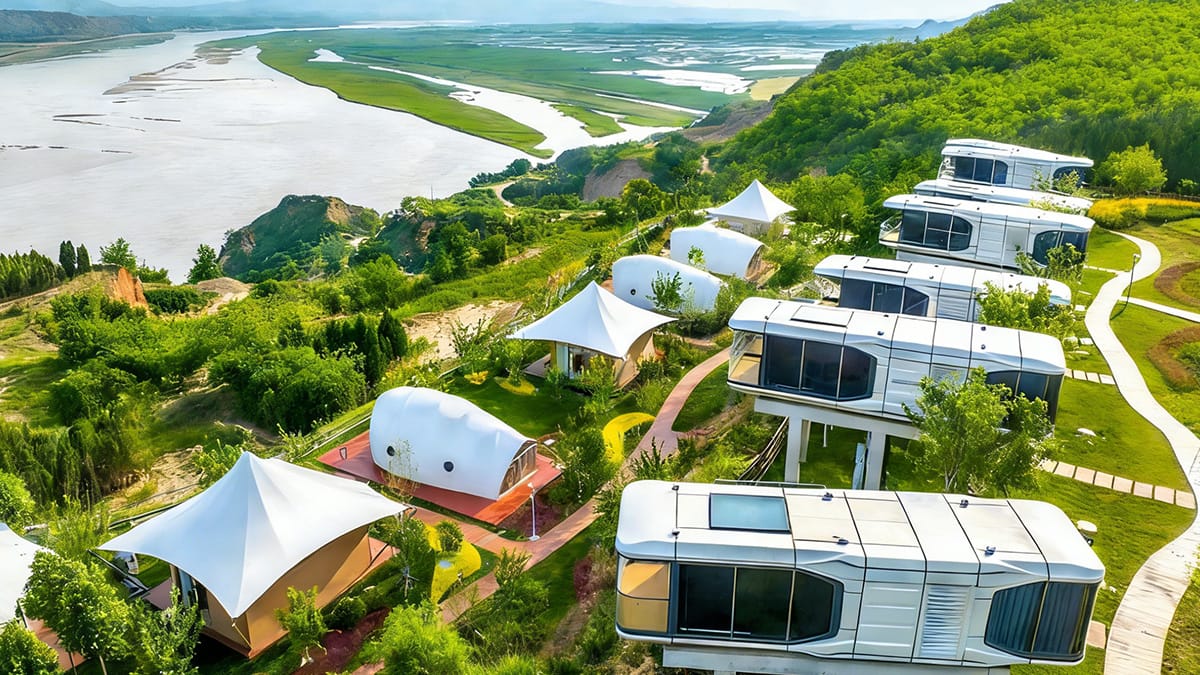 Site Preparation
You want your tiny house to sit on solid ground. Start by clearing your land and making sure it is level. Most people only need simple foundations, like four to six footings or a steel base. This step usually takes one or two days. You do not need to dig deep or pour a big slab. After that, get ready for delivery. A flatbed truck brings your house to your land. A crane lifts the unit onto the foundation. The wings of your tiny house open up and lock in place. This part goes fast—sometimes less than an hour. Next, connect your house to water, power, and sewer. Most systems come pre-installed, so you just hook them up to local utilities. Finish with a final inspection to make sure everything works.
Step | Description |
|---|---|
Site Preparation | Clear and level your land, install simple footings or a steel base. |
Utility Connections | Hook up pre-installed systems to local water, power, and sewer. |
Delivery | Truck brings your house, crane places it on your land. |
Installation | Expand and secure your tiny house, follow the instructions provided. |
Design Customization
You can make your tiny house fit your style and needs. Choose your layout, add smart home tech, or pick eco-friendly materials. Some people add extra modules for more space. Custom features can raise the price from $20,000 up to $100,000 or more. You also need to think about comfort and safety. For example, a thick steel frame and good insulation help your house meet local regulations. Smart locks and strong doors keep you safe. Every choice you make can change the cost and how your house meets the rules.
The Star Residence S5-2 Capsule House uses a strong steel frame, aluminum panels, and smart access. These features help your house pass inspections and follow building regulations.
Permit Applications
Before you build, you must get the right permits for your land and tiny house. Councils want to see that you follow all regulations. Here is how you do it:
Apply for council approval. You need a Development Application and a Construction Certificate.
Make sure your house meets the National Construction Code and local building regulations.
Give the council all documents, like engineering reports and fire safety certificates.
Common reasons for rejection include missing engineering papers, unproven wind ratings, or insulation that does not pass energy checks. Councils also look for certified wiring and plumbing. If you prepare well, you can avoid delays and get your tiny house on your land faster.
Budgeting and Financing
Cost Estimates
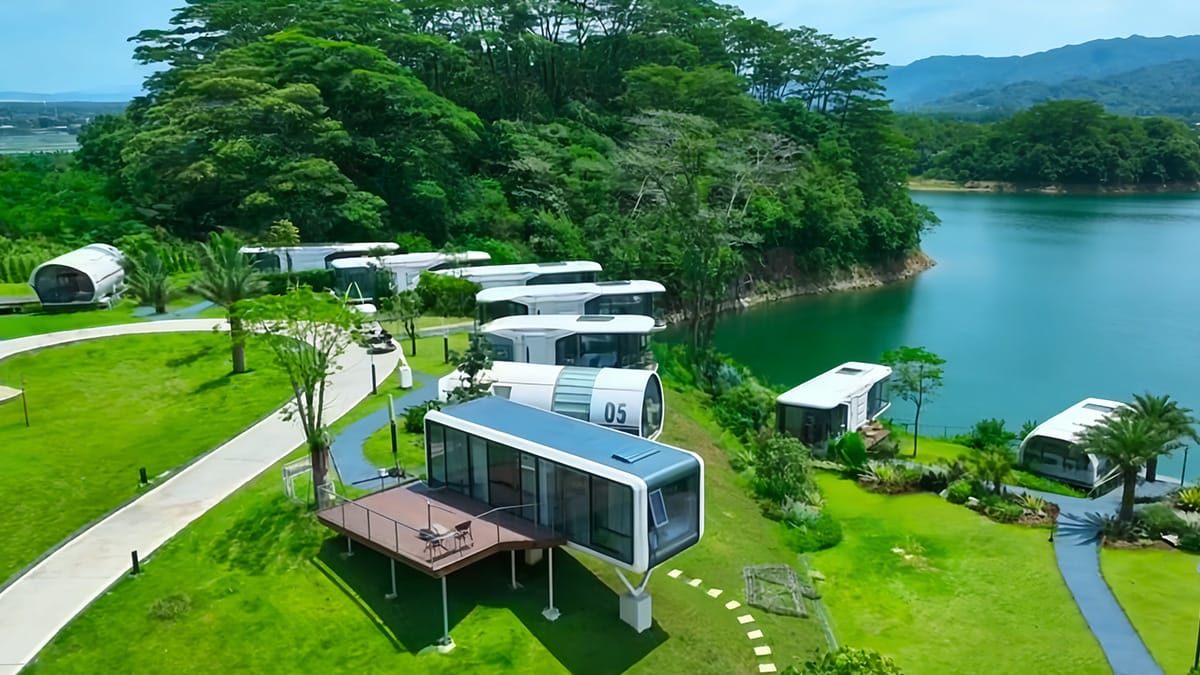 Cost Estimates
You need a clear budget before you buy your capsule house. Start by listing all the costs. These include the price of the house, delivery, site preparation, and council fees. You also need to think about costs for connecting water, power, and sewer. If you want custom features, add those costs too. Many people forget about small costs like insurance or landscaping. Write down every cost so you do not get surprised later. A good plan helps you stay on track and finish your house project without stress.
Financing Options
You have a few ways to pay for your capsule house. Some people use savings, but you can also look at loans or special programs. Here are some options you might like:
Rent-to-own homes let you live in the house now and buy it later. You agree on the price at the start, so you do not worry about rising costs.
This plan helps you avoid a big deposit right away. You can use the First Home Owner Grant to help with the deposit if you qualify.
You can also talk to banks about personal loans or home loans for your house project.
Think about what works best for you. Each option has different rules, so ask questions before you choose.
Managing Unexpected Expenses
Capsule house projects can have surprise costs. You might see prices for materials go up. Sometimes, the project moves faster than you plan, and that can add costs. Here are some tips to help you manage these problems:
Watch for rising material costs and ask your builder for updates.
Plan your schedule well so you do not rush and pay extra.
Talk often with your builder and team. Good communication helps you spot problems early.
If you plan ahead and stay flexible, you can handle most surprise costs and enjoy your new house.
Assembly Process
Delivery and Setup
You have your land ready. Now, it is time for your capsule house to arrive. The delivery day feels exciting. A truck brings your house to your site. You do not need to worry about moving big parts yourself. The delivery team handles the heavy lifting.
Here is what usually happens:
The truck parks as close as possible to your foundation.
A crane or forklift lifts your house from the truck.
The team places your house on the footings or steel base.
Workers secure your house so it does not move.
You might see the walls unfold or the roof pop up. Some capsule houses come with fold-out decks or awnings. The setup team locks everything in place. You can watch your house take shape in just a few hours.
Tip: Clear the path for the truck and crane before delivery. Remove any branches or obstacles. This helps the team finish faster.
After the house sits on the base, you connect water, power, and sewer. Most capsule houses have these systems pre-installed. You just need to hook them up to your local utilities. If you want solar panels or rainwater tanks, you can add them now.
Licensed Builder Role
You need a licensed builder for your capsule house project. The builder knows the rules and keeps your house safe. They check the plans and make sure your house meets the National Construction Code. The builder also manages the setup crew.
Here is what your builder does:
Checks the foundation and makes sure it is level.
Guides the delivery team during setup.
Connects your house to utilities.
Installs extras like decks, stairs, or ramps.
Handles inspections and paperwork.
A good builder talks with you during the whole process. You can ask questions and get updates. The builder helps you avoid mistakes that could cost you money. They also make sure your house passes all council checks.
Note: Always hire a builder with a license. This protects you and your house. Councils may not approve your house if you use an unlicensed builder.
Fast Installation Timeline
You do not have to wait months for your new house. Capsule houses are famous for their quick setup. Most projects finish in one to three days. Sometimes, you can move in the same week your house arrives.
Here is a sample timeline:
Day | Task |
|---|---|
1 | Delivery and placement of house |
2 | Utility connections and inspections |
3 | Final touches and move-in |
Some houses need extra time for custom features or landscaping. If you add solar panels or smart home tech, plan for a few more days. Your builder will tell you if the weather or council checks cause delays.
You get to enjoy your new house sooner than you think. The fast timeline saves you money on rent or storage. You can start living in your house and make it feel like home right away.
Moving into your capsule house is a big moment. Take time to check every room and system. Celebrate your new space!
Government Incentives
 Grants and Rebates
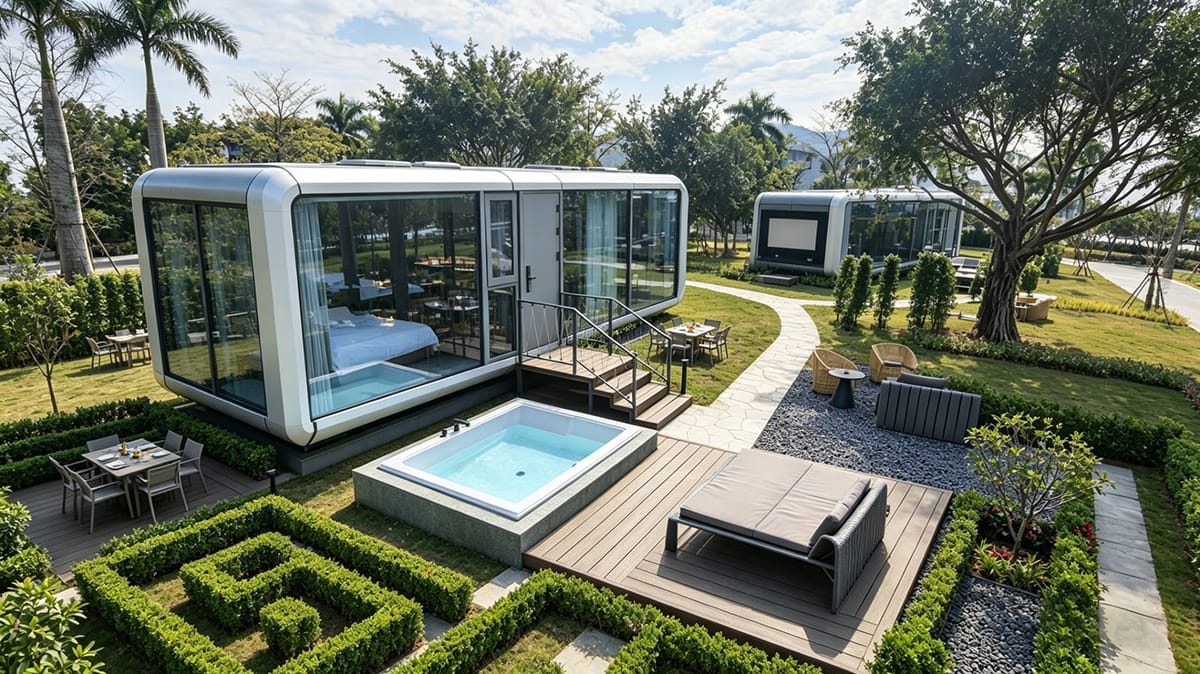 Grants and Rebates
You might want to save money on your new house. The Australian government offers grants and rebates to help you. Some states give you the First Home Owner Grant if you buy or build a house for the first time. You can also find rebates for energy-efficient upgrades. If you add solar panels or water tanks to your house, you may get extra money back. Local councils sometimes offer discounts on permit fees for eco-friendly homes. Check what your state and council offer before you start your project.
Tip: Ask your builder about current grants. Builders often know which programs fit your house best.
Eligibility Criteria
Not everyone can get these incentives. You must meet certain rules. Usually, you need to live in the house as your main home. You cannot use the house as a rental or holiday spot. Some grants only work for new homes, not old ones. Your house must meet energy standards and be built by a licensed builder. You may need to show proof of ownership and council approval.
Here’s a quick table to help you check if you qualify:
Incentive | Main Requirement | Extra Condition |
|---|---|---|
First Home Grant | First-time buyer | Must live in the house |
Energy Rebate | Solar or water upgrades | House must be new |
Permit Discount | Eco-friendly design | Council approval needed |
Application Tips
Applying for grants and rebates can feel tricky. You can make it easier by following these steps:
Gather all your documents before you apply. This includes proof of ownership, builder license, and council permits.
Fill out forms carefully. Double-check your details.
Submit your application early. Some programs run out of funds fast.
Keep copies of everything you send.
Follow up with your council or state office if you do not hear back.
Note: If you miss a step, you might lose your chance for extra savings on your house.
Final Steps and Resources
Inspections and Compliance
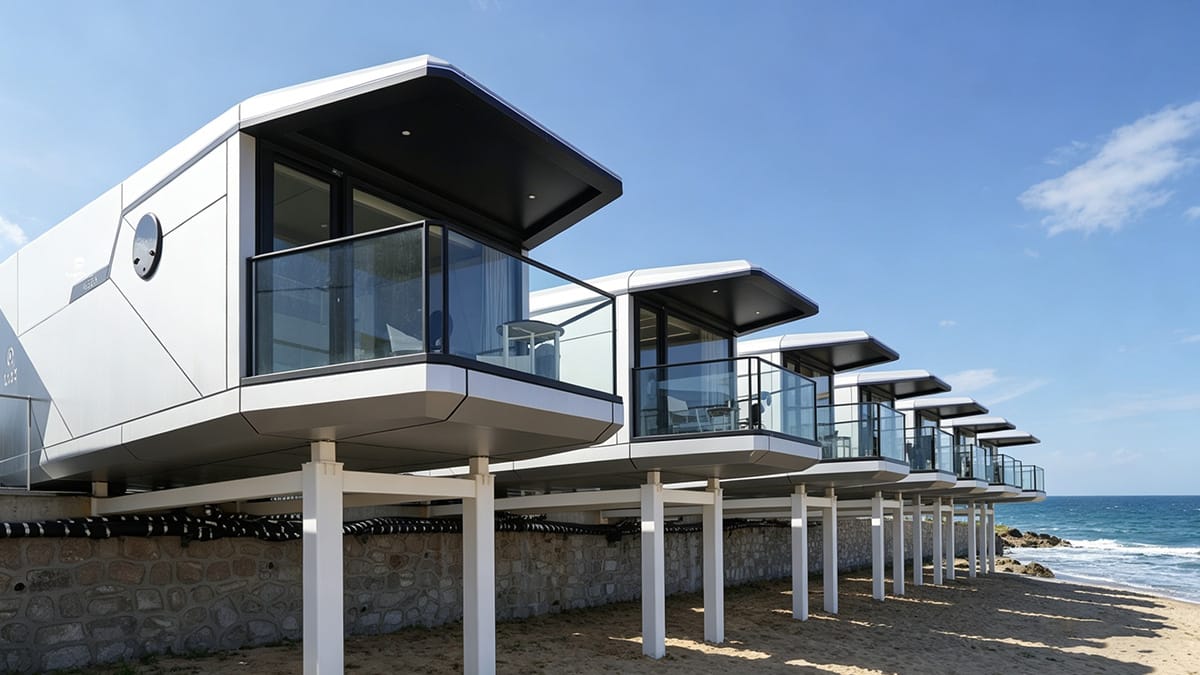 Inspections and Compliance
You want your house to pass all checks. Licensed building surveyors look at your house for safety. They make sure you follow the rules. They check wind load, earthquake safety, and waterproofing. You must show your house keeps heat in or out well. Some states want a yearly building compliance certificate. You have to report how your house saves energy and handles waste. If your house is for business, you need to renew your occupancy permit.
Here’s a table that shows what inspectors look for:
Regulation Focus | Key Code | Capsule House Requirement |
|---|---|---|
Structure | AS 1170 | Withstand loads & weather |
Fire Protection | AS 3959 | Bushfire-resistant materials |
Energy Rating | NatHERS | Minimum 6-star efficiency |
Tip: Keep all your inspection papers. You might need them for council checks or insurance.
Utility Setup
You must connect your house to utilities before moving in. Follow these steps to make sure everything works right:
Call your local power company. Set up power and hire an electrician. Test all outlets and circuits.
Find a water source. Connect the main water line to your house. Check for leaks and good water flow.
Put in a septic tank or connect to the town sewer. Follow health and safety rules. If you use gas, install gas lines and check for leaks.
Set up internet and phone with service companies.
Ask local officials to check all your work. Make sure your house follows building codes.
Add safety items like smoke alarms, carbon monoxide alarms, GFCI outlets, and circuit breakers.
🛠️ Always keep records of every setup and check. This helps you fix problems fast.
Further Support
You may need help after your house is done. Ask your builder for tips on care or upgrades. Local councils can answer questions about rules. You can join online groups or tiny house clubs for advice. Many companies offer help for repairs or warranty issues.
Ask your builder about regular care.
Call your council for rule updates.
Join a tiny house group to share ideas and get help.
Note: You are not alone. Many people build houses like yours and share their stories.
You can buy and set up your capsule house in Australia if you follow a few smart steps. First, decide how you want to use your house and plan your budget. Make sure you check council rules and get all the right permits for your house. Think about transport, setup costs, and if your land has power and water. Here’s a quick checklist to help you:
Define your house’s purpose and features.
Get council approval and check all rules.
Plan for delivery and installation costs.
Make sure your land supports your house.
Choose if you want your house for short or long-term use.
Don’t forget to talk with local experts and builders. They can help you pick the best house and avoid mistakes. If you want more tips, join a tiny house group or ask your council for advice.
FAQ
Can I live in a capsule house full-time in Australia?
Yes, you can live in a capsule house full-time if you get council approval and meet building codes. Always check local rules before you move in.
How long does it take to assemble a capsule house?
Most capsule houses go up in one to three days. You might need extra time for custom features or landscaping. Your builder can give you a clear timeline.
What are the dome house advantages compared to regular tiny homes?
Dome houses often use less energy, stand up to strong winds, and feel spacious inside. You get a unique look and better insulation than many standard tiny homes.
Do I need a licensed builder for my capsule house?
You need a licensed builder for most projects. Councils want to see proof of proper construction. A licensed builder helps you pass inspections and keeps your house safe.
Can I customize the design of my capsule house?
Yes, you can pick layouts, colors, and features. Many companies let you add smart tech or eco-friendly upgrades. Custom choices may change the price and timeline.