

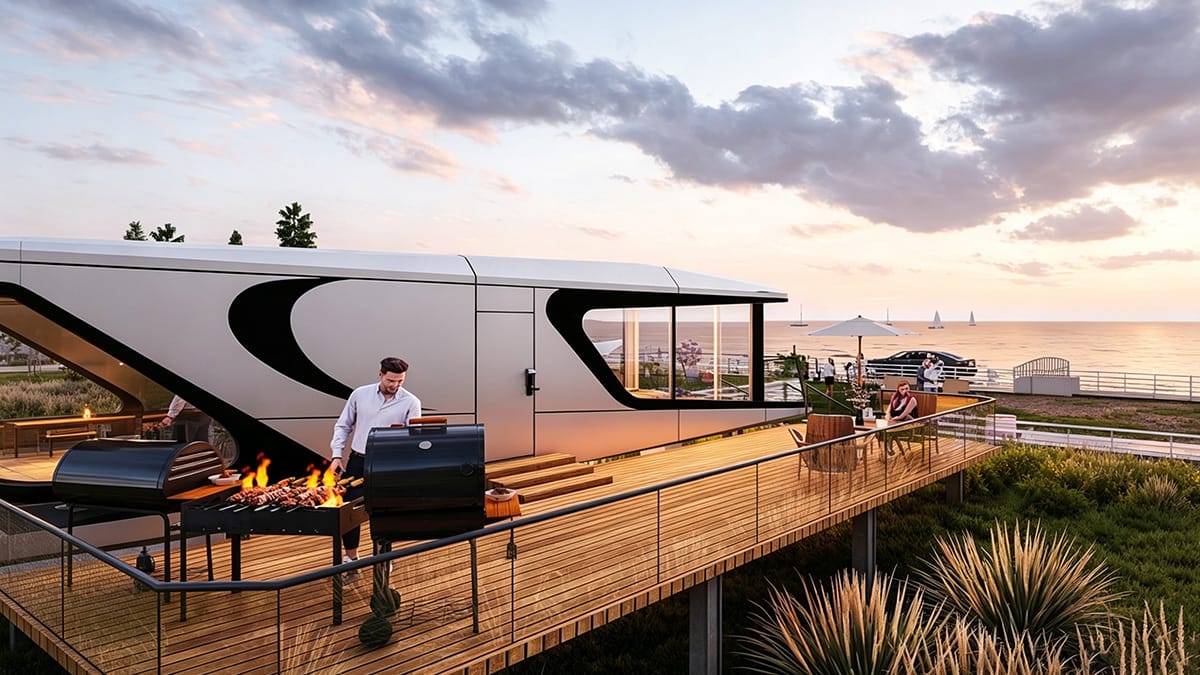
10 Jun How to Buy and Customize Your Space Capsule House in 2026
In 2026, you can purchase and personalize space capsule houses with just a few simple steps. Begin by searching for a reliable supplier and reviewing the options outlined in this guide. Consider your budget carefully, as prices for space capsule houses range from $12,600 for a basic model to over $104,500 for a premium space capsule house. These homes are distinguished by their smart technology, eco-friendly materials, and space-saving designs. As the market continues to expand, you’ll discover an increasing array of choices daily.
Market Size (2026) | Projected Growth Rate (CAGR) |
|---|---|
7.6% |
Before starting, reflect on your needs, your budget, and any regulations you might encounter in your area. This guide is designed to help you make informed decisions and steer clear of potential pitfalls.
Key Takeaways
Look for good suppliers and check different choices before you buy a space capsule house. – Think about how much money you can spend; prices go from $12,600 to more than $104,500 depending on what you want. – Learn about local building rules so you do not have problems when you set up your house. – Make your capsule house fit your life by picking the layout and green materials you like. – Remember extra costs like hooking up utilities and getting permits so you do not spend too much.
Space Capsule Houses in 2026
What Is a Space Capsule House
When you think of space capsule houses, you might imagine something from a science fiction movie. In 2026, these pod homes are real and people can buy them. They are smart and use space well. A space capsule house is a small pod home that makes the most of every part. You get a cozy place to live, even though it is not big. These homes are often made with eco-friendly materials like fiber cement, steel, and light panels. They are strong and can handle bad weather like hurricanes and earthquakes. They are good for cities where there is not much land. They are also great for people who live alone or like simple living.
Small size and smart use of space
Smart technology makes life easier
You can pick a cheap or fancy design
Built with recycled or light materials
Good insulation keeps noise and heat out
Modular design gives comfort and options
Features and Benefits
Space capsule houses have many features that help you live better and help the planet. You will see smart lights, climate control, and fun systems that save space and energy. Many use recycled steel and plastic, which is good for Earth. Good insulation and LED lights keep your bills low. These pod homes give you a special way to live, close to nature or the city.
Benefit | Description |
|---|---|
Affordability | Capsule houses are cheaper than hotels or apartments. |
Eco-friendliness | Many use green materials and less energy, good for the planet. |
Unique living experience | The small size and smart features make life feel exciting. |
Capsule House vs Capsule Tiny House
You may wonder how a capsule house is different from a capsule tiny house. Both are pod homes, but they are not the same. A capsule tiny house is bigger and has a kitchen, bathroom, and bedroom in one unit. A space capsule house is smaller and is often used for short stays or as a guest pod home. Capsule tiny houses cost more but have more things for daily life.
Feature | Capsule Tiny Houses | Space Capsule Houses |
|---|---|---|
Size | Smaller, often for short-term stays | |
Features | Kitchen, bathroom, bedroom in one unit | Minimalist, may lack full amenities |
Cost | $15,000 to $95,000 | Lower, varies by features |
If you want a pod home for travel, work, or a guest room, a space capsule house could be best for you. If you want to live in it all the time, a capsule tiny house gives you more space and features.
Buying Process for Space Capsule Houses
 How to Choose a Capsule Home
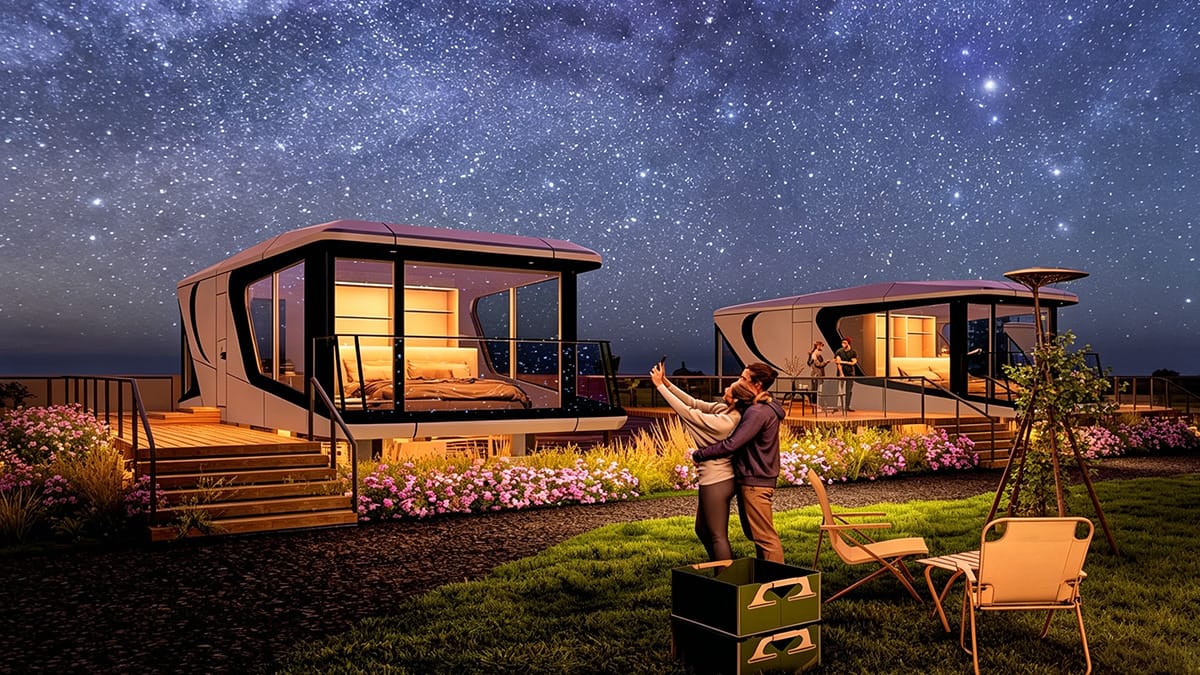 How to Choose a Capsule Home
You need to pick the best capsule house for you. Start by checking different models and brands. Each capsule house has special features. Compare them to see which fits your needs. Think about how fast you want your house set up. Some capsule houses are ready in one day. Others take up to a week. Look at the price and see if it matches your budget. Capsule houses cost less than regular homes. You can use them to live in, rent out, or run a business.
Here’s a simple table to help you choose:
Criteria | Description |
|---|---|
Installation Speed | Capsule houses can be built in one day or one week. This saves time. |
Cost | Factory-made capsule houses cost less and need fewer workers. |
Sustainability | Capsule houses have good insulation and can use solar power. |
Flexibility of Use | You can live in them, rent them, or use them for work. |
Lifestyle Alignment | Capsule houses are good for people who like simple and green living. |
If you want easy steps, follow this guide:
Look at different types and brands.
Make a budget for all costs.
Pick a place that follows local rules.
Learn about building costs.
Check what you can change in your house.
Always make sure the capsule house fits your life. Ask yourself, “How do I pick a capsule home?” Think about your daily life and which features you need most.
Vetting Manufacturers and Suppliers
You must trust the company you buy from. Luban Cabin is a top company in China. It has over 130 patents. This shows it makes new and good products. Many people choose Luban Cabin because it is known for quality.
When you check companies, look for these things:
Shipping and container use: This changes shipping costs and risks.
Lead time: This matters if you need your house by a certain date.
Material strength: You want your house to last in tough places.
Certification and rules: Make sure your house follows the law.
Long-term costs: A house with low costs saves money later.
Tip: Ask for proof of certificates and read reviews from buyers. Always check the quality of materials and how the house is made.
Import and Shipping Guide
If you buy a capsule house from another country, learn about importing. Capsule houses are too wide for normal containers. They must ship on a 40-foot flat rack. Make sure your house is wrapped well to keep it safe from water.
Here’s what you should know:
Buy FOB (Free On Board) instead of CIF. This helps you avoid extra fees.
Plan for a 25% import tax on the house’s value. Section 301 tariffs apply to many capsule houses.
Change your capsule house before it leaves the factory. This makes sure it follows local building rules.
Add better insulation if you live somewhere cold.
Change electrical systems to match your local power.
Ask for plumbing changes so pipes fit your area.
Hire inspectors to check everything before you pay.
Step | Description |
|---|---|
Preparation | Get your site ready and check utilities before your house arrives. |
Transportation | Arrange a truck to deliver your house. |
Lifting | Use a crane to put the house on its foundation. |
Installation | Hire workers to connect utilities and finish setup. |
Many buyers make mistakes when buying. Common mistakes are not checking local rules, poor shipping plans, and trying to install the house themselves. Always hire experts to install your house.
Note: The import guide says to change your capsule house for local rules and hire inspectors. This keeps you safe from expensive mistakes.
If you follow these steps, you can enjoy your new capsule house without worry. The buying process may look hard, but careful planning helps you avoid problems and get the house you want.
Customization Options for Capsule House
Layout and Floor Plan Choices
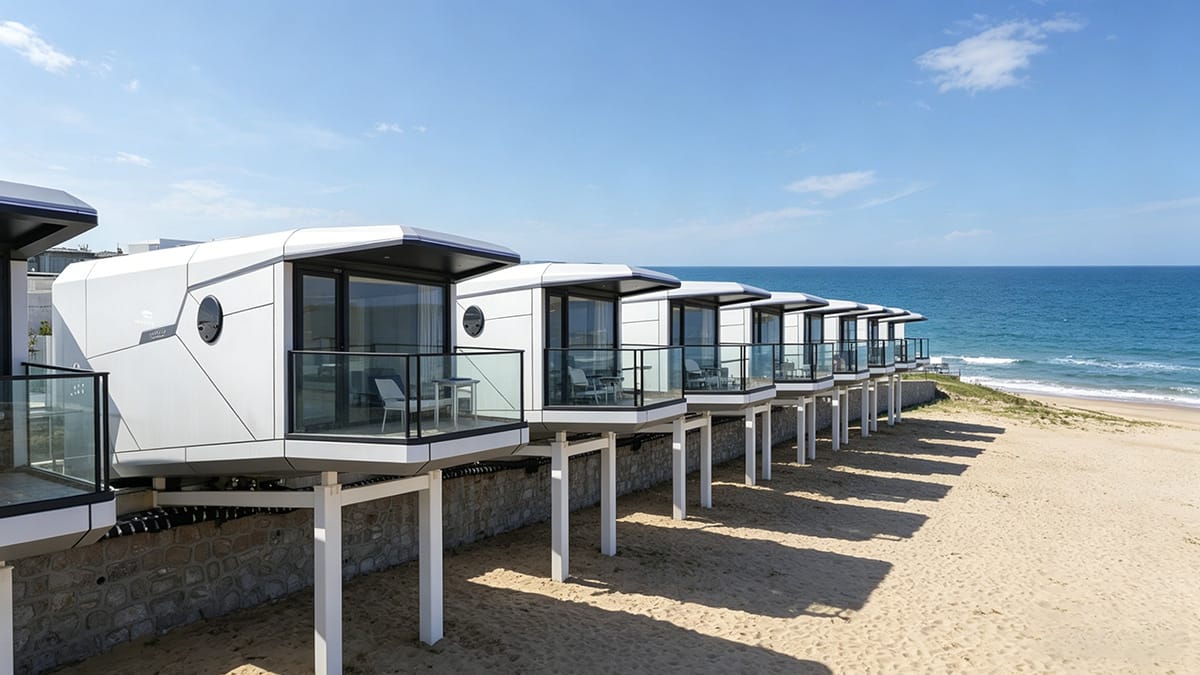 Layout and Floor Plan Choices
You can change your capsule house to fit your life. The layout is very important. You might want an open floor plan. This makes your home look bigger and brighter. Air and sunlight can move around easily. You can also pick a plan that lets you use one space for many things. For example, your bed can fold into the wall. A table can turn into a desk. These ideas help you do more with less space.
Here’s a quick look at how your choices affect your home:
Impact Area | Description |
|---|---|
Open Floor Plan | Makes your home feel bigger and lets in more light and air. |
Multifunctional Use | Lets you use one space for many things. |
Resale Value | Good layouts and finishes help your house keep its value. |
If you take care of your house, it keeps its value. A flexible design helps you keep 70-80% of what you paid after five years. Buyers like smart layouts and nice finishes. They also like features that make life simple. You can add value with good warranties and a record of repairs.
Tip: Think about your daily life. Do you need space for work, sleep, or guests? Pick a floor plan that fits your needs.
Materials and Finishes
You can choose from many materials and finishes. Some materials last longer and save energy. Polyurethane foam gives great insulation. It keeps your house warm or cool. Lightweight composite panels are strong but not heavy. Engineered wood is good for floors, walls, and furniture. Mineral wool helps with fire and sound. Polycarbonate panels let in soft sunlight and work for roofs or walls.
Here’s a table to help you compare:
Material | Properties and Benefits |
|---|---|
Polyurethane Foam | Keeps heat in or out and does not add much weight. |
Lightweight Composite Panels | Makes the house lighter and keeps it warm or cool. |
Engineered Wood | Lasts a long time and works for many parts of the house. |
Mineral Wool | Stops fire and noise and keeps the house safe. |
Polycarbonate Panels | Light and lets in soft sunlight for roofs or walls. |
You can also pick how your house looks and feels. Do you want a modern look or something cozy? You can choose colors, textures, and flooring. Standard options let you make small changes. These cost 5–15% more. Big changes, like moving walls, are called bespoke design. These cost 15–30% or more.
Customization Type | Description | Typical Cost Increase |
|---|---|---|
Standard Configurable Options | Small changes to looks or function | 5–15% |
Bespoke Design and Structural Modifications | Big changes that need new plans and engineering | 15–30%+ |
Smart Features and Modern Living
You can add smart features to your capsule house. Many homes have automated temperature control. You can set the right temperature with a smart thermostat. Energy-saving lights help you save money and make your home bright. Solar panels can power your house and lower your bills. You can control lights and temperature with your phone or voice.
Here are some popular smart customization features:
Automated temperature control
Energy-efficient lighting
Solar panels for clean energy
Smart thermostats for comfort and savings
Automated lighting systems
These features help you live better and use less energy. You get comfort and save money too.
Sustainability Options
You can pick many green options for your capsule house. Factory-made homes do not make waste. This helps the planet. Capsule houses use good insulation, LED lights, and Energy Star appliances. These make your home 30-40% more energy efficient than normal houses. Off-grid options like solar panels cost more at first. But you save money later on energy and repairs.
Here are some ways you can make your home greener:
Use solar panels for power
Pick LED lights and Energy Star appliances
Choose advanced insulation systems
Enjoy lower maintenance costs
A well-kept capsule house is easy to care for and keeps its value. You might even sell it for more later. Smart design and green choices make your house a good investment.
Note: Customization is not just about looks. It helps you save money and live better. Pick the options that fit your life and budget.
Budgeting for Capsule House
Upfront Costs and Pricing
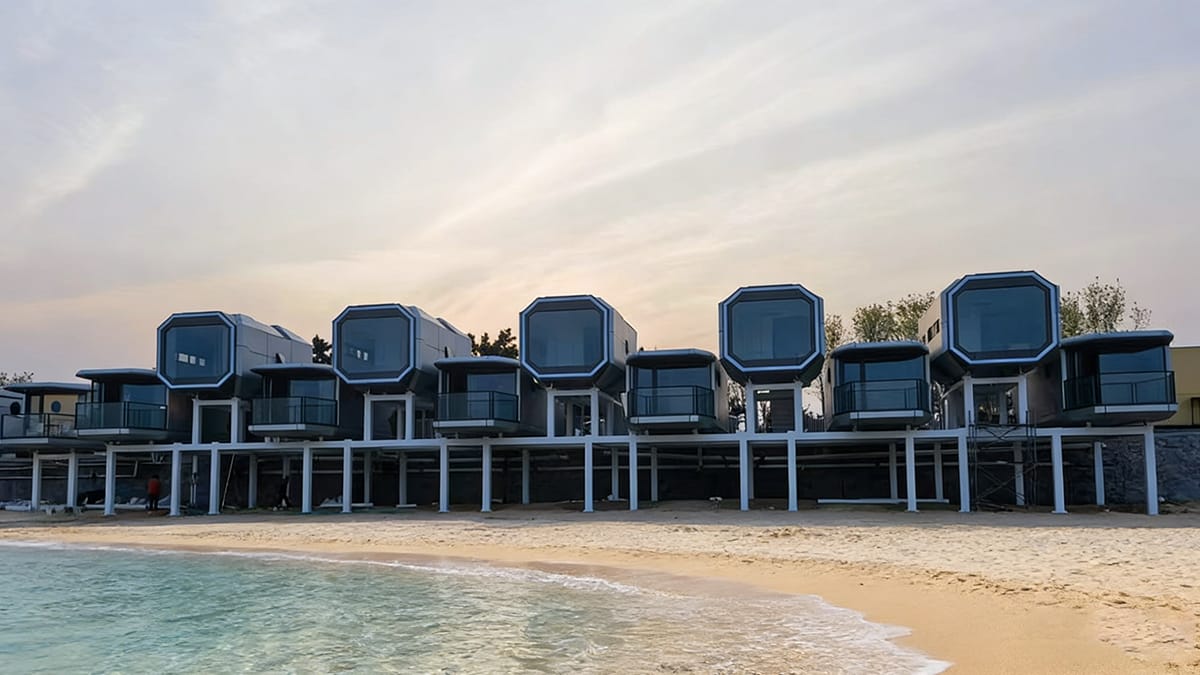 Upfront Costs and Pricing
You need to know the price before you start. Most space capsule houses cost between $10,000 and $50,000 in 2026. The price depends on how big your house is, where you build it, and what materials you pick. Bigger homes can cost from $15,000 to $50,000. If you build in a popular place, the price can go up by 30%. Using eco-friendly materials can make your budget higher by 10-15%. You should plan your budget with care. Write down what you want and check the price for each thing. If you want to spend less, pick standard finishes or a smaller house.
Factor | Impact on Price |
|---|---|
Size | Bigger homes cost more |
Location | High-demand areas raise price |
Materials | Eco-friendly options increase budget |
Customization | Personal touches add to price |
Hidden Fees and Expenses
You may think the price covers everything, but there are extra costs. Utility connections cost more for power, water, and drains. If you want to change your space capsule house, it will cost extra. You also pay for legal fees, building permits, and inspections. Moving your house to your land and setting it up costs money too. You must also pay for land and getting it ready for your house. Always ask for a full list of costs before you buy.
Utility connections
Customization options
Legal and permitting fees
Transportation and installation costs
Land acquisition and preparation
Tip: Ask your supplier for a list of all extra costs. This helps you avoid surprises and keeps your budget safe.
Energy Efficiency and Long-Term Savings
Energy-saving features help you spend less money over time. Good insulation, LED lights, and Energy Star appliances lower your bills. A small house needs less heating and cooling. Smart systems use energy in the best way for you. Solar panels and smart temperature controls save even more money. You might pay more at first, but you save later. Many capsule houses use strong steel and aluminum. These last over 50 years and need little fixing. You help the Earth and save money by picking energy-saving options.
Advanced insulation
LED lighting
Energy Star appliances
Solar panels
Note: Plan your budget for energy-saving upgrades. You will pay less for bills and repairs for many years.
Compliance and Quality Assurance
Building Codes and Permits
You must follow your city’s building codes. These rules keep you safe and help your house last. Every place has different codes. Check them before you buy your capsule house. You need permits from your local government. Permits prove your house is safe to live in. If you do not get permits, you could get fined or have delays. Ask your supplier for help with permits. Many companies know the rules and can help you.
Tip: Go to your city’s website or call the building office. They will tell you which permits you need for your capsule house.
Insulation, Electrical, Plumbing Standards
Your capsule house should be safe and comfortable. Insulation keeps your house warm in winter and cool in summer. Electrical and plumbing must meet strict rules. These rules protect you and your family. Here is what you should look for:
Requirement Type | Description |
|---|---|
Electrical Connections | Wires must connect to a main panel. |
Plumbing Connections | Pipes must connect to city lines or a septic tank. |
Insulation Requirements | Insulation must meet local energy rules. |
Ask your supplier about these rules. Make sure your house has good insulation. The electrical panel should be safe and simple to use. Plumbing must connect to the right system. If you live where it is cold, ask for more insulation. If you want to live off-grid, check if your house can use solar power and water tanks.
Environmental Certifications
Capsule houses often use green materials. You can look for homes with special certifications. These show your house is good for the planet. Some common ones are LEED, Energy Star, and Green Seal. They mean your house uses less energy and makes less waste. You help the Earth and save money on bills.
LEED: Shows your house is green and saves energy.
Energy Star: Means your house uses less power.
Green Seal: Proves your house uses safe and recycled stuff.
If you want a green house, ask your supplier about these certifications. You can feel good knowing your house helps the planet. 🌱
Delivery and Installation
Logistics and Transportation
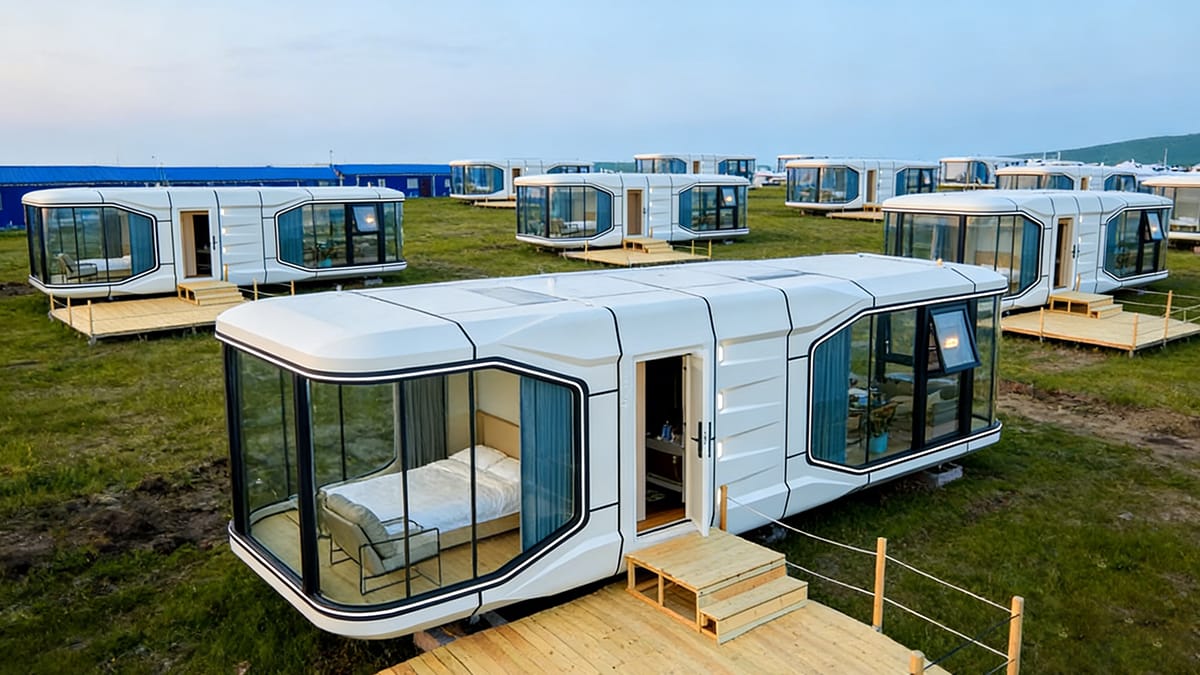 Logistics and Transportation
Getting your space capsule house delivered needs good planning. There are some problems you might face. Here are things you should know:
If you do not ask clear questions, you might get confused with your supplier.
Talking in different languages or time zones can slow things down.
If your house does not follow U.S. rules, you may need to pay for changes.
You have to handle most of the delivery steps, so mistakes or delays can happen.
Bad weather can change when your house gets there or is set up.
Rules and permits are different in every place.
The kind of foundation you need depends on where you live and your house style.
Setting up utilities needs special workers.
The small size of the house makes moving it harder.
You must get your land ready before the house comes.
Skilled workers are needed to put the house together safely.
Tip: Talk to your supplier often and ask for news. This helps you avoid problems and keeps your project moving.
Customs and Import Regulations
If your capsule house comes from another country, you must follow customs rules. Missing papers or wrong codes can slow things down. Here is what you need to know:
Regulation Type | Details |
|---|---|
Documentation Requirements | You need a Bill of Lading, Commercial Invoice, and Certificate of Origin. |
Customs Classification | Your house might be called manufactured housing, RVs, or building materials. |
CE Marking | Needed if you bring your house into the European Union. |
Building Standard Certifications | You need engineering checks and tests for local rules. |
Import Duties | You usually pay 5% to 10% extra for bringing in your house. |
Clearance Delays | Getting through customs can add 10–15% more time; it takes 1–3 days. |
Check all your papers twice. Use the right HS Code, which is often 9406, for these houses. Customs brokers with a license can help you not get delayed.
On-Site Setup
When your capsule house gets there, you start setting it up. You want everything to go well, so follow these steps:
Make sure your team has the right plans and blueprints.
Use cranes to put the house pieces on the foundation.
Finish the inside and outside to make it nice.
Hire workers who are careful and safe.
Talk to your installer and ask for updates often.
Check everything after setup to see if it is done right.
Do quality checks to make sure all works well.
Fix any problems as soon as you find them.
Note: Careful setup and checking help your capsule house last longer and keep you safe. 🏠
Common Pitfalls and Solutions
Mistakes in Buying or Customizing
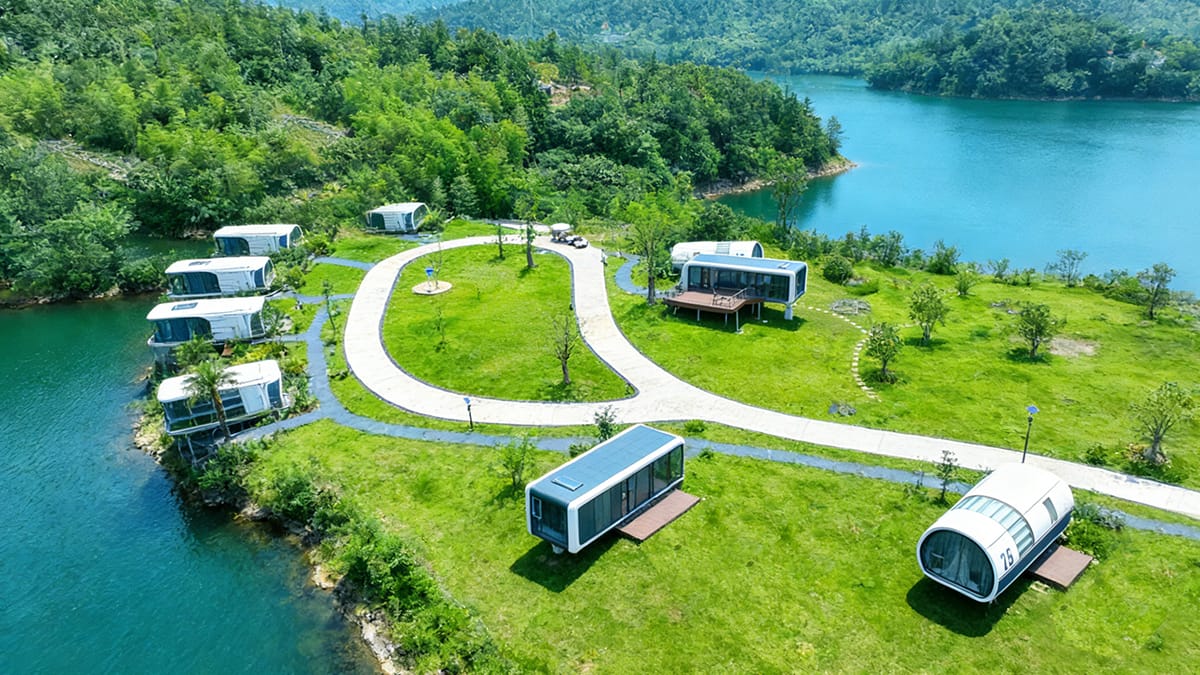 Mistakes in Buying or Customizing
You want your space capsule house to be perfect, but it’s easy to make mistakes. Here are the most common ones you should watch out for:
You skip research and jump in too fast. This can lead to surprises later.
You forget to set a realistic budget. Costs can add up quickly.
You ignore permits and building codes. This can cause big problems with the law.
You don’t check your land or site. Some places are hard to build on.
You try to do everything yourself without expert help. Mistakes can get expensive.
You guess how much space you need. Living in a cramped house feels uncomfortable.
Tip: Take your time. Ask questions. Talk to experts before you buy or customize your capsule house.
Quality Issues
You might worry about quality when you buy a space capsule house. Here’s a quick look at common issues and how you can solve them:
Quality Issue | What Happens? | How to Fix It |
|---|---|---|
Space Limitations | The house feels too small. | Focus on spaces you use most. Skip extra storage rooms. |
Privacy Concerns | It’s hard to find quiet or private spots. | Use smart layouts and sound-dampening walls. |
Resale Value | You worry about selling your house later. | More people want small homes now. Demand is growing. |
Local rules make things tricky. | Many cities now update codes for small, modern homes. |
Note: Good design and planning can solve most quality problems before they start.
Delays and Challenges
You might face delays when you set up your capsule house. Here are some common reasons:
Waiting for permits
Clearing trees or plants from your land
Leveling the ground
Connecting utilities like water and power
Setting up a septic tank or sewer line
Scheduling building inspections
Zoning rules can also slow things down. Some places have strict rules about house size or where you can build. Building codes cover safety, wiring, and plumbing. If you don’t follow these, you might have to stop your project.
Stay patient and plan ahead. Check local rules early. This helps you avoid delays and keeps your project on track.
You can buy and change a space capsule house without worry. Here are some things to remember:
Find options that are not expensive, easy to move, and good for the planet.
Choose a place and design that match your life.
Make sure you know the building rules in your area.
Pick a supplier you trust and look at different prices.
Use materials that are strong and can handle bad weather.
If you are not sure, ask experts for help. They can help you check if your house is good, explain the rules, and help you make plans. Are you excited to try space capsule living? You can start your adventure now! 🚀
FAQ
How long does it take to set up a space capsule house?
You can set up most capsule houses in one to seven days. The time depends on the model and your site. Some homes arrive ready to use. Others need extra work for utilities.
Can you customize the layout after delivery?
You can change some parts, like furniture or wall colors. Big changes, such as moving walls, cost more and need expert help. Ask your supplier about what you can modify.
What permits do you need for a capsule house?
You need building permits from your local government. Check zoning rules before you buy. Your supplier can help you with paperwork. Permits keep your project safe and legal.
Is a space capsule house good for cold climates?
Yes! Many capsule houses use advanced insulation and strong materials. You can add extra insulation or heating systems. Ask for upgrades if you live in a cold area.