

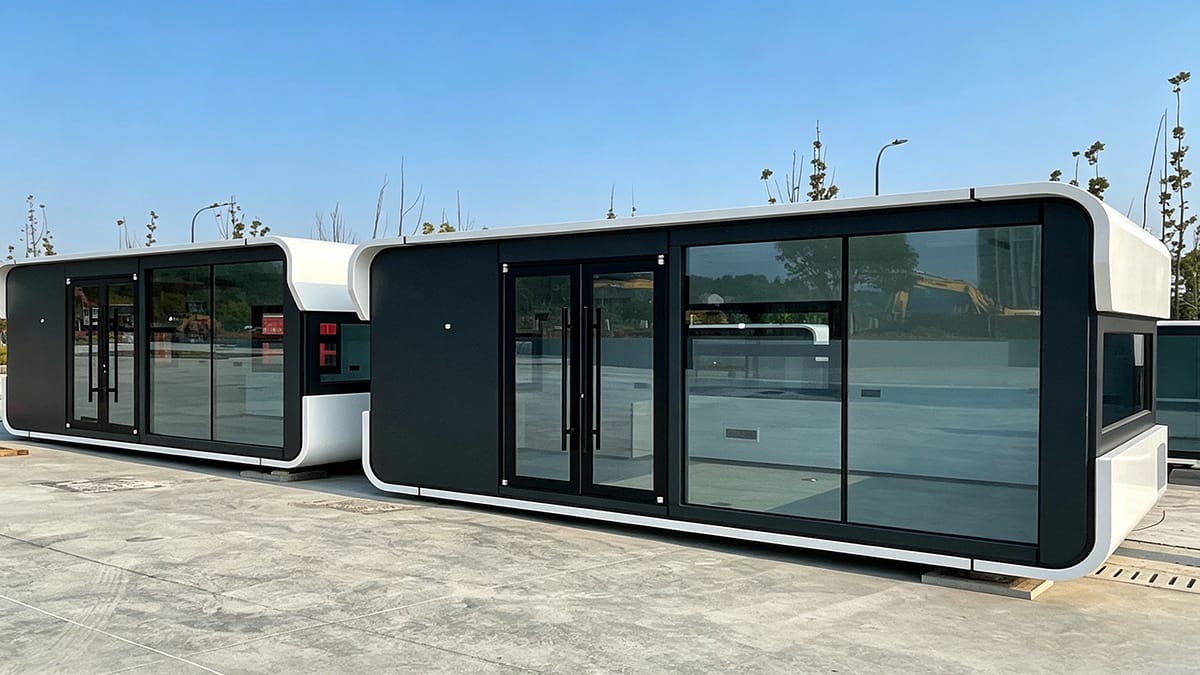
14 May Everything You Need to Know About Capsule Tiny Houses
A capsule tiny house is a small home. It usually has between 80 and 320 square feet. The design is modular. You can connect more units or use just one. These homes are self-contained. They often have a bed, bathroom, and kitchenette. The table below shows common sizes, features, and prices:
Type | Size (approx.) | Description | |
|---|---|---|---|
Basic Capsule (shell) | 80–150 sq ft | Insulated shell, simple finish, no full bathroom/kitchen | $12,000 – $22,000 |
Standard Capsule | 120–220 sq ft | Micro-studio, bathroom + small kitchenette | $25,000 – $45,000 |
Premium Capsule | 200–320 sq ft | High-end finishes, smart features | $48,000 – $80,000+ |
Space Capsule House | 150–300 sq ft | Pod design, curved shell, advanced engineering | $55,000 – $95,000+ |
More people pick these homes every year.
The prefab home market could reach $114 billion by 2025.
Growth is about 9.3% each year.
City living, higher costs, and wanting simple life help this trend.
Over half of young buyers now look at small homes to save money.
Key Takeaways
Capsule tiny houses are small homes. They are between 80 and 320 square feet. They are made to be efficient and flexible. These homes use strong materials like steel and aluminum. This makes them last a long time. They can handle bad weather. Capsule tiny houses do not cost a lot. Prices start at about $10,000. They are a good choice if you want to save money. The modular design lets you add more units easily. You can change the size as your needs change. These homes are also good for the environment. They often have energy-saving systems and eco-friendly materials.
What Is a Capsule Tiny House?
Capsule Tiny House Features
A capsule tiny house is different from other small homes. It has a special design and strong build. The space is small and modular. It usually measures between 50 and 200 square feet. Everything you need is inside one unit. You get a bed, bathroom, and kitchenette. These homes use tough materials like aviation-grade aluminum and steel. This makes them last longer than many tiny houses made with wood.
Here is a table that shows how capsule tiny houses compare to traditional tiny homes:
Feature | Capsule Tiny Houses | Traditional Tiny Houses |
|---|---|---|
Size | 50 to 100 sq ft (often up to 200 sq ft) | 100 to 400 sq ft |
Durability | Aviation-grade aluminum and steel | Timber, which can deteriorate |
Energy Efficiency | High insulation, lower energy costs | Less efficient insulation |
Cost and Construction Time | Prefabricated, assembled in days | Built on-site, takes weeks or months |
Design | Compact, modular, prefabricated | Larger, less modular |
Space Efficiency | Optimized for minimal space usage | More space, sometimes wasted areas |
Customization | Modular, smart layouts | More traditional, less modular |
Capsule tiny houses have advanced insulation. This helps you spend less money on heating and cooling. The modular design lets you add more units if you need more space.
Some important features are:
Small design uses space well
Built in a factory and delivered ready to use
Made with strong steel and aluminum
Tip: If you want a home that is simple to set up and move, a capsule tiny house is a smart choice.
How They Work
You can use a capsule tiny house by itself or connect more together. Each capsule gives you your own living space. If you need more room, you can add more capsules. The modular design lets you change your home as you need. You can expand, move, or customize your space. This makes it easy to fit your home to your life.
Capsule tiny houses are semi-mobile. You can move them if you want, but they are stronger than RVs or trailers. The tough materials help these homes stand up to bad weather. For example, they can handle hurricane winds up to 70 meters per second and earthquakes up to magnitude 9. This makes them safer than many regular homes.
Many capsule tiny houses last over 40 to 50 years. The steel and aluminum frames do not rot or break down like wood. You get a home that stays strong and safe for a long time.
Note: The modular design and strong materials make capsule tiny houses a good choice for people who want a home that lasts, is flexible, and can handle disasters.
Construction and Materials
 Modular Building Methods
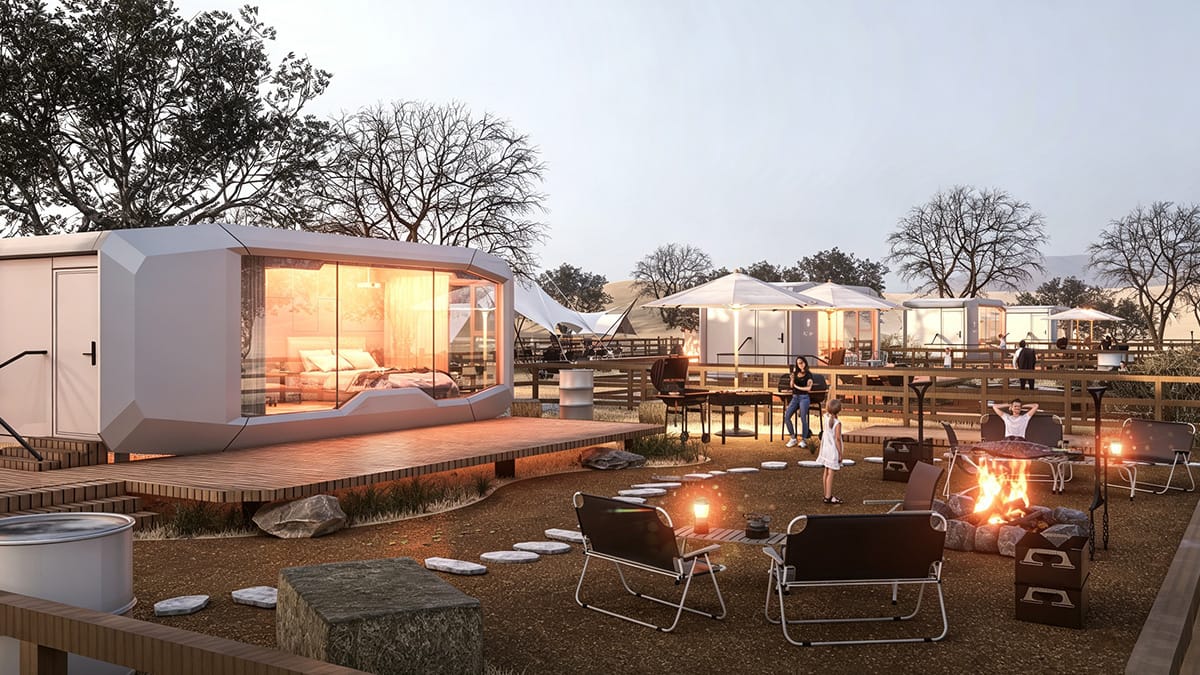 Modular Building Methods
Most capsule tiny houses use modular building methods. Builders make the main parts in a factory. They use a steel frame for the base. Workers put the house together inside the factory. This keeps the quality high. It also stops weather from causing delays. When the parts are finished, they move them to your land. A crane puts the capsule on a foundation that is ready.
Here are some important steps in the modular process:
Factories build the main parts like walls, floors, and roof.
Workers bring the finished modules to your site.
Crews put the modules together fast, sometimes in just a few days.
This way saves time and lowers labor costs.
Tip: Homes built in factories often have better quality and are set up faster than homes built the old way.
The table below shows how building in a factory helps you:
Benefit | Description |
|---|---|
Enhanced Quality | Factory work means better control and fewer problems from weather or the building site. |
Speed of Construction | On-site work is faster because the capsules are already made, which is important in cities. |
Cost Savings | Making parts in a factory lowers labor costs and waste, and buying in bulk saves more money. |
Common Materials Used
A capsule tiny house uses strong and modern materials. These materials help your home last longer and stay comfortable.
Material | Benefits |
|---|---|
Steel | Strong, lasts long, bends without breaking, stands up to weather, and looks nice. |
Glass | Lets in sunlight, saves energy, and means you use less electric light and heat. |
Composite Materials | Light, strong, does not rust or get wet, and lets builders make cool shapes. |
Insulation | Keeps heat in, keeps rooms the right temperature, and saves energy. |
Sustainable Features | Good for the planet and helps you live in a healthy way. |
You will also see aluminum veneer for strength and to stop weather damage. Insulated panels keep your home warm in winter and cool in summer. Fluorocarbon paint protects the outside and keeps it looking new. Polyurethane foam inside the walls adds comfort.
To keep your home in good shape, do these things:
Check the foundation for cracks or water.
Wash the outside and clean off dirt.
Look at the roof for leaks.
Check plumbing and electric systems.
Take care of the HVAC system.
Make sure insulation works well.
Fix leaks in doors and windows.
Stop pests by sealing cracks.
Make sure water drains away from the house.
Clean inside and outside often.
Check heating and air systems each season.
Note: Taking care of your capsule tiny house helps it stay safe, work well, and feel good for many years.
Benefits of Capsule Tiny Houses
Affordability
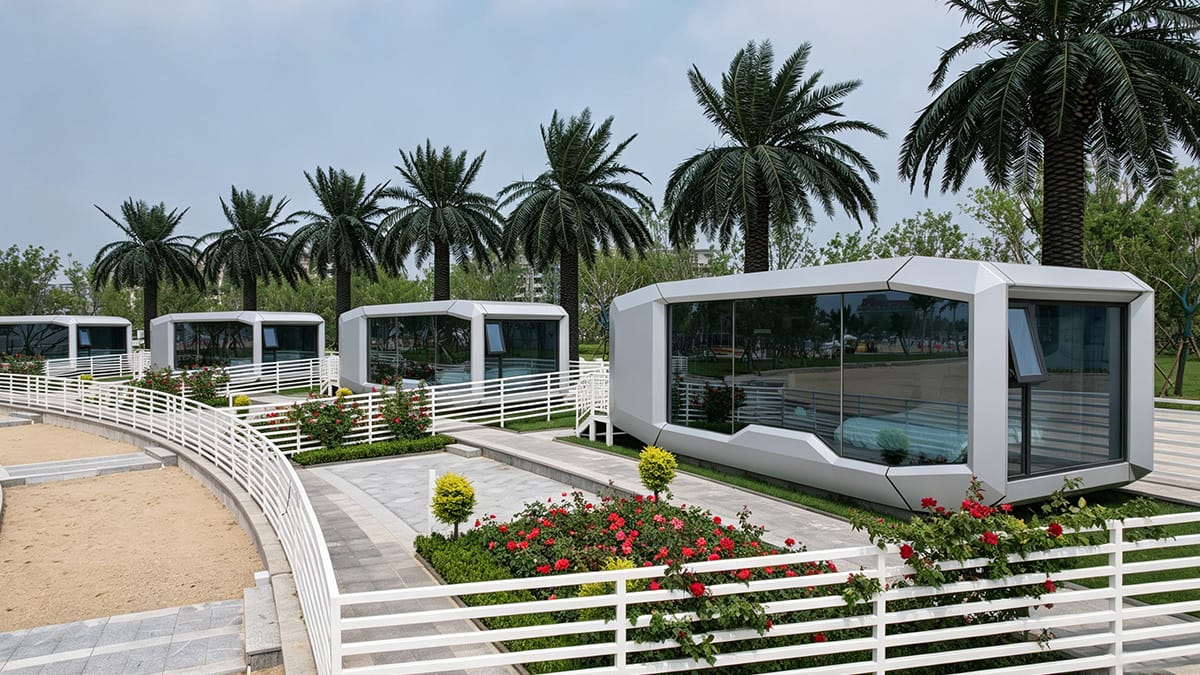 Affordability
Capsule tiny houses cost much less than regular homes. You can pick the size and features you want. The price changes based on what you choose.
Capsule House Size | |
|---|---|
Small (up to 200 sq ft) | $20,000 – $40,000 |
Medium (201-400 sq ft) | $40,000 – $80,000 |
Large (401-500 sq ft) | $80,000 – $100,000 |
You spend less money each year on repairs. Strong materials and simple designs help keep costs down. Most people pay less for fixing things than in regular houses.
Durable materials and smart design keep yearly costs low.
The base unit price starts at $10,000 and goes up to $70,000.
The total cost to install ranges from $30,000 to over $100,000.
Tip: If you want a home without a big loan, a capsule tiny house is a smart way to save money.
Sustainability
Capsule tiny houses are good for the planet. Builders use eco-friendly materials and smart designs. Thick insulation and energy-saving appliances help you use less energy. Some homes have solar panels.
Good insulation lowers heating and cooling needs, so you pay less for energy.
You can cut your energy use by up to 65% with better insulation and temperature control.
Building in factories makes less waste and helps the environment.
Many homes use recycled wood, low-VOC paints, and water-saving plumbing.
Most capsule tiny houses meet high standards like LEED, IECC, and NatHERS for energy efficiency.
Certification/Standard | Key Requirements |
|---|---|
Energy Efficiency (Directive 2010/31/EU) | U-value limits for insulation, energy-efficient lighting, appliances, and sustainable materials like recycled wood and low-VOC paints |
IECC & LEED | Compliance with IECC insulation levels, use of solar panels, water-efficient plumbing, and low-VOC finishes |
NatHERS | Minimum 6-star energy rating required for homes |
Note: Living in a capsule tiny house means you use fewer resources and help protect nature.
Space Efficiency
Capsule tiny houses use space in smart ways. Designers make small rooms feel bigger and more useful.
Most capsule houses use only 50 to 100 square feet but feel roomy because of fold-away furniture and wall storage.
You can use about 92% of the space, thanks to built-in appliances and rooms that change their use.
Smart layouts and modular designs let you add more space or change the setup as your needs grow.
Minimalist design and technology make your home comfortable and easy to use.
Capsule tiny houses work well in cities where space is tight. They also stand up to disasters, so you stay safe and comfortable.
Tip: If you want a home that fits your life and uses space wisely, this type of house is a great choice.
Challenges and Considerations
Space and Privacy
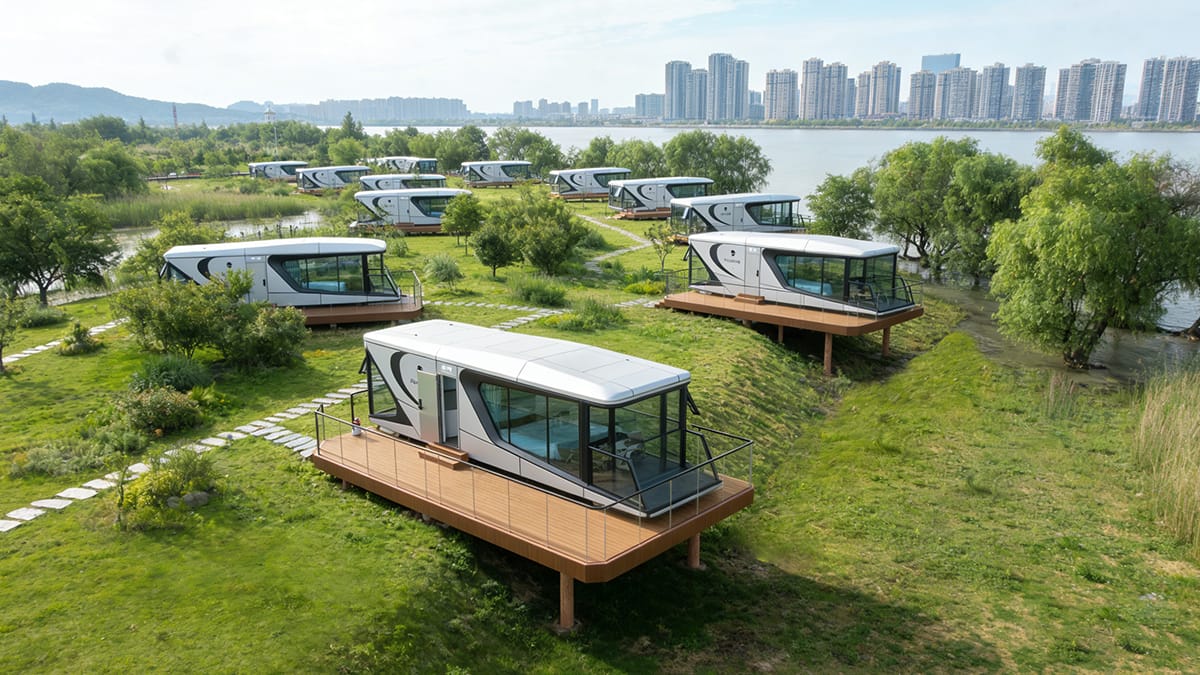 Space and Privacy
Living in a capsule tiny house means you have less room. This can be hard if you own lots of things or live with family. The small design makes it tough to store all your stuff. Privacy can be tricky too. Thin walls do not block sound well, so you might hear others. It can be hard to find quiet time or your own space.
Designers add smart features to help:
You can use partitions or movable walls for private spots.
These features let you make small areas for sleeping, working, or relaxing.
Tip: If you want privacy, pick capsule homes with flexible layouts and soundproofing.
Legal Issues
You need to check local laws before buying or building a capsule tiny house. Zoning rules decide if you can put a small home in your area. Some places do not let tiny or temporary homes in regular neighborhoods. Building codes make sure your house is safe and meets rules for structure, fire safety, and utilities. You also need water and electricity.
Here is a table that shows common legal problems:
Issue Type | Description |
|---|---|
Regulatory Hurdles | Rules and zoning can slow your project and cost more money. |
Zoning Laws | Local laws decide where you can put your capsule house. |
Building Codes | Your home must meet safety and utility standards. |
Note: Always ask your city or county before you start your project.
Maintenance
You spend less time and money on upkeep with a capsule tiny house. The small size and strong materials make cleaning and repairs easier. You pay lower utility bills because you use less energy and water. Most capsule homes need only basic care, like checking for leaks or cleaning filters.
The table below compares maintenance needs:
Aspect | Capsule Tiny Houses | Traditional Homes |
|---|---|---|
Maintenance Costs | Minimal upkeep, easy to manage | Higher, about 1% of home value yearly |
Utility Bills | Low, due to efficient design | Higher, more space to heat and cool |
Tip: Regular checks help your capsule home last longer and stay comfortable.
Costs and Options
Price Overview
 Price Overview
Capsule tiny houses come in many prices. The price depends on the size, features, and materials. Small homes with basic things cost less money. Bigger homes with special designs and fancy finishes cost more. Here is a table to help you compare:
Price Range | Size (sq ft) | Features |
|---|---|---|
Up to 100 | Basic studio-style, simple layout | |
$40,000 – $70,000 | 200-300 | Standard kitchen, modest bathroom, more customization |
$70,000 – $100,000+ | 300-500+ | High-end materials, custom designs, luxury amenities |
Prefab capsule houses usually cost $100 to $200 for each square foot. Custom builds can cost up to $350 for each square foot. The total price can also change if land is expensive, or if you need special permits and utilities.
Note: Land in the country is usually cheaper than land in the city. Hooking up water and power and getting permits can make your costs go up.
Buying or Building
You can buy a capsule tiny house that is already made, or you can build one yourself. Each choice has good and bad sides.
Option | Pros | Cons |
|---|---|---|
Pre-made | Quick setup, lower cost, less stress | Fewer design choices, fixed layout |
Custom Build | Full control, unique features | Higher cost, longer wait, more effort |
Prefab homes save you time and money because they are ready fast. Custom builds let you pick everything you want. You might have to wait longer and pay more, but you get a home that fits your style.
Tip: Think about how much time you have, how much money you want to spend, and how much you want to choose the design.
Customization
You can change your capsule home to fit what you need. Many people like Murphy beds because they fold up and save space. You can add built-in storage, smart home systems, or solar panels. Some people pick special kitchens or cool finishes.
Customization Option | Description |
|---|---|
Murphy Beds | Fold up when not in use, giving you more room during the day |
Built-in Storage | Cabinets and shelves use every inch of space efficiently |
Smart Home Features | Control lights, temperature, and security from your phone |
Solar Panels | Lower your energy bills and help the environment |
You can also choose colors, floors, and appliances. Customizing your home lets you make it match your life.
Note: Custom features can make the price go up, but they help your home feel special and comfortable.
A capsule tiny house is a smart and cheap way to live. It is also flexible, so you can use it in different ways. You can set it up fast. The materials are strong and last a long time. The design helps you save space. Many people can use these homes and get help from them:
Benefit | |
|---|---|
Homeless individuals or families | Temporary, stable housing |
Older adults (55 and older) | Lower living costs |
Families with children | Safe, short-term shelter |
You need to think about your money, local rules, and how much space you want before you pick this kind of home.
FAQ
What utilities do capsule tiny houses need?
You need water and electricity. Waste systems are also important. Most capsule homes connect to city services. Some use solar panels or composting toilets. Always check local rules before you set up your home.
Can you move a capsule tiny house?
Most capsule tiny houses can be moved. They are semi-mobile. You might need a crane or truck. Moving is easier than with a regular house. It is harder than moving an RV.
How long does it take to install a capsule tiny house?
Capsule tiny houses are installed in just a few days. Factory-built parts come ready to put together. Weather delays do not happen often. You can move in quickly.
Are capsule tiny houses safe in bad weather?
Capsule tiny houses use strong steel and aluminum. They resist wind, rain, and earthquakes. Many models meet strict safety codes. You stay safe in most weather conditions.
Can you customize the inside of a capsule tiny house?
You can pick layouts, colors, and features. Many builders offer Murphy beds, smart lights, or solar panels. Custom choices help your home fit your needs.