

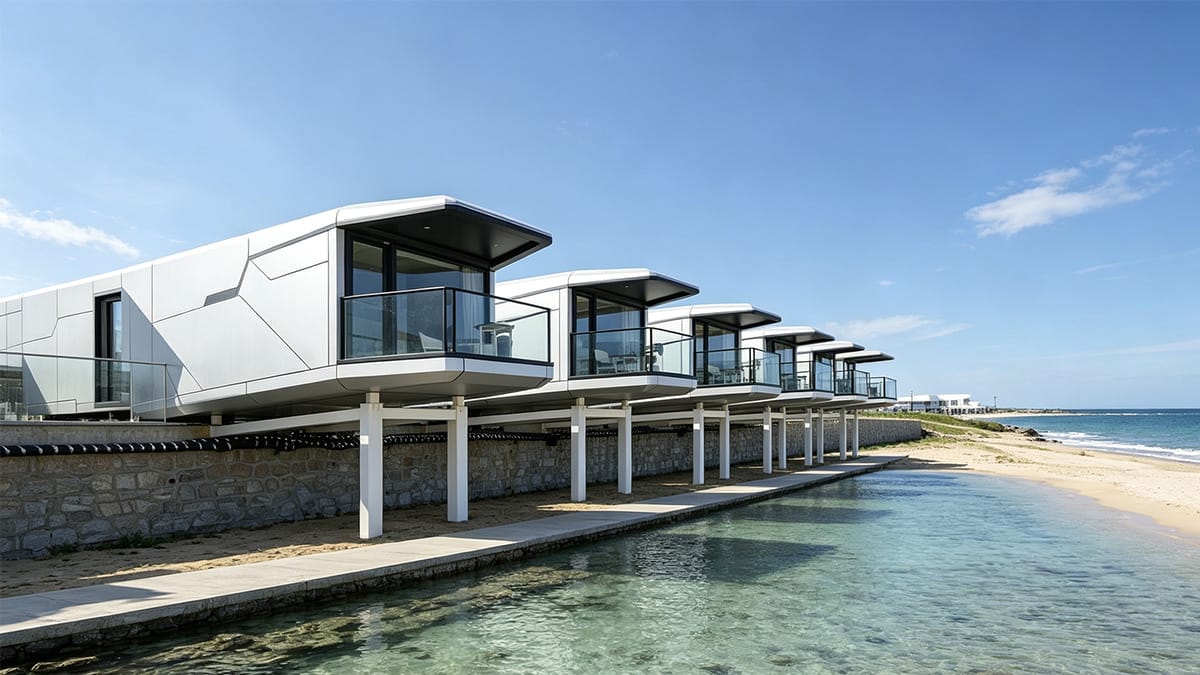
22 Aug Step-by-Step Guide to Buying a Capsule Home in 2026
You want to know the steps for buying a capsule home in 2026. This capsule home guide helps you figure out what to expect before you make your purchase. You need to understand costs, rules, and the process. Take a look at the projected prices for capsule homes next year:
Type | |
|---|---|
Basic Capsule (shell) | $12,600 – $24,200 |
Standard Capsule House | $26,250 – $49,500 |
Premium Capsule House | $50,400 – $88,000+ |
Space Capsule House | $57,750 – $104,500+ |
Keep this guide handy so you don’t miss any important steps.
Key Takeaways
Learn about the prices of capsule homes in 2026. They cost from $12,600 to over $104,500. The price depends on the type you pick.
Check local zoning laws and permits before you buy. This helps you avoid legal trouble and follow the rules.
Look at capsule home models in person. This helps you see the quality and if they fit your needs.
Think about ways to make your capsule home special for you. Remember, changes can cost more money.
Keep all your papers together, like contracts and warranties. This makes buying easier and helps you move in smoothly.
Capsule Home Guide: What to Know
 What Is a Capsule Home?
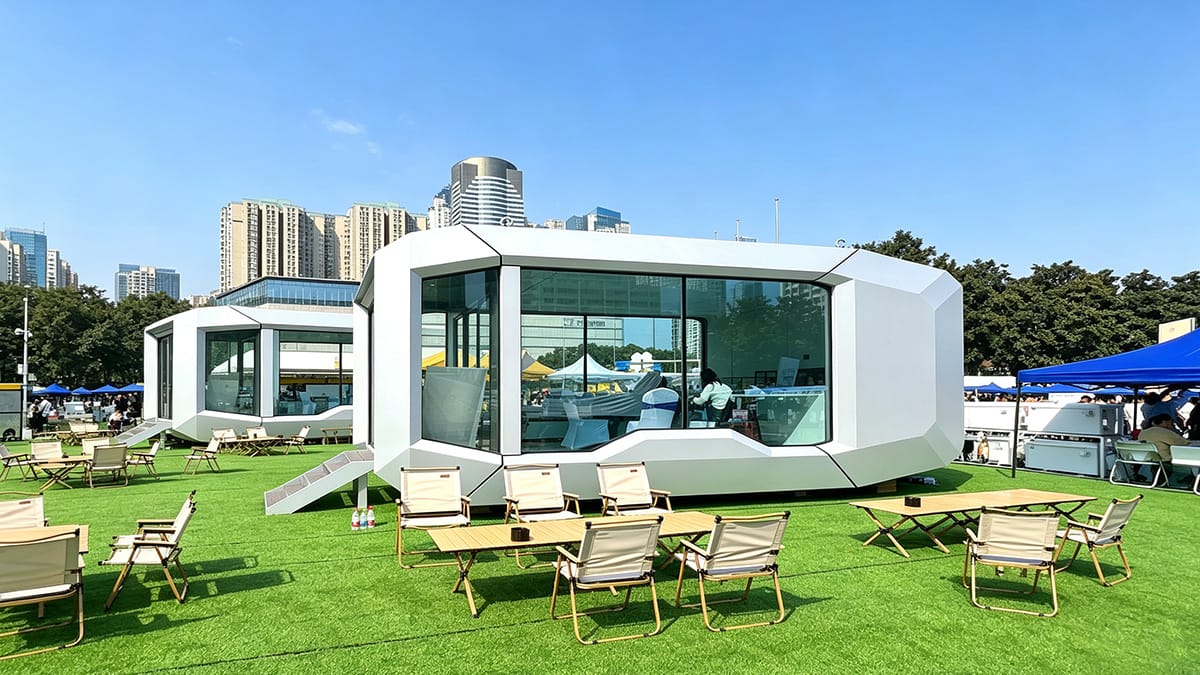 What Is a Capsule Home?
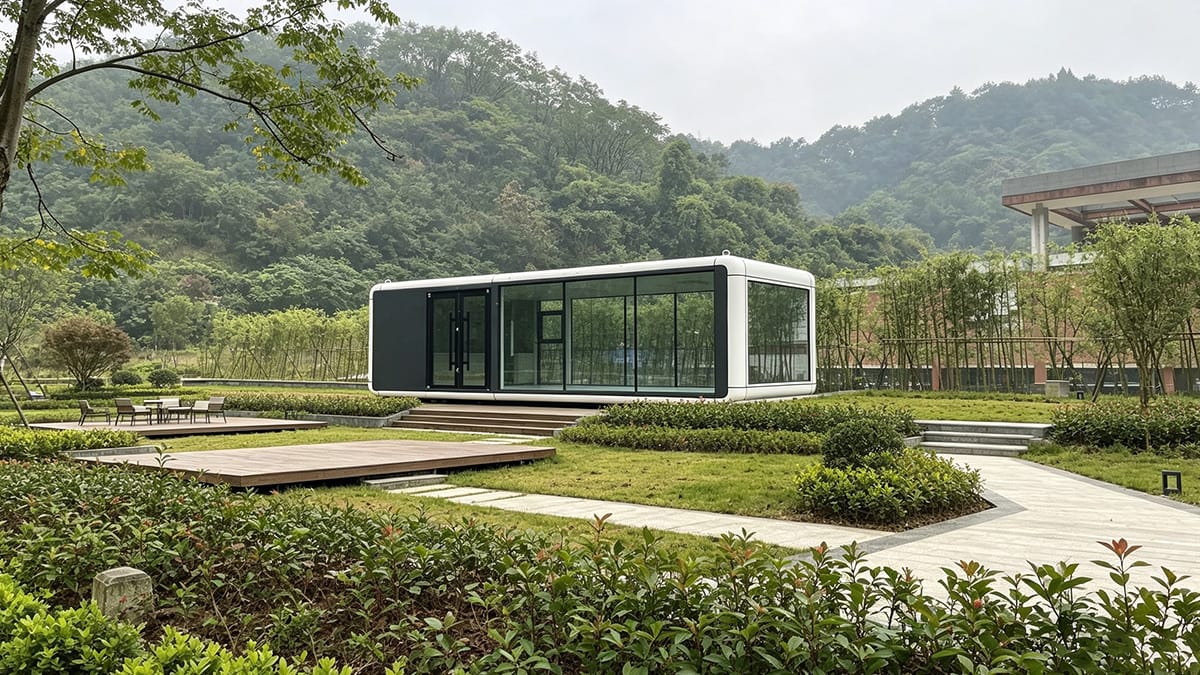
You may ask, what is a capsule home? A capsule home is a small, modular place to live. It is built for simple and efficient living. These homes use smart designs and built-in furniture. This helps save space and makes life easier. Capsule homes are quick to build. They use less energy than normal houses. They also help the environment more. If you want a home that is easy to clean and costs less, this guide will show you why many people like capsule homes.
Types and Features
There are many types of capsule houses. Some are simple and basic. Others have fancy finishes and smart tech. Here is a list to help you see the choices:
Basic Capsule Houses: Small, with built-in furniture for use.
Vertical Capsule Houses: Stackable homes, good for cities.
Capsule Lodgings: Dorm-style pods for short visits.
Capsule Flats: Apartments with more privacy and extras.
Floating Capsule Homes: Water-safe and good for nature.
Sustainable Capsule Houses: Use green energy and help the earth.
Portable Capsule Homes: Easy to move, good for short stays.
Premium Capsule Houses: Fancy finishes and smart features.
Off-Grid Capsule Homes: Work alone, no need for city power.
You can also find things like solar panels, rainwater systems, smart controls, and folding furniture. This guide helps you look at these features. You can choose what works best for you.
Benefits and Drawbacks
This guide shows you the good and bad parts. Capsule homes cost less and are better for the planet. They are fast to build. They use less energy and are easy to care for. You can live near stores and have a modern life. But there are some problems:
Limited Space: It can feel small, mostly for families.
Lack of Privacy: Open rooms may not feel private.
Limited Customization: You cannot change much inside.
Some capsule homes do not have good air flow or sell for less later. This guide helps you think about these things. You can decide if a capsule home is right for you.
Researching the Market
Comparing Capsule Home Options
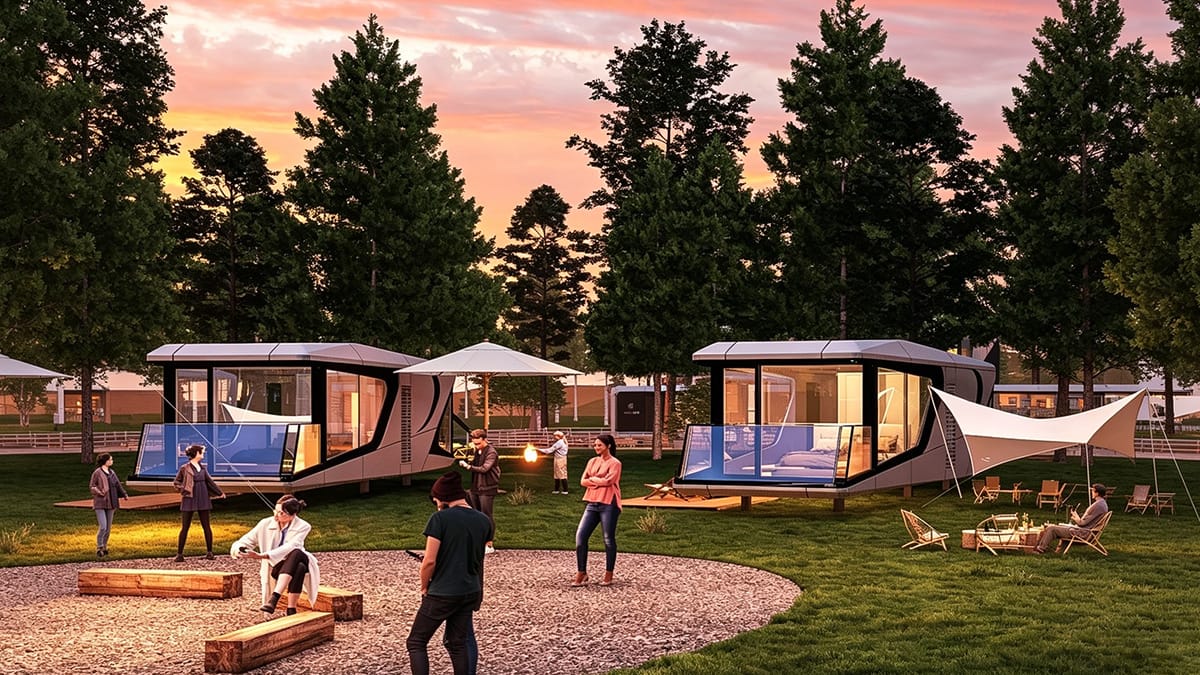 Comparing Capsule Home Options
You want to pick the best capsule house from china. The market changes a lot, so you need to know what is popular. People now want homes that do not cost too much and are good for the earth. Many buyers like small homes in cities. Eco-friendly and simple styles are very common. You can also find more ways to change and make your home fit your needs. Some people want “purposeful luxury.” This means they want nice designs and smart tech for daily life.
When you look at capsule homes, check these things:
Criteria | Description |
|---|---|
Assembly Efficiency | How fast you can set up your home |
Shipping & Container Optimization | How well the home ships and fits in containers |
Lead Time | How long you wait for delivery |
Material Durability | How strong and long-lasting the materials are |
Certification & Compliance | If the home meets safety and legal rules |
Long-Term Operating Cost | How much you pay to run your home over time |
You should also look for wind safety, earthquake safety, and good insulation. These things are important when you buy a capsule house from china.
Inspecting Models In Person
You may feel happy about buying a capsule house from china. But you should see the models in person if you can. Online pictures do not always show the real thing. When you visit, you can touch the walls and see the space. You can check if the home feels right for you. Look for strong walls, good soundproofing, and safe fire ratings. Ask how the home does in cold, heat, or storms. This step helps you avoid problems after you buy a capsule house from china.
Tip: Bring a checklist when you go. Write down what you like and what you do not like. This makes buying a capsule house from china much easier.
Finding Reputable Manufacturers
You want a builder you can trust when buying a capsule house from china. Some companies are known for good work and service. For example, Skyline Capsule Homes sells tiny homes, mobile homes, and modular homes. They deliver everywhere and let you change your home. They also give good prices and check for quality. Always read reviews and ask for proof of safety and legal papers before you buy a capsule house from china. This helps you feel safe and happy with your choice.
Region | Cost Multiplier | Typical Range |
|---|---|---|
West Coast | 1.3x | $260,000-$520,000 |
Northeast | 1.2x | $240,000-$480,000 |
Southeast | 1.0x | $200,000-$400,000 |
Midwest | 0.9x | $180,000-$360,000 |
Prices are different in each region, so check costs before you buy a capsule house from china. This helps you plan your money and avoid problems.
Customization and Design Choices
Personalizing Your Capsule Home
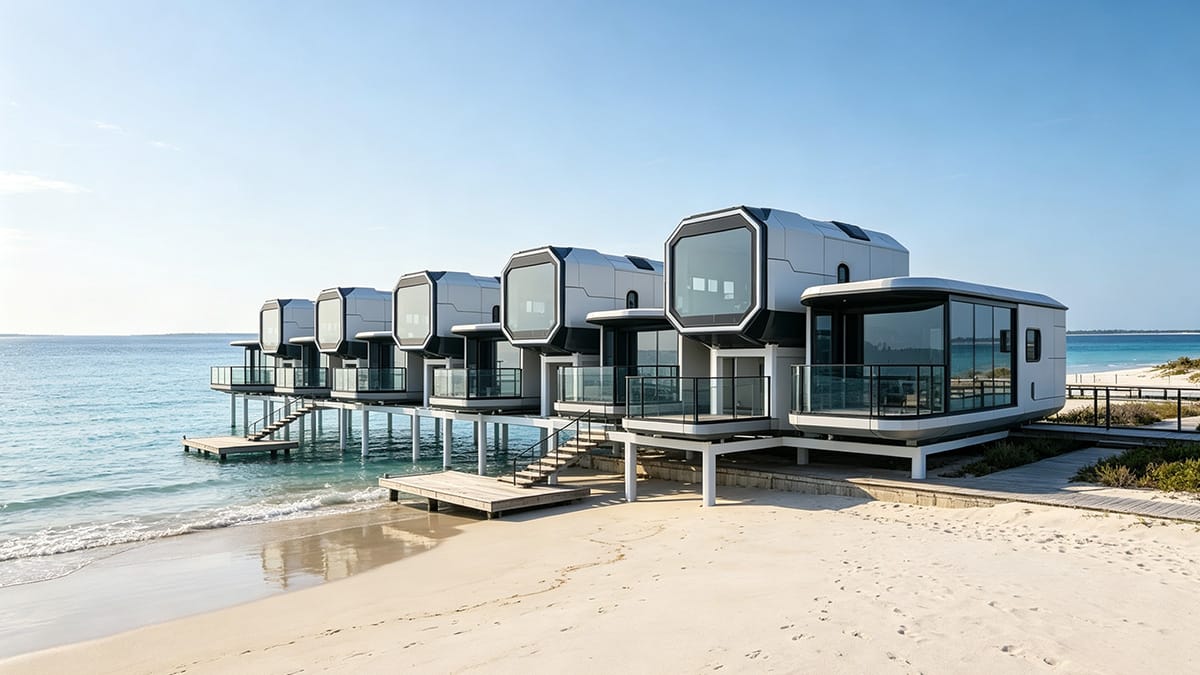 Personalizing Your Capsule Home
You want your capsule home to feel special. You can choose many features to match your style. Some popular choices are built-in storage, convertible furniture, electric curtains, and smart controls. These features help you keep things tidy. You can change your space for work or rest. You can control your home with a tap.
Here is a quick list of what buyers like:
Custom Feature | What It Does |
|---|---|
Built-in Storage | Keeps your space neat and organized |
Convertible Furniture | Lets you switch between living, working, and rest |
Electric Curtains | Adds privacy and style with a tap |
Smart Controls | Manages lights, locks, and appliances easily |
You can also add things like local automation for privacy. You can use energy-saving climate control. You can pick design-led security systems. These upgrades make your home smarter and more comfy.
Customization Costs
Adding custom features can change the price of your capsule home. Most people spend $20,000 to $50,000 more for upgrades. The final price depends on your home’s size. It also depends on the materials and features you pick. If you want advanced tech or fancy finishes, the price goes up. It helps to set a budget before you choose.
Tip: Ask your builder for a full price list. This helps you know what each upgrade costs before you decide.
Matching Needs and Preferences
You can match your capsule home to your life with many design choices. Builders now offer modular designs. You can mix and match parts to fit your needs. Parametric design tools let you see your choices before you buy. You can pick from different material palettes for the look you want. System integration makes sure all your smart features work together. Some builders let you add upgrades later. Your home can change as your needs change.
Design Choice | Description |
|---|---|
Customization Capabilities | Many options without losing quality or speed |
Modular Design Principles | Mix and match parts for a personal fit |
Parametric Design Tools | See your choices before you buy |
Curated Material Palettes | Pick materials that look good and last |
System Integration Protocols | Make sure all features work together |
Phased Implementation | Add upgrades now or later as your needs change |
Making your capsule home your own is important. When you know your choices, you can make a space that feels right for you.
Legal Steps and Compliance
 Before you buy a capsule home, you must check the law. This keeps you safe and makes sure your home is legal. If you skip these steps, you could get fines or have to wait longer. Here is what you need to know.
Local Zoning and Permits
You have to follow local zoning laws for your capsule home. These rules say where you can put your home and how big it can be. Cities set rules for height, lot size, and how many homes fit in one place. You also need permits for building, electric work, and plumbing. Some places want special papers to show your home is safe from wind, snow, or earthquakes.
Requirement | Description |
|---|---|
Setback Distances | Minimum space from property lines |
Minimum Lot Sizes | Smallest land area allowed |
Density Restrictions | Limit on number of homes per area |
Height Limitations | Maximum height allowed |
Design Conditions | Rules for style and appearance |
Utilities and Security | Standards for plumbing, electrical, and safety |
Tip: Go to your city office and ask about zoning rules. This helps you avoid problems later.
Building Codes and Safety
Your capsule home must follow all building codes. These rules keep you and your family safe. You need to follow fire, plumbing, and electric rules. Your home needs papers from engineers to show it is strong. You also need proof that your home uses safe materials and saves energy.
Regulation Focus | Key Code | Capsule House Requirement |
|---|---|---|
Structure | AS 1170 | Handles loads and weather |
Fire Protection | AS 3959 | Uses bushfire-resistant materials |
Energy Rating | NatHERS | At least 6-star efficiency |
Get engineering papers before you start building.
Keep all your papers ready for checks.
Follow all safety and energy rules.
Ensuring Legal Purchase
You want your purchase to be legal and easy. Make sure you have all the right papers. These show your home is safe and follows the rules. You need a sales contract, payment proof, and certificates for rules. You also need papers for shipping, delivery, and warranties.
Document Type | Description |
|---|---|
Sales Contract | Lists model, customizations, price, and payment plan |
Payment Proof | Shows invoices or money transfers |
Certificate of Origin | States where the home was made |
Compliance Certificates | Proves the home meets safety and building codes |
Shipping and Delivery Agreements | Details delivery time, costs, and responsibility for damages |
Warranty and After-Sales Agreements | Covers materials, construction, and support after sale |
Get permits from your local office.
Get your land ready for your home.
Connect water, power, and sewage.
Plan for trucks and cranes to bring your home.
Note: Keep all your papers together. This helps you fix problems fast if they happen.
Capsule Home Costs and Financing
Total Cost Breakdown
 Total Cost Breakdown
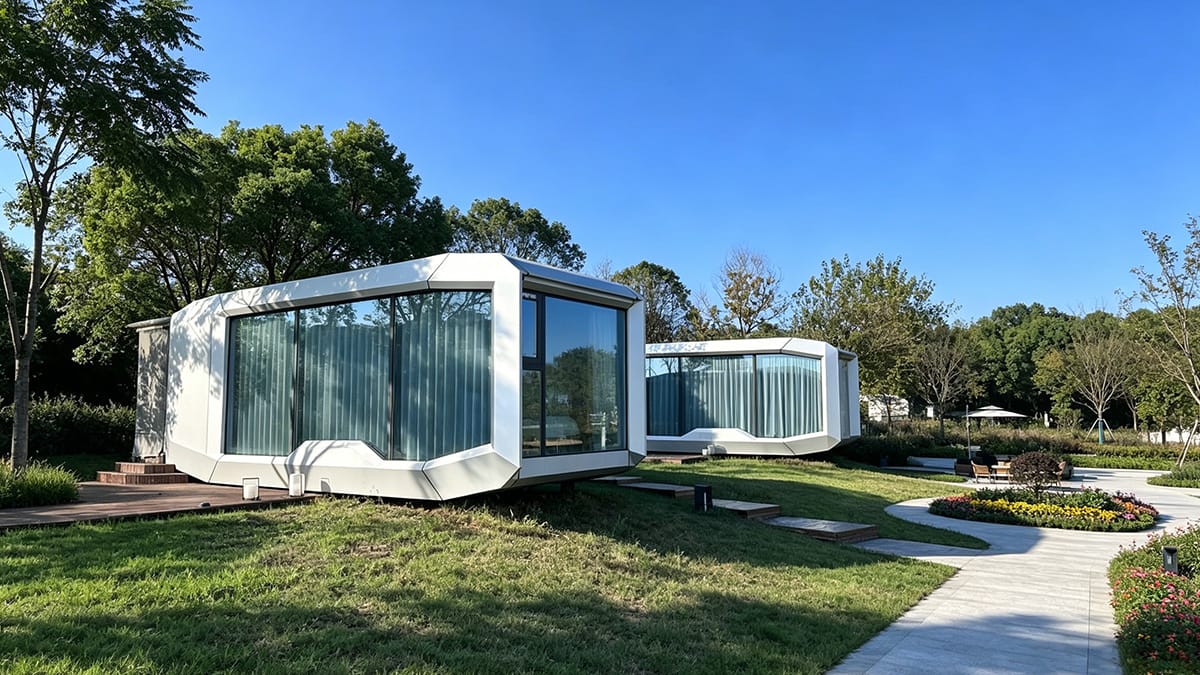
When you want to buy a capsule home, you need to know all the costs. The price you see for the unit is not the only thing you pay. There are other things you must pay for too. For a turnkey capsule house, the unit costs between $26,000 and $50,000. The total cost for everything, like getting the land ready, adding utilities, and getting permits, is usually $50,000 to $100,000 or more. Space capsule houses cost about $70,000 to $100,000 just for the unit. If you live in a place where things cost more, the total price for a space capsule house can be $90,000 to $150,000 or even higher. You need to make a good budget. Buying a capsule home means you have to think about every cost, not just the price you see first.
Financing and Payment Options
You have different ways to pay for your capsule home. Many companies give you choices that help you with your budget. Here are some options you can look at:
Description | |
|---|---|
Flexible Solutions | Tailored financing options for businesses, including creative leasing solutions. |
Convenient For Business | $0 down payment available for financing delivery and related expenses. |
Easy Application | One-page application process for amounts up to $350,000 with quick credit decisions. |
Affordable Financing | Terms ranging from 12 to 84 months with deferral options and seasonal payment plans. |
You can pick a plan that works for you. Some people like to pay a little at a time. Others want to finish paying fast. Financing helps you get your home sooner and keeps your money safe. If you want to buy a tiny home, these choices can make it less stressful.
Planning for Extra Expenses
When you buy a capsule home, you should think about extra costs. These costs can surprise you if you do not plan for them. Here is a table to help you plan your budget:
Expense Type | |
|---|---|
Home Insurance | $400 – $1,200 per year |
Property Taxes | $500 – $3,000 per year |
Utility Connections | $200 – $2,000 |
Interior Improvements | $1,000 – $5,000 |
Mini Appliances | $1,000 – $4,000 |
Smart Devices | $500 – $2,000 |
Flooring | $5 – $15 per sq. ft. |
Foldable Furniture | $1,000 – $3,000 |
You should add these costs to your budget. Buying a capsule home is easier when you know what you will pay. If you plan for things like insurance, taxes, and upgrades, you will not have big surprises later. 😊
How to Buy a Capsule House
Comparing Offers and Negotiation
You want to buy a capsule house, but you also want the best deal. Comparing offers is a smart move. Start by looking at what each seller gives you. Check the price, the features, and the extras. Some sellers include delivery or upgrades. Others charge more for these things. Make a list so you can see which offer fits your needs.
Negotiation is where you can save money or get better features. You do not have to accept the first price. Problem-solving helps you find answers when things get tricky. If you run into challenges, you can work with your realtor to develop strategies. Realtors know the market and can spot hidden deals. They have insider connections and can find homes that are not listed online. When you team up with a trusted local realtor, you get someone who will fight for your interests. They can help you make your offer more competitive and protect you during the negotiation.
Tip: Ask your realtor about off-market capsule homes. Sometimes the best deals are not advertised.
Contracts and Documentation
After you compare offers and negotiate, you need to check the paperwork. Contracts are important when you buy a capsule house. The contract should list the model, the price, and any custom features. It should also show the payment plan and delivery details. Make sure you read every part of the contract. If you do not understand something, ask questions.
You also need other documents. These include proof of payment, certificates for safety and compliance, and agreements for shipping and warranties. Keep all your papers in one place. If you ever need to fix a problem, you can find what you need fast.
Document Type | What It Covers |
|---|---|
Sales Contract | Model, price, customizations, payment |
Payment Proof | Invoices or money transfers |
Compliance Certificates | Safety and building codes |
Delivery Agreement | Shipping, timing, damages |
Warranty Agreement | Materials and support |
Note: Double-check the contract before you sign. This protects you from mistakes.
Finalizing the Purchase
You are almost done. Finalizing your tiny home purchase means you check everything one last time. Make sure the seller has all your documents. Confirm your payment went through. Ask for a timeline for delivery and installation. If you need permits, get them ready. Prepare your land for the new home.
Here is a simple checklist to help you finish the process:
Research the market and compare offers.
Understand the total cost and set your budget.
Make sure your capsule home meets all quality and compliance rules.
Plan for delivery and installation.
Get ready for maintenance and support.
You can buy a capsule house with confidence when you follow these steps. The process may seem long, but each step helps you avoid problems. When you finish, you get a home that fits your life and your budget. 😊
Callout: Keep your checklist handy. It makes buying a capsule house easier and less stressful.
Delivery and Installation Process
Site Preparation
 Site Preparation
Getting your site ready is the first step. You want everything smooth for delivery day. Here’s what you need to do:
Clean and level the ground. Make sure trucks and cranes can reach your site.
Pick a strong foundation. You can use a concrete slab, pier and beam, or screw piles. The right choice depends on your land.
Confirm access for big vehicles. Trucks and cranes need space to move.
Arrange for crane or forklift support if needed.
Set up power and water connection points. Plan for drainage and sewage solutions.
Have a local electrician and plumber ready.
Finish the foundation before your capsule home arrives.
Tip: Make a checklist for site prep. This helps you avoid delays and keeps things organized.
Shipping Logistics
Shipping your capsule home takes careful planning. The company handles transportation, customs clearance, insurance, and installation support. You get clear information about total shipping costs, so you can budget without surprises. The manufacturing team works with you to plan delivery strategies. They make sure everything goes smoothly from the factory to your site.
You can expect updates about your delivery. The team checks every detail, so your home arrives safely. Companies streamline the process to minimize risks and follow all standards.
Assembly and Setup
Once your capsule home arrives, you start the setup. Here’s how it usually goes:
Plan and prepare. Get your tools, materials, and permits ready.
Set up the foundation. Make sure it’s level and strong.
Unload the capsule home carefully. Use cranes if needed.
Position and fix the home. Check that it sits level and secure.
Connect utilities. Hook up electricity, water, sewage, and gas.
Inspect inside and outside. Look for any issues with systems or structure.
Do final checks. Make sure everything works and meets safety standards.
Note: Take your time with inspections. You want your new home safe and ready for living. 😊
After Purchase: Tiny Home Buying Guide Tips
Maintenance and Upkeep
 Maintenance and Upkeep
You want your capsule home to last a long time. Regular care keeps everything working and looking good. Here are some important steps you should follow:
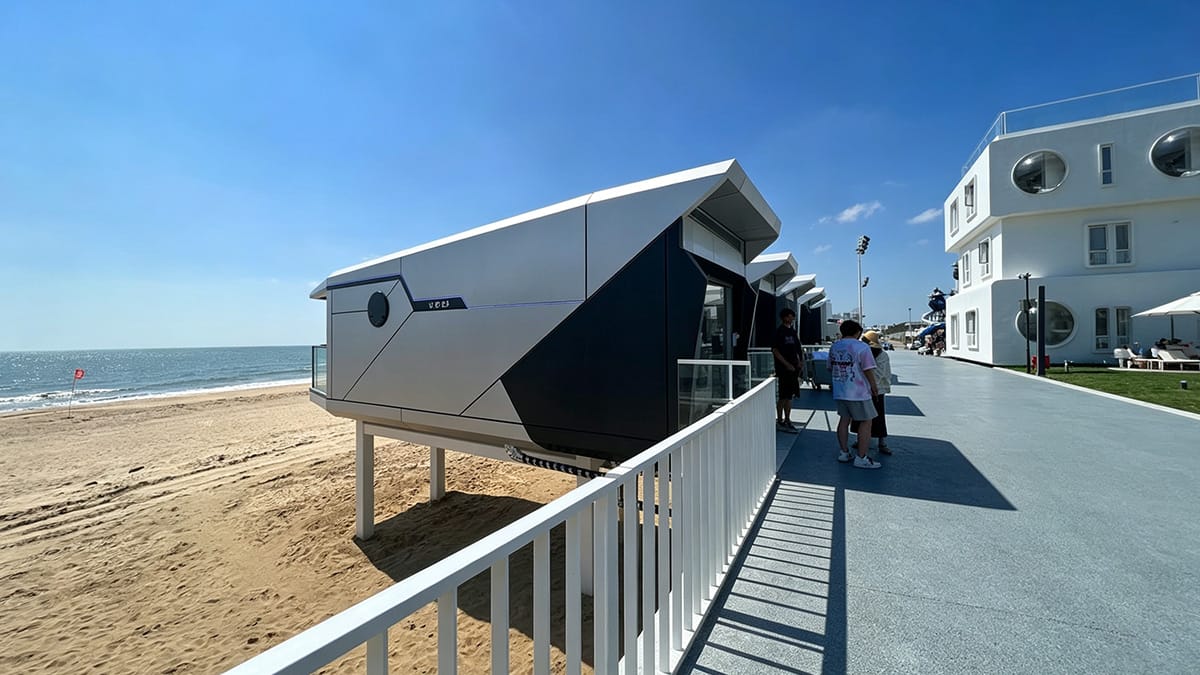
Inspect the hull and floats every three months. Look for cracks, leaks, or damage. Fix small problems before they get bigger.
Control marine growth and plan antifouling. Clean the outside of your home to stop algae and barnacles from building up. This helps your home stay safe and comfortable.
You should also check doors, windows, and seals for drafts or leaks. Clean air filters and vents to keep the air fresh. Test smoke alarms and safety devices each month. A little work now saves you money later.
Tip: Set reminders on your phone for regular checks. This way, you never forget important tasks.
Warranties and Support
Capsule homes often come with warranties. These protect you if something breaks or does not work right. Read your warranty papers carefully. They tell you what is covered and how long the coverage lasts.
If you have a problem, contact the support team from your builder. Most companies offer help by phone, email, or online chat. Keep all your documents in one folder. This makes it easy to get help when you need it.
Warranty Type | What It Covers | Typical Length |
|---|---|---|
Structural | Frame, walls, roof | 5-10 years |
Systems | Plumbing, electrical | 1-3 years |
Appliances | Fridge, stove, heater | 1-2 years |
Note: Always ask questions if you do not understand your warranty.
Settling In
Moving into your new capsule home feels exciting. Take time to make the space your own. Unpack your things and arrange your furniture. Try different layouts to see what works best for you.
Meet your neighbors if you have any. Learn about your new area. Find the nearest grocery store, park, or bus stop. Add plants, art, or cozy lights to make your home feel warm.
If you ever feel unsure, go back to your tiny home buying guide. It helps you remember what to do next. Enjoy your new space and make it truly yours! 😊
You now know the steps to buy a capsule home in 2026. Each stage—from research to move-in—matters for a safe and happy experience. Use this guide as your checklist. Stay organized, ask questions, and keep your documents handy.
Tip: Visit local offices and talk to experts if you feel stuck. You can also join online forums for more advice.
Ready to start your capsule home journey? You’ve got this! 🏡
FAQ
How long does it take to get a capsule home delivered?
You usually wait 4 to 12 weeks for delivery. The time depends on your location, the model you pick, and how many custom features you want. Ask your builder for updates so you can plan ahead.
Can you live in a capsule home year-round?
Yes, you can live in a capsule home all year. Most models have insulation, heating, and cooling. You stay comfortable in hot or cold weather. Just check that your home meets local codes for year-round living.
What size land do you need for a capsule home?
Most capsule homes fit on small lots. You often need at least 500 to 1,000 square feet of land. Check your city’s zoning rules for the exact size. Some places have special rules for tiny homes.
Do capsule homes hold their value?
Capsule homes can keep their value if you care for them. Location, condition, and upgrades matter. Some homes may lose value faster than regular houses. Talk to a local realtor for advice.
Can you move your capsule home later?
You can move many capsule homes if you need to. Some models are portable and easy to relocate. You may need a truck or crane. Always ask your builder about moving options before you buy.