

18 Jul Comparing Electrical Systems in Prefab and Modular Homes
You should learn how electrical systems are different in prefab and modular homes. Both types have wiring put in at the factory. Modular homes usually let you pick more features and upgrades. Safety checks and inspections happen at different times. A good prefab home can work well and save time. Picking an energy efficient home helps the environment. Knowing these things helps you make good choices. For more help, you can use a capsule house plumbing and electrical system guide.
Learning these main ideas helps you compare choices and save money.
Key Takeaways
Prefab homes get their electrical systems put in at the factory. This helps make sure they are safe and work well.
Modular homes let you pick more features. You can choose what fits your needs best.
Both prefab and modular homes must follow safety rules. Modular homes usually get checked more times.
Modular homes can have energy-saving features. These can help you pay less for power and feel more comfortable.
Checking your electrical system often can stop problems. It also helps keep your home safe.
Prefab Homes Electrical Systems
Design and Factory Installation
Prefab homes are built in a factory. Workers put in the electrical wiring before the home is shipped. They use good materials and follow careful plans. The electrical system is reliable because it is made off-site. A 28-way 100A UL-listed electrical panel is usually included. This panel makes following rules easier and keeps things safe for a long time. Prefab homes can have special features like fire-rated insulation. They also protect against bad weather. These features make prefab homes strong and safe.
On-Site Assembly and Inspection
After the home arrives, local workers connect the electrical systems. Officials check the foundation before the modules are placed. They decide when to inspect the electrical connections. Sometimes, other inspectors help to check safety. Inspectors watch as the modules are put together. This careful process finds problems early. Prefab homes use two inspections to keep your home safe and up to code.
Tip: Always ask about when inspections will happen. This helps you plan and avoid delays.
Code Compliance and Safety
Prefab homes must follow national and local codes. These include the National Manufactured Housing Construction and Safety Standards Act and the International Residential Code. Prefab homes also follow rules for air-conditioning, windows, and building materials. You should look for problems like warm outlets, flickering lights, or circuit breakers that trip often. These signs may mean something is wrong with the code. Prefab homes use safety features like fire-rated insulation and protection from electrical dangers. By following codes and using good materials, prefab homes give you a safe place to live. Modular construction also follows these strict rules.
Code/Standard | Description |
|---|---|
National Manufactured Housing Construction and Safety Standards Act | Federal law for occupant safety |
International Residential Code (IRC) | Model code for residential construction |
ANSI/ARI Standard 210/240-89 | Air-conditioning and heat pump standards |
AAMA 1503.1-88 | Window and door insulation standards |
ANSI/AITC A190.1-1992 | Structural timber standards |
ASTM E1333-14 | Air quality standards for wood products |
Modular Homes Electrical Systems
 Modular Construction and Integration
 Modular Construction and Integration
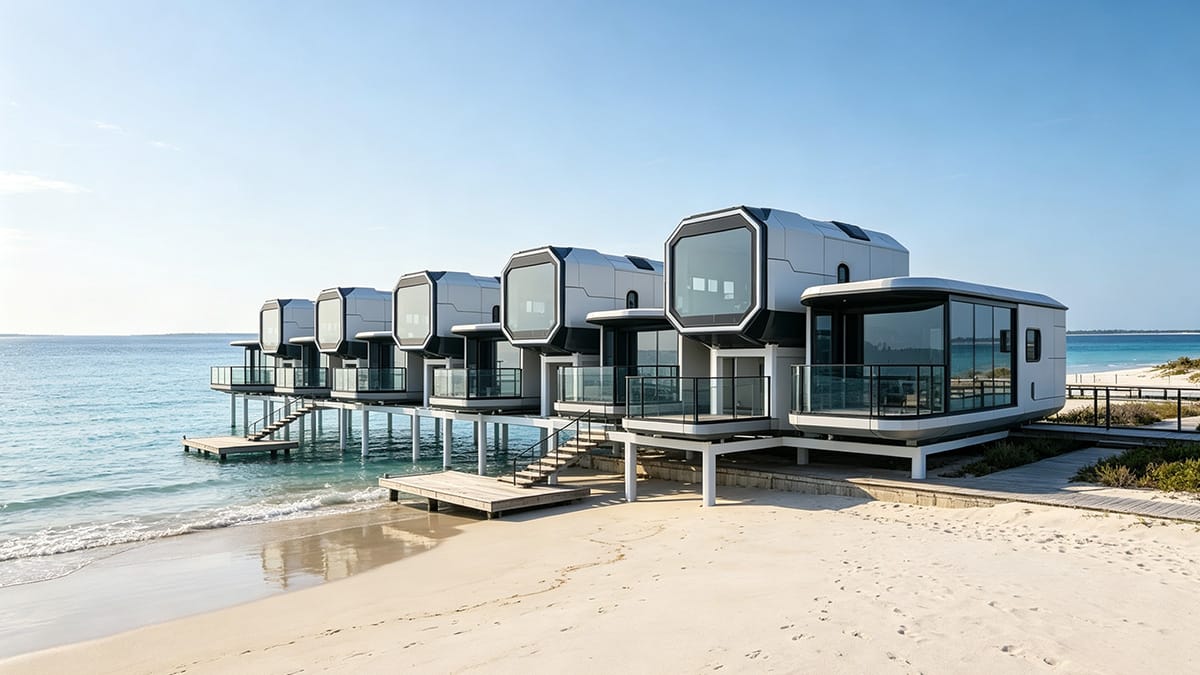
Modular homes are built in a factory. Workers put the modules together inside. This keeps the materials safe from rain and wind. The wiring stays dry and protected. Electrical systems are installed with great care. Teams use wires that are measured ahead of time. They use approved materials for safety. Quality is checked at every step. Most inspections happen before the modules leave the factory. This helps stop problems before they start. You get a strong and safe electrical system.
Advanced Features and Smart Tech
Modular homes can have many special features. These homes often use energy-saving materials and good insulation. Some modules have double-pane windows and energy-rated appliances. These things help you save money on bills. Modular homes can use smart home technology. You can get things like smart thermostats and security systems. Your home is ready for new tech and easy to upgrade.
Modular homes are built, insulated, and finished in one place.
This way of building makes homes strong and saves energy.
You get good quality and better energy savings than many prefab homes.
Tip: Ask your builder about smart tech and energy-saving upgrades for your modules.
Local Code Compliance
You need to make sure your modular home follows local codes. After the modules arrive, local electricians connect the systems. Inspectors check the work to keep you safe. The table below lists some important codes and standards for modular homes:
Code/Standard | Description |
|---|---|
National Electrical Code | Sets the minimum standards for safe electrical installations. |
Uniform Housing Code | Provides guidelines for the construction and safety of housing. |
International Residential Code | Establishes standards for residential building safety. |
International Building Code | Covers general building safety and structural integrity. |
Uniform Plumbing Code | Regulates plumbing installations and safety. |
Uniform Mechanical Code | Governs mechanical systems in buildings. |
You should always check that your home follows these rules. Good assembly and following codes keep your modular home safe and efficient.
Capsule House Plumbing and Electrical System Guide
Capsule House vs. Modular and Prefab Homes
You might wonder how a capsule house is different from modular and prefab homes. A capsule house has a special design. It is small and has built-in systems. You can move it easily and set it up fast. Modular and prefab homes are bigger and need more space to deliver. If you use a capsule house plumbing and electrical system guide, you will see that capsule houses are made to be simple and efficient. Most of the wiring and plumbing is hidden in the walls or under the floor. This makes fixing or upgrading things easier for you.
Note: Capsule houses often have plug-and-play systems. You can hook up utilities quickly and start living sooner.
Key Electrical System Differences
There are some main differences in the electrical systems. Capsule houses have wiring and small panels already put in. The system is ready to use right away. The capsule house plumbing and electrical system guide shows you how to check each part. You can follow easy steps to test outlets, lights, and switches. In modular and prefab homes, more work is needed at the site. Electricians connect wires between the different modules. Capsule houses use fewer circuits because they are smaller. This means you have less to take care of.
Here is a quick comparison:
Feature | Capsule House | Modular/Prefab Home |
|---|---|---|
Wiring | Pre-installed, compact | Factory-installed, larger |
Setup Time | Very fast | Moderate |
Maintenance | Simple, easy access | May need pro help |
Upgrade Options | Limited but easy | More choices |
You can use the capsule house plumbing and electrical system guide to plan upgrades or repairs. This guide helps you learn about your system and keep it safe. You save time and avoid mistakes by following the steps in the capsule house plumbing and electrical system guide.
Comparison: Installation, Safety, and Cost
Installation Process
 Installation Process
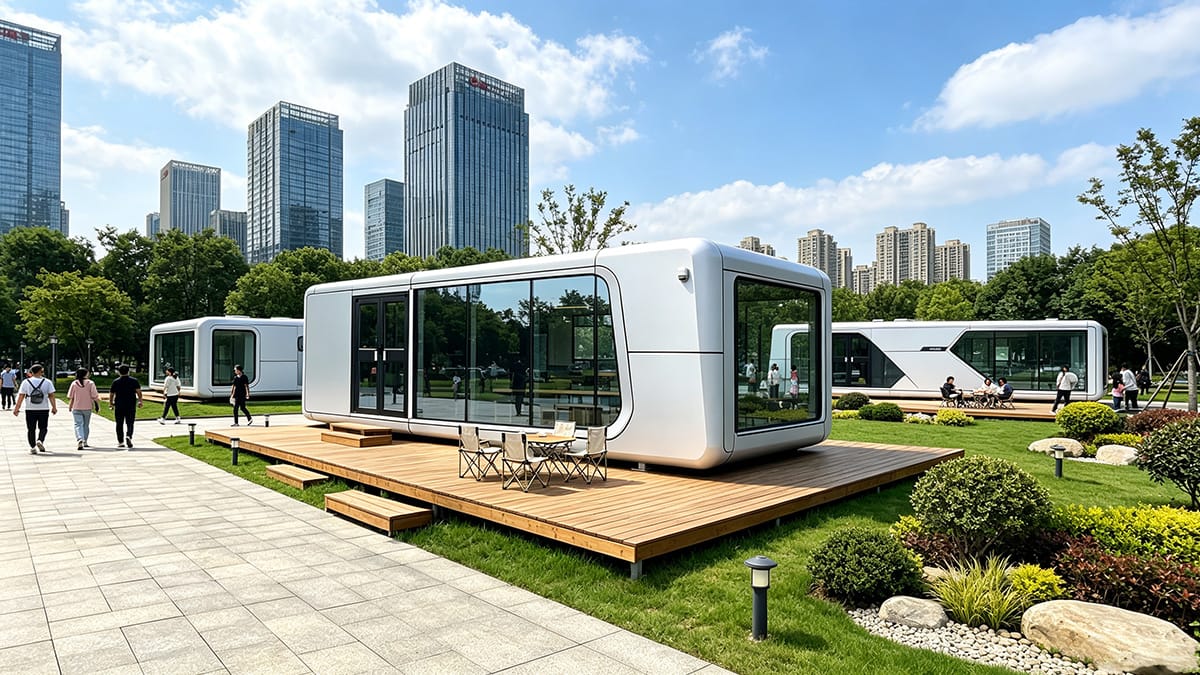
Prefab and modular homes install electrical systems in different ways. Prefab homes get all their wiring done at the factory. This means every home is set up the same way. Modular homes put in wiring in smaller parts. Workers finish putting the pieces together at your land. This lets you change the floor plan if you want.
Here is a table to help you compare:
Aspect | Prefab Homes | Modular Homes |
|---|---|---|
Fully built before leaving the factory | Installed in sections and assembled on-site | |
Compliance Standards | Must meet HUD code for safety and quality | Follows local building codes |
Inspection | Inspected before leaving the factory | Inspected on-site after assembly |
Wiring Design | Factory-installed, ensuring consistency | Designed and installed on-site, may vary |
Prefab homes save time because most work is done before shipping. Modular homes let you pick more features and change the layout. Both types can go on a strong foundation. This helps your home last longer and stay safe.
Safety and Inspection
Safety is important for prefab and modular homes. You need to know how inspections work for each one. Prefab homes get checked at the factory before they are sent out. This makes sure everything is safe. Modular homes get checked many times. State workers look at the plans, check the modules as they are built, and inspect again after the home is put together.
Common electrical safety issues include:
Improper grounding or bonding
Overloaded circuits
Incorrect panel upgrades or modifications
Use of non-compliant materials or components
You should ask your builder about the inspection steps. This helps you avoid problems and keeps your home safe. Modular homes have more checks, so problems can be found early. Both types must follow safety rules, but modular homes follow local codes. Sometimes these rules are even stricter.
Tip: Watch for signs of electrical trouble, like flickering lights or warm outlets. Fixing problems early keeps your home safe.
Cost Factors
When you look at cost, think about more than just the price. Prefab homes usually cost less at first. This is because the factory builds everything in one place. It saves time and cuts down on waste. Modular homes can cost more, especially if you want special features or a custom design. Both types need a strong foundation, which adds to the price.
Think about saving money over time too. Both prefab and modular homes can save energy and lower your bills. Modular homes let you add more energy-saving features, but this can make them cost more. Prefab homes give you a set price, so it is easier to plan your budget.
Customization and Upgrades
Many people pick modular homes because they want to customize. You can choose from many floor plans and add smart tech, better insulation, or special lights. Modular homes make it easy to upgrade your electrical system later. Prefab homes have some choices, but you may not get as many options after the home leaves the factory.
If you want a home that fits your style, modular homes give you more freedom. You can change the layout, add rooms, or pick special finishes. Both prefab and modular homes can sit on a strong foundation. This makes it easier to upgrade in the future.
Note: Ask your builder about all upgrades before you buy. This helps you get what you want and avoid surprises.
Maintenance and Longevity
You want your home to last a long time. Both prefab and modular homes can last many years if you take care of them. Homes on a strong foundation last longer and need fewer repairs. Modular homes often use better materials and insulation. This helps save energy and keeps your home in good shape.
Prefab homes have simple electrical systems that are easy to take care of. If you need a big repair, you might need a pro to help. Modular homes let you change or upgrade parts more easily, especially if you picked a custom plan. Good energy savings mean you spend less on heating and cooling. Your home stays comfy all year.
Remember: Check your electrical system often and fix problems fast. This keeps your home safe and working well.
Pros and Cons Table
Prefab Homes: Pros and Cons
 Prefab Homes: Pros and Cons
You might wonder if prefab homes are good for you. Many people look at prefab homes and manufactured homes. These homes have some things in common. Both are made in a factory. Your home comes ready to finish. Manufactured homes use this way too. Prefab homes can cost less than other homes. Manufactured homes usually have lower prices as well.
Here is a table that shows the pros and cons:
Pros of Prefab Homes | Cons of Prefab Homes |
|---|---|
Quick installation | Fewer customization options |
Lower initial cost | May need pro help for repairs |
Consistent quality | Limited upgrades after delivery |
Factory-controlled wiring | Some areas have zoning limits |
Similar to manufactured homes | Smaller size than some site-built |
Tip: If you want an easy setup, prefab homes and manufactured homes both make it simple.
Check local rules before you buy a home. Some places treat prefab homes like manufactured homes. This can change where you can put your home.
Modular Homes: Pros and Cons
You may want more choices than manufactured homes give you. Modular homes let you pick many features. You can add smart tech or change the floor plan. Manufactured homes do not offer as many upgrades. Modular homes are strong and built well. Manufactured homes use lighter materials.
Here is a table to show the pros and cons:
Pros of Modular Homes | Cons of Modular Homes |
|---|---|
High level of customization | Higher upfront cost |
Advanced electrical options | Longer build time |
Stronger structure than manufactured homes | More complex installation |
Meets strict local codes | May need more inspections |
Easier to upgrade than manufactured homes | Can cost more for upgrades |
Note: Modular homes give you more freedom than manufactured homes. You can design a home that fits your needs.
Think about your budget and plans before you choose. Manufactured homes are good for simple needs. Modular homes are better if you want more features.
You have learned how prefab and modular home electrical systems are not the same. Modular homes let you pick more features. They help you save energy and money. You get good insulation and strong safety rules. This means your bills are lower and your home is safer. Prefab homes are fast to set up and easy to take care of. You should think about how much money you want to spend. Also, think about how safe you want your home to be and if you want upgrades. Always ask an expert before you decide.
Modular homes make your home more comfortable and help you spend less on utilities.
Modular homes follow tough building codes to keep you safe and make your home last longer.
FAQ
What electrical upgrades can you add to a modular home?
You can get smart thermostats, LED lights, or more outlets. Ask your builder about ways to save energy. Most modular homes let you add upgrades before you move in.
How do you know if your prefab home’s wiring is safe?
Watch for things like lights that flicker or outlets that feel warm. Have a licensed electrician check your wiring often. Always use the builder’s guide to keep your home safe.
Do prefab and modular homes use the same electrical codes?
Prefab homes must follow federal codes. Modular homes use local building codes. Always ask your local inspector to make sure your home follows all rules.
Can you repair electrical issues yourself in these homes?
You should call a licensed electrician for most repairs. Trying to fix things yourself can be unsafe and break local codes. Safety is always most important.