


21 Jul How to Make Capsule Houses Wind and Earthquake Resistant
To ensure capsule house wind and earthquake resistance, it’s essential to use smart design, strong materials, and proven building methods. These strategies help capsule houses achieve superior wind and earthquake resistance, making them safer during disasters, which are becoming more frequent and severe. Safety is a top priority, and HIDULAR capsule houses are engineered for exceptional capsule house wind and earthquake resistance, withstanding hurricane-force winds and powerful earthquakes. This level of protection surpasses that of traditional homes.
Feature/Trend | Description |
|---|---|
Quick Deployment | Governments will set up 5,000 shelters for disasters by 2027, all designed for capsule house wind and earthquake resistance. |
Advanced Reinforcement | New models feature enhanced capsule house wind and earthquake resistance, offering greater strength against floods and seismic events. |
Green Technology Integration | By 2027, 80% of new homes will use solar panels and collect rainwater, while maintaining capsule house wind and earthquake resistance. |
Modular Flexibility | Designs allow for easy expansion and stacking in urban areas, without compromising capsule house wind and earthquake resistance. |
Key Takeaways
Use shapes like rounded corners and sloped roofs. These designs help lower wind damage on capsule houses.
Pick strong materials like steel and aluminum for frames. This keeps the house stable during storms and earthquakes.
Choose foundations like screw piles or concrete piers. These help the house resist earthquakes and stay safe.
Add impact-resistant windows and doors. They protect against flying debris and help save energy.
Follow local building codes and use waterproof materials. This gives lasting protection from bad weather.
Capsule House Wind and Earthquake Resistance
 Aerodynamic Design and Shape
 Aerodynamic Design and Shape
You can make capsule houses safer by changing their shape and layout. Capsule houses have smooth shapes that help wind move around them. This makes it less likely for the house to get damaged in storms.
Rounded corners help wind go past the house easily.
Sloped roofs let wind slide over the top, so the roof stays on.
Dome shapes spread wind pressure all over, which keeps the house steady.
Elliptical shapes lower wind resistance by about 30%. This saves energy and helps stop damage.
Capsule houses are also small and compact. This means there are fewer places for wind to push against. The house is stronger during storms. For example, the Apple Capsule House can stand up to very strong winds and big earthquakes. These design choices are important for keeping capsule houses safe.
Structural Reinforcement
Capsule houses need strong materials and smart ways to build them. They use steel or aluminum frames that bend but do not break. This helps the house stay together in strong winds and earthquakes.
Here is a table with some ways to make capsule houses stronger:
Technique | Description |
|---|---|
Aerodynamic Design | The shape helps wind move around, so there is less damage. |
Steel or Aluminum Frames | These frames bend in storms instead of breaking. |
High-Strength Concrete Base | A strong base keeps the house steady in bad weather. |
Modular Construction | Fixed parts help stop damage from storms. |
Appropriate Anchoring | Good anchoring keeps the house safe in tough weather. |
Capsule houses use special aluminum and steel that are very strong but not heavy. These materials help the house survive big earthquakes. Studies show steel frames can handle very strong winds. Capsule houses are often safer than regular homes.
Anchoring and Foundation Systems
It is important to pick the right foundation for your capsule house. Capsule houses use special anchors that work on many kinds of land. Here is a table that shows different foundation types:
Foundation Type | Description | Best For |
|---|---|---|
Screw Pile | Steel rods with plates that go into the ground. They do not hurt the land much. | Sloped land, coastal areas, homes you can move |
Pier or Spread Footing | Concrete or steel posts under each part of the house. They are cheap and easy to use. | Raised homes, better air flow, less rust |
Capsule houses often use strong steel in their foundations. This makes them safer during earthquakes. These houses can handle very big earthquakes, while many normal homes cannot. Picking the right anchor and foundation makes your house last longer and keeps it safe.
Tip: Always check your local building rules before picking a foundation. This helps make sure your capsule house is safe from wind and earthquakes.
Best Materials for Durability
High-Grade Steel and Aluminum Alloys
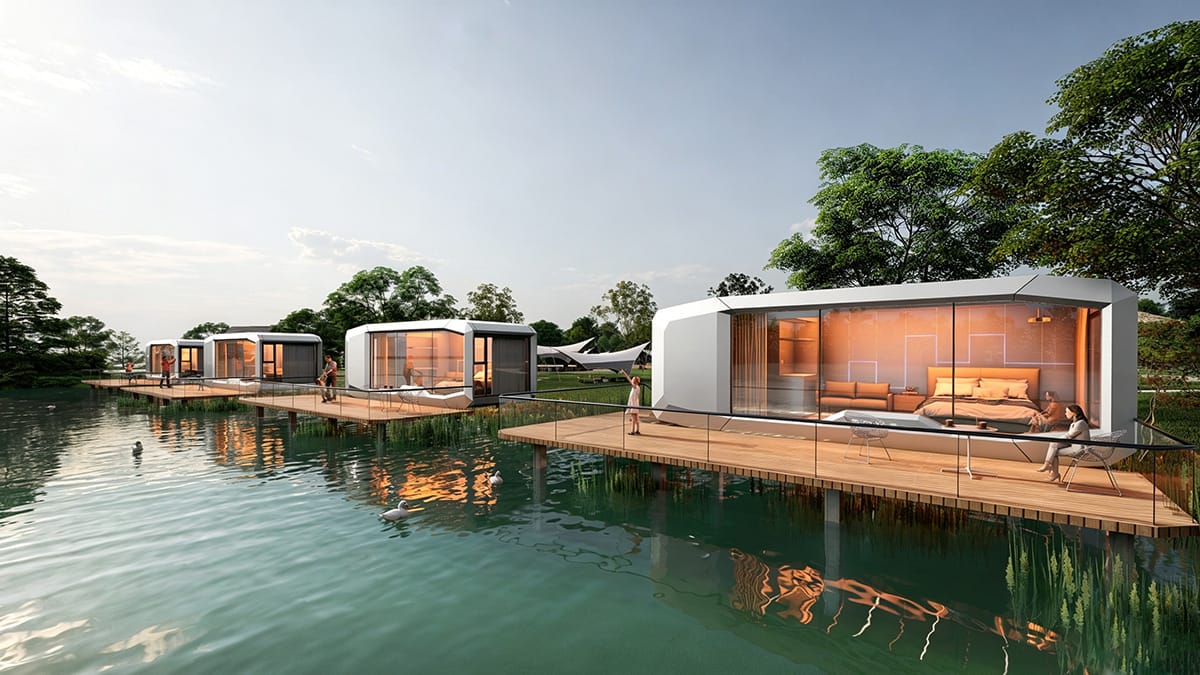 High-Grade Steel and Aluminum Alloys
You need strong stuff to make a safe capsule house. High-grade steel and aluminum alloys help your house stay safe in wind and earthquakes. These metals have special features:
Tensile strength means steel can hold heavy things for a long time.
Thermal stability helps steel handle hot and cold better than other metals.
Aluminum alloys do not rust, so your house stays strong in wet places.
These materials keep your capsule house wind and earthquake resistance high. You can count on them to protect your home during storms and disasters.
Engineered Wood and Composites
Engineered wood and composite materials are another way to build a strong capsule house. These materials work well when there is a lot of force. You can see their good points in the table below:
Aspect | Description |
|---|---|
Lightweight Nature | Engineered wood is lighter, so it is easier to design for earthquakes. |
Ductility | Wood connections make many paths for loads, so your house stays strong. |
Seismic Performance | Tall wood hybrid buildings can be as good as steel and concrete in earthquakes. |
Wood can take stress without breaking. If you design your wood house well, it will follow building codes and stay safe in storms. Studies show wood-steel mixes give your house the stiffness and strength it needs for capsule house wind and earthquake resistance.
Impact-Resistant Windows and Doors
Windows and doors are weak spots in most homes. You can make your capsule house safer by using impact-resistant windows and doors. These products must pass tough tests:
ASTM International checks windows for strength.
Miami-Dade County has hard rules for hurricane safety.
ANSI makes safety rules for glass in buildings.
NFRC rates windows for saving energy.
ICC makes codes for safety and trust.
When you use certified windows and doors, you keep your house safe from flying things and strong winds. You also save energy and make your home more comfortable.
Tip: Picking better materials might cost more at first, but you save money later. Factory-built capsule houses cost less to build, need fewer workers, and need less work on site. Most capsule houses cost between $8,000 and $50,000, which is much less than regular homes.
Construction Techniques for Safety
Strong Connections and Joints
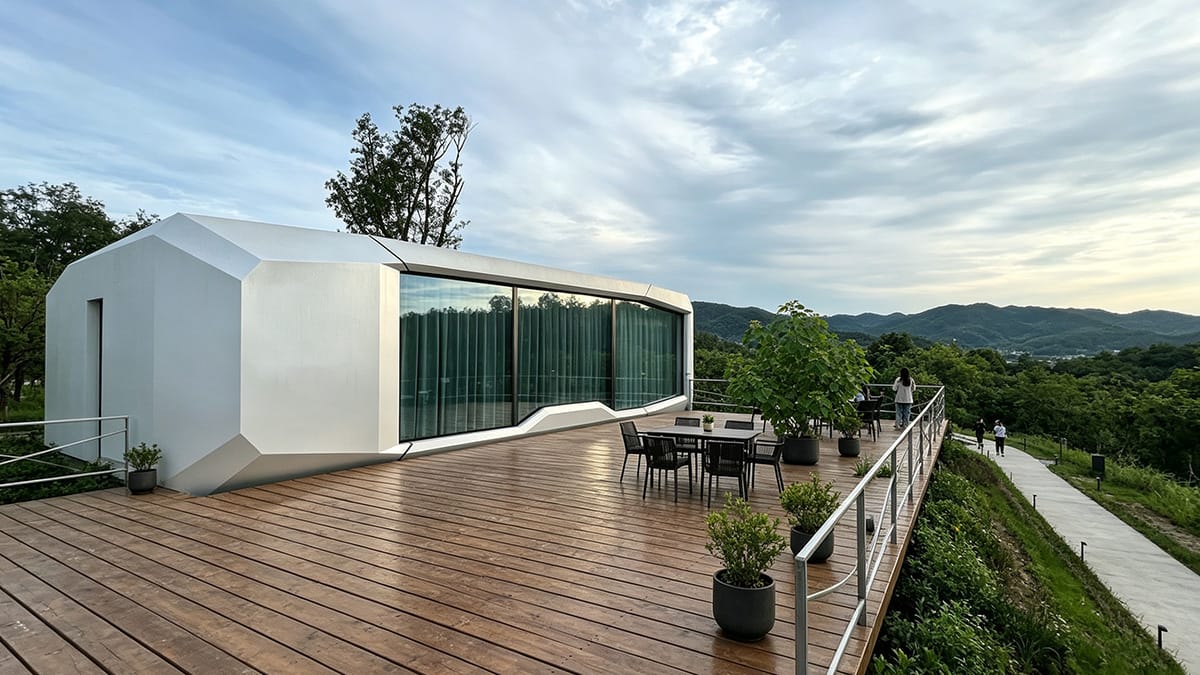 Strong Connections and Joints
Capsule houses need strong connections and joints to stay safe. These parts help the house during earthquakes and storms. Reinforced steel or composite joints let the house bend but not break. Good beam-column joints keep the house together when the ground shakes. These joints handle a lot of stress, so they must be built well. Better reinforcement helps the house move safely. The main parts will not break. This keeps your home standing, even in bad weather.
Modular Assembly Methods
Modular assembly makes building a capsule house fast and safe. Most capsule houses can be put together in just a few days. Here are some ways modular methods help: Standardized connection systems make building quick and easy. Integrated utility routes mean you do not need to cut or drill after building. Foldable container houses let you move and set up shelters fast in emergencies. These methods give you a strong, safe home in less time. Modular building also lets you fix or upgrade your house easily. This is important for capsule house wind and earthquake resistance.
Sealing and Waterproofing
Sealing and waterproofing keep water and wind out of your house. You should use special materials to keep your house dry and strong. The table below shows some top choices:
Material/Method | Use in Capsule Houses | Benefits |
|---|---|---|
Polyurethane Foam | Inside walls and insulation layers | Keeps water out, holds in heat, and blocks moisture |
Silicon Glue | Seals windows, doors, and joints | Stops leaks, lasts a long time, and keeps the house strong |
These materials help your house stay dry and safe, even in heavy rain or strong winds. Good sealing also helps your house last longer. You will save money on repairs.
Tip: Always follow local building codes for safety. Strong foundations, good materials, and smart designs help your capsule house stand up to wind and earthquakes.
Real-World Performance
Hurricane Survival Stories
Capsule houses have done well in real hurricanes. Some designs have stayed safe in winds over 156 mph. Here are some examples: The Cubicco Cabana can stand up to Category 5 hurricane winds. These winds are very strong and can go over 156 mph. The Port-A-Bach shipping container home can handle high winds too. You can use this home in places with big storms. Deltec Homes have special features to help them in storms. Their round shape and strong frame keep people safe. The Sol Duc Cabin also does well in strong winds. Its design helps it stay safe during storms. A Dutch company called Cubicco makes homes that can take wind gusts up to 180 mph. These stories show you can trust capsule houses in hurricane areas. You get safety and feel calm.
Earthquake-Resistant Projects
Capsule houses also do well in earthquakes. There is proof from real events: In the 2011 Tohoku earthquake, capsule houses had less damage than normal homes. Their strong frames kept them safe. Capsule houses use steel frames and interlocking modules. These things help take in shaking from the ground. Houses with steel frames get less damage than wood frame houses. Many capsule houses are made to handle earthquakes up to magnitude 9. You get strong protection in risky places. You can see capsule houses give better safety in earthquakes. Their design and materials help a lot.
Lessons from Field Data
You can learn from real data. Capsule houses keep their shape and strength in hard times. Here are some lessons: Pick round shapes and strong frames for better wind safety. Choose steel frames and interlocking modules for earthquake safety. Use certified windows and doors to stop wind and flying things. Always check local building codes before building.
Note: Real stories and data show capsule houses can keep you safe in disasters. You get a safer home with smart designs and strong materials.
You can make your capsule house safer with some simple steps. Pick aviation-grade aluminum and hot-dip galvanized steel for strong walls. Use smart design so your house can handle hurricanes and earthquakes. Add energy-saving parts and good insulation to stay comfortable. Check flood maps in your area to learn more. Use waterproof materials to keep water out. Choose elevated foundations to protect your house. These steps help you build a strong, cozy, and disaster-ready home.
FAQ
How do capsule houses stay safe in strong winds?
Capsule houses use round shapes and strong frames. These features help wind move around your house. You get less damage during storms.
What foundation works best for earthquakes?
You should use steel screw piles or deep concrete piers. These foundations hold your house steady when the ground shakes.
Can you add solar panels to a capsule house?
Yes, you can add solar panels. Most capsule houses have flat or sloped roofs. This makes it easy to install solar panels for clean energy.
Do capsule houses cost more to build for safety?
You may pay a little more for strong materials and windows. Over time, you save money on repairs and energy bills.