
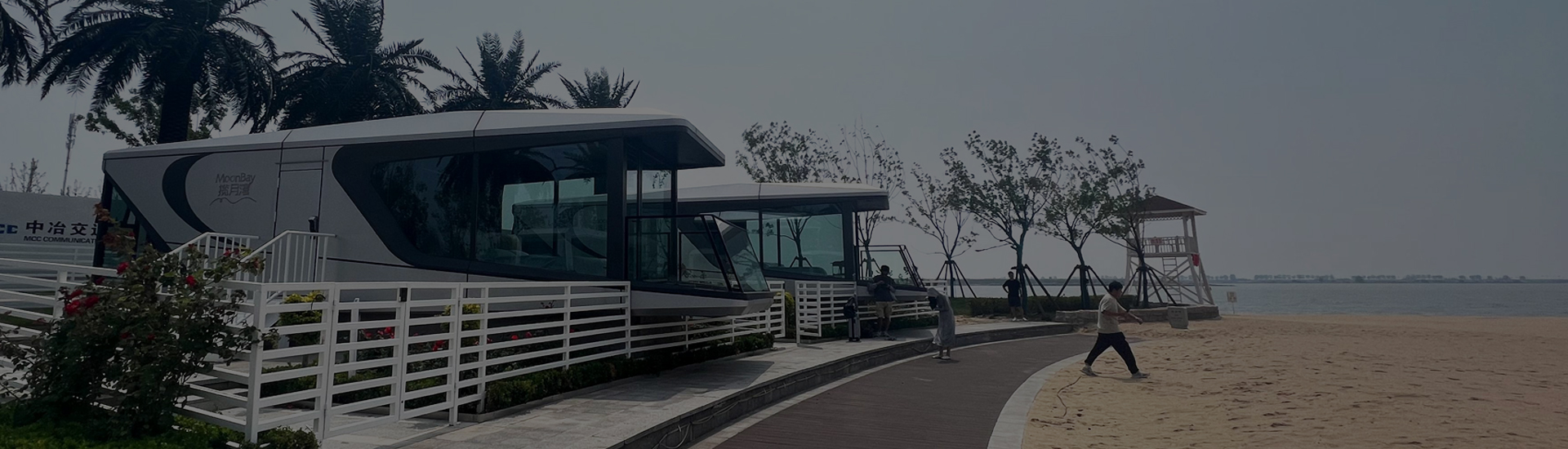
13 May From Forest Retreats to Urban Shelters – Capsule Tiny House Applications
You may have seen capsule houses showing up a lot lately. These small homes get noticed for their clever design and how they can be used in many ways. People like them for lots of reasons. Living in them is good for the planet, costs less money, and gives special experiences. Here are some cool facts:
Statistic | Value |
|---|---|
CAGR of tiny house market | |
Projected market value by 2025 | $4.3 billion |
In big cities like Tokyo and Hong Kong, people live in capsule homes. In Japan, China, and the US, travelers pick them as hotels. People who love the outdoors stay in them in the Swiss Alps for great views. Capsule Tiny House Application is not just a fad. It is changing how you live, travel, and see new places.
Key Takeaways
Capsule houses are good for the environment and use smart designs to save energy. These tiny homes give people cheaper places to live in cities, which helps with high rent. Capsule houses can be used fast and work well as emergency shelters during disasters. They can be used in many ways, like vacation rentals, pop-up shops, or temporary homes. Living in a capsule house helps people live simply and care more about experiences than things.
Capsule Houses in Nature Retreats
 Eco-Resorts and Glamping
 Eco-Resorts and Glamping
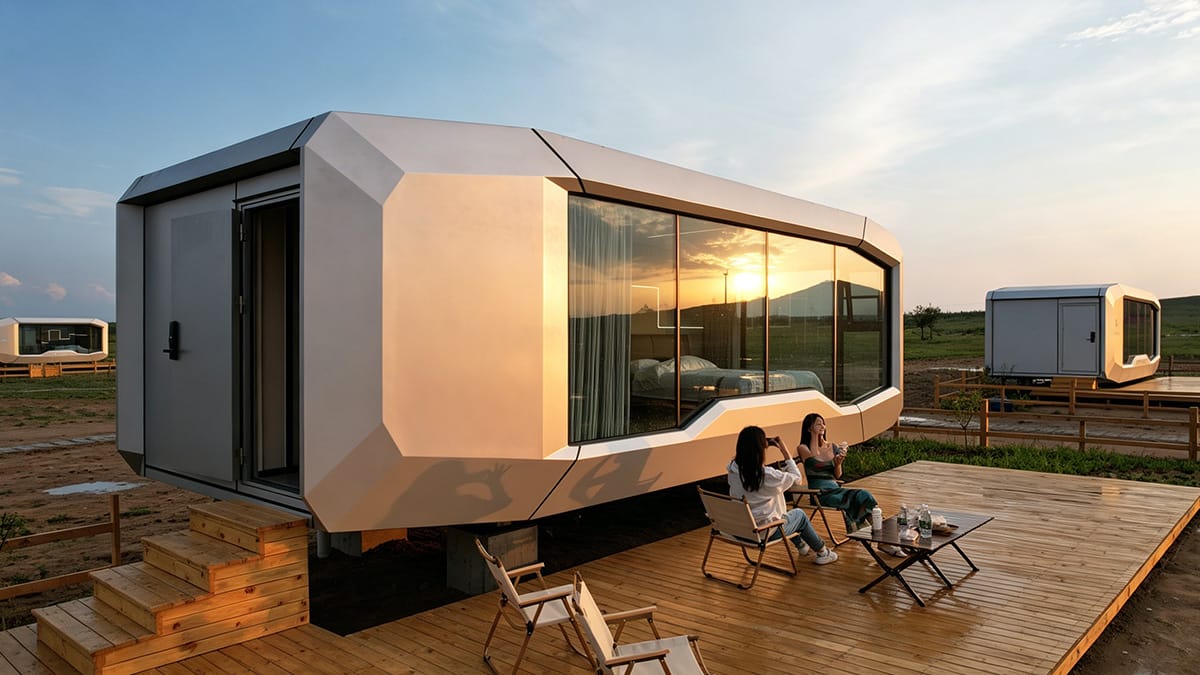
If you want to get away from the city, capsule houses help. They are like small cabins at eco-resorts and glamping places. You can relax in comfort and style. These homes are good for the earth. Capsule houses use smart designs and green tech. Many have solar panels for power. Some collect rainwater for gardens and toilets. They have special insulation to keep you warm or cool.
Capsule houses help you make less pollution.
They save energy with efficient appliances.
Living in them teaches you about being green.
You can put capsule houses in forests, near lakes, or on mountains. You might wake up to birds or see a lake sunrise. In the Swiss Alps, resorts use capsule houses for great views and cozy nights. These homes use strong materials that last and protect nature.
Material | Description |
|---|---|
Steel + aluminum shell | Strong and light, so it is easy to move |
Insulated panels | Keep you comfy in hot or cold weather |
Recycled composites, alloys | Good for nature and last a long time |
Capsule houses fit in with the land. You get a fancy place to stay and do not hurt the earth.
Weekend Getaways
You do not need a long trip to enjoy capsule houses. Many people use them for short weekend breaks. You can find them near woods, lakes, or hiking trails. They are simple to set up and move. You can rent one for a night or two. Capsule houses give you quiet and privacy. You can read, watch stars, or listen to nature.
Capsule houses make trips easy. You do not need to bring a lot. Everything fits in a small area. You get a bed, bathroom, and sometimes a tiny kitchen. You can just relax and have fun. Capsule houses turn any place into your own getaway. You will like how they mix comfort and adventure.
Urban Capsule Tiny House Application
Urban Micro-Homes
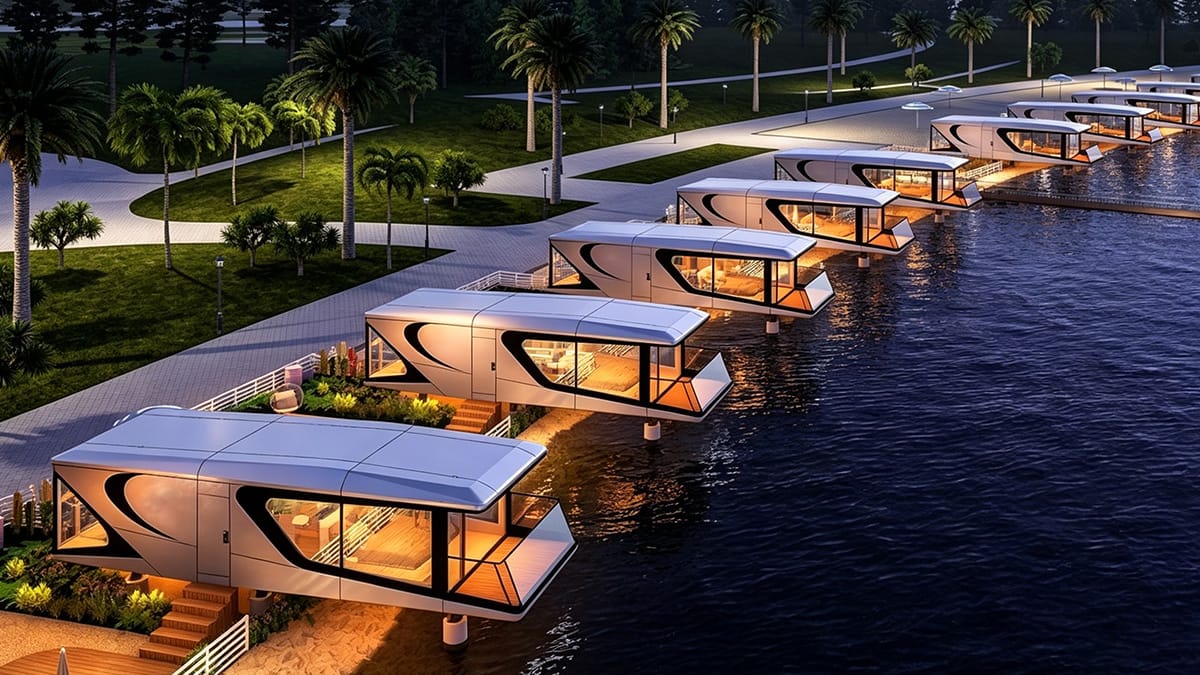
Capsule houses are showing up in many cities now. These homes are small and fit city life well. People pick them because they save space and money. Every part of the home is used in a smart way. Capsule tiny house application helps with high rent and crowded places. You can live in a small home and still feel comfortable.
Here are the main reasons capsule houses are good for cities:
Factor | Explanation |
|---|---|
Urbanization | Cities need more homes, so capsule tiny house application helps use space better. |
Environmental Consciousness | Capsule houses use less material and energy, making urban living greener. |
Technological Advancements | Smart systems and new materials boost efficiency and make capsule houses more appealing. |
Cultural Shifts | People want fewer things and more experiences, so compact homes fit this trend. |
Economic Factors | Capsule tiny house application gives you a cheaper way to own or rent a home. |
Capsule houses help you save money and space. Most capsule tiny house application units are between 195 and 350 square feet. The average price is $200,000. In big cities, people spend a lot of their money on homes. You can spend less with a small, smart home.
Shelters for the Unhoused
Capsule houses also help people who need a safe place fast. Nonprofit groups and cities use capsule tiny house application for emergency shelter. These homes give people a safe spot to stay and help them start again.
Some projects are helping people right now:
Nessel Housing in California builds capsule houses after disasters. They plan to make a group of 130 homes in Santa Rosa.
Pod City Initiative in Lansing, Michigan uses pods for emergency and temporary homes.
Capsule houses have some problems in cities. There are rules, neighbors may worry, and water and power can cost a lot. Banks may not want to give loans, and insurance can be expensive. Still, capsule tiny house application is growing because cities need small, smart, and quick homes.
Capsule Houses in Tourism
Capsule Hotels and Hostels
 Capsule Hotels and Hostels
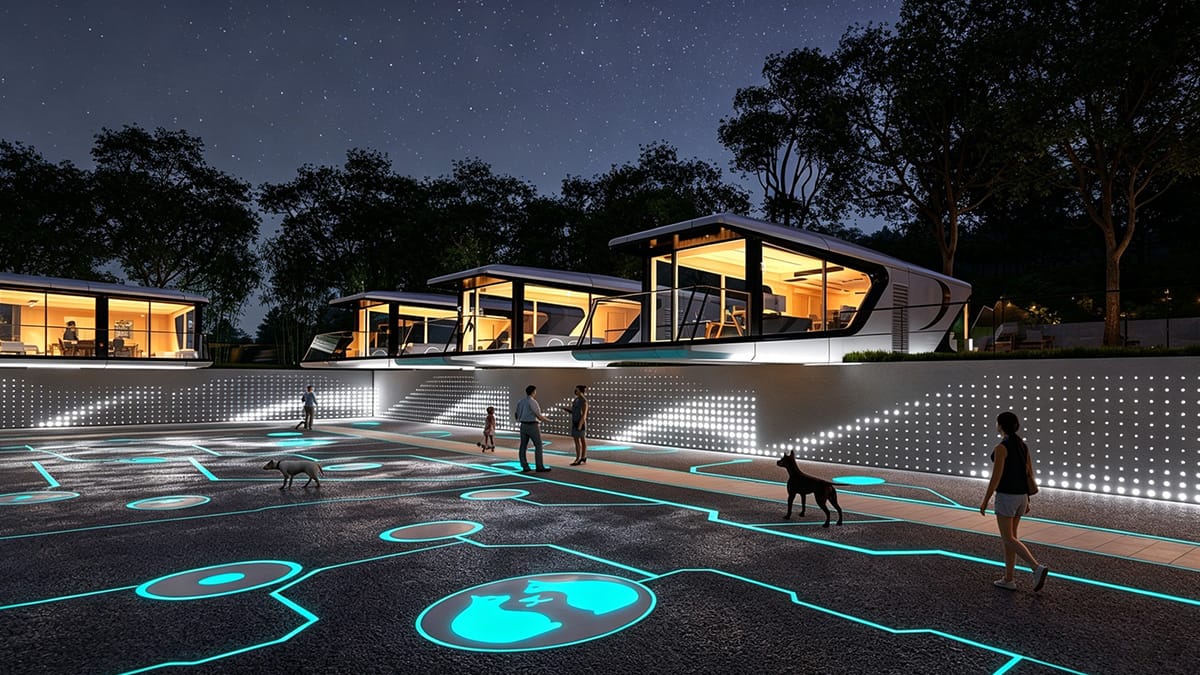
You can find capsule houses in airports and cities. They are also in faraway places. Capsule hotels give you a special place to sleep. You get your own space and feel comfortable. It is a fun way to stay somewhere new. These hotels use smart technology. You do not have to wait to check in. You can go to your pod any time you want. At Kuala Lumpur International Airport, CapsuleTransit is very busy. More than 80% of pods are full during travel rushes. Guests are happier because staff can help them more. Staff do not have to clean big rooms. You pay less money but still get a nice place to stay.
Capsule hotels help tourism in the area. They bring in travelers who do not want to spend a lot. Backpackers like to stay in them too. Japan has the most capsule hotels in Asia-Pacific. China and India are building more every year. These hotels give people jobs and help local shops. You see more places to stay, and the economy gets better.
Vacation Rentals
Capsule houses make vacation rentals more fun. You can stay in a modern pod with a great view. You might see the ocean or a forest from your window. HIDULAR capsule houses are small and easy to clean. Owners put them in pretty places for guests. You can wake up and see beautiful sights. You get a warm and cozy spot for your trip. You can book a capsule house for art time or family fun.
Capsule houses are good for tourism in many ways. Resorts use them for glamping and forest lodges. Some put them on cliffs for cool views. You can find capsules in desert camps and at the beach. Safari parks use them too. Here is how capsule houses help tourism:
Project Type | Key Benefits | Results |
|---|---|---|
Desert Glamping Camps | Stays strong in tough weather, easy to care for | More guests, lower energy bills |
Forest Retreat Lodges | Do not hurt the ground much | Guests feel close to nature |
Coastal Cliff Resorts | Great views, lots of people want to visit | Bookings fill up months ahead |
Island Eco-Resorts | Quick to set up, no waste left behind | Resorts grow fast, make money sooner |
Safari Parks | Safe and quiet inside | Guests see animals safely, have fun |
Urban Pop-Up Concepts | Easy to move and set up | Good for short-term stays, no long leases |
Capsule houses change how people travel. You get a cheap and fun place to stay. You help towns and cities make more money. You see more choices for where to sleep and what to do.
Emergency and Temporary Tiny House Solutions
Disaster Relief Shelters
 Disaster Relief Shelters
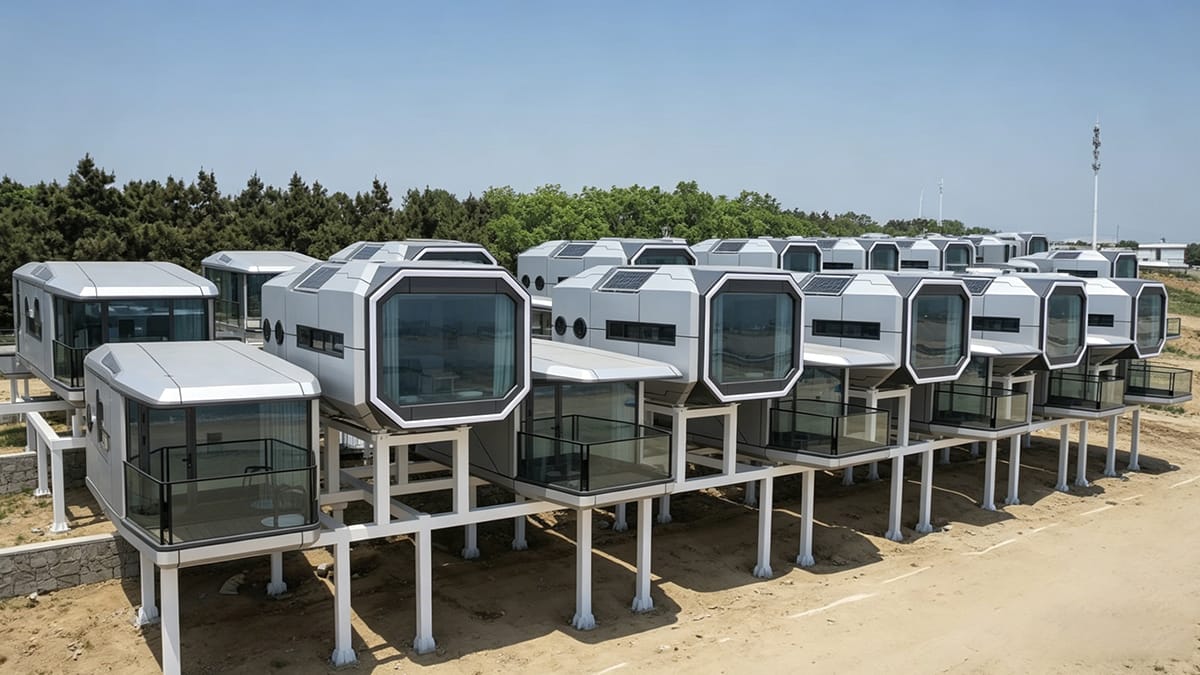
When disaster strikes, you need shelter fast. Capsule houses step in as a game-changer for emergency housing. You can set them up almost anywhere, and they arrive ready to use. In Turkey, after a big earthquake, teams built 200 emergency communities in just 72 hours. That means families got a safe place to sleep in only three days. You don’t have to wait months for help.
Capsule houses can handle tough weather. They stay strong in freezing cold or blazing heat, from -30°C to 50°C. Even typhoons can’t knock them down. You get a sturdy roof over your head when you need it most. Each unit costs as little as $3,200, so you can help more people for less money.
Here’s how capsule houses compare to other emergency housing:
Housing Type | Deployment Time |
|---|---|
Capsule Houses | |
Traditional Emergency Housing | Months to years |
You see the difference. Capsule houses give you shelter in hours or days, not months. In Japan, after a tsunami, modular units gave thousands of people a home within weeks. Experts say you can assemble these units in just a few hours. That speed saves lives.
Capsule houses can be dropped by air and set up in two hours.
Case studies show they provide immediate help for people in need.
The materials last a long time and support sustainability.
Transitional Housing
Sometimes you need a place to stay while you rebuild your life. Capsule houses work well for temporary housing. You get privacy, safety, and a sense of normal life. Living in a capsule house helps you connect with others. You can build friendships and support each other during hard times.
Research shows that temporary housing with capsule houses helps people feel protected. You get a chance to recover and start fresh. These small homes make it easier to keep your community together. You can trust your neighbors and share resources. That’s important for recovery and sustainable living.
Capsule houses offer flexibility. You can move them or change their layout as your needs change. They fit many situations, from emergency shelters to longer stays. You get a smart, temporary solution that supports both people and the planet.
Specialty Capsule Houses for Camping and More
Capsule Houses for Camping
Do you like camping but want it to be comfy? Capsule houses for camping let you enjoy nature and sleep in a soft bed. You can use them in forests, near lakes, or on mountains. They are easy to set up and move if you want a new spot.
Check out why these small homes are great for your next trip:
Feature | Description |
|---|---|
Built with strong steel frames to handle bad weather. | |
Insulation | Keeps you warm in winter and cool in summer. |
Rapid Deployment | Quick setup means more time relaxing, less time building. |
Eco-Friendly Design | Uses energy-saving materials and solar power. |
Mobility | Easy to move, so you can camp anywhere. |
Versatility | Good for camping, glamping, or fancy stays. |
You can look at stars through big windows or hear rain while in bed. Tiny capsule homes make camping simple and fun. These small designs help you pack less and live with only what you need. You get flexible places to stay for any trip.
Pop-Up Offices and Shops
Capsule houses are not just for camping. You can use them as pop-up offices, shops, or showrooms. If you need a mobile office or want to open a small café, these tiny homes work well. You can set up in a city park or a country field.
Here are ways people use capsule micro homes for business:
Application Type | Environment |
|---|---|
Compact cafés | Urban |
Kiosks | Urban |
Food outlets | Urban |
Retail | Urban |
Showrooms | Urban |
Creative office spaces | Urban |
Rural/Urban |
Lightweight build makes moving easy.
Modular design lets you change the inside for your needs.
You get power, lights, and air conditioning.
Dual-purpose furniture saves space.
Capsule houses give you smart use of space and a strong structure. You can run a business or work from anywhere. This is the future of tiny living and compact living. You get to live simply and still be productive.
Comparing Capsule Tiny House Applications
Advantages and Benefits
 Advantages and Benefits
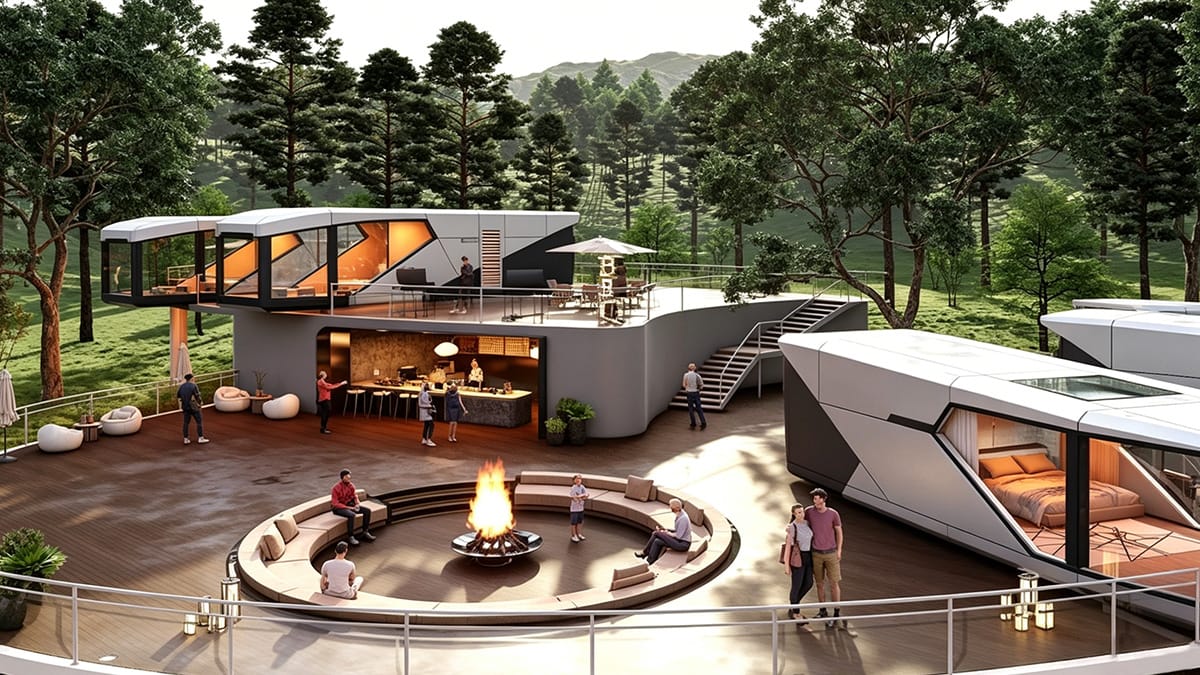
Capsule homes have many reasons people like them. These homes use space in smart ways. You get all you need in a small spot. They often use eco-friendly materials and smart tech. This helps you save money and energy. Many travelers pick capsule homes because they cost less. They are also fast to build. You can set up a tiny house in just a few days. Prefab capsule homes are checked for safety before you move in.
Here is a quick look at how capsule homes compare:
Product Type | Construction Standard | Mobility | Customization | Typical Use Cases |
|---|---|---|---|---|
Capsule House | High, advanced tech | Highly portable | Extensive | Glamping, pop-up hotels, remote offices |
Modular Home | Local codes | Semi-portable | High | Permanent homes, offices |
Container Home | Durable, repurposed | Portable | Moderate | Urban housing, studios |
Tiny Home | Variable, minimalist | Often portable | Wide | Minimalist living, vacation units |
Manufactured | HUD code (US) | Relocatable | Limited | Affordable housing, parks |
Capsule homes work well for many people. Resorts in nature use capsule homes and get more guests. Music festivals use them for travelers who want comfort. Property managers add capsule homes to make more money. Remote workers use capsule homes to save time and energy. You can even find capsule homes as pop-up shops in cities. These tiny houses fit many needs and help you live better.
Limitations and Challenges
Capsule homes are not perfect for everyone. The small space means you need to live with less stuff. If you have a big family or lots of things, it can feel crowded. Some people worry about privacy because the walls are thin. Noise can be a problem. You may also face rules that make it hard to set up a tiny house. Cities sometimes have strict laws for capsule homes. This can slow down your plans and cost more money.
Living in a tiny home can feel tight if you like space. Some travelers want more room or comfort. Not every place is good for a tiny house. You need to check local laws and think about your needs. Still, capsule homes are getting more popular. More travelers, families, and workers see the value in these homes. In the future, you may see capsule homes in more places, from cities to nature spots.
Tip: If you want to try capsule homes, start with a short stay. You can see if this lifestyle fits you before making a big change.
You can see that capsule houses work for many people. They are good for families, singles, and older adults. You get a smart home that saves space and money. These tiny homes use solar power and green materials. They help you live simply and spend less.
Future trends to watch:
Furniture that does more than one job
Smart home tech for comfort and saving money
Custom designs for special needs
Trend Type | Description |
|---|---|
Intelligent upgrade | AI and AR make your home smarter and easier to use |
Vertically integrated community | Shared spaces help people feel close and work together |
Policy breakthrough | New rules make it easier to build micro-housing |
Space and extreme environment | Capsule tech may go to the Moon or Mars |
Capsule houses are becoming more popular. You might see them in many places soon!
FAQ
What is a capsule tiny house?
A capsule tiny house is a small, self-contained living space. You get everything you need in one compact unit. Most have a bed, bathroom, and sometimes a kitchen. You can use them for travel, work, or even as a full-time home.
Can you live in a capsule house year-round?
Yes, you can! Many capsule houses have strong insulation and heating or cooling systems. You stay comfortable in hot summers or cold winters. Just check local rules before you move in full-time.
How much does a capsule tiny house cost?
Prices vary. You might pay $10,000 for a basic model or over $100,000 for a luxury version. Most fall between $20,000 and $50,000. You save money on utilities and upkeep.
Tip: Always ask about delivery and setup fees before you buy.
Are capsule houses eco-friendly?
Most capsule houses use green materials and energy-saving designs. You use less water and power. Some even have solar panels or rainwater systems. You help the planet by living smaller.