

18 Mar A Complete Guide to Pod Houses for Modern Living
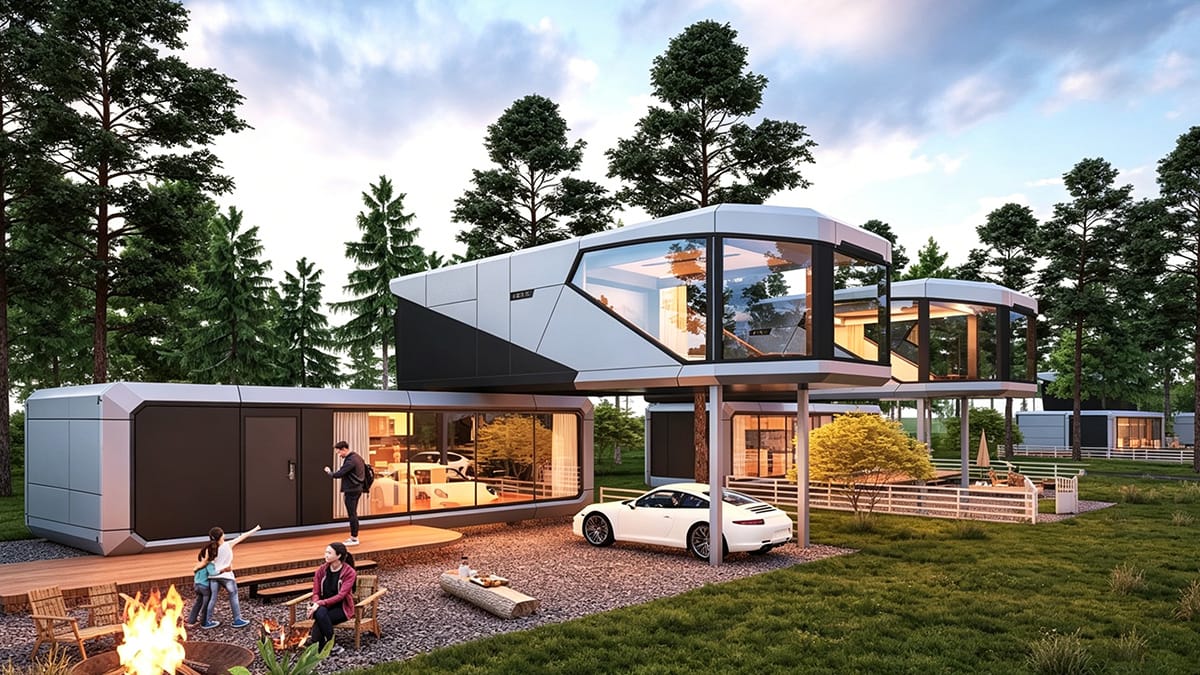
A pod house is a smart way to live with less trouble. You get more choices because each pod house is small and works well. It is fast to set up, since pod house units come ready and install quickly in many places. You spend less money because pod house designs use steel frames and insulated panels. This makes them cheap and strong. Pod house building also helps the earth by using materials that are good for the environment. Many pod house models ship fast and fit in cities or faraway places.
Pod house living lets you fix problems like high prices, slow building, and worries about the earth—all at once.
Key Takeaways
Pod houses are fast to build. You can move in within days. This makes them great for people who need a home quickly.
These homes do not cost much. Prices can start at $10,000. They are cheaper than regular houses. This helps people find homes they can afford.
Pod houses are good for the environment. They use materials that last and save energy. This helps lower your carbon footprint.
You can change many things in pod houses. Pick the layout, finishes, and smart technology you want. This lets you make a home that fits your life.
Pod houses are flexible for living. You can use them as your main home. They also work as guest houses or offices. They fit many needs.
Pod House Basics
 What Is a Pod House?
 What Is a Pod House?
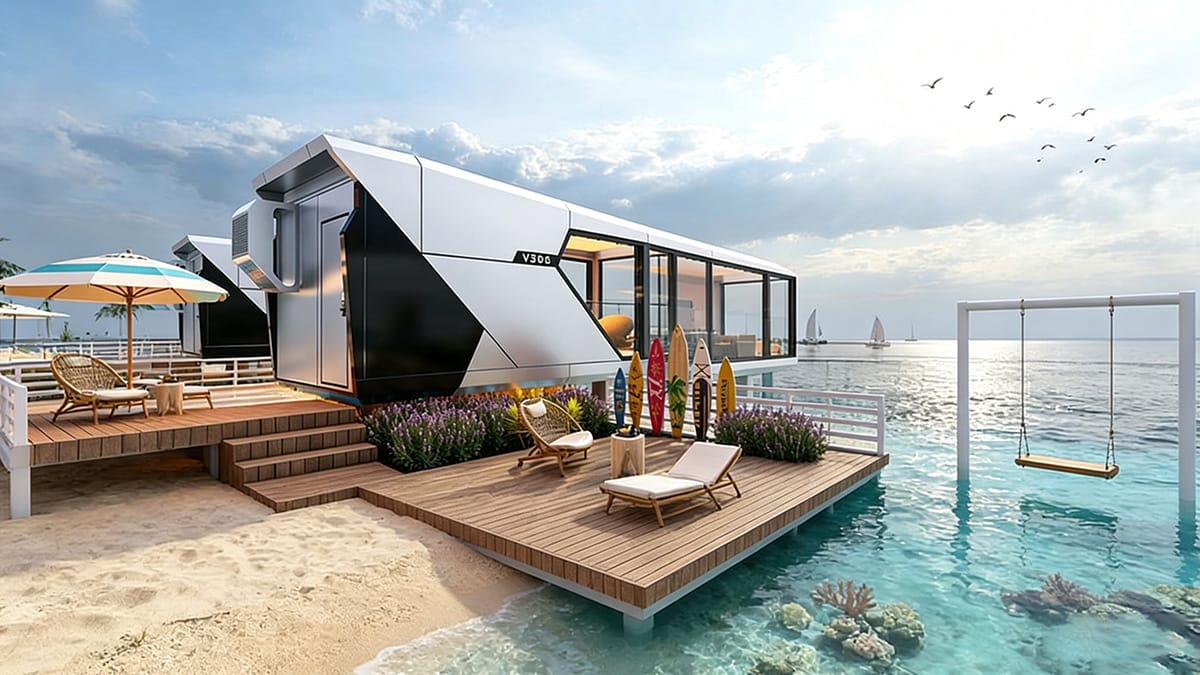
You might wonder how pod houses are not like other homes. Pod houses are small homes made in factories. They are brought to your land almost ready to use. Each pod is a full living space. You can put a pod house in many places, like cities or the countryside. Pod houses are part of prefab homes, but they are special because they are small and simple.
Pod houses use new ways to build. Most pod houses have steel frames. This makes them light and strong. Some use concrete for extra support or heavy things. The modular design means you can add more pods or change the layout if you need more space. Your home can grow with you and is easy to change.
Tip: Pod houses must follow the International Residential Code (IRC). This keeps them safe and good quality.
Key Features
Pod houses have many things that make them good for today’s life. You get cool layouts, smart tech, and rooms that use space well. Many have curved walls, built-in nooks, and smart storage. Even if the house is small, it feels open and bright.
Here is a table that shows how pod houses and regular homes are different:
Feature | Pod Houses | Traditional Homes |
|---|---|---|
Innovative Layouts | Unique designs with curved walls and nooks | Standard layouts with defined rooms |
Integration of Technology | Smart home features integrated | Varies, often less integrated |
Adaptability to Family Dynamics | Can fit many lifestyles | Usually designed for specific families |
Compact and multifunctional | Often larger with more dedicated spaces | |
Cost-Effectiveness | More affordable | Higher construction and maintenance costs |
Design Flexibility | Highly customizable and expandable | Limited customization options |
Pod houses use space in smart ways. You can move walls, add pods, or change the layout as your family gets bigger. Many pod houses have smart home features, like lights or heat you control with an app. You also save money because these homes are cheaper to build and take care of.
Pod houses use materials that are good for the earth. Builders use steel frames and panels to make less waste. The modular design lets you fix or reuse parts easily. Here is a table that shows common materials and ways to build:
Material/Method | Description |
|---|---|
Standard method for prefab modular homes, lightweight, and ideal for most project needs. | |
Concrete Structure | Used for special load requirements, such as heavy ventilation systems or superstructures. |
Sustainability | Optimized material use, minimal waste, and modular design for easy renovation and reuse. |
Pod House vs. Prefab Homes
You might ask how pod houses are different from other prefab homes. Pod houses are a kind of prefab modular home, but they are special. Most prefab homes use many pieces or panels to make a big house. Pod houses are made as one small unit. This makes them easy to move and set up.
Here is a table that shows the main differences:
Feature | Pod Houses | Other Prefab Homes |
|---|---|---|
Design | Compact single unit | Multiple modules or panels |
Construction Method | Built as a single unit | Built from substantial volumetric modules |
Compliance | Must comply with IRC | Must comply with IRC |
Prefab homes can be built in many ways. Modular homes use big parts made in a factory. These are put together on your land. Prefab modular homes can be pods or bigger modules. Pod houses are small, easy to move, and flexible.
Here are some points to help you see the differences:
Pod houses are one unit, so they are more compact.
Other prefab homes use many pieces to make bigger homes.
Prefab modular homes must follow rules like the IRC.
Modular homes are made in big parts and put together on your land.
Pod houses are prefab homes but have a small, special design.
You should think about the good and bad things about pod houses and other prefab modular homes. Pod houses use space well, cost less, and are flexible. But, you might find the space small, and privacy can be a problem. Some places have rules about where you can put a pod house.
Advantages of Pod Houses | Disadvantages of Pod Houses |
|---|---|
Efficient use of space | Limited living space |
Cost effectiveness | Privacy concerns |
Mobility and flexibility | Regulatory and zoning issues |
Environmental sustainability | Comfort and adaptability |
If you want a prefab home that is cheap and easy to set up, pod houses are a good choice. You get the good things about prefab modular homes, like fast setup and low cost. You also get to live in a modern, green space.
Benefits of Pod Houses
Fast Installation
 Fast Installation
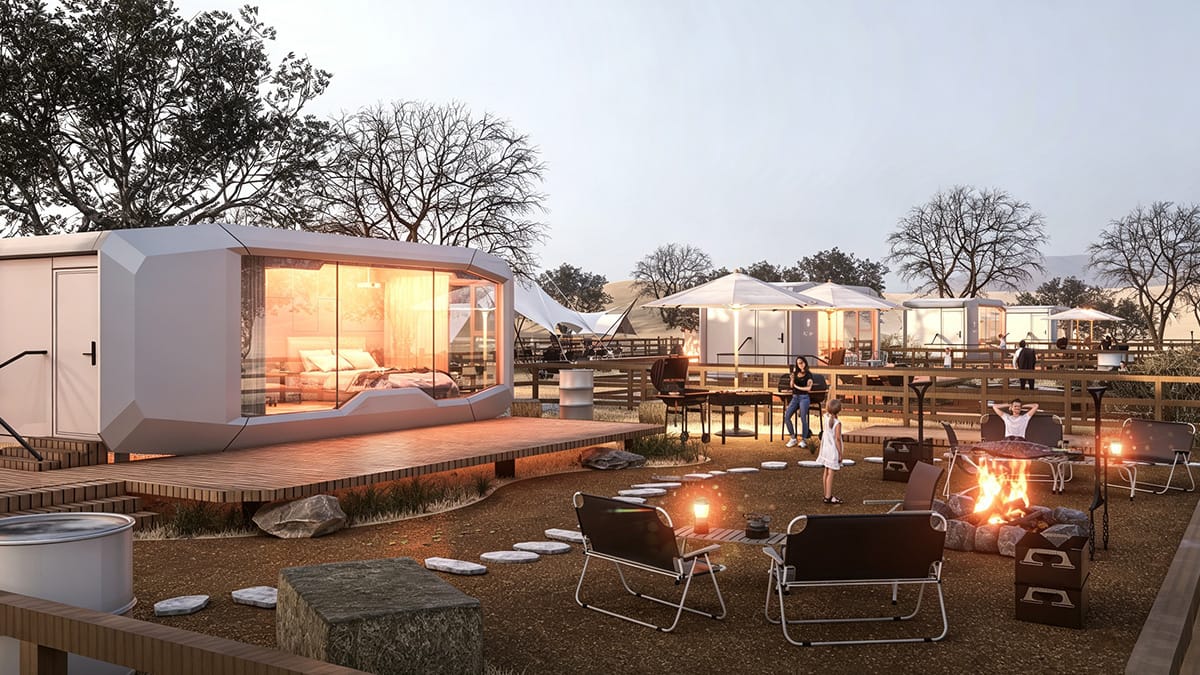
Pod houses let you move in much faster. Most pod houses come almost ready to use. You do not have to wait a long time. Some, like Granny Pods, can be set up in just days. The whole process usually takes less than a year. This is much quicker than building a regular house. You get to start living in your new home soon.
Pod houses are ready in just a few days.
From order to delivery, it takes less than a year.
Regular homes take much longer to finish.
Simple Foundations
Pod houses are easy because they do not need hard foundations. Most prefab homes use simple foundations. This saves you money and time. Here is a table that shows the costs:
Foundation Type | Estimated Cost |
|---|---|
Gravel Pad Foundation | $975 – $2106 |
Traditional Foundations | Higher (not specified) |
You do not have to dig deep or use lots of concrete. This makes pod houses a smart pick for many places. Simple foundations also help save energy. They use fewer materials and less energy to build.
Low Maintenance Costs
Pod houses are cheaper to take care of. Their small size and modular design make them easy to clean and fix. Energy-saving systems, like LED lights and smart heat, help them last longer. You spend less money on repairs each year. Using less energy is good for your wallet and the earth. Many people like pod houses because they cost less over time.
Eco-Friendly Design
Pod houses are great for the planet. They have many energy-saving features, like triple-glazed windows and solar panels. These homes use smart designs to keep rooms bright and comfy. Builders use local materials, recycled steel, and bamboo floors to help the earth. Prefab homes use less energy to build and run. Their small size makes them even more energy efficient. By picking a pod house, you help the planet by using less energy and making less waste.
Pod houses use sunlight and natural light to save energy.
Many have solar panels for clean power.
Prefab homes use local materials and make less trash.
Smart design and tech keep energy use low.
Tip: When you pick a pod house, you help make homes better for the future.
Prefab Home Costs
Base Price Overview
 Base Price Overview
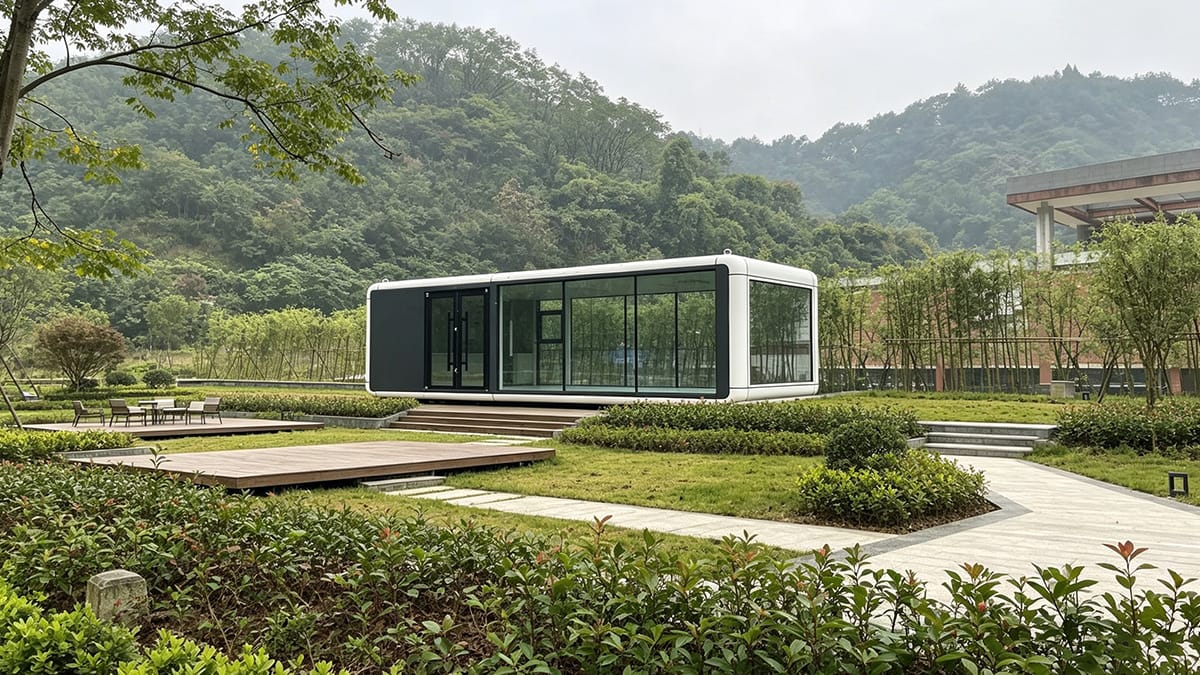
You want to know how much prefab homes cost before you start your project. Pod houses offer affordable options for many budgets. Most basic models start at $10,000 and go up to $25,000. Mid-range units cost between $25,000 and $50,000. Luxury pods can reach $100,000 or more. If you look at size, entry-level pods (40–80 sq ft) cost $7,000–$14,000. Mid-range pods (80–150 sq ft) cost $18,000–$30,000. Premium pods (150+ sq ft) cost $35,000–$60,000 or more. The average cost per square foot ranges from $150 to $300.
Type of Pod House | Price Range |
|---|---|
Basic Models | $10,000–$25,000 |
Mid-Range Units | $25,000–$50,000 |
Luxury Pods | $50,000–$100,000+ |
Entry-Level (40–80 sq ft) | $7,000–$14,000 |
Mid-Range (80–150 sq ft) | $18,000–$30,000 |
Premium (150+ sq ft) | $35,000–$60,000+ |
Cost per square foot | $150–$300 |
Prefab homes are affordable compared to traditional homes. The average cost of a dome house is $175,000. A conventional home costs about $280,000. You save money and get more affordability with prefab.
Hidden Costs
You must plan for more than just the base price. Hidden costs can add up fast. These include land preparation, delivery, and utility hookups. Site preparation and foundation can cost $5,000 to $30,000. Delivery and assembly range from $5,000 to $15,000. Utility hookups and permits can add $10,000 to $30,000 to your total project costs. Electricity connection costs $1,500 to $5,000. Water and sewer hookup costs $1,000 to $10,000. Well and septic installation can cost $10,000 to $25,000. Gas connection costs $1,000 to $3,000.
Cost Category | Estimated Cost Range |
|---|---|
Site preparation and foundation | $5,000 – $30,000 |
Delivery and assembly | $5,000 – $15,000 |
Utility hookups and permits | $10,000 – $30,000 |
Electricity connection | $1,500 – $5,000 |
Water and sewer hookup | $1,000 – $10,000 |
Well and septic installation | $10,000 – $25,000 |
Gas connection | $1,000 – $3,000 |
Tip: Always ask for a full list of costs before you buy a prefab home. This helps you avoid surprises.
Factors Affecting Costs
Many things can change the costs of prefab homes. Custom designs need more work and time. Bigger pods use more materials and cost more. If your land is hard to build on, costs go up. Extra features like smart tech or luxury finishes also raise the price.
Factor | Description |
|---|---|
Degree of Design | Custom layouts need more design work and construction time. |
Size | Larger pods use more materials and cost more to build. |
Construction Difficulty | Hard sites increase construction costs. |
Additional Features | Premium amenities add to the total cost. |
Prefab homes give you affordable choices. You can control costs by picking the right size and features. You get more affordability and flexibility than with regular homes.
Pod House Installation
Design and Planning
 Design and Planning
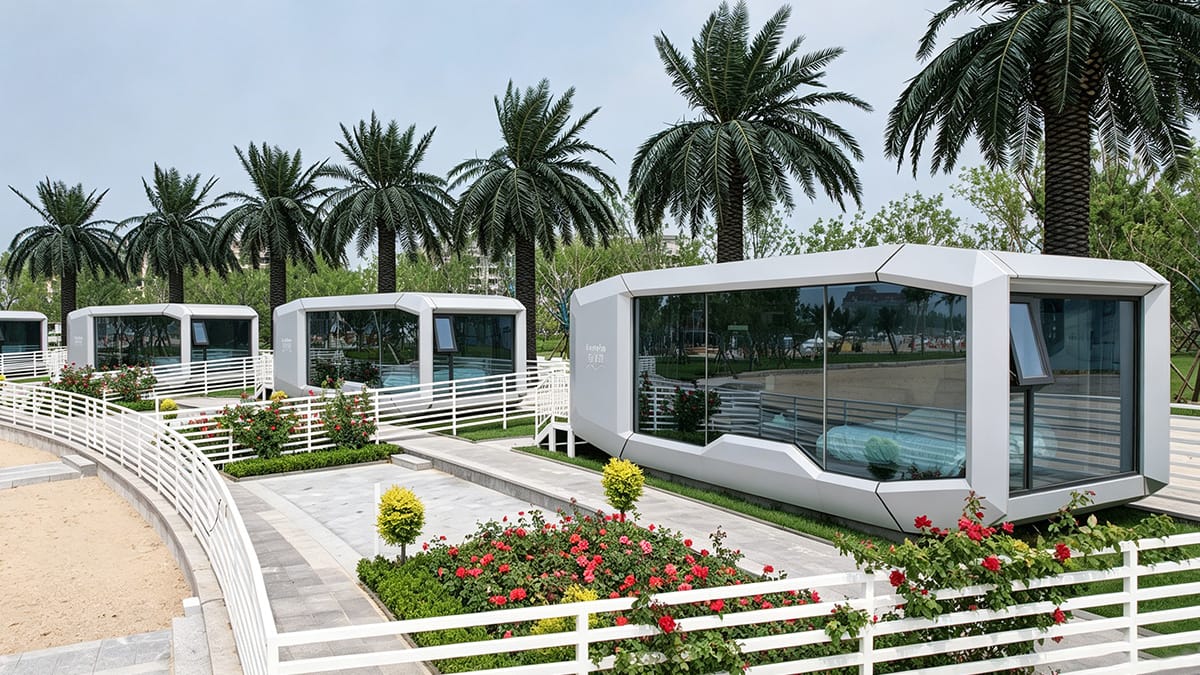
You start your pod house journey with careful design and planning. This step helps you avoid problems later. Here are the main steps you should follow:
Prepare your site and foundation. Clear and level the area where your pod will sit.
Understand the installation timeline. Most projects take two to three months from start to finish.
Connect utilities safely. Plan for electricity, water, and internet, and follow local building codes.
Choose the best spot in your yard. Think about how you will use the pod every day.
Find a quiet, private location. This helps you enjoy your space without noise or distractions.
Work with sunlight and shade. Check how the sun moves to keep your pod comfortable.
Tip: Good planning makes your installation faster and smoother.
Site Preparation
You need to get your land ready before your pod house arrives. Pod houses give you more foundation options than traditional homes. You can pick the type that fits your land and budget.
Foundation Type | Description |
|---|---|
Concrete Slab | Gives strong support and keeps out moisture. |
Pile or Pier Foundation | Works well on slopes or in flood zones. It disturbs the ground less. |
Stilt Foundation | Raises your pod above uneven ground or water. |
Helical Anchors | Installs quickly and lets you move your pod if needed. |
Pod houses do not need complex foundations. You save time and money with simple choices.
Delivery and Assembly
The delivery and assembly process is quick and easy. You can hire local contractors who know modular construction, or do it yourself if you have the skills. Here is what you can expect:
Step | Description |
|---|---|
Site preparation | Make sure the foundation and utility connections are ready. Clear a path for delivery trucks. |
Installation options | Choose between hiring pros or doing it yourself. |
Installation timeline | Most pods take only 1–2 weeks to assemble and connect. |
Final checks | Inspect your pod to make sure everything works as ordered. |
Note: The reduced labor and fast assembly make pod house installation much easier than building a regular home.
Move-In Timeline
You can move into your pod house much faster than with a traditional build. The timeline depends on the type of pod you choose.
Type of Pod House | |
|---|---|
Prefabricated granny pod | 3-5 months |
Custom-built granny pod | 6-9 months |
Complex projects needing variances | 8-12 months |
Most pod house installations finish in 8 to 12 weeks. You spend less time waiting and more time enjoying your new space.
Durability and Maintenance
Materials Used
You will find that pod houses use strong and modern materials. Most builders choose steel frames because steel resists rust and pests. Some pod houses use composite panels. These panels keep out water and block heat or cold. You may also see cladding on the outside. Cladding protects your pod from rain, wind, and sun. Many pod houses use recycled materials, which help the environment and keep your home sturdy.
Material | Benefit |
|---|---|
Steel Frame | Resists rust and pests |
Composite Panels | Blocks water and heat/cold |
Cladding | Shields from weather |
Recycled Content | Eco-friendly and durable |
Tip: Ask your builder about the materials they use. Good materials mean less work for you later.
Longevity
Pod houses last a long time when you care for them. You can expect your pod house to stand strong for many years. Here are some facts about how long parts of your pod house can last:
The cladding on some pod houses can last up to 25 years, even in harsh weather.
Composite materials last longer than wood or vinyl. They resist water, sun, and bugs.
Steel frames do not rot or warp, so your home stays safe and solid.
You get peace of mind knowing your pod house will not need big repairs soon.
Maintenance Tips
You can keep your pod house in great shape with simple steps. Clean the outside walls once or twice a year. Check for cracks or leaks after storms. Make sure gutters stay clear so water flows away. If you see rust or damage, fix it right away. Use gentle cleaners on composite panels to avoid scratches.
Inspect your pod house every season.
Clean windows and doors for better light and air.
Touch up paint or sealant as needed.
Note: Regular care helps your pod house last longer and saves you money on repairs.
Design Options for Prefabricated Homes
Layout Choices
 Layout Choices
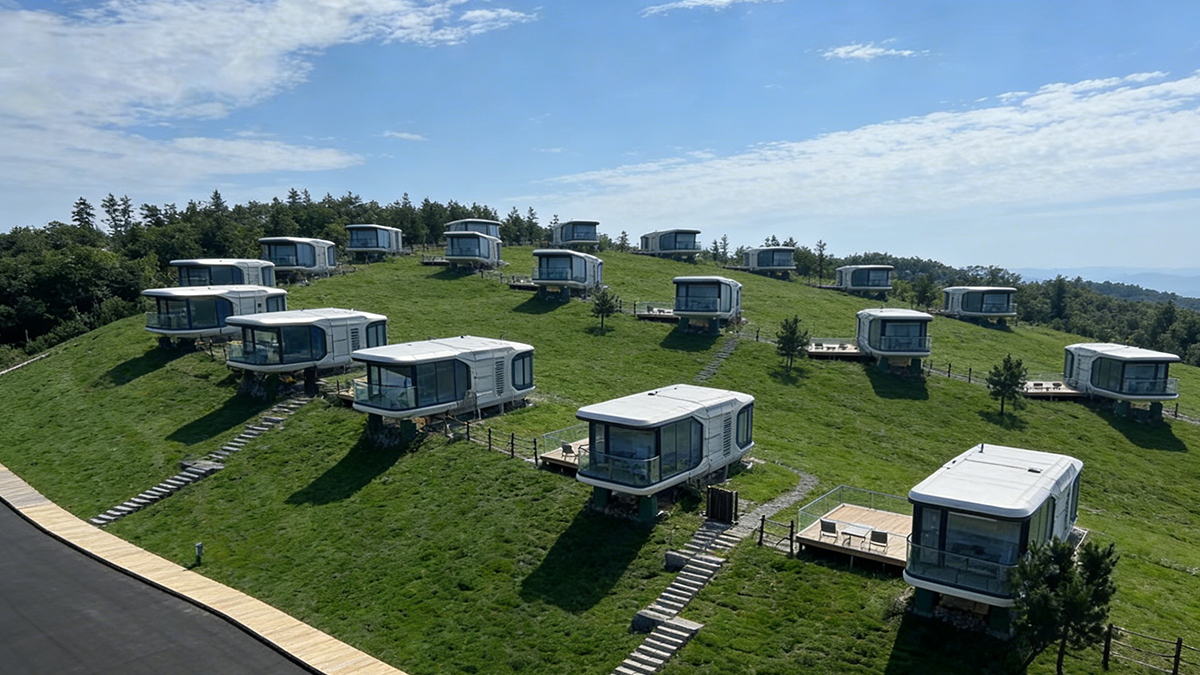
You have many layout choices for your pod house. Each layout works for different family sizes or needs. First, think about how many bedrooms you want. This helps you pick the best design for your life.
Layout Type | Description | Ideal For |
|---|---|---|
1 Bedroom | Open living and kitchen, private bedroom, bath close by. | Singles, couples, guest house |
2 Bedroom | Kitchen, dining, and living area, bedrooms on both sides. | Small families, guests, office use |
3 Bedroom | Big living space with more than one bathroom. | Larger families, frequent guests |
4 Bedroom | Large kitchen, living area, many bedrooms and bathrooms. | Extended families, multi-generational use |
Pod houses let you pick what fits you best. You can get a small one-bedroom for yourself. Or you can choose a four-bedroom for a big family.
Interior and Exterior Finishes
You can pick from many finishes to make your pod house special. Some popular outside features are steel frame modules, big glass walls, and flat roofs. You can also choose board and batten siding, metal roofs, or wraparound porches for a classic style.
Exterior Finishes | Interior Features |
|---|---|
Steel Frame Modules | |
Expansive Glass Walls | Exposed Wood Beams |
Flat Roofs | Shiplap Walls |
Board and Batten Siding | |
Metal Roofing | Clerestory Windows |
Wraparound Porches | Sliding Glass Doors |
Dormer Windows | Open-concept Living Space |
Neutral Color Schemes | Large Living Area |
Stained Timber | Two Bedrooms |
Profiled Aluminum | Two Bathrooms |
Thermally Modified Ash | Well-sized Dining Space |
Durable Charred Larch | Kitchen |
Western Red Cedar |
|
You can mix and match these finishes to fit your style. These tips help you make your prefab home feel cozy and welcoming.
Customization for Lifestyles
You can change your pod house to fit your life. Customization lets you pick the layout, finishes, and features you want. Here are some ways to make your space your own:
Pick furniture that does more than one thing, like beds that fold out or tables with storage.
Use open layouts so one room can be a living room, office, or dining area.
Add big windows for sunlight and warm LED lights for a comfy feel.
Choose your favorite colors, finishes, and themes.
Use furniture that saves space and has more than one use.
Add rugs, pillows, and wall art to make it unique.
Put up floating shelves or hanging planters to use wall space.
Try different lights for reading, working, or relaxing.
Customization helps you make your pod house match your life. You can make it modern, rustic, or anything you like. With so many choices, you can design a space that feels perfect for you.
Is a Pod House Right for You?
Assessing Your Needs
 Assessing Your Needs
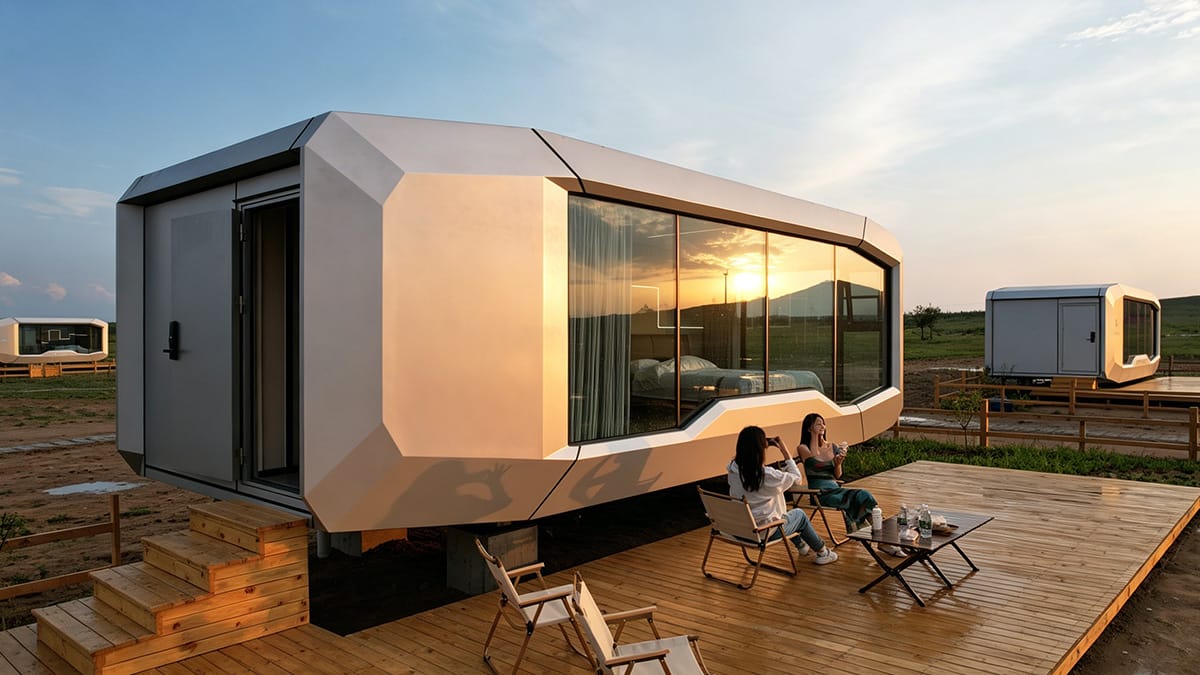
You want a home that fits your life. Before picking a pod house, think about what you need. Decide how much space you want. Think about how you will use each room. Check the weather where you live. Pod houses have many good points, but you should see if they fit your daily life.
Here is a table to help you decide if a pod house works for you:
Factor | Description |
|---|---|
Thermal Insulation (R-value) | Walls should have R-values of at least R-15. Roofs should be R-30 for mild climates. |
Structural Frame Material | Steel frames last long. Timber feels warm but needs more care. |
Foundation Compatibility | Some pods need concrete pads. Others work on screw piles or gravel beds. |
Utility Integration | See if electrical wires, plumbing, and HVAC are already set up. |
Window Placement & Natural Light | Good window spots make rooms brighter and save on lights. |
Square Footage vs. Usable Space | Think about wall thickness and how rooms are arranged. |
Delivery & Assembly Requirements | Make sure trucks can reach your land. Check if you need a crane or not. |
Tip: Visit a pod house or talk to a builder before you choose. This helps you see the good and bad things in real life.
Pros and Cons
Pod houses have many good sides for modern living. You get quick setup, save energy, and can change the design. A basic pod house costs less and is easy to put together. Office pods have better comfort with SIP walls and built-in lights. Guest pods come with plumbing and mini HVAC, so you can use them all year. Expandable pods let you add more space, which is great for bigger families.
Here is a table that shows the main pros and cons of different pod house types:
Type of Pod House | Pros | Cons |
|---|---|---|
Basic Pod House | Cheap ($5,000–$12,000), easy to set up | Not much insulation, not good for cold weather |
Insulated Office Pod House | SIP walls (R-16 to R-24), built-in lights | Costs more ($15,000–$25,000) |
Sleep-ready Guest Pod | Has plumbing, mini HVAC | Needs utility hookups; may need permits |
Modular Expandable Pods | Can add more units; layouts can grow | Harder permits; costs more ($30,000+) |
Overall Advantages | Quick setup, saves energy, flexible design | Hard to move, tricky permits, not easy to sell, small size |
Pod houses help you save energy and use space well. You can move in fast and change your home as you need. You also spend less on repairs and use earth-friendly materials. Some pod houses have big windows for sunlight and easy-to-clean surfaces. You get simple foundations and less trash when building. Many people pay less for bills and worry less about fixing things. You can pick custom finishes and smart tech. Pod houses are good if you want a home that fits your budget. They work well in cities or faraway places. Delivery and setup are easy. Your home can grow with you.
But there are some bad sides too. Some pod houses do not keep heat well, which is not good for cold places. You might need hard permits or pay more for fancy models. Think about the good and bad sides before you choose.
Note: Write down your top good and bad points to help you pick the best home for your future.
Pod houses are a smart way to live today. They are quick to set up and do not cost a lot. These homes are also good for the earth. Here is how pod houses can help you:
Feature | Benefit |
|---|---|
Uses small spaces in the best way | |
Reduced Maintenance | Helps you save money as years go by |
Energy Efficiency | Makes bills lower and is better for nature |
Affordable Land Options | Lets you have a home in more places |
Customizable Design | Can match your style and family needs |
You can use a pod house for many things. It can be your main home, an office, or a place for guests. Think about what you want most in a home. If you want more facts, look at these links:
The Ultimate Guide to Prefab: 65 Resources by Location, Construction, and Price
A Network of Prefab Tiny Homes Allows Users to “Pay as You Live”
Tip: Make a list of what you need and see if pod houses have those things before you choose.
FAQ
How long does it take to install a pod house?
You can usually move into your pod house within 8 to 12 weeks after ordering. The process includes design, site prep, delivery, and assembly.
Tip: Some basic models may be ready even faster!
Can you customize the layout of a pod house?
Yes, you can pick from many layouts or ask for custom changes. You may choose the number of bedrooms, finishes, and special features.
Open floor plans
Extra windows
Built-in storage
Are pod houses safe in bad weather?
Pod houses use strong materials like steel frames and composite panels. These materials help your home stand up to wind, rain, and snow.
Weather Type | Protection Level |
|---|---|
Wind | High |
Rain | High |
Snow | High |
Do you need special permits for a pod house?
You must check local rules before you buy. Most places require permits for new homes, including pod houses.
Note: Always ask your city or county office about zoning and building codes.