
11 Feb What is a capsule house and how is it unique from micro-homes
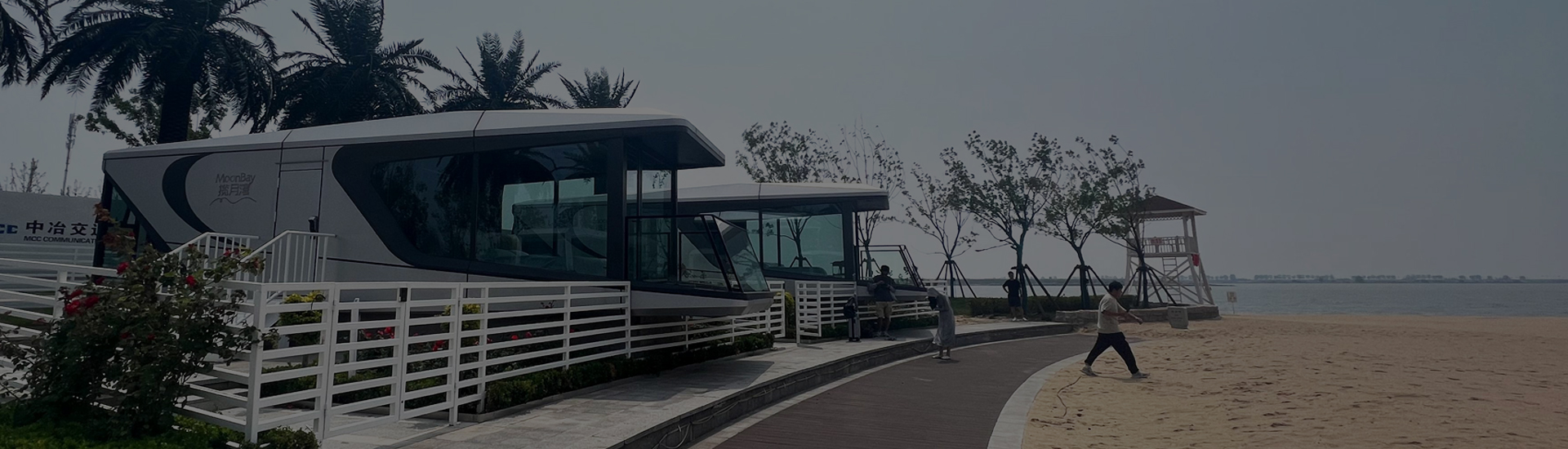
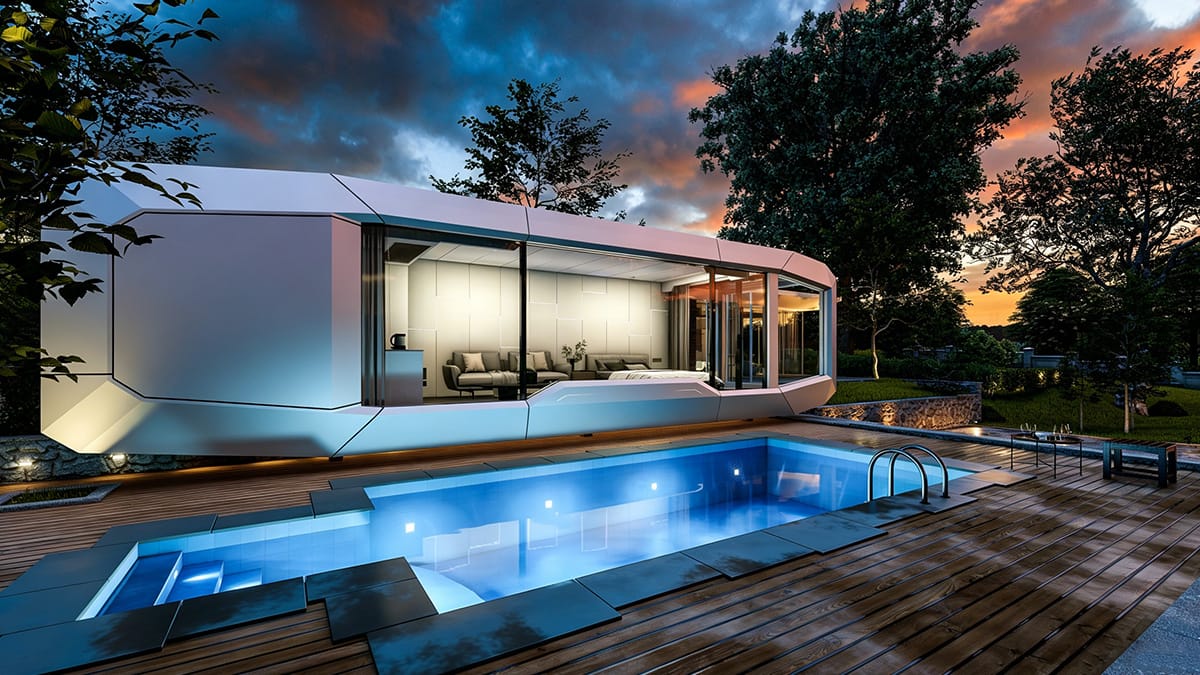
A capsule house is a compact, prefabricated living unit. It is inspired by aerospace design and looks like a futuristic metal or glass pod. Measuring around 200 to 500 square feet, these homes arrive fully built and are used as eco-resorts, mobile guest rooms, or tiny homes
Key Takeaways
Capsule houses are small homes you can move easily. You can set them up fast. They are good for short visits or flexible living.
They use smart designs and strong materials. This helps save energy and money. Capsule houses are good for the environment.
You can change capsule houses to fit your needs. You can add or take away parts as you want.
Capsule houses cost less than tiny houses. They are also faster to build. Prices start at about $23,000.
Think about your lifestyle before you choose. Pick a capsule house if you want to move a lot. Pick a tiny house if you want a cozy home that stays in one place.
What is a capsule house
Definition and concept
A capsule house is small and easy to move. It is built in a factory and sent to you. You do not have to wait long for it. You can live in it after a few weeks. The house is made of parts that fit together. You can add more space or change how it looks. This home can change to fit what you need.
Key features and design
Capsule houses use smart designs and strong materials. They have aviation-grade aluminum to keep them light and tough. Steel frames help make the house strong and stop rust. Insulated panels keep the inside warm or cool. This saves energy. Many capsule houses have glass walls or windows. Double glazing helps keep heat in or out. The floors and inside parts use strong materials. These are easy to clean and last a long time.
Many capsule houses have smart tech like lights and climate control. Some have solar rooftops and LED lights to save energy. Good insulation can lower heating and cooling costs by 40%. Some houses use recycled materials to help the environment.
Capsule houses are built much faster than regular homes. It can take only 6 to 12 weeks to finish one. Some companies build them in just 25 days. Building in a factory means better quality and fewer problems. When your house arrives, you can set it up in a few days. You do not need a deep foundation.
Typical uses
Capsule houses are great for short stays or flexible living. You can use one as a guest house for visitors. Many people rent them out for vacations because they look modern. Artists and writers use them as quiet places to work.
Guest homes: Give visitors privacy and comfort.
Vacation rentals: Bring in renters with a cool look.
Retreats and studios: Offer a quiet spot for creative work.
Capsule houses cost less than most tiny homes. Prices go from $23,000 to $70,000 based on size and features. You get a house that is ready to use, easy to move, and quick to set up. It helps you save time and money. If you want a home that fits your life, a capsule house is a smart choice.
What is a tiny house
Definition and concept
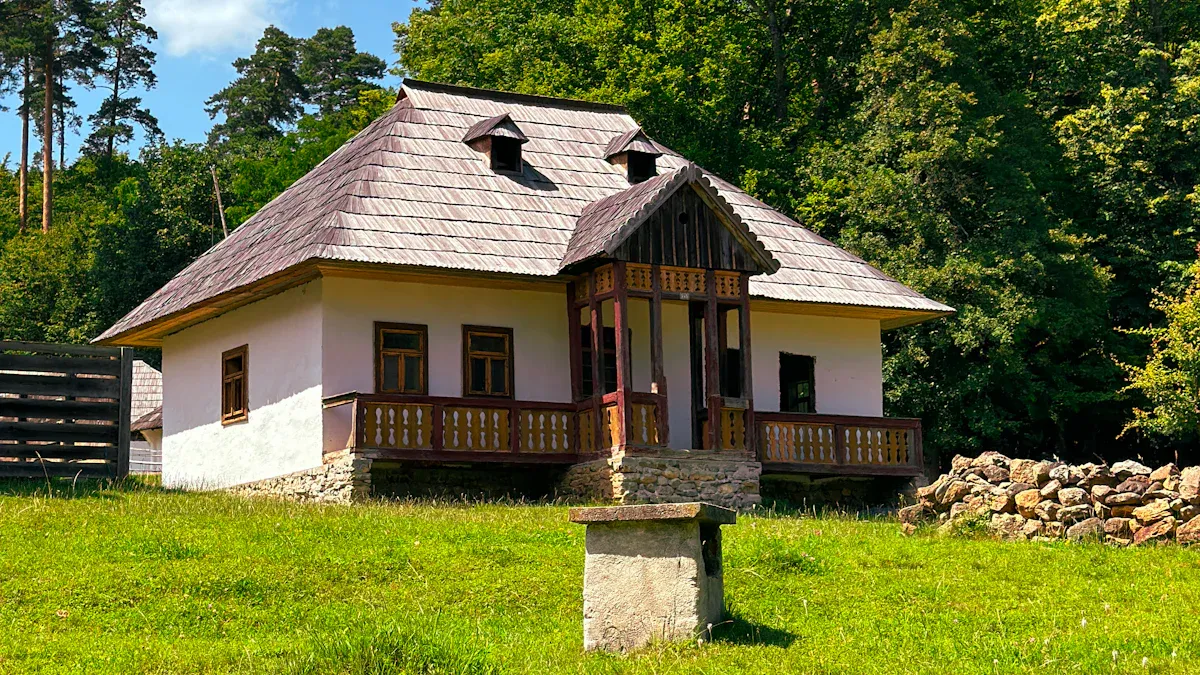
A tiny house is a small home with everything you need. It has less than 400 square feet of space. Most tiny houses stay in one spot for many years. Builders make them strong like regular homes. Tiny houses must follow rules to keep you safe.
Definition of Tiny House | Compliance Requirements |
|---|---|
Tiny houses are single homes that must follow building codes, except for some rules in Appendix Q. | Tiny houses must meet the International Residential Code (IRC) rules listed in Appendix Q. |
Most tiny houses in North America are about 400 square feet or smaller. Tiny houses on wheels are usually around 350 square feet.
Key features and design
Tiny houses use smart layouts to fit all your needs. You get a kitchen, bathroom, living room, and a place to sleep. Builders use strong materials so your home lasts a long time. Many tiny houses have cedar or cypress siding to keep water out. Inside, you may see slat or sheet paneling instead of drywall. For insulation, builders use polystyrene boards or spray foam. Metal roofs protect your home from wind and rain.
Category | Material/Type | Description |
|---|---|---|
Exterior Siding | Cedar, Cypress | These materials help keep water out. |
Interior Siding | Slat Paneling, Sheet Paneling | These are light and strong, not like drywall. |
Insulation | Extruded Polystyrene (XPS) Boards | Used to insulate floors, walls, and roofs. |
| Spray Foam | Fills cracks near windows and doors, comes in different types. |
Roofing | Metal Roofing | Metal roofs last long and protect against strong winds. |
Flooring | Hardwood, Tile, Vinyl Tile | These are popular choices. Tile works well in bathrooms. |
If you use good materials and build well, your tiny house can last as long as a regular home.
Typical uses
People pick tiny houses for many reasons. Some want a simple life with less stuff. Others want to help the planet by using fewer things. Tiny houses let you show your style with cool designs. You can move a tiny house on wheels if you like to travel. Many people choose tiny houses to save money and pay less for bills.
Care about the environment
Like creative and special homes
Want to move or travel easily
Want to save money
A tiny house gives you a cozy home that matches your needs and values.
Capsule house vs. tiny house
 Size and layout
 Size and layout
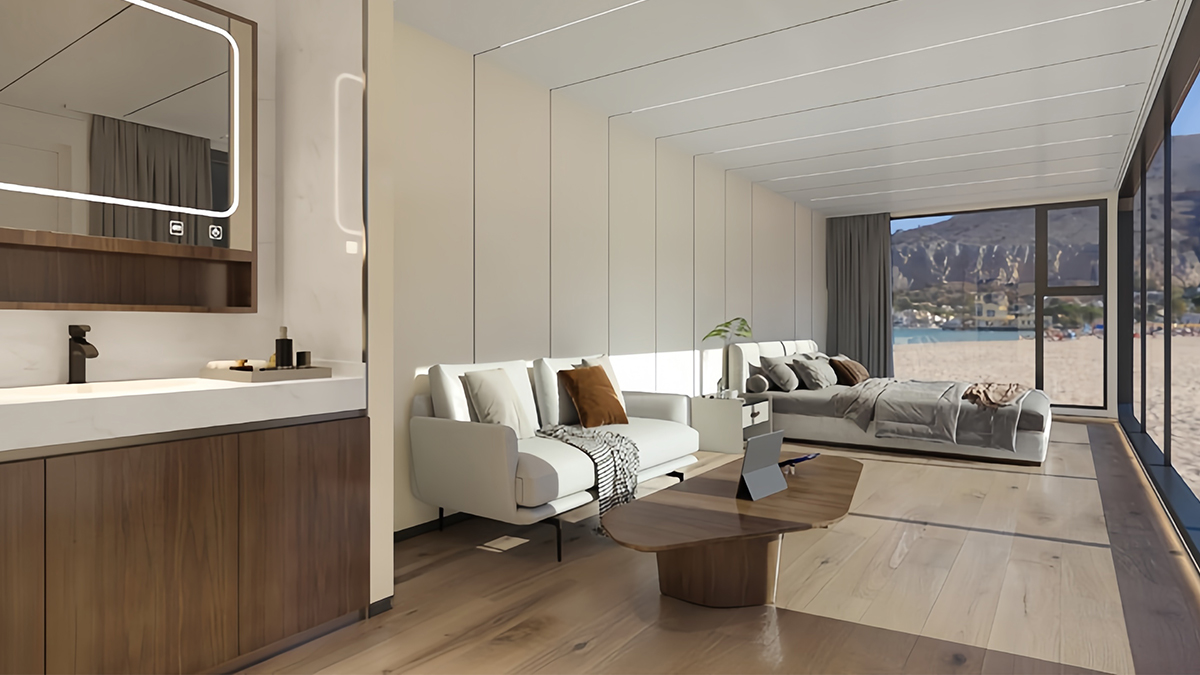
When you look at capsule houses and tiny houses, you will see big differences in size and layout. Capsule houses are much smaller than tiny houses. Most capsule houses are only 50 to 100 square feet. Tiny houses are bigger, from 100 to 400 square feet. This means a capsule house feels more like a modern pod. A tiny house feels more like a small home.
Type of House | Size Range (Square Feet) | Average Size Difference (Square Feet) |
|---|---|---|
Capsule House | 50 – 100 | 50 – 300 |
Tiny House | 100 – 400 |
|
Capsule houses use modular layouts. You can add or take away parts to fit your needs. This makes it easy to change your space as your life changes. Tiny houses usually have fixed layouts. You get a kitchen, bathroom, and sleeping area. You cannot make the space bigger or smaller easily. These differences change how you use your house every day.
Mobility and installation
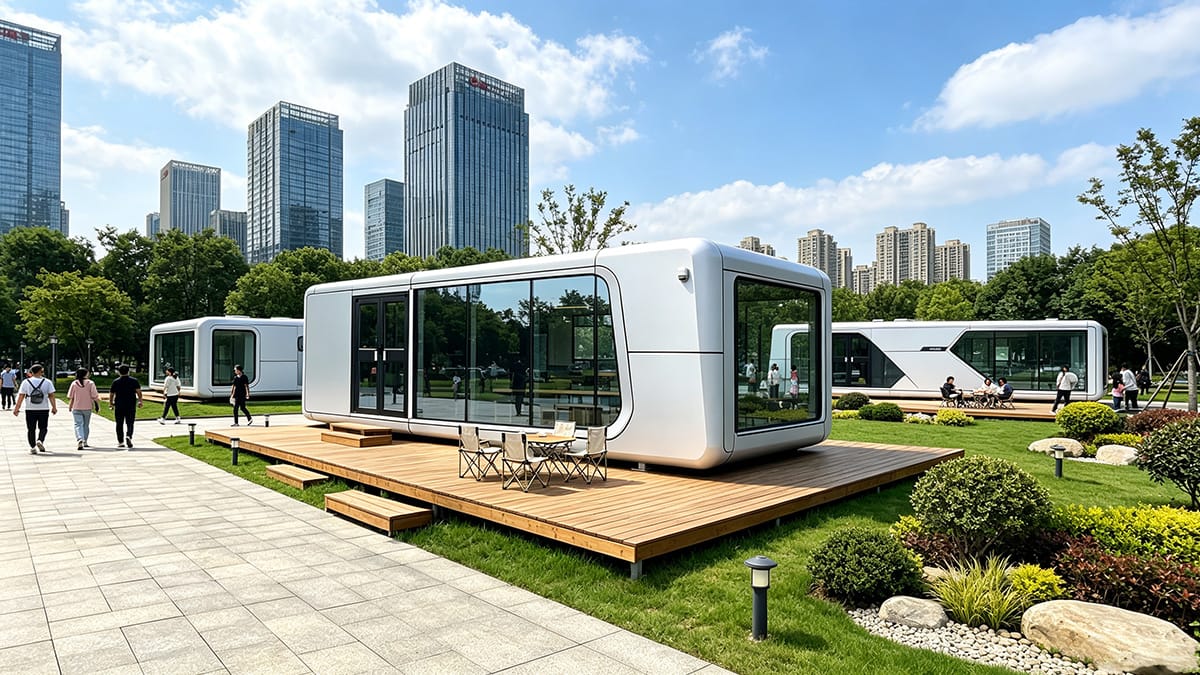
Capsule houses are easy to move and set up. You can put a capsule almost anywhere. They are light and have a modular design. This makes them simple to deliver and install. Most capsule houses come ready to use. You can set them up in just a few days. You do not need a deep foundation or big machines.
Tiny houses can move too, especially if they have wheels. But moving a tiny house is harder. You need a special trailer and a big vehicle. Setting up a tiny house can take weeks or months. This is true if you want it to stay in one place. The main differences are speed and how easy it is. Capsule houses save you time and work. They are good if you want a flexible life.
Cost and materials
Capsule houses usually cost less than tiny houses. They are smaller and have a simple design. They are made in a factory, so there is less work and waste. You get your capsule faster and pay less to set it up. Most capsule houses use strong, light, and energy-saving materials like aviation-grade aluminum, steel frames, and insulated panels.
Tiny houses cost more because they are bigger and have custom features. Builders use strong wood, metal roofs, and good insulation. The price can change a lot based on what you pick. Custom designs and building on-site make it cost more. You may wait months for your tiny house to be ready. The main differences in cost and materials come from how each house is built and what you want inside.
Capsule houses give you a clear price and fast delivery. Tiny houses give you more choices, but you may pay more and wait longer.
Intended users and lifestyle
Capsule houses are for people who want a simple, flexible, and eco-friendly life. Young homeowners, digital nomads, and people who like futuristic design often pick a capsule. You can move your house when your life changes. Many people who pick capsules care about saving space and helping the planet.
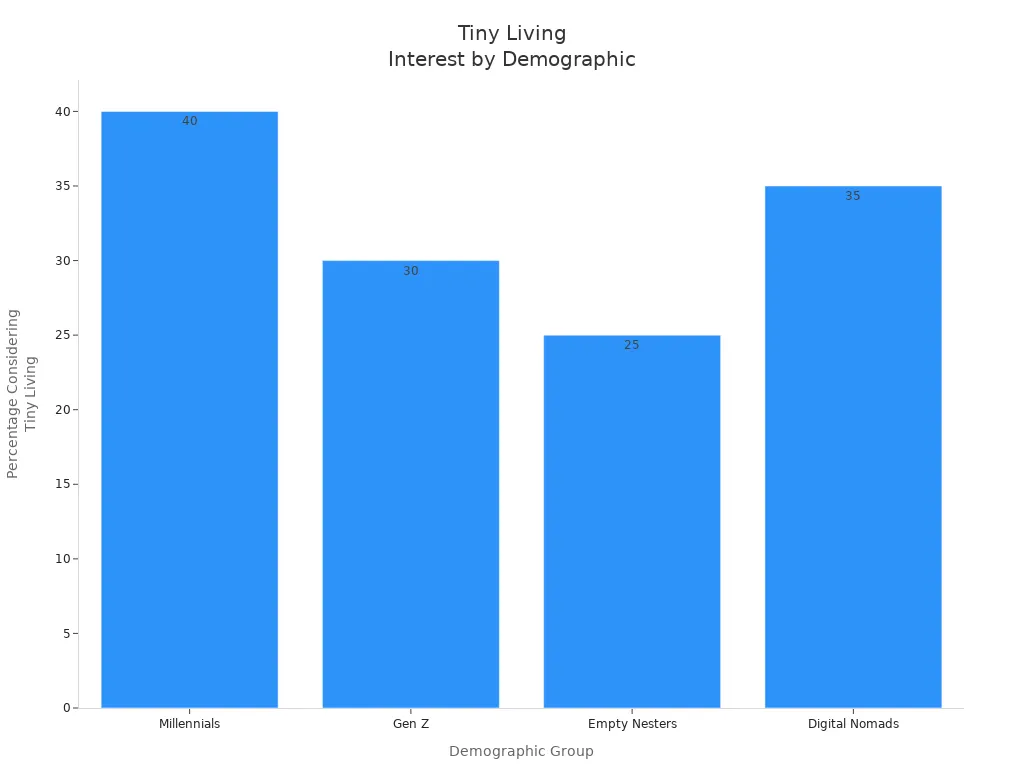
Tiny houses are for people who want a cozy, personal space. Many choose tiny houses to live with less, save money, or live simply. Millennials, Gen Z, empty nesters, and digital nomads all like tiny living. Each group has its own reasons, like saving money or caring about the earth.
Demographic Group | Percentage Considering Tiny Living | Main Motivations for Choosing | Average Age | Location Preference |
|---|---|---|---|---|
Millennials | 40% | Affordability, Minimalism | 25-40 | Urban Areas |
Gen Z | 30% | Sustainability, Flexibility | 18-24 | Small Towns |
Empty Nesters | 25% | Downsizing, Travel | 50-65 | Suburban Areas |
Digital Nomads | 35% | Mobility, Cost Efficiency | 25-40 | Anywhere with Wi-Fi |
You will notice more differences in how each house fits your life:
Capsule houses let you add or remove parts for any family size.
Tiny houses give you a special style and help you feel independent.
Both types of houses work for different budgets and values.
Feature | Capsule Houses | Tiny Homes |
|---|---|---|
Design Flexibility | Custom layouts for many family sizes | Unique styles that show your personality |
Scalability | Add or remove modules as needed | Usually fixed size, not easy to change |
Sustainability | Eco-friendly features for many values | Focus on minimalism and being self-sufficient |
Tip: If you want a house that grows and moves with you, a capsule may be best. If you want a cozy home that shows your style, a tiny house could be right for you.
Capsule house advantages
Efficiency and modularity
 Efficiency and modularity
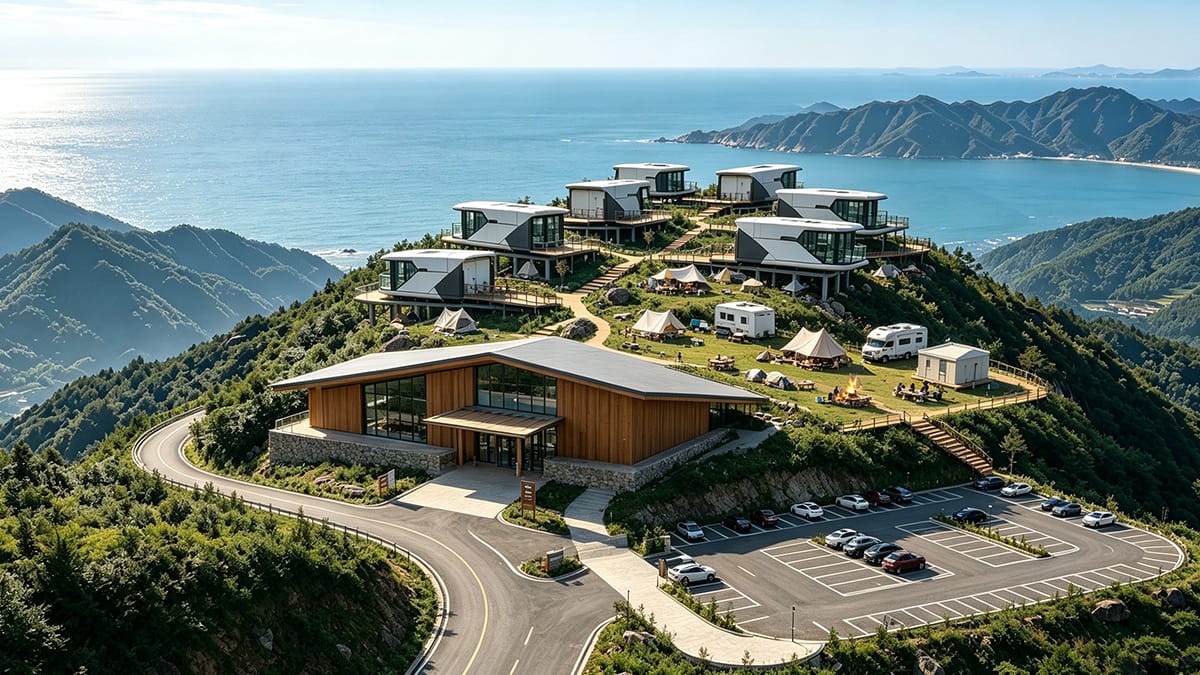
Capsule houses use space in a smart way. You get a kitchen, bathroom, and living room in a small area. Designers make sure no space is wasted. You can put capsule houses in cities or suburbs.
Each part of the house has a job.
You get small living features that fit your needs.
The design helps you live well in a tiny space.
Capsule houses have modular parts. You can add or take away sections to change the size. This makes it easy to move your house or adjust it for your family.
Benefit | Description |
|---|---|
Modular design lets you move the house easily. | |
Customization options | You can change the layout and features for yourself. |
Diverse applications | Capsule houses work for short stays, offices, or disaster help. |
Flexibility and convenience
Capsule houses are flexible in ways most homes are not. You can set up your house fast for short stays or special uses. People use capsule houses for vacations, emergencies, or camping.
Scenario | Description |
|---|---|
Capsule houses set up quickly for short stays. | |
Emergency housing | They give fast shelter in crisis times. |
Tourism | Good for tourist places needing flexible rooms. |
Post-disaster rescue | Useful for quick housing after disasters. |
Camping sites | Can be used outdoors for campers. |
You can move your capsule house when you want something new. This makes it a great choice for portable living. You do not have to wait long to enjoy your new home.
Unique living experience
Living in a capsule house feels new and fun. The design looks futuristic and different from normal homes. Strong materials keep you safe and comfy. You can set up your house fast and start living soon. Many people say capsule houses cost less and use less energy.
Capsule houses give you comfort, style, and smart design. You get a home that fits your life and lets you enjoy tiny living in a cool way.
Choosing the right option
Factors to consider
 Factors to consider
You have many things to think about when picking a capsule house or a tiny house. Each one has its own good points. To help you choose, look at what matters most. The table below shows what you should check before you decide:
Factor | Description |
|---|---|
Manufacturer Quality | Research the reputation and craftsmanship of manufacturers to ensure durability and comfort. |
Design Features | Consider innovative designs that maximize space and offer customization options. |
Sustainability | Look for eco-friendly materials and energy-efficient systems to reduce environmental impact. |
Energy Efficiency | Evaluate energy-saving features that can significantly lower energy consumption compared to larger homes. |
Lifestyle Needs | Reflect on personal lifestyle preferences and aesthetic appeal when choosing between options. |
You should look at how good the builder is. A good builder makes your home safe and comfy. Design is important too. Some homes let you change the inside or add smart tech. If you care about nature, pick a home with recycled stuff or solar panels. Energy-saving homes help you pay less for power. Think about what you do every day and what style you like.
Matching needs and preferences
You need to pick a home that fits your life. Ask yourself these questions:
Do you want to move your home a lot?
Do you need a place for short trips or to live in all the time?
How much room do you need to feel good?
Do you like a modern look or a warm, cozy style?
Is saving energy or helping the earth important to you?
Tip: If you want a home that is easy to move and set up, a capsule house might be best for you. If you want a small home that stays in one place and feels special, a tiny house could be better.
Think about what you want in the future. Your home should match your daily life and your big plans. When you pick the right home, you get comfort, save money, and have a space that feels perfect for you.
You now know the key differences between capsule houses and tiny houses. Capsule houses give you fast setup, easy movement, and smart use of space. Tiny houses offer a cozy, lasting home with more room.
Capsule houses work best for short stays and flexible living.
Tiny houses suit you if you want a small, permanent home.
Think about your lifestyle and needs. Choose the home that matches your goals and helps you live better.
FAQ
What is the main difference between a capsule house and a tiny house?
Capsule houses are made to move and set up fast. Tiny houses are bigger and stay in one place. Capsule houses have parts you can change. Tiny houses usually have rooms that do not change.
Can you live in a capsule house year-round?
You can stay in a capsule house for a short or long time. Good insulation and climate control keep you comfy. Most people use capsule houses for trips, guests, or as a short-term home.
How much does a capsule house cost compared to a tiny house?
Capsule houses cost less than tiny houses. The price starts at about $23,000. Tiny houses cost more because they are bigger and use special materials. You might pay $40,000 or more for a tiny house.
Are capsule houses eco-friendly?
Many capsule houses use recycled materials and save energy with solar panels. Picking a capsule house with green features helps the earth.
Do you need special land or permits for a capsule house?
You might need a permit or local approval. Always check your local rules before you buy or put a capsule house on land. Some places have special rules for small or moving homes.