

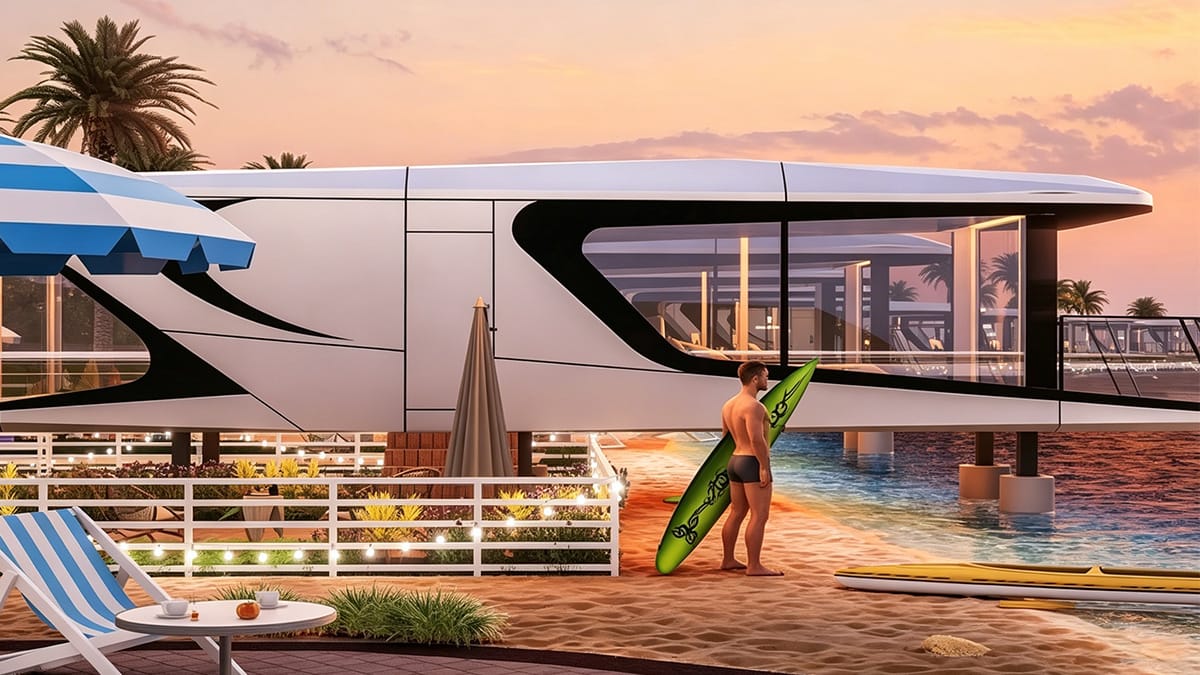
31 Jul Is Investing in Capsule Houses Profitable for 2026
If you’re wondering, is investing in capsule houses profitable in 2026, recent data suggests it can be. Investors are seeing up to 40% yearly ROI, and many recover their initial investment in just 2.5 years. The profitability of capsule houses depends on their location, occupancy rates, and daily operations. Most capsule hotels report 70% to 90% room occupancy, with average nightly rates between £30 and £60. Smart management, including technology and skilled staff, can make investing in capsule houses even more profitable.
Key Takeaways
Investing in capsule houses can give up to 40% yearly ROI. Many people get back their first costs in just 2.5 years. Capsule houses keep their value well. They hold 70-80% of their price after five years. This makes them a safe investment. High occupancy rates of 70% to 90% in busy places help rental income grow. This makes capsule houses earn more than regular rentals. Capsule houses do not cost much. The total money needed is from $10,000 to $50,000. This is much less than normal homes. Smart management and picking a good spot are very important. These help you make the most money and get steady income from capsule house investments.
Is Investing in Capsule Houses Profitable?
Space Capsule House ROI Overview
You might wonder if capsule houses are a good investment for 2026. The answer is yes. Recent numbers show strong space capsule house ROI. Investors can get up to 40% yearly ROI. You might get your money back in just 2.5 years. This is much faster than with regular rentals.
Space capsule houses cost $350 to $500 per square foot. This is more than tiny houses, which cost about $300 per square foot. But capsule houses last longer, so the ROI is better. Capsule houses can last 25 to 30 years. Tiny houses last 15 to 20 years. Container homes cost $150 to $600 per square foot. They last 20 to 25 years. People who bought capsule houses early say they lose little value after three to five years. Your investment keeps its worth.
Capsule houses can also go up in value. In places that like new housing, they can rise 5% to 10% each year. Over ten years, you might spend $95,000 to $140,000 to own one. This is more than tiny houses but less than container homes when you count upkeep and energy savings. The capsule resort market could reach $432.5 million by 2030. This means more people want them.
Capsule houses do better than regular rentals. They look cool and different. Many Airbnb hosts use them to get more guests. The small design helps you earn more and still give comfort. You also save on energy bills. Capsule houses use less energy, so you pay 20% to 30% less for heating and cooling.
Key Profitability Metrics
You need to know some key numbers to see if capsule houses are profitable. These numbers help you check space capsule house ROI and see if it fits your plans.
Metric | Description |
|---|---|
Investment Cost | Total investment includes cabin cost, shipping, installation, and site prep. |
Rental Income Potential | Income varies based on location, season, and guest experience. |
Occupancy Rate | Affects ROI; low occupancy reduces profit despite high pricing. |
Payback Period | Time to recover investment varies by location and demand. |
Look at occupancy rates. They are often 70% to 90%. High occupancy means you make more money from rent. Business travelers want smart, tech-ready places. People who want to save money like unique stays. Remote workers want longer stays. These trends help you get a good space capsule house ROI.
Capsule houses cost less than regular homes. You can buy one for $10,000 to $50,000. Regular homes cost over $250,000. Lower prices and high demand make it easier to make money. The energy-saving design also lowers your bills.
So, is investing in capsule houses profitable? The numbers say yes. You get high ROI, fast payback, and your investment keeps its value. Capsule houses do better than regular rentals. They bring in more guests, cost less to run, and keep their worth.
Capsule Houses ROI Factors
Initial Investment and Costs
Your first cost for a capsule house depends on its type and size. Here is a table to compare prices:
Capsule Type | Price Range (USD) |
|---|---|
Small basic capsule units | $10,000 – $30,000+ |
Mid-range accommodation capsules | $30,000 – $80,000+ |
Luxury smart capsule houses | $80,000 – $150,000+ |
You also need to think about extra costs. These are things like moving the house, getting the ground ready, setting it up, adding utilities, and getting permits. These extra costs can make your total price go up by 30-50%. If you want steady money back, plan for these costs early.
Rental Income and Occupancy
Capsule houses can make good rental money, especially in busy places. For example, if your capsule house is near a national park, you might earn $1,980 each month. After paying $600 for bills, you keep about $1,380. High occupancy rates, usually 70% to 90%, help you reach your roi goals faster. How many people stay depends on where your house is, how guests feel, and how well you advertise. If you keep your house full, you get steady money and pay off your costs faster.
Operational Strategy Impact
How you run your capsule house affects your profit. Checking the site and building a good base saves money and helps your house last longer. Following local rules stops delays and extra charges. If you make guests happy and run things smoothly, you get better reviews and more people come back. Setting up fast and having a cool design helps you start renting sooner and get more guests. Running your house in a green way also saves money and keeps your income steady.
Value Retention Over Time
Capsule houses keep their value well. After five years, they still have about 70-80% of their starting value. They also help you save money on energy and repairs. Owners often save over $7,200 on energy in five years. Capsule houses in great spots can even go up in value by 2-4% each year. If you take care of your house and pick a good spot, you protect your money and get value for a long time.
Capsule Houses vs. Traditional Real Estate
 ROI Comparison
 ROI Comparison
You may wonder how capsule houses compare to regular homes for roi. Capsule houses often give you more money back in less time. Here are some numbers you should know:
Average monthly gross revenue is $2,200.
Annual occupancy is 68%.
Average daily rate is $148.
Total investment is about $52,000.
Annual gross revenue is about $26,400.
Annual operating costs are around $7,200.
Net annual income is about $19,200.
Cash-on-cash return is close to 36.9%.
Payback period is about 2.7 years.
Regular homes usually take longer to pay off. They often have lower roi. Capsule houses help you get your money back fast and start making profit sooner.
Cost and Flexibility
Capsule houses cost much less than regular homes. Here is a simple comparison:
Type of House | Price Range |
|---|---|
Capsule Houses | $10,000 – $50,000 |
Traditional Homes | Above $250,000 |
You spend less to buy or build capsule houses. You also save money on repairs and energy bills. Capsule houses are more flexible. You can add more modules if your family gets bigger. You can move them if you need to go somewhere else. The modular design lets you change the layout to fit what you want. You can make your living space bigger or smaller by adding or removing modules.
Risk and Market Trends
Capsule houses have some risks. They use strong steel frames and shapes to handle bad weather. Safety depends on tough glass and strong hinges. Local rules may limit where you can put capsule houses. You must follow building codes, which can be hard. If there is a fire, you need to plan escape routes, especially if the front door is blocked.
Market trends are good for capsule houses. Property prices went up by 5.6% in 2021. More people want homes that cost less. Cities are getting bigger, so more people will live there. Many young adults like smaller homes that save money. These trends make capsule houses a smart choice for future investments and strong roi.
Case Studies: Capsule House Investments
High-ROI Success Stories
 High-ROI Success Stories
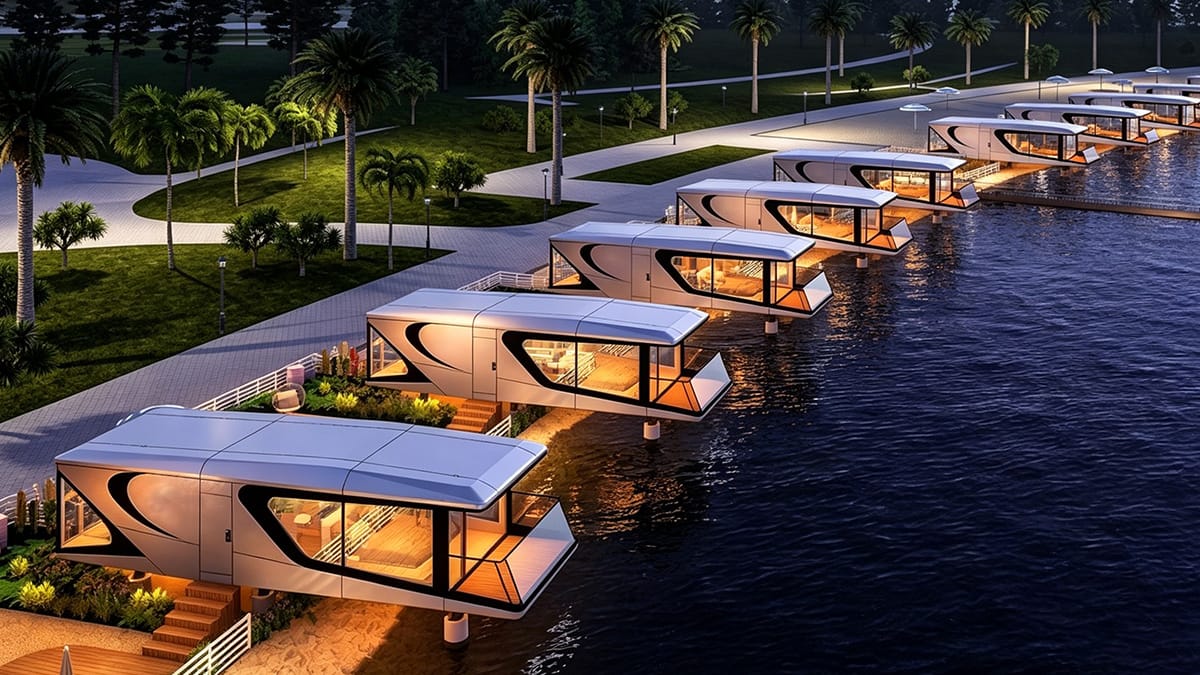
There are many stories where capsule houses helped owners make more money. In New Zealand, a small hotel put ten capsule units by Lake Wakatipu. This made bookings go up by 40% in just six months. The hotel became more popular because famous people visited. This helped the hotel get noticed in tourism. In the Maldives, a fancy resort built capsule suites on the roof. This made 25% more guests come back again. About 70% of guests posted about their stay on social media. These posts brought in more bookings and kept demand high. Capsule houses often get people talking and bring in travelers who want something new.
Lessons from Challenges
Not every capsule house investment works out right away. Some resorts had slow bookings at first because they did not tell people about their capsule houses. Others had problems when units were in loud or hard-to-find places. You can stop these problems by picking pretty spots and making sure guests can get there easily. Resorts that cared about guest experience and used social media got more repeat visitors. Good reviews and people telling friends help a lot in tourism. If you plan well, you can turn problems into chances to grow.
Regional ROI Differences
Capsule houses do better or worse depending on where they are. You get more money if your property is close to a big city. Places with lots of tourists, like parks or beaches, fill up faster. Before you buy, check how many special stays are nearby and what they charge each night. Rules about land and getting water or power also change your costs and profits. Pretty views like lakes or forests can let you charge more per night.
Factor | Description |
|---|---|
Attractive Natural Views | Guests love pretty places, which bring more tourists and smiles. |
Convenient Accessibility | Easy-to-get-to places fill up fast and keep guests happy. |
Development Potential | Land you can grow on helps you meet more tourist needs. |
The Asia-Pacific area is number one for capsule houses in tourism. People there make good money and the economy is growing. If you pick your spot well, you can use these trends and make your ROI bigger.
You can see strong value in capsule house investments for 2026. High ROI and a short payback period give you real value. Location adds value by attracting guests. Smart operations protect your value. You should check the market to keep your value safe. Research helps you spot value in different regions. Compare the value of capsule houses with traditional homes. Your goals shape the value you seek. Look for value in energy savings. Value comes from steady income. Value grows with good reviews. You control the value by managing well. Always focus on value when you invest.
FAQ
What makes capsule houses profitable in high tourism areas?
You make more money in busy tourist spots. Travelers want places that are different and fun. Capsule houses bring guests who like modern and cheap stays. You fill rooms quickly and earn more income.
How does location affect demand for capsule houses?
Picking a good spot helps you get more guests. Travelers like places close to parks or city centers. Your capsule house gets more bookings if it is near popular sites. High demand means more people stay and higher occupancy.
What is the typical total investment for a capsule house?
You spend about $10,000 to $50,000 for a capsule house. This covers buying, setting up, and adding utilities. You pay less than for a regular home.
Do capsule houses keep their value over time?
Capsule houses keep 70-80% of their value after five years. You save money on energy and repairs. You also get steady rental income.
Can you expand or move a capsule house easily?
You can add more units or move your capsule house if you need. The modular design lets you change your space. You stay flexible and can try new things