

16 Mar Everything You Should Know About Pod Homes in 2026
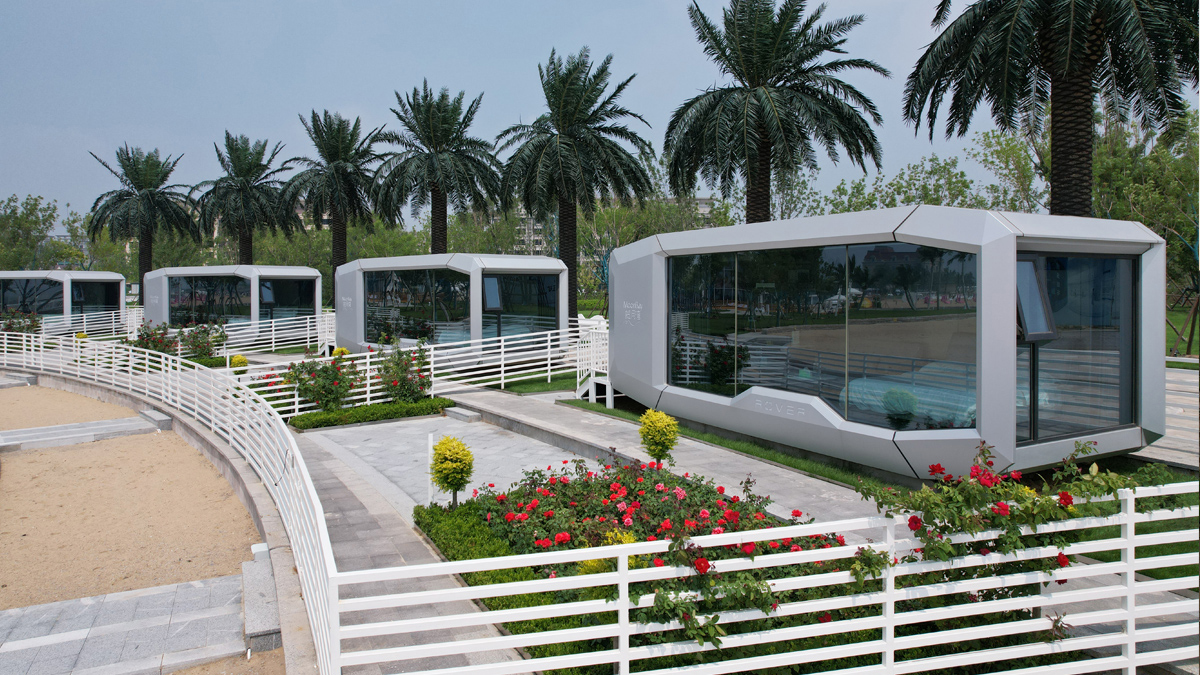
You may ask what a pod home is. A pod home is a small house that is modular and easy to move or expand. In 2026, people are really fond of these homes. They provide simple living and allow for easy modifications. Additionally, they utilize space in a smart way. The design is straightforward and helps you concentrate on what truly matters. Many people wonder if pod homes are too expensive or comfortable. Some inquire whether they are suitable for families. This guide covers everything you should know about pod home living today.
Key Takeaways
Pod homes do not cost a lot. They are cheaper than regular houses. This makes them a good choice for people who want to save money.
These homes are built in pieces. You can change them easily. You can set them up fast. You can also make them bigger if you need more space.
Pod homes are good for the environment. They use materials that do not harm nature. Their designs save energy and help lower pollution.
Living in a pod home helps you live simply. It lets you focus on important things. It also helps you keep your space neat and not messy.
Before you buy, check the rules in your town. Make sure pod homes are allowed where you want to live.
Everything You Should Know About Pod Home Basics
What Is a Pod Home?
If you want to learn about pod homes, start with the basics. A pod home is a small house that is modular. Workers build it in a factory and bring it to your land. It is a compact space that uses smart design. This helps make it comfortable and efficient. Pod homes are prefabricated, so most parts are made before delivery. You get a home that is easy to move and set up. It is made for simple living.
Industry standards in 2026 show pod homes have special features. Here is a table to help you see what makes them different:
Characteristic | Description |
|---|---|
Cost Efficiency | Saves money by using less labor and fewer materials. |
Time Savings | Building off-site makes the process faster. |
Quality Control and Compliance | Factories check quality and follow rules. |
Design Flexibility and Customization | You can choose how your pod home looks and works. |
Regulatory and Sustainability Trends | Prefab units help meet building codes and save energy. |
You can see that pod homes save money, time, and energy. You can make your space fit your needs. Pod homes also follow modern building rules.
How Pod Homes Work
To understand pod home assembly, look at each step. Pod homes use modular construction. Most work happens in a factory. Workers build the main parts and inside features. Then they ship the pod to your site.
Here is a table that shows the main steps for setting up a pod home in 2026:
Step | Description |
|---|---|
1 | Site Visit: Check if delivery is possible and plan the site. |
2 | Development and Permitting: Study land rules and pay a retainer if needed. |
3 | Personalization: Pick finishes and fixtures for your pod. |
4 | Proposal and Contract: Get the site ready, sign papers, and pay. |
5 | Production: Build the pod with green materials and watch progress. |
6 | Delivery: Bring the home and finish work on site. |
Setting up a WorkPod takes only 2-3 days. This is much quicker than building a regular house. You get a space ready to use in less than a week. Most things are already installed, so you only need small fixes.
Pod homes have good insulation and save energy. You pay less for utilities. Smart technology is built into the pod. The small size means you use less light and heating. This helps the environment.
Tip: If you want a home that is fast to set up and easy to care for, pod homes are a smart choice.
Pod House vs. Traditional Homes
When you compare pod homes to regular houses, you see big differences. Pod homes use modular units made in factories. Traditional homes are built on-site.
Here is a table that shows the main differences:
Aspect | Pod Homes | Traditional Homes |
|---|---|---|
Construction Method | Modular units made in a factory | Built on-site |
Main Structure | Light steel frame or CLT | Wood or concrete frame |
Exterior Wall | Composite board, recycled metal, or concrete | Brick, wood, or stucco |
Interior Materials | Bamboo fiberboard and safe paint | Gypsum board and regular paint |
There are also differences in cost, speed, and energy use:
| Pod House | Traditional Homes |
|---|---|---|
Cost | Cheaper | Expensive |
Construction Speed | Quick | Slow |
Energy Consumption | Low | High |
Mobility | Yes | No |
Customization | Less | More |
Space | Small | Large |
Lifestyle | Helps you live simply | Easy to collect extra stuff |
In 2026, pod homes cost less than regular homes. You pay between $11,800 and $38,689 for a pod home. Regular homes cost much more. Pod homes use less energy because they are small and well insulated. They are easy to move and take care of. Regular homes have more space and options, but take longer to build and use more resources.
If you want to know about pod home living, think about your lifestyle. Pod homes help you live simply and use space wisely. You avoid clutter and focus on what is important.
Note: Pod homes are great for people who want a simple, smart, and eco-friendly way to live.
Types and Features of Pod Homes
 Modular and Prefab Pod House Options
 Modular and Prefab Pod House Options
There are many pod house models in 2026. These modular choices help you find what you need. Some popular types are:
Lupine Series: This pod house is 500 sq. ft. It has one bedroom and one bathroom. There is a living room and a kitchen. The design uses space well. It helps you live simply.
Aster Models: These pod houses are 800 sq. ft. You get two bedrooms and one bathroom. There is a living room, dining area, and kitchen. You can pick from two styles.
Modular pod homes come in many sizes and types. You can choose one for singles, couples, or small families. The modular design lets you set up your pod house fast.
Materials are important for pod house types. Here is a table that shows what most modular pod homes use:
Component | Material Type |
|---|---|
Main structure | Light steel frame or CLT (cross-laminated timber) |
Exterior wall | Composite insulation board, recycled metal board, or precast concrete board |
Interior | Bamboo fiberboard and low formaldehyde paint |
Every pod house uses strong and safe materials. These modular types help you live in a healthy place.
Customization and Expansion
You can change your pod house easily. Modular pod homes let you add new rooms or features. You do not need special skills to set up new units. The process is simple and quick.
Here is a table that shows how easy it is to expand your pod house:
Feature | Description |
|---|---|
Easy to operate | Every unit can be set up in 15 minutes by a single person without technical knowledge. |
Anyone can set it up | The user interface and controls are designed to make setup straightforward. |
Low-effort setup | The setup process is described as easy and convenient, suitable for various surfaces. |
You can add new spaces to your pod house. You might want a bedroom, office, or storage area. Modular pod homes let you change your space as you need.
Tip: You can grow your pod house by adding new modular units. This helps you change your home for work, family, or hobbies.
Common Uses for Pod Homes
Pod house types work for many things. Modular pod homes are good for living, working, and relaxing. Here is a table that shows the most common uses for pod house models in 2026:
Use Case | Description |
|---|---|
Residential use | Permanent or temporary housing for singles, couples, and small families. |
Remote office | Private office space in backyards, enhancing work efficiency. |
Short-term rental/vacation | Used in Airbnb or camping sites for tourist accommodation. |
Emergency accommodation | Quick deployment for post-disaster housing or temporary resettlement. |
Education and medical space | Can serve as reading rooms or mobile medical points. |
Outdoor experience space | Comfortable lodging in camping sites, farms, and scenic areas. |
You can use pod house types for your home, office, or vacation. Modular pod homes help you solve many problems. You get flexible spaces that fit your life.
Note: Pod house types give you lots of choices. You can use modular pod homes for living, working, or travel. You get a space that fits your needs.
Benefits and Drawbacks of Pod Living
Key Benefits of Pod Homes
 Key Benefits of Pod Homes
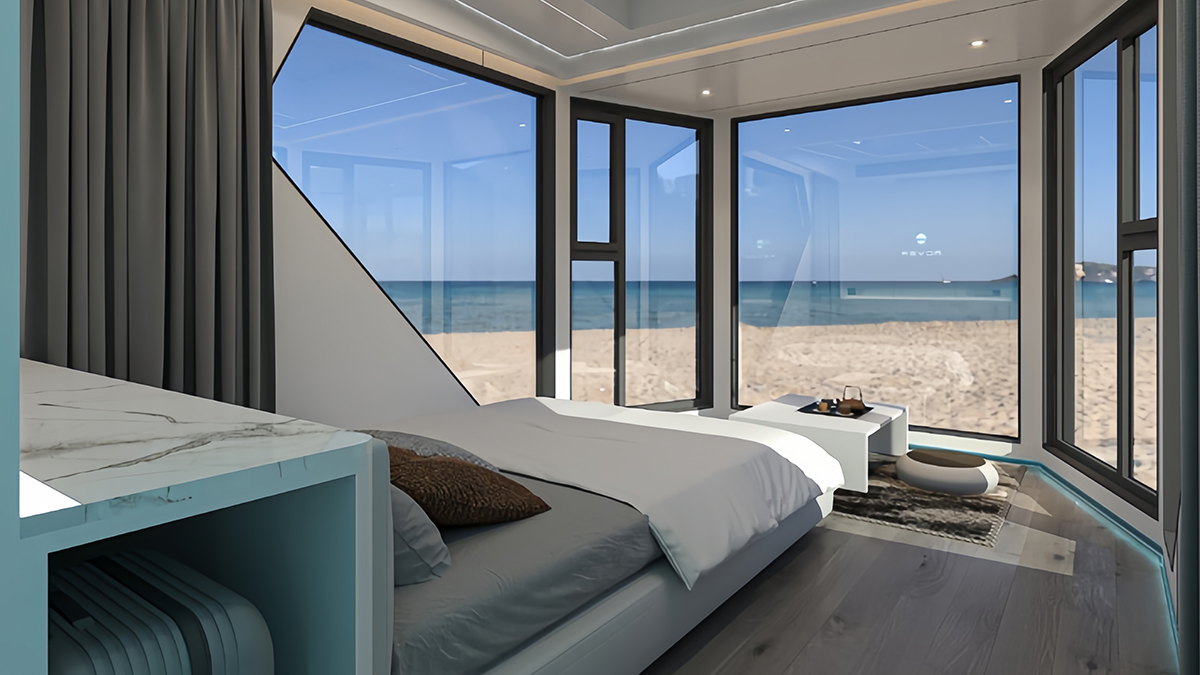
Pod homes have many good points. They save you money because they use fewer materials. Modular construction also helps lower costs. You spend less on building and fixing your home. Pod homes are eco-friendly. Many use recycled materials and solar energy. This helps you pay less for energy. You get lots of natural light. Your carbon footprint is smaller. Pod homes are quick to build. You can move in within a day. Fast setup means less stress and more freedom.
Here is a table showing the top three benefits owners report in 2026:
Benefit | Description |
|---|---|
Living pods cost less to build than regular homes. They use a compact design and save materials with modular construction. | |
Eco-friendly | Many pods use green materials, natural light, and solar energy. This lowers energy use a lot. |
Rapid Construction | Pods are made ahead of time. They can be set up fast, often in less than a day. This is much quicker than regular homes. |
Pod homes help the planet. You use less energy and make less trash. Using green materials and smart design makes pod living a smart choice. You can walk or use public transport more easily. This cuts down on pollution.
Drawbacks and Limitations
Pod homes have some downsides. You must use space carefully because pods are small. Big parties may not fit inside. Durability can be a problem. Pod homes need regular checks and repairs. Selling a pod home can be harder than selling a regular house. Some places do not allow pod homes. You may have to follow rules from local groups or codes.
Here is a table that explains the main drawbacks:
Limitation | Description |
|---|---|
Space Utilization | You need smart design to use the small space well. Pods are not good for big groups. |
Durability | Pods are not as strong as regular homes. They need more care and checks. |
Resale Value | Some places do not accept pods. Selling can be harder than with regular homes. |
Regulatory Approvals | You may need to follow tough rules from local groups. This can make owning a pod harder. |
Tip: Always check local rules before you buy a pod home. This helps you avoid problems later.
Pod Living vs. Tiny Homes
You might wonder how pod homes and tiny homes are different. Pod homes save more money and are more efficient. Tiny homes give you more space and ways to change things. Pod homes are small and quick to set up. Tiny homes feel more like regular houses and may cost more.
Here is a table to show the differences:
Aspect | Pod Homes | Tiny Homes |
|---|---|---|
Cost | Pod homes cost less | Tiny homes cost more because you can change them more |
Space | Pod homes are small | Tiny homes have more space |
Functionality | Pod homes use space well | Tiny homes let you change things and feel more like a regular home |
Pod homes are fast, save money, and help the planet. Tiny homes are comfy and let you make changes. Think about what matters most for your life.
Costs, Legalities, and Practical Tips
Pod Home Costs in 2026
You might wonder if a pod home fits your budget. In 2026, prefabricated homes are affordable for many people. The average cost is $100 to $250 for each square foot. Here is what you could pay for a 2,000-square-foot pod home:
Basic modular home: $200,000 to $300,000
Mid-range modular home: $300,000 to $400,000
High-end modular home: $400,000 to $500,000 or more
You can save money by picking a simple design and recycled materials. Prefabricated homes cost less because installation is easy and needs less work.
Some things change how much pod homes cost:
Factor | Description |
|---|---|
Materials | |
Labor | Prefabricated homes need fewer workers. |
Design | Simple designs cost less than fancy ones. |
Location | Putting a pod on a trailer costs less than building a base. |
Site Preparation | Extra work on the land can make the price go up. |
Zoning and Legal Considerations
You must follow local rules before you set up a pod home. Zoning laws decide where you can put prefabricated homes. You need permits and must show your plans. Some places say you must live in your pod home, so renting may not be allowed.
Challenge Type | Description |
|---|---|
Rules tell you what types of homes and lot sizes are allowed. | |
Permitting Process | You need permits and must give detailed plans. |
Ownership and Occupancy Rules | Some areas say you must live in your pod home. |
Tip: Always check local zoning and building codes before you set up your pod home. This helps you avoid legal trouble.
Foundation and Setup Requirements
Setting up a prefabricated pod home needs good planning. You must make sure your home is strong and follows the rules. Here are the main things you need for installation:
Requirement | Description |
|---|---|
Structural Integrity | Your pod home must be strong enough for weather and weight. |
Insulation | Good insulation keeps your home warm and saves energy. |
Zoning Laws | Your pod home must follow local zoning rules. |
Building Codes | You must meet rules like the International Building Code (IBC). |
You can finish setup fast if you prepare your site and follow all rules. Prefabricated homes make it easier to get affordable housing with simple setup and low cost installation.
Who Should Try Pod Living? Trends for 2026
Best Fit for Pod Living
 Best Fit for Pod Living
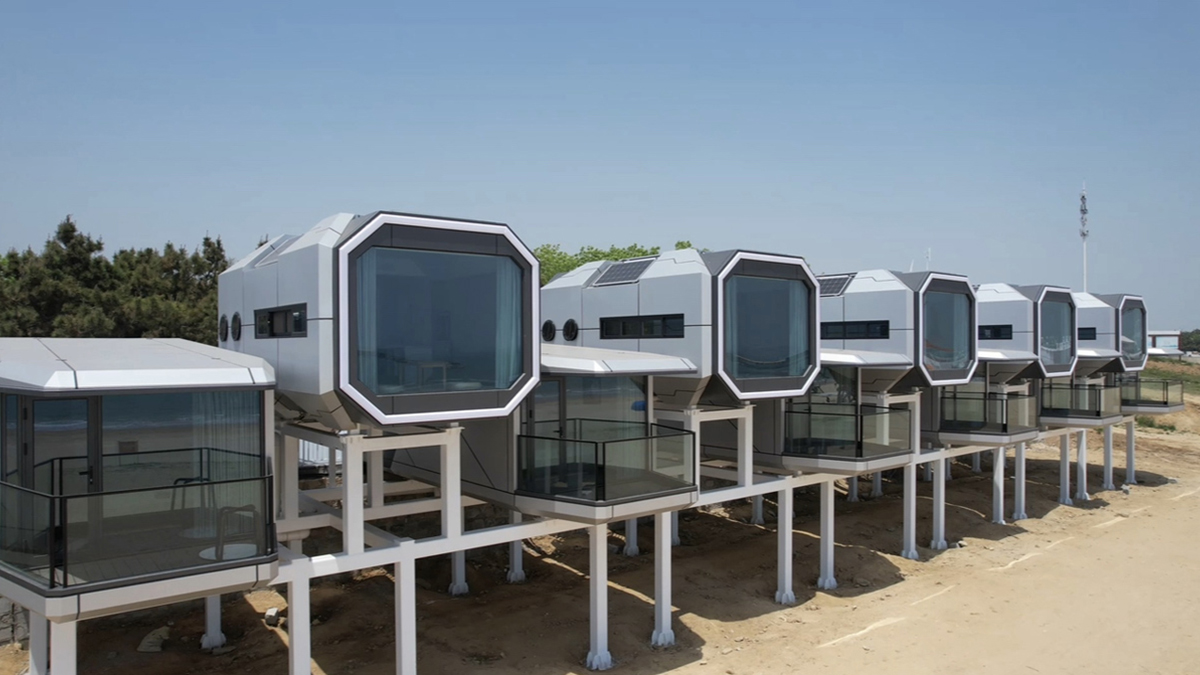
You might wonder if pod living is right for you. Pod living is good for people who want lots of choices and care about the environment. If you need a cheaper place to live, pod living can help. You can find pod homes in neighborhoods, hotels, or as short-term housing. Many people pick pod living to save money and feel less alone.
Think about these reasons why pod living could work for you:
You want to live with others so you do not feel lonely.
You need rent that stays the same so you can plan your money.
You like meeting people and want to feel like you belong.
You want a safe place if you are in a tough spot.
You need a place to stay if you do not have a home.
Pod living works for single people, couples, and small families. You get a cozy home and do not spend too much. Pod living also helps you make friends and be part of a group.
Market and Design Trends
Pod living is getting more popular in 2026. You see more pod homes in cities and towns. More people want small homes and care about the planet. Pod living lets you pick the design and features you want.
Here is a table with important market and design trends for pod living:
Aspect | Details |
|---|---|
Market Growth | Pod living is growing fast because more people live in cities and want small homes. |
Technological Integration | Smart tech makes pod homes easier and more fun to use. |
Sustainability | Pod homes use green materials to help the planet and keep costs down. |
Future Outlook | Pod living could become normal in expensive places and help people with special needs. |
You see more pod homes with bathrooms, and this market will grow by 7-9% worldwide by 2028. More people move to cities and want homes built in factories. Pod living uses green materials and follows new rules from the government.
Future of Pod Homes
Pod living is changing how people live. Pod homes help with problems like pollution and high prices. Pod homes use designs that are good for the planet and easy to change. You get smart tech and homes built in pieces, so you can change things as you need.
Pod homes will probably be common in big cities where homes cost a lot. You might see pod homes in neighborhoods, hotels, or for emergencies. Pod homes let you change your space when your life changes. People care more about the planet, so pod homes use green materials and save energy.
Pod living lets you be part of the future of homes. You get a comfy place, help the planet, and can change your home when you want. Pod living helps you live simply and care for the earth.
Pod homes give you a smart way to live simply in 2026. You save money, help the planet, and enjoy flexible spaces. If you want a home that fits your budget and lifestyle, pod living could be a great choice. People who value community, comfort, and sustainability benefit most.
Tip: Explore local pod home builders or visit a model pod home. You can talk to owners and learn more before you decide.
FAQ
How long does it take to set up a pod home?
You can set up most pod homes in less than a week. Some models only need two or three days. Factory-built parts make the process fast and easy.
Can you customize your pod home?
You can choose finishes, fixtures, and layouts. Many builders let you add rooms or change designs. You can make your pod home fit your style and needs.
Are pod homes safe in bad weather?
Pod homes use strong materials like steel frames and insulated walls. Builders test them for wind and rain. You get a safe space that meets modern building codes.
What utilities do pod homes need?
Most pod homes connect to water, electricity, and sewage like regular houses. Some models use solar panels or composting toilets. You can ask your builder about eco-friendly options.