
30 Jul 6 Sustainability Benefits of Capsule Homes in Eco-Friendly Tourism
If you want your eco-friendly trip to matter, capsule houses help a lot. These special places to stay are good for the planet. They save energy and use eco-friendly materials. You can have fun and help the earth at the same time. Your travel footprint gets smaller. Here are six big benefits of capsule houses:
Efficient use of resources
Sustainability through materials
Minimal land impact
Energy conservation
Waste reduction practices
The future of eco tourism modular capsule homes
Capsule houses use only about 7% of the energy that regular hotels use. They also make much less CO2. Many people in Germany, Netherlands, and Sweden use them. Eco-friendly travel is growing fast in these places. Get ready for cool stays, a better trip, and a greener way to travel with capsule houses.
Metric | Capsule Houses | Traditional Accommodations |
|---|---|---|
Energy Use | 7% | Higher |
Material Consumption | Less | More |
Waste Generation | 2,000 lbs CO2 | 28,000 lbs CO2 |
Key Takeaways
Capsule homes use only 7% of the energy that hotels use. This makes them a good choice for eco-friendly travelers. These homes are made with recycled materials like steel and wood. This helps cut down on waste and saves forests. Capsule houses take up little space on land. This helps keep natural habitats safe and lowers harm to the environment. Smart technology in capsule homes saves energy and water. It also makes your stay comfy and eco-friendly. Picking capsule homes helps support sustainable tourism. It lets you enjoy nature and lower your travel impact.
Efficient Use of Resources
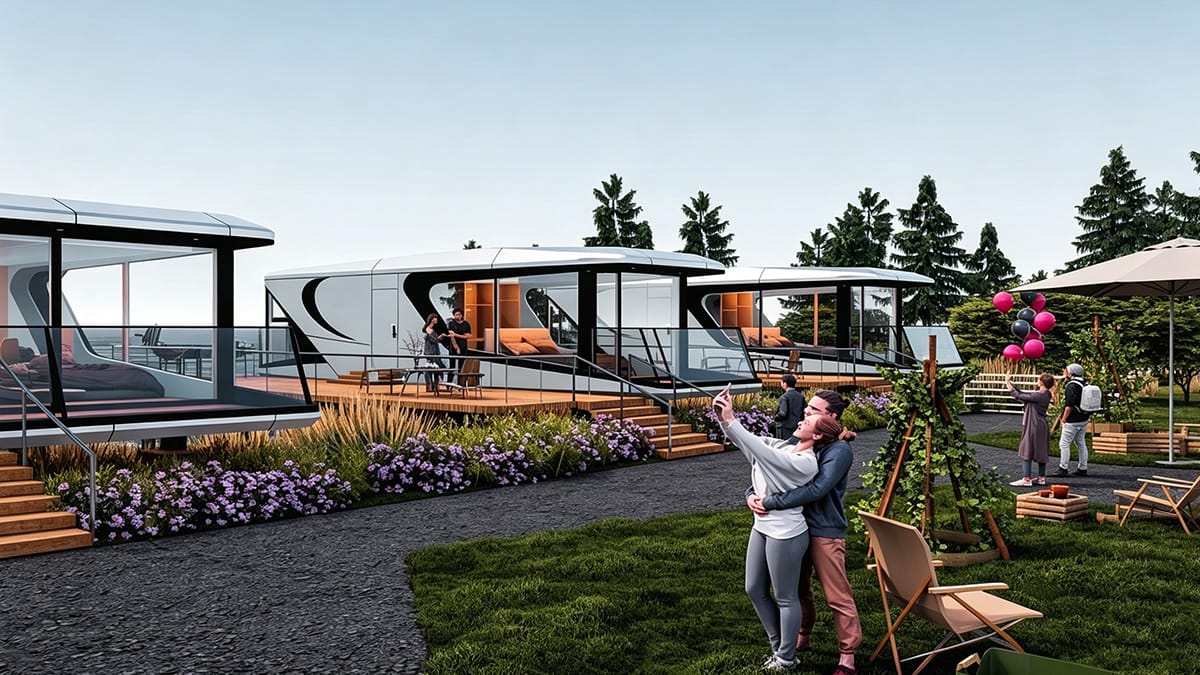
 Compact Design Saves Materials
 Compact Design Saves Materials
Choosing capsule houses is a smart way to help the earth. These small spaces use much less room than hotels. You get all you need in a tiny area. Builders use about 68% fewer materials for these homes. You can see the difference right away. Capsule houses often use recycled steel and reclaimed wood. They also use materials that save energy. These choices help make travel more sustainable.
You might ask how this helps you and nature. Small places use less water and power. Cleaning them is quick and uses less energy. You also get a cozy space that feels just right. Here’s a simple chart to show how capsule houses and resorts compare:
Feature | Capsule Houses | Traditional Resort Buildings |
|---|---|---|
Resource Usage | Uses more resources | |
Cleaning Efficiency | Easy, low energy | More energy needed |
Construction Materials | Recycled, reclaimed | Mostly new materials |
Small living spaces mean less trash. Prefabricated parts fit together with no waste. You help cut pollution and save resources when you stay in these homes.
Streamlined Construction Reduces Waste
Capsule houses are built in factories, not on messy sites. This way, there is no waste from building. Workers cut and shape each part carefully. They recycle any leftover pieces. Regular building can waste up to 40% of materials. Capsule houses do not waste like that.
Tourism operators also get benefits. Projects finish faster, so new capsule houses open sooner. This gives you more choices and helps the planet. Operators can move or add units without hurting the land. You enjoy nature, and the earth gets a break.
Tip: Picking small accommodations helps keep the planet clean. Every stay makes a difference!
Sustainability Through Materials
Eco-Friendly Building Components
You want your stay to help the earth. Capsule houses make this simple. They use eco-friendly building parts that are good for you and nature. You notice the difference as soon as you walk in. These homes use recycled steel, reclaimed wood, bamboo, and natural insulation. Each material helps the environment in its own way.
Recycled steel saves energy by up to 75%. It also lowers carbon emissions by the same amount.
Reclaimed wood keeps old trees out of landfills. It stops forests from being cut down.
Bamboo grows quickly and needs little water. It is a smart and renewable choice.
Natural insulation, like cotton or sheep wool, keeps you warm and cool. It does not use chemicals.
Low-VOC paints make the air inside safe and clean.
Here’s a quick look at the most common materials and their benefits:
Material Type | Benefits |
|---|---|
Recycled Steel | Cuts energy use by up to 75% and lowers carbon emissions by up to 75%. |
Reclaimed Wood | Stops deforestation and reuses old wood, making less waste. |
Capsule houses also use solar power systems. These systems let you live off-grid and shrink your travel footprint. You get all the comfort you want with less impact on nature.
Durable and Recyclable Structures
Capsule houses last for many years. They use aviation-grade aluminum and carbon fiber. These materials make the homes strong and light. You do not have to worry about storms or earthquakes. Capsule houses can handle winds up to 70 m/s and even 9-magnitude earthquakes. That means you stay safe and cozy, no matter the weather.
You also help the planet when you choose these homes. Most capsule houses are 95% recyclable. This is one of the biggest environmental benefits of capsule accommodations. When a unit reaches the end of its life, almost all parts get reused. You do not add to landfill waste. You support sustainability every time you pick a compact, eco-friendly stay.
Check out how capsule houses compare for durability and recycling:
Evidence Type | Description |
|---|---|
Pressure Resistance | Capsule houses can handle winds up to 70 m/s and earthquakes up to 9-magnitude. |
Material Composition | Aviation-grade aluminum alloys and carbon fiber composites last over 50 years. |
Recyclability | 95% of materials are recyclable, lowering the carbon footprint. |
You also save money. Capsule houses have low maintenance costs and lower utility bills. You get more benefits for less effort. The compact design and eco-friendly materials give you a smart, green way to travel. You help protect the planet and enjoy all the environmental benefits of capsule accommodations.
Tip: Every time you pick a compact, eco-friendly capsule house, you help the earth and support sustainability.
Minimal Land Impact
Small Footprint Preserves Nature
 Small Footprint Preserves Nature
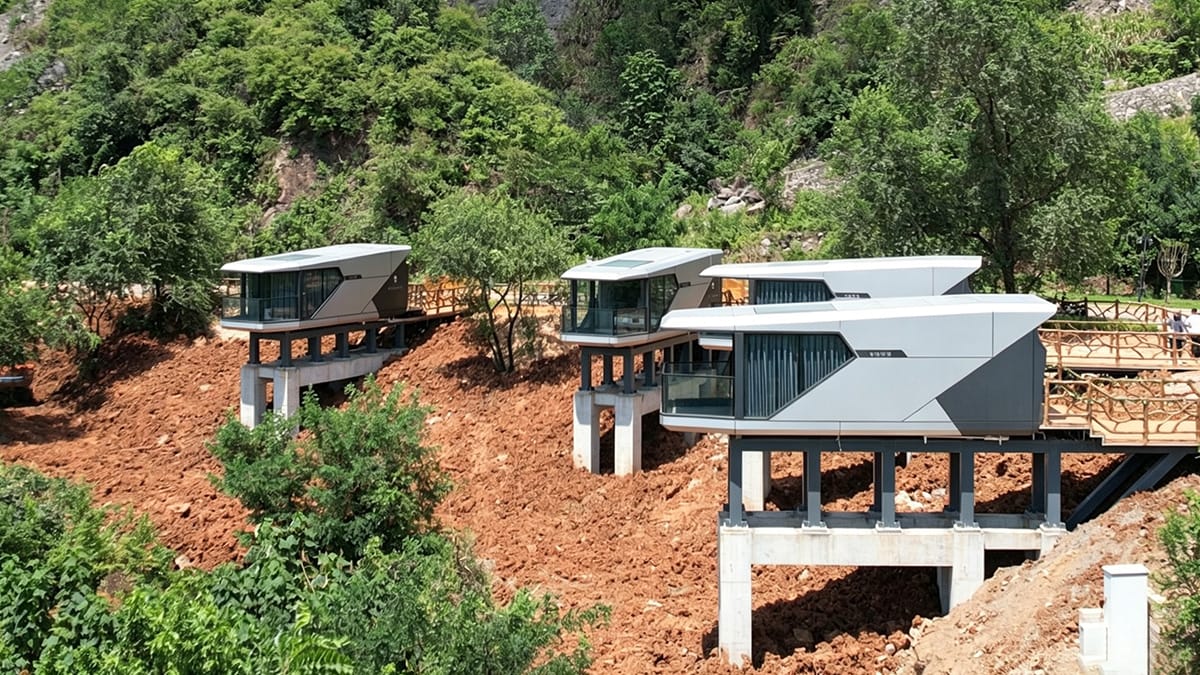
If you want to protect nature, capsule houses help. They do not need much space. You do not have to clear a lot of land. Capsule houses sit on small pads or steel bases. This keeps the ground safe for plants and animals. You help save habitats when you pick capsule houses.
See how these features help keep habitats safe:
Feature | Benefit to Habitat Preservation |
|---|---|
Small ground pads | Minimize land disturbance |
Adjustable steel foundations | Reduce resource use and environmental impact |
Minimal soil disturbance | Facilitate construction in sensitive areas |
Easier approval processes | Align with eco-tourism expectations and regulations |
Portability | Enable unique accommodation in remote natural areas |
Eco-friendly design | Preserve natural beauty using recyclable materials |
Capsule houses use less land than big hotels. You will not see many machines or lots of digging. This keeps the area pretty and helps the earth. You get a nice place to stay and do not hurt the environment.
Flexible Placement Limits Disruption
Capsule houses are easy to move and set up. You can put them in place fast and move them later. This means you do not have to change the land a lot. You skip big building jobs that harm nature. You also get to enjoy nature sooner.
Here is how capsule houses and big buildings compare:
Aspect | Capsule Homes Benefits | Larger Developments Impact |
|---|---|---|
Land Use | Requires significant land clearing | |
Site Preparation | Minimal site preparation, less environmental disruption | Extensive earth-moving and excavation |
Carbon Footprint | Lower carbon footprint due to fewer materials used | Higher carbon footprint from traditional construction |
Impact on Local Ecosystems | Fewer disturbances to local ecosystems and wildlife | Greater disruption to local biodiversity |
You can change capsule houses to fit different places. You might want a quiet spot or a guest room. You can move or add more units if you want. This helps the earth and gives you more choices.
Tip: If you love nature, capsule houses let you enjoy it and keep the land safe. You help protect local plants and animals.
Energy Conservation
Renewable Energy Integration
 Renewable Energy Integration
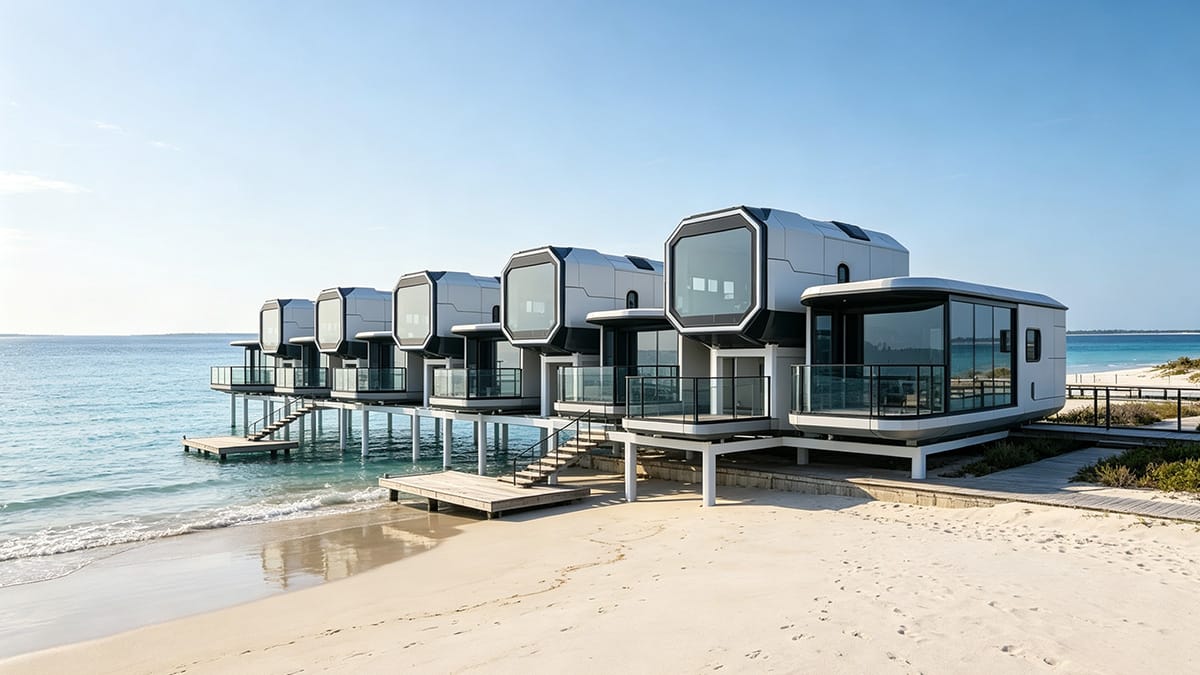
You want your stay to be green and comfy. Capsule houses make this easy with smart tech. Most capsule houses use solar panels and iot systems for power. You get clean energy from the sun and wind. This means you do not need dirty fuels. Every day you stay, you help the planet.
Here is how capsule houses use renewable energy:
Technology | Functionality | Efficiency/Output |
|---|---|---|
Solar Panels | Change sunlight into electricity for your needs | Up to 23% conversion; 4-6 kWh daily |
Wind Turbines | Give extra power when it is windy | 1-2 kW units; 2,000-4,000 kWh per year |
Energy Storage | Save extra energy for night or cloudy days | 95% efficiency; 10,000-cycle battery lifespan |
Intelligent Systems | Use smart tech to manage and share energy | Boosts efficiency to 85% |
Solar panels and iot systems work together in these homes. They keep your lights on and charge your devices. You do not have to worry about losing power. You can enjoy nature and not hurt it.
Tip: Choosing capsule houses with solar panels and iot systems helps the earth and lowers your carbon footprint.
Smart Energy Management
Capsule houses use smart tech to save even more energy. You get a home that helps you save power. Smart energy management systems watch your power use. They turn off lights and devices when you leave. They also change heating and cooling to save energy.
Here is how smart tech works in capsule houses:
Component | Description |
|---|---|
Collect solar energy for your home | |
Hybrid inverter | Makes solar energy ready for your appliances |
LiFePO4 battery storage | Stores extra energy for later |
Solar hybrid air conditioner | Cools your space using solar power |
EV charger | Lets you charge electric cars with solar energy |
Smart energy management system | Tracks and controls all energy use |
Expandable house | Lets you add more smart technology as needed |
You pay less for bills and have backup power in storms. You can even charge your electric car. Smart tech makes capsule houses great for eco-friendly travelers. You get comfort, save money, and feel good about helping the planet.
Note: Smart tech in capsule houses means you use less energy and help the earth every day.
Waste Reduction Practices
Composting Toilets and Rainwater Harvesting
 Composting Toilets and Rainwater Harvesting
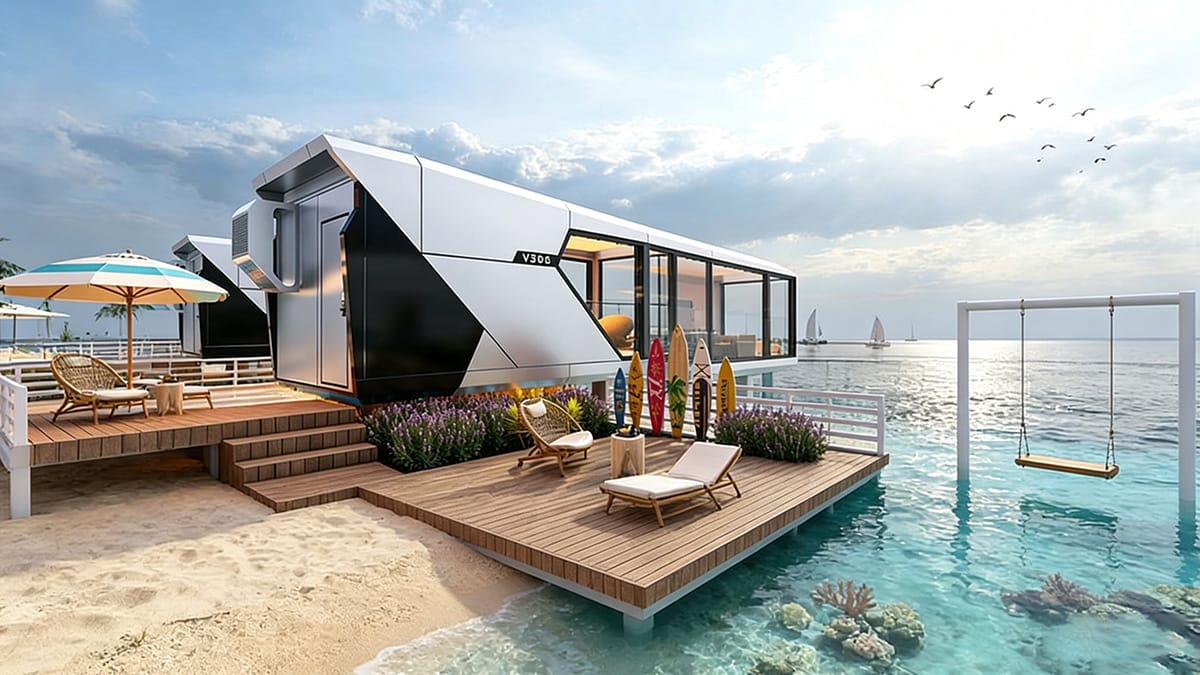
Capsule houses help you live in an eco-friendly way. They use smart systems to cut down on waste. Composting toilets use very little water. They turn waste into compost that helps the earth. You save water each time you flush less. These toilets keep things clean and do not smell bad. You can feel comfortable using them.
Rainwater harvesting is another helpful feature. Capsule houses collect rain from the roof. They store it in tanks for later use. You can use this water to flush toilets, water plants, or clean. This means you need less city water. It is good for nature and shows how eco-friendly living works.
Many capsule houses use both systems together. You use less water and make less waste. You also spend less money on water and waste bills. This gives you more money for fun during your trip.
Tip: Try using rainwater for your shower or garden. You will feel happy knowing you are helping the planet.
Responsible Guest Behavior
You help keep capsule houses eco-friendly by making smart choices. Small actions matter a lot. You can sort trash, recycle bottles, and use less water. Capsule houses give you easy ways to recycle and compost. Just follow the signs to do your part.
Here are some top waste reduction practices in capsule houses:
Description | |
|---|---|
Use eco-friendly materials like recycled steel and aluminum alloy | |
Energy Efficiency | Solar panels and energy-saving lights help lower energy use |
Water Conservation | Low-flow fixtures and dual-flush toilets help cut water waste |
Wastewater Treatment Systems | Recycle water for gardens and help reduce pollution |
When you stay in capsule houses, you see how eco-friendly choices add up. You help the planet and save money at the same time. You get a green stay and feel proud of your choices.
Note: Every small step matters. You make eco-friendly tourism possible by picking capsule houses and acting responsibly.
Future of Eco Tourism: Modular Capsule Homes
Promoting Sustainable Lifestyles
 Promoting Sustainable Lifestyles
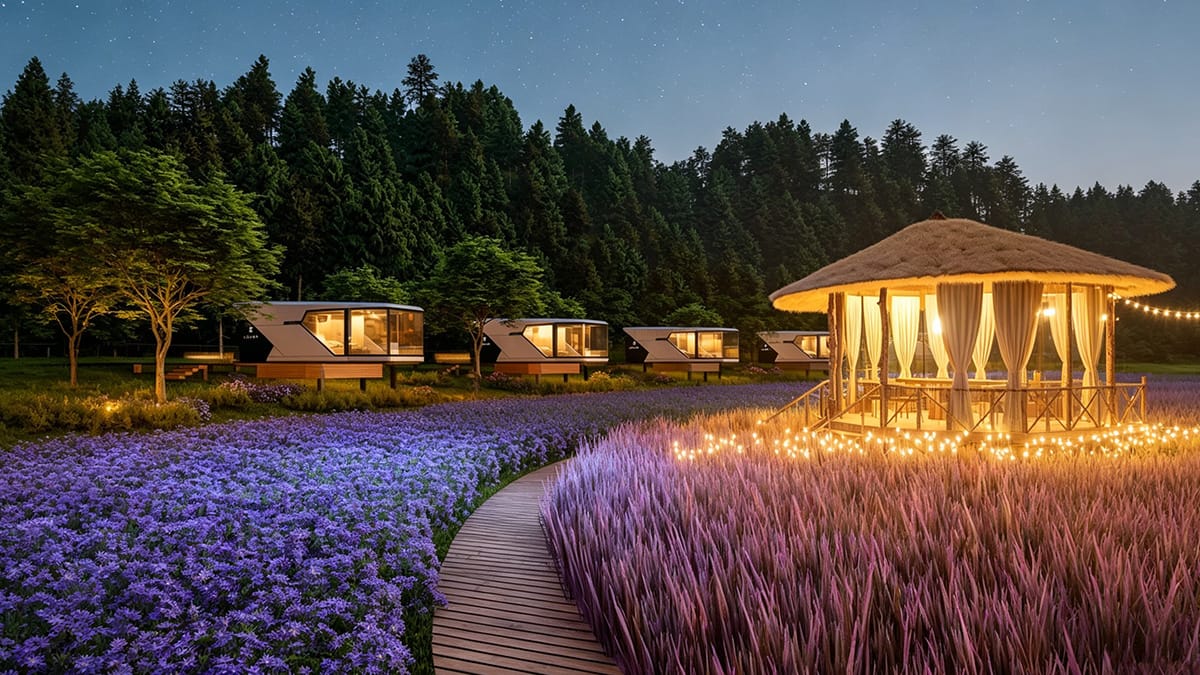
You can find eco tourism modular capsule homes in many places. These homes use modular construction to help people and the earth. When you stay in a capsule house, it feels modern and good for nature. Builders use recycled steel and plastics to make these homes. This helps cut down on waste and lowers carbon emissions. The energy-saving systems use up to 65% less energy than normal hotels.
Capsule houses often let you pick your own design. You can choose a layout that fits your trip. Modular construction makes it simple to add solar panels or rainwater collection. You can live off-grid and see how green choices work. The future of eco tourism modular capsule homes gives you comfort and helps protect nature.
Tip: Try staying in a capsule house with modular construction. You will see how easy it is to live green and have fun.
Feature | Description |
|---|---|
Energy-saving systems | Use less energy and help save money |
Eco-friendly materials | Made with recycled things for a greener stay |
Customizable designs | Pick what fits your trip and needs |
Rapid assembly and deployment | Quick to set up for new eco tourism spots |
Supporting Smart Communities
You help smart communities grow when you pick modular capsule homes. Modular construction lets people build spaces for everyone. Capsule houses use solar panels, wind turbines, and batteries for power. You get a high-tech and green place to stay. Water systems like rainwater harvesting and composting toilets show how modular construction supports green living.
Modular construction also brings people together. Capsule houses make it easy for all travelers to feel welcome. In Auckland and Costa Rica, modular construction helped local people and towns. Capsule houses help local businesses and make travel cheaper. Modular construction lets you enjoy nature without hurting it.
Modular construction supports smart tech, like digital controls and security.
Capsule houses use green roofs and gardens to keep homes cool and stop stormwater.
Modular construction lets you try off-grid living, eco-tourism, and research.
Note: The future of eco tourism modular capsule homes lets you join smart, green communities. You help the earth and enjoy your trip.
You have learned that capsule houses give six big sustainability benefits for eco-friendly tourism. These homes use less energy and save important resources. They also help protect nature and the environment. Many people now want to stay in green places when they travel. Capsule houses are special because they use local materials and smart off-grid features. Look at how they are different from other places to stay:
Benefit | Description |
|---|---|
Rapid Deployment | Prefabricated units can be shipped and set up within days. |
Self-Sustainability | Equipped with solar panels and water purification systems. |
Comfortable Shelter | Durable, weatherproof, and secure—much better than tents. |
30% of travelers want eco-friendly places to stay.
Capsule houses help you travel green and stay comfy.
Why not pick a capsule house for your next trip? You help the earth and try a new way to travel. The future of sustainable tourism depends on what you choose.
FAQ
What makes capsule homes eco-friendly?
Capsule homes use recycled stuff and smart energy tools. You save water and power each time you stay. Builders make them so nature stays safe. You help the earth by picking this kind of place.
Can you stay in a capsule home off-grid?
Yes! Many capsule homes work without city power or water. They have solar panels, rain tanks, and composting toilets. You can enjoy nature and still feel comfy and safe.
Are capsule homes comfortable for families?
Capsule homes may look small, but families can fit inside. Some have bunk beds or rooms that connect together. You get privacy, soft beds, and all the things you need.
How do capsule homes handle waste?
Capsule homes use composting toilets and bins for recycling. You help by sorting trash and using less water. These systems turn waste into compost or reuse water for plants.
Where can you find capsule homes for eco-tourism?
You can find capsule homes in woods, by beaches, or in cities. Many eco-tourism places in Europe and Asia have them. Just search for “eco capsule” or “modular capsule home” when booking.