


16 Aug Are Space Capsule Homes Legal in the United States in 2026
You might wonder if space capsule homes are legal in the United States in 2026. The legality of space capsule homes depends on your local government’s stance. It’s important to check zoning laws and building codes in your area to see if space capsule homes are legal. You’ll also need to comply with permit and inspection requirements. Since each city or county may have different legal steps, it’s best to consult local officials before starting your project.
Key Takeaways
Look at local zoning laws before you buy or build a space capsule home. Every place has its own rules that can change your plans.
Know how your capsule home is classified. Choices like RVs or ADUs can make the legal steps easier and help you get permits.
Always get the permits you need and pass inspections. This makes sure your home is safe and keeps you out of legal trouble.
Keep up with changes in local rules. Zoning laws can change fast, so talk to local officials often.
Keep all your papers together. Having your permits and inspection papers in one spot helps show you follow the rules and makes things easier later.
Space Capsule Homes Legal Status
Legal in the US: State and Local Differences
The legal status of capsule homes is not the same everywhere. Some places let people live in capsule homes more easily. Other places have many rules that make it hard. Zoning laws and building codes are very important. They decide if you can put a capsule home on your land. These laws tell you where your home can go. They also say how big it can be and what safety things it needs.
Here is a quick look at how three big states treat capsule homes:
State | Legal Status for Capsule Homes |
|---|---|
California | More flexible zoning laws allowing capsule homes |
Texas | More flexible zoning laws allowing capsule homes |
New York | Strict regulations making it hard to live in capsule homes |
California and Texas have more flexible zoning rules. These states changed their laws to allow capsule homes in more places. New York City has strict building codes and zoning laws. This makes it hard to get a permit for a capsule home there.
Zoning laws also set rules for things like setbacks and height. They also say how much of your land you can use for your home. For example, you may need to keep your capsule home 5 to 10 feet from the edge of your land. Many cities limit home height to between 16 and 25 feet. Some states, like California, need special safety features for earthquakes or fires. In the Northeast, you may need to follow snow safety rules.
Tip: Always check your local rules before you buy or build a capsule home. Local zoning laws and building codes can change fast.
Capsule Houses vs. Traditional Homes
Capsule houses are different from traditional homes. The legal rules for capsule houses are not always the same. This is because of their size, shape, and how they are built. Traditional homes usually follow well-known legal rules. Capsule homes may fit into other groups. These groups include recreational vehicles (RVs), accessory dwelling units (ADUs), modular homes, or container homes.
Here is a table showing the main ways capsule homes can be grouped:
Classification Option | Description |
|---|---|
Recreational Vehicles (RVs) | Mobile units built on a chassis with wheels, easier to legalize but limited in placement. |
Accessory Dwelling Units (ADUs) | Permanent installations encouraged by legislation, especially in states like California and Texas. |
Modular Construction | State-certified units that meet specific building codes and safety standards. |
If you pick the RV option, it is easier to get your capsule home approved. But you may not be able to live in it all the time or put it anywhere you want. ADUs are a good choice for permanent capsule homes. This is true in places with helpful zoning rules. Modular construction is another way. These homes meet strict building codes and safety rules. This can help you get the permits you need.
Capsule homes must meet the same safety and living standards as other homes. Building codes make sure your home is safe and strong. Zoning laws decide where you can put your home. If you do not follow these laws, you could get fines or be told to move your home.
Note: The legal rules for capsule houses can be very different from those for tiny houses or traditional homes. Always check what group your local government uses for capsule homes.
Capsule homes are a new way to live. But you must know the legal rules in your area. Always check local zoning laws, building codes, and permit rules before you start your project. This will help you avoid legal trouble and make sure your space capsule homes legal in your city or state.
Zoning Laws and Compliance Steps
 Checking Local Zoning Laws
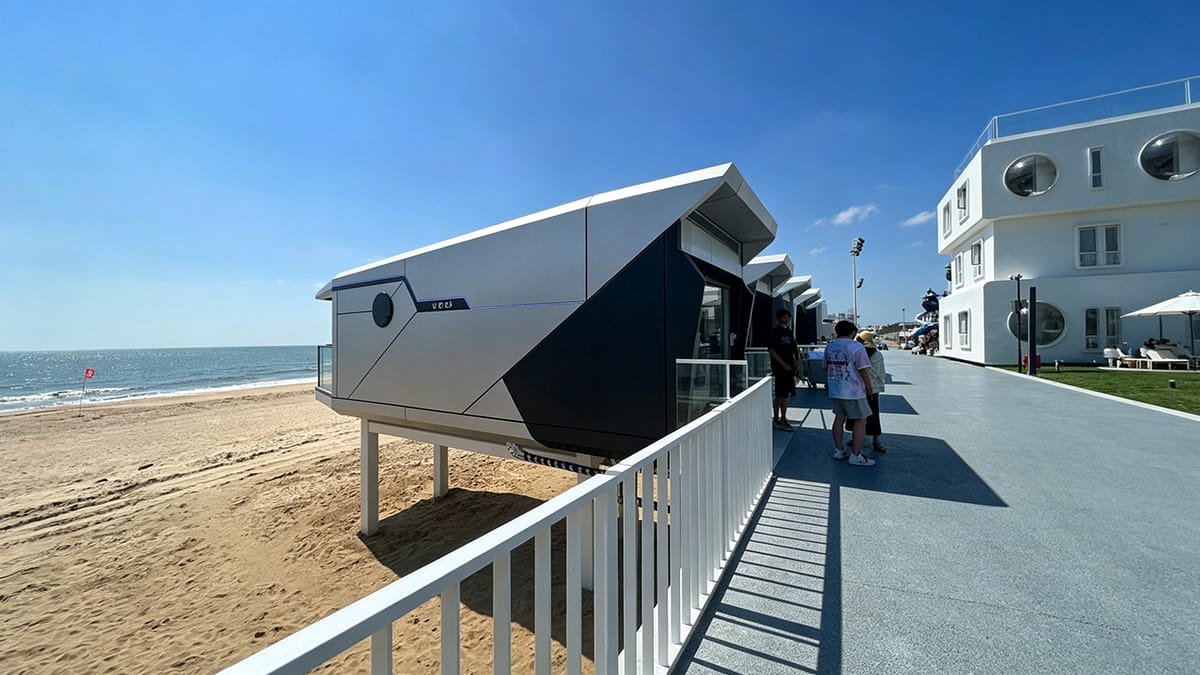 Checking Local Zoning Laws
You should learn about zoning laws in your area first. Zoning rules decide if you can put capsule houses on your land. These rules also cover container homes and tiny houses. Every city or county has its own set of rules. These rules can change if space capsule homes legal in your neighborhood.
Here is a simple guide to check zoning laws in Los Angeles:
Research the County Zoning Code: Go to your county’s website. Find the zoning or land code section. This part tells you what homes are allowed in each area.
Check Minimum Dwelling Size Requirements: See if there is a minimum home size. Some places want homes to be at least 400 square feet.
Examine ADU Provisions: Look to see if capsule homes count as accessory dwelling units. ADU rules can help you get permits for small or special homes.
Determine Treatment of Tiny Houses on Wheels: Find out if capsule houses on wheels are called RVs. This can change where you can park or live in your home.
Contact the Local Planning Department: Call or email your planning department. Ask about any special rules or permissions for capsule homes.
Many suburbs have zoning rules that are common in the US. These rules can affect your plans for capsule houses or container homes. Here is a table with some common zoning rules:
Common Zoning Restrictions | Description |
|---|---|
e.g., 400 sq ft | |
Height limits | Restrictions on how tall the structure can be |
Land usage type | Residential vs temporary |
Distance from other buildings | Required spacing from neighboring structures |
Tip: Always check local zoning laws before you buy land or build. This helps you avoid legal trouble and expensive mistakes.
Permit and Inspection Process
After you know the zoning laws, you need to get permits. Getting permits is important to make capsule homes legal in the US. The process can seem hard, but you can break it into steps.
Building Permits: You must get a building permit for your capsule house. This is needed in states like Florida and California. The permit shows your home follows building codes and local rules.
Inspections: Your home must pass inspections. Inspectors check for safety, utilities, and structure. They look at fire exits, wiring, and plumbing.
Compliance with Building Codes: You must follow all building codes. These codes keep you and your neighbors safe. They cover things like materials and utility hookups.
Adherence to State and Local Regulations: Each state has its own permit rules. For example, Florida uses the Florida Building Code for all homes, even capsule homes.
Third-Party Inspections: In 2026, many capsule houses get third-party inspections. These checks look for quality and safety before your home ships. Makers often have certificates to show they meet US and world standards.
Note: Passing inspections and getting permits keeps you safe from legal trouble. It also helps with insurance and selling your home later.
You should keep all your permits and inspection papers. These papers prove your capsule home follows all laws and rules. If you skip a step, you could get fined or have to move your home.
Capsule homes, container homes, and tiny houses must meet strict safety and utility rules. You need to show your home is safe and follows local rules. This means having smoke detectors, safe wiring, and good plumbing.
Callout: Always ask your local planning department about special permit or building rules for capsule homes. Rules can change fast, and local officials can help you stay updated.
If you follow these steps, your capsule house will meet all zoning, permit, and inspection rules. This keeps you safe from legal trouble and makes your home safe for your family.
Classification: Capsule, Container, and RV Homes
Capsule Houses and Container Homes
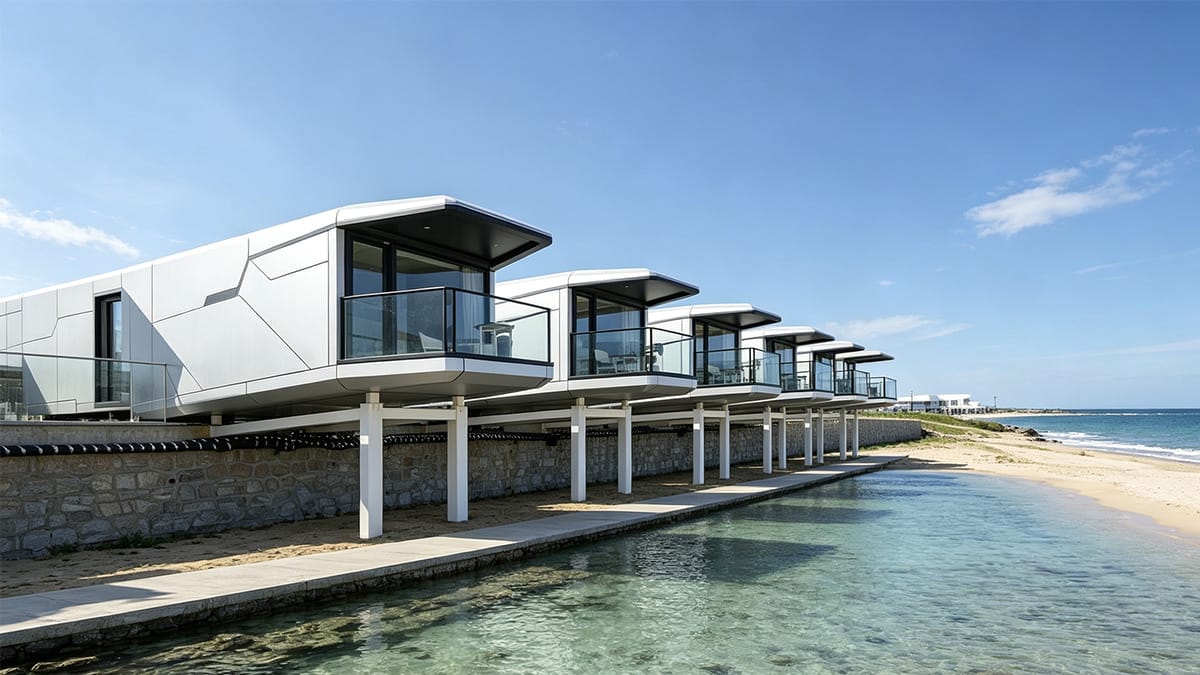 Capsule Houses and Container Homes
Capsule houses and container homes are found in many cities. These homes use new designs and materials. Capsule houses look small and modern. Container homes use shipping containers as their base. Sometimes, container homes are stacked or put next to each other. Both types can be tiny or bigger homes.
Local governments treat these homes in different ways. Some cities call them temporary homes. Others want them built on a strong foundation. You need to check if your city lets capsule houses be permanent homes. Many places want you to follow safety codes. These codes cover fire exits, plumbing, and wiring.
Here is a table showing how cities group these homes:
Home Type | Common Classification | Foundation Requirement |
|---|---|---|
Capsule Houses | Modular, ADU, or RV | Permanent or temporary |
Container Homes | Modular or ADU | Permanent |
Note: Always ask your local planning office about rules for capsule homes and container homes. Rules can change quickly.
RV and ADU Classification Pathways
You can pick different legal ways for capsule houses. Many people use the RV or ADU option. RVs are temporary homes. You can move them easily. Some cities let you live in an RV for a short time. You must park in approved spots.
ADUs are permanent homes. You build them on a strong foundation. States like California make ADUs easier to use. You must follow building codes and get permits. ADUs are good for capsule homes that stay in one place.
Here are steps to pick the right option:
Decide if you want a permanent or temporary home.
Check if your city allows RVs or ADUs.
Follow all building codes and permit rules.
Ask about inspections for space capsule homes legal in your area.
Tip: The ADU option is good for capsule houses if you want a permanent home that is legal in the US.
Common Challenges and Solutions
Navigating Regulatory Barriers
 Navigating Regulatory Barriers
Trying to make space capsule homes legal is hard. Local zoning laws are often the biggest problem. These rules can slow your project and cost more money. Getting permits can be confusing and take a long time. You might pay for many inspections and lots of paperwork. The National Association of Home Builders says rules can add over $130,000 to a new home’s price. This cost has gone up by 40% in five years. These higher costs make it harder to build or buy a space capsule home.
Tip: Learn about your local zoning laws and permit rules first. This helps you avoid problems and saves money.
You may face rules about home size, land use, and safety. Some cities want your home to be a certain size. Others have strict fire and earthquake codes. If you want your capsule home to be permanent, you must get full planning permission.
Strategies for Approval
There are ways to help get your capsule home approved. First, check how your local government handles capsule home applications. Here is a table with common things to think about:
Key Considerations | Description |
|---|---|
Permanent placement on land | Fixed capsule homes need full planning permission no matter the size. |
Change of land use | Turning land into residential use means you need planning approval. |
Building new structures | Any new home, including capsule homes, needs approval. |
Size and scale | Projects bigger than allowed need formal applications. |
Limited circumstances for exemption | Mobile homes used less than 28 days a year do not need permission. |
Permitted development | Small garden buildings under 15 square meters for extra use are exempt. |
Existing residential curtilage | Capsule units used sometimes within the main property boundary are exempt. |
Get all your papers ready before you apply. Make sure your plans show your home meets safety and zoning rules. Talk to your local planning department early. Ask questions and get advice. Look for exemptions if you use your capsule home for short stays or as a garden building. If you follow these steps, you have a better chance to make space capsule homes legal in your city or state.
Note: Stay organized and keep all your permits and inspection papers. This helps you prove you follow the rules and avoid legal trouble.
Legal Checklist and Best Practices
Essential Documents for Space Capsule Homes
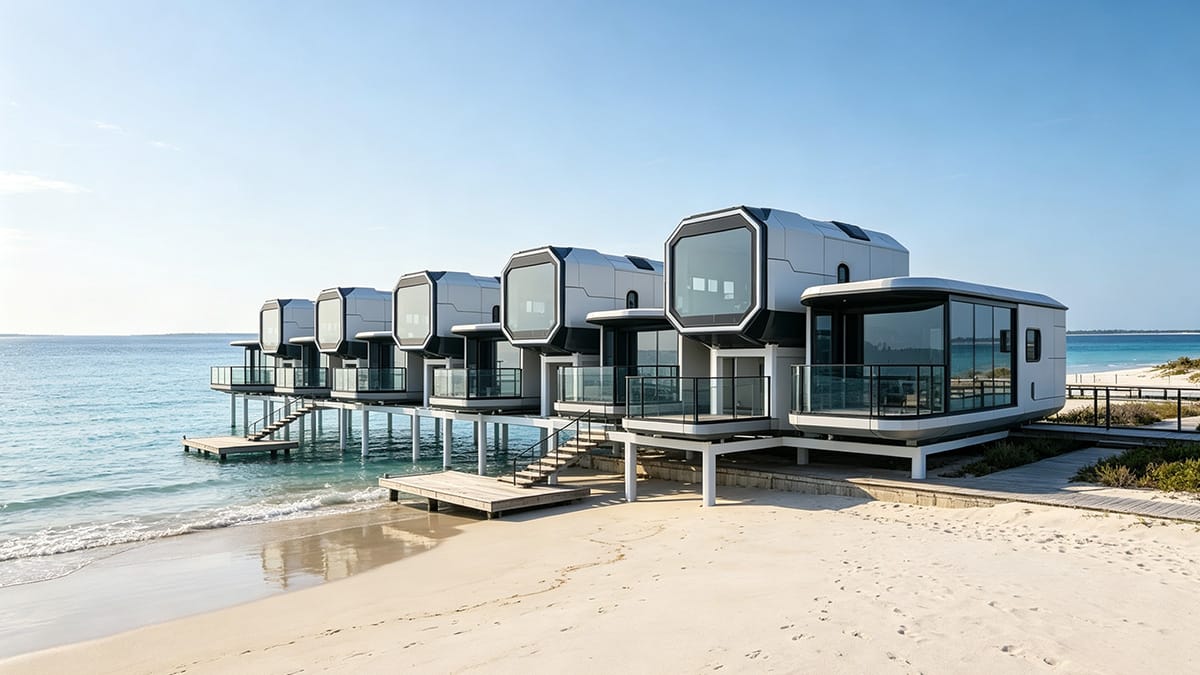 Essential Documents for Space Capsule Homes
You need some important papers to make your space capsule home legal. Every state has different rules, but some papers are always needed. In Washington State, you must get permits from your city or county. You also have to prove your home follows energy codes. This means you need papers for insulation, heat pumps, and air sealing. If your home is not in a city, you need a septic permit. You should get this at the same time as your building permit.
Installers must have a special certificate from Washington’s Installer Certification Program. You must have all your permits before your home can be shipped. Dealers and makers cannot send your home until you have every permit. Local officials will check your home and look at utility hookups.
Here is a checklist of what you need:
Local building permit
Energy code papers
Septic permit (if not in a city)
Installer certificate
Utility hookup inspection report
Tip: Keep all your papers in one folder. This makes it easy to show you follow every rule.
Tips for Efficient Compliance
You can make things easier by following some good steps. First, check your local zoning laws. Make sure capsule homes are allowed where you live. Learn about building codes for safety, fire, and electricity. Find out how to connect utilities and if there are any special rules.
Talk to your local building office early. Ask about permits and how far your home must be from the edge of your land. Check for any rules from your neighborhood group. Plan for fees if you need special engineering papers.
Many people make mistakes during this process. Some buy homes before checking zoning rules. Others forget to match utility rules, so their home cannot be used. Some think all building rules are the same, but home and business rules are different. Waiting too long for engineering papers can cause trouble.
Here are some good steps to follow:
Check zoning rules before you buy your home
Get engineering papers early
Match utility rules to your area
Know the difference between home and business codes
Note: Doing these things helps keep your space capsule home legal and stops delays.
You can make space capsule homes legal if you follow some important steps. First, always look at your local zoning laws. Pick the right classification for your home. The table below shows how each type changes your legal process:
Classification Type | Legal Implications | Potential Restrictions |
|---|---|---|
Mobile Units | Might not need to follow some housing codes | You may have fewer places to put them |
Temporary Structures | Can skip some rules but might have time limits | Zoning rules may stop them in some neighborhoods |
Permanent Homes | Must follow all building codes and zoning laws | Must meet every rule for homes in your area |
Before you begin, keep these tips in mind:
Turn in full plans and pay all needed fees.
Doing these things helps you avoid trouble and keeps your project moving forward.
FAQ
Can you live in a space capsule home full-time?
You can live in a space capsule home all the time if your city or county says it is okay. Always check your local zoning laws and building codes before you move in.
Do you need special insurance for a capsule home?
Yes, you need special insurance. Many companies have plans for tiny homes, RVs, or modular homes. Ask your agent which plan works best for your capsule home.
How do you connect utilities to a capsule home?
You connect utilities by following local rules. Most cities want safe hookups for water, power, and sewage. You may need inspections before you use these services.
Are capsule homes safe during storms or earthquakes?
Capsule homes can be safe if you follow building codes. Some states want extra safety features for storms or earthquakes. Always ask your builder about these options.