
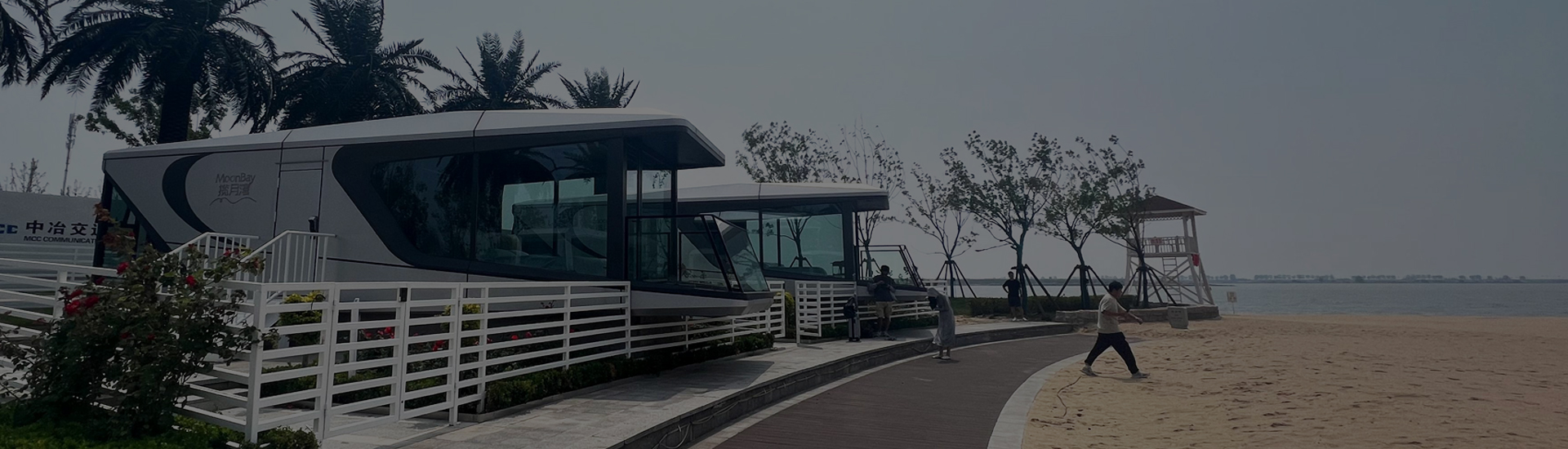
04 Aug What Are Capsule Homes and How Do They Transform Modern Camping Living
Capsule homes for modern camping living offer a fresh new idea for outdoor enthusiasts. These innovative spaces utilize smart design and modular features, creating a compact home that enhances the camping experience. The unique aspect of these capsule units is their blend of efficiency and portability, making your camping trip both comfortable and adaptable. Many campers are now choosing capsule homes for modern camping living because they seek more than just a traditional tent.
Discover how capsule homes for modern camping living stack up against other small options for campers:
Aspect | Details |
|---|---|
Popularity | Capsule homes for modern camping living are increasingly favored for their affordability and flexibility. |
Income Generation Potential | They can boost property value and cater to the expanding short-term rental market. |
Market Growth Projection | The short-term rental market is projected to grow from $99.6 billion in 2021 to $228.9 billion by 2030, indicating a rising demand for unique accommodations. |
You can see how the efficiency of capsule homes for modern camping living can simplify your next adventure, and their compact size ensures you won’t feel burdened.
Key Takeaways
Capsule homes give a new and comfy way to camp. They are efficient and easy to move. These homes are good for the environment. They use materials that do not harm nature. They also save energy, so they are great for people who care about the planet. Capsule homes are simple to put together and take apart. Campers can go to many places without trouble. Smart home technology makes things easier and nicer. You can change the heat and lights with your phone. Capsule homes mix comfort and fun. They are perfect for people who want a warm and exciting camping trip.
Capsule Homes for Modern Camping Living
 What Are Capsule Homes?
 What Are Capsule Homes?
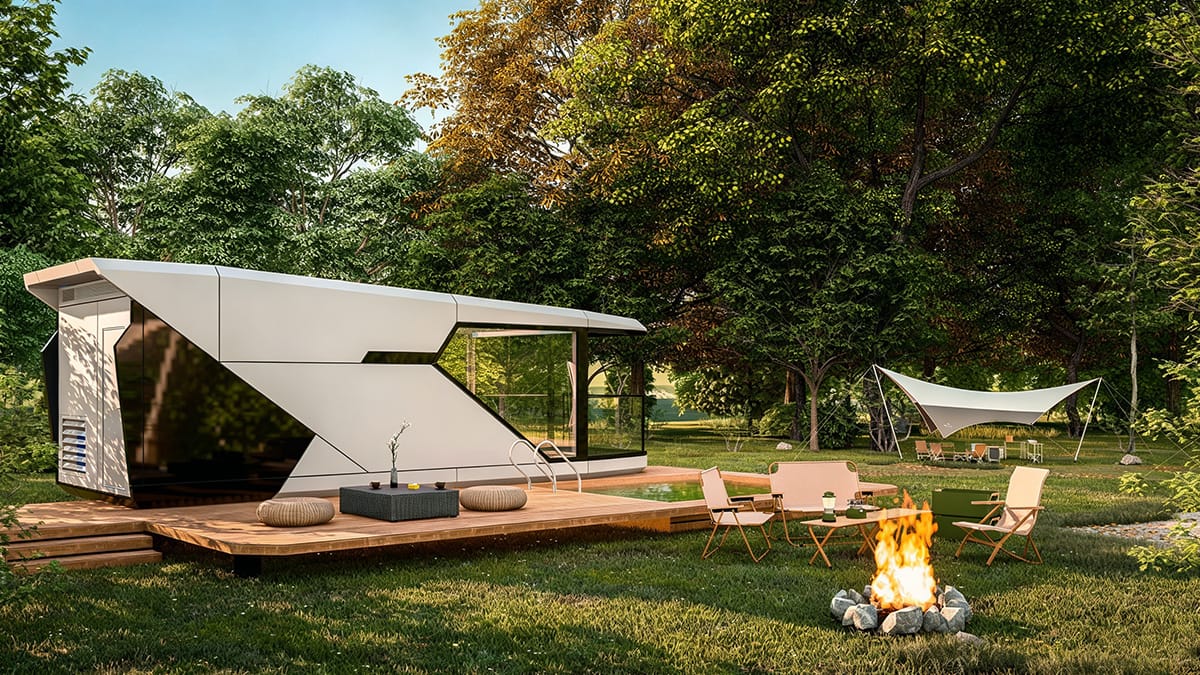
You might ask why capsule homes for modern camping living are special. These are not just small houses. They are tiny homes with many features in a small space. You get a place to live, spots to store things, and sometimes a desk to work at. The outside looks like a space capsule.
Capsule homes, also called capsule houses or pods, use modular designs to make the most of space.
The outside looks modern, and the inside feels big because of large windows and smart layouts.
These homes use light materials, so you can move them easily.
The design makes them strong, so you feel safe even though they are small.
Capsule houses are different from other small homes because they are modular, efficient, and quick to set up.
If you want a cool place to stay that is good for the planet and has modern comforts, capsule homes for modern camping living are a great choice. They do not just save space. They also give you a green way to live that fits your love for adventure.
Origins and Evolution
Capsule houses have an interesting past. They started in Japan in the 1960s. Architects wanted to help with crowded cities. The Metabolist Movement gave them ideas for new types of homes. Kisho Kurokawa, a famous architect, made the Nakagin Capsule Tower. It became a symbol of modular and flexible living.
Capsule homes for modern camping living have changed a lot over time. Now, they use new technology and better materials. Many pods have solar panels, energy-saving tools, and parts you can recycle. The Japanese style shows in how these homes mix living, sleeping, and storage in one small space. This is perfect for camping, where you want everything to fit together.
Today, capsule houses are not just for cities. People use them for camping because they are easy to move and good for the planet. You can put them almost anywhere. They are more comfortable than tents or simple cabins.
Why Capsule Homes Suit Camping
Capsule homes for modern camping living are great for campers who want more than just a bed. They give you a mix of smart design, green living, and good prices. Here is what makes them special:
Feature | Benefit |
|---|---|
Efficient use of space | You get more room without mess, which saves money and energy. |
Sustainability | These homes use less energy and fewer resources, which helps nature. |
Mobility | You can move your capsule home easily and camp in new places. |
Energy-saving features | Good insulation and solar panels help you spend less on heating and cooling. |
Recyclable materials | Most capsule houses use 80% recyclable materials, so there is less trash. |
Capsule homes for modern camping living are also a good deal. They cost less to use because they save energy. Their carbon footprint is 30% lower than regular cabins. Smart insulation and HVAC systems cut energy use by 20-30%. Resort owners like them because they can add more rooms fast, without building big foundations.
If you care about green travel, capsule houses are a smart pick. They help you live in a way that is good for the earth. You can change the layout, add solar panels, or pick eco-friendly finishes. This means you can make your camping home fit your style and needs.
Capsule homes for modern camping living are changing how people think about staying outdoors. They mix modular design, green living, and good prices. This makes them a top choice for anyone who wants both comfort and adventure.
Key Features of Capsule Houses
Modular and Portable Design
 Modular and Portable Design
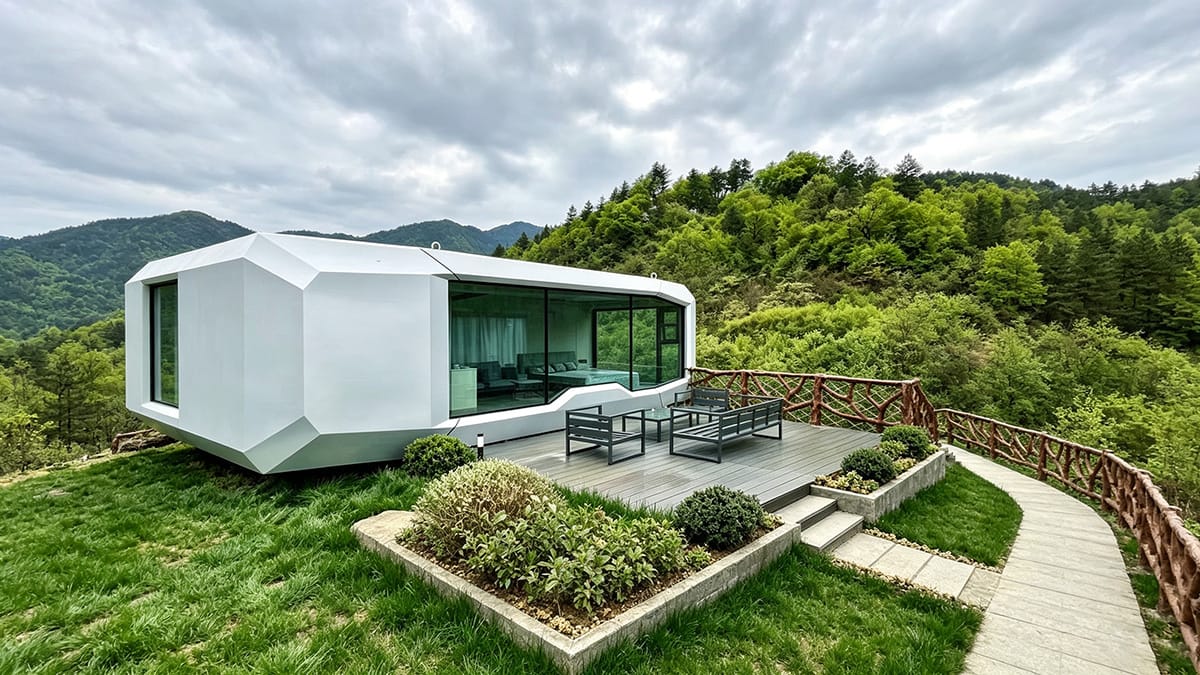
When you walk into capsule houses, you see how modular design works. These homes let you add or take away sections as needed. This gives you choices for your camping trips. Most capsule houses are between 9 and 12 meters long. They are about 3.2 to 3.4 meters wide and tall. In the US, the legal width is about 2.59 meters. This means you can move your capsule almost anywhere.
Here’s a quick look at the usual size and weight:
Dimension/Weight | Measurement |
|---|---|
Length | 9–12 meters |
Width | 3.2–3.4 meters |
Height | 3.2–3.4 meters |
Legal Width (US) | ~2.59 meters |
Weight | 10–20 tons |
Capsule houses use modular design to make moving easy. You can move your capsule with a truck or trailer. These pods are heavier than tents but set up much faster. Some space capsule house models can be ready in under three minutes. You get a small home that feels strong and safe, even in bad weather. This lets you camp almost anywhere you want.
Space Capsule House Technology
Space capsule house technology gives you new comfort and energy savings. Solar glass panels on the roof help power your lights and devices. Aerogel insulation keeps your capsule warm in winter and cool in summer. These features help lower your energy bills and make your carbon footprint smaller.
Here’s what you can find in a modern space capsule house:
Solar glass panels for saving energy
Aerogel insulation for better temperature control
Energy-saving systems that use less power
Smart systems for climate and lighting
Strong materials like waterproof fabrics and light composites
Quick setup with few or no tools
Capsule houses use modular design to make space work well. You get small designs that feel bigger inside. These pods last for years because they use tough materials. You can trust your capsule to handle rough camping weather.
Smart Home Integration
Smart home integration makes your capsule feel high-tech. You can control the temperature, lights, and security from your phone or by voice. This is great for camping, where you want comfort without trouble.
See how smart features make things better:
Feature | Description |
|---|---|
Energy efficiency | Smart systems change heating, cooling, and lighting to save power. |
Customization | You choose the smart devices you want for your capsule. |
Mobility | Control your capsule from anywhere, even while hiking. |
Cost-effectiveness | Save money with less energy use and less upkeep. |
You can set up your space capsule house to fit your style. Some models have AI panels and app controls. This makes small living spaces more fun and easy to use.
Capsule houses cost less than many glamping cabins. Most units cost from $20,000 to $100,000, depending on size and features. You get a modular home that is strong, legal in most places, and ready for adventure.
Using Capsule Homes in Camping
Real-World Camping Scenarios
 Real-World Camping Scenarios
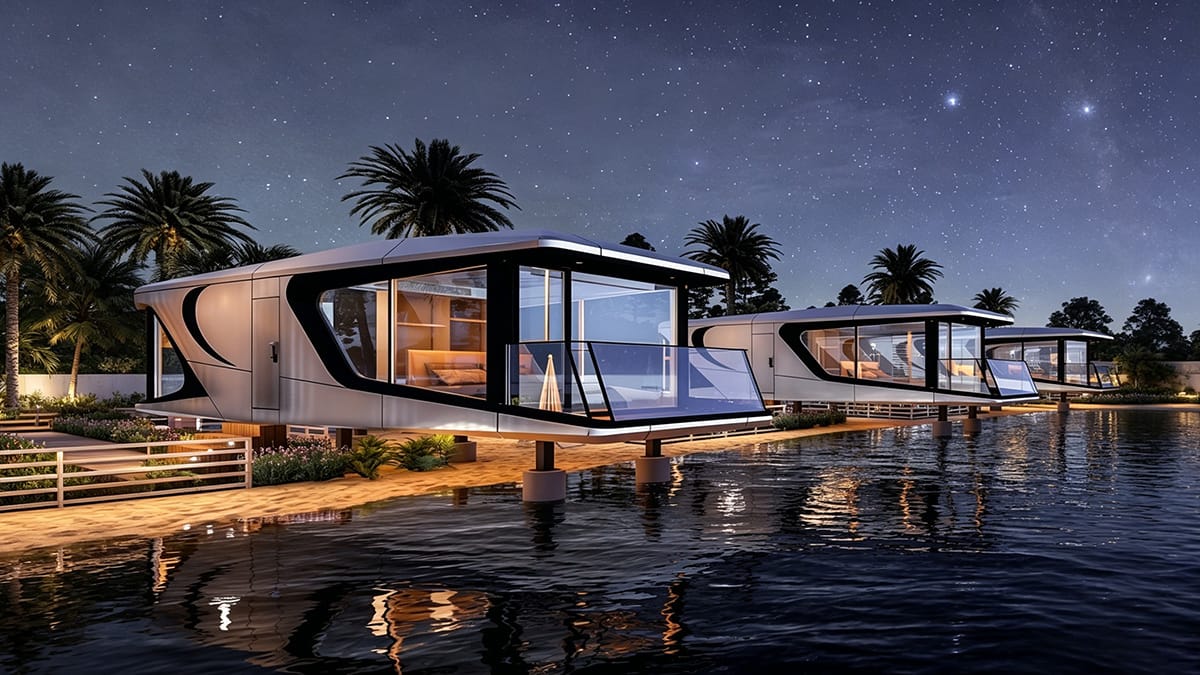
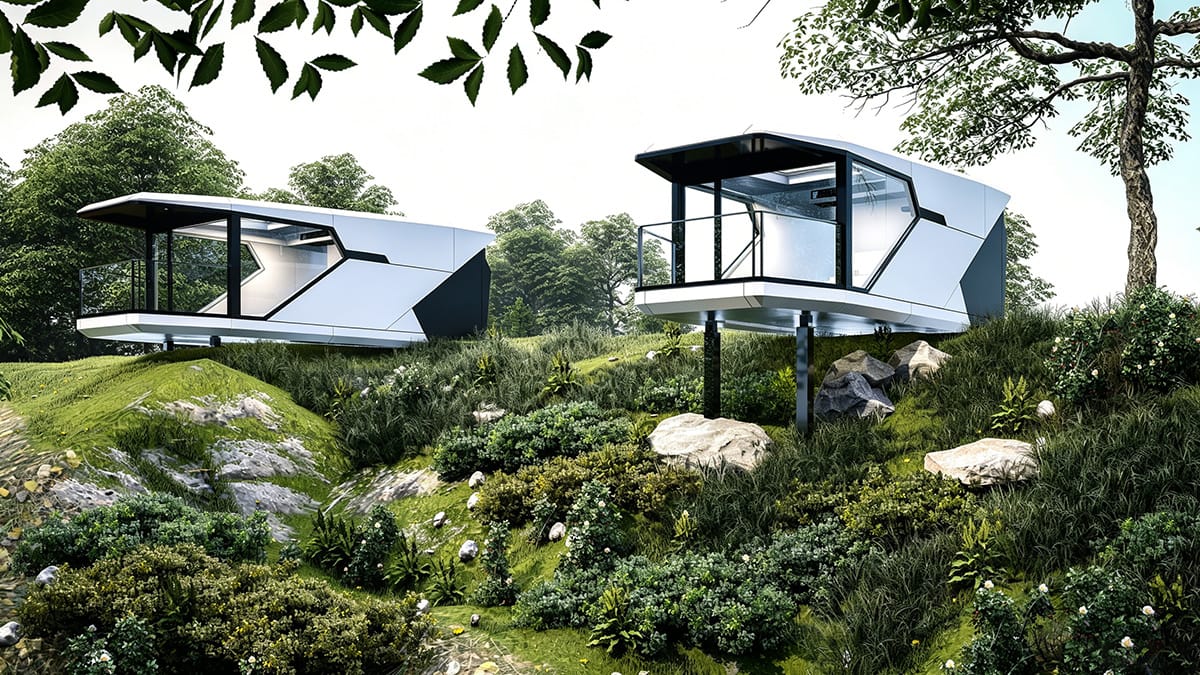
You may wonder where you can use a capsule home when camping. Many people pick capsule houses at private campgrounds in national parks. For example, Under Canvas campsites in the U.S. use these pods. They give you modern comfort while you enjoy the outdoors. Some desert glamping camps use a space capsule house. These keep you cool during the day and warm at night. Forest lodges also use capsule houses because they are easy to set up. They do not hurt nature much. These real-life examples show that a capsule can fit almost any camping spot. They make camping better for all kinds of travelers.
Setup and Mobility
Setting up a space capsule house is easier than you think. You can move your capsule to a new place in one to three days. The small size means you can ship your capsule almost anywhere. Many campers like that you can change the inside of your capsule. Some pods let you add or remove sections for more space or privacy. The space capsule house works well in tough weather. Strong insulation, airtight doors, and heated floors keep you comfy from -31°F to 140°F. You do not have to worry about frozen pipes or cold nights.
Design Feature | Benefit |
|---|---|
Quick Deployment | Setup time is reduced to 1–3 days, making relocation easy. |
Compact Design | Small size allows for easy shipping and mobility. |
Customizable Layouts | Adaptable designs increase flexibility for camping. |
Comparing Capsule Homes to Traditional Camping
When you compare a space capsule house to tents or RVs, you see big changes in comfort and features. Capsule houses give you a real bed, your own bathroom, and even a kitchen. Tents usually just have a place to sleep and no bathroom. RVs are more comfortable but use more gas and are harder to move. A space capsule house uses eco-friendly materials and saves energy, so you help the planet while camping.
Feature | Capsule Homes | Traditional Camping Accommodations |
|---|---|---|
Sleeping Area | Modern, comfortable | Basic, often in tents |
Kitchen | Full cooking space | Limited or none |
Bathroom | Private | Shared or none |
Eco-friendliness | Sustainable design | Often lacks green features |
Customization | High | Low |
Capsule houses use more stuff to build than tents, but they save energy over time. RVs make a bigger carbon footprint. If you want a place to stay that feels like home and is easy to move, a space capsule house is a special choice. You get both comfort and adventure, making your camping trip even better.
Pros and Cons for Campers
Advantages: Comfort and Flexibility
 Advantages: Comfort and Flexibility
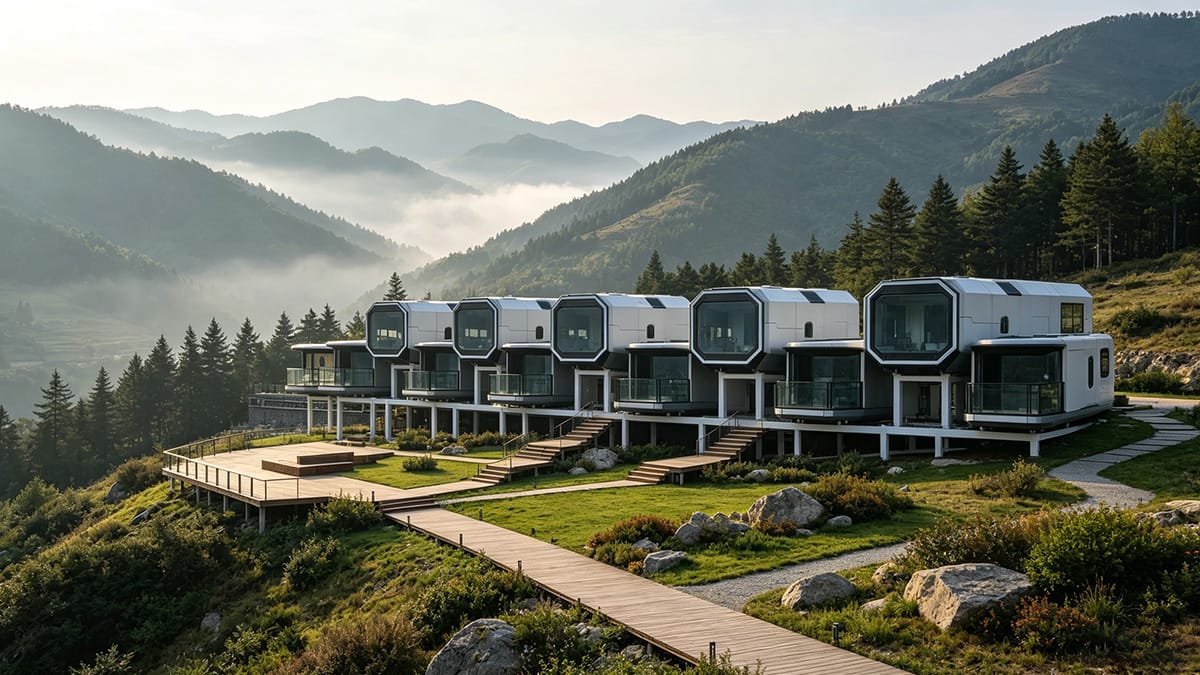
If you pick capsule houses for camping, you get lots of comfort and choices. These small homes use smart layouts to fit everything you need. You can put your space capsule house almost anywhere. It does not take long to set up. The insulation keeps you warm or cool in any weather. You do not have to clean much because the materials are strong and easy to wipe down.
Here’s a quick look at the main advantages:
Advantage | Description |
|---|---|
Space Maximization | Capsule homes are designed to maximize space while providing essential amenities for comfort. |
Easy Installation | Their compact size allows for straightforward installation in various environments. |
Low Maintenance | Durable materials require minimal upkeep, allowing more time for enjoyment. |
Climate Comfort | Advanced insulation ensures comfort in different climates and conditions. |
Many campers want more than just a tent. Over 45% of people look for comfort and luxury when camping. If you like pretty views, a space capsule house can make your trip better. You can rest after hiking or kayaking. Your capsule will always feel like home.
Drawbacks: Space and Cost
Capsule houses are not perfect for everyone. The inside can feel small, especially for big families. The open design means you do not get much privacy. Changing your space can be hard. If you add things, you might lose even more room.
Here are some common drawbacks:
Lack of privacy due to open layouts
Limited space, which can feel restrictive for families
Limited customization options
A space capsule house can cost a lot compared to other places to stay. Look at this table:
Housing Type | Base Unit Cost | Monthly Utilities | Annual HVAC Costs |
|---|---|---|---|
Space Capsule House | $70,000–$100,000 | $45–$75 | $540–$900 |
Tiny House | $30,000–$75,000 | $50–$100 | $600–$1,200 |
Container Home | $25,000–$175,000 | $75–$150 | $900–$1,800 |
If you want to save money, compare these prices before you choose.
Maintenance and Longevity
You want your capsule to last many years. With good care, a space capsule house can last over 30 years. That is a good deal for campers who want something strong. You need to check some things often. Make sure the waste and water systems work well. This keeps the area safe and saves money. You should also make your capsule safe from wind and snow. Always anchor it well. Animals can be a problem, so lock your trash and pay attention.
Tip: Check your capsule often and clean it simply. This will help your capsule stay safe and nice for a long time.
Capsule houses give you a strong and small place for camping. You get comfort, but you should think about space, price, and care before picking a space capsule house for your next trip.
Tips and Common Concerns
Choosing the Right Capsule Home
 Choosing the Right Capsule Home
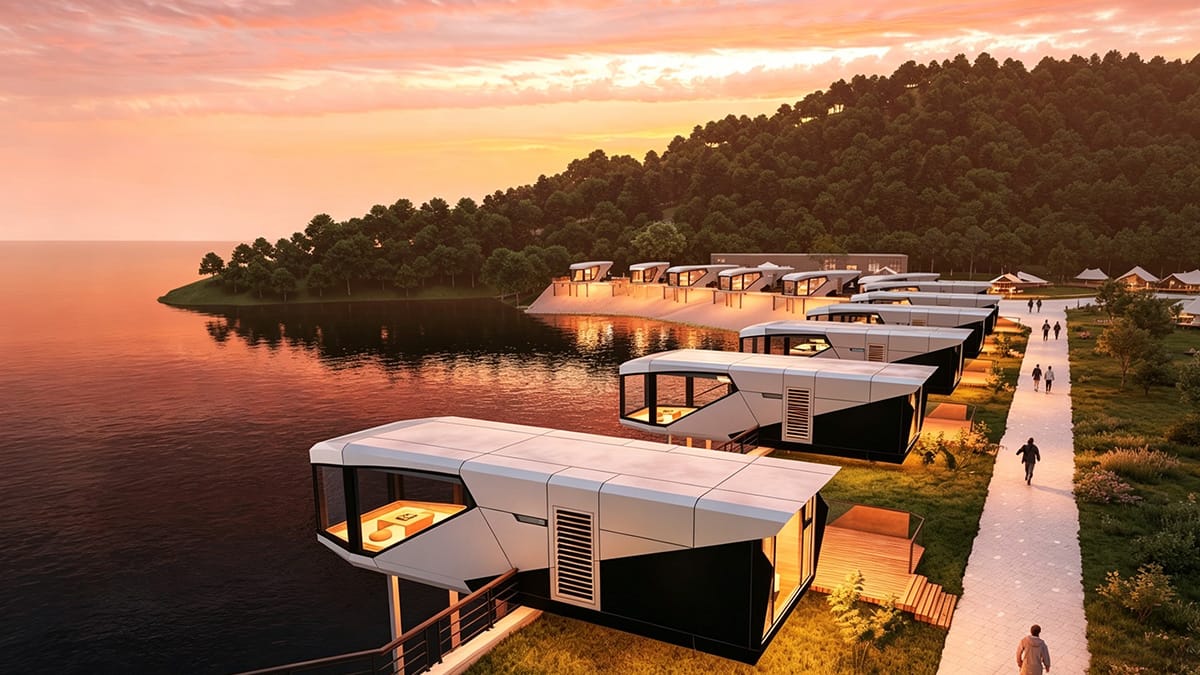
Picking a capsule home for camping can be hard. You want a space that fits you and feels cozy. Many people like small designs that use space well. Check the insulation to see if it keeps you warm or cool. Look at weatherproofing and how fast you can set it up. Some capsule homes are good for short trips. Others feel more like a real house.
Here’s a table to help you compare important things:
Factor | Details |
|---|---|
Insulation | Pick a high R-value to stay warm or cool. |
Weatherproofing | Get gaskets and UV seals so your capsule lasts longer. |
Usable Interior Space | Straight walls help you put furniture and walk around. |
Condensation Prevention | Aluminum frames and airflow stop rust and wet spots. |
Buyer Questions | Ask about warranty, support, and if you can see a finished unit or talk to owners. |
Tip: Always ask questions before you buy. Try to see a finished capsule home in person if you can.
Safety and Maintenance Tips
Safety is important when you use a capsule home for camping. You want to feel safe in storms or bad weather. Many capsule homes can handle strong winds and earthquakes. Fire safety matters too, so check for top fire resistance.
Here’s a quick look at key safety features:
Safety Feature | Description |
|---|---|
Extreme Weather Resistance | Stays safe in winds up to 70 meters per second. |
Earthquake Resistance | Built to handle earthquakes up to magnitude 9. |
Fire Safety | Uses materials with top fire resistance for extra protection. |
Clean your capsule often and check for leaks. Make sure vents are clear so you do not get moisture inside. If you use your capsule for a while, check it often to help it last longer.
Legal and Certification Issues
Before you set up your capsule home, learn the rules. Many places have laws about camping and small homes. Some rules are about glass safety, emergency exits, and door locks. Bathrooms need strong glass. Bedrooms must have windows big enough for escape. Front doors should open fast in case of fire.
Here’s a table with common legal issues:
Issue Type | Rule Description | Common Failures |
|---|---|---|
Glass Safety | Regular glass can break and hurt people | |
Egress Windows | Bedrooms need a window at least 5.7 sq ft for escape | Small or fixed windows may not meet this rule |
Door Hardware and Fire | Doors must open easily and handle strong winds | Deadbolts needing a key can block a quick exit |
Note: Always check local rules before you buy or move your capsule. This helps you avoid problems and keeps travelers safe during their stay.
Capsule homes make camping more comfortable and stylish. You get a cozy place with smart features. It does not matter if you camp in the mountains or near the beach. These homes are easy to set up and good for the environment. Sometimes, it is hard to install them far from cities. But the good things about them are worth it. If you want nature and comfort together, capsule homes can change your camping trips in the future.
FAQ
What makes capsule homes different from regular tents?
Capsule homes give you solid walls, insulation, and real beds. You get more comfort and protection from weather. You can also enjoy privacy and smart features that tents do not offer.
Can you use capsule homes year-round?
Yes, you can! Capsule homes have strong insulation and weatherproofing. You stay warm in winter and cool in summer. Many models handle snow, rain, and heat with ease.
How do you move a capsule home to a new campsite?
You can move most capsule homes with a trailer or flatbed truck. The modular design makes transport simple. Some models even let you set up in just a few hours.
Are capsule homes safe for families with kids?
Capsule homes use sturdy materials and have secure doors and windows. Many models include safety features like fire-resistant walls. You can relax knowing your family stays safe inside.
Do capsule homes need special permits?
Note: You may need permits depending on your location. Always check local rules before setting up. Some areas have rules for small homes or camping structures.