
05 Aug The Pros and Cons of Capsule Houses and Camping Domes in 2026
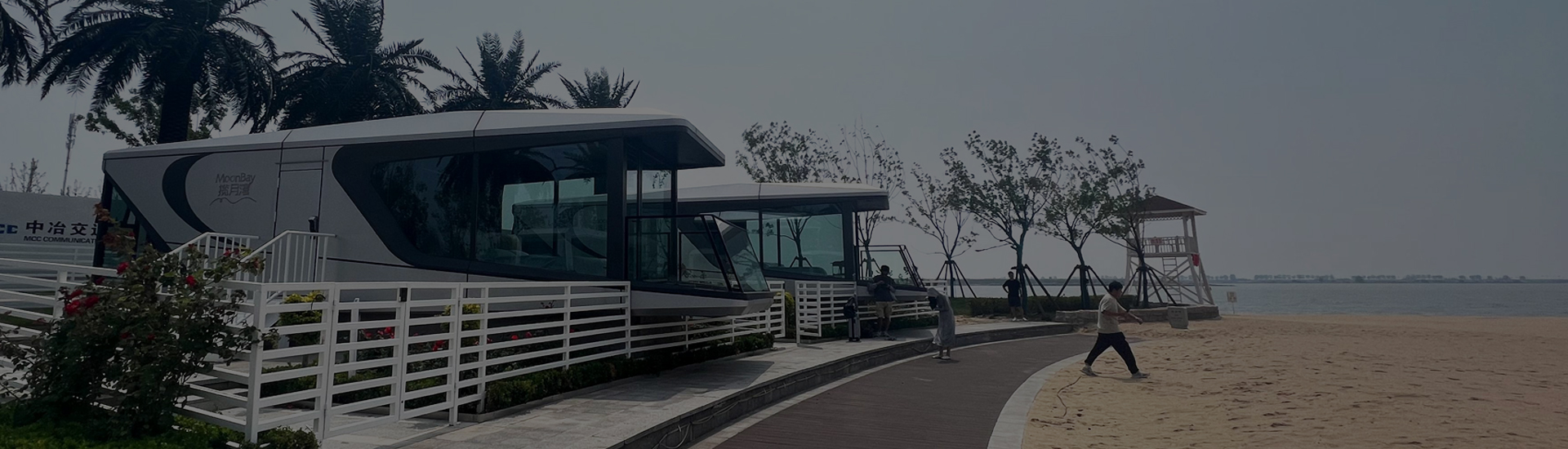
When considering capsule house vs traditional camping dome, it can be tough to decide which option suits you best. Capsule houses are designed to maximize space, save money, and use eco-friendly materials. With features like foldable beds and hidden storage, capsule houses ensure nothing goes to waste.
Smart use of space
Saves money, up to 80% less than standard homes
Environmentally friendly with recyclable materials
On the other hand, when you look at capsule house vs traditional camping dome, camping domes offer a classic camping vibe and help you feel closer to nature, but you may sacrifice some privacy and comfort. Weighing the pros and cons of capsule house vs traditional camping dome is important: capsule houses provide more privacy and durability, while domes immerse you in the outdoors. Consider the rules, available space, and your budget when choosing between capsule house vs traditional camping dome, and decide what matters most to you.
Key Takeaways
Capsule houses use space well and help you save money. They cost up to 80% less than regular homes.
Camping domes give you a special outdoor experience. They let you enjoy nature and still feel comfortable.
Capsule houses keep heat in better and give more privacy. This makes them good for living in for a long time.
Both choices are good for the environment. Camping domes need fewer materials and use less energy.
Think about how you live and how much money you have. This will help you pick between a capsule house and a camping dome.
Capsule House Overview
Modular Design Features
A capsule house is like a set of blocks. You can add or remove units as you need. This makes it easy to change your home. Start with one unit and make it bigger later. Builders like modular designs because they build fast. It costs less money and keeps quality high. You can change your capsule house and keep it stylish. Moving or resizing is simple with modular systems. You can use your capsule house in different ways.
Modular construction is like stacking blocks.
You can make your capsule house bigger fast.
Capsule units fit together and save space.
Modular designs help meet green building rules.
Durability and Materials
Capsule houses use strong materials. They can handle bad weather and daily use. Aviation-grade aluminum makes the house strong and light. Hot-dip galvanized steel keeps it stable and safe during moving. Insulated panels help keep the house warm or cool. They also make it quieter inside. Tempered glass brings in sunlight and keeps you safe. Composite materials like SPC and WPC resist water. They need little care and last long.
Material | Impact on Durability |
|---|---|
Aviation-Grade Aluminum | Strong, light, resists sun, rust, and bad weather; lasts over 30 years. |
Hot-Dip Galvanized Steel | Stops rust, keeps the house strong, absorbs bumps when moving. |
Insulated Panels | Keep the house warm or cool, save energy, make it quieter. |
Tempered Glass | Strong, safe, double-glazed for warmth, lets in sunlight. |
Composite Materials (SPC/WPC) | Resist water, strong, easy to care for, good for busy and outside areas. |
Capsule houses meet green building rules. They last as long as regular homes. You get a modern home that stays strong.
Space and Comfort
Capsule houses use space well. You get modern features and save space. Hidden storage and foldable furniture help you use every inch. Capsule homes usually have better insulation than camping domes. They also save more energy.
Tip: Capsule houses can fit more people and features than camping domes.
Feature | Capsule Houses | Traditional Camping Domes |
|---|---|---|
Interior Design | Modern features and smart layouts | Focus on looks and simple style |
Insulation | Usually not as insulated | |
Usability | Made for comfort and easy use | Simple style may not be as comfy or useful |
Space Accommodation | Usually fits more people and features | Often has less space and fewer features |
You get a comfy space that feels modern and useful. Capsule houses give you privacy, comfort, and strength in one home.
Pros and Cons of Capsule Houses
 Energy Efficiency
 Energy Efficiency
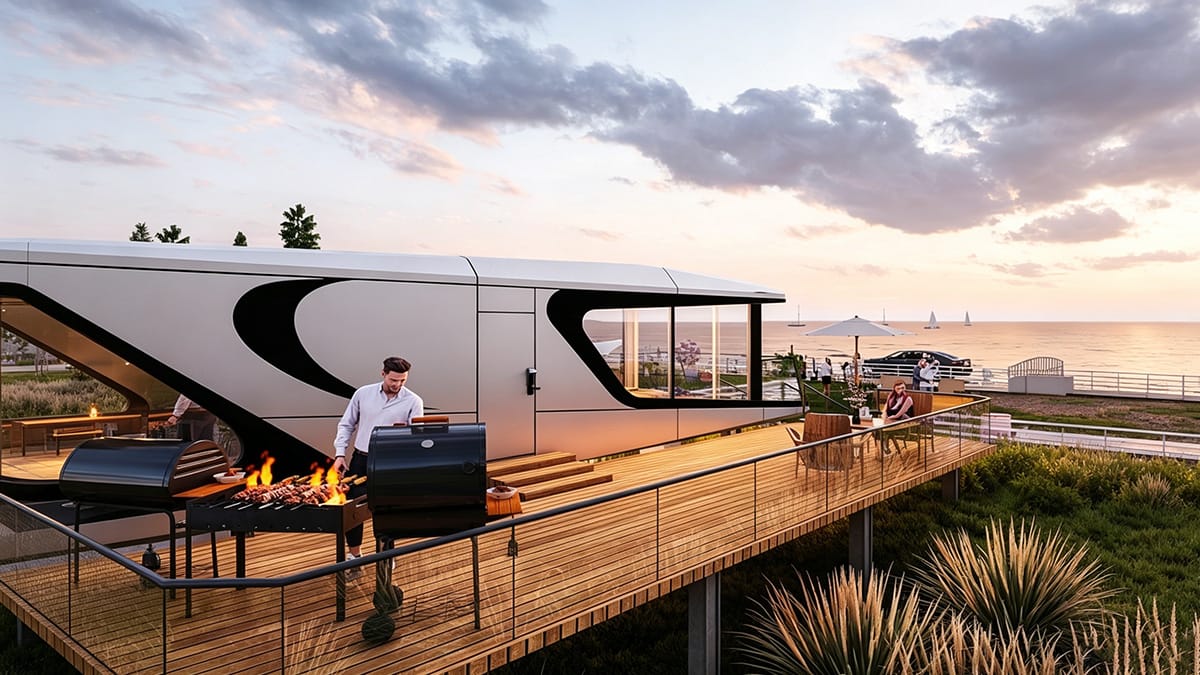
Capsule houses are good at saving energy. They use less power, so your bills stay low. The small size helps you save energy every day. Many have solar panels and rainwater systems. These features help the planet and support a green lifestyle. You can live in a way that is better for Earth. Dome homes can sometimes keep heat better in winter. They also stay cooler in summer because of their shape. Still, capsule houses are very eco-friendly and help you live simply.
Capsule houses use green materials and smart insulation. They are great for people who want a simple life.
Cost and Construction Speed
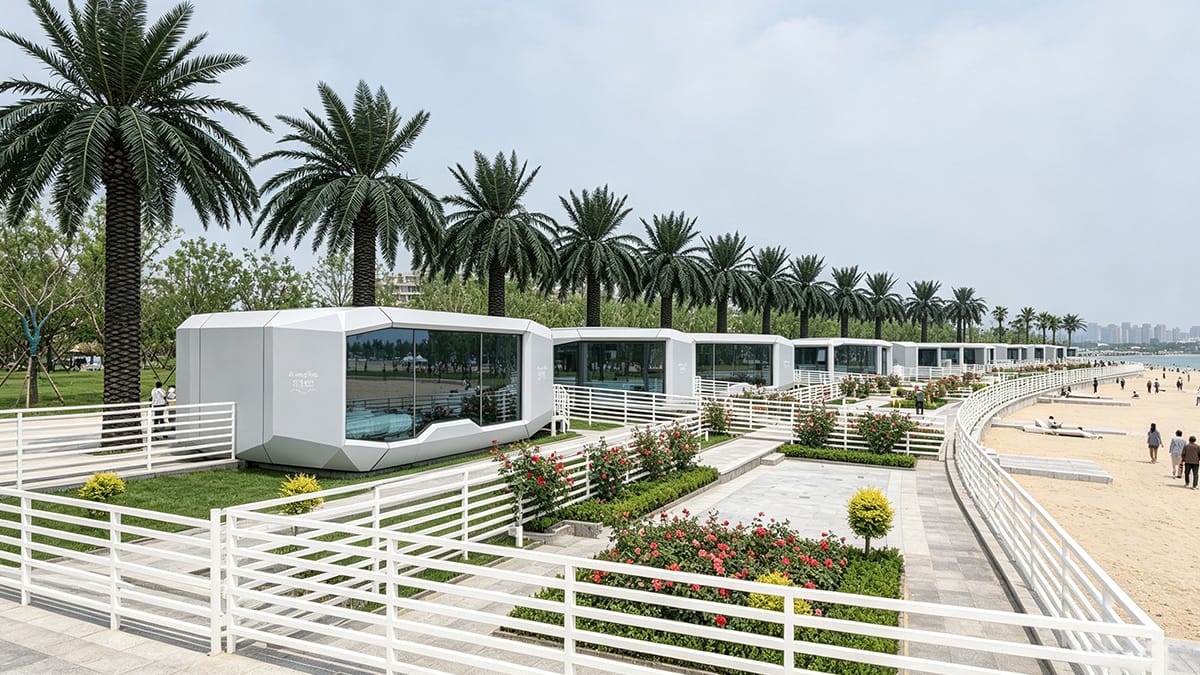
Capsule houses help you save money and move in fast. They cost much less than normal homes. You do not have to wait long to move in. The building time is short, so you start living simply sooner.
Home Type | Typical Cost (Excluding Land) | Build Time |
|---|---|---|
Space Capsule House | 2–6 weeks | |
Traditional Prefab Cabin | $120,000–$180,000 | 4–8 months |
Capsule houses let you control your budget and time. This makes them a good choice for people who want to save money and time.
Privacy and Security
Capsule houses give you more privacy and safety than most camping domes. They have lockable storage and strong walls. You can feel safe knowing your things are protected. The small design helps you know who comes in.
Feature | DOME Sleeping Pod | Camping Domes |
|---|---|---|
Lockable Storage | Yes | No |
Design | Compact, minimizes sightlines | Open, less privacy |
Visual Privacy Option | Tent-like canopy available | Limited options |
Capsule houses make safety important, so you feel secure at home.
Customization and Limitations
Capsule houses let you change some things. You can pick colors or add small features. If you want big changes, it may cost more and take longer.
Customization Type | Description | Typical Cost Increase |
|---|---|---|
Standard Configurable Options | Small changes to looks or function | 5–15% |
Bespoke Design and Structural Mods | Big changes that need new plans and work | 15–30%+ |
You must follow local rules.
Your budget may limit your choices.
Permits and zoning can slow things down.
Capsule houses are a great value for short stays, pretty places, or people who want to save money. But if you want to live in one for a long time, you may need to think about space, layout, and utilities.
Capsule houses are good for simple living and saving energy. They are safe and eco-friendly, but you may have less space and fewer ways to change things.
Camping Dome Overview
Traditional Dome Structure
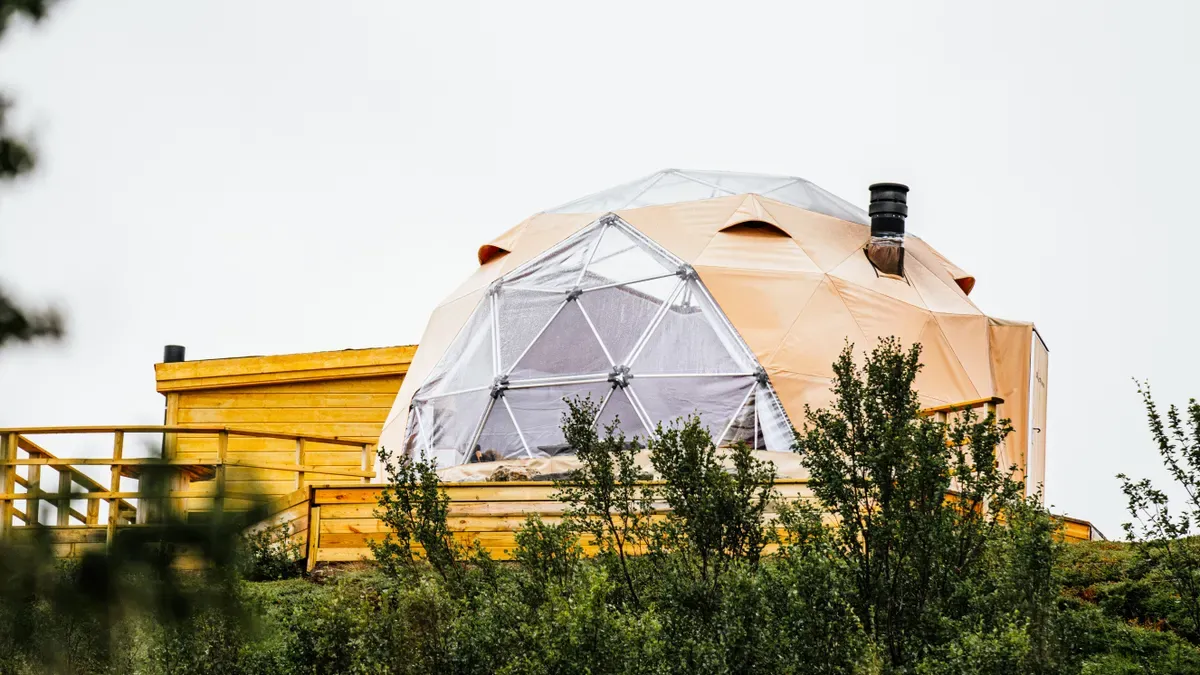
You might notice that camping domes look different from capsule houses. Domes use a round shape that stands out in any outdoor setting. This shape is not just for looks. It helps the dome stay strong, even in tough weather. You get a space that feels open and bright. The design spreads weight evenly, so the dome does not need extra support inside. That means you can move around without bumping into walls or posts.
Here’s a quick look at what makes the dome structure special:
Structural Element | Description |
|---|---|
Aerodynamic Shape | The round shape lets wind and energy move smoothly, making the dome stable. |
Weight Distribution | Stress spreads out, so the dome stays strong. |
Volume-to-Surface Ratio | You get more living space with less outside area, which saves energy. |
Natural Light Optimization | Big windows bring in sunlight, so you use less electric light. |
Minimal Material Requirement | Builders use fewer materials, which is good for the planet and saves time. |
Self-Supporting Structure | No need for inside columns, so you have more open space. |
Quick Assembly | You can set up a dome in just a few days with little help. |
Amenities and Outdoor Experience
When you stay in a camping dome, you do not have to give up comfort. Many domes come with modular bathrooms and kitchens. You can cook, shower, and relax just like at home. Soft beds and cozy chairs make your stay even better. You can change the inside to fit your style. This setup lets you enjoy nature without missing out on comfort. You get the best of both worlds—fresh air and a comfy place to sleep.
Tip: If you want to feel close to nature but still want a hot shower, a camping dome is a great choice.
Weather Resistance
Camping domes handle bad weather better than most tents or even some capsule houses. The round shape spreads wind evenly, so strong gusts do not knock it over. Snow slides off the roof, so you do not have to worry about heavy buildup. The design keeps heat inside, which helps you stay warm in winter and cool in summer.
Here’s how domes compare to regular tents:
Feature | Traditional Tent | Geodesic Dome Tent |
|---|---|---|
Wind Resistance | 50-60 km/h | |
Snow Resistance | Accumulates easily | Can handle 75 kg/㎡ |
Safety Factor | Medium | Very high |
Insulation Efficiency | Poor | 10%-15% less heat loss |
You can trust a dome to keep you safe during storms. In one snowstorm, a 10-meter dome stayed up while a regular tent broke. The dome’s steep roof helps snow slide off. The shape also keeps you warmer by cutting down on heat loss.
If you care about environmentally-conscious design, camping domes use fewer materials and save energy. You get a strong, safe shelter that works well in many places. Some people still prefer capsule houses for extra privacy and modern style, but domes offer a unique way to enjoy the outdoors.
Pros and Cons of Camping Domes
Affordability and Accessibility
 Affordability and Accessibility
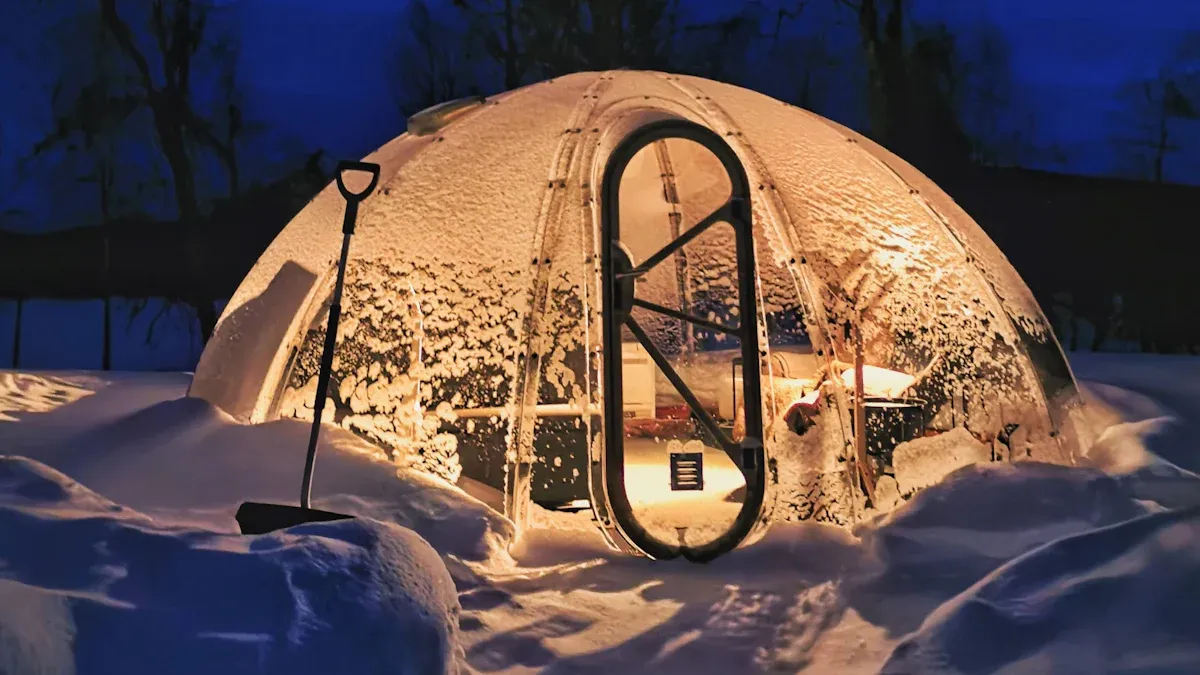
Camping domes are a cool way to live cheaply. The price depends on how big the dome is and what it is made from. Capsule houses usually cost less money. Domes have a special shape that makes them stand out.
Feature | Capsule Houses | Dome Houses |
|---|---|---|
Cost | Middle price, changes by size | |
Customization | Easy to change | Has special shape |
Off-grid options | Can lower living costs | Not listed |
You can put a dome in many places. This makes it good for people who want to move often. If you like simple living, domes can help you do that.
Connection to Nature
Camping domes help you feel close to nature. Big windows and clear parts let you see outside. You can watch birds and stars from inside the dome. The design lets you enjoy the outdoors but stay comfy.
You can see all around you.
Looking at stars through the dome is fun.
You hear peaceful sounds from outside.
This way of living is good for the planet. It is great for people who care about nature and want to feel part of it.
Privacy and Space
Domes feel big and open, but they do not give much privacy. The round shape gives you lots of space to use. You may not get full walls or doors. If you like simple living, domes give you room to relax.
Feature | Capsule Houses | Traditional Sleeping Pods |
|---|---|---|
Space | About 2 cubic meters | |
Privacy | Full walls and doors | Not much privacy |
Domes are good for groups or friends. You may want more privacy if you stay for a long time.
Regulations and Challenges
Building a dome can be hard sometimes. You need to check the rules in your area first. Some places have strict rules for permanent domes. Temporary domes in the countryside are easier to build. If you want to rent your dome, you must follow safety rules and get permits.
Tip: Always ask local officials and engineers before you build a dome.
Camping domes save energy and are strong. They can be used in many ways. But you may face problems like hard building steps, tricky layouts, and repairs. If you want a home that is good for the planet and simple, domes are a smart idea.
Capsule House vs Traditional Camping Dome
Lifestyle Suitability
 Lifestyle Suitability
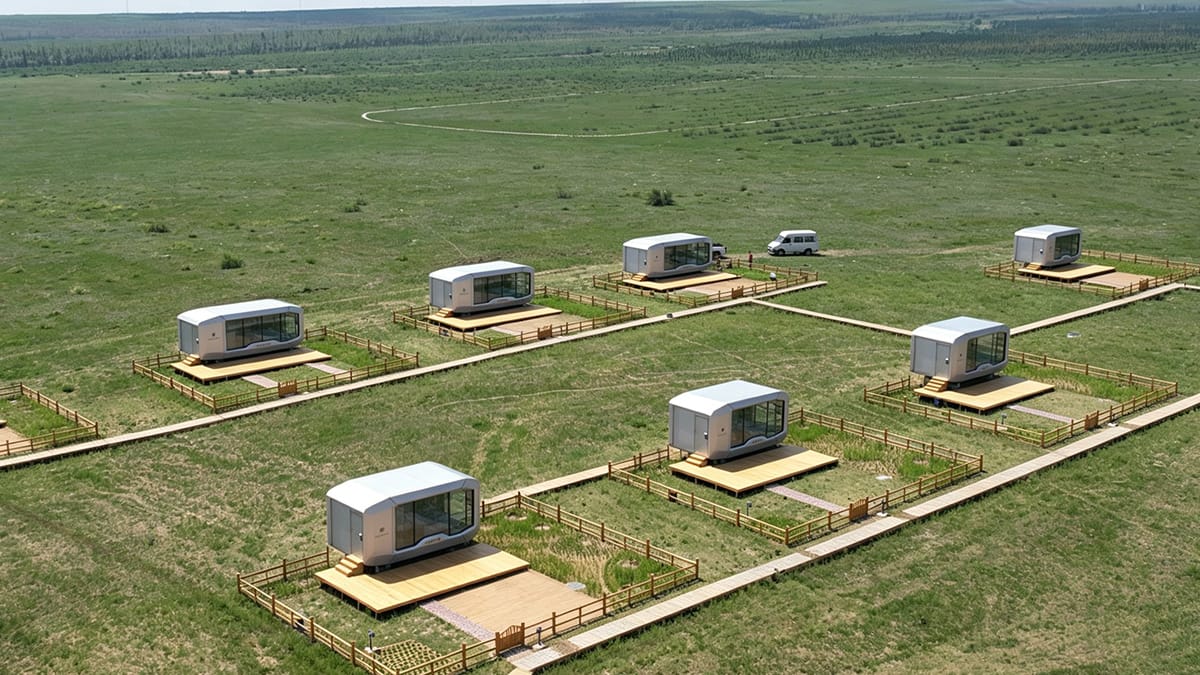
When you think about capsule house vs traditional camping dome, your lifestyle plays a big role. Do you want a home that feels modern and private, or do you dream of waking up to birdsong and mountain views? Capsule houses work well if you need a permanent or semi-permanent place. You get privacy, strong walls, and a cozy space that feels like a small apartment. These homes fit people who want comfort, security, and a bit of style.
Camping domes, on the other hand, suit you if you love adventure and the outdoors. You can set up a dome in less than a day if you pick a fabric geodesic model. Hybrid glass domes take a few days but give you amazing views and better insulation. Capsule-style domes offer a modular, eco-friendly twist. Here’s a quick look at how different structures fit different lifestyles:
Structure Type | Primary Material | Installation Time | Key Benefit |
|---|---|---|---|
Fabric geodesic domes | Polyester fabric, aluminum | Under 1 day | Cost-effective, windproof |
Hybrid glass domes | Tempered glass, PVC, metal | 2–3 days | Panoramic views, insulation |
Capsule-style domes | Wood-aluminum composite | ~3 days | Modular, eco-friendly |
You should also think about where you want to live. Can you reach your spot by road or trail? Is it close to a lake or a vineyard? Some places have rules about temporary or semi-permanent homes. You need to check if the ground is stable and safe from floods. If you plan to stay in wild areas, you may need to think about storms, wildlife, and safety plans.
Tip: If you want a flexible home that moves with you, domes are easier to set up and take down. If you want a steady, private space, capsule houses win.
Cost and Value
Let’s talk about money and what you get for it. When you compare capsule house vs traditional camping dome, you see big differences in cost and value. Capsule houses usually cost less than building a regular home. You save on materials and labor, and you can move in quickly. This gives you great value if you want a modern, energy-saving home without breaking the bank.
Camping domes can be more expensive, especially if you choose a large or fancy model. The price goes up with size and materials. Still, domes give you a unique living experience. You get open space, lots of light, and a strong shelter that stands up to wind and snow. If you want to use your dome for glamping or as a rental, you might earn back your investment over time.
Here’s a simple way to compare:
Capsule houses: Lower upfront cost, fast setup, good for long-term living, strong value for privacy and comfort.
Camping domes: Middle price range, quick to install, best for short stays or nature lovers, value comes from the outdoor experience.
If you want to stretch your budget and get the most value, capsule houses are hard to beat. If you care more about the experience and less about cost, domes might be your pick.
Environmental Impact
You might wonder which option is better for the planet. The answer depends on what matters most to you. Capsule house vs traditional camping dome both offer eco-friendly choices, but in different ways.
Dome houses use up to 50% less energy for heating and cooling than regular homes. Their round shape means you need fewer materials, which saves resources. Domes also last a long time and can handle storms and harsh weather. This makes them a smart pick if you want to lower your carbon footprint.
Capsule houses use recycled and green materials. They have strong insulation, so you use less energy to stay warm or cool. Many come with solar panels and rainwater systems. You can live simply and help the planet at the same time.
Dome houses: Save energy, use fewer materials, last through tough weather.
Capsule houses: Use eco-friendly materials, save energy, support a green lifestyle.
Note: Both options help the environment, but domes stand out for energy savings and durability. Capsule houses shine if you want a modern, green home.
Legal Considerations
Before you pick capsule house vs traditional camping dome, you need to check the rules. Some places have strict laws about what you can build and where. Capsule houses often need permits, just like regular homes. You may have to follow zoning rules and building codes. This can slow things down and add to your costs.
Camping domes are sometimes easier to set up, especially if you use them as temporary shelters. You still need to ask about local rules. Some areas only allow domes for short stays or special events. If you want to rent out your dome, you must meet safety rules and get the right permits.
Think about these questions:
Can you get to your site by road or trail?
Are there rules about temporary or permanent homes?
Is the land safe from floods or landslides?
Do you need special plans for storms or wildlife?
Always talk to local officials before you build. This saves you time and trouble later.
When you compare capsule house vs traditional camping dome, you see that both have rules to follow. Capsule houses may face more red tape, but domes also need careful planning.
Choosing between capsule house vs traditional camping dome comes down to your lifestyle, budget, love for nature, and local laws. Think about what matters most to you—comfort, value, the environment, or freedom. That way, you’ll find the best fit for your next adventure or new home.
Choosing the Best Option
Factors to Consider
 Factors to Consider
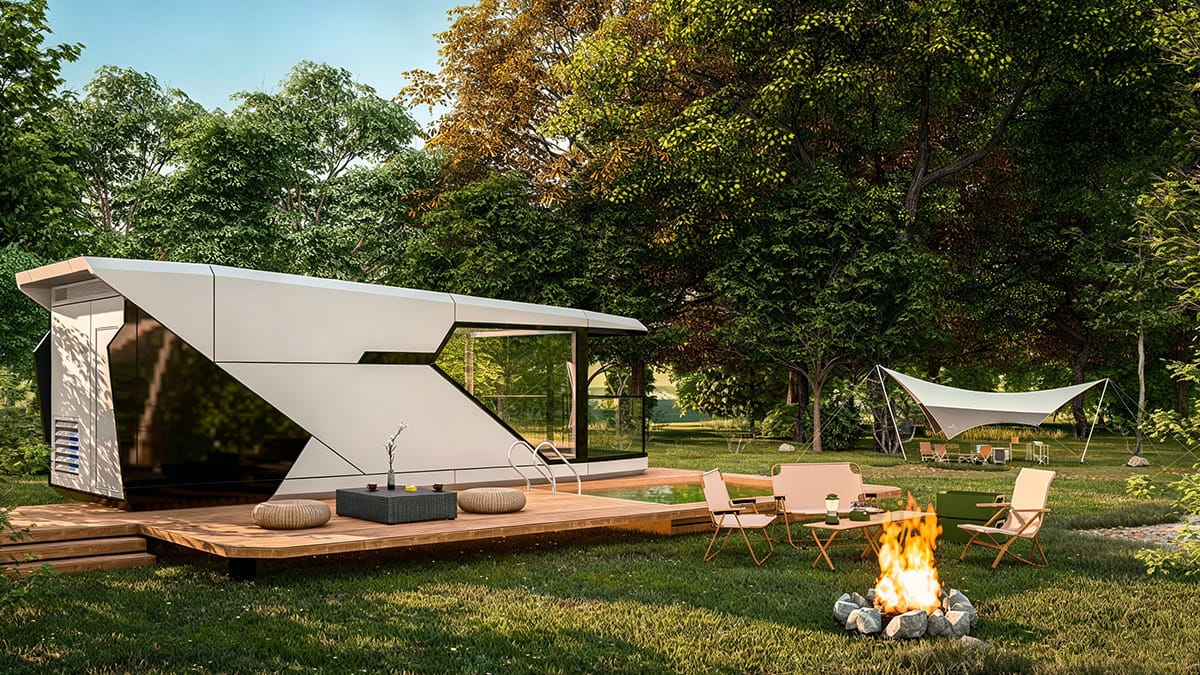
When you try to pick between a capsule house and a camping dome, you need to think about what matters most to you. Here are some key things to keep in mind:
Budget: How much do you want to spend? Capsule houses usually cost less up front. Domes can get pricey if you want more space or fancy features.
Lifestyle: Do you want to stay in one place, or do you like to move around? Capsule houses work well for people who want a steady home. Domes are great if you love adventure and want to feel close to nature.
Comfort: Do you need lots of privacy and modern features? Capsule houses give you more privacy and better insulation. Domes feel open and bright, but you might hear more outside noise.
Space: How many people will live with you? Capsule houses fit more people and have smart storage. Domes feel roomy, but you may not get as much privacy.
Rules and Permits: Always check local laws. Some places have strict rules for building new homes. Capsule houses often need more permits. Domes can be easier to set up, but you still need to ask about the rules.
Environmental Impact: Do you care about living green? Both options use eco-friendly materials, but domes save more energy because of their shape.
Tip: Make a list of your top three needs. This will help you see which option fits your life best.
You have two great choices for your next adventure or home. Capsule houses save you money, use eco-friendly materials, and fit modern trends. Camping domes give you a special outdoor experience and help you feel close to nature. Both options keep growing in popularity. Think about what matters most—comfort, cost, or a unique setting. Make a list of your top needs. This will help you pick the best fit for your lifestyle.
FAQ
What is the main difference between a capsule house and a camping dome?
You get more privacy and modern features in a capsule house. A camping dome gives you a closer connection to nature. Capsule houses feel like tiny homes. Domes feel open and bright.
Can I live in a capsule house or dome year-round?
Yes, you can live in both all year. Capsule houses have better insulation for cold or hot weather. Domes work well in most climates, but you may need extra heating or cooling in extreme weather.
Do I need special permits to set up a capsule house or dome?
Always check with your local officials first.
Some places need permits for both options. Capsule houses often follow regular home rules. Domes may have fewer rules if you use them temporarily.
Which option is easier to move or relocate?
Capsule houses take more time to move because of their structure. Camping domes are lighter and quicker to set up or take down. If you want to move often, domes are the easier choice. 🏕️