


06 Jul Exploring Capsule House Market Trends in Australia
There is a significant rise in luxury and tourism pods, which are transforming the Capsule Houses Australia Market Trend for 2026. Many buyers and investors are closely monitoring these trends as they seek innovative solutions to address housing challenges. The small design and low cost of capsule houses make them increasingly appealing to a wider audience. Additionally, prefabrication allows builders to complete homes more quickly and with fewer complications. In Australia, the prefabricated construction market is projected to reach AUD 13.16 billion by 2026, with an annual growth rate of 10%. Capsule houses are rapidly gaining popularity as people look for new and affordable living options.
Housing market forecasts for each city can influence your decisions. You can gain valuable insights by analyzing data and planning for the future.
Key Takeaways
Capsule houses are cheap and good for the environment, so people who want to save money like them. Prefabrication helps set up capsule houses fast and easily, so many people in Australia choose them. Luxury capsule houses have special designs and fancy features, so they are popular in cities where homes cost a lot. More people want to rent capsule pods for a short time, so investors can make good money. Entry-level capsule pods give people cheap places to live, especially young adults and older people who have stopped working.
Capsule Houses Australia Market Trend 2026
Market Overview
There is a big increase in the capsule houses australia market trend for 2026. Luxury and tourism pods are very popular right now. Many buyers and investors pay attention to these because they are new and stylish. The housing crisis in australia makes people want cheaper and faster homes. Rules for the capsule house market decide what you can build and where.
Capsule homes have eco-friendly layouts and save money.
Space capsule house designs look modern and cost less.
These homes are safe and last a long time.
Investors like capsule units because they look cool and are easy to set up.
Capsule houses are cheaper than regular homes. Prices usually range from $50,000 to $150,000, based on size and features. The modular housing market might reach $97.7 billion by 2025. This means lots of people want cheaper homes. You pay less for property taxes, utilities, and repairs. These things make capsule houses a good choice for people with small budgets and those who want to live green.
Key Growth Drivers
Many things help the capsule houses australia market trend grow. The entry-level group grows fastest, especially for travelers aged 18-39. This group likes cheap and fun travel. People aged 25-39 will make up 33.6% of the market money by 2025. Students and backpackers aged 18-24 also want these homes. More people living in cities and liking new places to stay helps the market grow.
Here are the main growth drivers:
Factor | Description |
|---|---|
Material prices | Changes in steel, insulation, and other materials change costs. |
Labor & manufacturing efficiency | Making homes the same way each time saves money. |
Shipping & logistics | Fuel and shipping costs change the final price, mostly for imports. |
Regulation & building codes | Stricter rules can make homes cost more but also better. |
Demand & competition | More people want tiny homes and new brands join, changing prices. |
Capsule houses give a good return on investment. They cost less at first and need less fixing, so buyers and investors like them. Prices go up as more people want them and more companies sell them. Many people pick capsule houses to save money and live simply.
Prefabrication and Modular Impact
Prefabrication changes how people build homes in australia. The capsule house market changes how businesses and builders plan for short-term and long-term homes. Not enough homes and the need for quick, green choices make the market grow fast. Tourism, remote work, and disaster help also make the market bigger.
Prefabricated building lets people set up homes fast for mining, building, and tourism.
The government uses capsule houses for quick homes after fires and floods.
New prefab technology makes homes better and easier to change.
The global modular construction market could reach US$131 billion by 2031.
Capsule houses are faster to put up than regular homes. You can get a capsule house ready in just days after the land is set. Regular homes can take months to finish. Here is a comparison:
Type of Home | Typical Size | 2026 Total Cost (Est.) | Comment |
|---|---|---|---|
Capsule house (standard) | 120–220 sq ft | $50,000 – $100,000 | High $/sq ft, low total cost |
Small prefab house | 400–800 sq ft | $120,000 – $220,000 | More space, higher total cost |
Conventional small house | 800–1,200 sq ft | Often $200,000+ | Depends on local market |
You get homes quickly and can pick different designs. Capsule houses started as simple boxes but now have smart features and cool looks. More people want eco-tourism and glamping, so guests get special stays. Prefabrication helps give homes fast for workers and after disasters. Capsule houses are a good answer for worker camps and tourism. The market keeps growing as more people want fast, cheap homes.
Housing Market Forecast by City
 Sydney Price Surge
 Sydney Price Surge
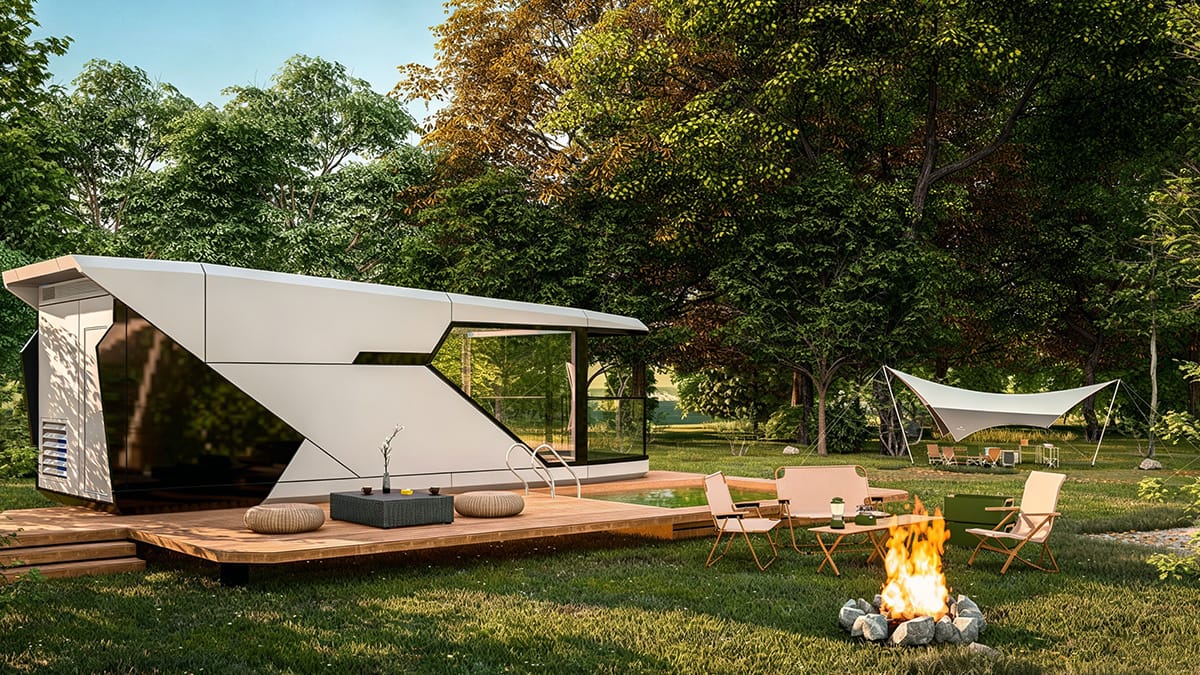
Sydney is leading in the capsule house market. Housing costs are high, so people want new options. The “Compact Living Strategy” lets you put capsule houses in backyards. You do not need full planning permits. This makes it easier to add extra space or rental units. More people want affordable and flexible homes, so demand keeps rising.
Here is a table showing how Sydney compares to other cities:
City | Initiative/Condition | Key Feature |
|---|---|---|
Sydney | Testing Capsule House with ‘Compact Living Strategy’ | Allows backyard setups without full permits, helps with high housing costs. |
Melbourne | Works with universities for student housing pods | Cuts carbon emissions by 50% compared to regular dorms. |
Queensland | Projects with cyclone-resistant frames and water-saving designs | Good for places with disasters, makes homes stronger. |
Sydney’s plan helps meet the need for new homes. Investors see more chances because the city supports small and modular living. Prices in Sydney keep going up. Capsule houses will get more popular as people look for cheaper choices.
Trends in Other Major Cities
Melbourne, Brisbane, and Perth also like capsule houses. Each city has its own trends. Melbourne teams up with universities to make student housing pods. These pods use less energy and cut carbon emissions by half. Students and young workers who care about the planet like these homes.
Brisbane, Adelaide, and Perth expect house prices to rise, but not as fast. Growth rates are between 4% and 5%. Prices go up, but slower than Sydney. This shows worries about cost and needing more homes.
Here is a table with prices and increases for 2026:
City | Projected Median Price | Price Increase |
|---|---|---|
Melbourne | $1.1 million | 6.6% |
Brisbane | $1.09 million | 6-8% |
Perth | $950,000 – $1 million | 5-6% |
Main reasons for these changes are:
Property prices are expected to recover in Melbourne, Brisbane, and Perth.
More people and fewer homes push prices up.
Lower interest rates help buyers get homes.
Growth may slow as more homes are built and buyers worry about costs.
These trends show strong demand for capsule houses in big cities. You might find more chances to invest as cities try to offer cheaper and greener homes.
Slower National Growth
Australia’s housing market is growing slower than before. Rising costs and not enough homes are big problems. Some cities have fast price jumps, others grow slower. This gives buyers and investors different chances.
In 2026, demand for capsule houses will keep rising, but speed depends on the city. In expensive cities like Sydney and Melbourne, more people pick capsule houses to save money. Other places grow steady as people want flexible and strong homes.
You should watch local market trends and city forecasts. These help you choose where to buy or invest in capsule houses. Prefabricated and modular homes are getting more popular, so you have more options.
Tip: Keep an eye on local rules and building codes. These can change how easy it is to set up capsule houses and how much people want them.
The next few years will see capsule houses become more important for Australia’s housing needs. You can use these forecasts to plan your next step, whether you want to buy, invest, or rent.
Luxury Capsule Houses
Buyer Trends
 Buyer Trends
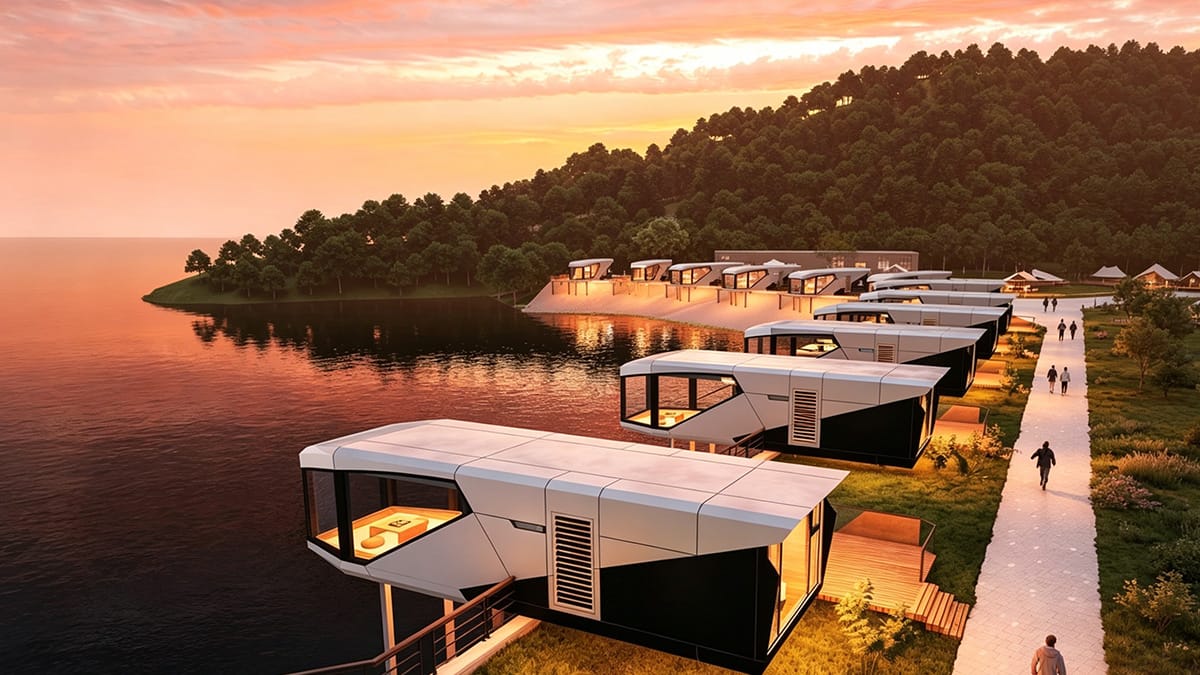
More people want luxury capsule houses in Australia. Many buyers like special designs and fancy finishes. Some people use these homes for short trips. Others live in them all the time. Buyer demand keeps going up, especially in cities with expensive homes. People enjoy living in small spaces with new features. Younger buyers and workers often pick capsule houses for privacy and style. Investors also want these homes to rent out and make extra money.
Pricing and Competition
Luxury capsule houses cost more than regular ones. Bigger units, custom designs, and better materials raise the price. Where you put the house matters, too. City spots usually cost more than country spots. You can see the main things that affect price in the table below:
Competitive Factor | Description |
|---|---|
Size | Larger capsule houses generally cost more than smaller models. |
Customization Level | Highly customized designs lead to increased costs compared to standard models. |
Location | Prices vary significantly based on urban versus rural settings, with urban installations being pricier. |
Quality of Materials | Premium materials like Grade A steel and triple-pane windows justify higher prices. |
Manufacturing Process | Advanced manufacturing techniques contribute to the overall cost, ensuring quality and durability. |
Site Conditions | Local permit requirements and utility access can add 30-50% to base prices, affecting overall cost. |
You have to compete with other buyers and investors for the best spots and features. People who act fast and pick smart upgrades do better in the market.
Regulatory Risks
There are some risks when you buy or build luxury capsule houses. Local councils have rules you must follow. You need to get approval before you start building. You also have to follow the National Construction Code (NCC). If you do not meet the rules, you might get denied or have to pay fines. You could also have problems with getting utilities or insurance.
Note: Always check local rules before you buy a luxury capsule house. This can help you avoid delays and extra costs.
Tourism and Commercial Pods
Short-Term Rental Demand
Short-term rental demand for capsule pods is growing fast in Australia. Many travelers want to stay somewhere different, so prices are high. Nightly rates can be $300 or more. Prices go up even more during busy times. Investors like these pods because they can earn money back in about 1.5 years. The table below shows important facts:
Aspect | Details |
|---|---|
Average Nightly Rates | $300+ during regular seasons |
Premium Pricing | Higher rates during peak periods |
Expected Payback Period | Approximately 1.5 years |
Market Growth | Big increase in eco-wellness retreat demand |
Regional Focus | Growth in places like the Victorian Alpine region |
There are some trends changing the market:
The STRA market is getting more professional and focused on investment.
More whole homes are being listed, which means people want full places to stay.
More people now manage many listings, so the market is more professional.
Listings with on-site hosts dropped by 23,544 properties from 2019 to 2023.
Non-hosted STRA listings went up by 8,822 properties in the same period.
Operators with only one listing fell by 25%, while those with 11 or more listings rose by 27%.
Investor Opportunities
There are lots of chances to invest in tourism and commercial capsule pods. The airport sleeping pod market is getting bigger as more people travel. Travelers want easy and private places to rest at airports. New smart pod technology, like IoT and AI booking, makes things easier. Airports in new places are growing, and big airports are getting better. These changes make capsule pods a good choice for tourism investments.
Compliance Challenges
You need to follow rules when you set up tourism or commercial pods. Local councils have strict rules about where pods can go and how to use them. You must follow safety codes and get the right permits. Some places have extra rules for short-term rentals, especially in busy tourist areas. If you do not follow the rules, you could get fined or have to take your pods away. Always check the newest rules before you invest or grow your business.
Entry-Level Capsule Pods
Affordability Solutions
 Affordability Solutions
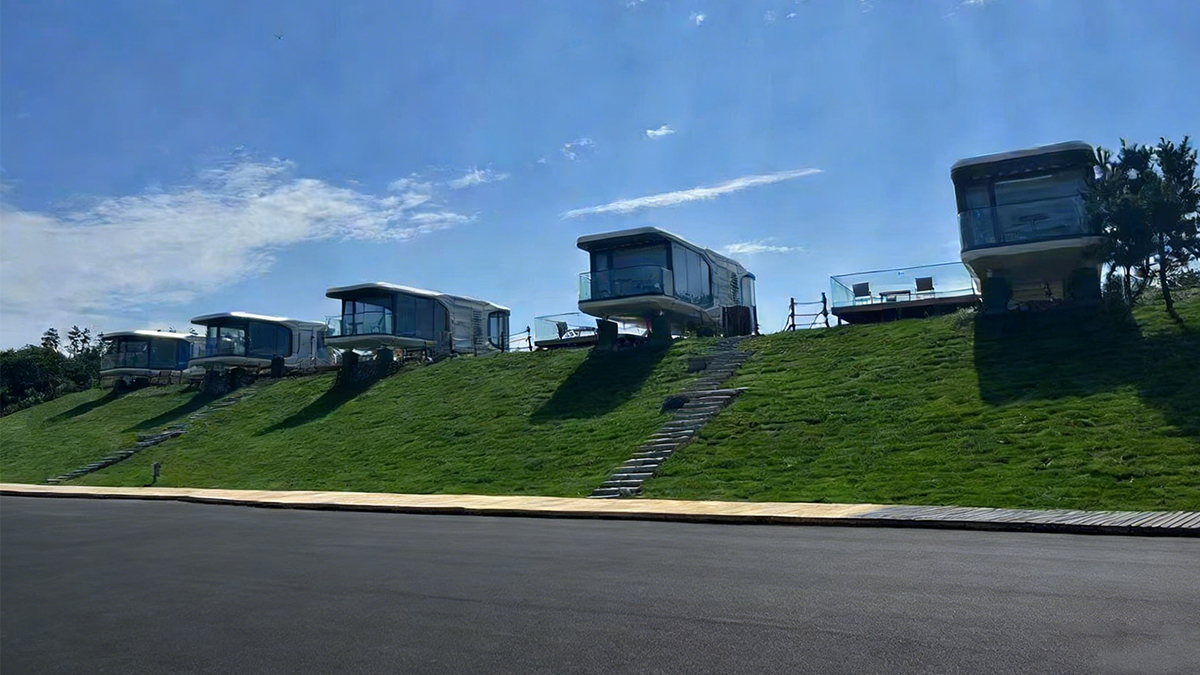
You can find entry-level capsule pods in Australia for lower prices than most traditional homes. Bunnings sells backyard pods that start at about $26,000. These pods give you an affordable way to add extra space or create a small home. Many people see these pods as a quick fix for the high cost of living. You need to remember that these pods are mostly for temporary use. If you want to live in one for a long time, you may face extra costs. You might need to pay for site preparation, connect utilities, and get permits. These extra steps can make the total price higher. Even with these costs, entry-level capsule pods help increase new housing supply and give more people a chance to find a place to live. You see more of these pods as the demand for affordable homes grows.
Target Demographics
Entry-level capsule pods attract many groups. Young adults, students, and single workers often look for cheaper places to live. You might want a pod if you need a small, private space. Retirees and people who want to downsize also show interest. Some families use these pods for older children or guests. The demand for these pods rises in cities where housing supply cannot keep up. You see more people choosing capsule pods when new housing supply is low. The supply of traditional homes does not meet the needs of everyone. Capsule pods fill this gap and help more people find a home.
Tip: If you want to save money and live simply, you should consider an entry-level capsule pod.
Policy and Social Risks
You need to know about the risks before you buy a capsule pod. Local rules can change quickly. Some councils do not allow people to live in these pods full-time. You may face limits on where you can put your pod. If you do not follow the rules, you could get fines or have to move your pod. The supply of pods can also change if new laws come in. Some people worry that too many pods will change the look of their neighborhood. Others think that more pods will help solve the housing supply problem. You should always check the latest rules before you buy. The demand for capsule pods will keep growing, but you must stay informed to avoid problems.
Expert Insights and Scenarios
Industry Perspectives
Many leaders are changing capsule houses in Australia. Companies use eco-friendly materials and build homes quickly. You can see what each company does best in the table below:
Provider | Specialty | Unique Feature |
|---|---|---|
Capsule Castle | Dome and capsule homes | Fast assembly, eco-friendly materials |
Ecoliv | Modular sustainable builds | Passive solar design, integrated water tanks |
Saltair Modular | Energy-efficient modules | Recycled materials, high R-value insulation |
Most companies use strong insulation and energy-saving glass. Many capsule homes have solar panels and wind turbines. These features let you live off-grid in faraway places. You get homes set up fast, move them easily, and use them for different needs. Capsule houses work well for temporary homes, tourism, and disaster help.
Tip: Pick capsule homes with solar panels built in. You spend less money and help the planet.
Market Scenarios 2026
The capsule housing market will grow a lot by 2026. More people want prefabricated and modular homes. Luxury eco-resorts, short-term rental pods, and cheap city homes are popular. Factory-built homes are faster and have cool designs that attract tourists and renters. Space Capsule Homes are known for good investment returns and nice looks.
Experts think the capsule apartment market could reach $64.9 billion by 2032. You may face problems like high shipping costs and tricky zoning rules. You need to know local rules so you do not get delayed.
Note: Special designs that look good on Instagram help you get more renters and tourists. This gives you an advantage in the market.
Innovation Opportunities
There are many chances to create new ideas for capsule houses. You must learn about rules and permits to do well. Capsule homes are flexible and use space wisely. Builders use new ways to fix the housing crisis. You do better if you follow building codes and get certifications.
Make sure you get permits and certifications.
Use smart designs to meet more demand.
Help solve the housing crisis with new ideas.
Predictions show that projects with smart, legal, and modern designs will do well. You can help fix housing shortages and find new ways to invest.
You will see the capsule houses australia market trend keep rising in 2026. Cities with high prices and little space want more capsule houses. These homes use smart designs and new materials to fix housing problems. Modular construction helps make homes quickly and easily. You should check city forecasts and new prefabrication methods often. If you want to buy, invest, or rent, here are some good tips:
Find homes with smart technology and energy-saving parts.
Think about glamping or rental pods to earn extra money.
Pick places with easy ADU rules and strong growth.
Watch for new trends and rule changes so you can do well in this market.
FAQ
What is a capsule house?
A capsule house is a small, prefabricated home. You can use it for living, working, or short stays. Builders make these homes in factories and deliver them ready to set up on your land.
How much does a capsule house cost in Australia?
You can expect to pay between $50,000 and $150,000 for most capsule houses. Entry-level pods may start at $26,000. Prices depend on size, materials, and location.
Can you live in a capsule house full-time?
You can live in a capsule house full-time if local rules allow it. Always check with your local council before you buy or move in. Some areas have restrictions on permanent living.
What are the main benefits of capsule houses?
Fast setup
Lower cost than regular homes
Eco-friendly features
Flexible use for living, renting, or travel
Tip: Capsule houses help you save money and reduce your carbon footprint.
Do you need council approval for a capsule house?
Yes, you usually need council approval. Rules change by city and state. Always check local building codes and permits before you install a capsule house.