
18 Jun What Is Driving the Capsule Houses Market in Australia Right Now
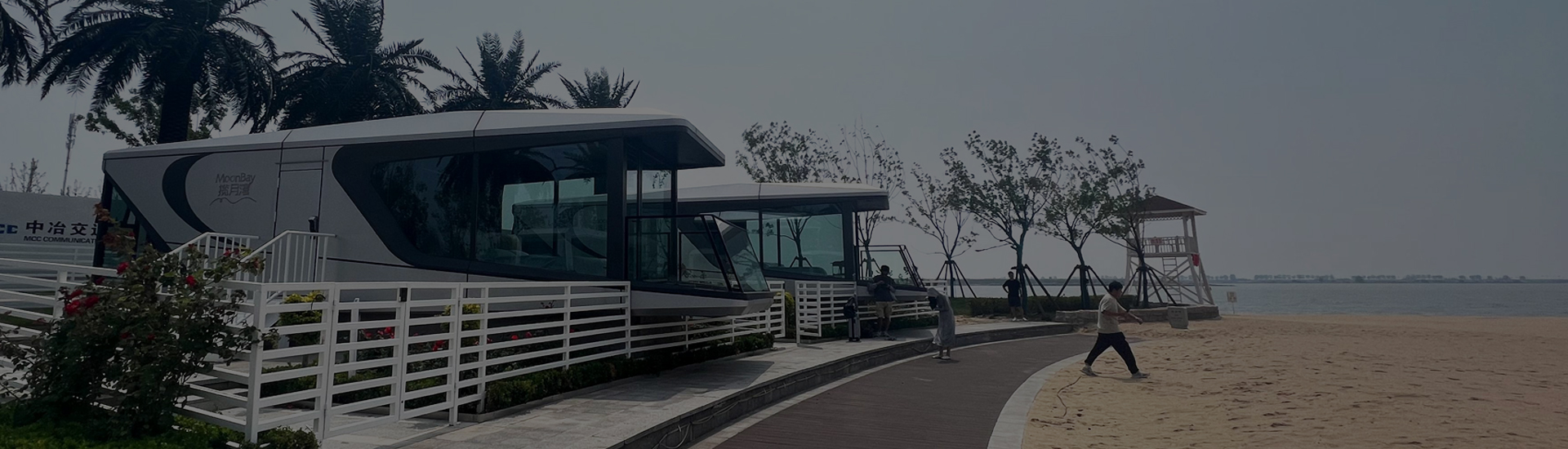
You see the capsule houses market in Australia is growing quickly. This happens because more people want affordable housing and tiny living. In Australia, cities are getting bigger and space is limited. More people look for smart ways to live. New designs use eco-friendly materials and smart engineering. Local governments help by making it easier to build these homes in backyards. You also see people like simple lifestyles and flexible living spaces. Capsule houses save energy, can handle cyclones, and are easy to take care of. These changes show Australians want homes that are flexible and ready for the future.
Key Takeaways
The capsule houses market in Australia is growing fast. This is because more people want cheap and flexible homes. Capsule houses are good for the environment. They use materials that do not harm nature. Their smart designs help save energy by up to 65%. Prices for capsule houses should stay the same. Basic models will cost between $26,000 and $50,000 by 2026. This makes them a good deal for buyers. Local governments are helping the market grow. They are making building rules easier. This helps people build these homes faster. Capsule houses have cool space-saving features. Their modular designs make them easy to change. People can customize them for different needs.
Capsule Houses Market in Australia: Trends and Growth
Market Size and Projections
You see the capsule houses market in Australia growing every year. This growth happens because cities keep getting bigger and people want homes that fit small spaces. The capsule house fits this need. You can find these homes in many cities where land is expensive and space is tight. The market for capsule houses in Australia is now worth billions of dollars. Experts say it will keep growing at about 7.88% each year. This means you will see more capsule houses in your neighborhood soon.
Australia is not the only country building capsule houses. The global compact housing sector is huge. By 2030, it could reach $4.7 billion. Australia, Europe, and the United States make up most of this demand. Right now, the prefab construction sector in Australia is less than 8% of all building projects. This shows you that the capsule houses market in Australia has a lot of room to grow. Countries like Sweden use prefab homes much more, so you can expect Australia to catch up as more people choose capsule houses.
You can see why the capsule houses market in Australia is important. It helps solve problems like urban crowding and climate change. As cities grow, you need homes that are quick to build and easy to move. Capsule houses give you these options. The market trends show that more people want these homes because they are smart, flexible, and ready for the future.
Many companies now compete to make the best capsule house. You can find top manufacturers offering new designs and better materials. This competition helps lower prefab home prices and gives you more choices. As more brands enter the market, you will see even more innovation in capsule houses.
Price Trends and Influences
You might wonder about capsule house prices. The cost of a capsule house depends on many things. Material prices change often. Steel, insulation, and windows can cost more if supply chains slow down. If things get better, you might see only a 5% increase in capsule house prices. Labor and factory work also matter. When companies use assembly lines, they can build capsule houses faster and cheaper. This helps keep prefab home prices steady.
Shipping and delivery costs affect capsule house prices too. If fuel prices go up, it costs more to bring your capsule house to your land. If you live far from a city, you might pay more for delivery. Rules and building codes can also change capsule house prices. Stricter rules make homes safer but can add to the cost. Still, you get better quality and longer-lasting capsule houses.
Demand for capsule houses keeps rising. More people want tiny homes, so more companies start making them. This competition can help lower prefab home prices. You get more choices and better deals. In 2026, capsule house prices for a basic home will range from $26,000 to $50,000. If you want a full project with land and setup, you might pay $50,000 to over $100,000. For a space capsule house, prices can reach $70,000 to $100,000 for a mid-range model. In high-cost areas, the total project can go up to $150,000. This is the 2026 capsule house prices forecast.
You should know what makes up the cost of a capsule house. Internal systems like plumbing and wiring are 30% to 45% of the total price. Materials make up 25% to 40%. Transport and installation are 10% to 20%. When you compare prefab home prices, look at all these parts. You can see why capsule house prices change from place to place.
Tip: If you want to save money, compare different capsule houses and ask about delivery and setup costs. Some companies offer deals if you buy during a sale or choose a standard design.
The capsule houses market in Australia keeps changing. You will see new designs, better materials, and more choices every year. As more people choose capsule houses, you can expect prices to become more stable and affordable.
Climate Adaptation in Capsule Houses
 Thermal Resistance
 Thermal Resistance
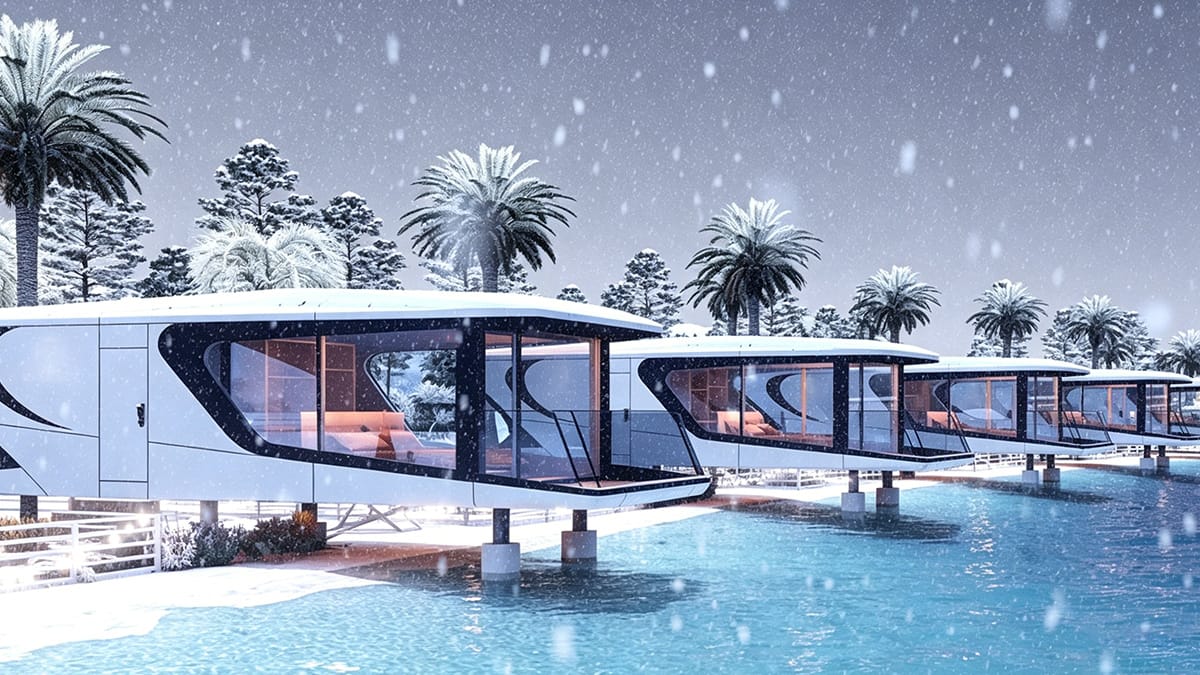
You want your home to feel good all year. Capsule houses use smart materials and designs to protect you from heat, rain, and wind. Many homes have shiny white aluminum panels and roof vents. These can make the inside cooler by up to 8°C in summer. Sealed PVC membrane roofs and rubber gaskets keep water out when it rains a lot. Galvanized steel base anchors hold the house steady against strong winds, especially in cities like Brisbane and Perth.
Capsule houses also use advanced insulation. Double-layer glass and thermal insulation cut heating and cooling needs by about 40% compared to regular homes. You see thick steel frames, aluminum panels, and polyurethane insulation layers. Panoramic insulating glass helps keep the temperature steady. Builders offer custom designs to match local wind speeds, earthquake risks, snow loads, and temperature extremes.
Feature | Description |
|---|---|
Heat Resistance | Reflective panels and roof vents reduce summer heat by 8°C. |
Waterproofing | Sealed roofs and gaskets prevent leaks during storms. |
Wind Stability | Steel anchors secure pods against strong coastal winds. |
Advanced Insulation | Double-layer glass and insulation lower HVAC needs by 40%. |
Structure & Insulation | Steel frame, aluminum panels, and polyurethane insulation boost performance. |
Heating and Cooling Options
You notice capsule houses use less energy for heating and cooling. Their small size helps keep heat in and control temperature. Smart home systems manage heating, cooling, and lighting based on weather and who is home. This makes your home use less energy and saves money.
Compact design lowers heating and cooling needs.
Small size helps keep temperatures steady.
Smart systems change energy use for comfort and savings.
Multifunctional spaces and built-in furniture help save energy.
Feature | Description |
|---|---|
Energy Efficiency | Sustainable materials and technologies reduce environmental impact. |
Heating and Cooling | Smart systems manage temperature and lighting for efficiency. |
Cost Effectiveness | Heating and cooling costs are much lower than traditional homes. |
Regional Suitability
You can find capsule houses in many parts of Australia. Builders change designs for local climates. In tropical places, you get more ventilation and waterproofing. In cold areas, thicker insulation and double-glazed windows keep you warm. Coastal homes use strong anchors and weatherproof materials to handle wind and rain. You pick the features that fit your region, so your capsule house stays comfortable and safe.
Tip: Ask your builder about upgrades for your climate. You get better comfort and lower energy bills when your capsule house matches your local environment.
Affordability and Cost Factors
Capsule House Cost Factors
You might wonder why some capsule houses cost less. The size and layout are important. Bigger capsule houses use more stuff and need more work. This makes the price go up. The kind of building materials also changes the price. Wood is cheaper at first, but steel lasts longer and needs fewer repairs. Prefab capsule houses usually cost less. Custom capsule houses cost more because you pay for special designs. If you want extra features, you pay more.
There are also hidden costs. You might have to pay for legal help, moving the house, and getting the land ready. These things add to the price. You should also think about long-term costs. You will pay for fixing things and hooking up water and power. If you want smart gadgets or fancy features, you pay more now and later.
Cost Factor | Description |
|---|---|
Size and layout | Larger and more complex designs increase costs due to higher material and labor requirements. |
Cheaper materials like wood may save costs initially but investing in durable materials like steel can be more beneficial long-term. | |
Prefabricated vs Customized Choices | Prefab homes are generally more affordable due to economies of scale, while custom builds offer flexibility at a higher cost. |
Hidden Costs | Legal fees, transportation, and land preparation can significantly add to the overall budget. |
Long-Term Costs | Ongoing maintenance and utility connections can impact affordability over time. |
Customization Options | High-end features and smart technology can enhance comfort but also increase initial and future costs. |
Construction and Maintenance Savings
Capsule houses save you money because they are built in factories. This means you pay less for workers and supplies. Capsule houses do not need as many repairs as regular homes. You spend less on fixing things and keeping them nice. This helps people who want to save money. You save money when you buy and when you live in a capsule house. Capsule houses help you stick to your budget and enjoy your home.
Tip: Pick capsule houses with strong materials and simple shapes. You will not have to fix things as much.
Freight and Material Costs
Capsule houses have prices that are easy to guess. Factories make the prices steady. Capsule houses use fewer workers and waste less stuff. You do not have to wait for long delays like with normal building. Capsule houses cost less than regular homes. You get good quality for less money.
Capsule houses have steady prices because of factory work.
Factory building uses less labor and wastes fewer materials.
Capsule houses cost less than regular homes.
You get better quality for less money with capsule houses.
Capsule houses help you save money on shipping and supplies. They make it easy to plan your spending and get a nice home.
Sustainability in Capsule Houses
Energy Efficiency
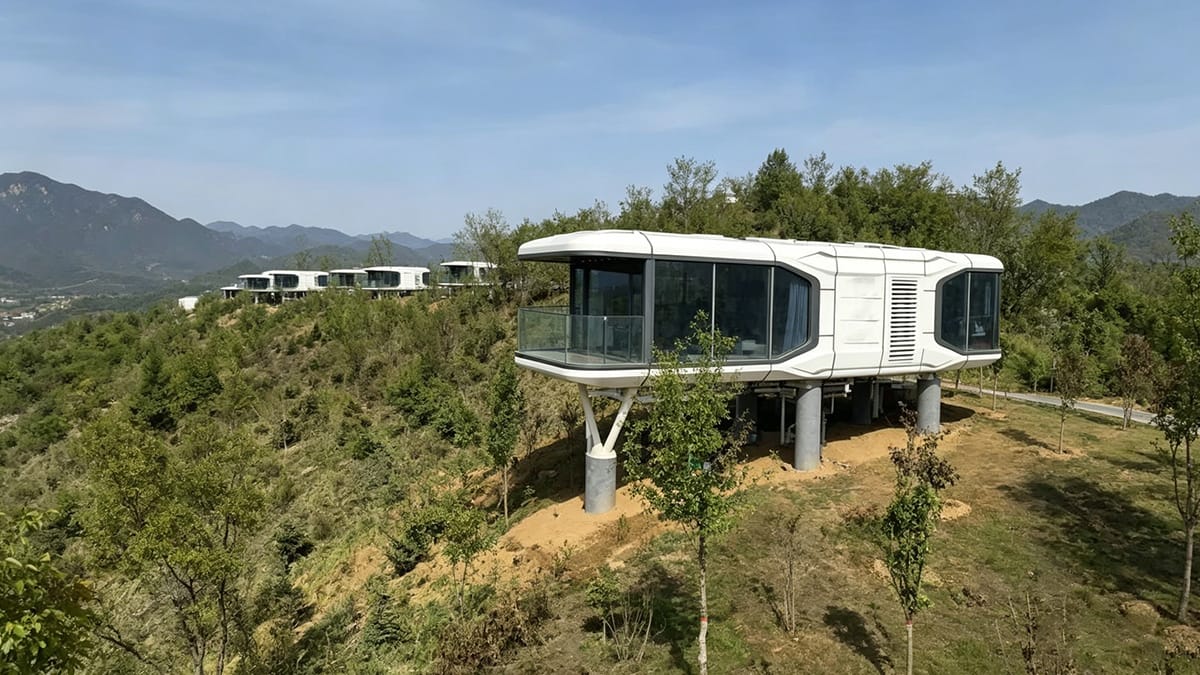 Energy Efficiency
Energy efficiency is a big reason people pick capsule houses. These homes use special insulation and smart temperature controls. This helps you use up to 65% less energy. You pay less for heating and cooling because the house stays comfy inside. The insulation keeps heat in during winter and cool air in during summer. Capsule houses have better insulation than tiny houses. You spend less on energy bills, even in very hot or cold places. Smart systems help control lights and temperature. This lowers your bills and helps the planet.
Capsule houses cut energy use by 65% with good insulation and controls.
You pay less for utilities and help the environment.
Capsule houses work better than tiny houses in tough weather.
Tip: Pick a capsule house with strong insulation to save money and help the earth.
Eco-Friendly Materials
Capsule houses use materials that are good for the earth. About 80% of the stuff in a capsule house can be recycled. Builders use things like aluminum alloy, recycled steel, and safe plastics. Capsule houses make less than 0.3 tons of waste for every 100m² built. This is much less than normal homes. Some capsule houses have solar roofs and systems to reuse rainwater. These features help you live in a green way.
Material Type | Description |
|---|---|
Recycled Steel | Strong and good for the planet |
Eco-Insulation | Keeps heat in and saves energy |
Low-Carbon Materials | Makes less pollution when building |
Solar-Integrated Roof | Uses sunlight for power |
Rainwater Recycling | Saves and reuses water |
Energy-Efficient Appliances | Uses less energy every day |
Capsule houses use recycled materials and make less trash.
You get things like solar roofs and rainwater systems for green living.
Environmental Impact
Capsule houses are good for the environment. Their small size means you use less energy for lights, heat, and air. You help lower pollution by living in a capsule house. Many capsule houses have solar panels to save energy and money. Capsule houses are cheap, save space, and are eco-friendly. You help the planet by living in a home that uses fewer resources and makes less pollution.
Capsule houses lower pollution and use fewer resources.
You use less energy and help the air stay clean.
Solar panels and smart design make capsule houses green.
Note: When you pick a capsule house, you help make Australia greener.
Urban Solutions and Design
Space-Saving Features
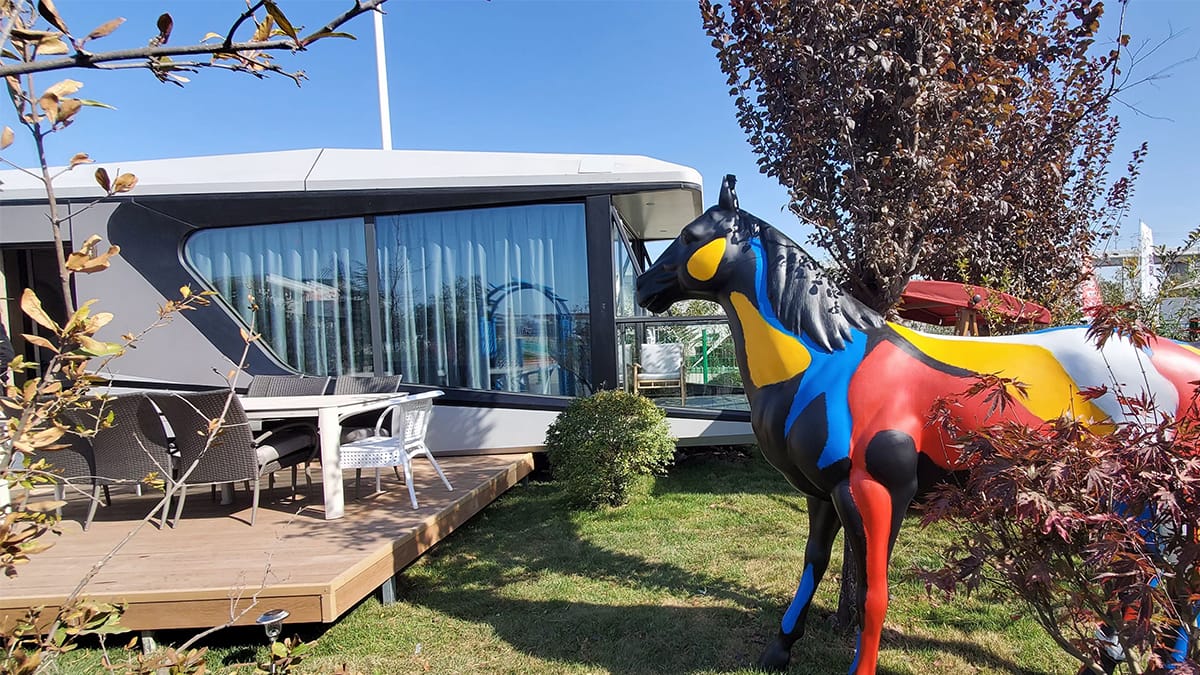 Space-Saving Features
A capsule house helps you use all your space. It has smart storage and built-in furniture. Some beds fold into the wall. Tables can slide away when you do not need them. Capsule houses use tall shelves to keep things neat. This saves floor space. You still get a kitchen, bathroom, and living room in a small area. This is good for city life where space is expensive. Two adults can live in a 30m² capsule house. You save 40% more floor space than in a normal apartment.
Modular Flexibility
A capsule house lets you change your space easily. You can add or take away rooms when you need to. The steel frames help you make your house bigger or smaller. The house is still strong. Factories make capsule houses with exact sizes and good quality. Wall panels snap together so you can change the shape and size. You can add solar panels or other things with special connectors. This makes it simple to upgrade your house.
Feature | Benefit |
|---|---|
Make your capsule house bigger or smaller and keep it safe. | |
Prefabrication | Get strong capsule houses made the same way every time. |
Interlocking Wall Panels | Change the size of your house for what you need. |
Standardized Connections | Add solar panels or other things without trouble. |
You can move your capsule house if you want to live somewhere else. You can use it for a short time or for many years. This helps you live how you want.
High-Density Integration
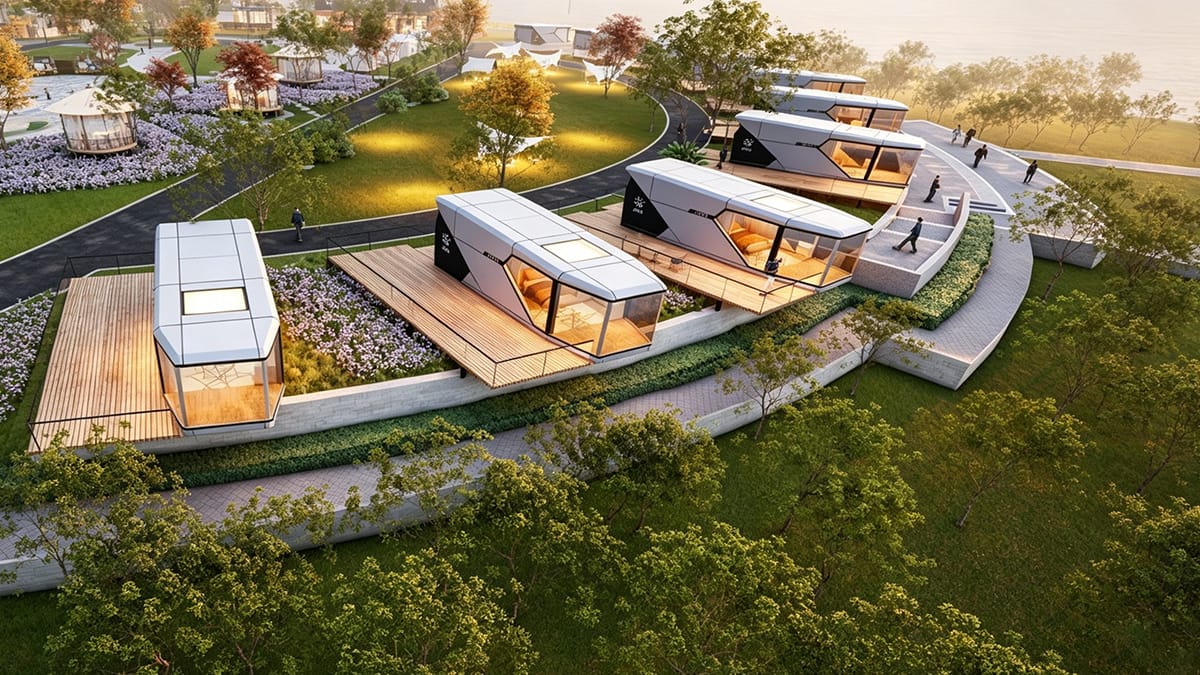
Capsule houses work well in crowded cities. They use smart layouts to fit more homes in small spaces. The walls block out city noise. You can stack capsule houses five to eight stories high. This makes a capsule house community. Each house connects like blocks. You can have one for yourself or join more for a family. This helps you live near work, school, and stores. Capsule houses give you comfort and privacy, even in busy places.
Tip: If you want to live in the city and save money, a capsule house is a smart and flexible choice.
Regulations and Market Entry
Council Approval and Zoning
You have to follow rules to build a capsule house. Local councils make zoning laws. These laws say where you can put your home. You must send in a development application. This includes checking the land and the environment. You also need to look at traffic in the area. Councils want to know how your house will change the neighborhood. Your capsule house must meet size and height limits. If it fits the rules, you can get faster approval.
It helps to talk to the council early. Show your plans and ask what they think. The council might want you to change some things. Getting approval can cost between $15,000 and $45,000. The price depends on how hard your project is.
Requirement Type | Details |
|---|---|
Development Application (DA) | Site checks, environmental reports, and traffic studies are needed. |
Complying Development Provisions | Rules about how big and tall your house can be. |
Council Consultation Strategy | Talk to the council early and show your first designs. |
Compliance Costs | Usually costs $15,000 to $45,000 based on the project. |
Tip: Talk to your council as soon as you can. Planning ahead saves you time and money.
Building Code Compliance
You must follow building codes to build a capsule house. The Building Code of Australia has the main rules. You need to make sure your house is safe and uses energy well. Local councils check if your house fits the zoning laws. The National Construction Code covers all types of buildings, even modular homes.
Each state has its own special rules. Some places need cyclone-resistant designs. You should check your state’s rules before you build. Following these codes helps you get approval and keeps your house safe.
Aspect | Description |
|---|---|
Building Code of Australia | You must follow these rules to build your capsule house. |
Local Council Approval | Councils check if your house fits local zoning and rules. |
Sets the main standards for all buildings, including capsule houses. | |
State-Level Variations | Some states need special designs, like for cyclones in tropical areas. |
Note: Following building codes keeps you and your home safe. You make sure your capsule house is ready for life in Australia.
Market Trends and Comparisons
Capsule Houses vs. Traditional Homes
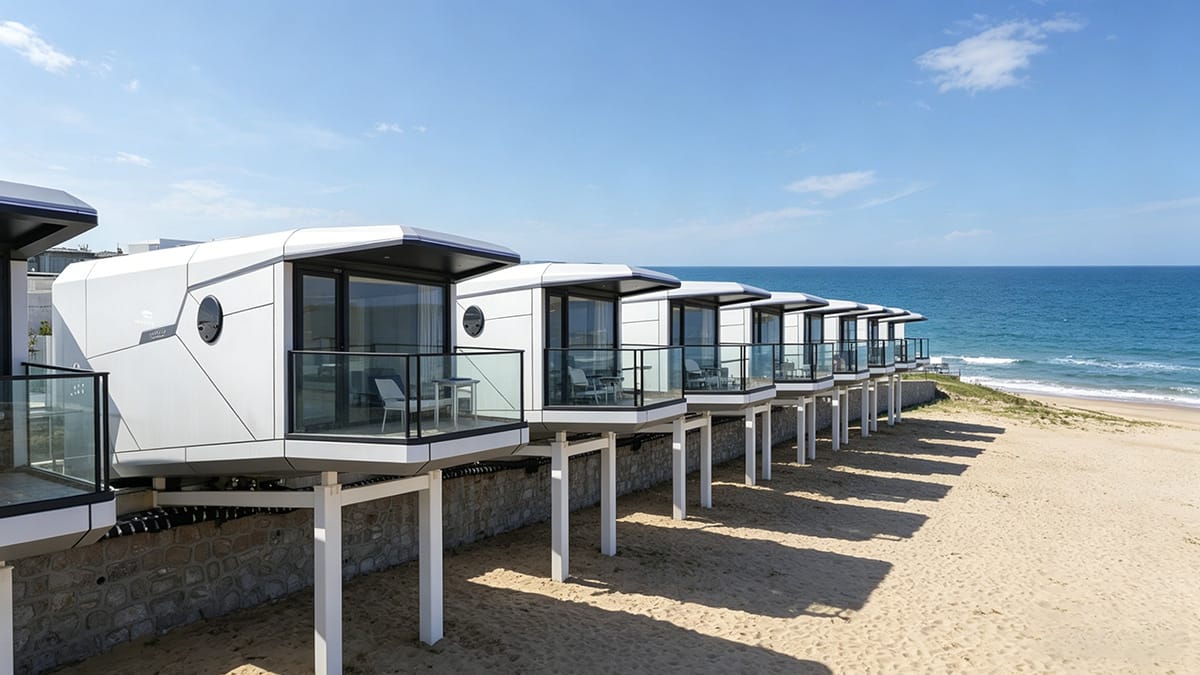 Capsule Houses vs. Traditional Homes
When you look at a capsule house and a traditional home, you see big differences. A capsule house uses space in a smart way. Every part of the house has a job. Traditional homes have rooms that are too big or not used much. You pay less for a capsule house. It costs between $20,000 and $50,000. Traditional homes cost more to buy and fix. You also save money on heating and cooling in a capsule house. It uses less energy, so your bills are lower. Because capsule houses are smaller, you use fewer resources and help the planet.
Aspect | Capsule Houses | Traditional Homes |
|---|---|---|
Space Efficiency | Multipurpose layouts, no wasted space | Larger rooms, often wasted space |
Cost Effectiveness | Lower build and maintenance costs | Higher investment and maintenance costs |
Environmental Impact | Smaller footprint, sustainable materials | Larger footprint, more energy use |
Capsule house costs less to keep up.
You use less energy for heating and cooling.
Capsule houses are better for the environment.
Capsule Houses vs. Prefab Options
Capsule houses are different from other prefab homes. Both types are built in pieces and put together fast. Capsule houses use less light and air conditioning. This means you make less pollution. You can pick special designs for your capsule house. Prefab homes let you change some things, but not as much. Both kinds of homes save energy and are quick to build. You can live in a capsule house with shared spaces and enjoy being part of a group.
Capsule houses let you pick cool designs.
Prefab homes also save energy and build fast.
Capsule houses use less energy and are good for community living.
Retro Renovation Trends
More people want capsule houses with a retro look. Many buyers like the style of homes from the 1970s. This is because they feel happy about the past and want to keep old styles. Capsule houses with retro features are popular with people who love history and design. As more people want these homes, the market grows. You can pick a capsule house with vintage style and have a home that feels special.
Retro capsule houses bring back old styles.
Buyers want homes with history and cool looks.
More people want capsule houses with retro designs.
Tip: If you want a home that is different, choose a capsule house with retro style. You get both history and style in one home.
You can see capsule houses are changing how people live in Australia. The market is growing quickly because people want homes that cost less and are good for the planet. Builders use smart ideas and materials that do not hurt the earth. Rules from the government make it easier for you to get a capsule house.
The market for special, low-cost places to stay could grow from $99.6 billion in 2021 to $228.9 billion by 2030.
Capsule houses help you get more value from your land and make money, especially if you rent them out for short stays.
Statistic | Value |
|---|---|
66% | |
Average weekly housing costs (2024) | $493 |
You will probably see more people choosing capsule houses soon. These changes might help you pick better homes in the future.
FAQ
What is a capsule house?
A capsule house is a small home made in a factory. You can live in it, work in it, or stay for a short time. Builders deliver capsule houses ready to use.
How long does it take to build a capsule house?
You can get a capsule house in two to eight weeks. Factory building makes the process faster. You save time compared to building a regular house.
Can you move a capsule house?
Yes, you can move a capsule house. The design lets you take it to new land. You can use it for temporary housing or move it when you need.
Are capsule houses safe in extreme weather?
Capsule houses use strong materials and good insulation. They protect you from heat, rain, and wind. Builders can add upgrades for cyclones or cold places.
What are the main benefits of capsule houses?
Benefit | Description |
|---|---|
Affordability | You pay less to build and keep it up. |
Sustainability | You use less energy and fewer materials. |
Flexibility | You can change or move your home easily. |
Tip: Ask your builder about extra features that fit your needs.