

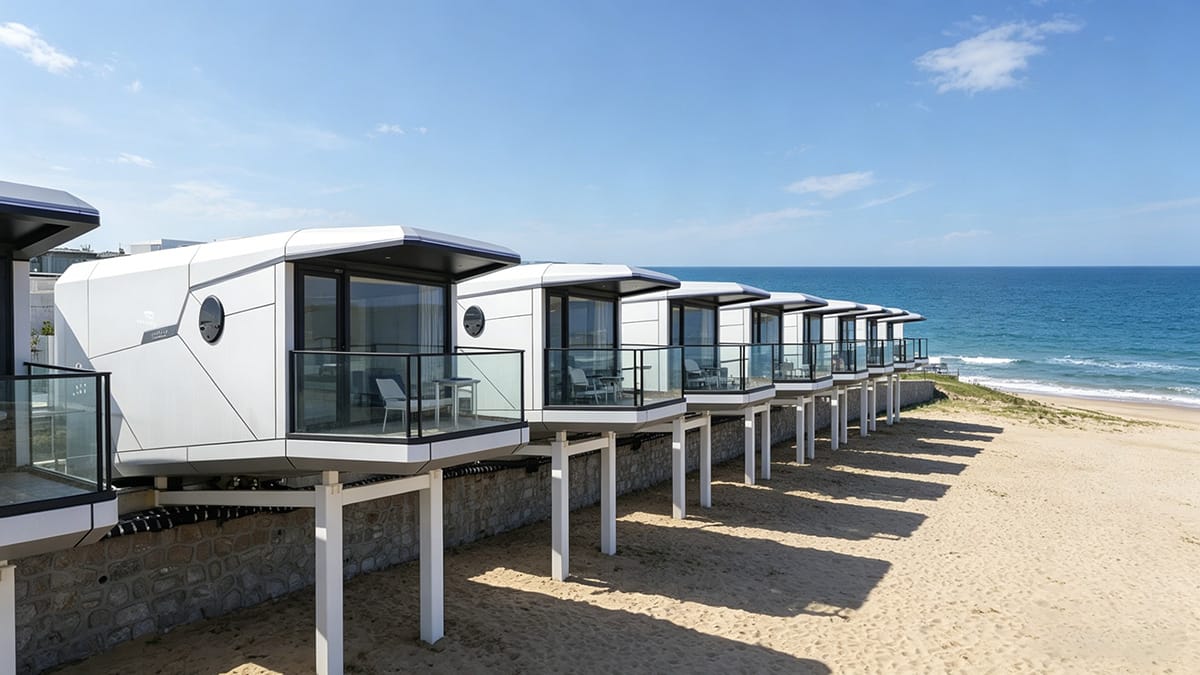
26 Jun A Guide to Selecting the Right Capsule House for Your Needs
Choosing the right capsule house types for different applications begins with knowing your lifestyle. You should think about how much space you need. Privacy is important too. Pick a home that fits your budget. Make sure it can be changed to suit you. Choose one from a trusted maker. Capsule house types work for different uses, whether you need one for living alone or with family. These homes cost less than regular houses, being about 10-15% cheaper. They help you live in a way that saves energy, allowing you to save up to 65% on energy costs. Capsule houses make living simple and green easy, supporting a lifestyle that is good for the planet.
Key Takeaways
Think about what you need in your daily life before picking a capsule house. Look at space, privacy, and money to help you choose the right one.
Check out different kinds of capsule houses. There are portable homes and fancy models. Each one is made for a certain purpose.
Customization is important. Pick finishes and layouts that fit your style and needs. This makes your house more comfortable and useful.
Capsule houses save money. They usually cost 10-15% less than regular homes. You can also save up to 65% on energy bills.
Look into manufacturers closely. Pick a trusted company with good reviews. This helps you get good quality and support after you buy.
Capsule House Types for Different Applications
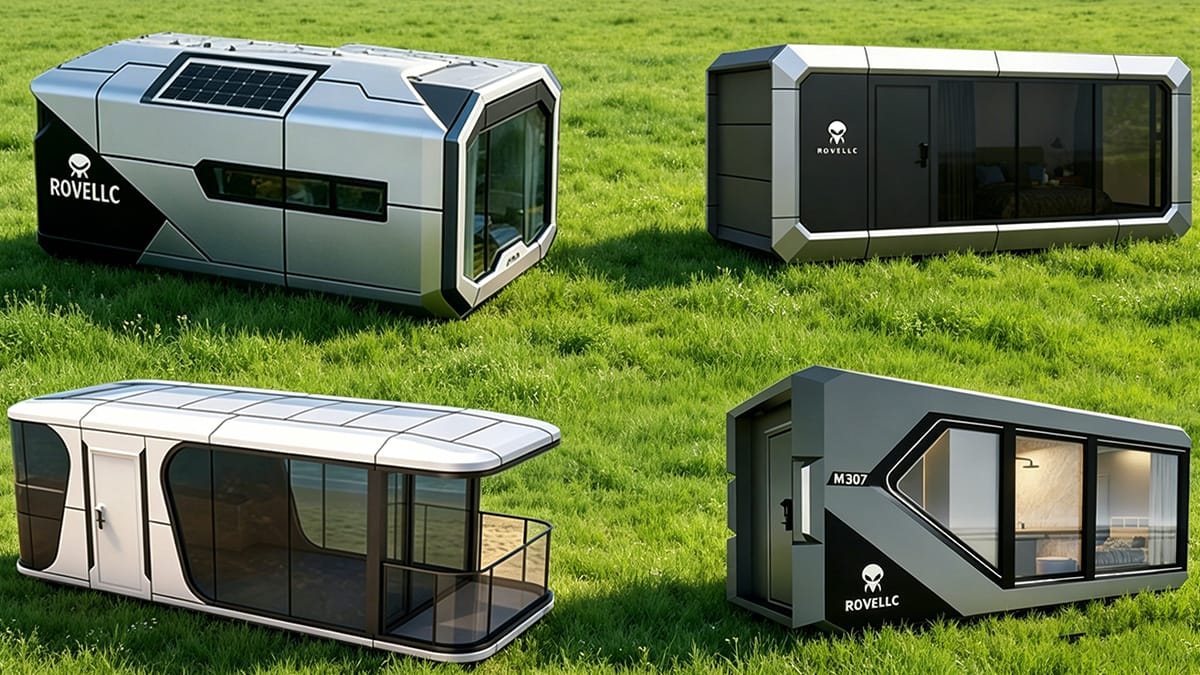 When you start looking at capsule house types for different uses, you will find many choices. These homes come in different shapes and sizes. Each one is made for a special reason. Some are best for people living alone. Others are good for families, travelers, or even businesses. You can pick a capsule house for almost any need.
Main Categories and Features
Here is a quick look at the main types of capsule houses and what they do:
Type of Capsule House | Description | Primary Applications |
|---|---|---|
Portable Capsule Homes | Easy to move and set up anywhere. | Disaster relief, remote work, temporary housing |
Premium Capsule Houses | Have fancy features and smart technology. | Resorts, private villas, high-end rentals |
Off-Grid Capsule Homes | Use solar or wind power and are good for nature. | Sustainable living, cabins, research stations |
Intelligent Service Stations | Small units with smart technology for services. | Kiosks, healthcare, retail |
Basic Capsule Houses | Simple, useful, and not expensive. | Dorms, construction sites, short-term stays |
Vertical Capsule Houses | Stackable and modular for city life. | Urban apartments, high-density housing |
Capsule Lodgings | Dorm-style pods for travelers. | Hostels, tourist stays |
Capsule Flats | Apartments with more privacy for longer stays. | Affordable homes for singles or small families |
Floating Capsule Homes | Can float on water and resist getting wet. | Vacation homes, eco-resorts |
Sustainable Capsule Houses | Built to use less energy and space. | Eco-communities, nature reserves |
You can see that capsule house types for different uses fit almost every situation. If you want something simple, pick a basic capsule. If you want to help the planet, try a sustainable or off-grid capsule. If you move a lot, portable capsule homes are a good choice.
Modular Capsule Houses Overview
Modular capsule houses are special because you can change them to fit your needs. You can have moving walls, smart home features, and bigger bathrooms. These homes use green materials and save energy. You can move them if you want to live somewhere new. Modular living means you can add or take away rooms when you need to. This makes modular capsule houses great for families that grow or people who like to change things.
Modular capsule houses are built somewhere else and then brought to your land.
They often have more space and better features than other capsule houses.
Modular living gives you both comfort and flexibility.
Comparing Capsule Houses with Other Small Homes
Let’s see how capsule house types for different uses compare to prefab and modular homes:
Aspect | Capsule Houses | Prefab/Modular Homes |
|---|---|---|
Environmental Impact | Small, good for nature, low carbon footprint | Changes, usually not as green |
Customization | Easy to change, modern looks | Can change, but might cost more |
Energy Efficiency | Have energy-saving technology | Might need upgrades to save energy |
Minimalist Living | Simple, modern, less stuff | Sometimes uses more materials |
Privacy | Small, can be open or private | Usually more private with separate rooms |
Construction Speed | Very fast, often done in a month | Fast, but time can change |
Community Living | Good for sharing and being social | Often more private, less about community |
Tip: If you want a home that is quick to build, easy to move, and good for the planet, capsule house types for different uses might be the best choice. Modular capsule houses give you even more ways to change your space as your life changes.
Key Factors for Your Ideal Capsule House
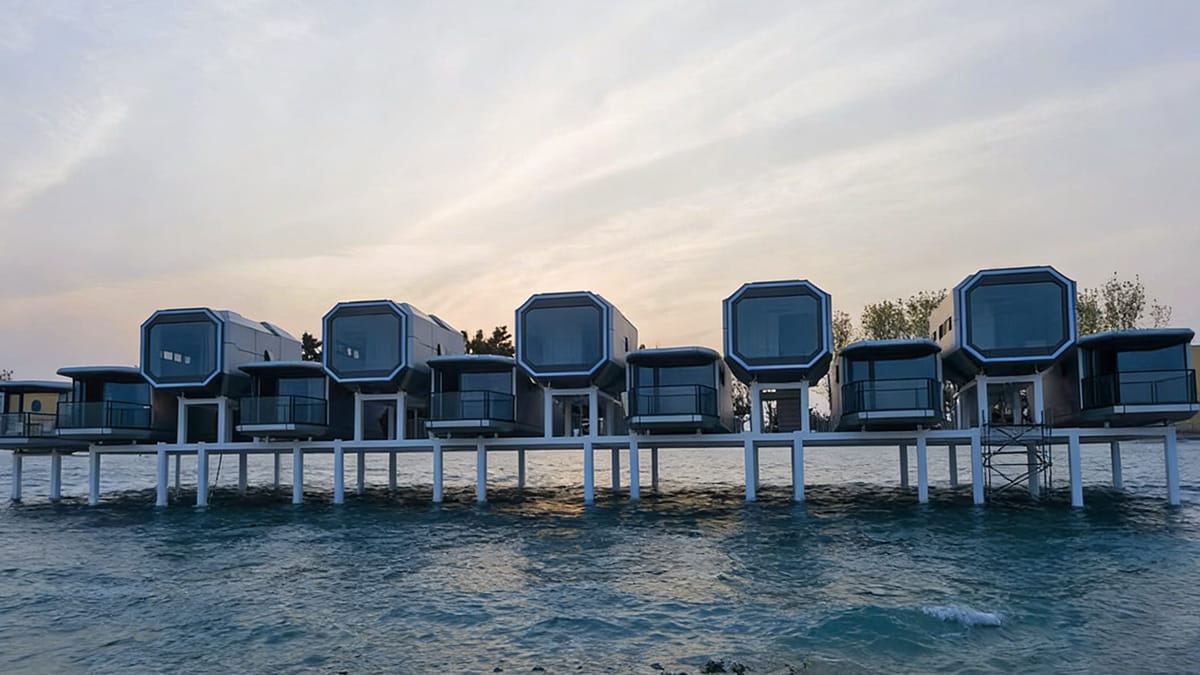 When you look for your ideal capsule house, you should think about a few important things. These will help you pick a home that fits what you need and gives you good value. Let’s see what matters most.
Space and Layout Needs
You want your capsule house to feel roomy, not tight. Think about how you use space every day. Do you need a place for work, sleep, or cooking? Capsule houses use smart storage, like built-in cabinets and under-floor spaces, to use every inch. You can find desks and beds that fold up and do more than one job. Good lighting and air flow are important too. Big windows and vents keep air fresh and make small rooms feel bigger. Smart technology, like lights that turn on by themselves and climate controls, can make life easier.
Consideration | Description |
|---|---|
Built-in cabinets, under-floor storage, and smart layouts use space well. | |
Customization | Foldable desks and beds save space and do more jobs. |
Lighting and Ventilation | Big windows and vents help you feel comfortable and healthy. |
Smart Technology | Automated lights and temperature controls make daily life better. |
Tip: Mirrors and decks outside can make your capsule house seem bigger. Try using sliding walls or panels to separate sleeping and living areas for more privacy.
Customization Options
You want your capsule house to match your style and needs. Customization lets you pick finishes, layouts, and smart features. You can choose the color and material for the outside. Inside, you can change room setups, add storage, or use furniture that does more than one thing. Many capsule house makers offer smart home features, like solar panels and energy-saving appliances, so you can make your space your own.
Customization Aspect | Description |
|---|---|
Exterior Finishes | Pick materials, colors, and styles you like. |
Interior Layouts | Change room setups, add storage, and use furniture that does more than one job. |
Smart Home Technologies | Add solar panels, smart climate systems, and energy-saving appliances for a modern touch. |
Note: Customization makes your modular capsule house more useful and special.
Location and Placement Flexibility
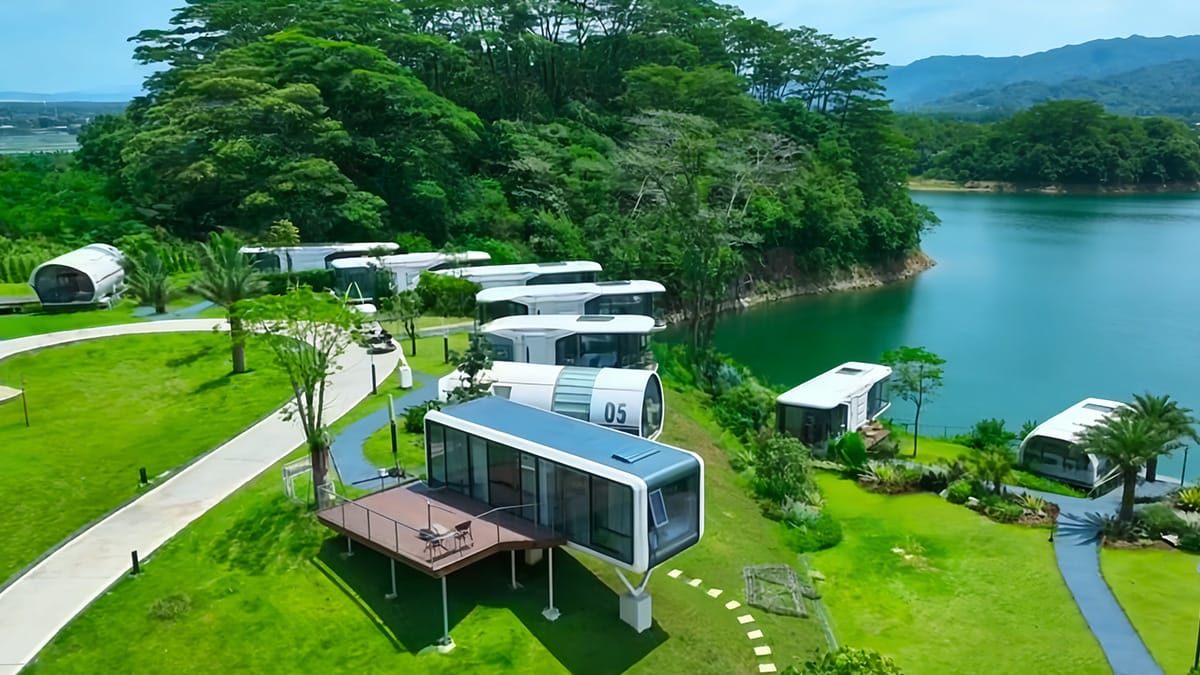
Capsule houses are cool because you can put them almost anywhere. Adjustable foot pads keep your home steady, even if the ground is not flat. You don’t need a full foundation, so you can set up your house on grass, gravel, or concrete. Built-in lifting lugs make moving and placing easy. This means you can live in a city, a forest, or near water. Capsule houses work well in cities with little space and in faraway places with lots of nature. Installation is fast, and you can have trained crews do it or let local workers help. This makes the process easy and fits what you want.
Capsule houses can handle different climates and cultures, so you can find one that fits your area and still get good quality.
Budget and Value
You need to know what you can spend. Capsule houses come in many price ranges. Basic models cost less, while premium and modular ones cost more. Here’s a quick look at prices:
Type | Size (approx.) | Estimated Price Range |
|---|---|---|
Basic Capsule (shell) | 80–150 sq ft | $12,000 – $22,000 |
Standard Capsule (studio) | 120–220 sq ft | $25,000 – $45,000 |
Premium Capsule House | 200–320 sq ft | $48,000 – $80,000+ |
Space Capsule House | 150–300 sq ft | $55,000 – $95,000+ |
Capsule houses usually cost between $30,000 and $120,000.
Prefab capsule houses cost $100–$200 per square foot.
Custom capsule houses cost $200–$350 per square foot.
Tiny homes cost about $50,000.
Prefab homes cost $80–$160 per square foot.
You should compare prices and features to get the best value. Modular capsule houses may cost more at first, but they give you flexibility and save money later. Smart technology can cut energy costs by up to 35%. Capsule houses have lower starting costs and high occupancy, so you can expect a strong roi. The usual roi is 15–25% per year, with payback in 3–5 years.
Safety and Quality
 Safety and quality are important when picking your capsule house. You want a home that meets strict rules and lasts a long time. Look for capsule house makers who follow codes like AS 1170 for structure, AS 3959 for fire safety, and NatHERS for energy rating. Many homes also have certifications like CE mark (EU), ICC-ES (USA), and CodeMark (Australia).
Regulation Focus | Key Code | Capsule House Requirement |
|---|---|---|
Structure | AS 1170 | Withstand loads & weather |
Fire Protection | AS 3959 | Bushfire-resistant materials |
Energy Rating | NatHERS | Min. 6-star efficiency |
Capsule house makers use galvanized steel, strong concrete, and sustainable wood to build tough homes. They add good insulation for sound and temperature control. Fire safety steps and eco-friendly designs help you stay safe and save energy. Most makers offer warranties from 10 to 25 years, covering structure and materials. After-sales services include checks and repairs, so your modular capsule house stays in great shape.
Block Quote: “Advanced building methods, strong materials, and careful engineering give capsule houses lasting quality and strength.”
Manufacturer Reputation
You want to trust your capsule house maker. Look for companies with good service, fast installation, and reliable shipping. Production reliability and material quality matter. User experience is important too. A good capsule house maker will offer clear communication, helpful support, and strong after-sales service. They should use high-quality materials and have a history of successful modular projects.
Service readiness
Installation speed
Logistics savings
Production reliability
Material quality
User experience
Tip: Read reviews and ask for references. A trusted capsule house maker will help you get the best modular home for your needs.
Long-Term Value and Sustainability
Think about the future. Capsule houses cost less and have high occupancy, so you get strong value. Modular flexibility lets you grow or change your space without spending a lot. Smart technology and green features, like solar panels and climate systems, cut energy costs and boost your roi. Capsule houses usually pay for themselves in 3–5 years. You get lasting quality and performance, making your investment worthwhile.
Note: Picking a modular capsule house from a trusted capsule house maker gives you peace of mind and strong long-term value.
Step-by-Step Guide to Choosing
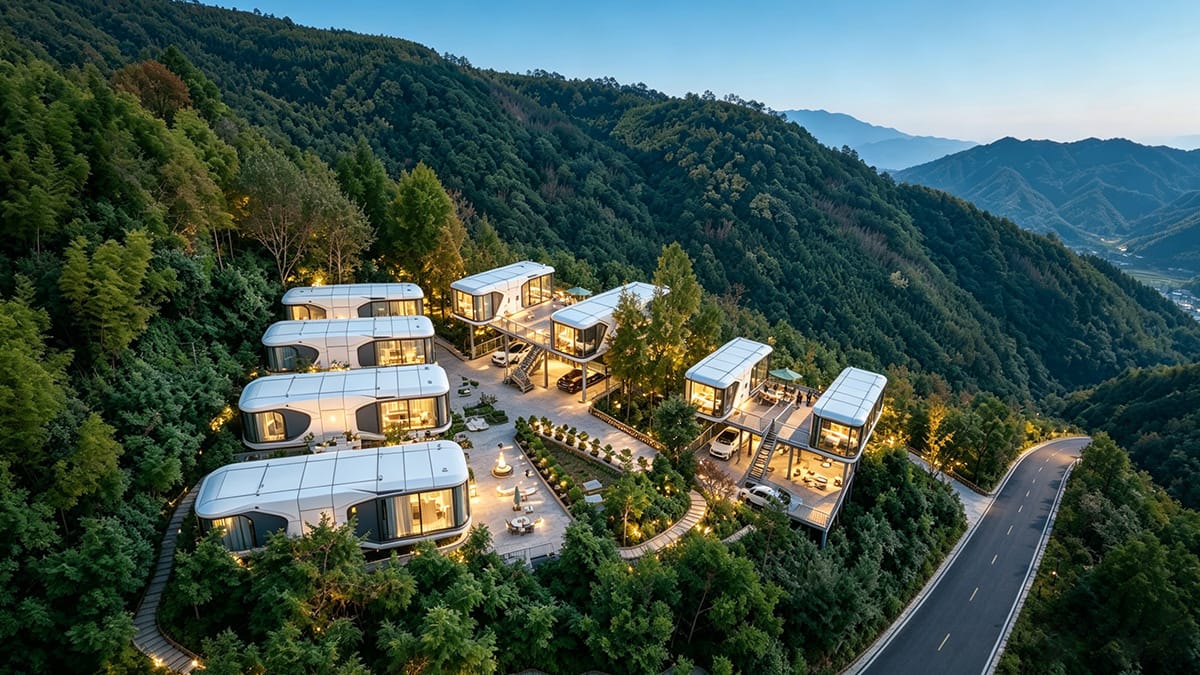 Choosing your capsule house can feel like a big task. You want to make sure you get it right. This step-by-step guide to choosing will help you move from dreaming to living in your perfect space.
Define Your Needs and Preferences
Start by thinking about what you really want. Ask yourself some questions. Do you need a quiet place to work? Do you want a home close to nature or in the city? Make a list of your must-haves and nice-to-haves.
Here’s a simple way to break it down:
Identify your space needs. Think about privacy, location, and how much room you need.
Look at your daily habits. Do you cook a lot? Do you need a spot for hobbies?
Check how you feel about small spaces. Some people love cozy homes. Others need more room to feel comfortable.
Write down what you can’t live without. Maybe you need a big window or a smart kitchen.
Picture your future. Will your needs change soon? Maybe you plan to work from home or start a family.
Think about your values. Do you care about green living or saving energy?
Tip: Take your time with this step. The better you know yourself, the easier the next steps will be.
Research and Shortlist Options
Now you know what you want. It’s time to look for capsule houses that fit your list. You can start online. Check different websites and compare what they offer.
Follow these steps:
Define your main use for the capsule house. Is it for living, working, or renting out?
Search on trusted platforms. Look at prices, features, and photos.
Read reviews and ratings. See what other buyers say about their user experience.
Check the details. Make sure the house meets your needs for space, privacy, and style.
Look at shipping and installation. Some homes cost more to deliver or set up.
Check local rules. Make sure you can put a capsule house on your land.
Make a shortlist of your top choices. Pick three to five options that match your needs and budget.
Note: Reviews can tell you a lot about user experience and how reliable a company is.
Visit or Tour Capsule Houses
You can learn a lot from pictures, but nothing beats seeing a capsule house in person. If you can, visit a model home or ask for a virtual tour. This step helps you check the quality and see if the space feels right.
When you visit, pay attention to these things:
Aspect | What to Check |
|---|---|
Is the house on solid, level ground? | |
Water Supply | Does it have a working water line or holding tank? |
Sewer Connections | Are sewer or septic connections ready? |
Electricity | Can you hook up power easily? |
Walk around and imagine your daily life there. Open cabinets. Try the doors. Sit in the living area. Ask about how fast you can get the house and if the company explains everything clearly. Quick installation and clear delivery timelines make a big difference in user experience.
Callout: Don’t skip this step. A visit can show you things you might miss online.
Compare Features and Prices
Now you have your shortlist. It’s time to compare the details. Look at what each capsule house offers and how much it will cost. Make a table to see the differences.
Type of Capsule House | Average Investment | |
|---|---|---|
Prefab capsule house | $100 to $200 | $30,000 to $60,000 |
Custom capsule house | $200 to $350 | $60,000 to $100,000 |
Check what you get for the price. Does one house have better insulation? Does another offer smart home features? Think about long-term costs too, like energy bills and maintenance. These can have a big impact on roi over time.
Tip: Don’t just look at the starting cost. Think about how much you’ll spend each year and how the house will hold its value.
Make Your Final Decision
You’ve done your homework. Now it’s time to choose. Go back to your list of needs and see which capsule house fits best. Pick the one that gives you the most value for your money and matches your lifestyle.
Before you sign anything, double-check the contract. Make sure you understand what’s included in the cost. Ask about warranties and after-sales support. Good service can make your life easier if you need help later.
Note: Trust your gut. If a house feels right and checks all your boxes, you’re ready to take the next step.
You can use this step-by-step guide to choosing your capsule house with confidence. Each step helps you get closer to a home that fits your needs, budget, and dreams.
Tips for Buying a Capsule House
 Check Material Quality
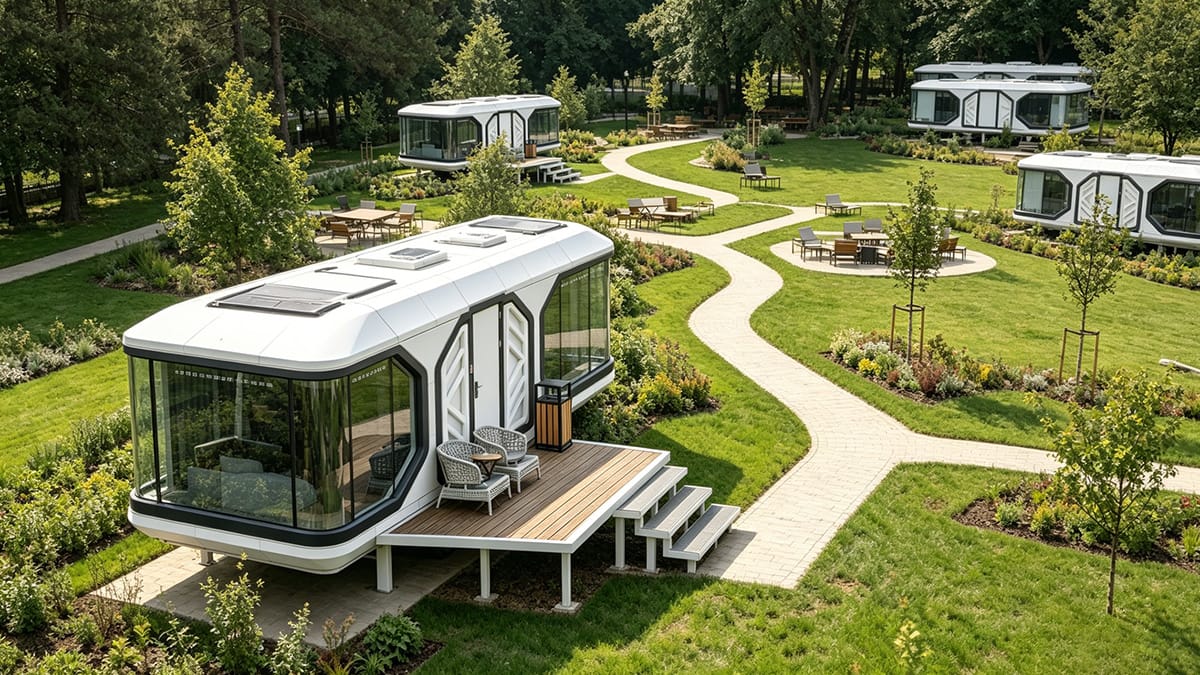 Check Material Quality
You want your capsule house to last a long time and feel nice. Always ask the capsule house manufacturer what materials they use. Good materials keep you safe and help you spend less money later. Here is a table that shows some common materials and why they are good:
Material | Benefits |
|---|---|
Polyurethane Foam | Great insulation, keeps energy cost low |
Lightweight Composite Panels | Easy to move, strong, saves on cost |
Engineered Wood | Durable, looks nice, lasts longer |
Double-Glazed Windows | Saves energy, lets in light, lowers heating cost |
Mineral Wool | Quiet, fire-safe, keeps you comfortable |
Polycarbonate Panels | Light, bright, good for roofs and walls |
Smart Building Systems | Controls temperature, uses solar, cuts energy cost |
Ask your capsule house manufacturer for more information about each material. This helps you see which one is better and how much it costs.
Understand Local Regulations
Check the rules in your area before you buy. Some places have strict building codes or zoning laws. A good capsule house manufacturer will help you learn these rules. If you skip this step, you might pay more or wait longer. Make sure your capsule house manufacturer knows your city’s rules and can help with permits.
Tip: Ask your capsule house manufacturer to show you homes they built near you.
Plan for Maintenance and Future Needs
Think about how your life might change later. Pick a capsule house manufacturer that uses weather-resistant materials. This helps you fix things less and saves money. Ask about warranties and after-sales service. You want a capsule house manufacturer who will help if something breaks. Planning now helps you avoid surprise costs later.
Look for strong surfaces that are easy to clean.
Ask if you can add rooms or features later.
Check if the capsule house manufacturer has upgrades.
Review Pros and Cons
Capsule houses have good things and some not-so-good things. Here is a table to help you decide:
Pros | Cons |
|---|---|
Sustainability | Lack of Privacy |
Minimalism | Resale Value |
Affordability | Limited Customization |
Space Optimization | Regulatory Hurdles |
Mobility | Limited Space |
You save money and energy, and life is simple. But you might have less privacy and space. Talk with your capsule house manufacturer about what matters most to you. Make sure the cost and lifestyle are right for you.
Callout: Take your time. The right capsule house manufacturer will answer your questions and help you make a smart choice.
You can find your ideal capsule house by following these steps:
Know what you need and want.
Research different types and features.
Visit houses to see how they feel.
Compare prices and options.
Make your choice.
Capsule houses use space well, fit your style, and save money. You get long-term savings on bills and a home that matches your life. When you plan and research, you make a smart investment. Enjoy the freedom and comfort of your new space!
FAQ
What is the lifespan of a capsule house?
Most capsule houses last 20 to 50 years. You can make them last longer with good care and regular maintenance. High-quality materials and weather protection help your home stay strong.
Can you move a capsule house to a new location?
Yes, you can move many capsule houses. Some models have built-in lifting points. You just need a truck or crane. Always check with your manufacturer before moving.
Do capsule houses stay warm in winter and cool in summer?
Capsule houses use strong insulation and smart climate systems. You stay comfortable in every season. Double-glazed windows and good airflow help keep the temperature just right.
How much time does it take to install a capsule house?
Most capsule houses go up in one to four weeks. The time depends on the model and your site. Some basic models are ready in just a few days.
Can you customize the inside of a capsule house?
You can pick finishes, layouts, and smart features. Many manufacturers let you choose colors, storage, and even add solar panels. Your capsule house can match your style and needs.